
USA – A Country of Comfort Food and Halloween Traditions
The United States has a wonderfully diverse food culture shaped by regional traditions and generations of immigration. Mac and Cheese is one of its most beloved comfort food classics, while Halloween has become a spectacular celebration of costumes, decorated houses, carved pumpkins and spooky creativity. Although many Halloween customs have European roots, the United States helped shape the pumpkin-filled celebration we recognize today.
What Is Mac and Cheese?
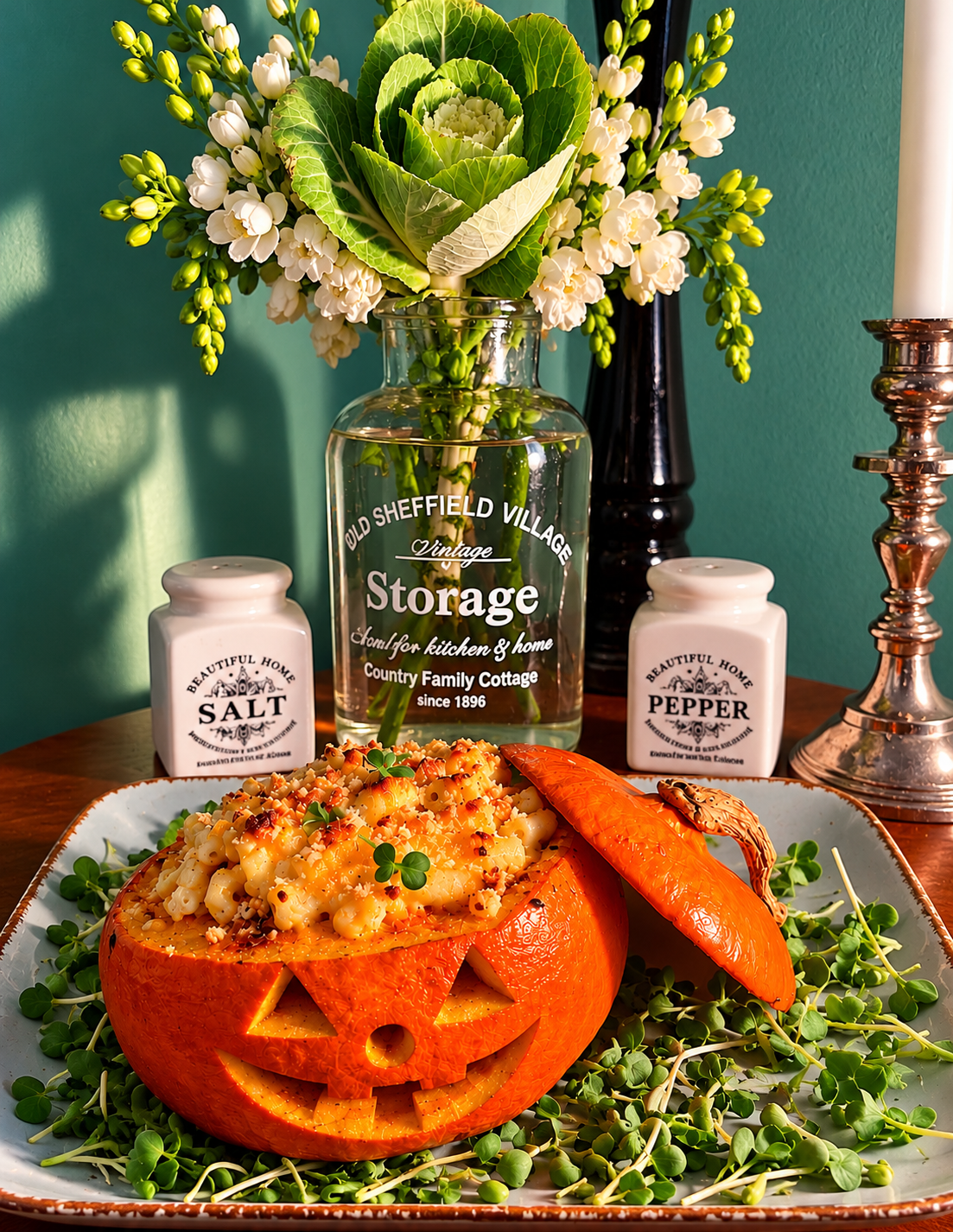
Mac and Cheese is a classic American dish made with macaroni and a creamy cheese sauce, often prepared with a butter-and-flour roux and finished in the oven. My vegan version uses plant-based cheddar, vegan Parmesan, nutritional yeast and a creamy béchamel-style sauce. Roasted Hokkaido pumpkin adds extra flavor, while the hollowed-out pumpkin becomes an edible Jack-o'-Lantern serving bowl with a crispy panko topping.
▣ Ingredients (2 servings)
- 150 g elbow macaroni
- 1 medium Hokkaido pumpkin
- 20 g vegan butter alternative, for the sauce
- 20 g plain wheat flour
- 300 ml unsweetened plant-based drink, warmed
- 75 ml plant-based cooking cream
- 80 g vegan cheddar, grated or finely chopped
- 20 g vegan Parmesan alternative
- 1 onion
- 1 tsp Dijon mustard
- 1 tsp nutritional yeast
- 1/2 tsp sweet paprika powder
- 1 pinch cayenne pepper
- 1 pinch freshly grated nutmeg
- 1 tsp chili oil, for brushing the pumpkin
- 20 g panko breadcrumbs
- 2 tsp vegan butter alternative, melted, for the topping
- to taste salt & freshly ground black pepper
♨ Preparation
- Prepare the Hokkaido Pumpkin
Preheat the oven to 180°C / 355°F fan.
Wash the Hokkaido pumpkin thoroughly and pat it dry. Cut off the top to create a lid.
Carefully remove the seeds and stringy fibers. Set the seeds aside for roasting later – a delicious zero-waste snack! Discard or compost the stringy fibers.
Brush the inside of the pumpkin and the cut surfaces with the chili oil. - Roast the Pumpkin
Place the hollowed-out pumpkin and its lid on a baking tray lined with parchment paper.
Roast for approximately 25 minutes, depending on the size of the pumpkin and the thickness of its walls. The flesh should begin to soften while the pumpkin remains firm enough to hold its shape.
Remove from the oven and allow it to cool until safe to handle. - Carve the Jack-o'-Lantern
Carefully carve a Halloween face into the roasted pumpkin using a small, sharp knife.
Create the eyes, nose and mouth without cutting away too much of the supporting pumpkin wall.
Use a spoon to scoop out some of the softened pumpkin flesh from the inside, keeping the walls thick enough to hold the creamy macaroni filling.
Set the softened pumpkin flesh aside to add directly to the cheese sauce later, without puréeing it.
Set the carved pumpkin aside while finishing the Mac and Cheese. - Cook the Macaroni
While the pumpkin is roasting, bring a large saucepan of salted water to a boil.
Add 150 g of macaroni and cook until just al dente, following the package instructions but stopping slightly before the pasta becomes completely soft.
Drain and set aside. The macaroni will continue cooking briefly in the cheese sauce and during the final baking stage. - Prepare the Onion and Roux
Heat 20 g of vegan butter alternative in a large saucepan over medium heat.
Add the finely diced onion and sauté until soft and translucent.
Sift 20 g of flour over the onion mixture and stir continuously with a whisk. Cook gently for approximately 1–2 minutes to create a pale roux without allowing it to brown.
Prepare the Creamy Pumpkin Béchamel
Gradually pour in the 300 ml warm plant-based drink while whisking continuously to prevent lumps.
Add the 75 ml plant-based cooking cream and stir until smooth.
Add the softened pumpkin flesh reserved after carving the roasted Jack-o'-Lantern directly to the sauce.
Stir gently to combine, allowing the soft pumpkin pieces to become incorporated into the creamy sauce. There is no need to blend or purée the mixture. - Season the Sauce
Stir in the Dijon mustard, nutritional yeast, sweet paprika, cayenne pepper and freshly grated nutmeg.
Season with salt and freshly ground black pepper.
Allow the sauce to simmer gently, stirring regularly, until it develops a rich, creamy consistency. - Add the Vegan Cheese
Reduce the heat to low.
Stir 60 g of vegan cheddar into the warm sauce, reserving the remaining 20 g for the topping.
Add the 20 g vegan Parmesan alternative and stir until everything is thoroughly combined and the sauce is creamy.
Avoid boiling the sauce vigorously after adding the cheese, as some plant-based cheese alternatives can become oily or separate when overheated.
Combine the Macaroni and Cheese Sauce
Add the drained macaroni to the saucepan.
Gently fold the pasta through the creamy pumpkin-cheddar sauce until every piece is evenly coated.
The mixture should remain slightly saucier than ordinary stovetop Mac and Cheese because it will thicken during the final baking stage. - Fill the Jack-o'-Lantern
Place the carved pumpkin in an ovenproof dish or on a lined baking tray.
Spoon the Mac and Cheese into the hollowed-out pumpkin, filling it generously without pressing the pasta down too firmly.
Scatter the reserved 20 g of vegan cheddar over the surface. - Prepare the Crispy Panko Topping
Melt 2 teaspoons of vegan butter alternative.
Combine it with the 25 g of panko breadcrumbs and mix until the crumbs are lightly coated.
Sprinkle the panko mixture evenly over the Mac and Cheese.
Bake Until Golden
Return the filled pumpkin to the oven at 180°C / 355°F fan.
Bake for approximately 10 minutes, watching carefully, until the vegan cheddar has softened and the panko topping is golden and crisp.
Remove from the oven before the breadcrumbs become too dark. - Serve the Halloween Mac and Cheese
Carefully transfer the pumpkin to a serving plate.
Position the roasted pumpkin lid beside or slightly above the opening to show off the Jack-o'-Lantern face and the creamy macaroni filling.
Serve immediately while the Mac and Cheese is hot and the topping is beautifully crisp.
The remaining roasted Hokkaido flesh and its edible skin can be enjoyed together with the Mac and Cheese.
Food Story
New York, Mac and Cheese and a Little Culinary Ambition
I ate Mac and Cheese for the very first time in New York, and let’s just say the city left quite an impression on me. Not only because of the food – New York is simply an incredible place. But while cooking this vegan version, I made a little mental note: I really need to go back someday and hand over my recipe. Just a friendly suggestion from the Via Veggie Vegan kitchen, of course. No pressure, New York! I’m sure you’ve been doing perfectly fine without my culinary advice.
One Culinary Rule, One Very Strong Craving
My kitchen-based journey around the world originally came with a rule: no dish twice. Well, that was the plan. But I’d been craving Mac and Cheese all morning, and sometimes comfort food simply wins. So I gave this American classic a new Halloween outfit: a roasted Hokkaido pumpkin with a carved Jack-o’-Lantern face, stuffed with creamy vegan Mac and Cheese and topped with golden breadcrumbs. No wonder Jack is grinning from ear to ear. Instead of a boring old tealight, he’s absolutely stuffed with cheesy macaroni!
Halloween in the USA – Still on My Wish List
One thing I genuinely regret is that I’ve never experienced Halloween in the United States. I imagine New York must be fantastic at that time of year, and Staten Island in particular is somewhere I’d love to explore for its Halloween decorations and spooky neighborhood atmosphere. But until I finally make that trip, I’ll simply bring a little American Halloween spirit into my own kitchen. Same comfort food, new spooky outfit. And honestly, I think Jack approves!
♨ Nutrition per serving
Nutritional values are approximate and may vary depending on the ingredients and products used.
Good to Know
Mac and Cheese – An American Comfort Food Classic
Macaroni and cheese is one of the most recognizable comfort foods in the United States. The dish combines pasta with a rich cheese sauce, usually made with cheddar or other melting cheeses. Some versions are served directly from the saucepan, while others are baked with an additional layer of cheese or breadcrumbs.
Although Mac and Cheese is strongly associated with American cooking, combinations of pasta and cheese existed in Europe long before the dish became an American staple. Its modern identity developed through centuries of culinary exchange and adaptation.
Thomas Jefferson, James Hemings and the History of Mac and Cheese
Thomas Jefferson is frequently associated with the early popularity of macaroni dishes in the United States. During his time in Europe, he developed an interest in pasta and the equipment used to prepare it.
However, the story should not be told as though Jefferson personally invented American Mac and Cheese. James Hemings, the enslaved chef who worked for Jefferson and received culinary training in France, played an important role in adapting and preparing European dishes at Monticello. The contributions of enslaved Black cooks are an essential part of the history of American food.
Why Is Cheddar So Popular in Mac and Cheese?
Cheddar is valued for its savory flavor and ability to create a rich cheese sauce. Traditional aged cheddar can contribute a particularly pronounced, slightly tangy taste.
Vegan cheddar alternatives vary considerably in their ingredients and melting properties. Many are made using combinations of vegetable oils, starches and flavorings, while others include nuts or plant proteins. For the smoothest result, choose a vegan cheddar that is suitable for melting.
Why Add Vegan Parmesan?
Vegan Parmesan alternatives provide additional savory depth and can make the sauce taste more complex. Depending on the product, the flavor may come from nuts, nutritional yeast, fermentation or concentrated seasonings.
Combining vegan cheddar with a Parmesan-style alternative creates a more layered flavor than using a single cheese substitute.
What Is a Roux?
A roux is a classic thickening technique made by cooking flour with fat. It is commonly used as the base for béchamel sauce and many other creamy sauces.
When liquid is added and heated, the flour's starch granules absorb moisture and swell, helping the sauce thicken. Adding warm liquid gradually while whisking reduces the risk of lumps.
Why Use Both Plant-Based Drink and Cooking Cream?
The plant-based drink provides most of the liquid for the béchamel-style sauce, while the cooking cream adds richness and a smoother mouthfeel.
Unsweetened products are essential for savory Mac and Cheese. Sweetened or vanilla-flavored plant-based drinks would noticeably alter the flavor.
Different plant-based drinks also vary in protein, fat and starch content, which can affect the final consistency of the sauce.
Hokkaido Pumpkin – An Edible Serving Bowl
Hokkaido pumpkin, also commonly sold as red kuri squash, is especially convenient because its thin skin becomes tender when cooked and is generally edible.
Its sweet, nutty flesh works beautifully with savory ingredients such as cheddar-style cheese, mustard and paprika. In this recipe, the pumpkin serves two purposes: the scooped-out flesh enriches the sauce, while the roasted shell becomes an edible Halloween serving bowl.
Why Roast the Pumpkin Before Filling It?
Mac and Cheese needs only a short final baking time once the pasta and sauce are cooked. A raw pumpkin, however, would require considerably longer to become tender.
Roasting the pumpkin separately ensures that its flesh softens before the pasta is added. The final bake can then focus on heating the filling and crisping the topping without overcooking the macaroni.
Why Is Pumpkin Orange?
The orange color of many pumpkin varieties comes from carotenoid pigments, including beta-carotene. The body can convert beta-carotene into vitamin A according to its needs.
Vitamin A contributes to normal vision and immune function. Because carotenoids are fat-soluble, eating pumpkin with some dietary fat can support their absorption.
Pumpkin – A Fruit or a Vegetable?
Botanically speaking, pumpkin is a fruit because it develops from the flower of the plant and contains seeds. In everyday cooking, however, it is usually treated as a vegetable.
Pumpkins belong to the Cucurbitaceae family, alongside cucumbers, zucchini and melons. Their culinary versatility makes them suitable for both sweet and savory dishes.
Why Dijon Mustard Works in Cheese Sauce
Dijon mustard adds gentle sharpness and acidity, helping balance the richness of the vegan cheese and cooking cream.
It also contains compounds that can help stabilize mixtures of oil and water. Just one teaspoon is enough to enhance the flavor without making the finished Mac and Cheese taste strongly of mustard.
Nutritional Yeast – A Savory Vegan Kitchen Staple
Nutritional yeast adds a nutty, savory flavor often described as cheese-like. It is particularly useful in vegan cheese sauces because it adds depth without requiring additional dairy-based ingredients.
Some nutritional yeast products are fortified with vitamin B12, but not all. Check the packaging rather than assuming every product provides a reliable source of B12.
Why Add Nutmeg to Béchamel?
Nutmeg is a traditional seasoning for creamy white sauces. Its warm, aromatic flavor complements the richness of the sauce and works particularly well with cheese-style ingredients.
A small pinch is sufficient. Too much nutmeg can overpower the other flavors.
Cayenne and Chili Oil – Two Different Kinds of Heat
Cayenne pepper contributes a direct, sharp heat to the cheese sauce, while chili oil adds flavor and a gentle spicy coating to the roasted pumpkin.
The overall heat level depends on the strength of the chili oil and the amount of cayenne used. Both can be adjusted without changing the basic structure of the recipe.
Why Panko Breadcrumbs Become So Crispy
Panko breadcrumbs are generally larger and airier than conventional fine breadcrumbs. Their irregular structure creates a light, crunchy topping when baked.
Coating the crumbs with a little melted vegan butter alternative encourages even browning and adds richness. The topping is best added just before the final baking stage to preserve its crisp texture.
Halloween – Is It Really an American Tradition?
Halloween as celebrated today is strongly associated with the United States, but its historical roots are much older and are not exclusively American.
Many Halloween customs developed from traditions in Ireland, Scotland and other parts of the British Isles. These practices evolved over centuries and became intertwined with Christian observances such as All Saints' Day and All Hallows' Eve.
Irish and Scottish immigrants carried many customs to North America, where Halloween developed into the highly visible celebration of costumes, decorations, pumpkins and trick-or-treating familiar today.
Samhain – The Ancient Celtic Festival
Samhain, traditionally associated with the transition from October 31 to November 1, marked the end of the harvest season and the beginning of the darker part of the year in Gaelic tradition.
It was connected with beliefs about the boundary between the human world and the supernatural world becoming less distinct. Fire, seasonal gatherings and protective customs formed part of the traditions associated with this time of year.
However, it would be too simplistic to say that every modern Halloween custom comes directly from Samhain. Halloween developed through a combination of older seasonal traditions, Christian observances and later cultural changes.
What Does Jack-o'-Lantern Mean?
Jack-o'-Lantern is the name commonly used for a carved pumpkin lantern with a face. The tradition is closely connected with Irish folklore, especially the legend of Stingy Jack.
According to the tale, Jack repeatedly tricked the Devil. After his death, he was condemned to wander in darkness, carrying a glowing ember inside a hollowed-out turnip.
Over time, the story became associated with lanterns carved from vegetables and used to frighten away unwanted spirits.
Before Pumpkins, There Were Turnips!
In Ireland and other parts of the British Isles, people traditionally carved faces into turnips and sometimes other root vegetables. These lanterns could be placed near homes or carried after dark.
When the custom developed in North America, pumpkins became especially popular because they were readily available, larger and easier to carve.
So the familiar orange Jack-o'-Lantern is a wonderful example of an older European tradition transformed by American ingredients and culture.
Why Are Pumpkins Associated with Halloween?
Pumpkins are native to the Americas and have a long history of cultivation there. Their autumn harvest season coincides with Halloween, making them a natural choice for seasonal decorations.
Their size, hollow interior and relatively easy-to-carve flesh also make them particularly suitable for lanterns. Over time, the glowing orange pumpkin became one of Halloween's most recognizable symbols.
Halloween in New York City
New York City is known for its elaborate Halloween celebrations, including costumes, themed events and neighborhood decorations. The Village Halloween Parade in Manhattan is one of the city's best-known annual traditions.
Residential neighborhoods across the boroughs, including Staten Island, also take part in Halloween decorating, although the atmosphere varies by neighborhood and year.
For someone who loves Halloween creativity, New York offers a very different experience from a quiet evening with a carved pumpkin at home.
Why Halloween Food Is So Much Fun
Halloween cooking offers endless opportunities to transform familiar dishes into something playful. Pumpkins can become bowls, vegetables can become monsters and everyday comfort food can be given an entirely new appearance.
And the best part? The food doesn't need to be complicated or frightening. Sometimes all it takes is a carved pumpkin, a little imagination and an unreasonable amount of vegan cheese.
Whether the inspiration comes from Ireland, Scotland or the United States, one thing is certain: Halloween deserves to be celebrated!
Vegan Cheese and Saturated Fat
Plant-based cheese alternatives are not automatically low in saturated fat. Many products use coconut oil or other fats that can contribute substantial amounts of saturated fatty acids.
Different vegan cheeses have very different nutritional profiles, so checking the label is useful. The type and quantity of fat in the overall diet matter more than whether a product is labeled vegan.
HDL, LDL and Fat Quality
LDL particles transport cholesterol through the bloodstream. Elevated LDL cholesterol is an established cardiovascular risk factor because LDL-containing particles can contribute to plaque formation in blood vessels.
HDL particles are involved in transporting cholesterol away from peripheral tissues, but higher HDL cholesterol alone does not necessarily mean lower cardiovascular risk.
Replacing some saturated fats with unsaturated fats can help reduce LDL cholesterol. A balanced plant-based diet can include richer comfort food dishes while emphasizing vegetables, legumes, whole grains, nuts and unsaturated fats overall.
Why Portion Size Matters with Mac and Cheese
Mac and Cheese is an energy-dense dish because pasta, cheese alternatives, cooking cream and fat all contribute calories. This recipe also includes a substantial edible pumpkin and a breadcrumb topping.
The reduced amount of macaroni and vegan cheese makes this version lighter than the original recipe, while the pumpkin contributes additional volume and fiber.
Zero Waste – Don't Throw Away the Pumpkin Seeds
The seeds removed from the Hokkaido pumpkin can be cleaned, dried and roasted separately with a little oil and seasoning.
Roasting time depends on the size and thickness of the seeds. They should be thoroughly dried before roasting and checked for bitterness or spoilage. The remaining edible pumpkin flesh can also be used in soups, sauces or other autumn dishes.
Can You Prepare the Dish in Advance?
The cheese sauce and macaroni can be prepared in advance and refrigerated promptly. The pumpkin can also be roasted separately before final assembly.
For the best texture, fill the pumpkin and add the panko topping shortly before baking. If the components have been refrigerated, allow additional oven time to ensure the filling is thoroughly heated through without burning the breadcrumbs.
You may also like
♡
You may also like
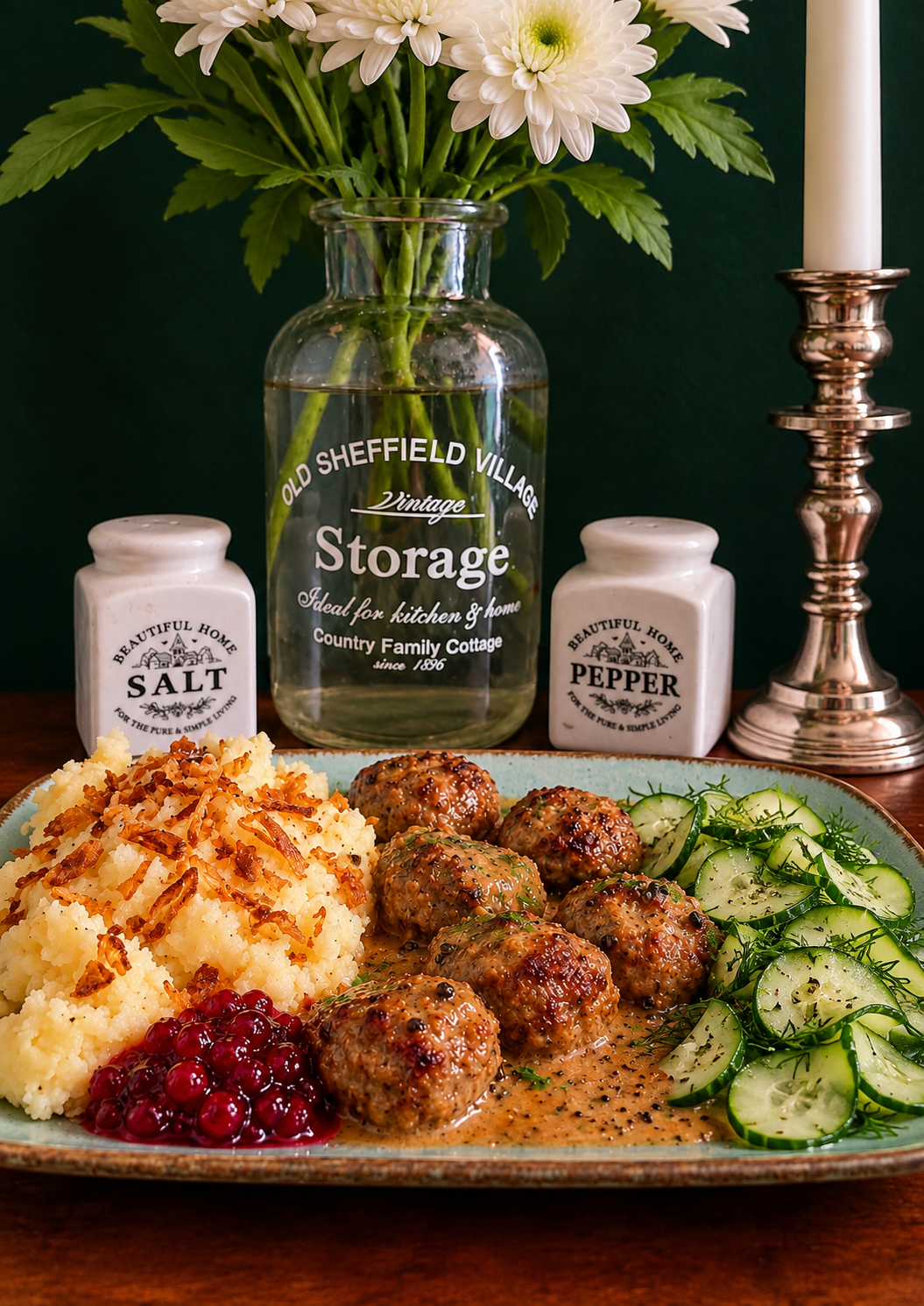
Swedish Vegan Köttbullar – Homemade Meatballs with Creamy Gravy, Mashed Potatoes & Lingonberries
You may also like
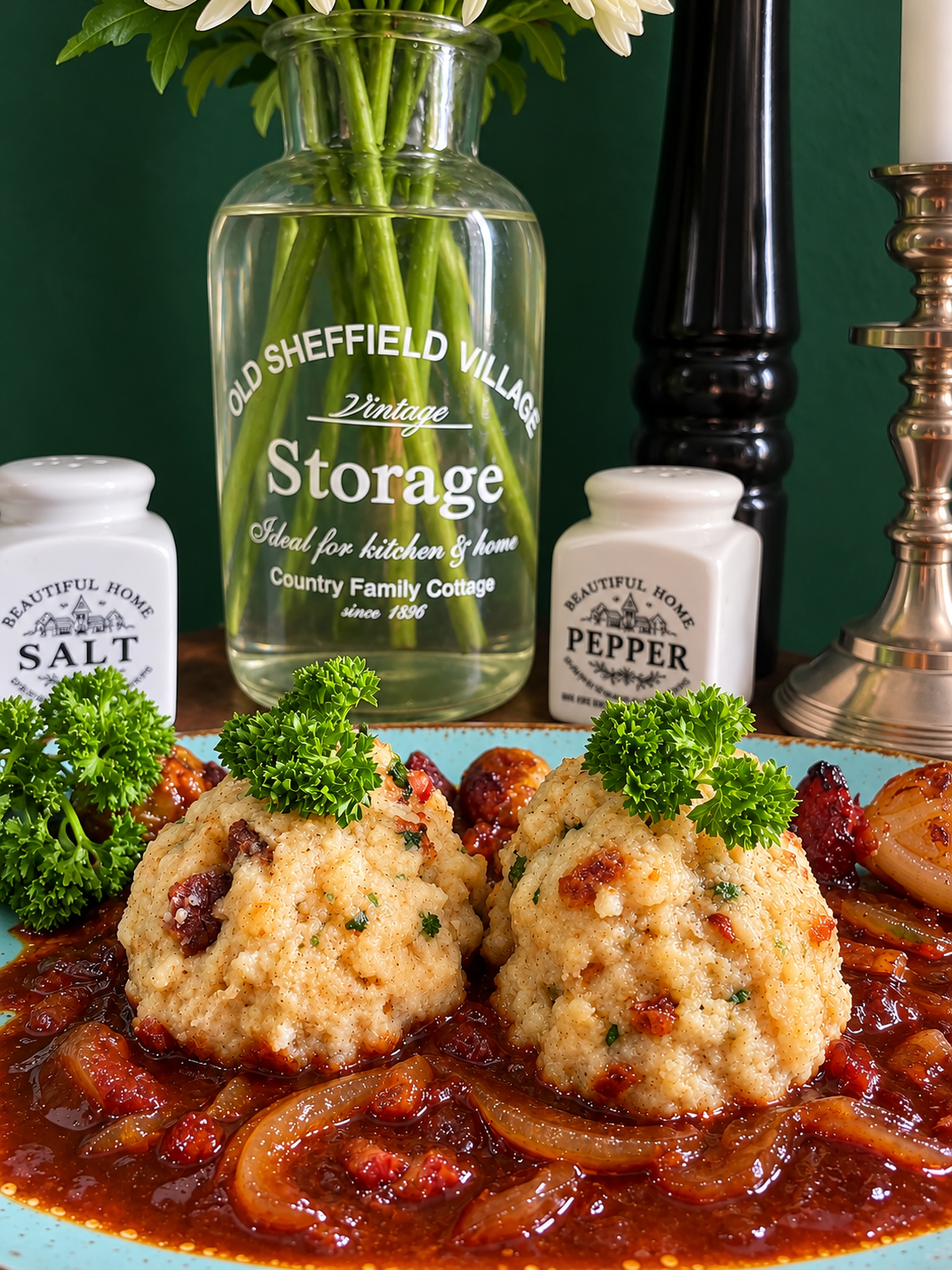
Slovenian Kruhovi Cmoki with Čebulna Omaka – Vegan Bread Dumplings in Rich Onion Gravy
You may also like