Recipe postcard
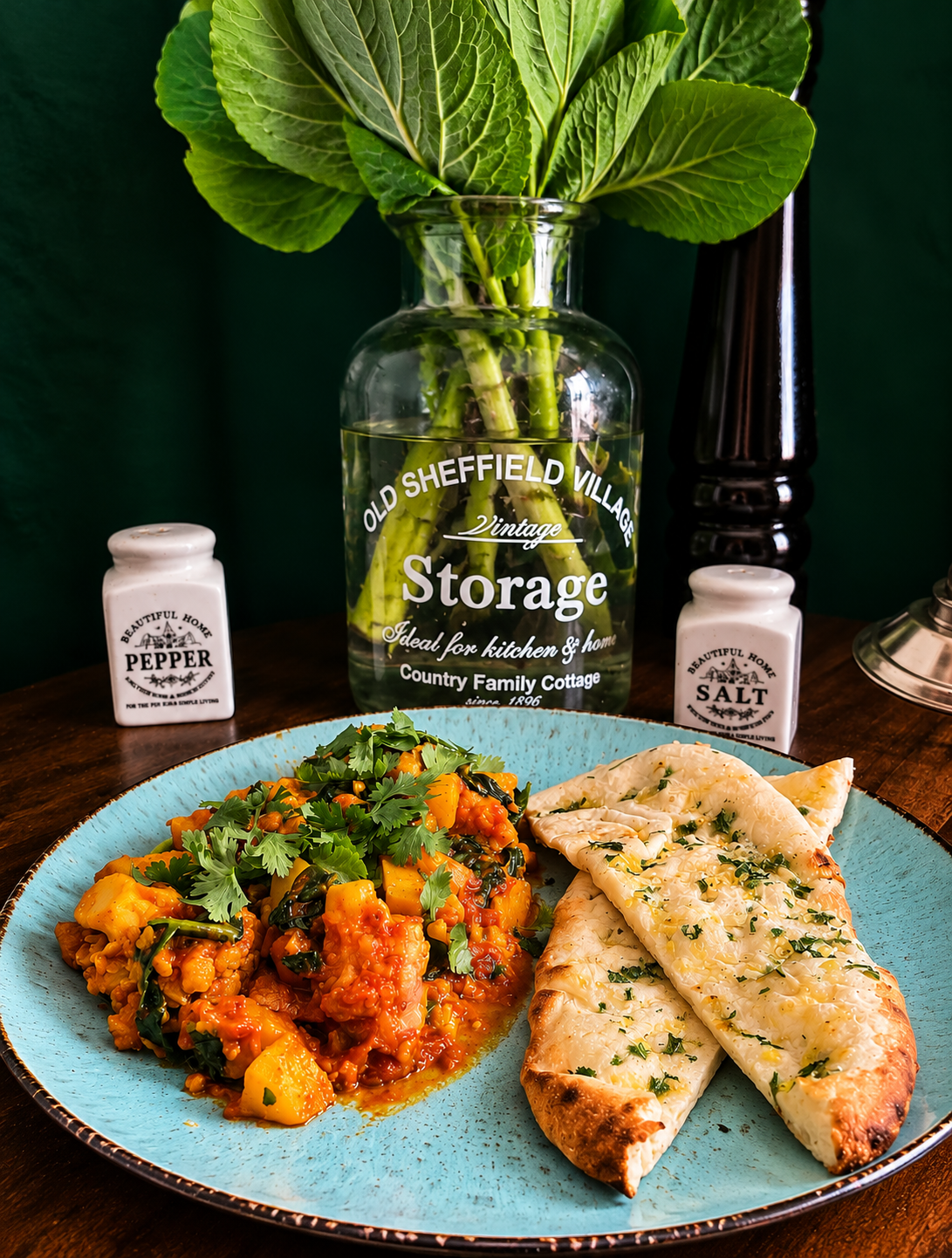
Pakistan – A Rich Tradition of Aromatic Home CookingPakistan's diverse culinary traditions feature fragrant spices, fresh vegetables, lentils, breads and richly seasoned curries. Everyday dishes often combine simple ingredients with carefully developed layers of flavour. Potatoes, cauliflower and spinach are familiar ingredients in Pakistani home cooking, while flatbreads such as naan and roti are popular accompaniments to vegetable curries.
What Is Aloo Gobi Palak?The name describes the three main ingredients: aloo means potato, gobi means cauliflower and palak means spinach. Aloo Gobi and Aloo Palak are both familiar vegetable preparations across Pakistan and the wider Indian subcontinent. This Via Veggie Vegan recipe combines all three vegetables in a fragrant tomato-based masala with cumin, coriander, turmeric, ginger, garlic and chilli. Homemade Garlic Naan, brushed with vegan butter and fresh garlic, completes this comforting plant-based interpretation.
Cook this recipe →
Recipe postcard
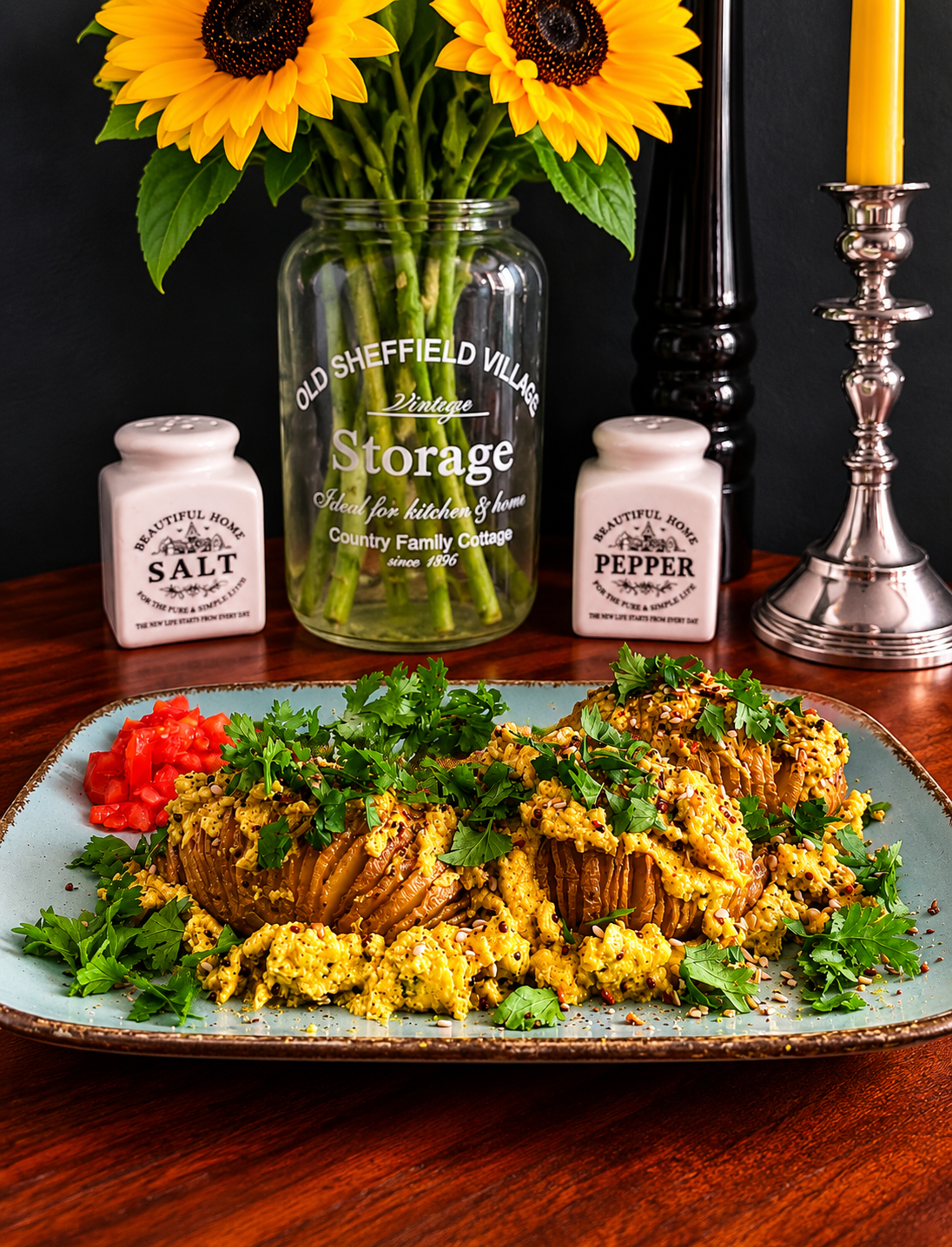
Myanmar – Aromatic Curries and the Art of Si PyanMyanmar, also known as Burma, is a Southeast Asian country with a diverse culinary heritage shaped by regional traditions and neighbouring food cultures. Onion, garlic, ginger, turmeric and chili are important ingredients in many Burmese curries. A characteristic technique in several Burmese curry preparations is known as si pyan, often translated as "the oil returns". As the curry cooks and moisture evaporates, the seasoned oil becomes visible again, signalling that the sauce has reduced and its flavours have concentrated.
What Is Aloo Hin?Aloo Hin is a Burmese-style potato curry. The name combines aloo, meaning potato, with hin, a Burmese term for curry or a cooked dish. Traditional preparations vary, but potatoes are commonly cooked with aromatic ingredients and spices until tender and well coated in the sauce. My Via Veggie Vegan version takes a deliberately creative approach by replacing ordinary potato pieces with slow-baked Hasselback potatoes. Black mustard seeds, mustard oil, sesame oil, vegan fish sauce and a garnish of coriander, sesame seeds and fresh tomato complete this fully plant-based, Burmese-inspired interpretation.
Cook this recipe →
Recipe postcard
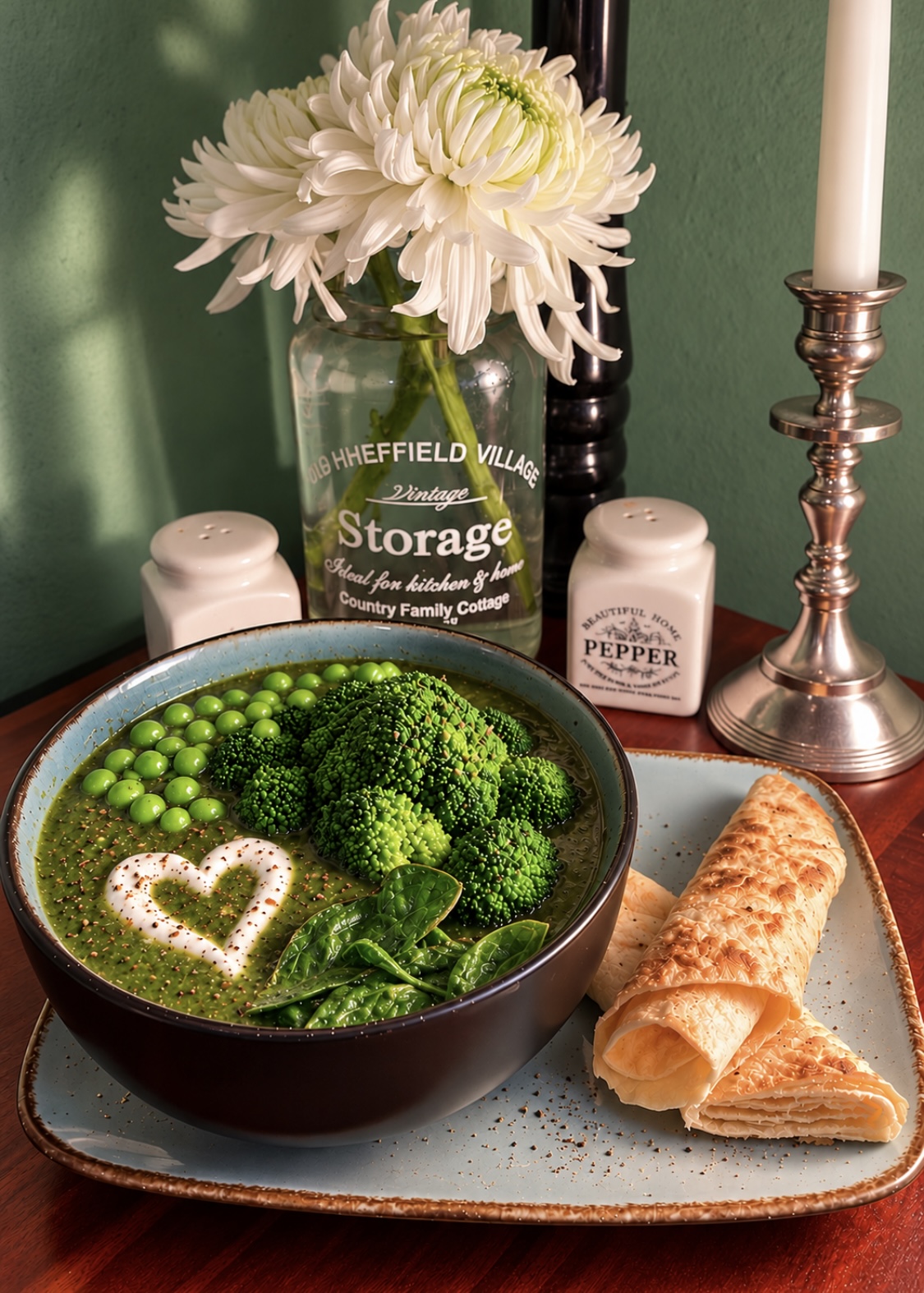
Dominica – The Nature Island of the CaribbeanDominica is a mountainous Caribbean island known for its lush rainforests, fertile volcanic landscapes and rich culinary heritage. Local cooking draws on fresh vegetables, tropical produce, herbs, root crops and traditional Caribbean seasonings. Callaloo is an important part of Dominican food culture, with recipes varying between families and households.
What Is Callaloo?Callaloo is a traditional Caribbean dish prepared with leafy greens and aromatic ingredients. In Dominica, dasheen leaves are traditionally associated with callaloo soup, although spinach can be used as an alternative. Okra contributes a characteristic texture, while coconut milk, thyme, onion, garlic and chilli create a fragrant, comforting combination. My Via Veggie Vegan version uses fresh spinach instead of dasheen leaves and adds broccoli, green peas, potato and a lighter coconut milk base. Crispy spinach leaves, two coconut cream hearts and optional rolled flatbread complete this colourful, fully plant-based interpretation.
Cook this recipe →
Recipe postcard
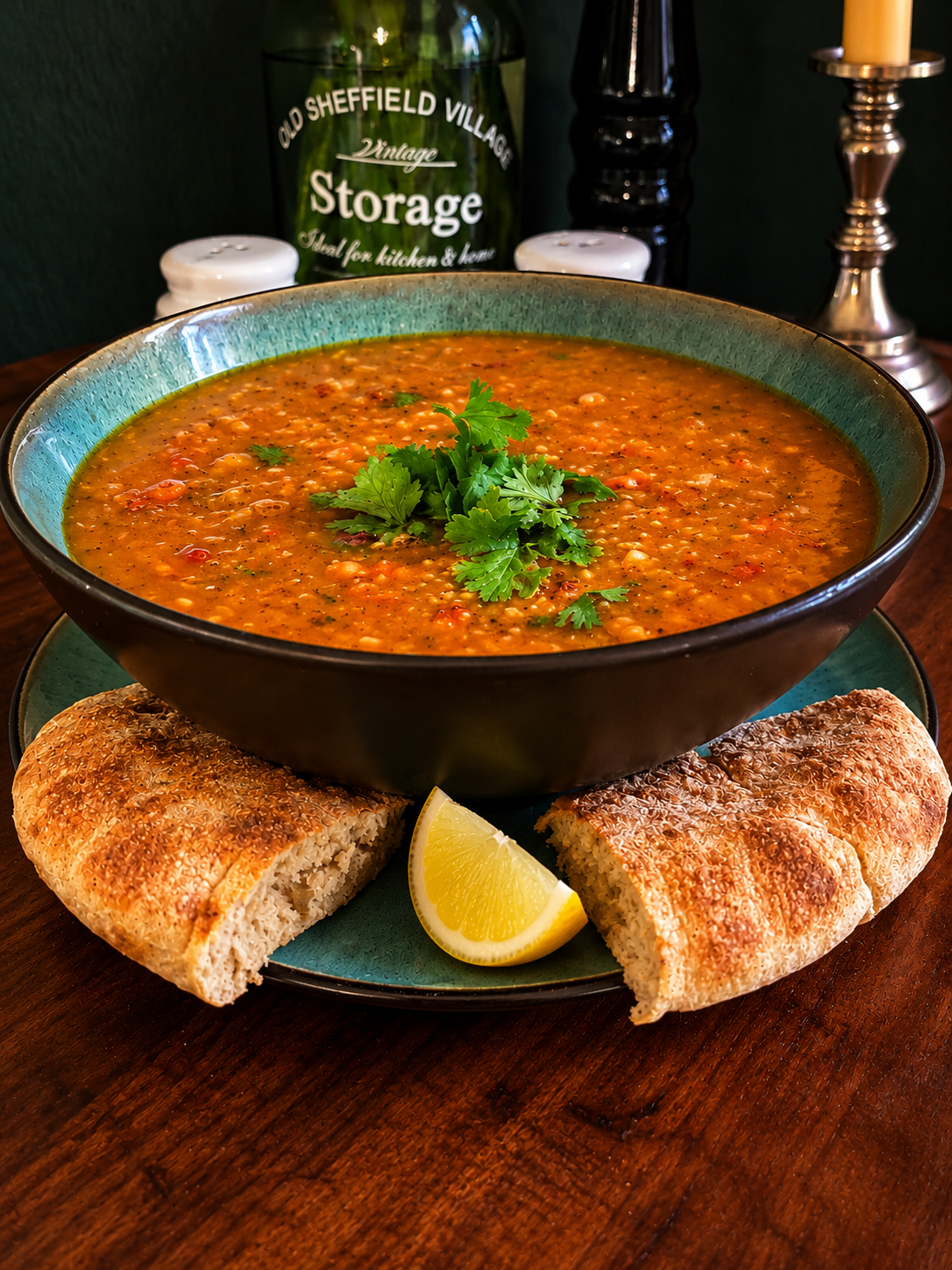
Syria – A Rich Culinary Heritage in the Heart of the LevantSyria is a Middle Eastern country with a culinary history shaped by centuries of trade, agriculture and cultural exchange. Its cuisine shares many ingredients and traditions with neighboring Lebanon, including lentils, chickpeas, olive oil, fresh herbs, garlic, lemon and aromatic spices. Soups, stews, vegetable dishes and flatbreads are important parts of Syrian home cooking. Shorbat Adas is especially appreciated as an affordable, warming and satisfying dish, often enjoyed during cooler months and at Iftar, the evening meal that breaks the Ramadan fast.
What Is Shorbat Adas – And How Does the Syrian Version Differ from the Lebanese One?Shorbat Adas literally means lentil soup: shorba refers to soup, while adas means lentils. The dish belongs to the shared culinary heritage of Syria, Lebanon and the wider Levant rather than exclusively to one country. Both Syrian and Lebanese preparations commonly feature lentils, onions and warming spices, often finished with fresh lemon juice. Some traditional recipe interpretations distinguish between cumin-forward Syrian versions and Lebanese variations seasoned with cinnamon. However, these are family and recipe variations, not strict national rules: cumin, turmeric, coriander and other spices appear in recipes from both countries. My Syrian-inspired Shorbat Adas uses cumin, turmeric, ground coriander, garlic and carrot, creating a beautifully aromatic soup that celebrates the close culinary connection between Syria and Lebanon.
Cook this recipe →
Recipe postcard
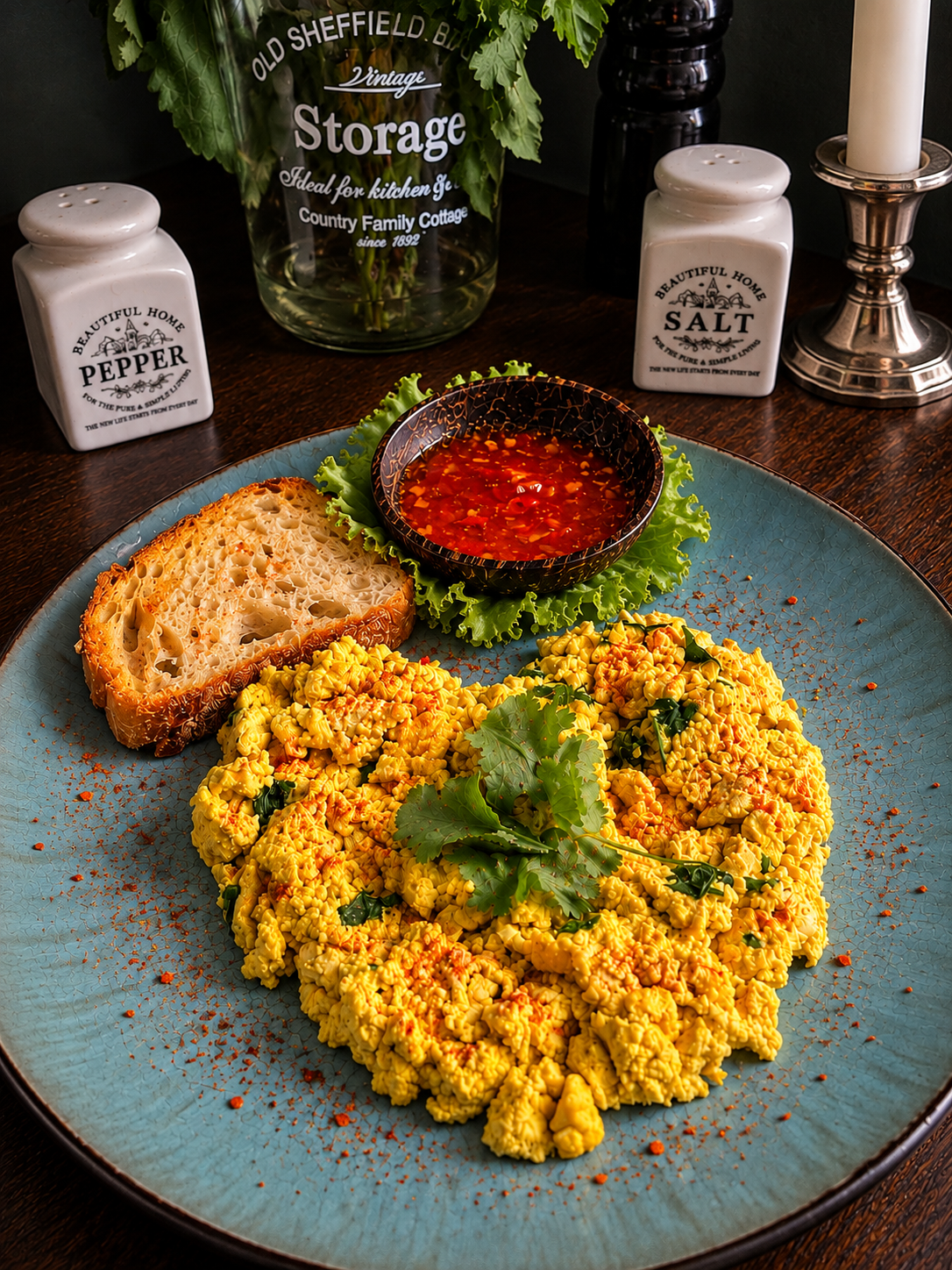
Vietnam – A Country of Extraordinary Street FoodVietnam is a Southeast Asian country celebrated for its vibrant food culture, fragrant herbs, fresh vegetables and distinctive balance of sweet, salty, sour and spicy flavors. Hanoi, the capital, is particularly famous for its lively street-food scene, where small stalls and family-run eateries serve freshly prepared dishes throughout the day. Its historic Old Quarter is a fascinating maze of narrow streets, traditional shops and countless opportunities to discover Vietnamese food.
What Is Bánh Mì Trứng?Bánh mì refers to Vietnamese bread and is also commonly used for the filled baguette sandwiches that have become an iconic part of the country's cuisine. Trứng means egg. Bánh Mì Trứng is therefore an egg-filled Vietnamese baguette, with preparations and accompaniments varying between vendors. This recipe takes inspiration from Hanoi's simple egg sandwiches but replaces the egg with a combination of firm and silken tofu. Turmeric provides the golden color, Kala Namak contributes an egg-like aroma, and fresh coriander and sweet chili sauce complete this Via Veggie Vegan interpretation.
Cook this recipe →
Recipe postcard
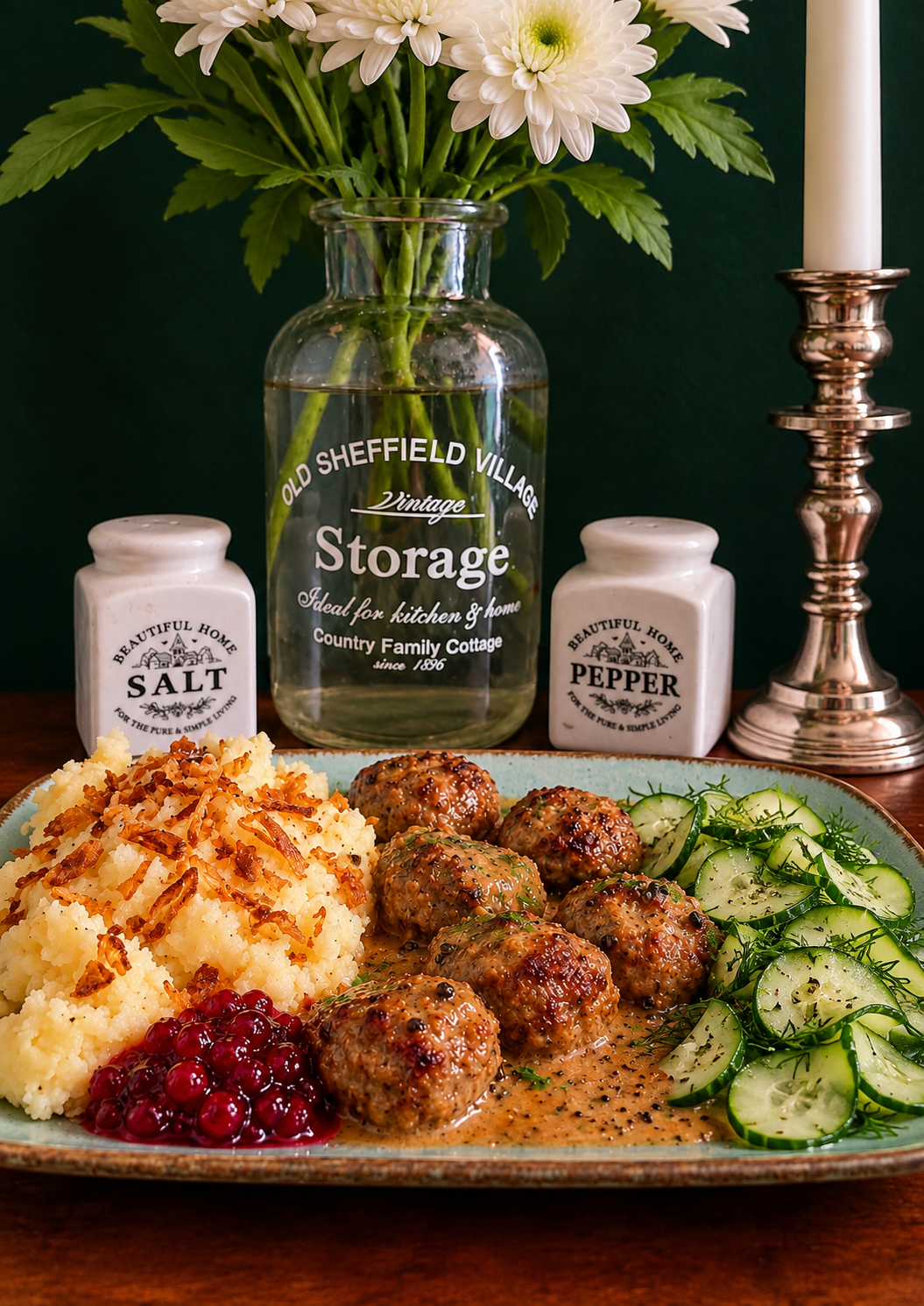
Sweden – Scandinavian Comfort Food and Culinary TraditionsSwedish cuisine is deeply influenced by the country's northern climate, agricultural heritage and long-standing traditions of home cooking. Potatoes, root vegetables, berries, fresh herbs and preserved ingredients have played an important role in everyday meals for generations. Swedish food culture is particularly known for its comforting dishes, balanced flavours and the tradition of husmanskost – simple, hearty home-style cooking. From cosy family kitchens to traditional restaurants, these dishes reflect Sweden's appreciation for satisfying meals made from familiar ingredients.
Köttbullar – Sweden's Famous MeatballsKöttbullar are among Sweden's most internationally recognised dishes. Traditionally made with minced meat, breadcrumbs, onion, milk or cream and warming spices, Swedish meatballs are commonly served with creamy gravy, mashed potatoes, lingonberry jam and sometimes pickled cucumber. Allspice is a particularly characteristic seasoning in many traditional recipes. This Via Veggie Vegan interpretation replaces the meat and dairy products with plant-based alternatives while preserving the essential flavours and classic accompaniments. Homemade vegan meatballs, rich gravy, fluffy potatoes, sweet-tart lingonberries and fresh dill cucumber salad create a completely plant-based version of this beloved Swedish comfort food.
Cook this recipe →
Recipe postcard
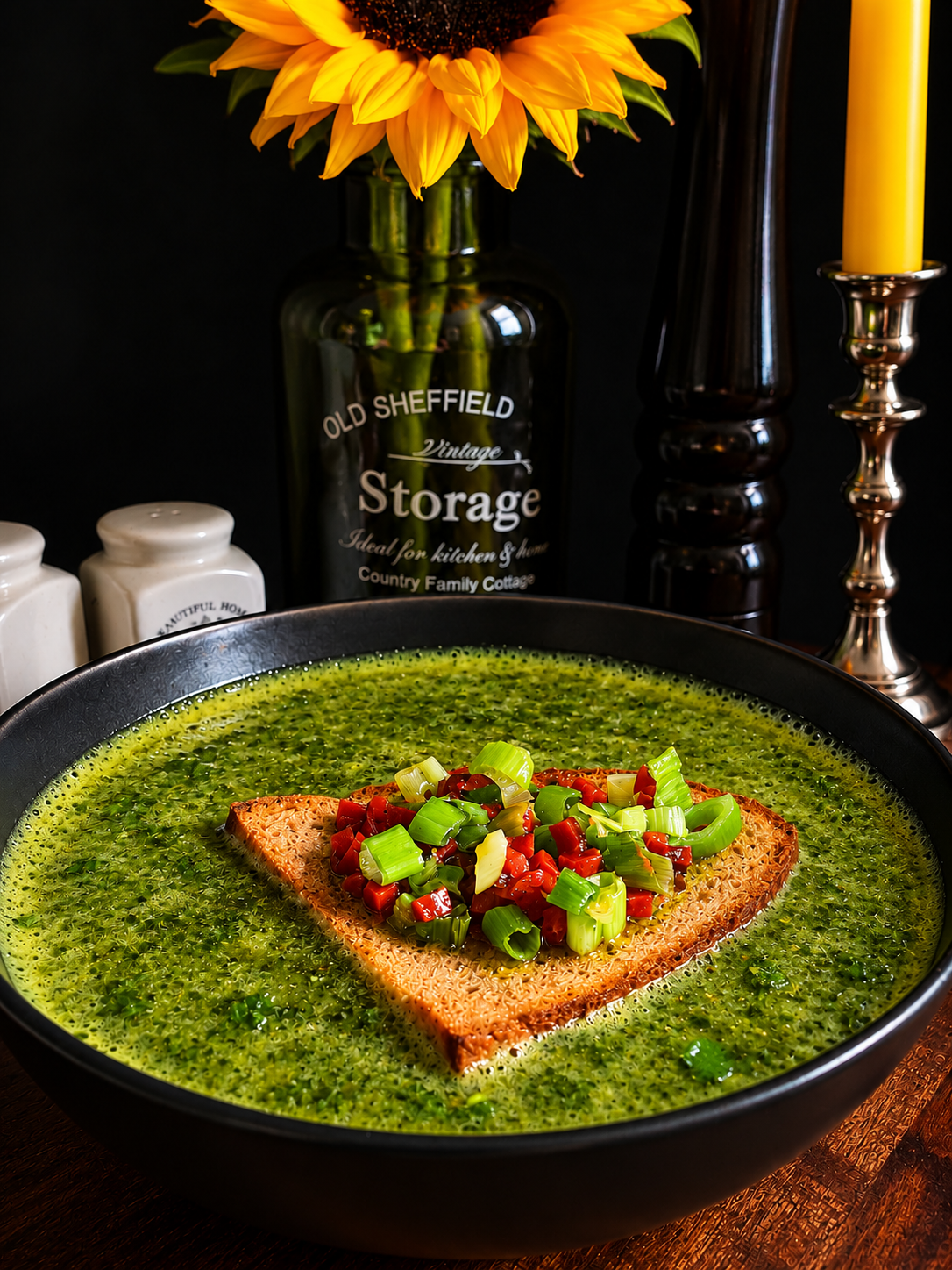
Portugal – The Rustic Culinary Heritage of AlentejoPortugal's Alentejo region stretches across the country's sun-drenched south, where rolling plains, olive groves and traditional villages have shaped a cuisine rooted in simplicity and resourcefulness. Bread, olive oil, garlic and fresh coriander are central to many regional dishes. Rather than relying on elaborate ingredients, Alentejan cooking transforms everyday staples into deeply comforting meals. This tradition reflects generations of rural households where wasting food was rarely an option and yesterday's bread was far too valuable to throw away.
Açorda à Alentejana – A Portuguese Bread Soup with HistoryAçorda à Alentejana is one of Portugal's most distinctive traditional bread soups. Unlike thicker versions of açorda found elsewhere in the country, the Alentejan preparation typically consists of rustic bread served in a fragrant broth seasoned with garlic, coriander, olive oil and salt. A poached egg is a common traditional addition. The dish's name is often linked to Arabic culinary influences, reflecting the historical presence of Moorish culture on the Iberian Peninsula. This Via Veggie Vegan interpretation replaces the egg with smoky vegan bacon and adds fresh spring onion, while preserving the essential combination of bread, coriander, garlic and aromatic broth.
Cook this recipe →
Recipe postcard
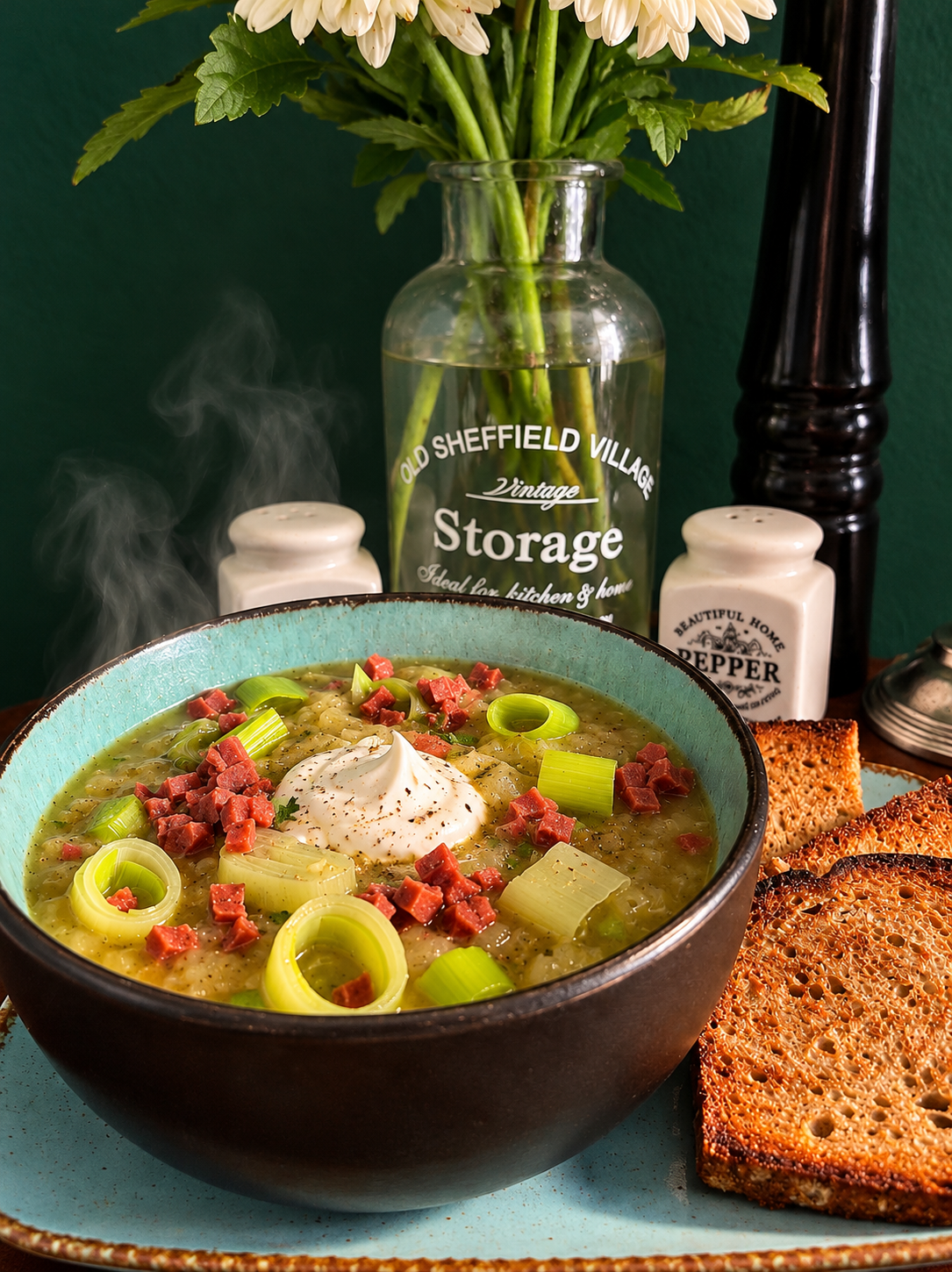
The Netherlands – A Country of Hearty, Practical Home CookingDutch cuisine has traditionally made excellent use of affordable, locally grown vegetables, especially potatoes, leeks, carrots, onions and cabbage. The Netherlands has a long agricultural history, and simple, nourishing dishes have been part of everyday family cooking for generations. From hearty stamppot to warming vegetable soups, Dutch comfort food is all about making the most of seasonal ingredients and transforming them into satisfying meals.
Aardappel-preisoep – Traditional Dutch Potato Leek SoupAardappel-preisoep literally translates to potato leek soup. This familiar Dutch home-style dish combines potatoes and leeks in a warming, gently flavoured soup. Some versions are blended until completely smooth, while others retain chunks of vegetables for a more rustic consistency. My Via Veggie Vegan interpretation combines both textures and adds plant-based cooking cream, nutritional yeast, crispy vegan bacon and a spoonful of vegan sour cream for an extra comforting finish.
Cook this recipe →

Recipe postcard
Slovenia – Alpine Traditions and Hearty Home CookingNestled between the Alps, the Mediterranean and the Pannonian Plain, Slovenia has a wonderfully diverse culinary heritage shaped by its neighbouring countries and regional farming traditions. Bread, potatoes, cabbage, herbs and seasonal vegetables feature prominently in Slovenian home cooking. Dumplings, known as cmoki, are particularly popular in Central European-inspired dishes, reflecting a tradition of turning simple, affordable ingredients into comforting family meals.
Kruhovi Cmoki – Slovenia's Traditional Bread DumplingsKruhovi cmoki are Slovenian bread dumplings traditionally prepared with stale bread, milk, onions, herbs and eggs. They are closely related to bread dumplings found throughout the Alpine and Central European regions. Their soft, rustic texture makes them ideal for soaking up rich sauces and gravies. My vegan interpretation replaces the traditional egg and dairy ingredients with plant-based alternatives and serves the dumplings with Čebulna Omaka, a deeply savoury onion gravy enriched with tomato paste and beetroot juice.
Cook this recipe →
Recipe postcard
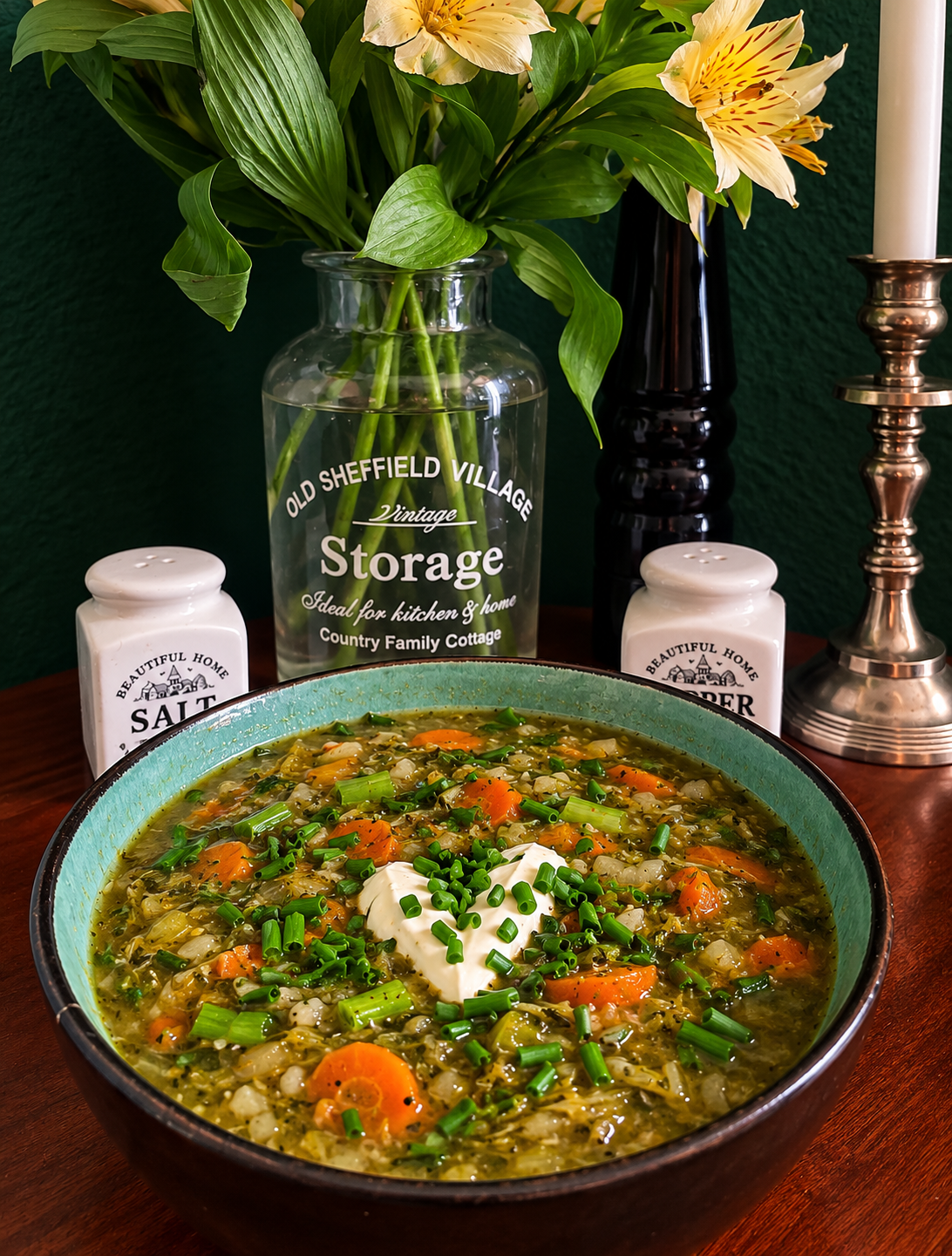
Romania – A Country of Hearty Soups and Culinary TraditionsRomanian cuisine is shaped by regional traditions, seasonal vegetables and influences from the Balkans, Central Europe and the Ottoman world. Soups are an important part of everyday food culture, particularly ciorbă, a family of soups known for their pleasantly tangy flavour. Fresh herbs such as lovage and parsley, root vegetables and homemade vegetable broths give these dishes their distinctive character. Orthodox Christian fasting traditions have also influenced Romanian cooking, inspiring a rich variety of naturally plant-based dishes.
What Is Ciorbă de Praz de Post?Ciorbă de praz de post is a Romanian fasting-style leek soup. The word "praz" means leek, while "de post" indicates a dish prepared according to religious fasting traditions, generally without meat, dairy products or eggs. Traditional versions combine tender leeks, root vegetables, vegetable broth and fresh herbs, often finished with a pleasantly sour note. My Via Veggie Vegan version uses lemon juice, a little plant-based sour cream for creaminess and fresh chives for a colourful finish. The soup is entirely plant-based and inspired by Romania's tradition of simple, nourishing fasting dishes.
Cook this recipe →
