Recipe postcard
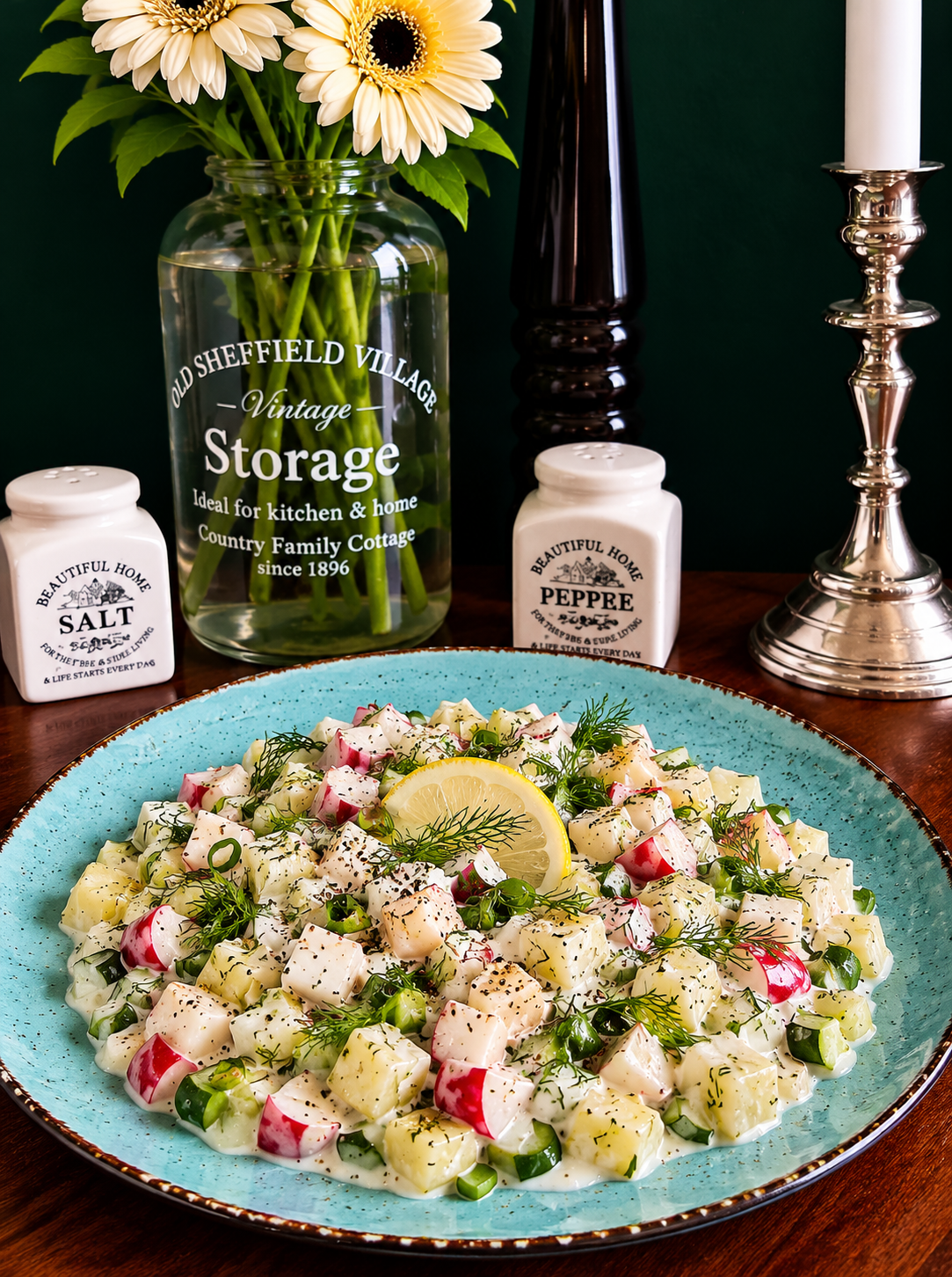
Russia – A Culinary Tradition of Refreshing Summer DishesRussian cuisine is known for its hearty soups, comforting potato dishes, fresh vegetables and seasonal ingredients. During the warmer months, cold soups provide a refreshing alternative to traditional hot meals. Okroshka is particularly associated with Russian summer cooking and is often enjoyed at family gatherings, in countryside homes and during hot afternoons.
What Is Okroshka?Okroshka is a traditional Russian cold soup made with finely chopped vegetables, herbs and a chilled liquid base. Classic versions often contain kvass, a fermented beverage, or kefir, and may also include eggs or meat. My Via Veggie Vegan interpretation uses unsweetened soy yogurt instead, creating a thicker, creamy salad-style version with potatoes, cucumber, radishes, spring onions, fresh dill and lemon. It preserves the refreshing character of Okroshka while giving the dish a completely plant-based twist.
Cook this recipe →
Recipe postcard
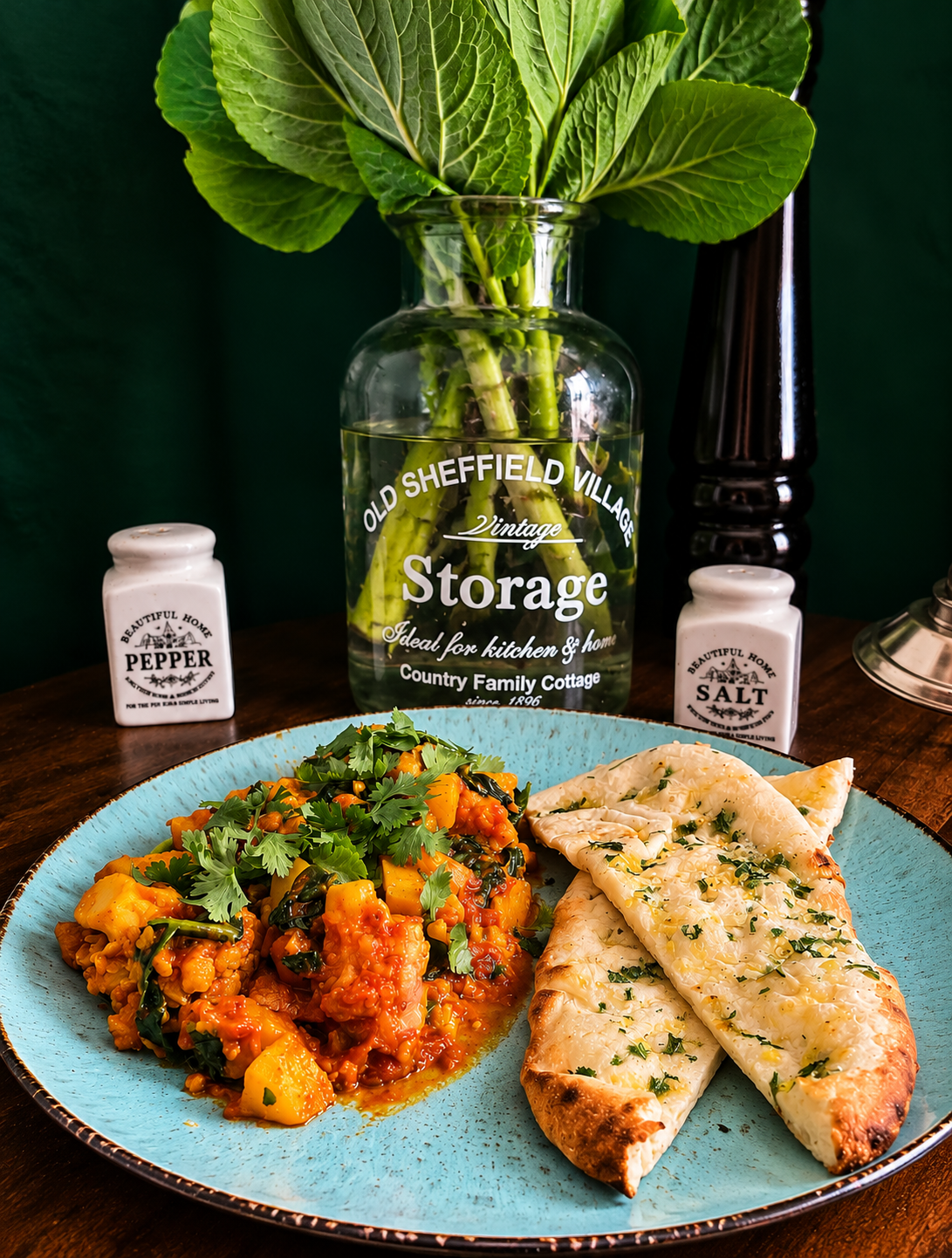
Pakistan – A Rich Tradition of Aromatic Home CookingPakistan's diverse culinary traditions feature fragrant spices, fresh vegetables, lentils, breads and richly seasoned curries. Everyday dishes often combine simple ingredients with carefully developed layers of flavour. Potatoes, cauliflower and spinach are familiar ingredients in Pakistani home cooking, while flatbreads such as naan and roti are popular accompaniments to vegetable curries.
What Is Aloo Gobi Palak?The name describes the three main ingredients: aloo means potato, gobi means cauliflower and palak means spinach. Aloo Gobi and Aloo Palak are both familiar vegetable preparations across Pakistan and the wider Indian subcontinent. This Via Veggie Vegan recipe combines all three vegetables in a fragrant tomato-based masala with cumin, coriander, turmeric, ginger, garlic and chilli. Homemade Garlic Naan, brushed with vegan butter and fresh garlic, completes this comforting plant-based interpretation.
Cook this recipe →
Recipe postcard
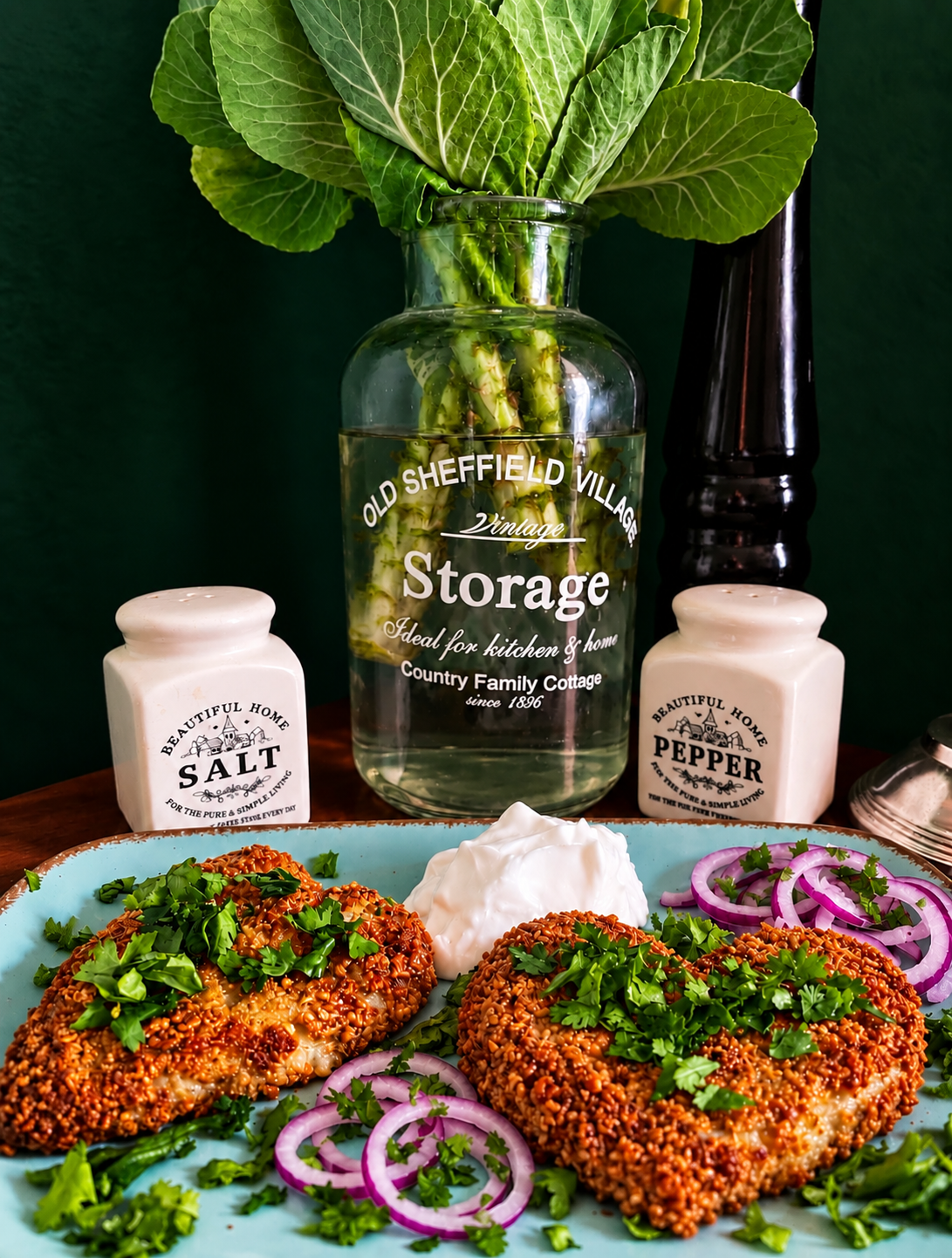
Nigeria – The Home of Suya and Bold West African FlavoursNigeria is a West African country with a remarkably diverse culinary heritage, shaped by its many ethnic communities and regional food traditions. Suya is one of its most recognisable street foods and is particularly associated with the Hausa culinary traditions of northern Nigeria. Traditionally, thin pieces of meat are coated in a fragrant, spicy peanut-based seasoning and grilled over charcoal. Suya is commonly served with sliced onions, tomatoes and other fresh accompaniments, creating a delicious contrast between smoky, spicy and refreshing flavours.
What Are Nigerian Suya Cauliflower Hearts?Suya Cauliflower Hearts are my creative Via Veggie Vegan interpretation of Nigerian suya flavours rather than a traditional Nigerian dish. Instead of meat, I use cooked cauliflower, remove the excess moisture and shape it into two decorative hearts. The cauliflower is coated with homemade Yaji, a seasoning inspired by Nigerian suya spice blends and made with roasted peanuts, chilli, ginger, garlic and aromatic spices. After baking, the golden hearts are served with vegan sour cream, red onion rings and fresh coriander. The result is a completely plant-based fusion dish with a nutty, spicy crust and a playful presentation.
Cook this recipe →
Recipe postcard
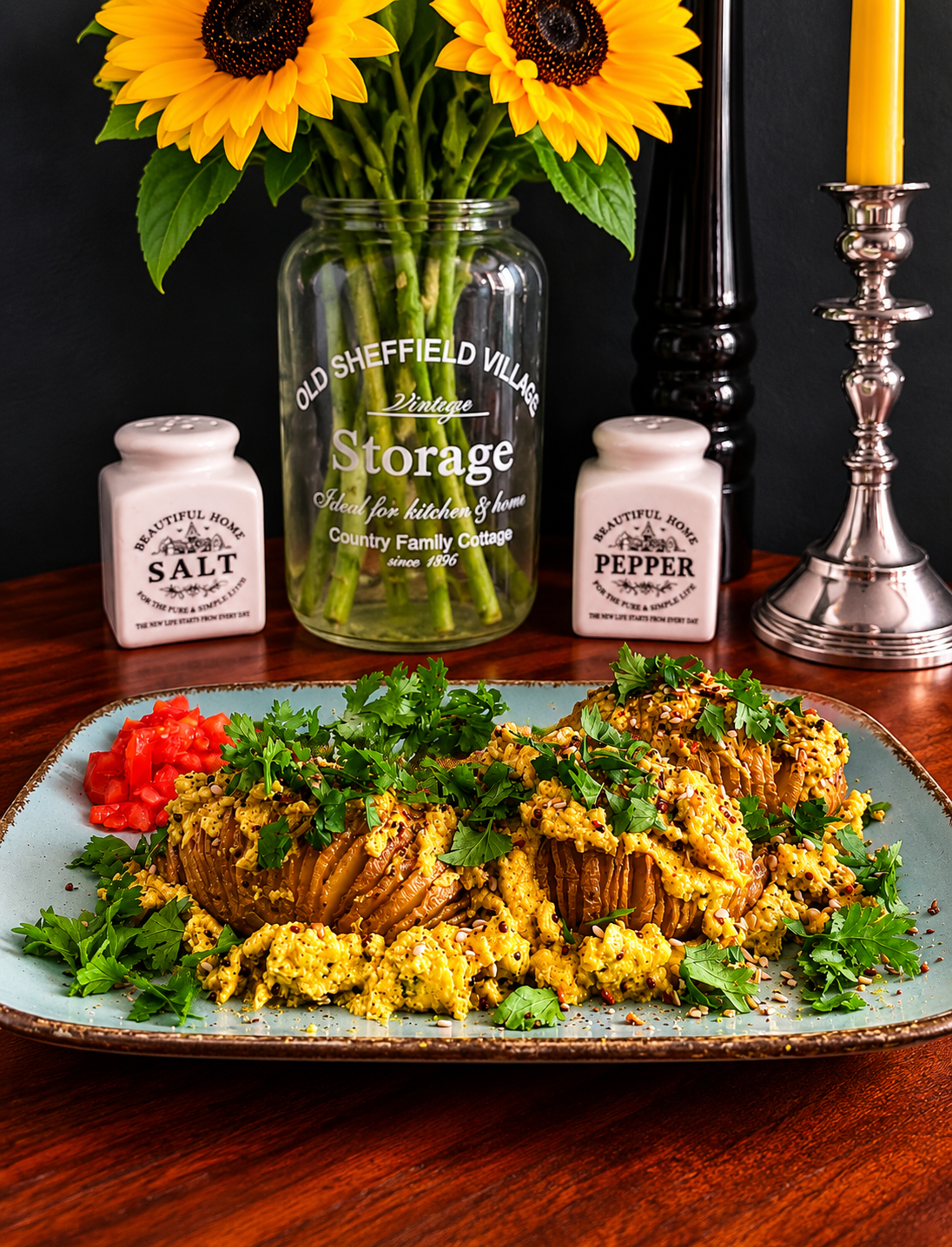
Myanmar – Aromatic Curries and the Art of Si PyanMyanmar, also known as Burma, is a Southeast Asian country with a diverse culinary heritage shaped by regional traditions and neighbouring food cultures. Onion, garlic, ginger, turmeric and chili are important ingredients in many Burmese curries. A characteristic technique in several Burmese curry preparations is known as si pyan, often translated as "the oil returns". As the curry cooks and moisture evaporates, the seasoned oil becomes visible again, signalling that the sauce has reduced and its flavours have concentrated.
What Is Aloo Hin?Aloo Hin is a Burmese-style potato curry. The name combines aloo, meaning potato, with hin, a Burmese term for curry or a cooked dish. Traditional preparations vary, but potatoes are commonly cooked with aromatic ingredients and spices until tender and well coated in the sauce. My Via Veggie Vegan version takes a deliberately creative approach by replacing ordinary potato pieces with slow-baked Hasselback potatoes. Black mustard seeds, mustard oil, sesame oil, vegan fish sauce and a garnish of coriander, sesame seeds and fresh tomato complete this fully plant-based, Burmese-inspired interpretation.
Cook this recipe →
Recipe postcard
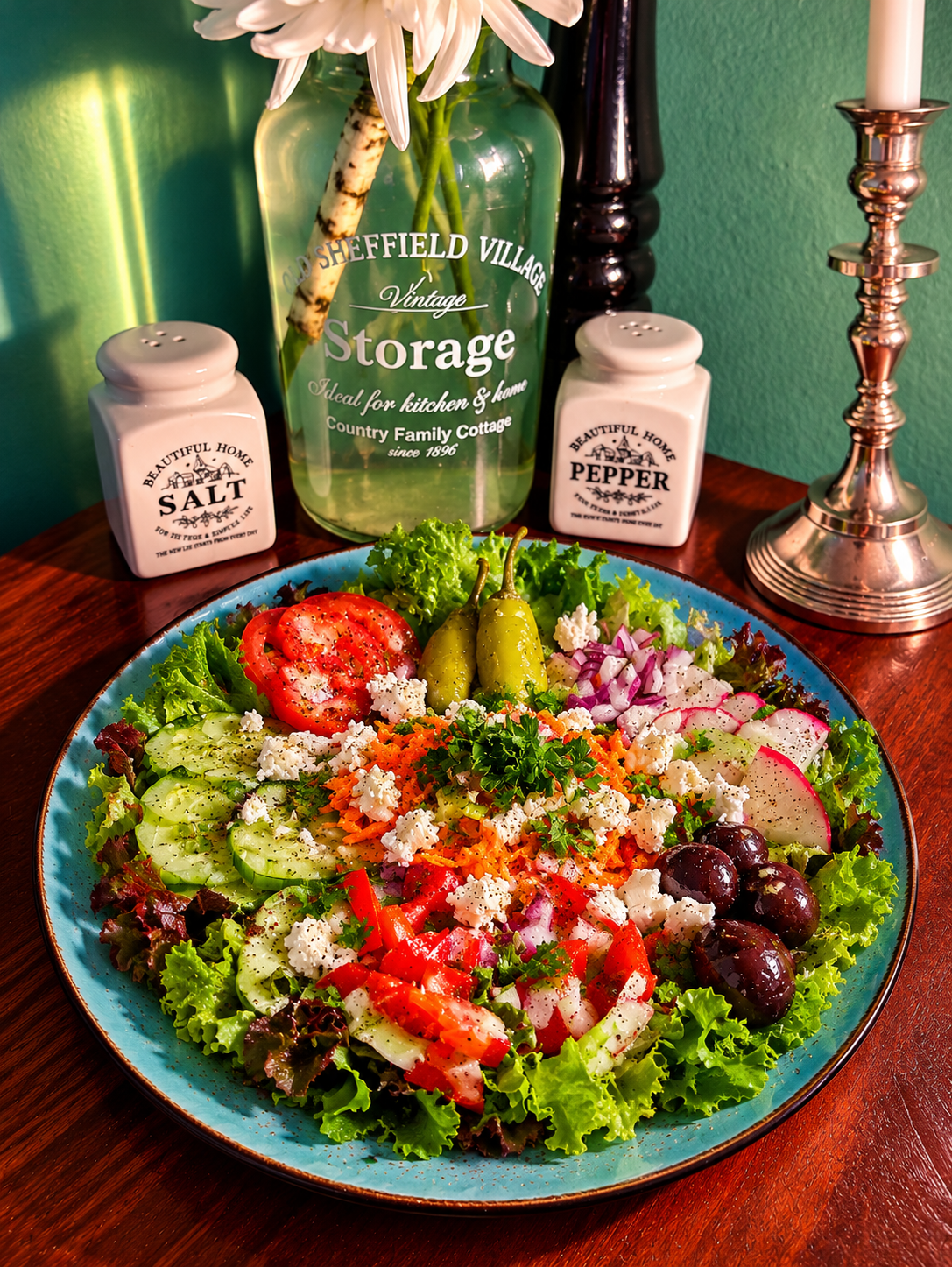
Bulgaria – Fresh Flavours from the BalkansBulgaria is a country in southeastern Europe with a rich culinary heritage influenced by Balkan, Mediterranean and Ottoman traditions. Fresh vegetables, herbs, peppers, yogurt and white brined cheese play an important role in Bulgarian cooking. Shopska Salata became widely popular during the 1950s and developed into one of the country's most recognisable dishes. Its combination of red tomatoes, green cucumber and peppers, and white cheese is often associated with the colours of the Bulgarian flag.
What Is Shopska Salata?Shopska Salata is a traditional Bulgarian salad usually made with tomatoes, cucumber, peppers, onion, parsley and generously grated Sirene, a white brined cheese. My Via Veggie Vegan interpretation replaces the dairy cheese with a vegan feta alternative and adds leafy greens, radishes, carrots, black olives and mild pickled peppers for extra colour and crunch. Instead of a classic oil-and-vinegar dressing, I prepare a creamy Zero-Waste cucumber dressing using the reserved cucumber peel, unsweetened soy yogurt, garlic, mustard and apple cider vinegar. The result is a refreshing, colourful and fully plant-based version of this beloved Bulgarian classic.
Cook this recipe →
Recipe postcard
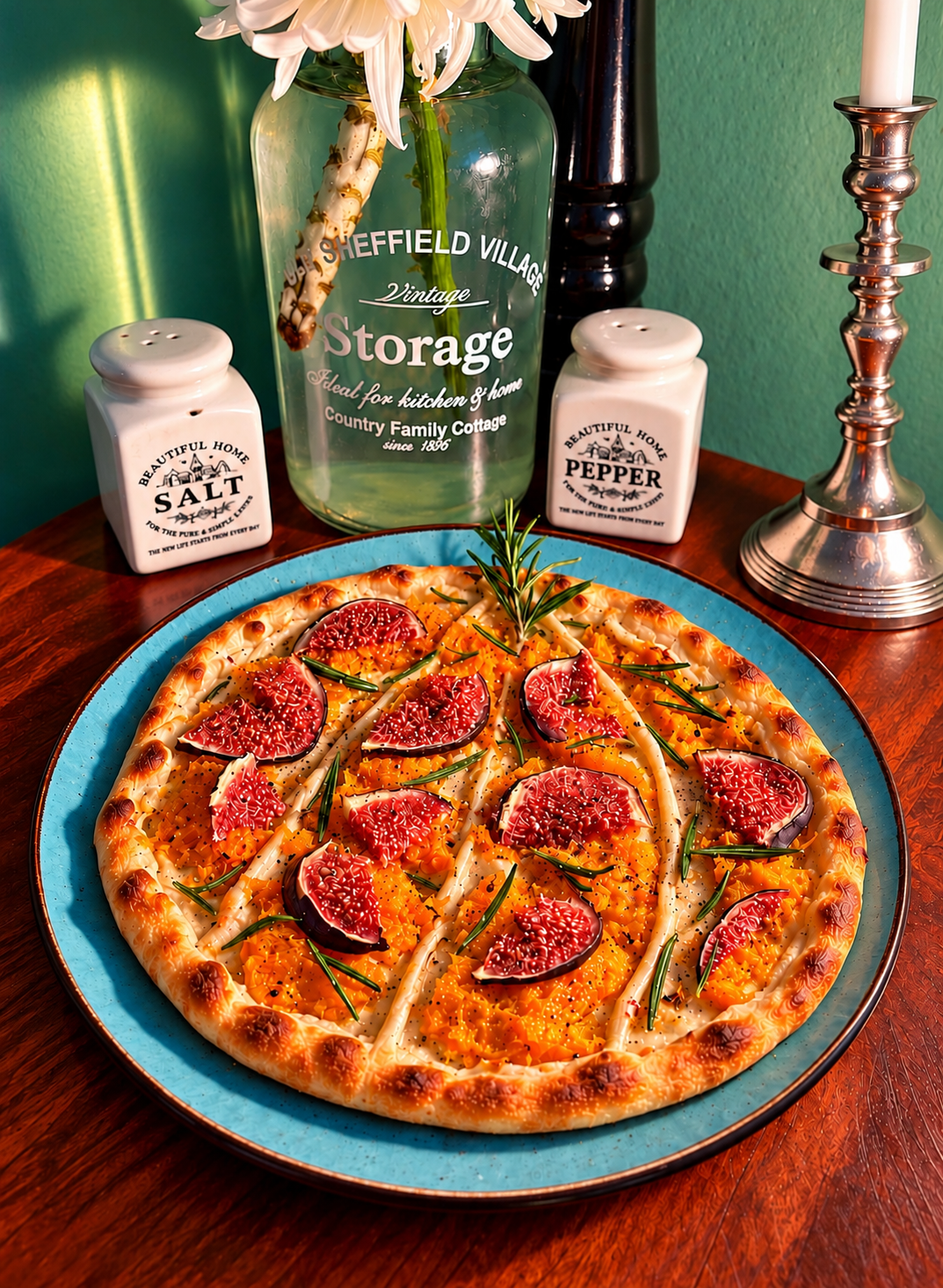
France – The Culinary Traditions of AlsaceAlsace is a region in northeastern France, bordering Germany and Switzerland, with a distinctive culinary heritage influenced by both French and German traditions. One of its best-known specialities is Flammkuchen, called Tarte Flambée in French and Flammekueche in Alsatian. Traditionally prepared with an exceptionally thin dough base, cream, onions and bacon, it is baked at high temperatures until beautifully crisp. Today, countless modern variations celebrate the versatility of this rustic regional dish.
What Is Pumpkin-Shaped Vegan Flammkuchen?My Via Veggie Vegan interpretation gives the Alsatian classic a playful autumn makeover. A simple homemade dough made from flour, water, vegetable oil and salt is shaped into two pumpkins, complete with curved pastry ribs and rosemary stems. Chili oil adds gentle heat, while vegan sour cream mixed with nutritional yeast creates a savoury base. Muscat pumpkin purée, thinly sliced fresh figs and fragrant rosemary bring together the flavours of autumn. During the final minute of baking, a little maple syrup is carefully drizzled over the Flammkuchen using a food-safe syringe, adding a delicate sweet finish to this fully plant-based creation.
Cook this recipe →

Recipe postcard
Hungary – A Country with a Sweet Culinary HeritageHungary is a Central European country known for its rich culinary traditions, including comforting soups, pastries, chocolate desserts and sweet specialities. Hungarian cuisine is particularly famous for its use of paprika, although sweet dishes often feature ingredients such as chocolate, vanilla, walnuts and poppy seeds. Chocolate-based desserts have a place in Hungarian confectionery, but this particular chili chocolate soup should be understood as a modern Hungarian-inspired creation rather than a documented traditional national dish.
What Is Csokoládéleves?Csokoládéleves literally means chocolate soup in Hungarian. My Via Veggie Vegan interpretation transforms dark chocolate, unsweetened cocoa powder and oat drink into a rich, velvety dessert soup. Brown sugar adds sweetness, vanilla contributes a delicate aroma and a small amount of cornstarch creates a smooth, lightly thickened consistency. A quarter teaspoon of chili powder gives the chocolate a pleasantly warming finish. Served in dessert glasses, with an optional skull-shaped espresso ice cube for Halloween, this completely plant-based creation combines chocolate indulgence with a playful spooky-season twist.
Cook this recipe →
Recipe postcard
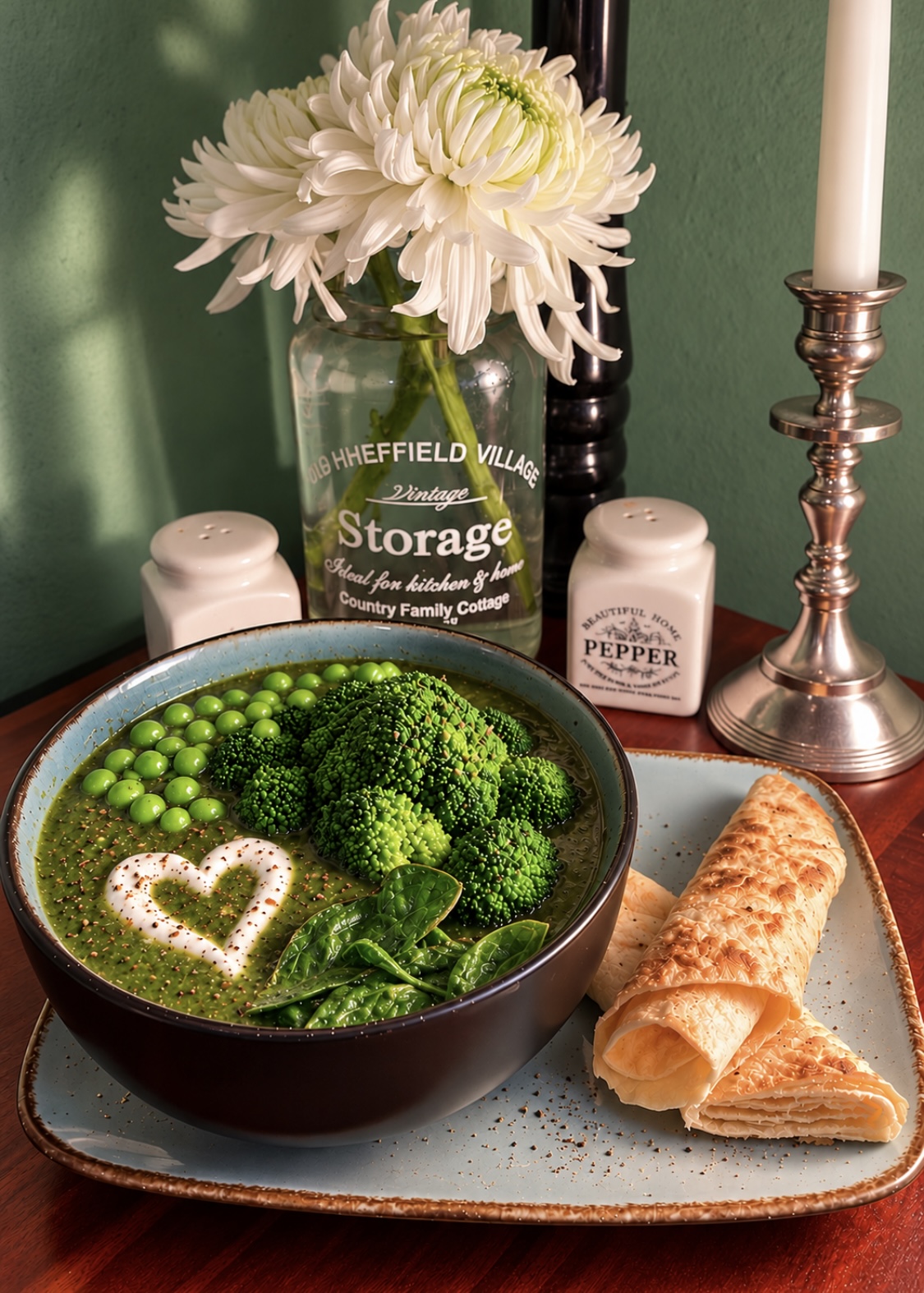
Dominica – The Nature Island of the CaribbeanDominica is a mountainous Caribbean island known for its lush rainforests, fertile volcanic landscapes and rich culinary heritage. Local cooking draws on fresh vegetables, tropical produce, herbs, root crops and traditional Caribbean seasonings. Callaloo is an important part of Dominican food culture, with recipes varying between families and households.
What Is Callaloo?Callaloo is a traditional Caribbean dish prepared with leafy greens and aromatic ingredients. In Dominica, dasheen leaves are traditionally associated with callaloo soup, although spinach can be used as an alternative. Okra contributes a characteristic texture, while coconut milk, thyme, onion, garlic and chilli create a fragrant, comforting combination. My Via Veggie Vegan version uses fresh spinach instead of dasheen leaves and adds broccoli, green peas, potato and a lighter coconut milk base. Crispy spinach leaves, two coconut cream hearts and optional rolled flatbread complete this colourful, fully plant-based interpretation.
Cook this recipe →
Recipe postcard
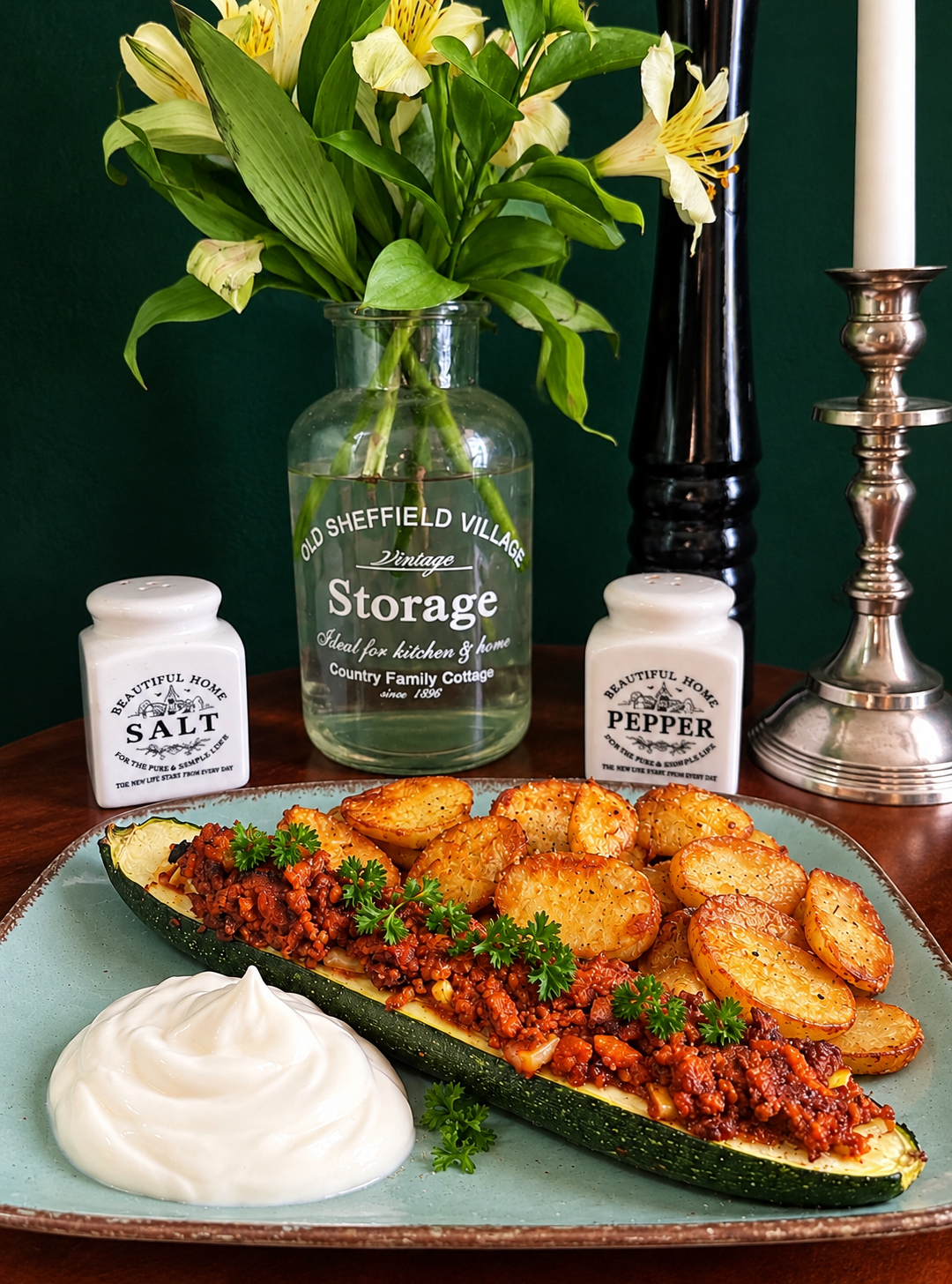
Bosnia & Herzegovina – A Country of Rich Balkan Food TraditionsBosnia & Herzegovina lies in southeastern Europe on the Balkan Peninsula. Its cuisine reflects a long history of cultural exchange, including Ottoman, Central European and Mediterranean influences. Traditional home cooking often features vegetables, grains, legumes, aromatic seasonings and slow-cooked dishes. Stuffed vegetables are particularly characteristic of the region, with peppers, cabbage leaves, onions and zucchini frequently used as edible containers for savory fillings. These dishes are closely associated with family kitchens, hospitality and comforting meals shared around the table.
What Are Punjene Tikvice or Dolma od Tikvica?Punjene Tikvice literally means stuffed zucchini, while Dolma od Tikvica refers to zucchini prepared in the wider tradition of stuffed vegetables known as dolma. Bosnian versions are commonly filled with minced meat, rice, onion and spices, then gently cooked in a tomato-based sauce. Some preparations use thick, hollowed-out zucchini cylinders, while others use zucchini halves or boats. My Via Veggie Vegan version follows the latter approach: the zucchini are halved lengthwise and filled with soy mince instead of beef. The traditional rice is omitted, and crispy oven-roasted potato slices provide a delicious accompaniment. Vegan sour cream replaces the dairy-based topping, creating a completely plant-based interpretation of this comforting Balkan favorite.
Cook this recipe →
Recipe postcard
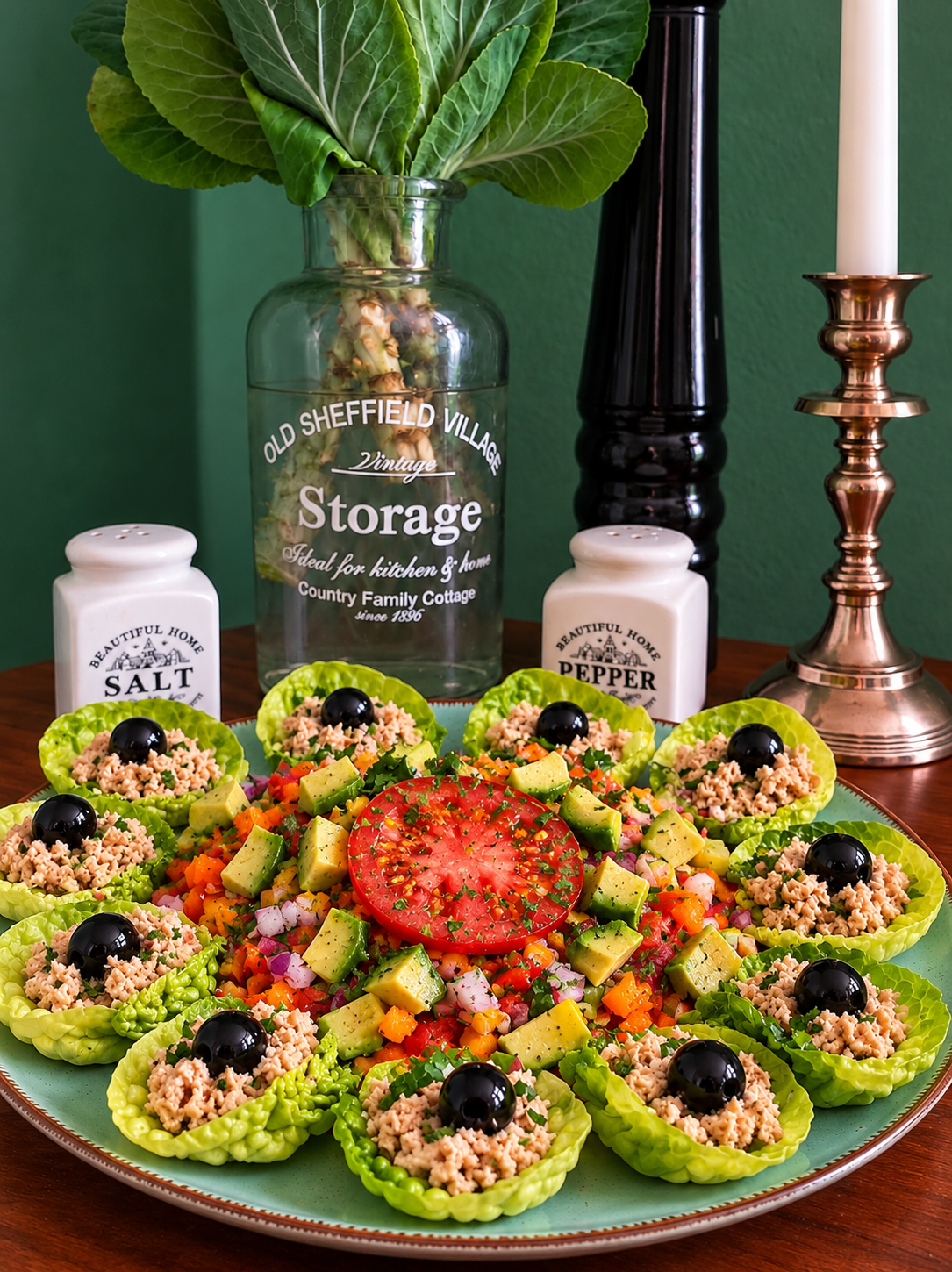
Seychelles – An Island Nation with a Rich Creole Food CultureThe Seychelles is an archipelago of 115 islands in the Indian Ocean, northeast of Madagascar. Its culinary traditions reflect a blend of African, French, Indian and other influences, shaped by the islands' tropical climate and close relationship with the sea. Fish, seafood, coconut, rice, vegetables, chili, lime and fragrant herbs are important ingredients in Seychellois Creole cooking. Freshly prepared dishes with citrus and aromatic seasonings are particularly well suited to the warm climate, while the country's fishing industry, especially tuna fishing and processing, plays a significant economic role.
What Are Seychelles Vegan Creole “Tuna” Salad Boats?This Via Veggie Vegan creation is inspired by Seychellois tuna salads and the fresh, vibrant flavors associated with Creole island cooking. It is not presented as a traditional national recipe. Instead, conventional tuna is replaced with a plant-based tuna alternative, while the boiled egg sometimes found in tuna salads is omitted entirely. Crisp Romaine lettuce leaves become edible little boats filled with vegan tuna and black olives. Avocado, cucumber, red onion and chili add color and texture, while a dressing of fresh lime juice, extra virgin olive oil, chives, Thai basil, coriander and a pinch of Kala Namak brings everything together. The result is a playful, completely vegan interpretation of island-inspired salad flavors.
Cook this recipe →
