
England – A Country of Gardens, Traditions and Comfort Food
England is the largest constituent country of the United Kingdom, known for its historic cities, picturesque countryside, traditional gardens and diverse culinary heritage. British cooking has long celebrated seasonal vegetables, hearty soups, homemade bread and comforting family meals. Garden peas are particularly popular during spring and summer, when their natural sweetness pairs beautifully with fresh herbs. Mint has an equally established place in English cooking, appearing in everything from sauces and vegetable dishes to refreshing drinks and desserts.
Pea & Mint Soup – A Fresh British Favourite
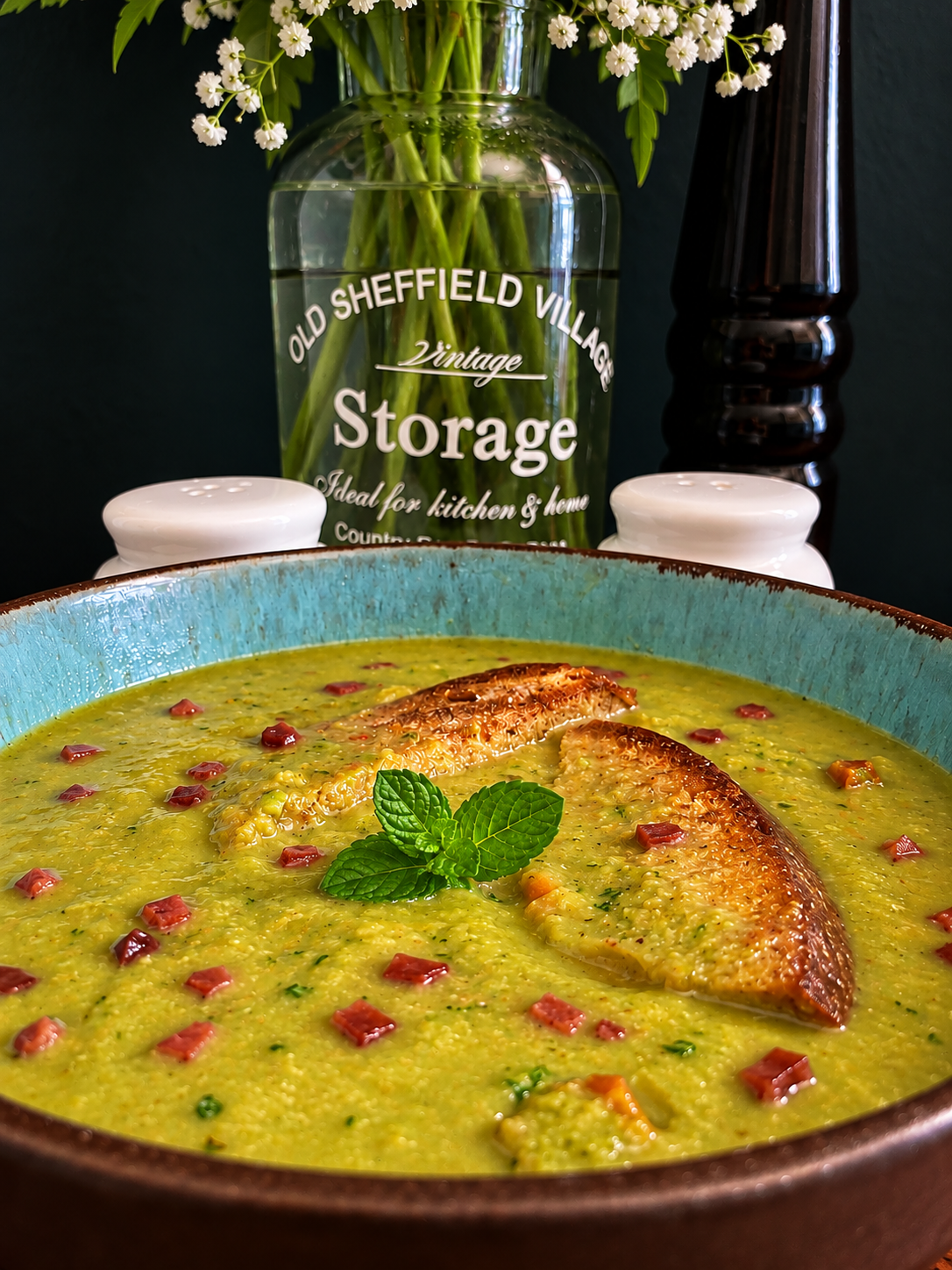
Pea and mint soup is a familiar dish in British home cooking, bringing together the sweetness of green peas and the refreshing aroma of garden mint. It can be prepared with fresh or frozen peas and is often finished with cream, crème fraîche or yoghurt. Depending on the season, it may be served warm or chilled. My Via Veggie Vegan interpretation uses soy cream for a silky texture, while crispy vegan bacon and warm lemon farmhouse bread provide an optional savoury and citrusy contrast.
▣ Ingredients (2 servings)
- 500 g green peas, fresh or frozen
- 1 onion
- 1 clove garlic
- 1 bunch fresh mint, leaves picked from the stems
- 1 organic lemon
- 1 tsp homemade vegetable stock powder
- 75 g vegan bacon cubes
- 2 slices stale farmhouse bread
- 1 tsp vegan butter alternative, for the bread
- 2 tbsp extra virgin olive oil
- 500 ml water
- 50 ml soy cream
- to taste freshly ground black pepper
♨ Preparation
- Prepare the Ingredients
Finely dice the onion and garlic. Pick the fresh mint leaves from their stems and set them aside. Wash the organic lemon and finely grate the zest. - Sauté the Onion and Garlic
Heat the olive oil in a large saucepan over medium heat. Add the finely diced onion and garlic and sauté gently until translucent, without allowing the garlic to brown. - Cook the Peas
Add the green peas and sauté for approximately 2 minutes. Stir the homemade vegetable stock powder into 500 ml water and pour the mixture into the saucepan. Simmer over medium heat for approximately 5 minutes, until the peas are tender. - Add the Fresh Mint
Remove the saucepan from the heat. Add the freshly picked mint leaves and stir gently to combine. - Blend and Season
Blend the soup until smooth and creamy. Stir in the soy cream and season with salt and freshly ground black pepper. If necessary, add a little extra warm water to adjust the consistency. - Prepare the Lemon Farmhouse Bread
While the soup is cooking, spread the two slices of stale farmhouse bread with a little vegan butter alternative. Sprinkle with a pinch of salt and the freshly grated lemon zest. Place in a preheated oven at 180°C (356°F) convection for approximately 3 minutes, until warm and lightly crisp. - Fry the Vegan Bacon
Meanwhile, place the vegan bacon cubes in a frying pan and cook according to the package instructions until golden and crispy. - Serve
Divide the creamy pea and mint soup between two bowls. Sprinkle with the crispy vegan bacon cubes and garnish with a few fresh mint leaves. Serve with the warm lemon farmhouse bread on the side or partially dipped into the soup. Enjoy immediately.
Food Story
Peas and Mint – A Match Made in Heaven
There are certain flavour combinations that simply make me happy, and peas with fresh mint are definitely one of them! I absolutely love how the natural sweetness of green peas meets the refreshing, slightly cooling flavour of mint. It’s such a simple combination, yet the result is wonderfully aromatic, vibrant and delicious. If you’ve never tried pea and mint soup before, please do yourself a favour and give it a chance. You might discover a new favourite!
A Little Extra Crunch Never Hurts
For my Via Veggie Vegan version, I decided to give this English classic a slightly heartier twist. Crispy vegan bacon cubes bring a smoky, savoury contrast, while warm farmhouse bread with vegan butter, a pinch of salt and freshly grated lemon zest adds a lovely citrus note. And because I had some stale bread waiting for its next adventure, turning it into a delicious accompaniment was the perfect little zero-waste bonus.
Sometimes the Soup Is the Star
But here’s the thing: this soup really doesn’t need anything fancy. It tastes absolutely wonderful without the bread and without the vegan bacon cubes. Just sweet peas, fragrant mint and a little creaminess – that’s already a beautiful combination. Sometimes I love adding all the extras, and sometimes all I want is a generous bowl of that gorgeous green soup. Either way, one thing is certain: Team Pea & Mint has officially won my heart!
♨ Nutrition per serving
Nutritional values are approximate and may vary depending on the ingredients and products used.
Good to Know
Why Are Peas and Mint Such a Good Combination?
Green peas have a naturally sweet, slightly earthy flavour, while fresh mint contributes a cooling, aromatic freshness. These contrasting characteristics create a particularly balanced combination. Mint can make the sweetness of peas seem brighter without requiring additional sugar or strong seasoning.
Green Peas – Vegetables or Legumes?
Botanically, peas belong to the legume family, Fabaceae. Unlike dried pulses, green peas are harvested while still immature and tender. They are commonly treated as vegetables in everyday cooking, although they contain more protein than many other green vegetables.
Fresh or Frozen Peas?
Both work beautifully in this recipe. Frozen peas are generally processed shortly after harvesting, helping preserve their flavour and many nutrients. They are also convenient, widely available and useful for reducing food waste because you can remove only the quantity needed.
What Makes Peas Nutritious?
Green peas provide dietary fibre, plant protein, vitamin C, vitamin K, folate and minerals including potassium. Their combination of fibre and protein makes them more filling than many vegetables with a higher water content.
Mint – More Than Just a Garnish
Mint belongs to the Lamiaceae family, alongside herbs such as basil, rosemary and thyme. Its distinctive aroma comes from naturally occurring essential oils, including menthol in many mint varieties. Different types of mint can vary considerably in intensity, so the amount can be adjusted according to personal taste.
Why Add Mint at the End?
Many of mint's aromatic compounds are volatile, meaning they can evaporate during prolonged heating. Adding the leaves after removing the soup from the heat helps retain a fresher flavour. It also avoids exposing the delicate leaves to unnecessary cooking.
How to Preserve the Soup's Green Colour
The green colour of peas comes primarily from chlorophyll. Prolonged heating can dull this colour, particularly in acidic conditions. Cooking the peas briefly and blending them once tender helps maintain an attractive appearance. Avoid boiling the finished soup unnecessarily.
Can Pea and Mint Soup Be Served Cold?
Yes. Pea and mint soup is particularly pleasant as a chilled dish during warmer weather. After cooking, cool it promptly, refrigerate in a covered container and serve thoroughly chilled. Taste before serving, as seasoning and texture may seem different at lower temperatures.
Plant-Based Protein in Everyday Meals
Peas and soy cream both contribute plant protein. Protein is essential for maintaining muscles, supporting normal tissue repair and carrying out many important functions in the body. A varied vegan diet can provide sufficient protein through foods such as legumes, tofu, soy products, nuts, seeds and grains.
Dietary Fibre and Digestive Health
Peas contain both soluble and insoluble dietary fibre. Fibre supports normal bowel function and contributes to a healthy, varied diet. Some people experience digestive discomfort when eating larger portions of legumes, so individual tolerance can vary.
Cholesterol – HDL and LDL Explained
Cholesterol is transported through the bloodstream by lipoproteins. LDL carries cholesterol to tissues, but elevated LDL levels are associated with an increased risk of cardiovascular disease. HDL helps transport cholesterol away from tissues towards the liver. Maintaining healthy LDL levels is an important part of cardiovascular health.
Saturated and Unsaturated Fats
Olive oil contains predominantly unsaturated fatty acids, while some vegan butter alternatives and plant-based bacon products may contain higher amounts of saturated fat. Replacing saturated fats with unsaturated fats can help lower LDL cholesterol when part of an otherwise balanced diet. Plant-based products are not automatically low in saturated fat, so checking ingredient lists can be useful.
What Does Soy Cream Add?
Soy cream provides a smooth, creamy texture without dairy ingredients. Depending on the product, it may also contribute some protein and fat. Its neutral flavour allows the peas and mint to remain the stars of the dish.
Why Lemon Zest Works So Well
The outer yellow layer of lemon peel contains fragrant essential oils that provide an intense citrus aroma without the same acidity as lemon juice. Finely grated zest brightens the warm farmhouse bread and creates a pleasant contrast with the creamy soup. Use a thoroughly washed, preferably unwaxed organic lemon.
Stale Bread and Zero-Waste Cooking
Bread that has become dry or firm can often be refreshed through gentle heating. A little vegan butter alternative helps it become lightly crisp, while lemon zest adds fresh flavour. Bread showing any signs of mould must be discarded rather than reused.
Vegan Bacon – A Savoury Addition
Plant-based bacon alternatives vary in their ingredients and nutritional composition. Some are made from soy, wheat protein or other plant ingredients and are seasoned to create a smoky, savoury flavour. They are an optional topping here rather than an essential part of the soup.
Fresh Mint Stems – Don't Waste Them
Tender mint stems can sometimes be finely chopped and used alongside the leaves. Tougher stems are better removed before blending. Clean, suitable herb stems can also be used to infuse water or other preparations, helping reduce unnecessary kitchen waste.
Storage and Reheating
Refrigerate leftover soup promptly in a covered container and use within approximately 2–3 days. Reheat gently until thoroughly hot, avoiding prolonged boiling where possible. Store the vegan bacon and bread separately to preserve their texture.
Freezing the Soup
The soup can be frozen in suitable airtight containers once cooled. Its texture may change slightly after thawing because of the soy cream, but blending or stirring thoroughly during reheating can help restore a smooth consistency. For the freshest result, prepare the bread and vegan bacon separately when serving.
You may also like
♡
You may also like
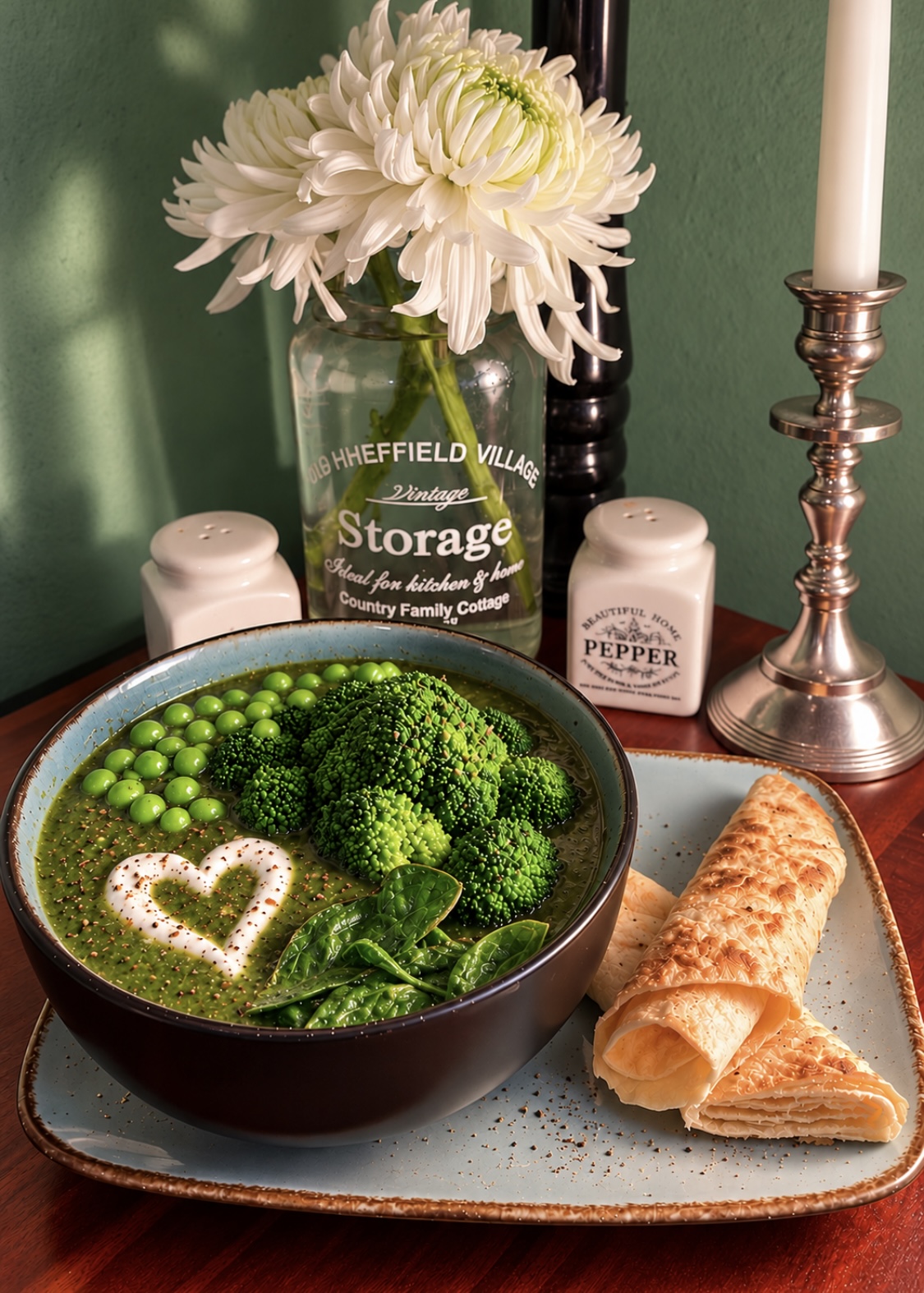
Dominica Callaloo – Creamy Vegan Caribbean Green Soup
You may also like
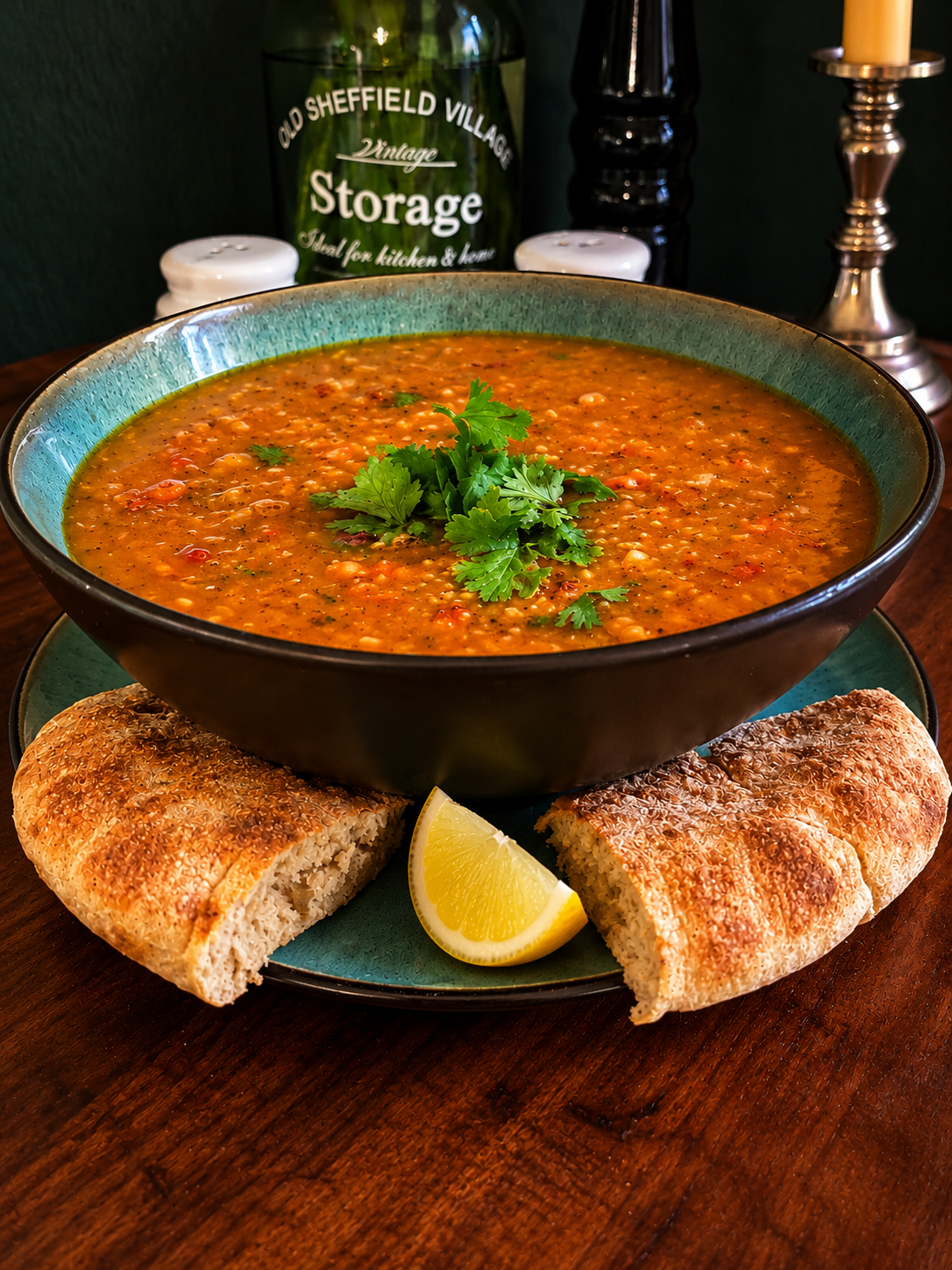
Syrian Red Lentil Soup – Traditional Shorbat Adas
You may also like