Recipe postcard
Mongolia – A Land of Endless Steppes and Nomadic Traditions
Mongolia is a landlocked country in East Asia, situated between Russia and China. Its vast landscapes include grasslands, mountains, deserts and freshwater lakes. Traditional Mongolian cuisine has been shaped by the country's continental climate and long history of nomadic pastoralism. Meat, dairy products and wheat-based foods have historically played important roles, while vegetables and other ingredients have become increasingly accessible through trade and changing food cultures. Hearty noodle dishes, dumplings and warming meals reflect the practical cooking traditions of a country known for its extraordinary landscapes and hospitality.
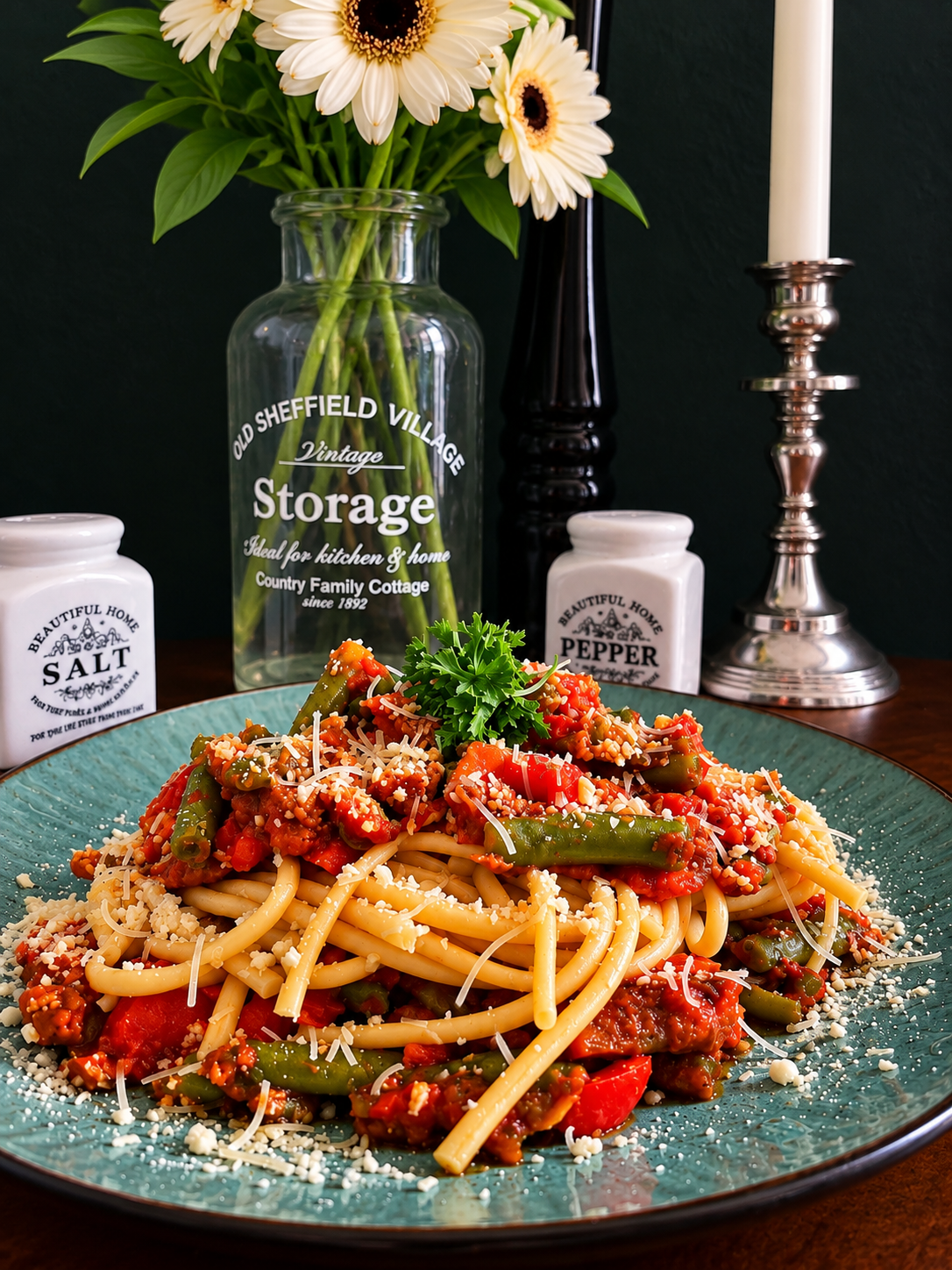
What Is Tsuivan?
Tsuivan is a traditional Mongolian dish made with wheat noodles, meat and vegetables. One of its defining features is the cooking technique: freshly prepared noodles are placed over the meat and vegetables and steamed in the covered pan before everything is mixed together. This Via Veggie Vegan version takes a different approach, using ready-made Japanese udon noodles, plant-based beef-style strips and a tomato-based vegetable sauce. Rosemary, thyme, parsley and vegan cheese introduce additional fusion influences. It is therefore a Mongolian-inspired vegan interpretation rather than a traditional preparation of Tsuivan.
Cook this recipe →
Recipe postcard
Jamaica – The Island of Bold Flavours
Jamaica is a Caribbean island famous for its vibrant culture, reggae music and distinctive culinary traditions. Jamaican cuisine combines Indigenous, African, European and Asian influences, creating dishes rich in herbs, chilies and aromatic spices. Allspice, locally known as pimento, is particularly important, alongside Scotch Bonnet peppers, thyme, garlic and ginger. From traditional jerk preparations to comforting sweet potato pudding, Jamaican cooking celebrates bold flavors and local ingredients.
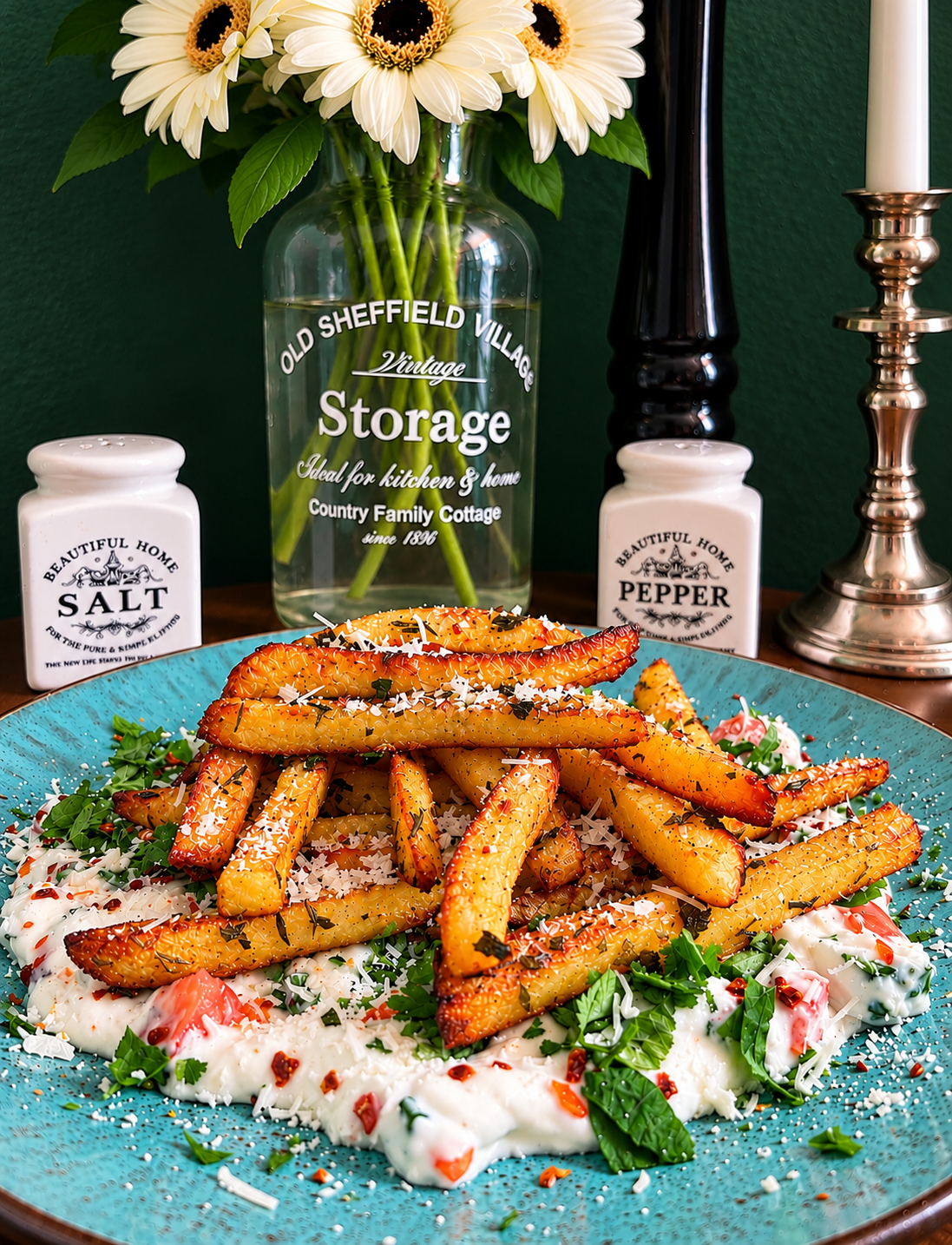
What Are Jamaican Spiced Sweet Potatoes?
These Jamaican-inspired sweet potatoes are a creative Via Veggie Vegan interpretation rather than a specific traditional Jamaican dish. Thick sweet potato rounds are coated in olive oil, brown sugar, allspice, cinnamon, nutmeg and jerk seasoning before being roasted until tender and beautifully caramelized. A cool vegan yogurt dip with fresh lime, garlic, coriander and cumin balances their sweetness and spicy warmth. The result is a delicious combination of sweet, spicy, creamy and citrusy flavors.
Cook this recipe →
Recipe postcard
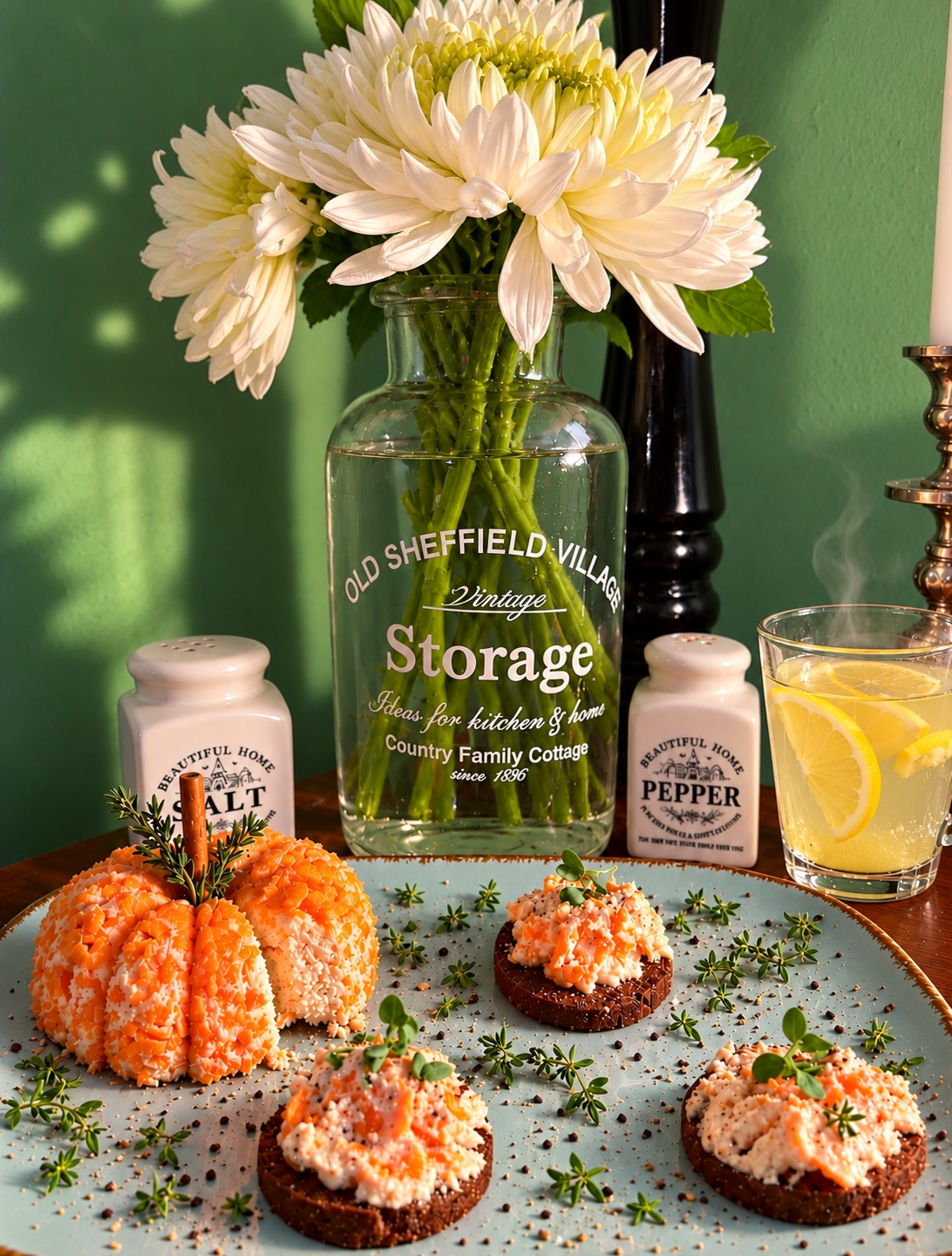
Halloween – A Celebration of Pumpkins and CreativityHalloween is celebrated on October 31 and has roots in traditions associated with the Celtic festival of Samhain, later influenced by Christian observances and regional customs. Today, pumpkins are among its most recognizable symbols, particularly in the form of carved jack-o'-lanterns. Pumpkin-shaped foods have also become a popular way to bring a playful seasonal touch to the table. This homemade cashew cheese takes inspiration from that tradition, transforming a savory plant-based spread into an edible Halloween decoration.
Homemade Cashew Cream Cheese – A Plant-Based AlternativeCashew-based cheese is a modern plant-based alternative to dairy cheese rather than a traditional regional dish. Soaked cashews create a creamy base, while nutritional yeast, lemon juice, garlic and thyme provide a savory, slightly tangy flavor. Agar-agar helps the mixture hold its shape once chilled. For this Halloween version, the cashew cheese is divided into two portions, coated with grated carrots and shaped using kitchen string. A pretzel stick becomes the pumpkin stem, and fresh thyme completes the decoration. The result is a creamy, spreadable vegan cheese with a wonderfully festive appearance.
Cook this recipe →
Recipe postcard
Haiti – The Caribbean Nation That Fought for FreedomHaiti occupies the western part of the Caribbean island of Hispaniola, which it shares with the Dominican Republic. Its culture reflects a rich heritage shaped by African traditions, Indigenous history, French colonial influence and the extraordinary struggle for independence. On 1 January 1804, Haiti declared its independence after a successful revolution against French colonial rule, becoming the first independent Black republic and the first state established through a successful revolt by enslaved people. Haitian cuisine is known for its vibrant seasonings, aromatic herbs, vegetables, rice, beans and deeply flavorful dishes. Food plays an important role in family gatherings, cultural identity and the preservation of traditions.
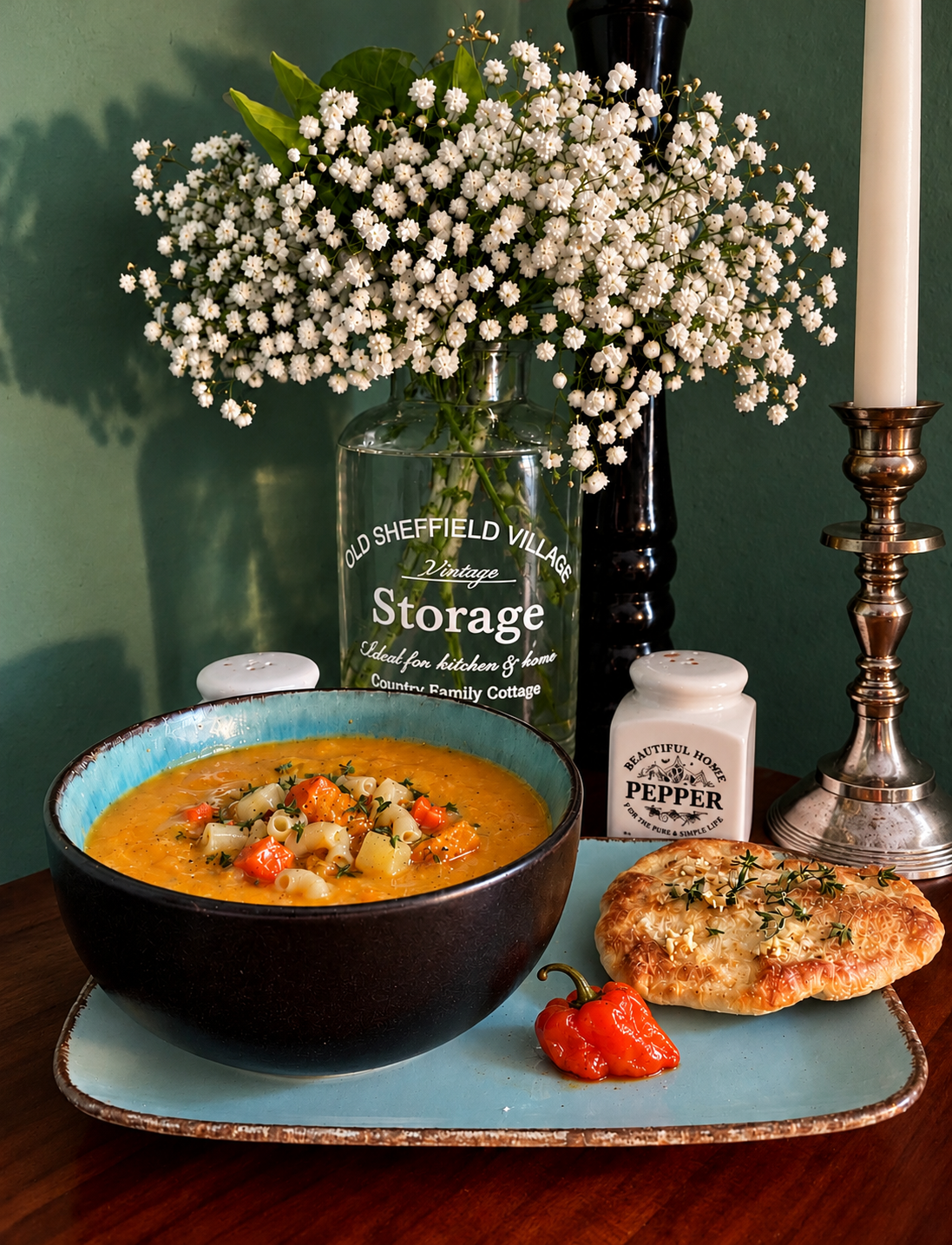
Soup Joumou – Haiti's Freedom Soup, Traditionally Eaten on 1 JanuarySoup Joumou is a traditional Haitian squash soup with profound historical and cultural significance. According to Haitian tradition, during French colonial rule, the richly prepared soup was associated with the colonial elite and denied to enslaved Haitians. Following independence on 1 January 1804, preparing and enjoying Soup Joumou became a powerful symbol of liberation, dignity and the freedom to enjoy what had previously been forbidden. Today, Haitian families and communities in Haiti and around the world traditionally prepare and share the soup on New Year's Day, which is also Haiti's Independence Day. Soup Joumou is often described as a soup of freedom, unity and peace. In 2021, UNESCO inscribed the knowledge and practices surrounding Joumou soup on its Representative List of the Intangible Cultural Heritage of Humanity. Traditional versions often contain meat, while this Via Veggie Vegan interpretation celebrates the dish with butternut squash, vegetables, pasta, homemade Haitian epis and vegetable broth.
Cook this recipe →
Recipe postcard
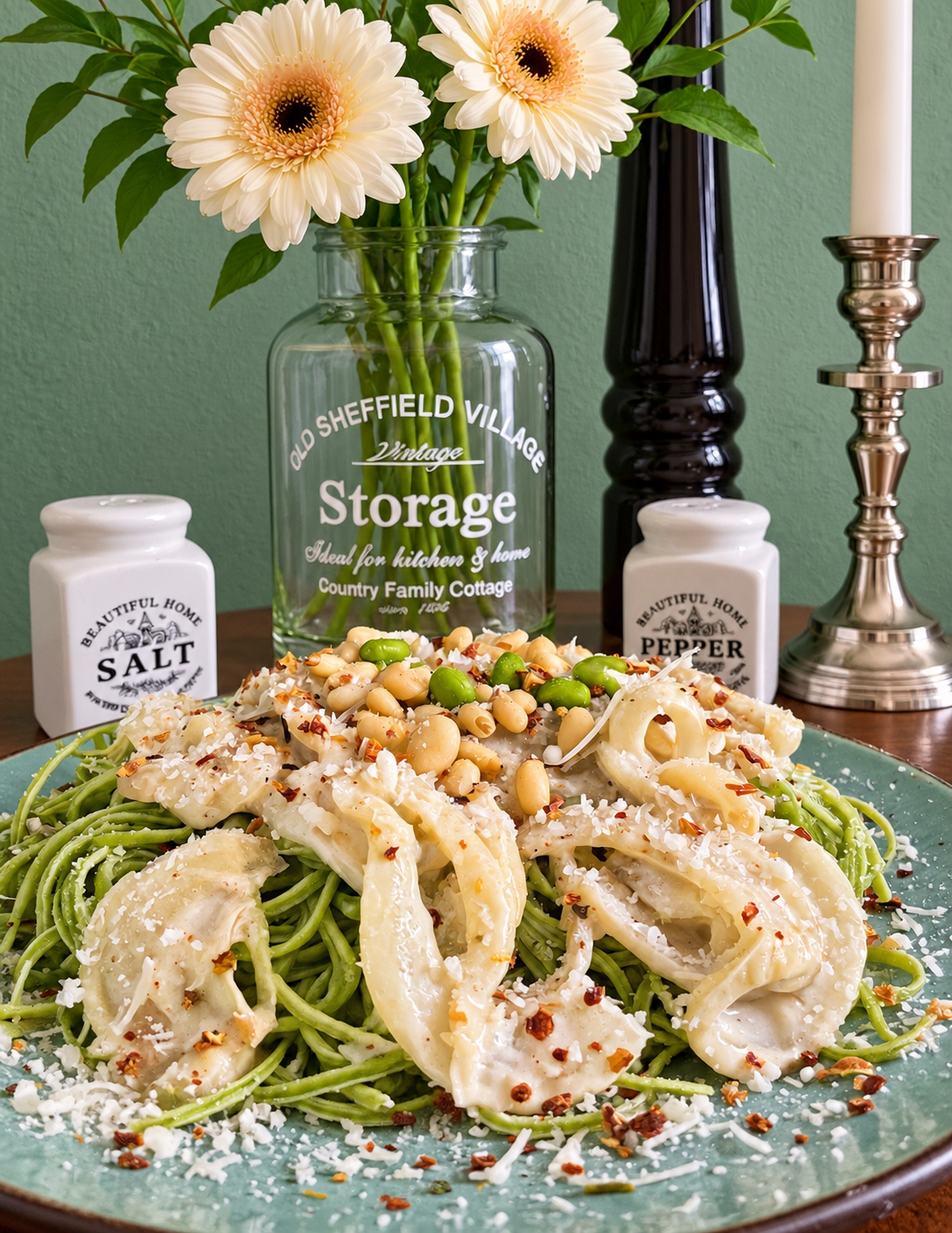
France – A Country of Culinary TraditionsFrance is renowned for its diverse regional cuisine, centuries-old culinary traditions and appreciation of carefully prepared food. From rustic countryside dishes to refined restaurant cooking, French cuisine places great importance on developing flavor through ingredients and technique. Onions, butter, fresh herbs, cheese and rich stocks are familiar elements in many traditional preparations. One of the country's best-known comfort foods is Soupe à l'oignon, the classic French onion soup, especially associated with Parisian bistro cooking.
What Is French Onion Pasta?French Onion Pasta is not a traditional French dish. It is a modern pasta creation inspired by the flavors of French onion soup, particularly its slowly caramelized onions, thyme, savory broth and melted cheese. Viral versions reinterpret these familiar ingredients as a creamy pasta sauce. My vegan variation uses Edamame Spaghetti, homemade vegetable stock, vegan cheddar-style cheese, nutritional yeast and plant-based cream. Apple cider vinegar replaces the acidity sometimes provided by wine, while lemon zest, nutmeg, toasted pine nuts and pistachios add my own personal touch.
Cook this recipe →

Recipe postcard
Andorra – A Tiny Mountain Country with Hearty Culinary TraditionsNestled high in the Pyrenees between France and Spain, Andorra is one of Europe's smallest countries. Its mountain cuisine reflects centuries of Catalan influence, cold winters and a love of simple, nourishing ingredients. Potatoes, cabbage, beans and rustic vegetable dishes have long been staples of traditional Andorran cooking.
What Is Trinxat?Trinxat is one of the best-known traditional dishes of Andorra and the Catalan Pyrenees. Its name comes from the Catalan word meaning chopped or mashed. Traditionally prepared with potatoes, winter cabbage and pork fat or bacon, the mixture is pressed into a thick, tortilla-like cake and pan-fried until beautifully golden. The result is a wonderful contrast between a crispy exterior and a soft, comforting centre. This vegan version replaces the bacon with plant-based ham, uses aromatic mustard oil and finishes in the oven rather than the frying pan.
Cook this recipe →
