Recipe postcard
Country of Origin: Jordan
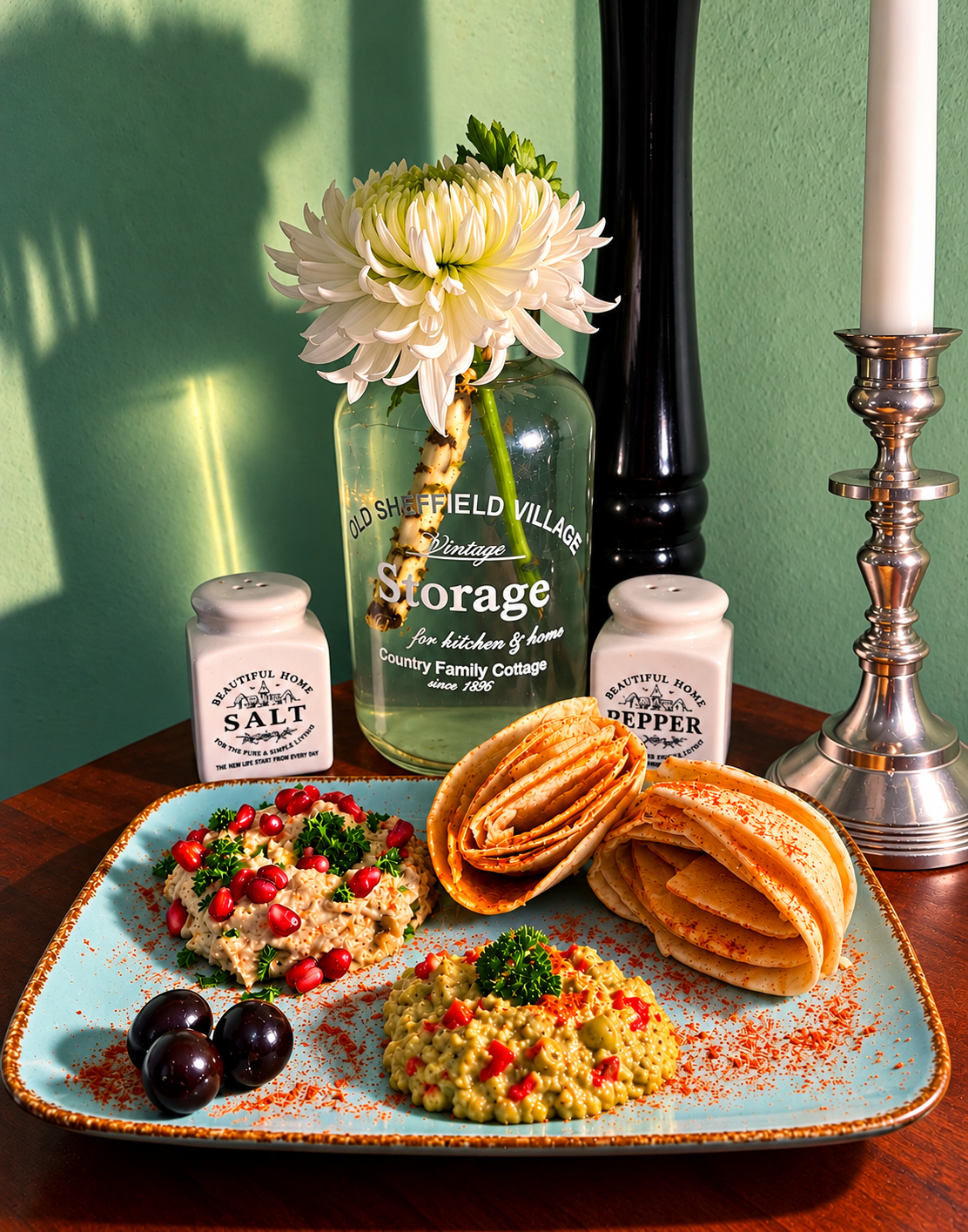
Jordanian cuisine is deeply rooted in the culinary traditions of the Levant, where mezze plays an important role in everyday meals and social gatherings. Small dishes such as creamy vegetable dips, olives, fresh salads and warm flatbread are often enjoyed together, encouraging everyone around the table to share.
What Are Mutabbal & Maazat Zaytoon?
Mutabbal is a traditional Levantine eggplant dip made with roasted eggplant, tahini, garlic and lemon juice. Some Jordanian variations include yogurt for an especially creamy, delicate texture. Maazat Zaytoon, meaning olive appetisers or olive mezze, is used here for a green olive spread flavoured with tahini, lemon, garlic and za’atar. Za’atar is the aromatic herb and sesame seasoning, not the name of the olive paste itself. Both dishes are naturally suited to a plant-based mezze table when prepared with vegan yogurt.
Cook this recipe →
Recipe postcard
North Macedonia – A Culinary Crossroads in the BalkansNorth Macedonia is a landlocked country in southeastern Europe whose cuisine reflects centuries of Balkan, Mediterranean and Ottoman influences. Fresh vegetables, peppers, tomatoes, beans, herbs and rustic breads are essential parts of its culinary traditions. Roasted vegetable preparations, savory spreads and small dishes known as meze are particularly popular. Seasonal ingredients and traditional preservation methods play an important role, especially when preparing vegetables for the colder months.
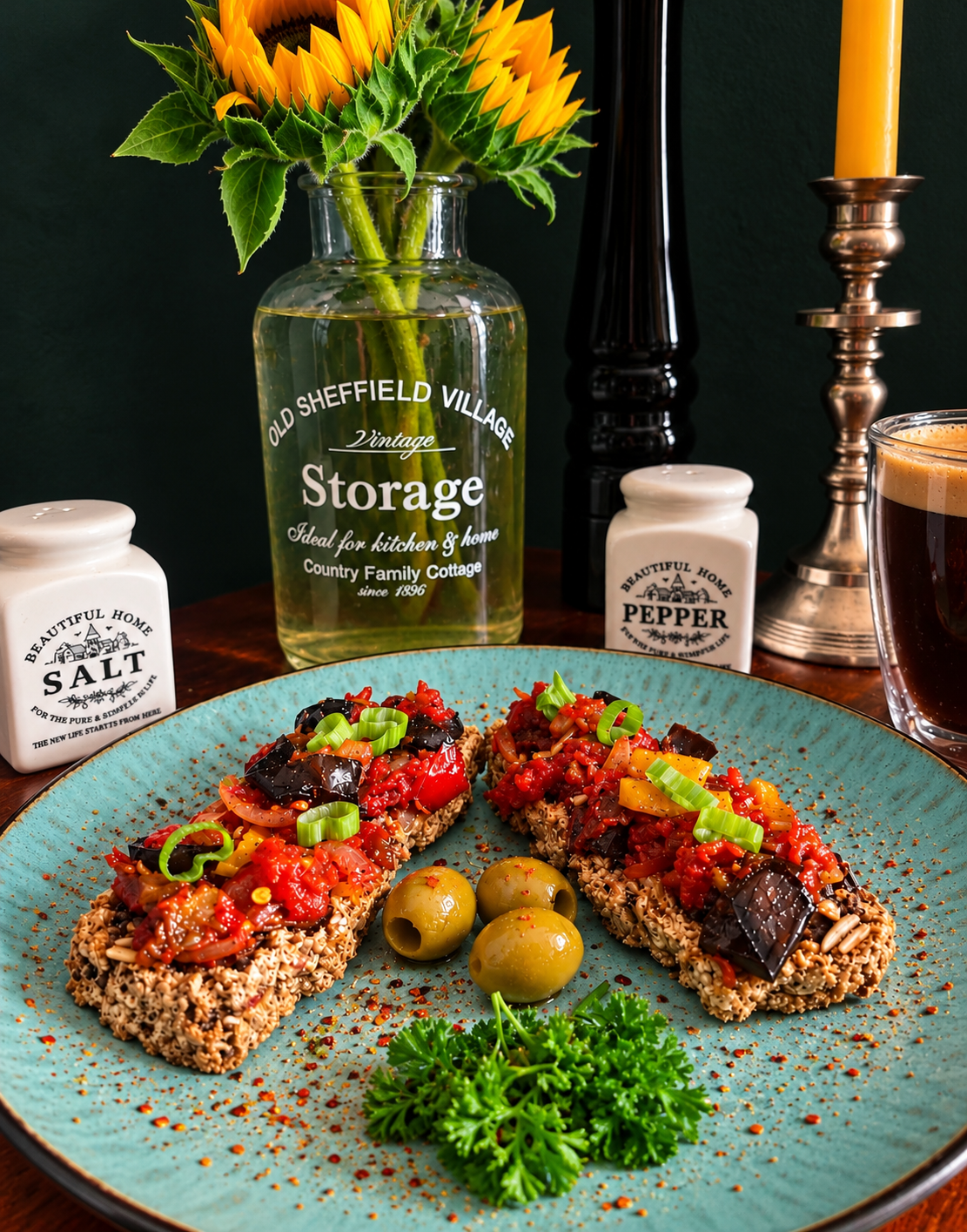
Pindjur – A Rustic Roasted Vegetable SpecialtyPindjur is a traditional North Macedonian vegetable relish typically prepared with roasted peppers, tomatoes, garlic and, in many variations, eggplant. Unlike the better-known Ajvar, Pindjur generally has a chunkier consistency and a particularly juicy tomato character. The vegetables are chopped or crushed rather than blended into a completely smooth purée. Pindjur is naturally vegan when prepared without animal-derived additions and can be enjoyed as a spread, side dish or part of a meze selection. It is sometimes served with traditional white brined cheese, but my Via Veggie Vegan version skips the cheese entirely. Instead, I serve the rich, aromatic vegetable relish generously on crispy roasted farmhouse bread, accompanied by green olives and fresh parsley.
Cook this recipe →
Recipe postcard
Egypt – A Rich Culinary TraditionEgyptian cuisine is known for its comforting vegetable dishes, aromatic spices and richly seasoned sauces. Eggplant plays an important role in many traditional recipes, often combined with tomatoes, garlic, onions and cumin. Egyptian home cooking offers numerous regional and family variations, including naturally plant-based dishes.
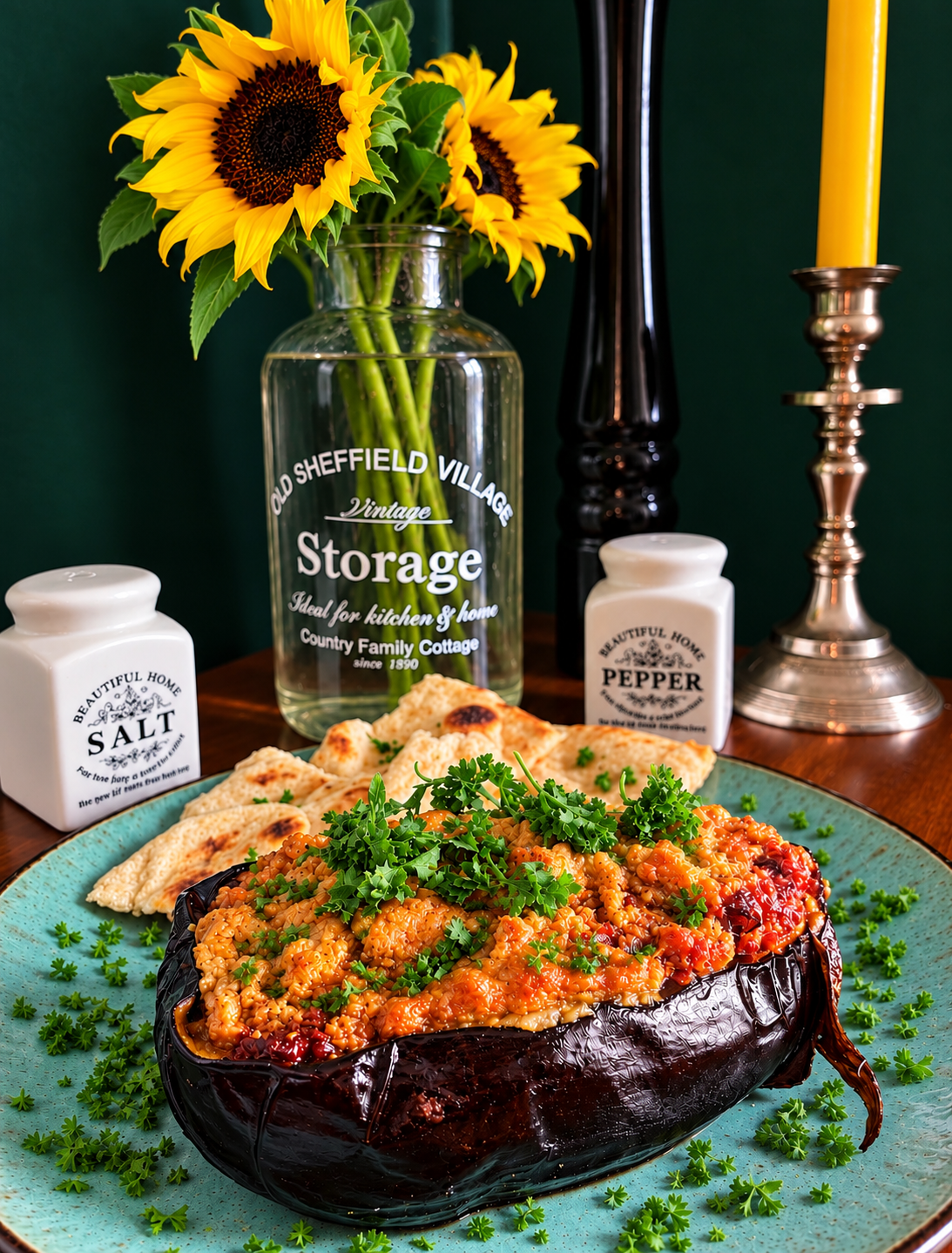
What Is Egyptian Messa'a?Egyptian Messa'a (مسقعة) is a traditional eggplant dish prepared with a richly seasoned tomato sauce. Unlike Greek moussaka, Egyptian versions often contain no potatoes and may be served warm or at room temperature. Some variations include meat or béchamel, while others focus on vegetables and aromatic spices. My Via Veggie Vegan interpretation transforms roasted eggplant halves into edible bowls filled with spiced tomato sauce and the scooped-out eggplant flesh. A generous layer of creamy vegan béchamel completes this Egyptian-inspired dish with a creative plant-based twist.
Cook this recipe →
Recipe postcard
Armenia – A Rich Tradition of Roasted VegetablesArmenia is located in the South Caucasus, at the crossroads of Europe and Asia. Armenian cuisine is known for its aromatic herbs, fresh vegetables, traditional flatbreads and flavorful dishes prepared over open flames or in clay ovens. Eggplants are particularly popular in Armenian cooking, where they are frequently roasted, grilled or stuffed. Their wonderfully smoky flavor is an important inspiration for this rustic vegan soup.
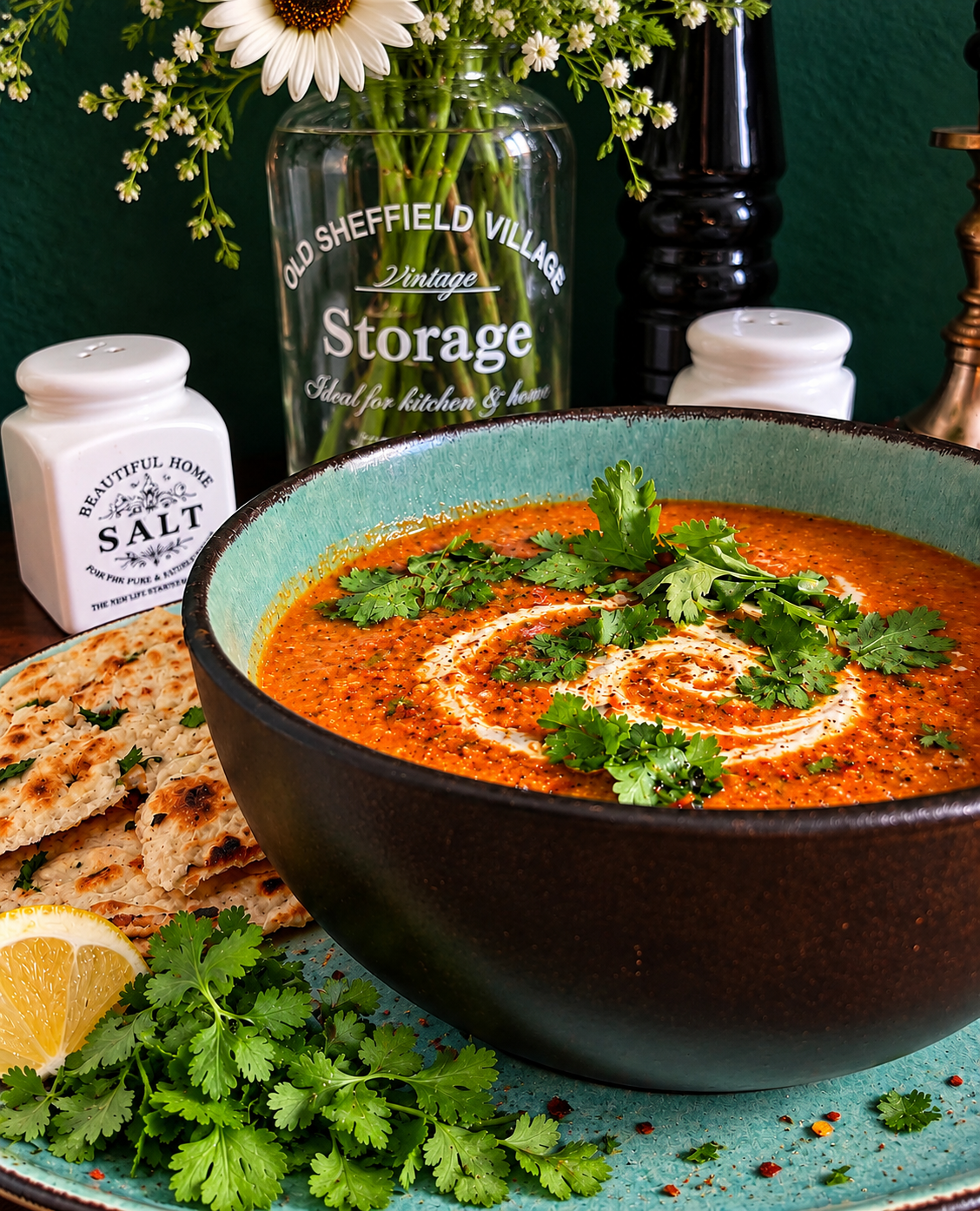
What Is Armenian Roasted Eggplant Soup?Armenian Roasted Eggplant Soup is a modern, Armenian-inspired vegan creation rather than a documented traditional national dish. Oven-roasted eggplants are combined with tomatoes, garlic, onion, cumin and smoked paprika to create a deeply aromatic, slightly chunky soup. Fresh coriander, flat-leaf parsley, lemon zest and lemon juice add brightness, while a swirl of vegan sour cream provides a creamy finishing touch. Served with warm Armenian lavash, this comforting soup celebrates the flavors of roasted vegetables and the culinary traditions of Armenia.
Cook this recipe →
Recipe postcard
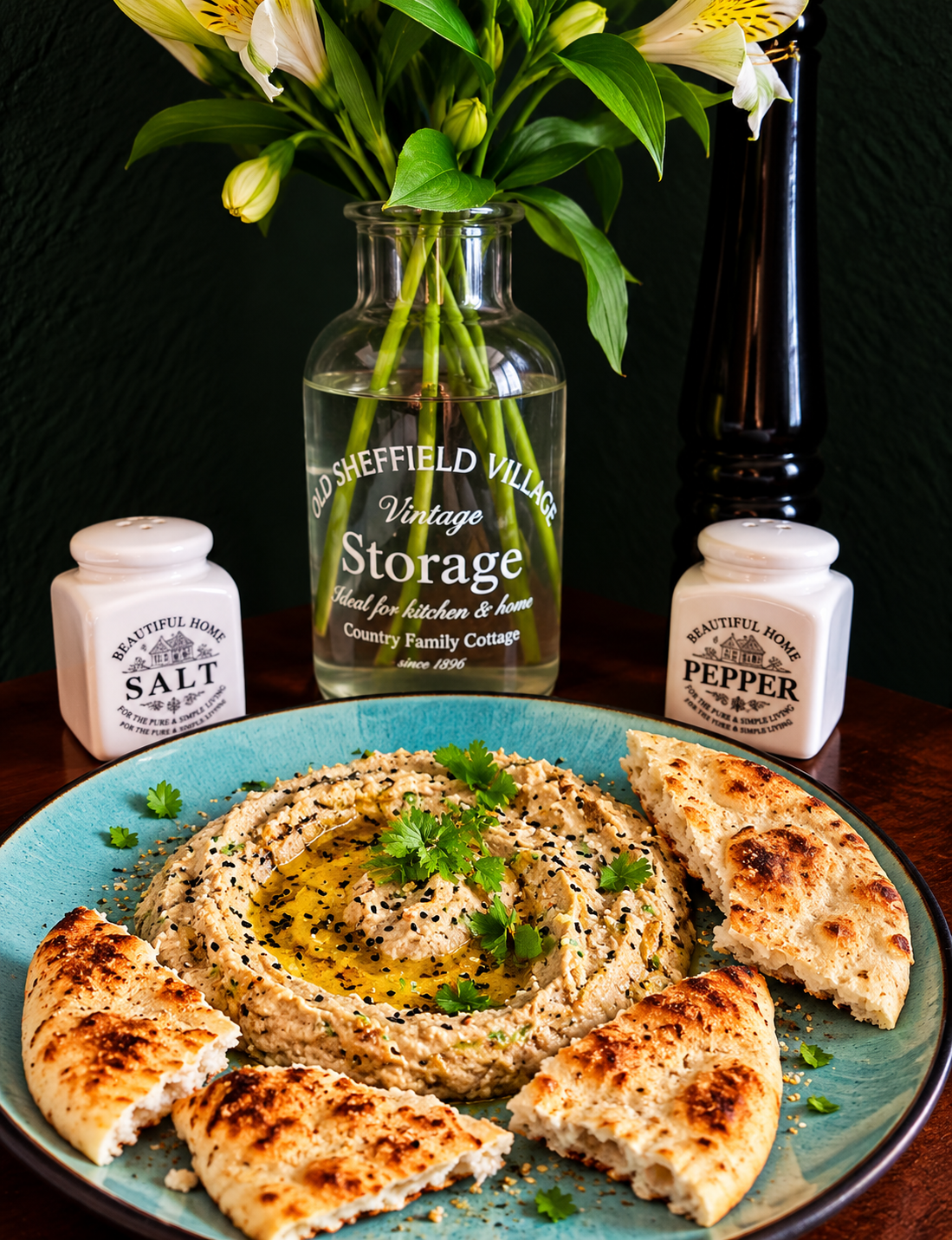
Lebanon – The Heart of Levantine Mezze CultureLebanon is known for its vibrant mezze culture, where a variety of small dishes are shared around the table. Fresh herbs, vegetables, olive oil, garlic, lemon and tahini are central ingredients in Lebanese cuisine. Roasted eggplant dips are particularly popular throughout the Levant, reflecting a long tradition of transforming simple vegetables into wonderfully aromatic dishes.
What Is Baba Ganoush?Baba Ganoush is a roasted eggplant dish associated with Lebanon and the wider Levant. Its preparation varies between regions and households. Some versions include tahini for a creamy, nutty texture, while others feature additional vegetables or herbs. This Via Veggie Vegan version combines smoky roasted eggplant with tahini, garlic, lemon juice and extra virgin olive oil, finished with fresh coriander, sesame seeds and a touch of chili. Served with warm toasted flatbread, it is a naturally vegan mezze full of flavor.
Cook this recipe →
Recipe postcard
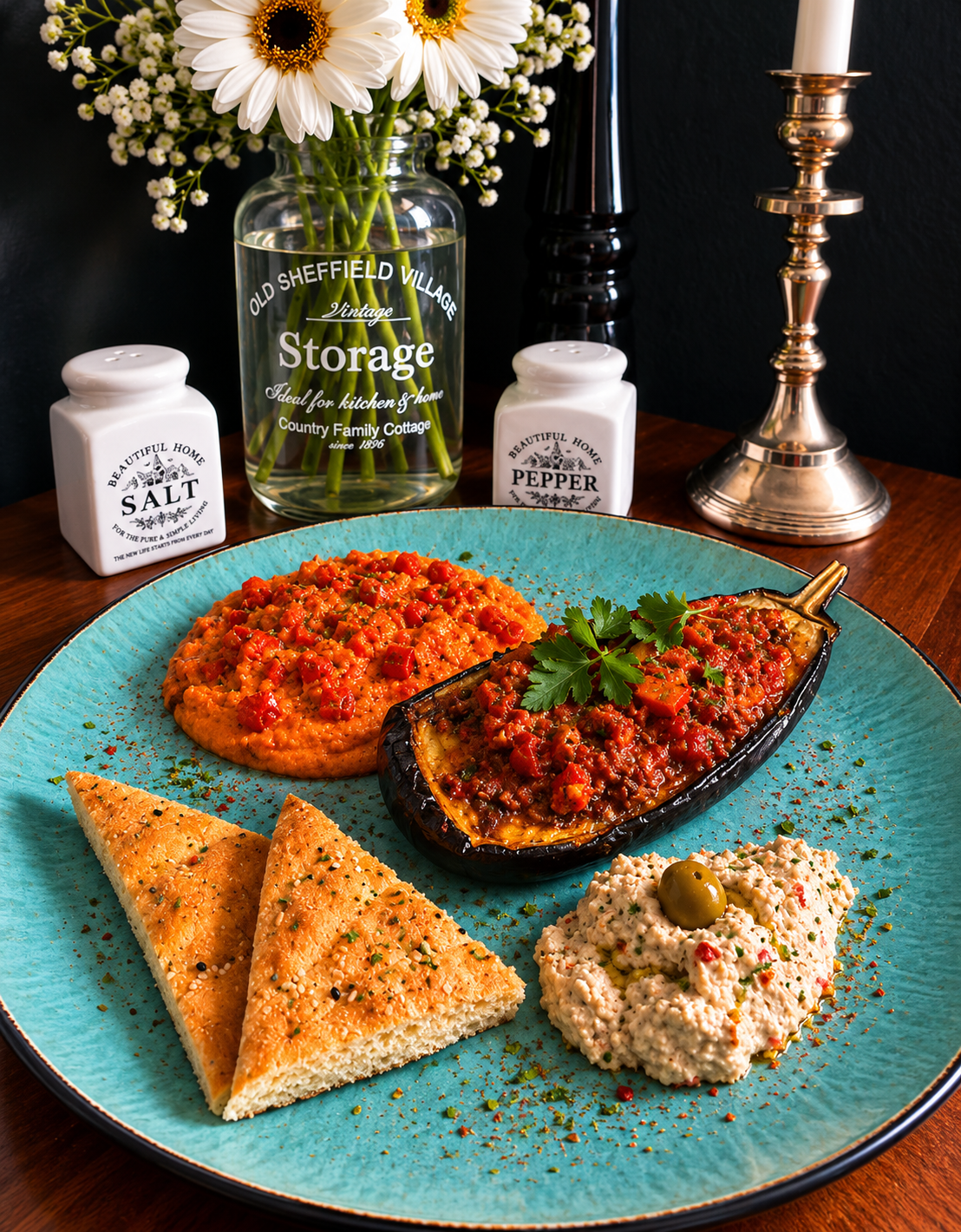
Turkey – The Culinary Heritage of İmam BayıldıTurkey is located at the crossroads of Europe and Asia, with a rich culinary heritage shaped by Anatolian, Mediterranean and Ottoman traditions. Fresh vegetables, aromatic herbs, garlic and olive oil play an important role in Turkish cuisine. İmam Bayıldı is a classic example of the traditional zeytinyağlı dishes – vegetables gently cooked in olive oil and often served at room temperature. Its tender eggplant, sweet onions, ripe tomatoes and generous garlic filling make it a beloved part of Turkish home cooking.
What Is Vegan İmam Bayıldı – The Holy Trinity of Garlic?İmam Bayıldı is a traditional Turkish dish made with whole eggplants stuffed with slowly cooked onions, tomatoes, garlic and parsley, then gently braised in olive oil until exceptionally tender. The dish is naturally vegan and its name translates as “the imam fainted,” inspiring several entertaining culinary legends. For this Via Veggie Vegan interpretation, the classic stuffed eggplant is accompanied by two modern Turkish-inspired tofu spreads: a peppery Tofu Acuka and a creamy green olive cheese spread called Vegan Peynirli Yeşil Zeytin Ezmesi. Together with warm Turkish flatbread and six cloves of garlic across all three dishes, they create the ultimate vegan mezze feast – the Holy Trinity of Garlic.
Cook this recipe →
Recipe postcard
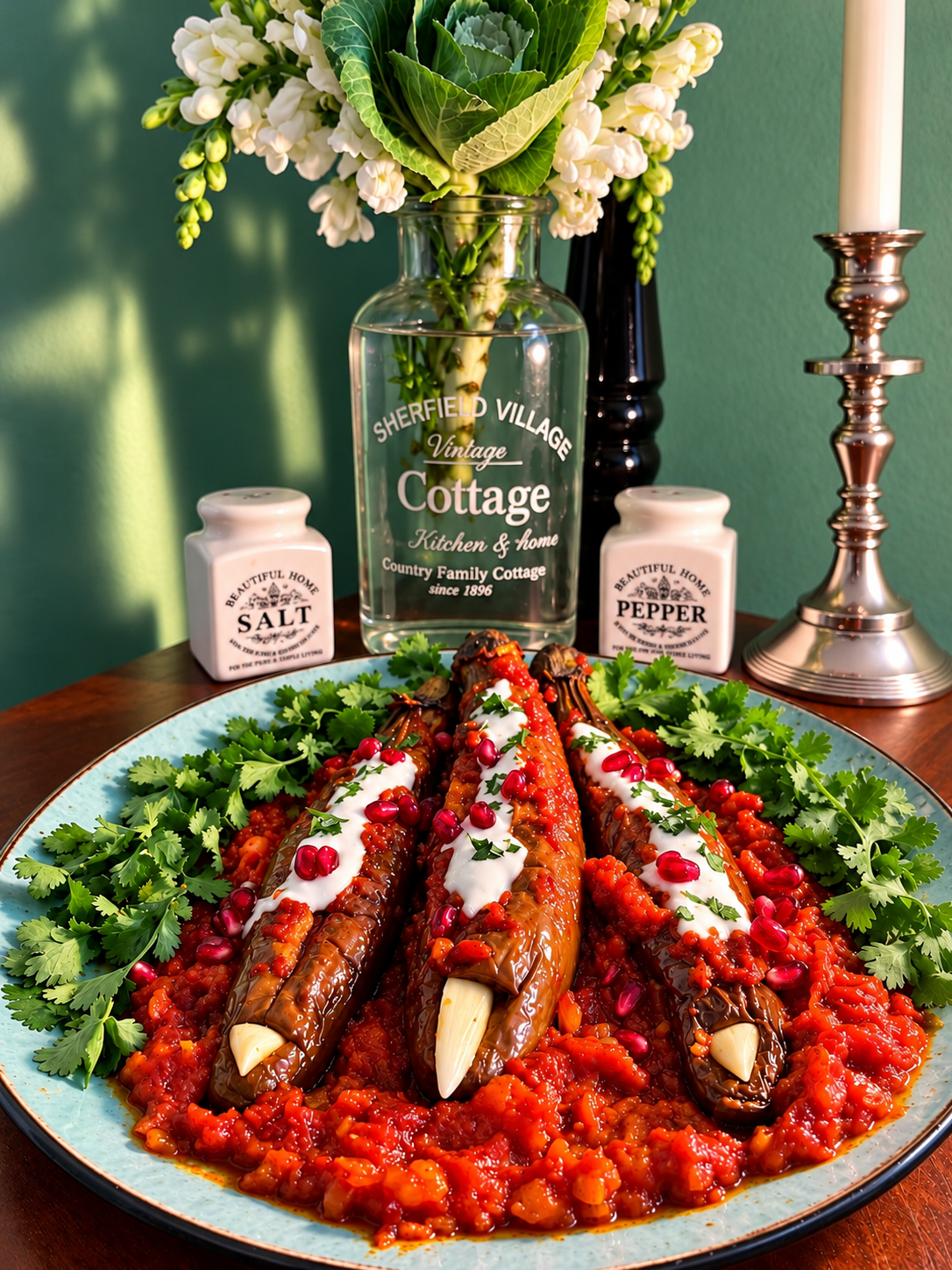
Tajikistan – Culinary Traditions Along the Silk RoadTajikistan is a mountainous country in Central Asia whose culinary heritage has been shaped by Persian influences, regional trade routes and centuries of cultural exchange along the Silk Road. Traditional Tajik cooking features bread, rice, legumes, vegetables, fresh herbs and aromatic spices. Eggplants, tomatoes, garlic and coriander are familiar ingredients across the wider Persian-influenced culinary region, where vegetable dishes are often paired with tangy yogurt sauces. Although Borani Banjan is particularly associated with Afghanistan rather than being a traditional Tajik national specialty, its combination of tender eggplant, richly seasoned tomatoes and cooling yogurt reflects flavors shared across neighboring culinary traditions.
Borani Banjan – Afghan Roots with a Vegan Central Asian TwistBorani Banjan is a beloved Afghan eggplant dish traditionally prepared with tender fried or cooked eggplants, a fragrant tomato sauce and a generous layer of garlic yogurt. My vegan interpretation takes inspiration from this classic while introducing a few personal Via Veggie Vegan touches. Instead of frying thick eggplant slices, I use six slender Japanese eggplants, carefully hollow them out, fill them with aromatic tomato sauce and bake them whole until wonderfully tender. Turmeric, cumin, coriander, cayenne pepper and black pepper give the sauce its warm, spicy character, while unsweetened soy yogurt and vegan crème fraîche create a cooling garlic topping with a hint of lemon zest. Fresh coriander, dried mint and jewel-like pomegranate seeds complete the dish. Rooted in Afghan cuisine, inspired by the wider culinary traditions of Central Asia and prepared as part of my journey through Tajikistan, this colorful creation brings together tradition, creativity and delicious plant-based flavors.
Cook this recipe →
