Recipe postcard
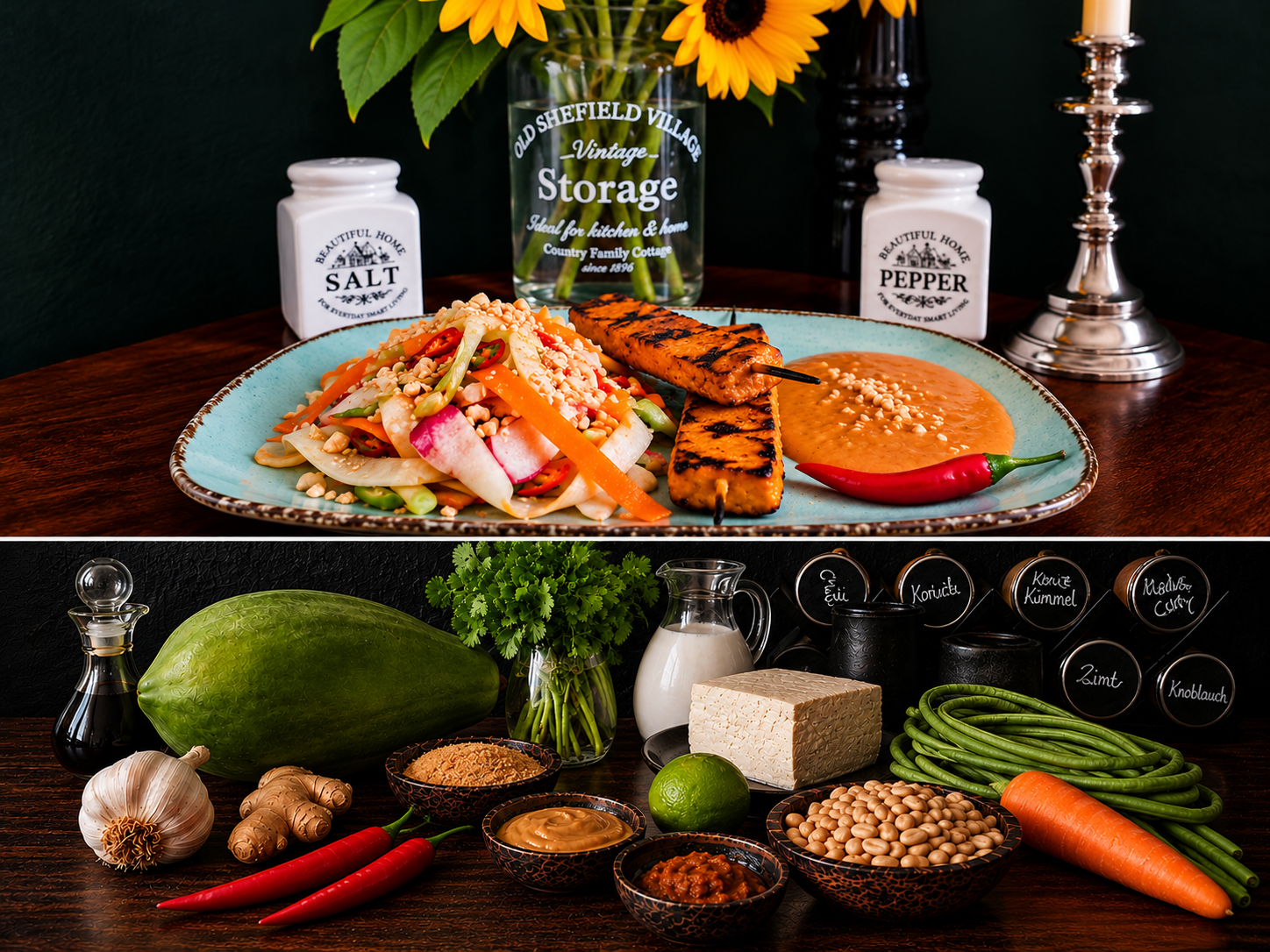
Vegan Som Tam with Tofu Satay & Peanut Sauce brings together the bold flavours of Thailand in one colourful plant-based meal. Crunchy green papaya, carrot,
Bird's Eye chilies, fresh lime juice and roasted peanuts create a vibrant Thai salad, while golden tofu skewers marinated in peanut butter, chili and garlic add delicious savoury depth.
Served with a creamy coconut peanut sauce, this Thai-inspired recipe combines spicy, sour, sweet and salty flavours with plenty of texture and plant-based protein.
Cook this recipe →
Recipe postcard
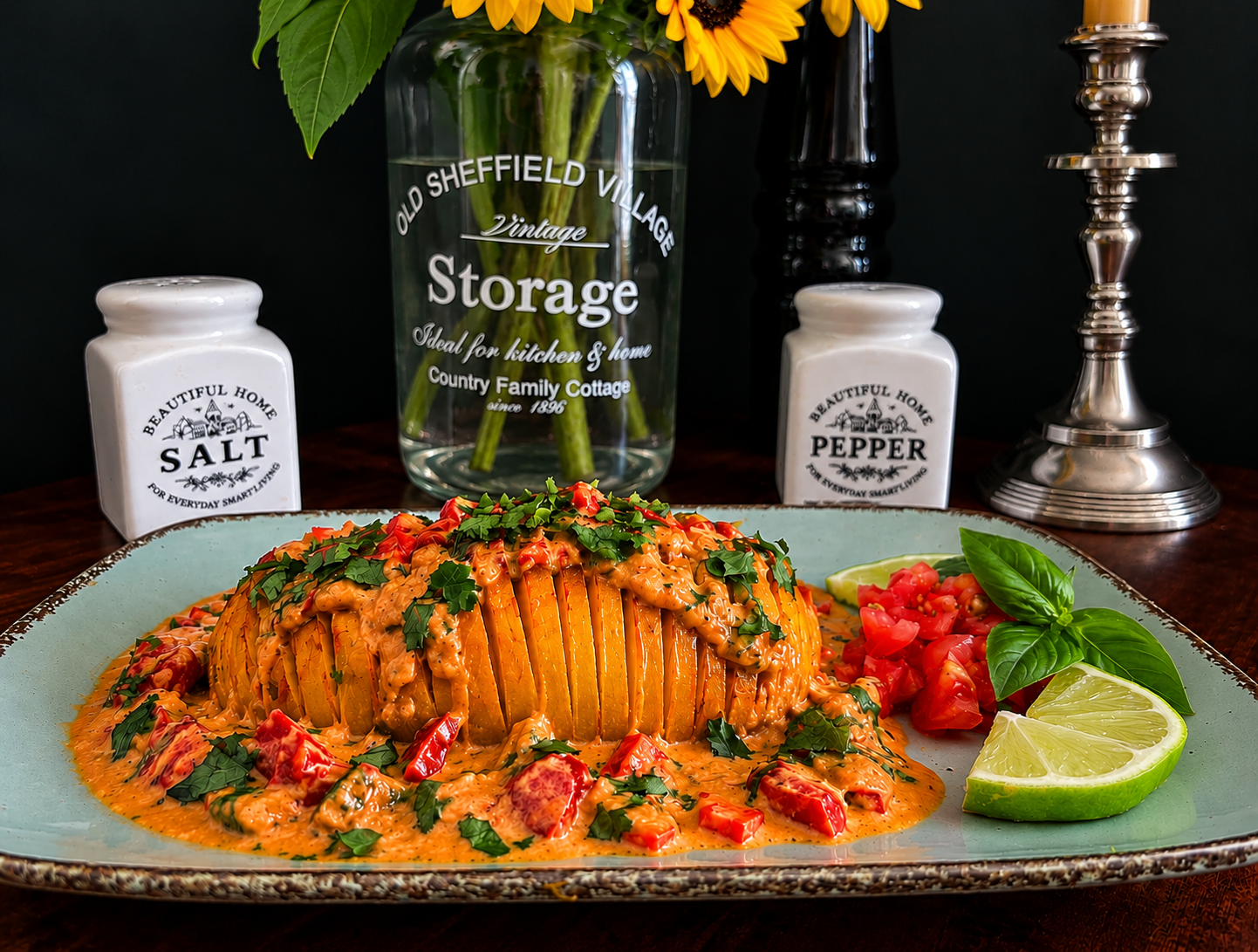
Thai red curry, known as Kaeng Phet, is a popular part of Thailand's rich culinary tradition. Its characteristic flavour comes from a fragrant paste of dried red chilies, lemongrass, galangal, garlic, shallots and aromatic spices, traditionally combined with coconut milk.
This vegan version replaces the traditional shrimp paste with red miso and uses homemade curry paste for an intensely aromatic sauce.
Instead of preparing a conventional Thai curry with cubed vegetables, the butternut squash is roasted Hasselback-style and served as the centrepiece of the dish.
The result is a creative fusion of Thai-inspired flavours and a European roasting technique, rather than a traditional Thai presentation.
Cook this recipe →

Recipe postcard
Palava Sauce is a well-known dish in Ghanaian cuisine and part of the wider culinary traditions of West Africa. At its heart are leafy greens cooked in a rich, savory sauce with tomatoes, onions and aromatic seasonings.
In Ghana, Palava Sauce is commonly prepared with kontomire, the leaves of cocoyam. These leafy greens are widely used in Ghanaian cooking and contribute a distinctive flavor and texture to traditional vegetable dishes.
Recipes vary between regions and households. Depending on the preparation, Palava Sauce may contain additional ingredients such as ground seeds, fish or other sources of protein. It is commonly served with a starchy accompaniment that balances the rich vegetable sauce.
This plant-based version replaces traditional kontomire with fresh spinach, which is more readily available outside West Africa. Tomatoes, onions, garlic, ginger and chili create an aromatic base, while peanut butter adds creaminess and a nutty flavor.
Instead of serving the sauce with a traditional Ghanaian accompaniment, this version pairs it with roasted spaghetti squash. The squash develops tender, golden strands that resemble spaghetti when loosened with a fork.
Served directly inside the roasted squash halves, the dish combines a Ghanaian-inspired spinach sauce with a creative vegetable-based presentation. The mild sweetness of the squash complements the savory, slightly spicy Palava Sauce.
Cook this recipe →
Recipe postcard
Zimbabwe – A Culinary Tradition Rooted in Local IngredientsZimbabwean cuisine is deeply connected to the country's agricultural heritage and everyday home cooking. Maize, pumpkins, leafy vegetables, groundnuts and legumes play an important role in traditional dishes. Many recipes rely on simple, locally available ingredients that are transformed into nourishing, comforting meals. Particularly within Shona culinary traditions, pumpkin and peanut butter are familiar ingredients that reflect the importance of seasonal produce and practical, resourceful cooking.
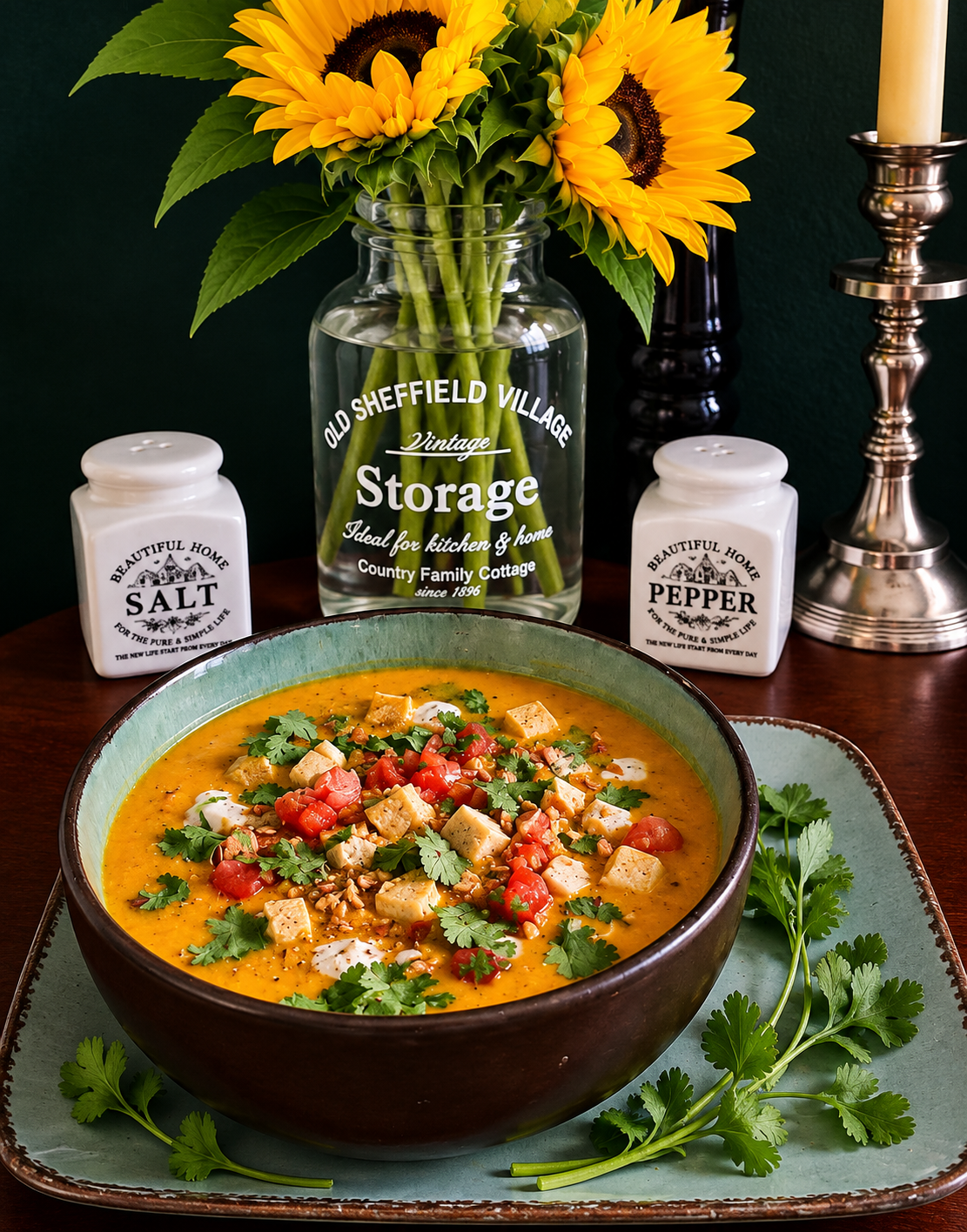
Nhopi – Traditional Pumpkin and Peanut Butter Comfort FoodNhopi is a traditional Zimbabwean dish made from soft-cooked pumpkin, often combined with peanut butter and maize meal. Its naturally creamy texture and gently sweet flavour make it a popular breakfast dish or comforting accompaniment. Depending on the household, Nhopi can be prepared as a thick porridge or a softer, spoonable dish. My Via Veggie Vegan interpretation keeps the traditional pumpkin, cornmeal and peanut butter foundation but takes it in a savoury direction with golden pan-fried tofu, fresh tomatoes, coriander and a dollop of vegan crème fraîche.
Cook this recipe →
Recipe postcard
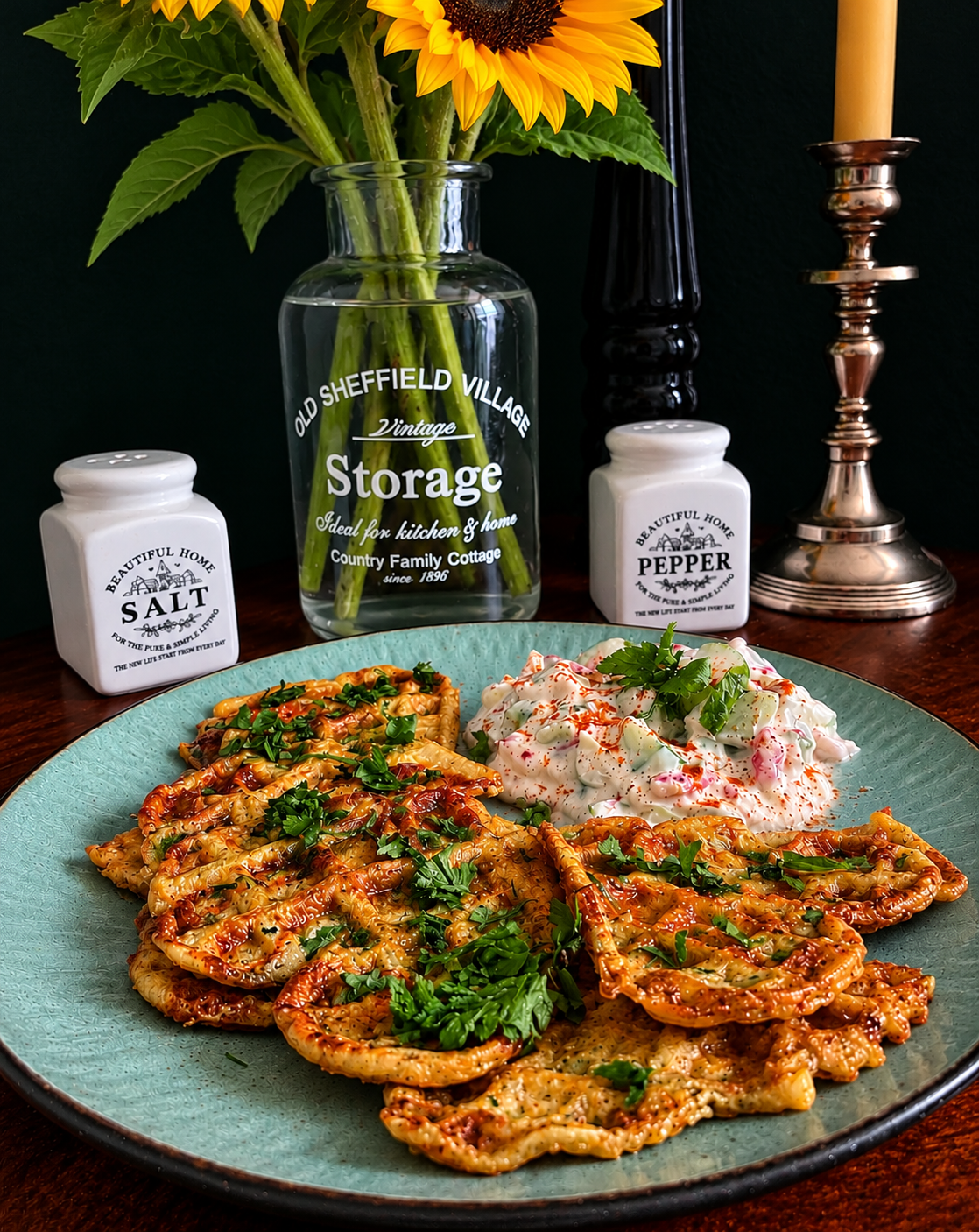
Ukoy, also spelled Okoy, is a traditional Filipino fritter made with vegetables and often small shrimp. Popular variations include bean sprouts, squash, sweet potatoes and other locally available ingredients.
The vegetables are coated in batter and fried until golden and crispy. Ukoy is commonly enjoyed as a snack, appetiser or street food, traditionally accompanied by a tangy vinegar dipping sauce known as Sawsawang Suka.
My version takes a creative detour through the waffle iron. Butternut squash, zucchini and onions meet chickpea flour, while the familiar crispy texture gets a modern, oil-conscious twist.
Traditional Filipino inspiration, a brand-new kitchen gadget and a little Via Veggie Vegan mischief.
Cook this recipe →
Recipe postcard
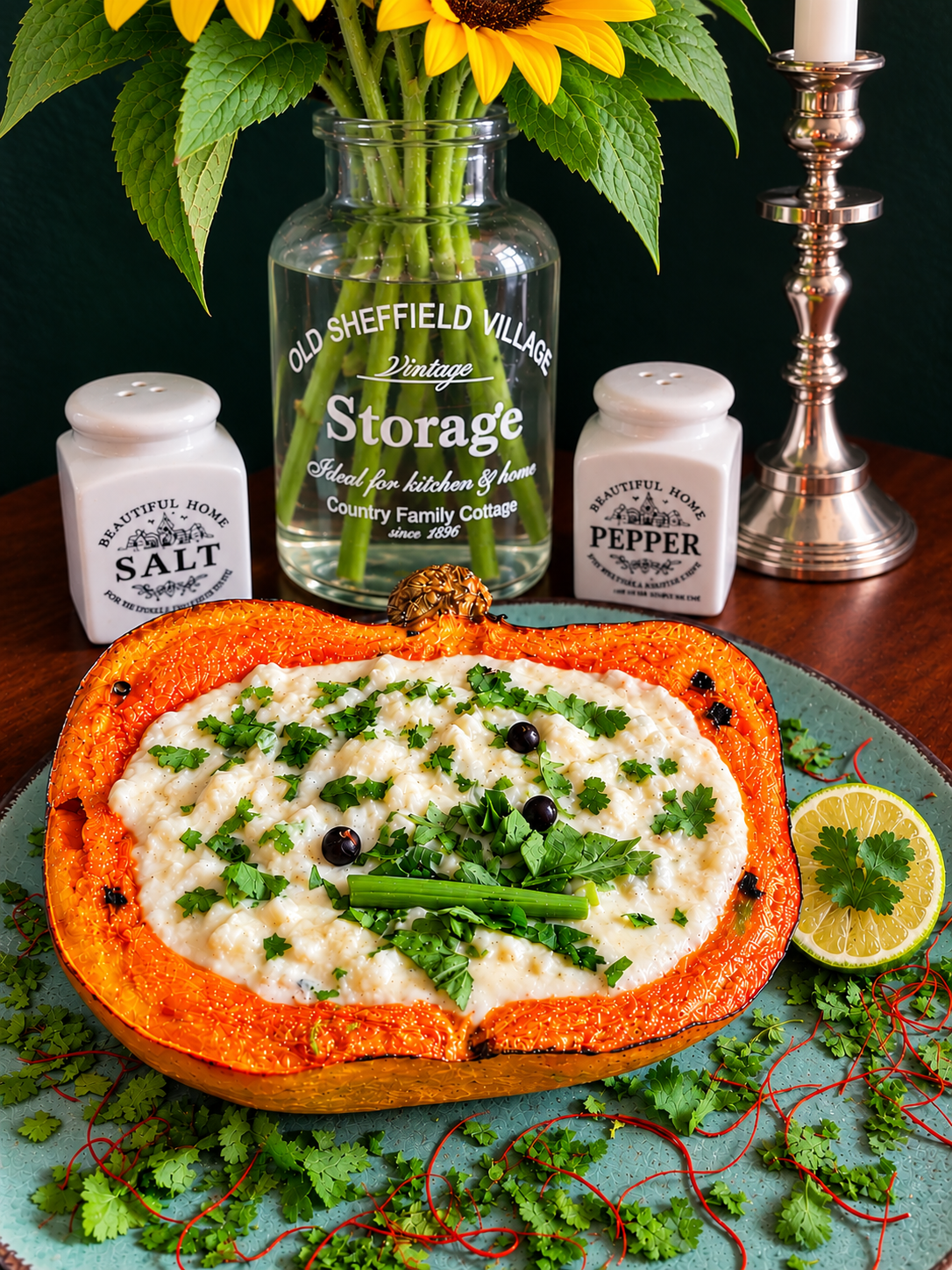
The Philippines – A Culinary Love Affair with Coconut
The Philippines is an archipelago of more than 7,600 islands in Southeast Asia, with a wonderfully diverse culinary heritage shaped by regional traditions, tropical ingredients and centuries of cultural exchange. Coconut is an essential ingredient in many Filipino kitchens, particularly in regions where coconut palms grow abundantly. One beloved cooking technique is known as ginataan, which involves simmering vegetables, seafood, meat or even sweet ingredients in coconut milk. Combined with aromatic garlic, ginger, onions and chili, coconut milk creates wonderfully rich and comforting dishes. Squash and yardlong beans are especially popular vegetables in Filipino home cooking, making their combination a delicious example of the country's flavorful everyday cuisine.
Ginataang Kalabasa at Sitaw – Filipino Comfort Food with a Creative Twist
Ginataang Kalabasa at Sitaw translates roughly to squash and yardlong beans cooked in coconut milk. Kalabasa refers to squash, while sitaw describes the long, slender beans commonly used in Filipino cooking. Traditional preparations often include shrimp, pork or fish sauce, although the ingredients and seasonings vary between households. My completely vegan interpretation uses plant-based fish sauce, plenty of garlic, fresh ginger, chili and creamy coconut milk. Instead of traditional kalabasa, I roast a small Hokkaido squash and transform its two halves into edible serving bowls. Fresh coriander, lime and homemade lemongrass salt add my personal Via Veggie Vegan signature. The result is Filipino comfort food at heart, with a generous helping of Team Garlic, Team Spicy and a little zero-waste kitchen magic.
Cook this recipe →
Recipe postcard
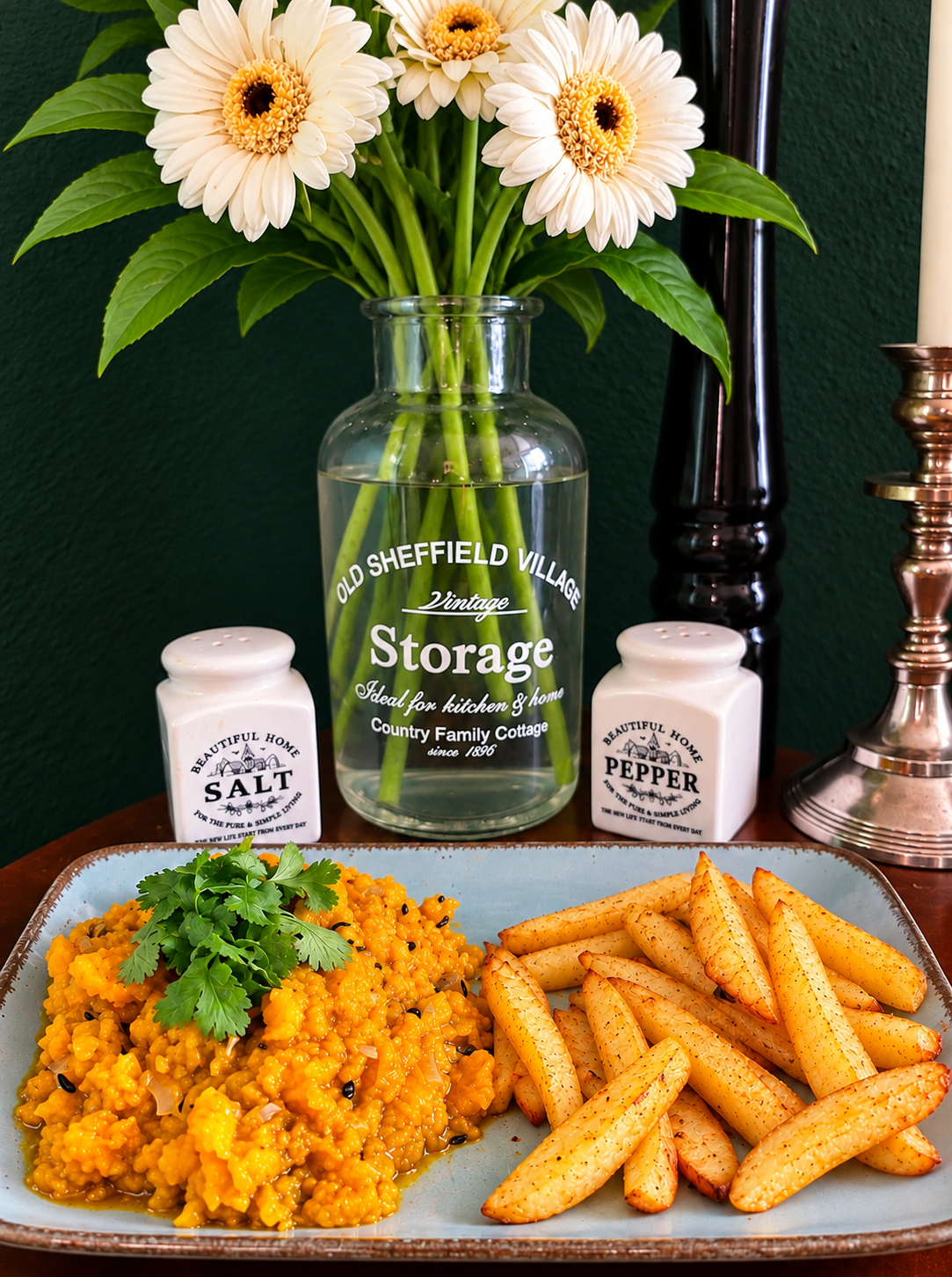
What Is Cari Giraumon?
Cari Giraumon is a pumpkin curry associated with Mauritian home cooking.
The name combines cari, the Mauritian Creole word for curry, with giraumon, a term used for pumpkin or squash.
Mauritian cuisine reflects a rich mixture of culinary influences, particularly from India, Africa, Europe and China.
Curries are an important part of the island's food culture, with recipes varying between families and communities.
What Makes This Pumpkin Curry Different?
Unlike coconut-based curries, this version relies on the natural moisture and starches of the pumpkin.
As the pumpkin cooks, some pieces soften and partially break down.
This naturally thickens the cooking liquid, creating a rich sauce without cream, coconut milk or additional thickeners.
The result is a curry that tastes intensely of pumpkin, supported by garlic, ginger, chili and fragrant herbs.
What Is Giraumon?
Giraumon refers to pumpkin or squash.
Different varieties can be used depending on availability.
A firm, flavorful pumpkin with relatively dense flesh works particularly well.
Butternut squash or other suitable cooking pumpkins can also be used if Sombra pumpkin is unavailable.
Why Use Curry Leaves?
Curry leaves have a distinctive aromatic flavor with citrusy, herbal and slightly nutty notes.
They are commonly used in Indian Ocean cuisines, including Mauritian cooking.
They are not the same as curry powder.
Fresh curry leaves are particularly fragrant, although frozen leaves can also work well.
Why Add Thyme?
Thyme is used in many Mauritian savory dishes.
It adds an earthy, herbal character that complements the sweetness of pumpkin and the warmth of ginger.
Cooking the whole sprig with the curry allows its flavor to infuse the sauce.
Remove the woody stem before serving.
What Is Traditionally Served with Cari Giraumon?
Mauritian curries are often enjoyed with flatbreads such as farata or roti, or with rice.
Farata is a layered Mauritian flatbread related to Indian paratha.
For this Via Veggie Vegan presentation, crispy potato wedges replace the more traditional accompaniment.
Cook this recipe →
Recipe postcard
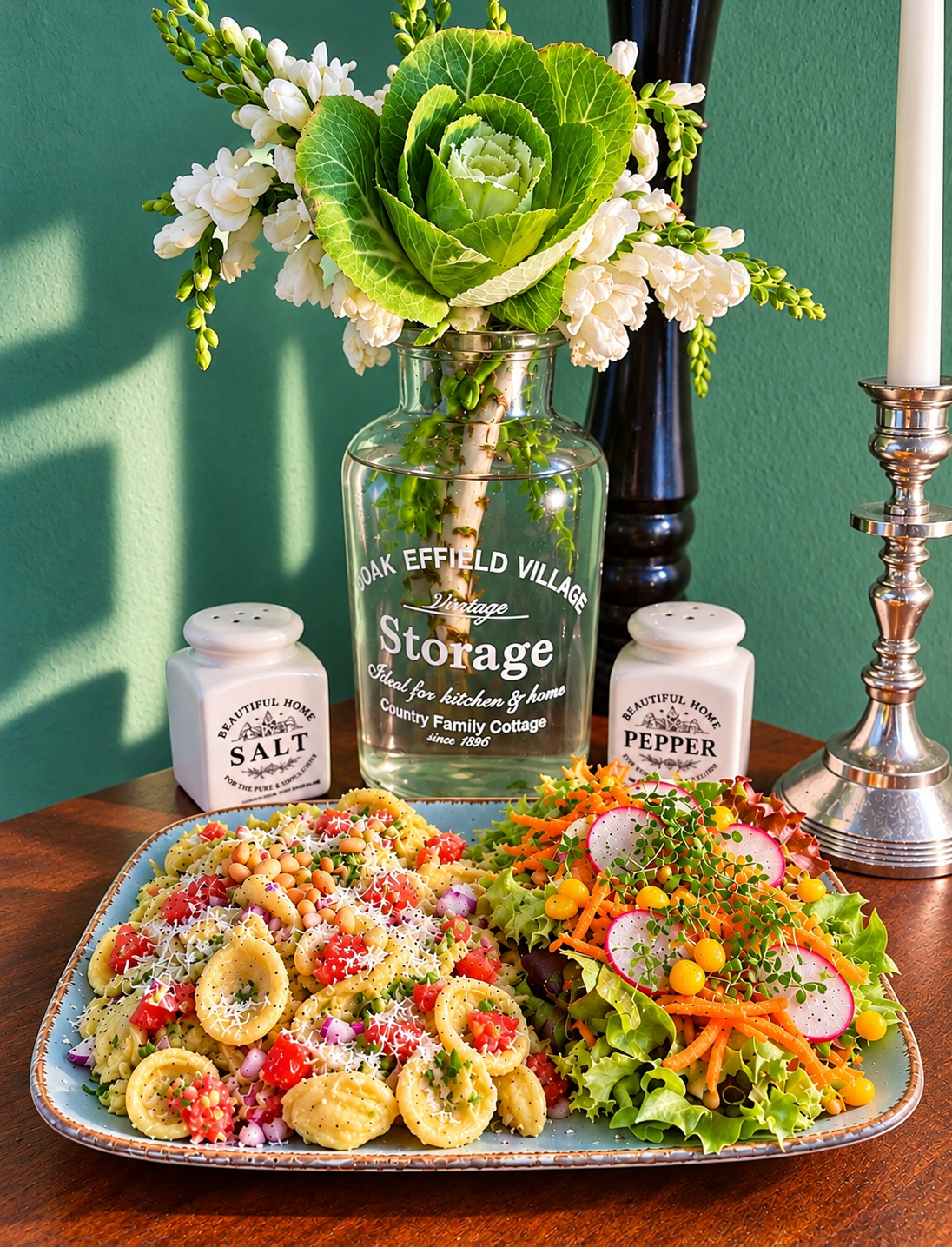
What happens when guacamole meets Italian orecchiette? Guacamolette is born! This easy vegan fusion pasta brings together ripe avocado, juicy tomatoes, red onion, garlic and fresh lemon with tender pasta, a splash of oat cream and golden toasted pine nuts. No added cooking oil is needed: the avocado makes the sauce wonderfully creamy. Inspired by Italian pasta and Mexican guacamole, this is a playful fusion recipe, not a traditional national dish.
Cook this recipe →
Recipe postcard
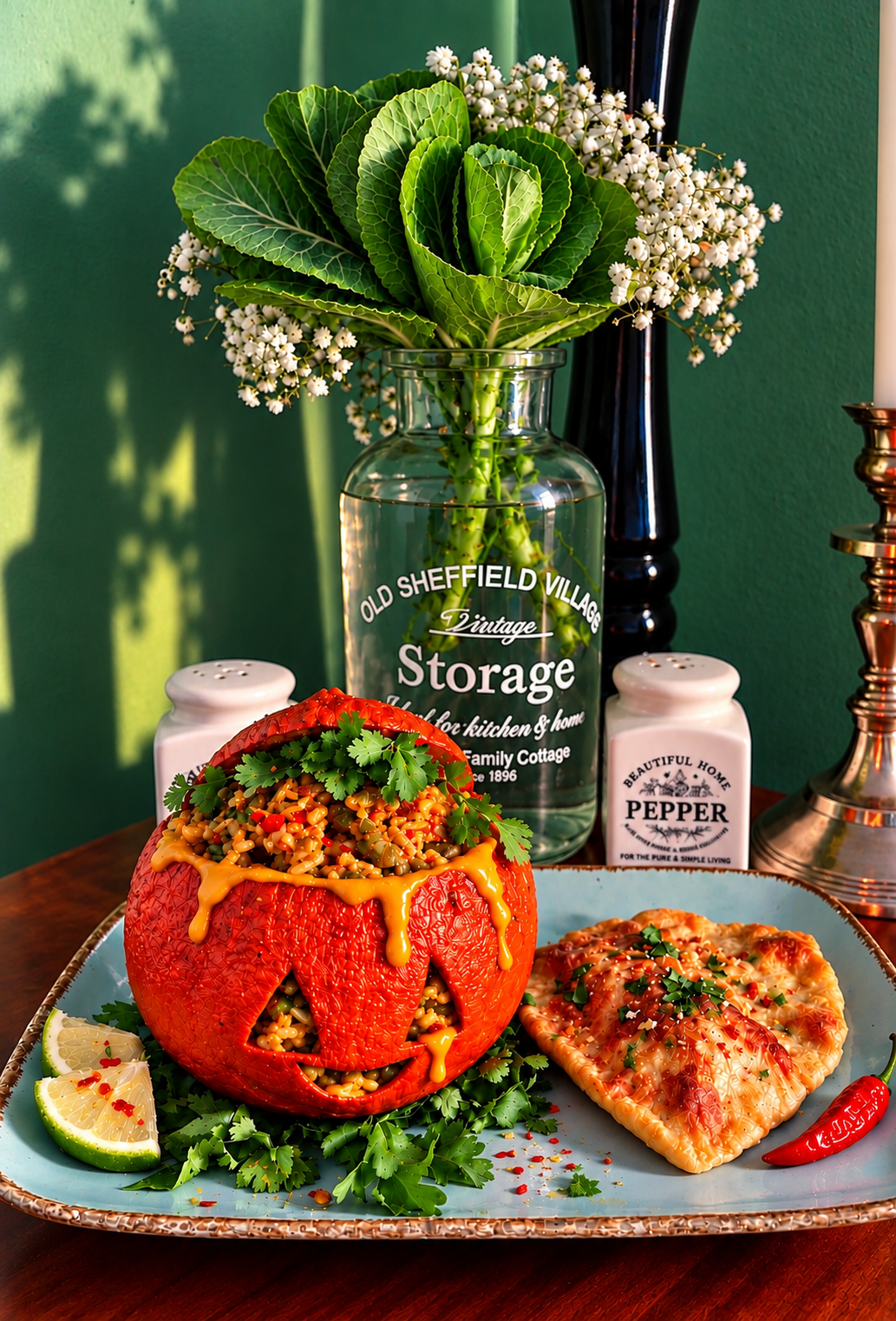
A Taste of CambodiaSomlor Kari, also spelled Samlor Kari, refers to a Cambodian curry preparation. Cambodian curries combine fragrant aromatic pastes with ingredients such as coconut milk, vegetables and, in many traditional versions, meat.
Halloween Meets Cambodian-Inspired CookingThe smiling jack-o'-lantern presentation is my own creative addition rather than a traditional Cambodian serving style. The roasted Hokkaido becomes both an edible bowl and an ingredient, making this dish a playful celebration of aromatic cooking and zero-waste creativity.
Cook this recipe →
Recipe postcard
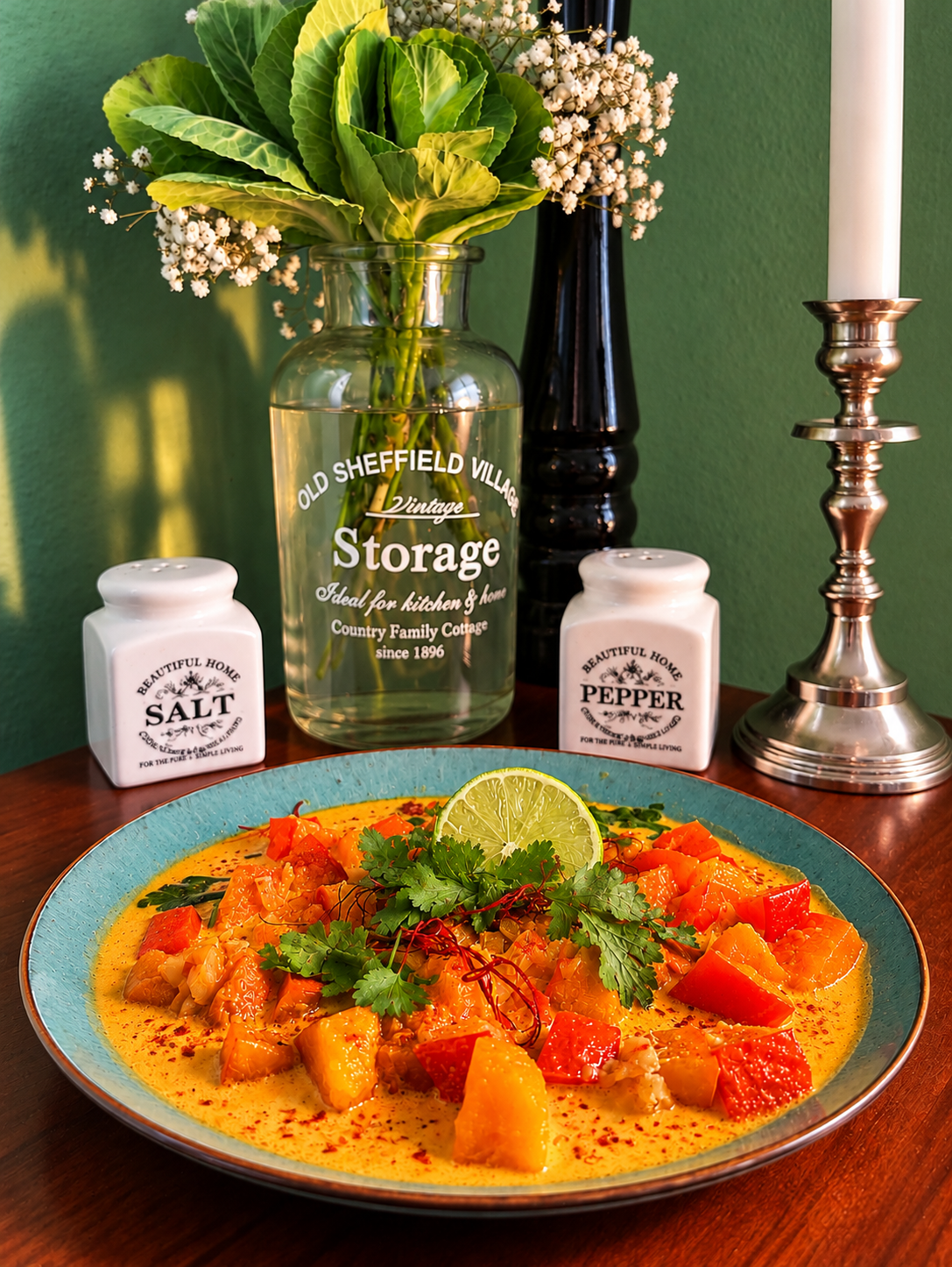
Cambodia – The Aromatic World of Khmer CuisineCambodia's culinary heritage is shaped by regional traditions, fresh ingredients and influences from neighbouring Southeast Asian countries. Khmer cuisine is known for its fragrant combinations of lemongrass, galangal, turmeric, garlic and fresh herbs. Cambodian curries often emphasise aromatic flavours and a balance of savoury, sweet and sour notes rather than intense chilli heat.
What Is Khmer Pumpkin Curry?Khmer Pumpkin Curry is a Cambodian-inspired dish combining tender pumpkin with fragrant aromatics and creamy coconut milk. My Via Veggie Vegan interpretation uses Hokkaido squash, fresh lemongrass, galangal, ginger, turmeric, garlic, vegan fish sauce and lime. The naturally sweet pumpkin complements the golden coconut sauce beautifully. This is a personal plant-based interpretation of Cambodian curry traditions rather than a reproduction of one specific traditional recipe.
Cook this recipe →
