Recipe postcard
South Africa – A Country of Diverse Culinary InfluencesSouth Africa is a country with an exceptionally diverse food culture shaped by Indigenous African traditions and influences from Europe, Asia and other parts of the world. Its cuisine includes everything from maize-based dishes and vegetable stews to curries, grilled foods and contemporary fusion cooking. Butternut squash is a familiar ingredient in South African home kitchens, appearing in soups, roasted vegetable dishes, salads and comforting family meals. Modern South African food magazines also celebrate creative combinations of seasonal vegetables and international cooking techniques, reflecting the country's evolving culinary landscape.
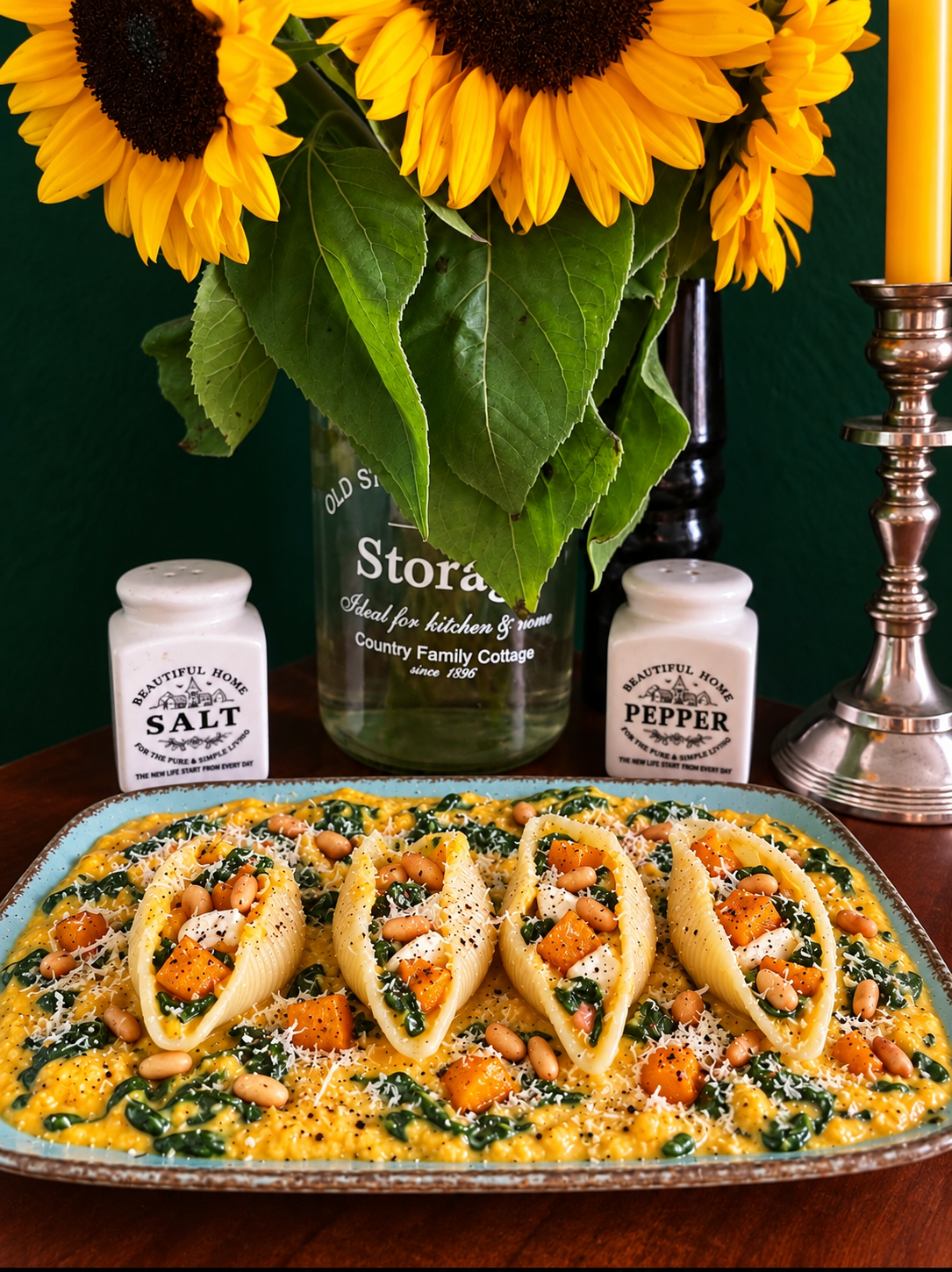
What Are Butternut & Spinach Stuffed Conchiglioni?This dish is inspired by the recipe “Pasta served with butternut, spinach and lemon sauce” from the South African food magazine Food & Home. Rather than presenting it as a traditional South African national dish, my Via Veggie Vegan version celebrates a contemporary South African-inspired flavor combination. I transformed the original concept into stuffed Italian conchiglioni, combining roasted butternut squash with spinach, garlic, vegan sour cream, oat cream, nutritional yeast, vegan mozzarella and freshly grated nutmeg. Lemon and orange zest bring a fresh citrus aroma, while toasted pine nuts and vegan Parmesan add the finishing touches. The result is a colorful meeting of South African inspiration, Italian pasta and entirely plant-based creativity.
Cook this recipe →
Recipe postcard
Syria – A Rich Culinary Heritage in the Heart of the LevantSyria is a Middle Eastern country with a culinary history shaped by centuries of trade, agriculture and cultural exchange. Its cuisine shares many ingredients and traditions with neighboring Lebanon, including lentils, chickpeas, olive oil, fresh herbs, garlic, lemon and aromatic spices. Soups, stews, vegetable dishes and flatbreads are important parts of Syrian home cooking. Shorbat Adas is especially appreciated as an affordable, warming and satisfying dish, often enjoyed during cooler months and at Iftar, the evening meal that breaks the Ramadan fast.
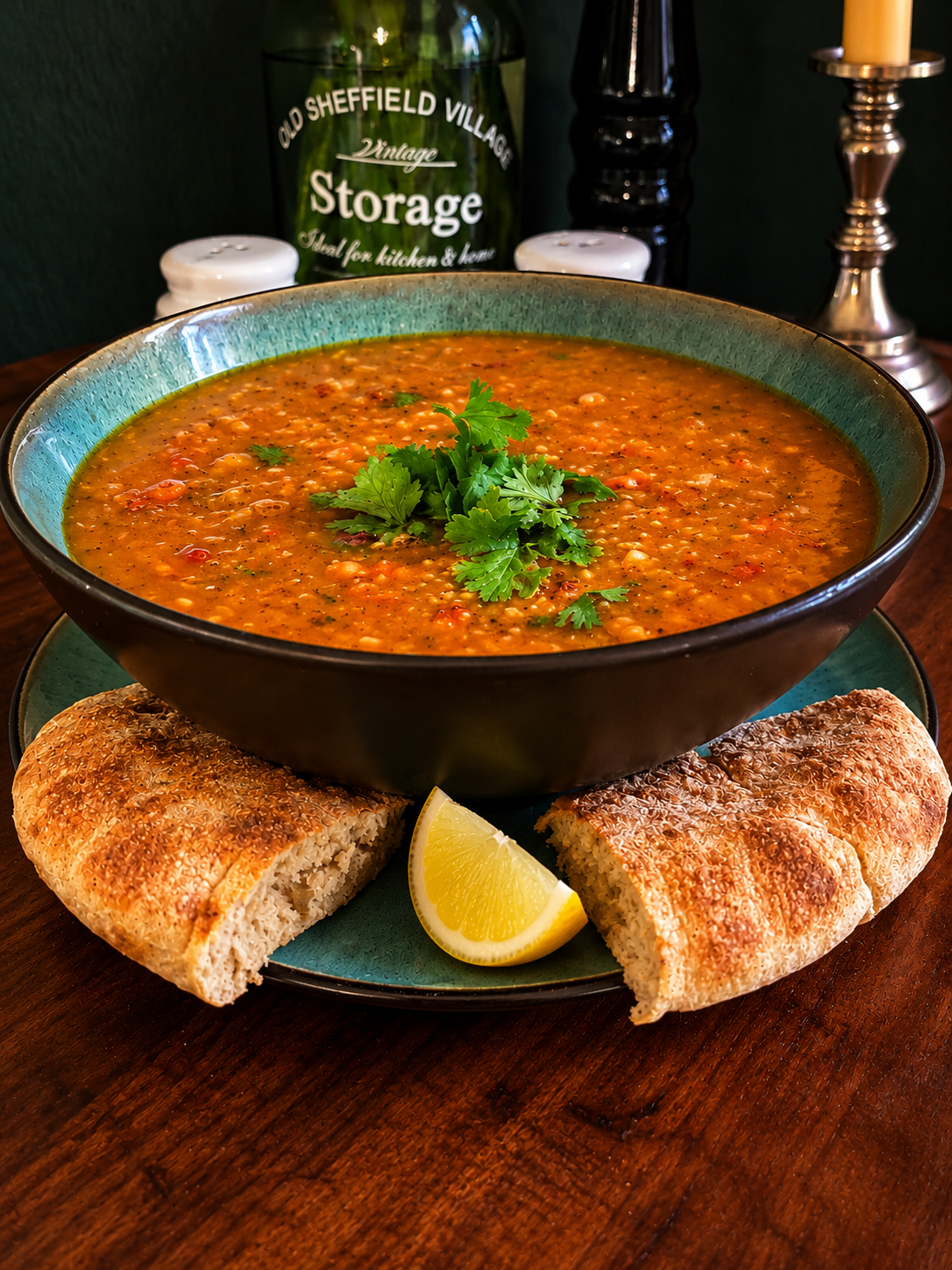
What Is Shorbat Adas – And How Does the Syrian Version Differ from the Lebanese One?Shorbat Adas literally means lentil soup: shorba refers to soup, while adas means lentils. The dish belongs to the shared culinary heritage of Syria, Lebanon and the wider Levant rather than exclusively to one country. Both Syrian and Lebanese preparations commonly feature lentils, onions and warming spices, often finished with fresh lemon juice. Some traditional recipe interpretations distinguish between cumin-forward Syrian versions and Lebanese variations seasoned with cinnamon. However, these are family and recipe variations, not strict national rules: cumin, turmeric, coriander and other spices appear in recipes from both countries. My Syrian-inspired Shorbat Adas uses cumin, turmeric, ground coriander, garlic and carrot, creating a beautifully aromatic soup that celebrates the close culinary connection between Syria and Lebanon.
Cook this recipe →
Recipe postcard
Turkmenistan – A Country of Central Asian Food TraditionsTurkmenistan is a Central Asian country bordered by Kazakhstan, Uzbekistan, Afghanistan, Iran and the Caspian Sea. Much of its landscape is dominated by the Karakum Desert, while agriculture and food traditions are closely connected to fertile oases and irrigated regions. Bread, vegetables, grains, meat dishes and fresh herbs all have a place in Turkmen cuisine. Hospitality and sharing food are important elements of everyday life, and fresh salads provide a welcome contrast to richer dishes.
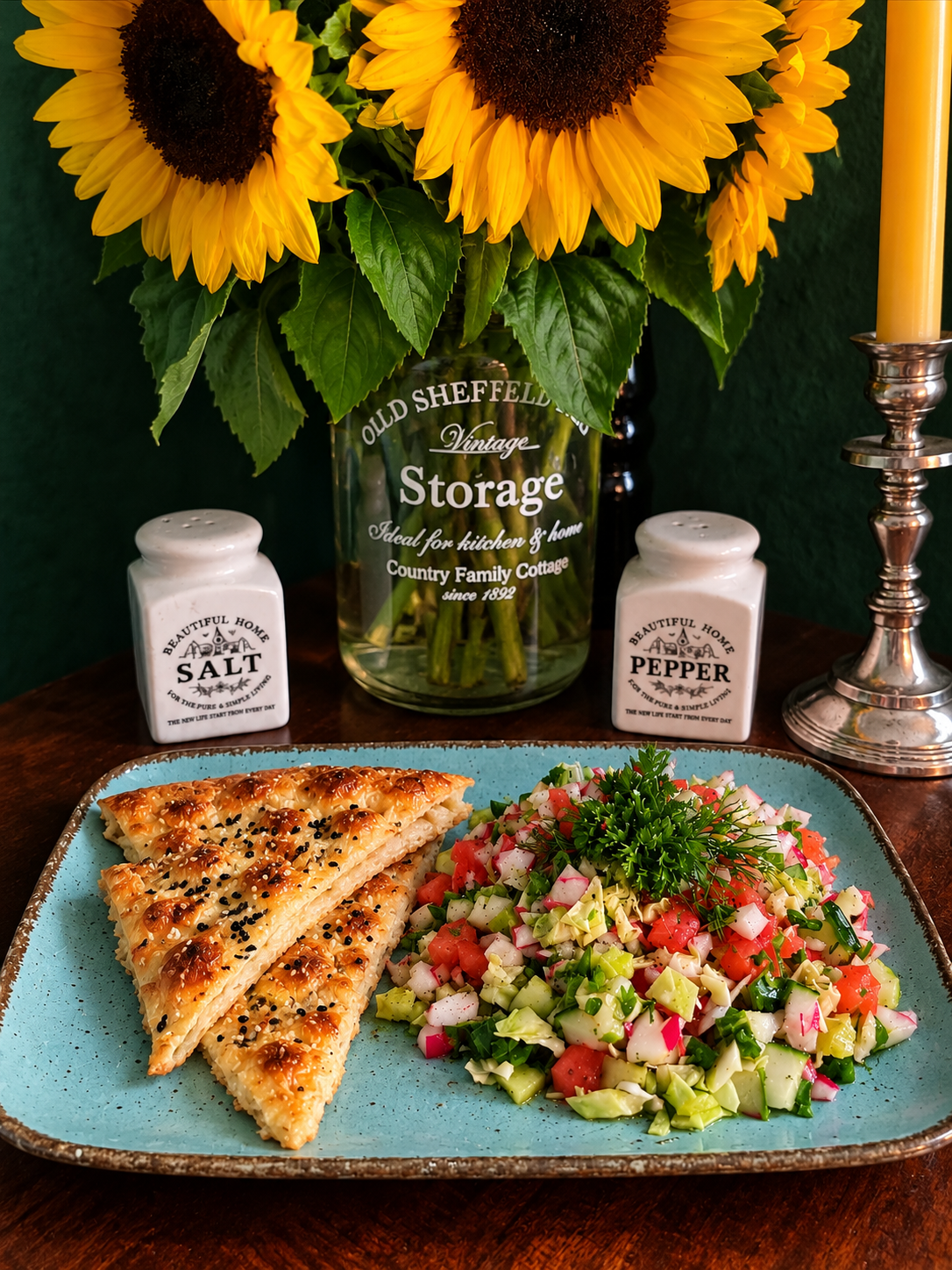
What Is Turkmen Chopped Summer Salad?This Turkmen-inspired summer salad combines finely chopped seasonal vegetables with aromatic dill, parsley and a simple dressing. Its fresh character is reminiscent of chopped vegetable salads found throughout Central Asia and neighboring culinary traditions. The combination of cabbage, cucumber, tomatoes, radishes and herbs creates a particularly crunchy texture. My version brings everything together with extra virgin olive oil, freshly squeezed lemon juice, a little vinegar and a gentle touch of chili. Simple ingredients, plenty of freshness and absolutely no complicated cooking required.
Cook this recipe →
Recipe postcard
Vietnam – A Country of Extraordinary Street FoodVietnam is a Southeast Asian country celebrated for its vibrant food culture, fragrant herbs, fresh vegetables and distinctive balance of sweet, salty, sour and spicy flavors. Hanoi, the capital, is particularly famous for its lively street-food scene, where small stalls and family-run eateries serve freshly prepared dishes throughout the day. Its historic Old Quarter is a fascinating maze of narrow streets, traditional shops and countless opportunities to discover Vietnamese food.
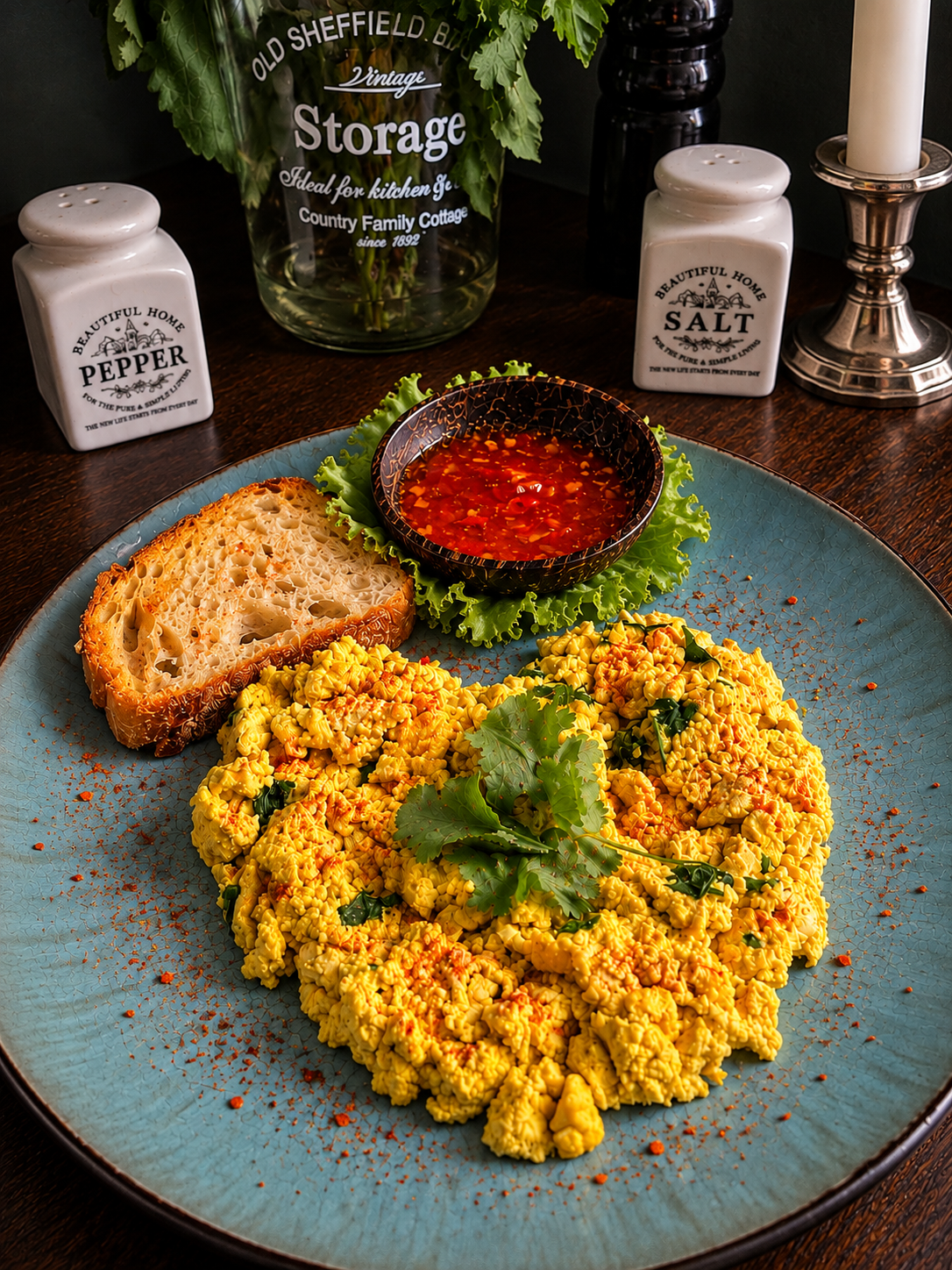
What Is Bánh Mì Trứng?Bánh mì refers to Vietnamese bread and is also commonly used for the filled baguette sandwiches that have become an iconic part of the country's cuisine. Trứng means egg. Bánh Mì Trứng is therefore an egg-filled Vietnamese baguette, with preparations and accompaniments varying between vendors. This recipe takes inspiration from Hanoi's simple egg sandwiches but replaces the egg with a combination of firm and silken tofu. Turmeric provides the golden color, Kala Namak contributes an egg-like aroma, and fresh coriander and sweet chili sauce complete this Via Veggie Vegan interpretation.
Cook this recipe →
Recipe postcard
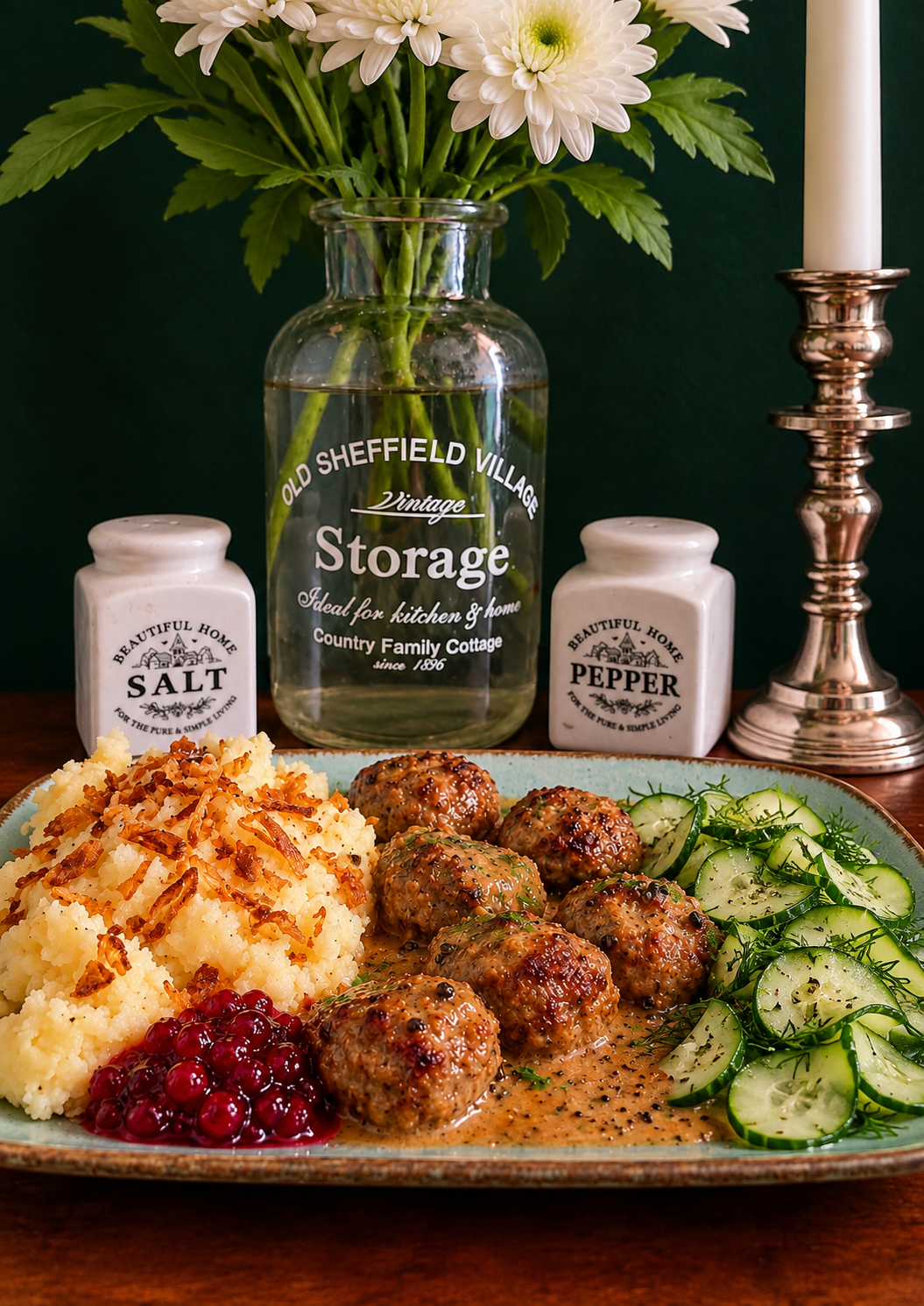
Sweden – Scandinavian Comfort Food and Culinary TraditionsSwedish cuisine is deeply influenced by the country's northern climate, agricultural heritage and long-standing traditions of home cooking. Potatoes, root vegetables, berries, fresh herbs and preserved ingredients have played an important role in everyday meals for generations. Swedish food culture is particularly known for its comforting dishes, balanced flavours and the tradition of husmanskost – simple, hearty home-style cooking. From cosy family kitchens to traditional restaurants, these dishes reflect Sweden's appreciation for satisfying meals made from familiar ingredients.
Köttbullar – Sweden's Famous MeatballsKöttbullar are among Sweden's most internationally recognised dishes. Traditionally made with minced meat, breadcrumbs, onion, milk or cream and warming spices, Swedish meatballs are commonly served with creamy gravy, mashed potatoes, lingonberry jam and sometimes pickled cucumber. Allspice is a particularly characteristic seasoning in many traditional recipes. This Via Veggie Vegan interpretation replaces the meat and dairy products with plant-based alternatives while preserving the essential flavours and classic accompaniments. Homemade vegan meatballs, rich gravy, fluffy potatoes, sweet-tart lingonberries and fresh dill cucumber salad create a completely plant-based version of this beloved Swedish comfort food.
Cook this recipe →
Recipe postcard
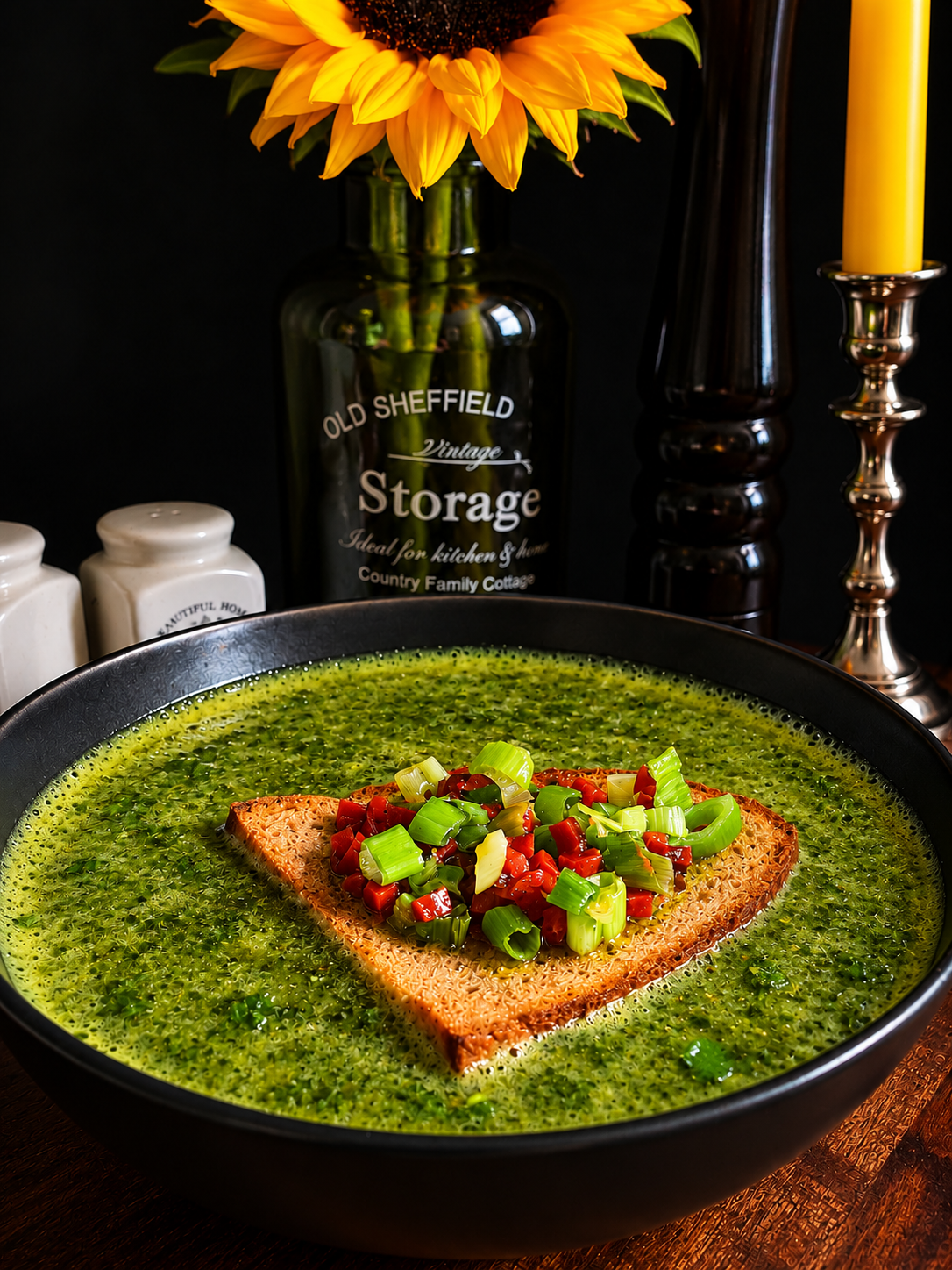
Portugal – The Rustic Culinary Heritage of AlentejoPortugal's Alentejo region stretches across the country's sun-drenched south, where rolling plains, olive groves and traditional villages have shaped a cuisine rooted in simplicity and resourcefulness. Bread, olive oil, garlic and fresh coriander are central to many regional dishes. Rather than relying on elaborate ingredients, Alentejan cooking transforms everyday staples into deeply comforting meals. This tradition reflects generations of rural households where wasting food was rarely an option and yesterday's bread was far too valuable to throw away.
Açorda à Alentejana – A Portuguese Bread Soup with HistoryAçorda à Alentejana is one of Portugal's most distinctive traditional bread soups. Unlike thicker versions of açorda found elsewhere in the country, the Alentejan preparation typically consists of rustic bread served in a fragrant broth seasoned with garlic, coriander, olive oil and salt. A poached egg is a common traditional addition. The dish's name is often linked to Arabic culinary influences, reflecting the historical presence of Moorish culture on the Iberian Peninsula. This Via Veggie Vegan interpretation replaces the egg with smoky vegan bacon and adds fresh spring onion, while preserving the essential combination of bread, coriander, garlic and aromatic broth.
Cook this recipe →
Recipe postcard
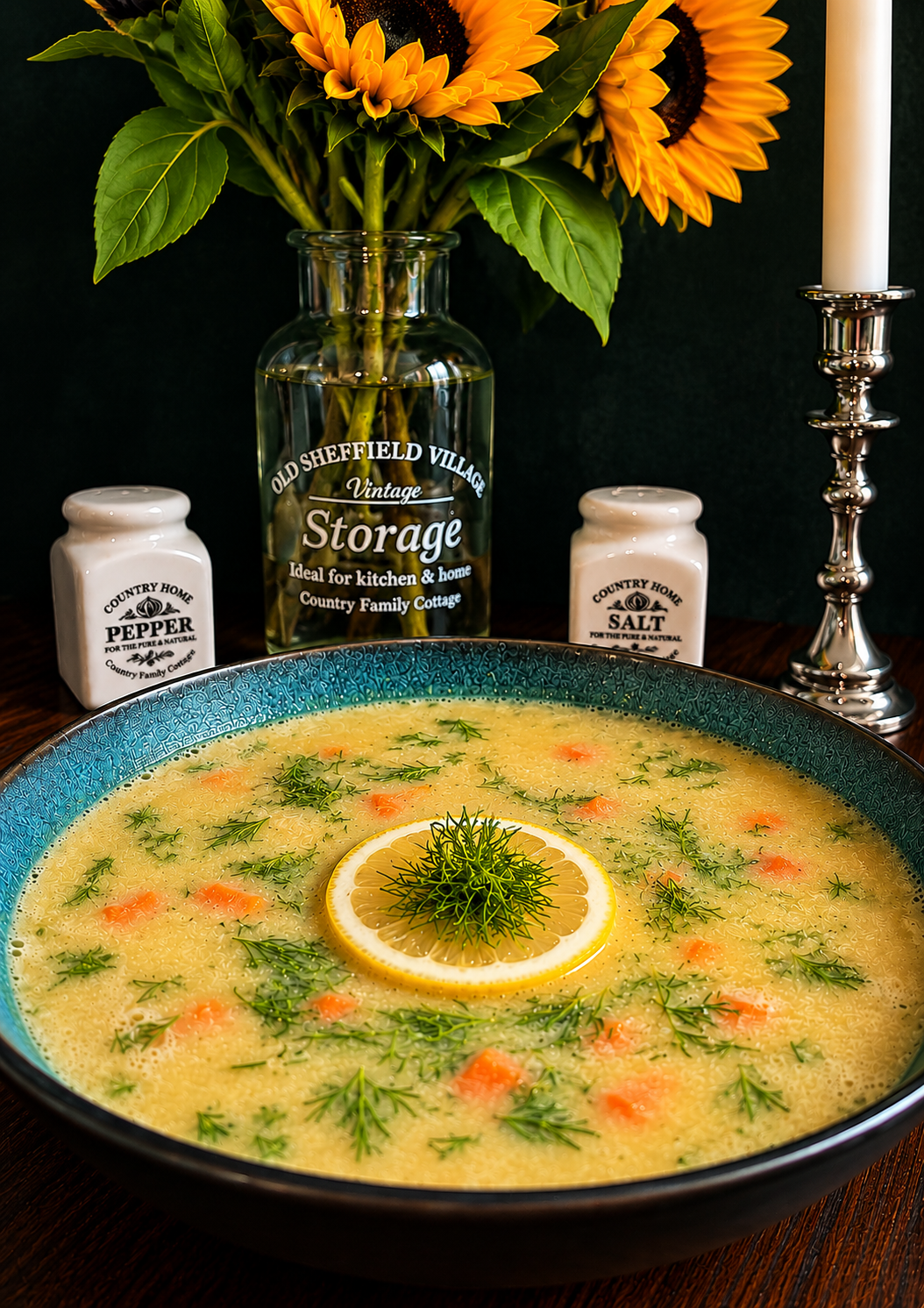
Greece – A Mediterranean Tradition of Fresh, Simple IngredientsGreek cuisine is deeply rooted in the Mediterranean way of eating, with olive oil, vegetables, legumes, herbs and citrus fruits playing central roles. From the sun-soaked islands to the mountainous mainland, traditional Greek cooking celebrates seasonal ingredients and straightforward preparation. Chickpeas have been part of the region's food culture since ancient times and remain an important ingredient in many everyday dishes, from hearty stews to nourishing soups.
Greek Chickpea Lemon Soup – A Fresh Plant-Based InterpretationChickpea soups have a long tradition in Greece, where dishes such as revithosoupa are commonly prepared with chickpeas, olive oil, onions and lemon. This modern, plant-based interpretation combines the creamy texture of blended chickpeas with fresh lemon, carrots, oat cream and aromatic dill. The result is a comforting soup that captures the spirit of Mediterranean cooking while adding a few contemporary touches. Its balance of earthy legumes, bright citrus and fresh herbs makes it both satisfying and refreshing.
Cook this recipe →
Recipe postcard
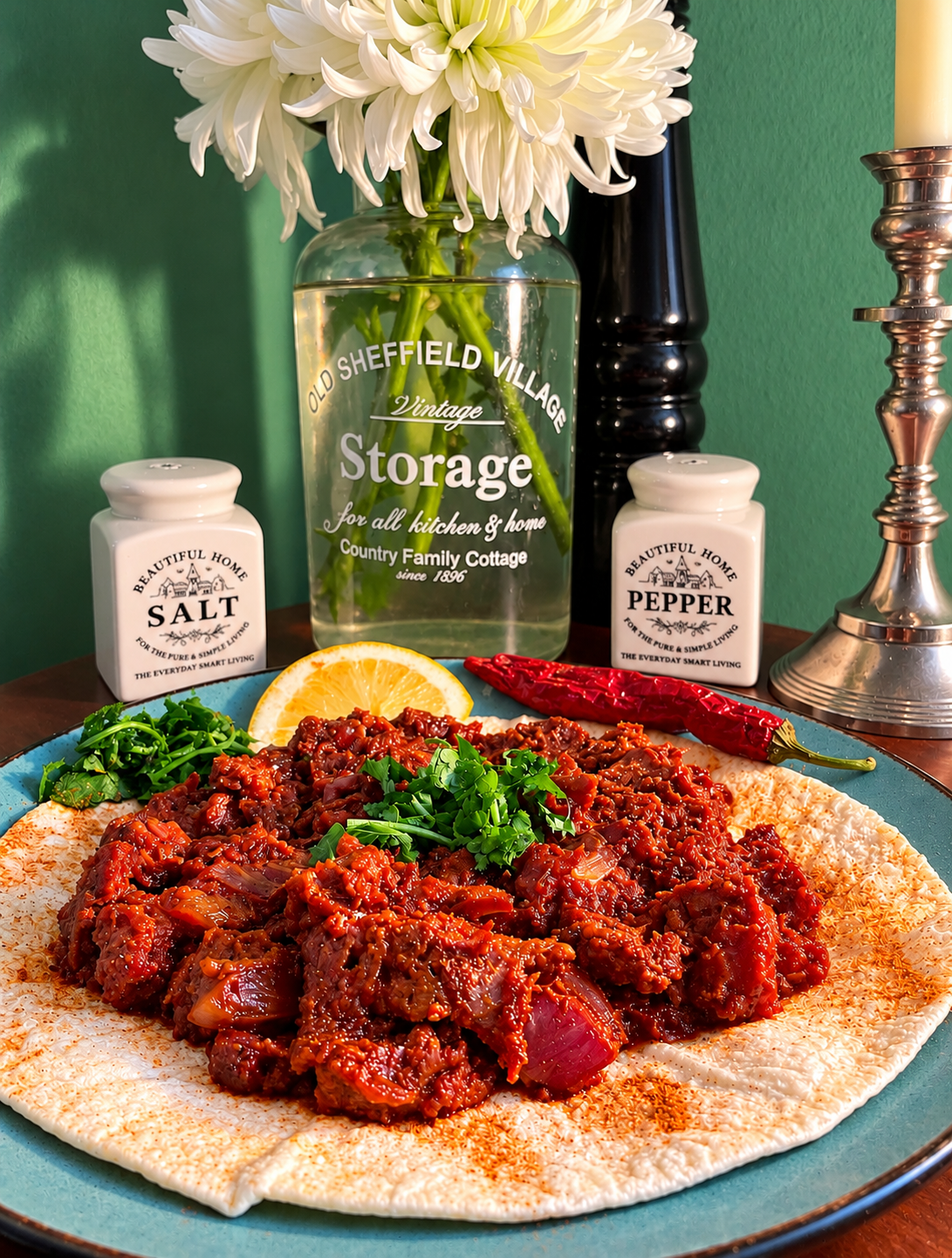
Eritrea – A Culinary Heritage of Spices and Shared TraditionsLocated in the Horn of Africa along the Red Sea, Eritrea has a diverse culinary heritage shaped by regional traditions, agriculture and centuries of cultural exchange. Aromatic spices, lentils, vegetables and richly flavoured stews play an important role in Eritrean cooking. Many traditional dishes are served with Injera, a soft, fermented flatbread that forms the foundation of a shared meal. Berbere, a distinctive chilli-based spice blend, is one of the country's most characteristic seasonings.
Zigni – Eritrea's Rich and Spicy Traditional StewZigni is one of Eritrea's best-known traditional dishes, typically prepared with beef simmered in a deeply flavoured tomato and onion sauce seasoned with Berbere. The generous quantity of slowly cooked onions creates natural sweetness and richness, while the spice mixture adds warmth, heat and complexity. My Via Veggie Vegan version replaces beef with plant-based steak strips and traditional spiced butter with vegan butter. Fresh tomatoes, homemade Berbere-inspired spices, plum syrup and a small piece of dark chocolate give the sauce its own deliciously intense character.
Cook this recipe →
Recipe postcard
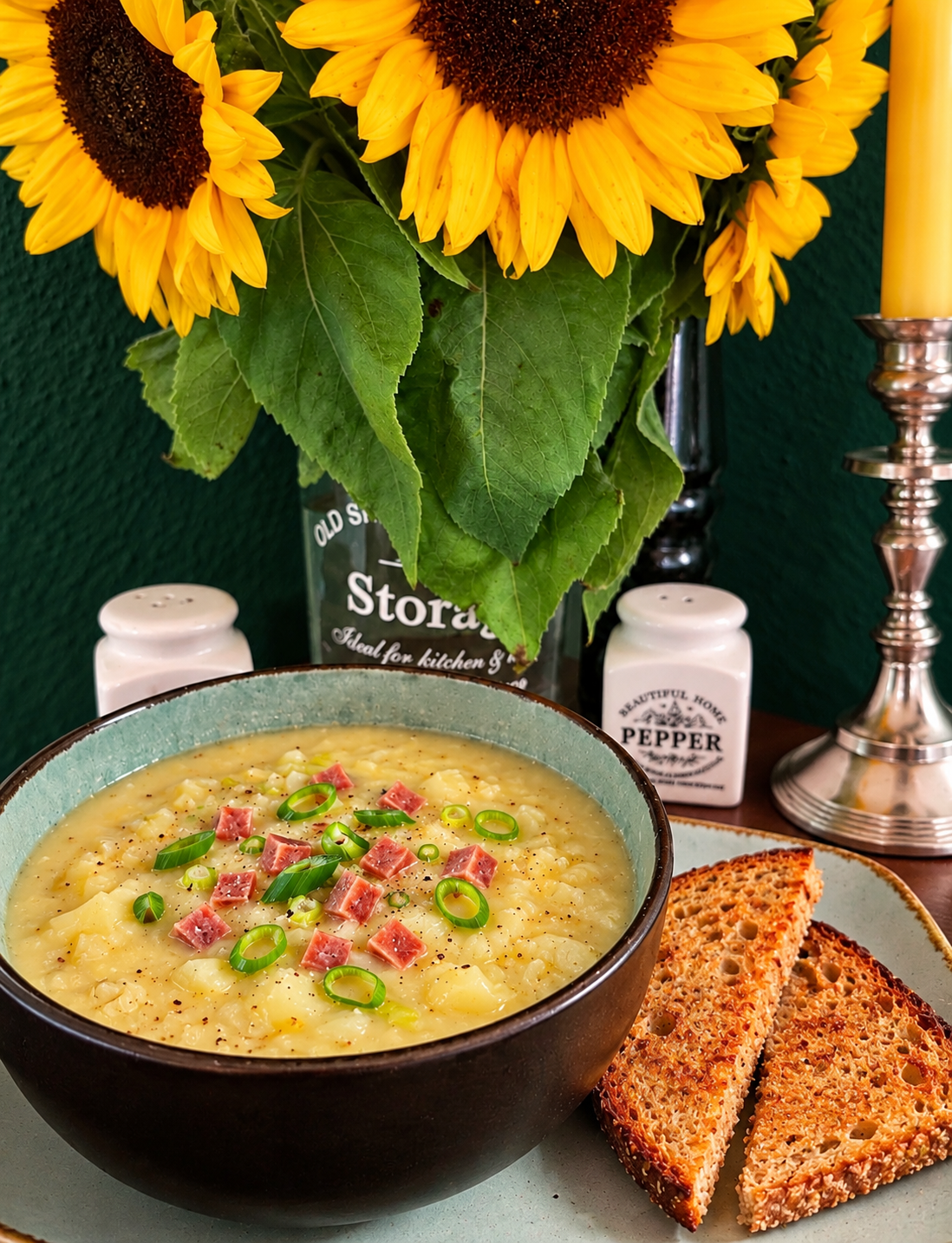
Norway – Nordic Simplicity and Seasonal Comfort FoodNorwegian cuisine is deeply influenced by the country's northern climate, agricultural traditions and appreciation for simple, nourishing ingredients. Root vegetables, potatoes, cabbage and other cool-weather crops have long been important in everyday home cooking. Warming soups are especially popular during the colder months, when hearty, practical dishes bring comfort to the table. Norwegian cooking often allows the natural flavours of its ingredients to shine without overwhelming them with complicated seasonings.
Blomkålsuppe – Norway's Creamy Cauliflower SoupBlomkålsuppe literally means cauliflower soup and is a familiar favourite in Norwegian home kitchens. Traditionally prepared with cauliflower, broth, milk or cream and a delicate touch of nutmeg, it is often served with tender cauliflower florets and savoury toppings such as crispy bacon or ham. My Via Veggie Vegan interpretation replaces dairy milk, cream and butter with oat drink, soy cream and vegan butter, while crispy plant-based ham cubes and fresh spring onions provide a delicious finishing touch.
Cook this recipe →
Recipe postcard
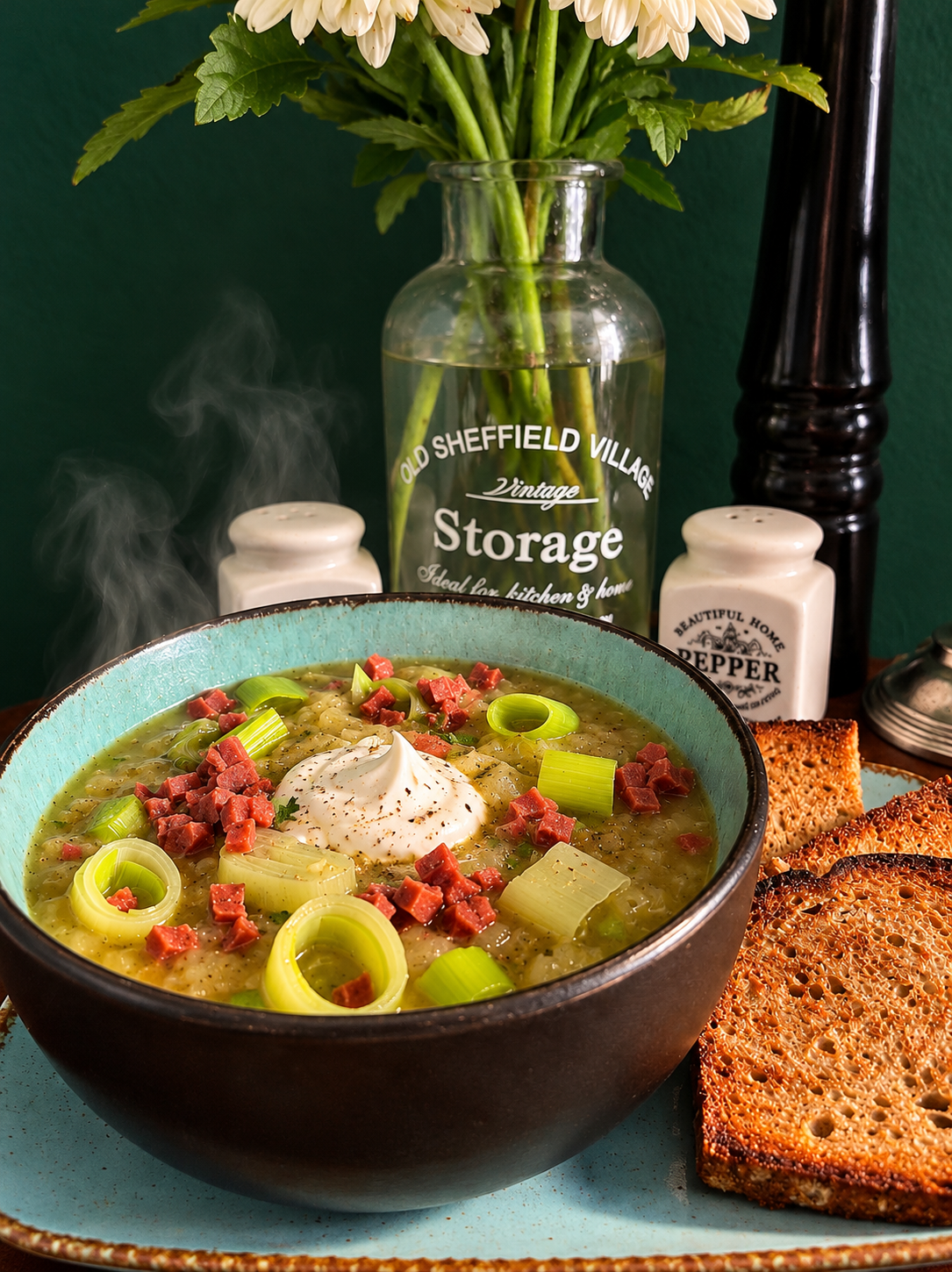
The Netherlands – A Country of Hearty, Practical Home CookingDutch cuisine has traditionally made excellent use of affordable, locally grown vegetables, especially potatoes, leeks, carrots, onions and cabbage. The Netherlands has a long agricultural history, and simple, nourishing dishes have been part of everyday family cooking for generations. From hearty stamppot to warming vegetable soups, Dutch comfort food is all about making the most of seasonal ingredients and transforming them into satisfying meals.
Aardappel-preisoep – Traditional Dutch Potato Leek SoupAardappel-preisoep literally translates to potato leek soup. This familiar Dutch home-style dish combines potatoes and leeks in a warming, gently flavoured soup. Some versions are blended until completely smooth, while others retain chunks of vegetables for a more rustic consistency. My Via Veggie Vegan interpretation combines both textures and adds plant-based cooking cream, nutritional yeast, crispy vegan bacon and a spoonful of vegan sour cream for an extra comforting finish.
Cook this recipe →
