From my kitchen to your plate.
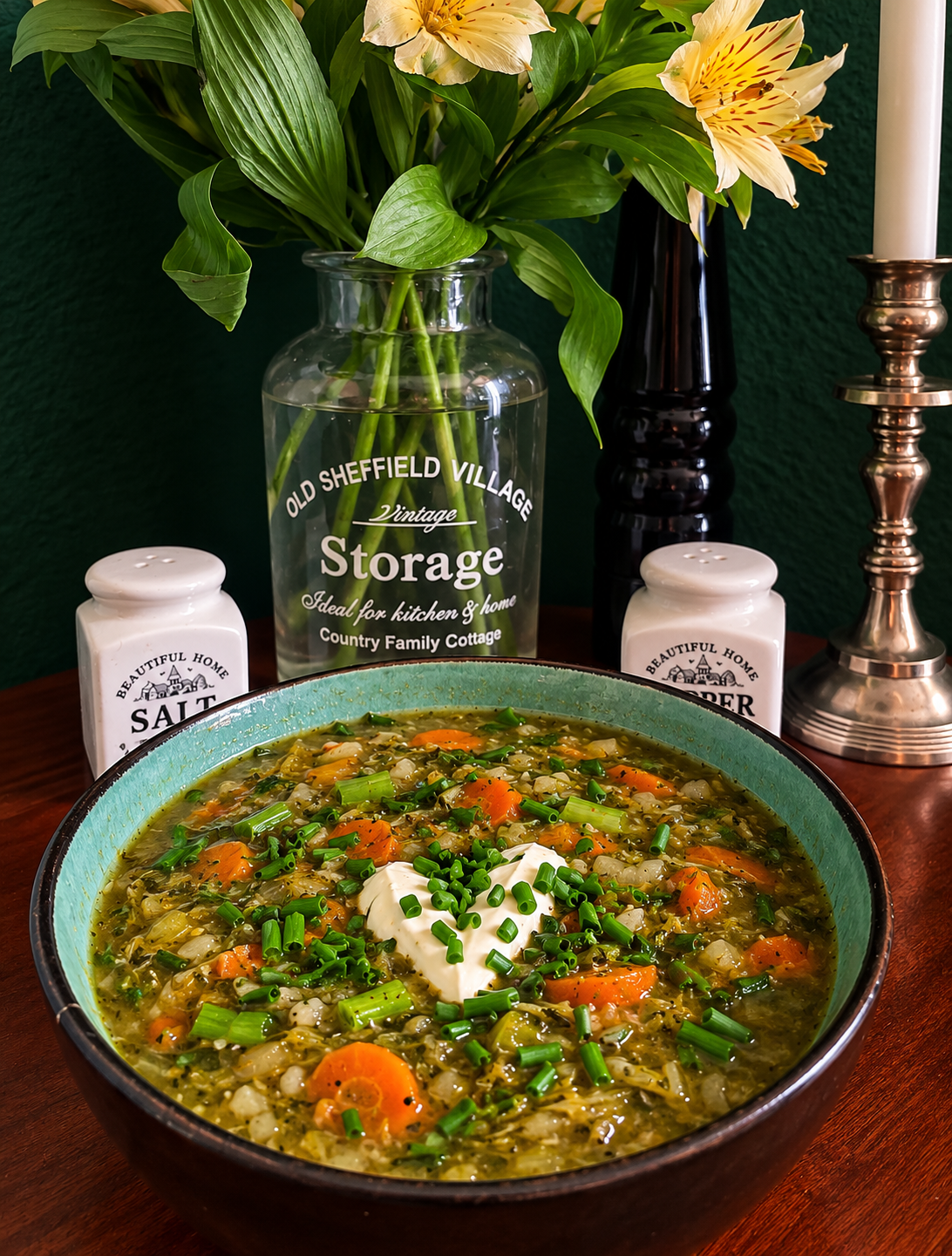
Romania – A Country of Hearty Soups and Culinary TraditionsRomanian cuisine is shaped by regional traditions, seasonal vegetables and influences from the Balkans, Central Europe and the Ottoman world. Soups are an important part of everyday food culture, particularly ciorbă, a family of soups known for their pleasantly tangy flavour. Fresh herbs such as lovage and parsley, root vegetables and homemade vegetable broths give these dishes their distinctive character. Orthodox Christian fasting traditions have also influenced Romanian cooking, inspiring a rich variety of naturally plant-based dishes.
What Is Ciorbă de Praz de Post?Ciorbă de praz de post is a Romanian fasting-style leek soup. The word "praz" means leek, while "de post" indicates a dish prepared according to religious fasting traditions, generally without meat, dairy products or eggs. Traditional versions combine tender leeks, root vegetables, vegetable broth and fresh herbs, often finished with a pleasantly sour note. My Via Veggie Vegan version uses lemon juice, a little plant-based sour cream for creaminess and fresh chives for a colourful finish. The soup is entirely plant-based and inspired by Romania's tradition of simple, nourishing fasting dishes.
From my kitchen to your plate.
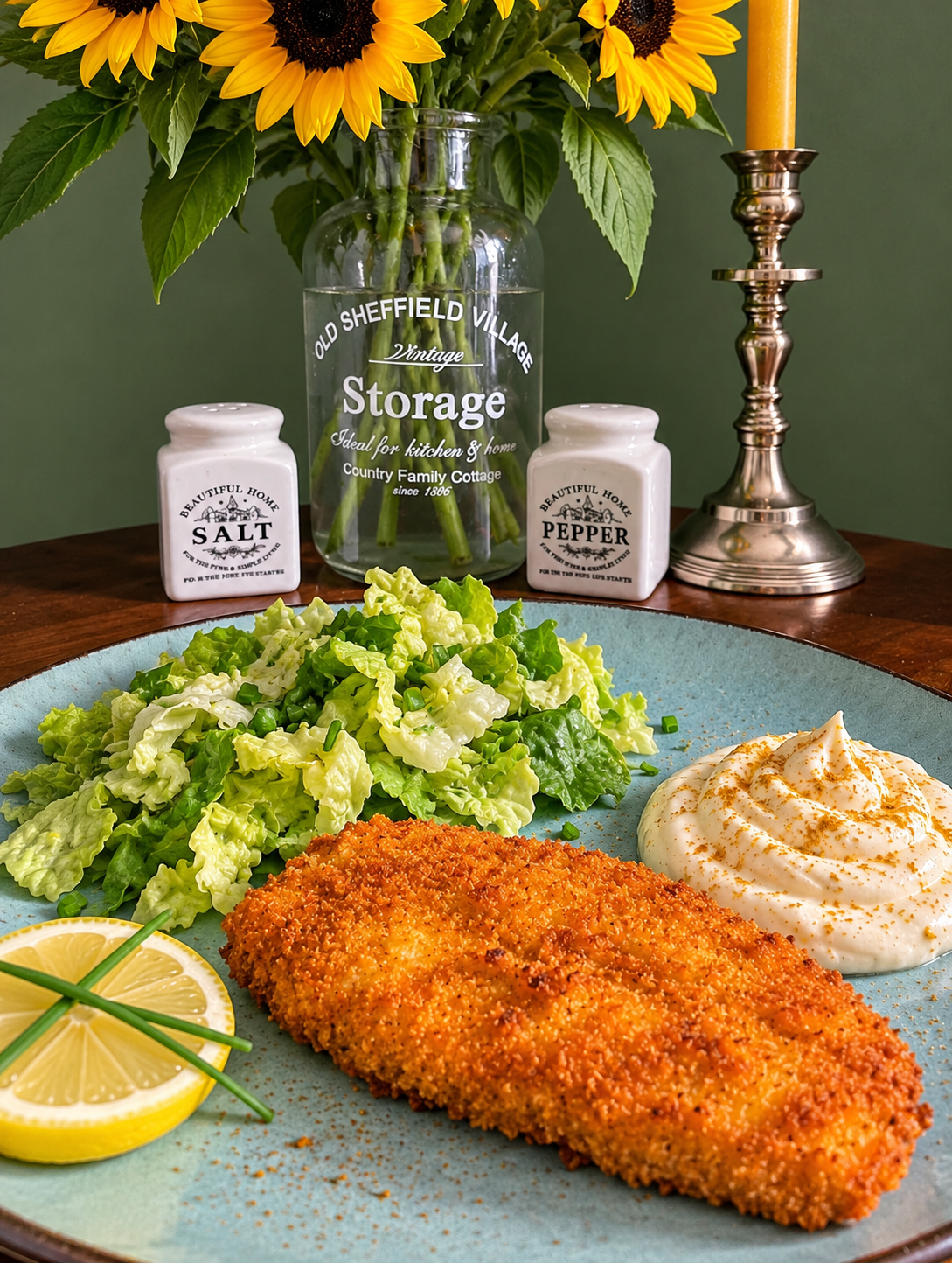
Denmark – Nordic Comfort Food and Seasonal IngredientsDenmark is a Scandinavian country known for its coastal landscapes, agricultural traditions and appreciation of simple, seasonal food. Danish cuisine has long made use of root vegetables, potatoes, cabbage, rye bread, fresh herbs and creamy sauces. From traditional home cooking to modern Nordic cuisine, familiar ingredients are often transformed into satisfying dishes that celebrate flavour, texture and seasonality. Celeriac is particularly well suited to this style of cooking, offering a delicate, earthy flavour and a wonderfully tender texture when prepared correctly.
From Danish Dildsovs to Crispy Celeriac with Curry MayoDildsovs is a traditional Danish dill sauce, often prepared with a light roux, fresh dill and a creamy liquid. It is commonly associated with fish and other classic Danish meals. This Via Veggie Vegan recipe began with the idea of pairing celeriac with a Danish-inspired sauce, but the final plate took a different direction: breaded, golden-fried celeriac served with homemade vegan curry mayonnaise. Curry-flavoured dressings and remoulade-style sauces are familiar accompaniments in Danish food culture, particularly with certain sandwiches, fish dishes and fried foods. My version combines that flavour inspiration with a completely plant-based, egg-free mayonnaise and a fresh green salad.
From my kitchen to your plate.
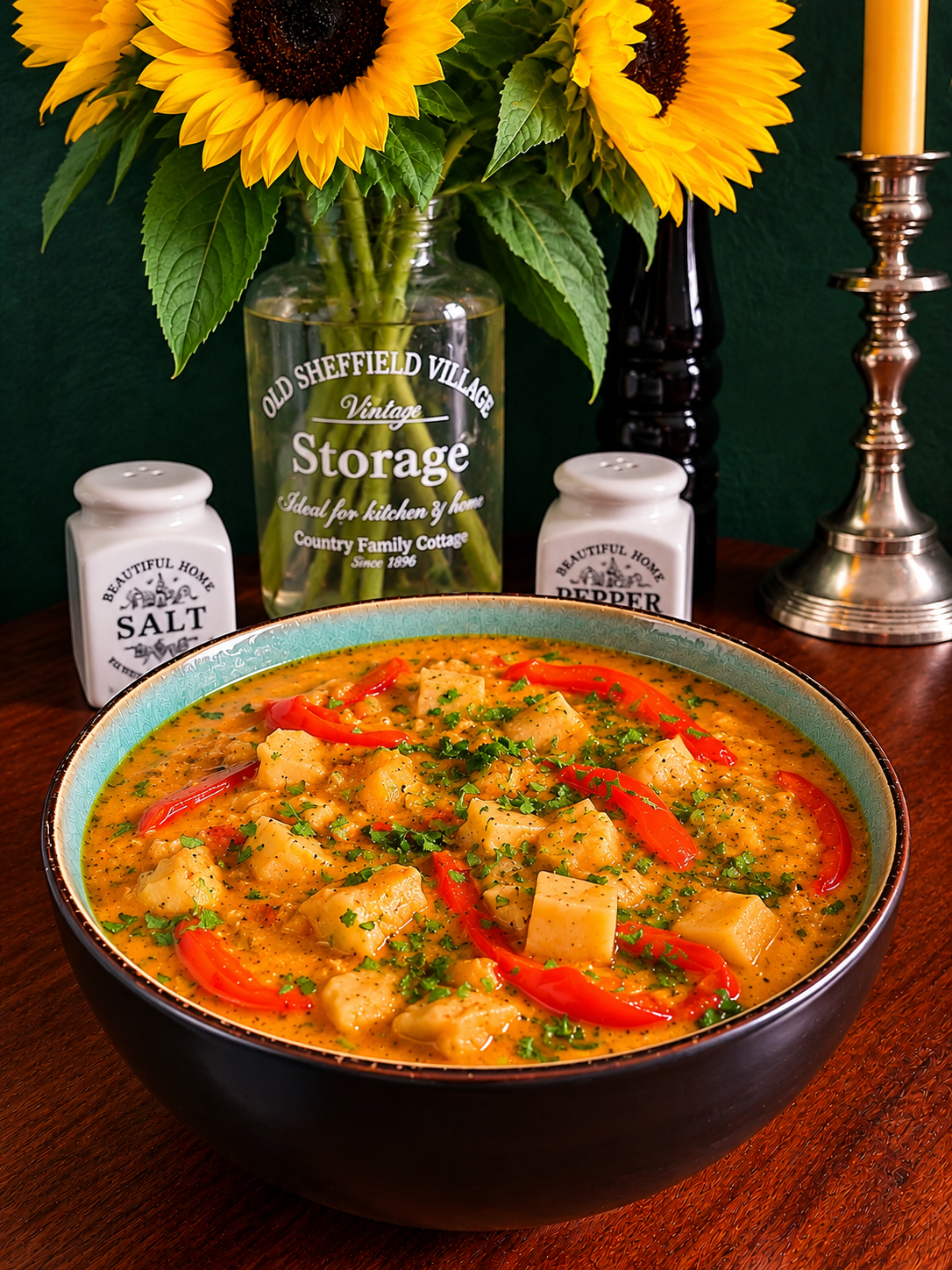
Brazil – A Country of Culinary DiversityBrazil is the largest country in South America, renowned for its extraordinary biodiversity, tropical landscapes, vibrant cities and rich cultural heritage. Its cuisine reflects centuries of Indigenous Brazilian, African, Portuguese and other cultural influences, creating a fascinating variety of regional food traditions. From the Amazon rainforest to the Atlantic coastline, local ingredients and cooking techniques differ considerably. Coconut milk, cassava, beans, peppers, fresh herbs and tropical fruits all play important roles in Brazilian cooking. The northeastern state of Bahia is particularly famous for its aromatic, colourful dishes and strong Afro-Brazilian culinary heritage, making it a wonderful source of inspiration for my Via Veggie Vegan journey.
What Is Moqueca de Salsão-Raiz?Moqueca is a traditional Brazilian stew particularly associated with the coastal states of Bahia and Espírito Santo. Moqueca baiana typically combines fish or seafood with coconut milk, red palm oil, tomatoes, peppers, onions and coriander, while moqueca capixaba follows a different regional tradition without coconut milk or palm oil. My Moqueca de Salsão-Raiz is a contemporary, Brazilian-inspired vegan interpretation that gives celeriac the leading role. Tender pieces of this wonderfully earthy root vegetable are cooked with tomatoes, red bell pepper, garlic and chili in a rich coconut sauce. Fresh turmeric and a little orange zest create a beautiful golden-orange colour without using traditional red palm oil, while lime juice and plenty of fresh coriander provide a vibrant, aromatic finish. A colourful, comforting plant-based tribute to the flavours of Bahia – with a very personal Via Veggie Vegan twist!
From my kitchen to your plate.
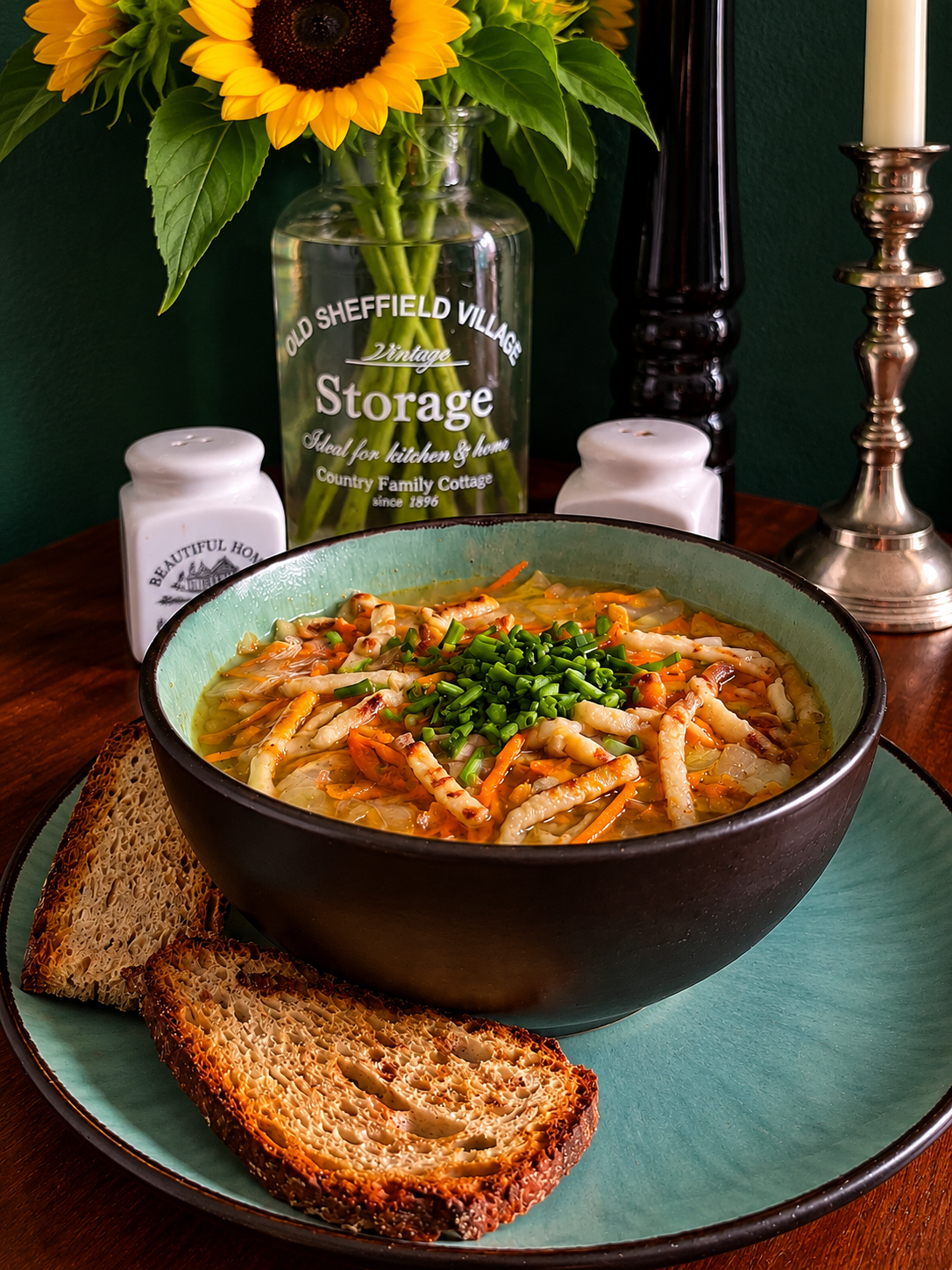
Austria – A Country of Culinary TraditionsAustria is a Central European country known for its Alpine landscapes, historic cities and rich culinary heritage. Influenced by neighbouring regions and the former Habsburg monarchy, Austrian cuisine features hearty soups, dumplings, pastries and comforting traditional dishes. Clear broths with various garnishes remain an important part of Austrian food culture.
What Is Frittatensuppe?Frittatensuppe is a traditional Austrian soup made with thin pancakes rolled up, sliced into delicate strips and served in hot, flavourful broth. These pancake strips are called Frittaten, while the closely related southern German speciality is known as Flädlesuppe. Traditionally prepared with eggs, milk and often beef broth, my Via Veggie Vegan version uses chickpea flour pancakes, homemade vegetable broth, colourful vegetables and aromatic lovage, also known as Maggi herb, for a completely plant-based interpretation.
