
Brazil – A Country of Culinary Diversity
Brazil is the largest country in South America, renowned for its extraordinary biodiversity, tropical landscapes, vibrant cities and rich cultural heritage. Its cuisine reflects centuries of Indigenous Brazilian, African, Portuguese and other cultural influences, creating a fascinating variety of regional food traditions. From the Amazon rainforest to the Atlantic coastline, local ingredients and cooking techniques differ considerably. Coconut milk, cassava, beans, peppers, fresh herbs and tropical fruits all play important roles in Brazilian cooking. The northeastern state of Bahia is particularly famous for its aromatic, colourful dishes and strong Afro-Brazilian culinary heritage, making it a wonderful source of inspiration for my Via Veggie Vegan journey.
What Is Moqueca de Salsão-Raiz?
Moqueca is a traditional Brazilian stew particularly associated with the coastal states of Bahia and Espírito Santo. Moqueca baiana typically combines fish or seafood with coconut milk, red palm oil, tomatoes, peppers, onions and coriander, while moqueca capixaba follows a different regional tradition without coconut milk or palm oil. My Moqueca de Salsão-Raiz is a contemporary, Brazilian-inspired vegan interpretation that gives celeriac the leading role. Tender pieces of this wonderfully earthy root vegetable are cooked with tomatoes, red bell pepper, garlic and chili in a rich coconut sauce. Fresh turmeric and a little orange zest create a beautiful golden-orange colour without using traditional red palm oil, while lime juice and plenty of fresh coriander provide a vibrant, aromatic finish. A colourful, comforting plant-based tribute to the flavours of Bahia – with a very personal Via Veggie Vegan twist!
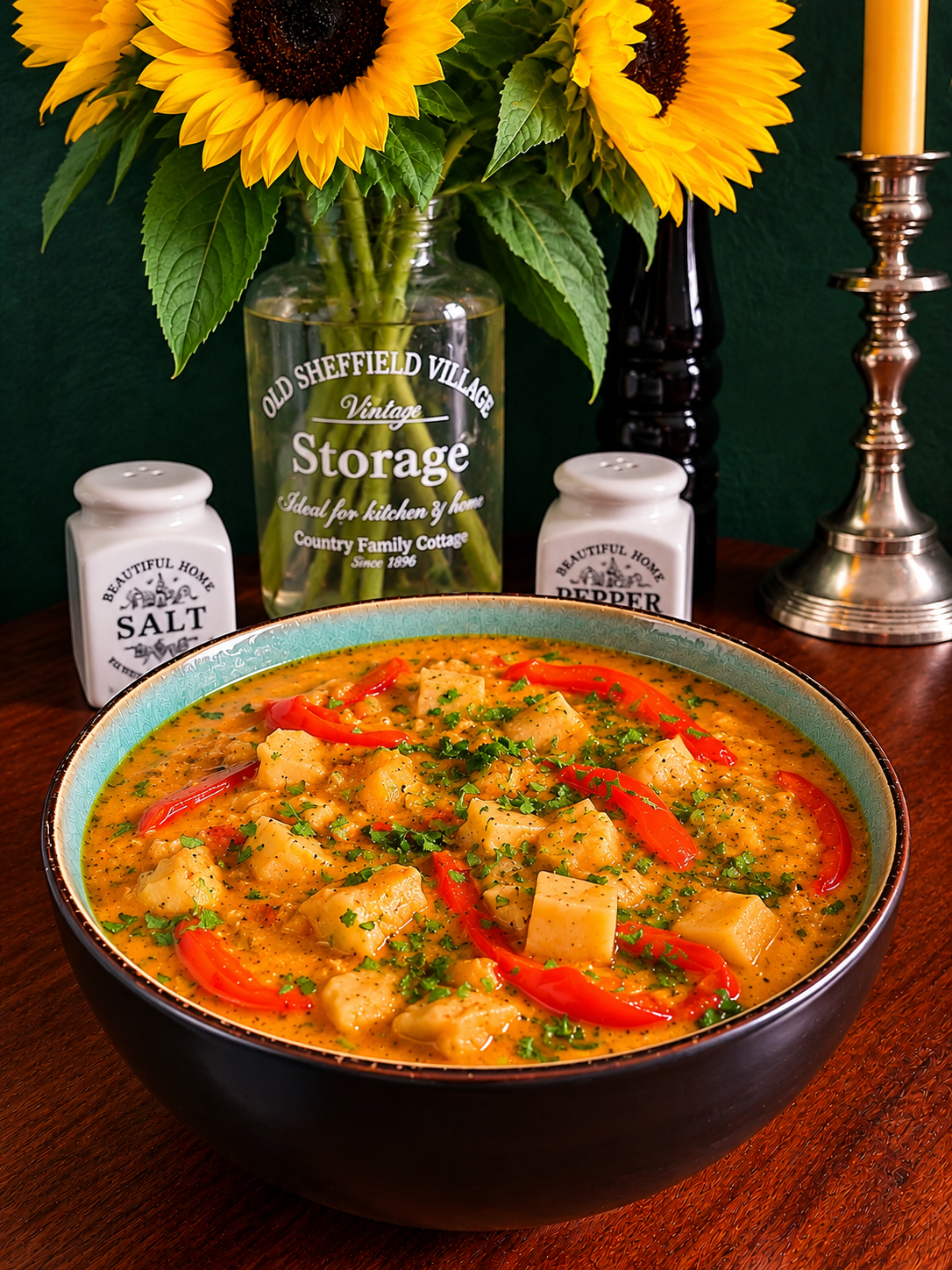
▣ Ingredients (2 servings)
- 350 g celeriac
- 1 onion
- 1 clove garlic
- 1 red bell pepper
- 2 tomatoes
- 1/2 fresh chili
- 1 lime
- 1 fingernail-sized piece of fresh turmeric
- to taste finely grated zest of an organic orange
- 1/2 bunch fresh coriander
- 1-2 tbsp vegan butter alternative
- 200 ml unsweetened coconut milk
- to taste salt & freshly ground black pepper
♨ Preparation
- 8. Prepare the Vegetables
Peel the celeriac and cut it into approximately 1 cm thick slices or bite-sized cubes.
Cut the onion, red bell pepper and tomatoes into pieces or strips.
Finely chop the garlic and chili.
Preheat the oven to 180°C fan. - 2. Parboil the Celeriac
Bring a saucepan of salted water to a boil.
Add the celeriac and cook for approximately 8–10 minutes, until just tender but still slightly firm.
Drain thoroughly and set aside. - 3. Sauté the Vegetables
Melt the vegan butter alternative in a large ovenproof pan over medium heat.
Add the garlic and chili and sauté briefly until fragrant.
Add the onion, red bell pepper and tomatoes and cook for a few minutes, stirring occasionally.
Add the pre-cooked celeriac and briefly sauté everything together. - 4. Add the Coconut Sauce and Bake
Pour the coconut milk over the vegetables.
Finely grate the fresh turmeric directly into the sauce and add the orange zest.
Season with salt and freshly ground black pepper.
Transfer the ovenproof pan to the preheated oven.
Bake at 180°C fan for approximately 15 minutes, until the coconut milk has reduced slightly and the sauce is beautifully creamy. - 5. Finish with Lime and Coriander
Carefully remove the pan from the oven.
Stir in the freshly squeezed juice of one lime.
Finish with plenty of freshly chopped coriander.
Taste and adjust the seasoning if necessary.
Serve immediately while the moqueca is hot and aromatic.
Food Story
Brazil, Hot Footballers and a Very Distracted Non-Fan
Whenever I think of Brazil, two things immediately come to mind: sunshine and ridiculously handsome footballers! And the funny thing is, I’m not even a football fan. I couldn’t tell you who’s currently leading the league, and I’m certainly not spending my weekends studying match results. But apparently, I do have a remarkable talent for appreciating certain aspects of Brazilian football. Let’s just say that sometimes the players are considerably more interesting to me than the actual game! Fortunately, Brazil also has an incredible culinary culture, so eventually my attention returns to something I understand much better: what’s cooking in the kitchen? And this time, Brazil had something far more exciting than a football match waiting for me – a wonderfully aromatic moqueca!
My Love Affair with Celeriac
Now, let’s talk about something I’m genuinely passionate about: celery! Whether it’s crunchy celery stalks or a big, wonderfully earthy celeriac, I absolutely love it. And when I buy a whole celeriac, you can be sure it won’t appear in just one dish. Oh no! That lovely root vegetable immediately becomes the star of several meals throughout the week. One day it might be roasted, the next it finds its way into a soup, a creamy purée or another delicious vegetable creation. Boiled, mashed, sautéed or simmered in a flavourful sauce – celeriac never gets boring in my kitchen. So when I started planning my Brazilian-inspired moqueca, the leading role had already been cast. No auditions necessary. Celeriac had the part!
From Brazil with Love – And Plenty of Coriander
For this Via Veggie Vegan creation, I wanted celeriac to be the actual star of the dish, not some sad little substitute hiding in the background. And what a performance! The tender pieces soak up the creamy coconut sauce, while tomatoes, red bell pepper, garlic, chili, fresh turmeric and lime bring warmth, colour and freshness. Instead of traditional red palm oil, I used fresh turmeric and a little orange zest to create a beautiful golden-orange sauce with its own distinctive aroma. And of course, I couldn’t resist adding plenty of fresh coriander. You know me – there’s almost no such thing as too much coriander! Team Garlic, Team Spicy and Team Coriander all got their moment in the spotlight. The result? Vibrant, comforting and absolutely delicious. And unlike a football match, this Brazilian performance definitely had my full attention from beginning to end! Via Veggie Vegan – A Culinary Journey Around the World.
♨ Nutrition per serving
Nutritional values are approximate and may vary depending on the ingredients and products used.
Good to Know
Moqueca – A Traditional Brazilian Stew
Moqueca is one of Brazil's most celebrated dishes, traditionally prepared with fish or seafood, vegetables and aromatic seasonings. Its history reflects Indigenous Brazilian cooking traditions as well as African and Portuguese culinary influences. Two particularly well-known regional variations are Moqueca Baiana from Bahia and Moqueca Capixaba from Espírito Santo. While the Bahian version typically contains coconut milk and red palm oil, the Capixaba version traditionally uses neither and often gets its colour from annatto. My Moqueca de Salsão-Raiz is a contemporary vegan interpretation inspired by Bahian flavours, with celeriac replacing the traditional seafood.
Celeriac – An Underrated Root Vegetable
Celeriac, also known as celery root or salsão-raiz in Portuguese, is a cultivated variety of Apium graveolens, the same species as stalk celery. Unlike stalk celery, it is grown for its large, knobbly, edible stem base. Its flavour is earthy, slightly nutty and pleasantly aromatic, making it an excellent ingredient for hearty vegetable dishes. Celeriac provides dietary fibre and nutrients including potassium and vitamin K. When parboiled and then cooked in coconut sauce, it becomes wonderfully tender while retaining enough structure to absorb the aromatic flavours without falling apart.
Why Parboiling Makes a Difference
Celeriac has a relatively firm texture and requires more cooking time than ingredients such as tomatoes or bell peppers. Parboiling it for approximately 8–10 minutes ensures that the pieces are partially cooked before entering the oven. This allows the celeriac to finish cooking gently in the coconut sauce while the other vegetables retain their texture. The pieces should remain slightly firm after boiling because they continue softening during baking. Draining them thoroughly is equally important, as excess water could dilute the sauce and prevent it from becoming beautifully creamy.
Coconut Milk – The Creamy Heart of Bahian-Inspired Moqueca
Coconut milk is a characteristic ingredient of Moqueca Baiana and gives the stew its rich, velvety texture. It is produced by extracting liquid from grated coconut flesh and contains varying amounts of fat depending on the product. Coconut milk is relatively rich in saturated fatty acids, so its quantity contributes significantly to the nutritional profile of the finished dish. In this recipe, 200 ml of unsweetened coconut milk creates a creamy sauce for two servings. Its gentle sweetness balances the earthy celeriac, tangy tomatoes and spicy chili, while oven-baking allows some moisture to evaporate and the flavours to become more concentrated.
Red Palm Oil – Tradition, Culture and My Alternative
Azeite de dendê, or red palm oil, is an important ingredient in Afro-Brazilian cuisine, particularly in Bahia. Its distinctive flavour and orange-red colour are characteristic of traditional dishes such as Moqueca Baiana, vatapá and acarajé. Palm oil production can raise environmental concerns, especially when plantation expansion contributes to deforestation and habitat loss, although impacts depend on sourcing and production practices. For my Via Veggie Vegan interpretation, I deliberately omit palm oil and instead use fresh turmeric and orange zest. This creates a beautiful golden-orange sauce with a different flavour profile rather than attempting to reproduce the traditional taste of dendê.
Fresh Turmeric – Golden Colour and Earthy Warmth
Turmeric is the rhizome of Curcuma longa, a plant belonging to the ginger family. Its characteristic yellow-orange colour comes largely from curcuminoids, including curcumin. Fresh turmeric has an earthy, slightly peppery flavour that complements coconut milk and root vegetables particularly well. Only a small piece is needed to give this moqueca its beautiful golden appearance. Turmeric pigments can stain fingers, chopping boards and fabrics, so handle the fresh root carefully. Although curcumin has attracted considerable scientific interest, using turmeric in everyday cooking should be appreciated primarily for its culinary qualities rather than regarded as a medical treatment.
Orange Zest and Lime – Two Citrus Fruits, Two Different Roles
Orange zest and lime juice contribute different but complementary flavours to this dish. The coloured outer peel of an orange contains aromatic oils that provide a bright, fragrant citrus note without adding much sweetness. Grate only a small amount of the outer peel and avoid the bitter white pith. Choose an orange with peel suitable for culinary use and wash it thoroughly. Fresh lime juice, added after cooking, introduces acidity that balances the richness of the coconut milk and brightens the vegetables. Adding the lime at the end helps preserve its fresh flavour and prevents the citrus notes from becoming muted during oven-baking.
Coriander – A Fresh Finish with Brazilian Connections
Fresh coriander, known as coentro in Portuguese, is used in various regional Brazilian cuisines, particularly in northeastern Brazil. Its distinctive citrusy, herbal aroma pairs beautifully with coconut milk, tomatoes, peppers and lime. Coriander leaves contain aromatic compounds that are best appreciated when the herb is added shortly before serving rather than cooked for a long time. Individual reactions to coriander vary considerably, with some people perceiving its flavour as soapy due partly to genetic differences in smell perception. Fortunately, I'm firmly on Team Coriander! For this moqueca, a generous handful of freshly chopped leaves provides the perfect contrast to the creamy golden sauce.
Tomatoes, Bell Pepper and Chili – Colour, Sweetness and Heat
Tomatoes, red bell pepper and fresh chili create a colourful, aromatic vegetable base for this moqueca. Tomatoes contribute natural acidity, savoury flavour and lycopene, the carotenoid responsible for much of their red colour. Red bell peppers provide sweetness, vitamin C and additional carotenoid pigments. Chili contains capsaicinoids, which produce the familiar sensation of heat. Their intensity varies considerably between varieties, so the amount can be adjusted to personal preference. Together with onion and garlic, these vegetables create a balanced combination of sweetness, acidity, savouriness and moderate heat that complements the mild, earthy celeriac.
Zero Waste – One Celeriac, Several Culinary Adventures
A whole celeriac often provides more than the 350 g required for this recipe, making it perfect for planning several plant-based meals. The remaining root can be roasted, mashed, added to soups or transformed into another creative main dish. Thoroughly washed, suitable peels and trimmings can be collected for homemade vegetable stock, while fresh, edible celeriac leaves can be used sparingly to flavour soups. Store unused cut celeriac in an airtight container in the refrigerator and use it within a few days. Leftover moqueca should be cooled promptly, refrigerated and ideally enjoyed within two to three days. For more inspiration, simply search for celeriac on Via Veggie Vegan. One vegetable, countless possibilities – and absolutely no reason to waste a delicious ingredient!
You may also like
♡
You may also like
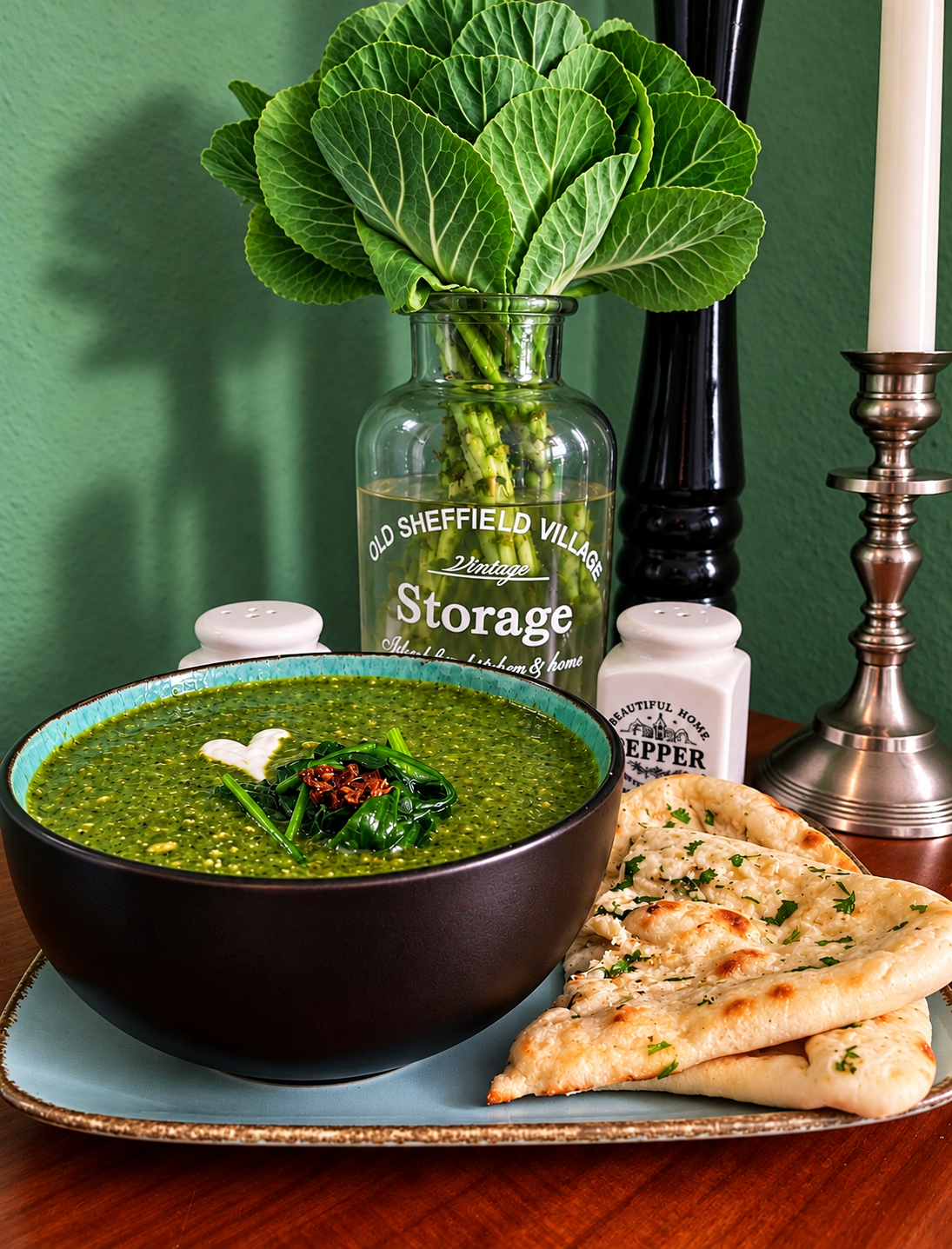
Vegan Palak Shorba – Indian Spinach Soup with Garlic Naan
You may also like
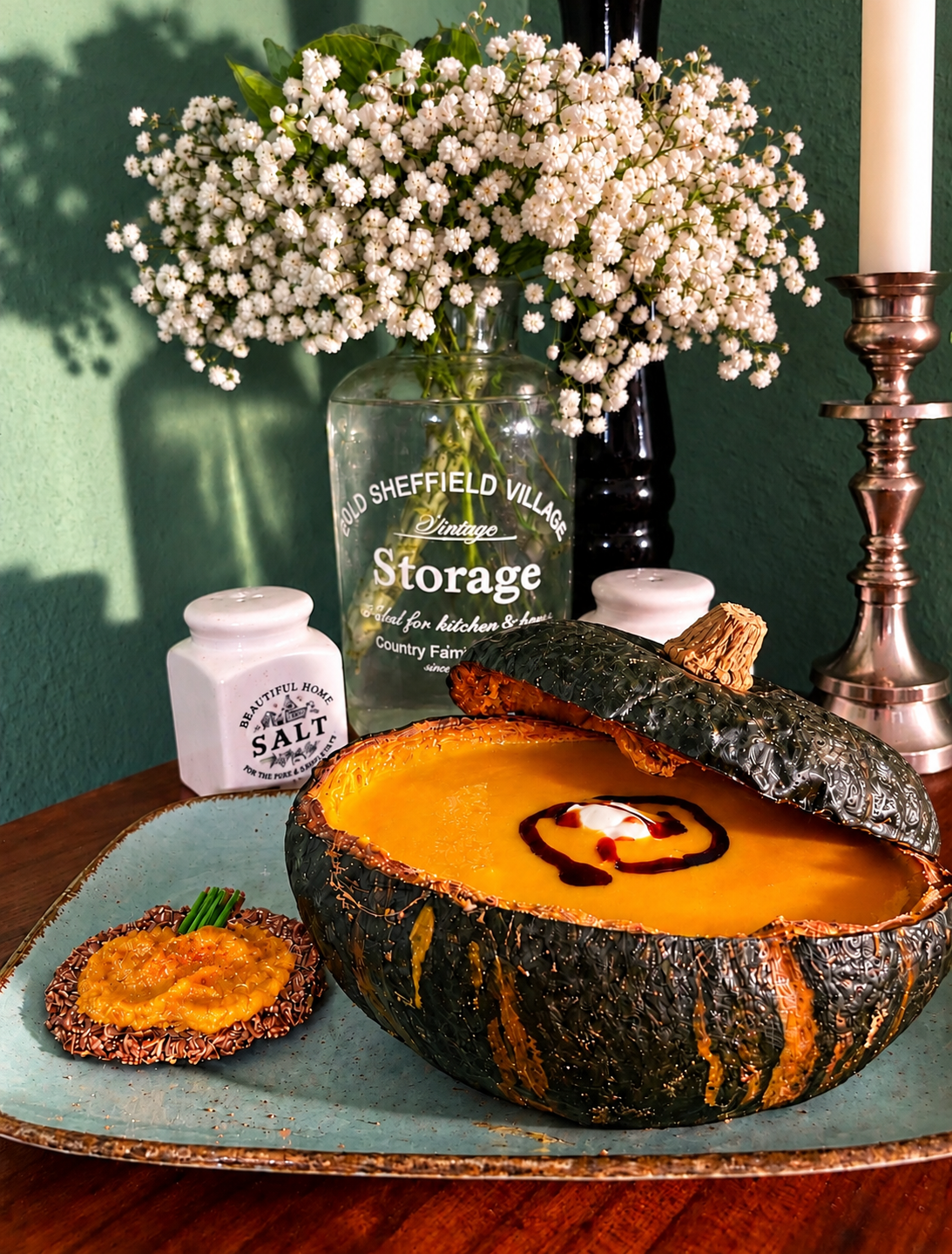
Saint Lucia – Soupe de Citrouille – Caribbean Pumpkin Curry Soup with Orange
You may also like