From my kitchen to your plate.
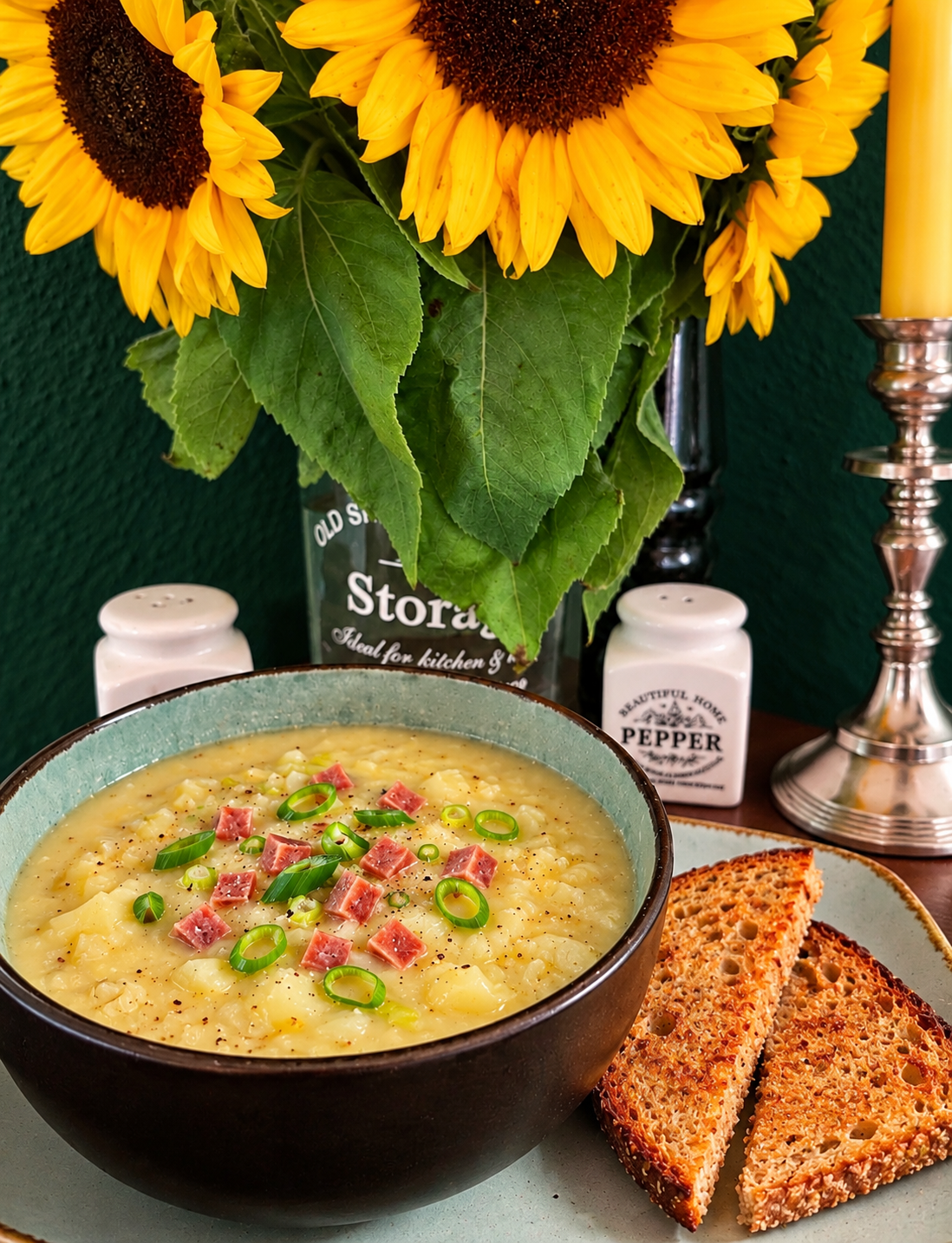
Norway – Nordic Simplicity and Seasonal Comfort FoodNorwegian cuisine is deeply influenced by the country's northern climate, agricultural traditions and appreciation for simple, nourishing ingredients. Root vegetables, potatoes, cabbage and other cool-weather crops have long been important in everyday home cooking. Warming soups are especially popular during the colder months, when hearty, practical dishes bring comfort to the table. Norwegian cooking often allows the natural flavours of its ingredients to shine without overwhelming them with complicated seasonings.
Blomkålsuppe – Norway's Creamy Cauliflower SoupBlomkålsuppe literally means cauliflower soup and is a familiar favourite in Norwegian home kitchens. Traditionally prepared with cauliflower, broth, milk or cream and a delicate touch of nutmeg, it is often served with tender cauliflower florets and savoury toppings such as crispy bacon or ham. My Via Veggie Vegan interpretation replaces dairy milk, cream and butter with oat drink, soy cream and vegan butter, while crispy plant-based ham cubes and fresh spring onions provide a delicious finishing touch.
From my kitchen to your plate.
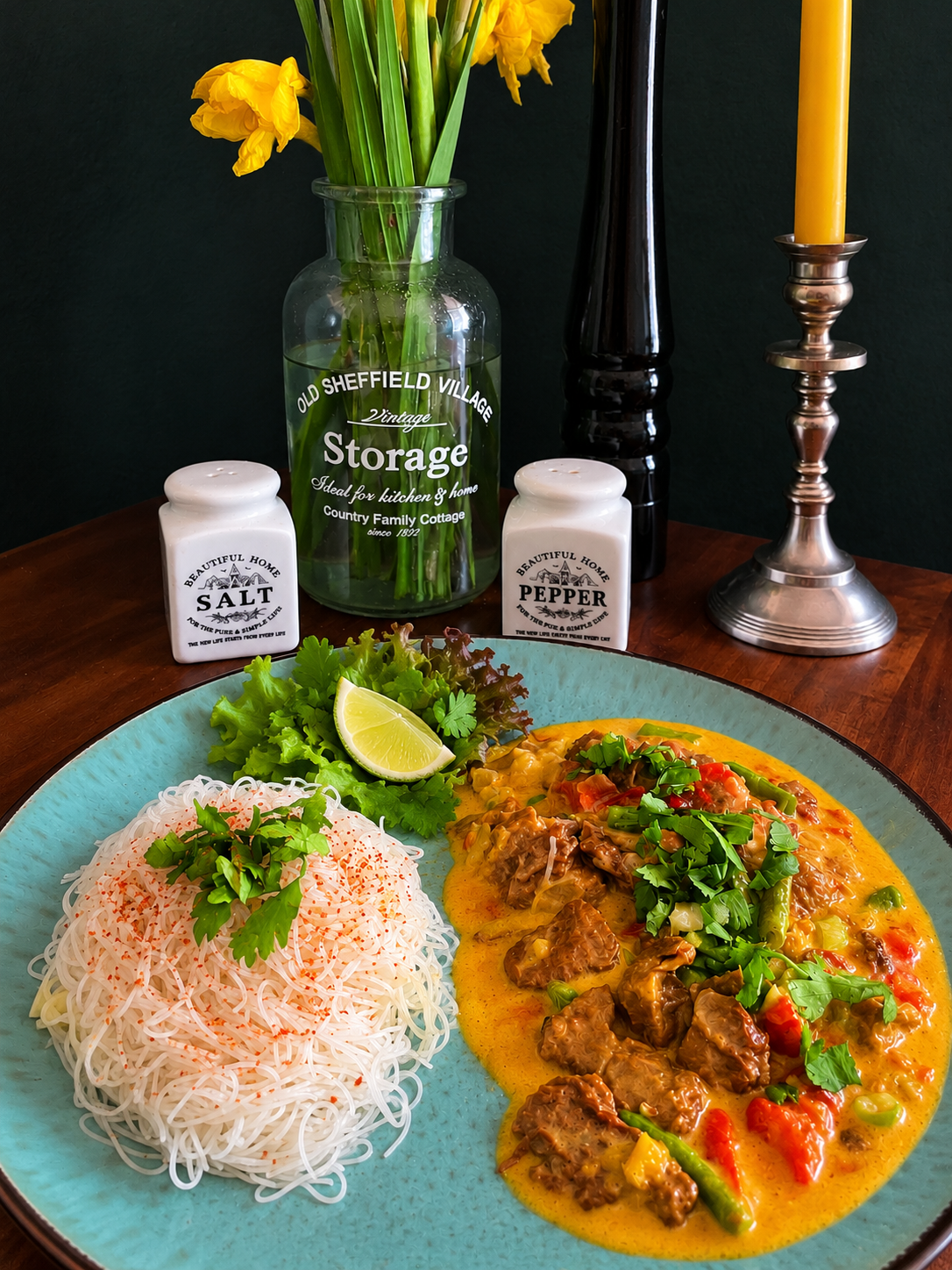
Laos – A Cuisine Built Around Fresh Herbs and Bold FlavorsLaos is a landlocked Southeast Asian country with a rich culinary heritage shaped by fresh herbs, fragrant aromatics and the balance of spicy, salty, sour and subtly sweet flavors. Lemongrass, galangal, chilies, makrut lime leaves and coriander play important roles in many dishes. One of the country's most important staples is sticky rice, known as khao niao, traditionally eaten with a wide variety of vegetables, dips, salads and savory dishes.
Lemongrass & Coconut Curry – A Lao-Inspired Vegan InterpretationThis Lemongrass & Coconut Curry is my own plant-based interpretation of characteristic Lao flavors rather than a recreation of one particular traditional dish. A homemade curry paste combines lemongrass, galangal, garlic, shallots and dried chilies, while coconut milk creates a silky, aromatic sauce. Mock Duck adds a satisfying, meaty texture, and fresh vegetables bring color and freshness. Instead of the more traditional sticky rice, I serve my curry with delicate rice noodles – a delicious little twist inspired by the contents of my kitchen.
From my kitchen to your plate.
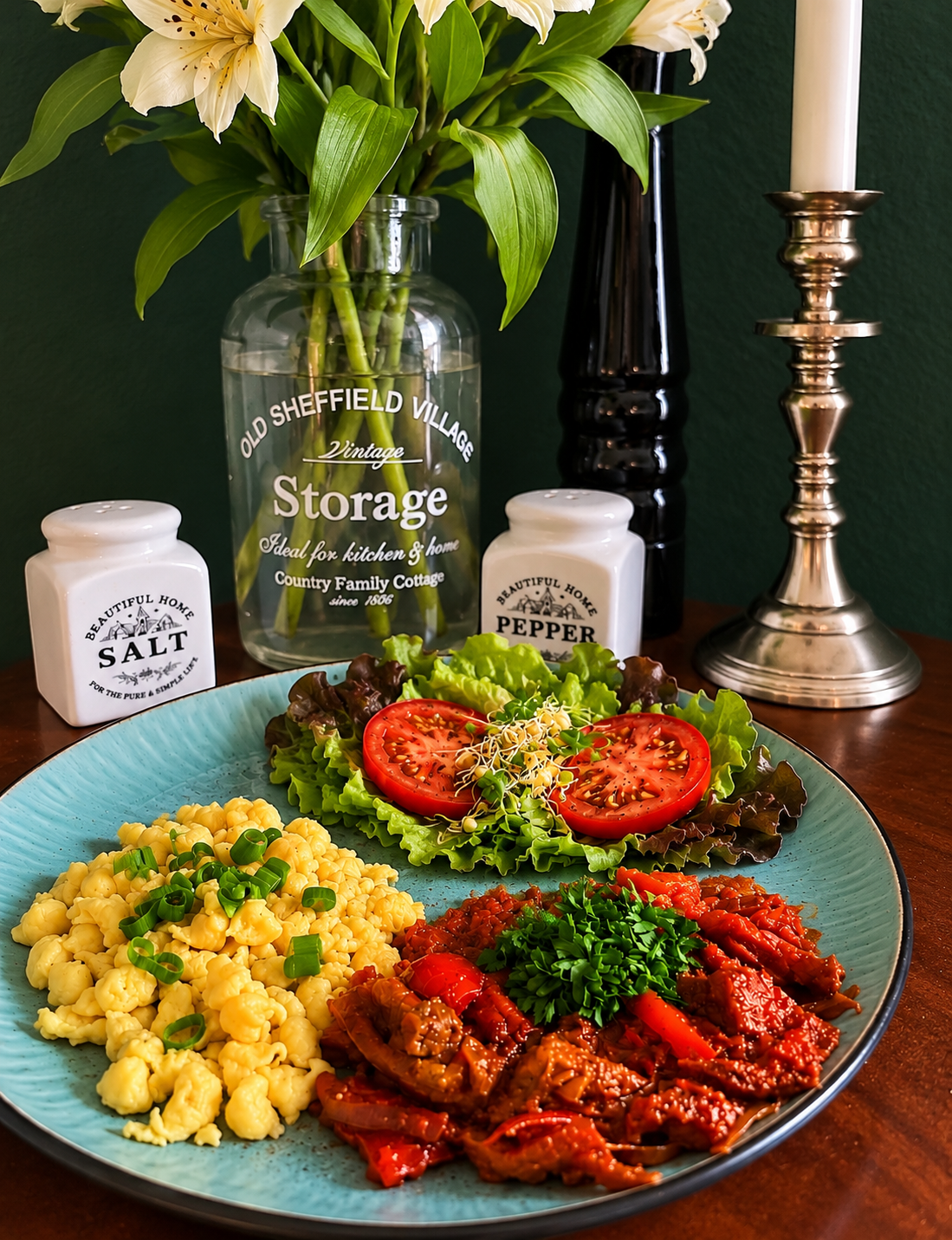
Hungary – The Land of Paprika and Hearty Comfort FoodHungary is a Central European country with a rich culinary heritage shaped by agricultural traditions, regional influences and a deep appreciation for warming, satisfying food. Hungarian cuisine is particularly famous for its generous use of paprika, onions, peppers and slow-cooked dishes. From the banks of the Danube to the vast Hungarian Great Plain, traditional cooking reflects a love of bold flavours, nourishing meals and hospitality. Goulash, paprikash and various dumpling dishes are among the country's best-known culinary specialities.
Goulash and Galuska – A Hungarian-Inspired CombinationGulyás, commonly known internationally as goulash, originated in Hungary and is traditionally associated with the cooking of cattle herders. In Hungary, gulyás is usually a substantial soup, while thicker paprika-based meat stews are more closely related to pörkölt. This Via Veggie Vegan version follows the familiar international interpretation of a thick, hearty goulash, replacing meat with a plant-based alternative. It is served with Galuska, also known as nokedli, small Hungarian dumplings traditionally made with flour, water and eggs. My egg-free version uses sparkling water, Kala Namak and a little turmeric to create deliciously tender dumplings without animal ingredients.
From my kitchen to your plate.
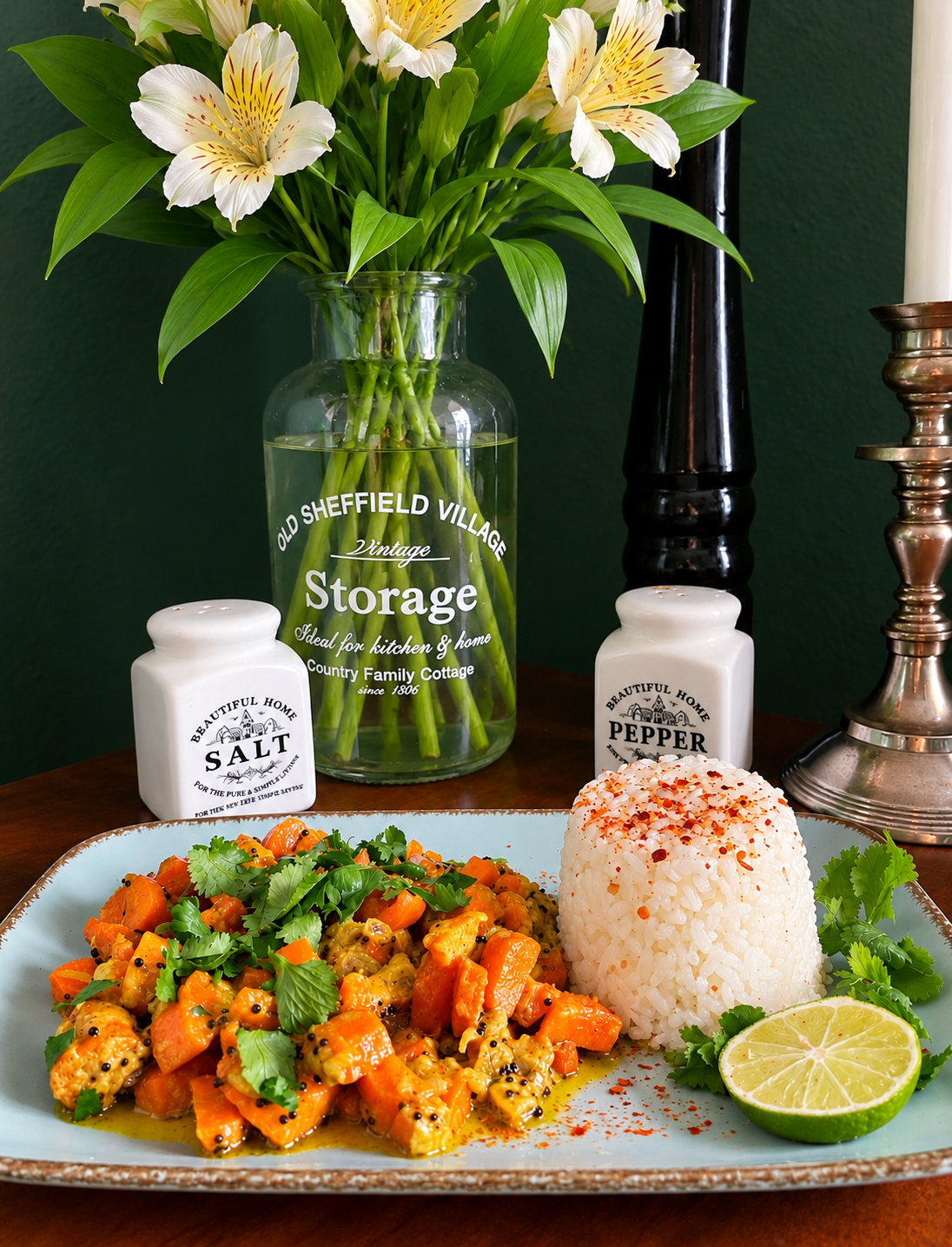
Sri Lanka – The Pearl of the Indian OceanSri Lanka is an island nation in South Asia, situated in the Indian Ocean southeast of India. Often called the Pearl of the Indian Ocean, the country is known for its tropical landscapes, tea plantations, diverse wildlife and rich culinary traditions. Sri Lankan cooking makes extensive use of coconut, rice, vegetables, chillies, curry leaves and aromatic spices. Regional and cultural influences have shaped a cuisine that combines bold flavours with everyday ingredients, creating dishes that are both vibrant and deeply comforting.
Carrot Mallum – A Colourful Sri Lankan Vegetable ClassicMallum, also spelled mallung, refers to a Sri Lankan preparation of finely chopped or shredded vegetables or leafy greens mixed with grated coconut and seasonings. Unlike a creamy coconut curry, mallum is generally relatively dry and retains more texture. Carrot Mallum brings together naturally sweet carrots, coconut, mustard seeds, curry leaves and fresh chillies. My Via Veggie Vegan version uses mustard oil for an additional aromatic note and finishes with fresh lime juice. Served alongside rice, it makes a colourful and satisfying plant-based meal.
From my kitchen to your plate.
Malaysia – A Country of Tropical Rainforests, Islands and Culinary Diversity
Malaysia is a Southeast Asian country divided between Peninsular Malaysia and Malaysian Borneo. Its culinary traditions reflect centuries of cultural exchange between Malay, Chinese, Indian and Indigenous communities, alongside influences from regional trade routes. Coconut milk, lemongrass, turmeric, ginger, galangal and chili are important ingredients in many Malaysian dishes. From bustling street-food markets to traditional family kitchens, Malaysian cuisine is celebrated for its aromatic spice combinations, rich sauces and remarkable regional diversity.
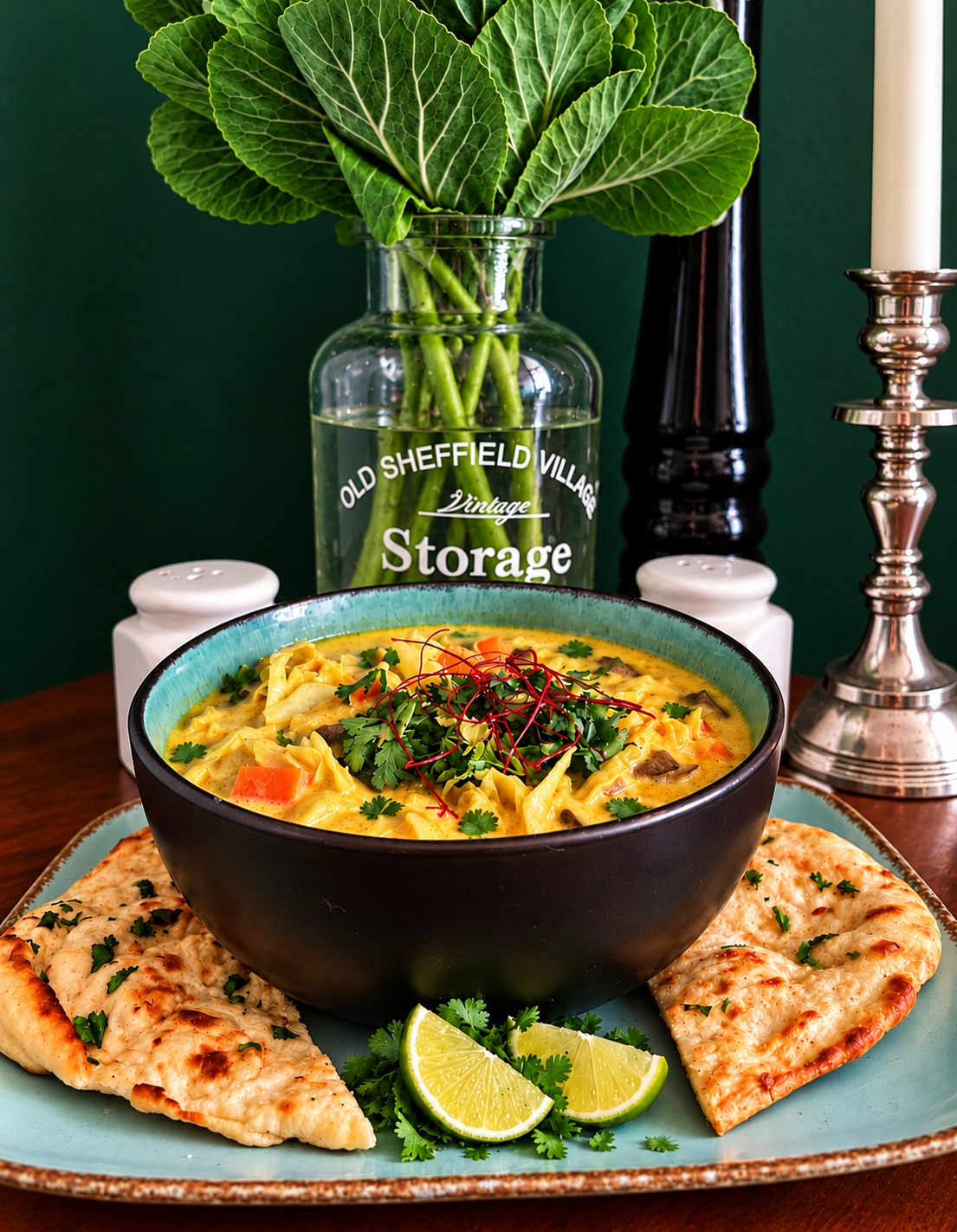
What Is Sayur Lodeh?
Sayur Lodeh is a vegetable dish cooked in a fragrant coconut milk broth, particularly associated with Indonesian and Malaysian cuisine. In Malaysia, it is also commonly known as Sayur Lemak Lodeh, referring to its rich, creamy character. Depending on the region and household, it may contain cabbage, long beans, carrots, tofu, tempeh and other vegetables. Some traditional preparations include shrimp-based seasonings for additional umami. This Via Veggie Vegan version uses white miso instead, creating a completely plant-based interpretation with a homemade rempah spice paste, golden coconut broth and a colorful mixture of vegetables.
From my kitchen to your plate.
5. SHORT DESCRIPTION / ORIGIN
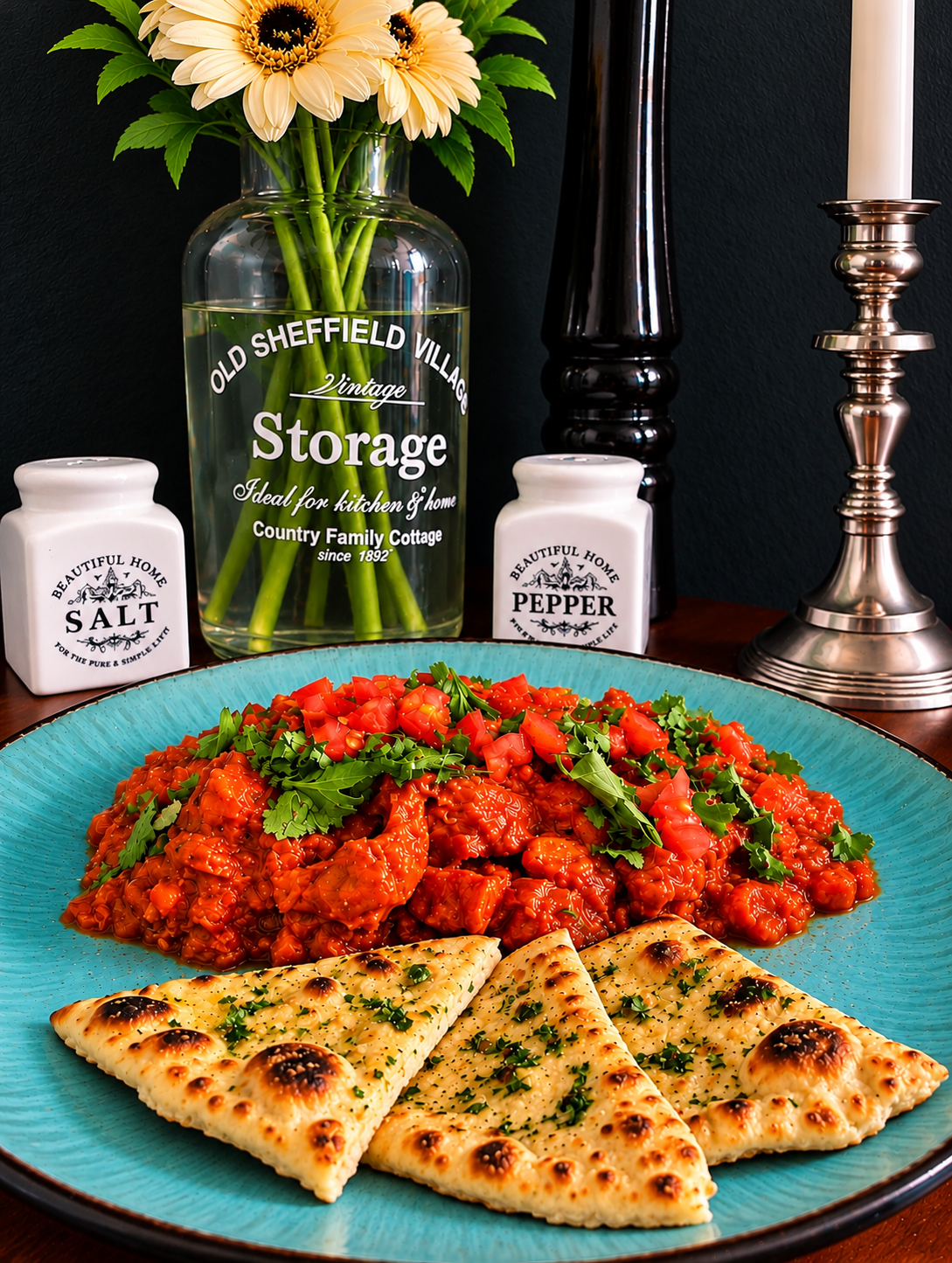
India – A Country of Many Religions and Culinary TraditionsIndia is a vast South Asian country with an extraordinarily diverse culinary heritage. Its regional cuisines reflect differences in geography, climate, history, religion and local ingredients. While cows are revered in many Hindu traditions and beef is avoided by many Hindus, dietary practices vary considerably across India. Hindu, Muslim, Christian and other communities have developed distinct food traditions over centuries. Kerala, on India's southwestern Malabar Coast, is particularly known for its coconut-based dishes, fragrant curry leaves, black pepper and aromatic spices. Its cuisine reflects the region's long history of maritime trade and its religious and cultural diversity.
Beef Ularthiyathu – Kerala's Famous Beef FryBeef Ularthiyathu, also known as Kerala Beef Fry, is a well-known preparation associated with Kerala's regional food culture. The Malayalam term ularthiyathu describes a cooking technique in which ingredients are sautéed or roasted while moisture is reduced, concentrating their flavors. Traditional versions commonly combine beef with shallots, garlic, ginger, curry leaves, black pepper and spices, often with coconut pieces. The finished dish is generally relatively dry and intensely seasoned. This Via Veggie Vegan interpretation replaces beef with LikeMeat plant-based pieces and adds fresh tomatoes, tomato paste and coconut milk for a richer, saucier result. It preserves the aromatic inspiration of Kerala cuisine while giving the dish a completely plant-based makeover.
From my kitchen to your plate.
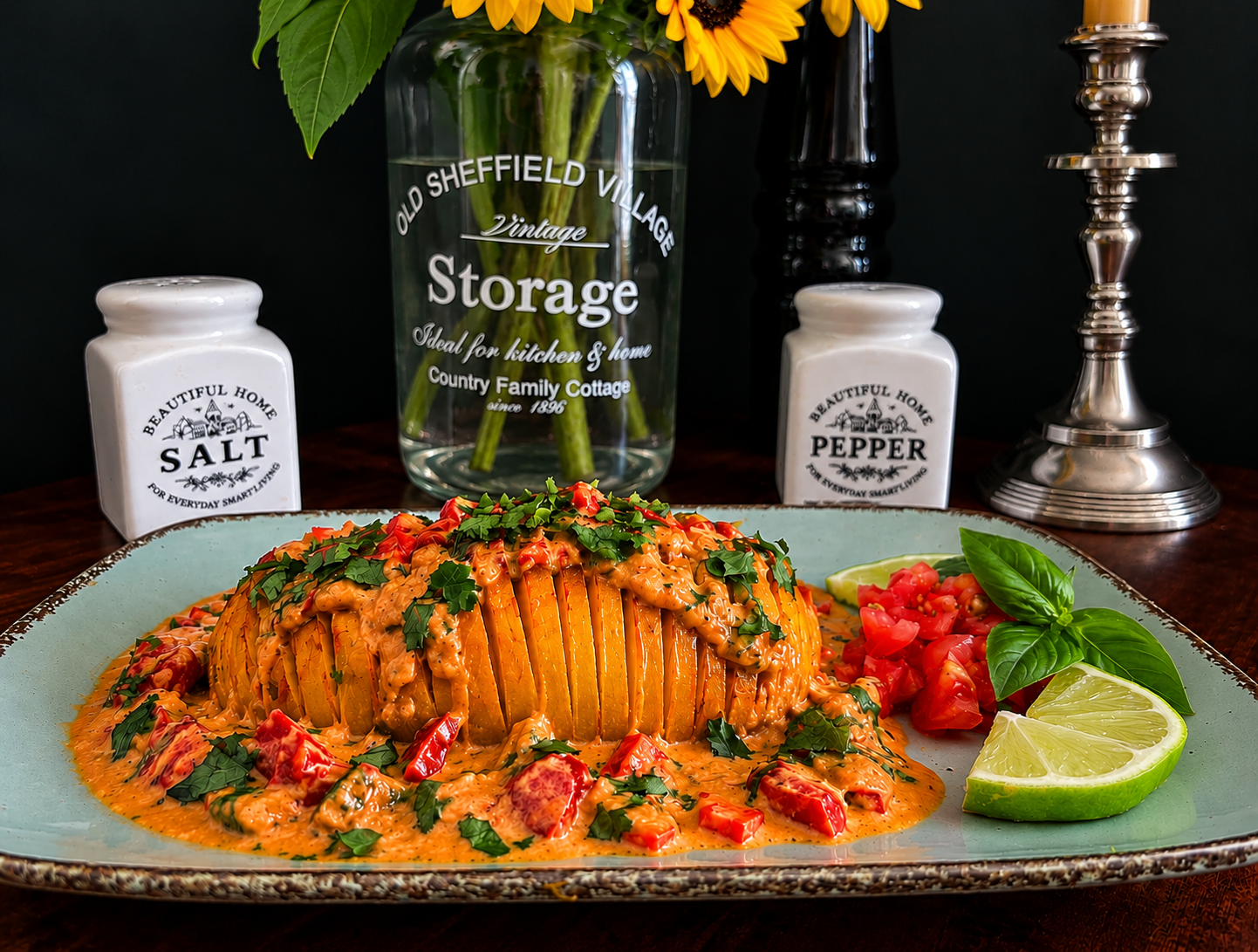
Thai red curry, known as Kaeng Phet, is a popular part of Thailand's rich culinary tradition. Its characteristic flavour comes from a fragrant paste of dried red chilies, lemongrass, galangal, garlic, shallots and aromatic spices, traditionally combined with coconut milk.
This vegan version replaces the traditional shrimp paste with red miso and uses homemade curry paste for an intensely aromatic sauce.
Instead of preparing a conventional Thai curry with cubed vegetables, the butternut squash is roasted Hasselback-style and served as the centrepiece of the dish.
The result is a creative fusion of Thai-inspired flavours and a European roasting technique, rather than a traditional Thai presentation.
From my kitchen to your plate.
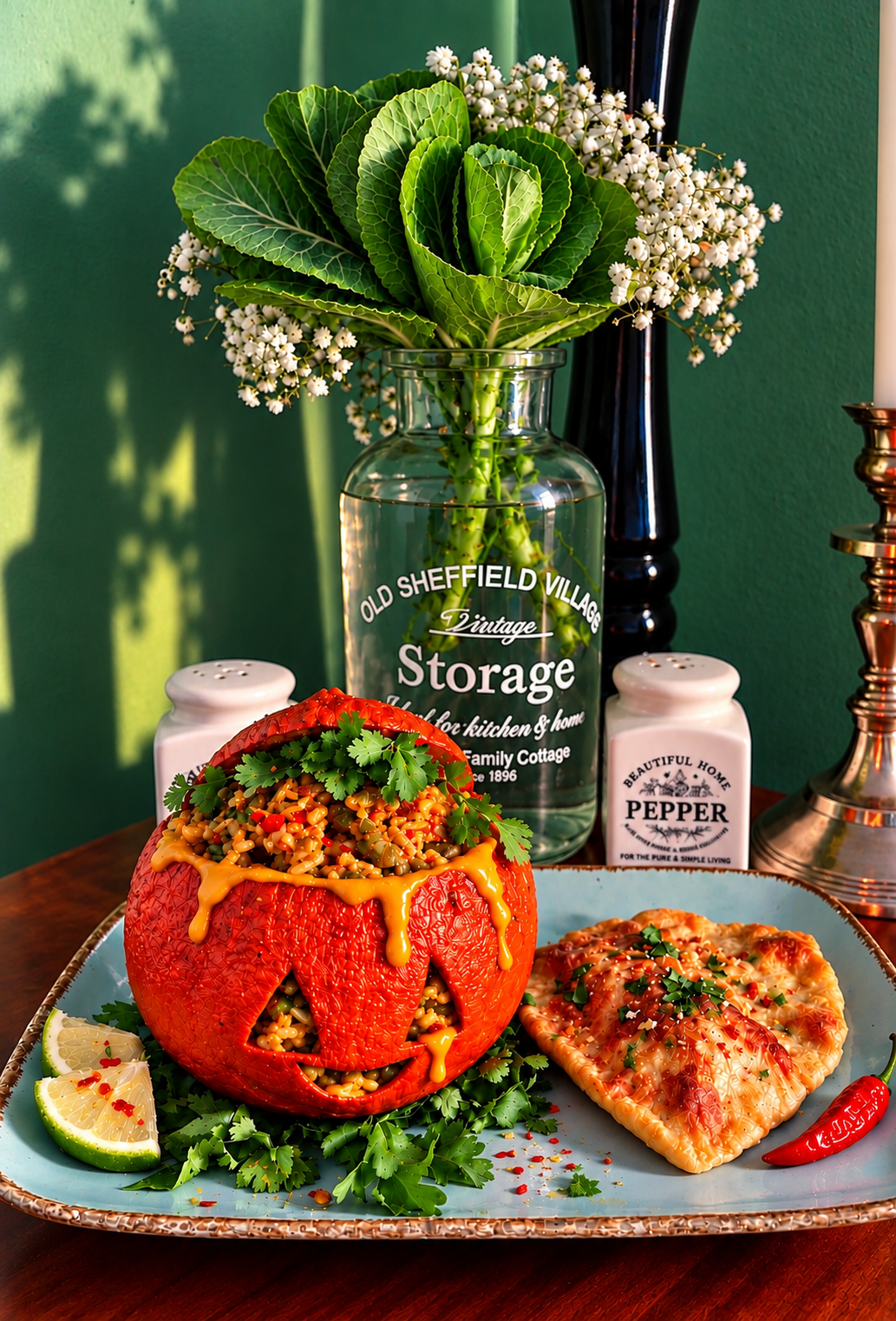
A Taste of CambodiaSomlor Kari, also spelled Samlor Kari, refers to a Cambodian curry preparation. Cambodian curries combine fragrant aromatic pastes with ingredients such as coconut milk, vegetables and, in many traditional versions, meat.
Halloween Meets Cambodian-Inspired CookingThe smiling jack-o'-lantern presentation is my own creative addition rather than a traditional Cambodian serving style. The roasted Hokkaido becomes both an edible bowl and an ingredient, making this dish a playful celebration of aromatic cooking and zero-waste creativity.
