From my kitchen to your plate.
Bosnia & Herzegovina – A Country of Rich Balkan Food TraditionsBosnia & Herzegovina lies in southeastern Europe on the Balkan Peninsula. Its cuisine reflects a long history of cultural exchange, including Ottoman, Central European and Mediterranean influences. Traditional home cooking often features vegetables, grains, legumes, aromatic seasonings and slow-cooked dishes. Stuffed vegetables are particularly characteristic of the region, with peppers, cabbage leaves, onions and zucchini frequently used as edible containers for savory fillings. These dishes are closely associated with family kitchens, hospitality and comforting meals shared around the table.
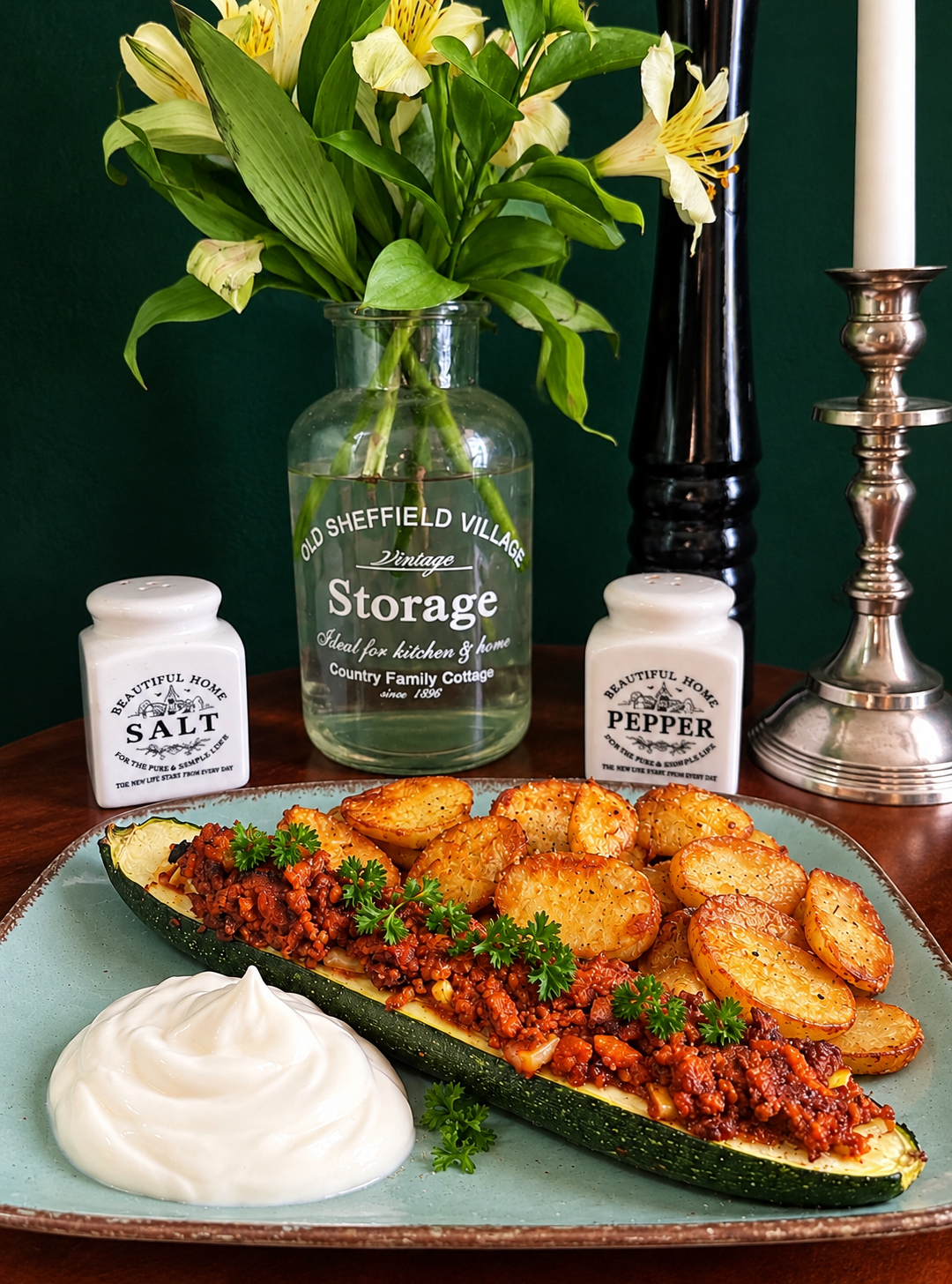
What Are Punjene Tikvice or Dolma od Tikvica?Punjene Tikvice literally means stuffed zucchini, while Dolma od Tikvica refers to zucchini prepared in the wider tradition of stuffed vegetables known as dolma. Bosnian versions are commonly filled with minced meat, rice, onion and spices, then gently cooked in a tomato-based sauce. Some preparations use thick, hollowed-out zucchini cylinders, while others use zucchini halves or boats. My Via Veggie Vegan version follows the latter approach: the zucchini are halved lengthwise and filled with soy mince instead of beef. The traditional rice is omitted, and crispy oven-roasted potato slices provide a delicious accompaniment. Vegan sour cream replaces the dairy-based topping, creating a completely plant-based interpretation of this comforting Balkan favorite.
From my kitchen to your plate.
Mexico – A Country of Ancient Traditions, Vibrant Markets and Extraordinary Biodiversity
Mexico stretches from the deserts of the north to the tropical forests of the south, with Pacific and Caribbean coastlines, dramatic mountains and fertile valleys. Its cuisine has deep Indigenous roots, especially in the culinary traditions of maize, beans, squash and chili, while also reflecting centuries of cultural exchange. Mexican cooking is celebrated for its remarkable regional diversity, colorful ingredients and the creative combination of simple vegetables with aromatic seasonings. From traditional markets overflowing with fresh produce to family kitchens preparing comforting soups and stews, food remains an essential expression of Mexican culture.
What Is Crema de Calabacitas?
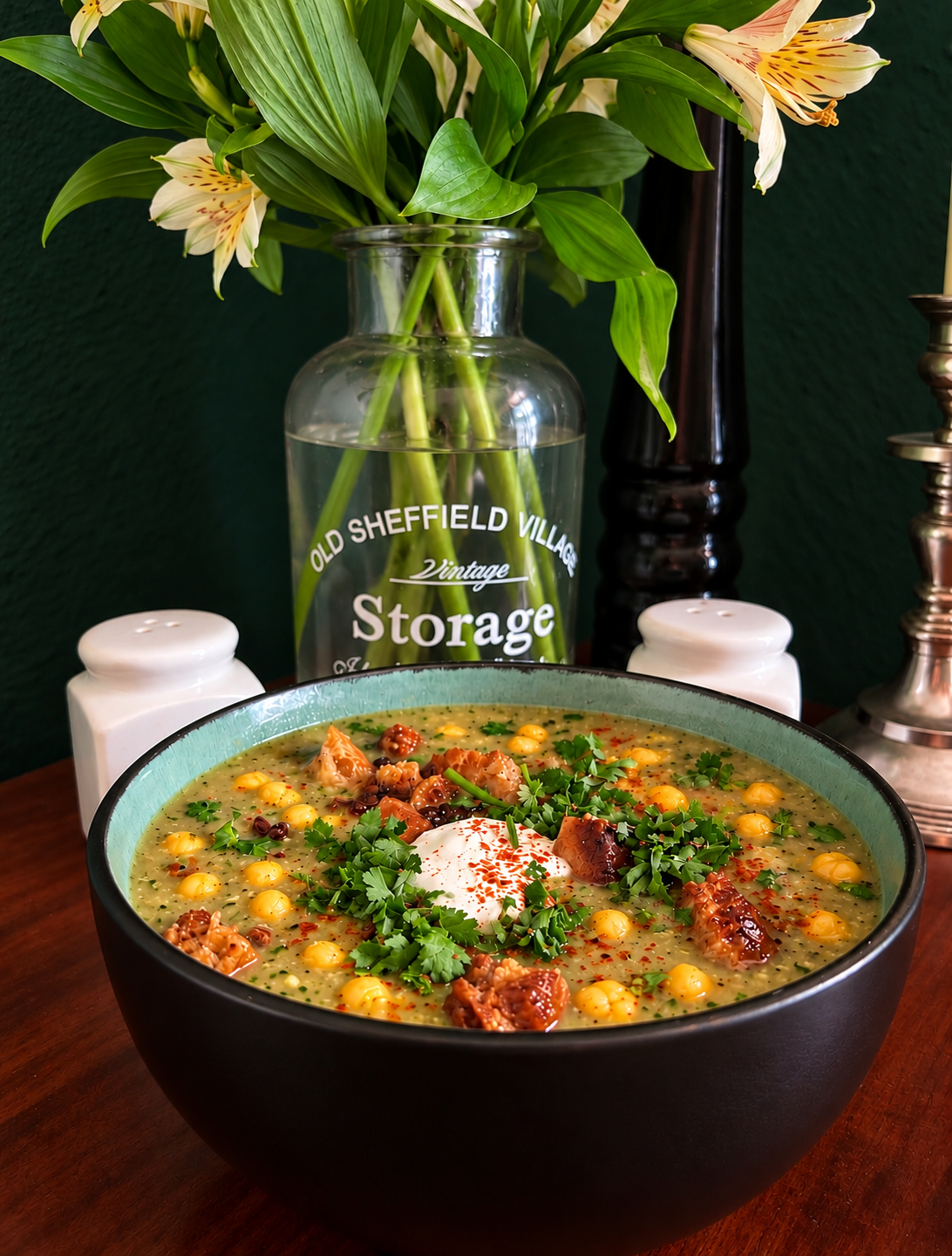
Crema de Calabacitas is a Mexican-style creamy zucchini soup. The Spanish word calabacitas refers to small squash or zucchini, while crema describes the dish's smooth, creamy character. Recipes vary between households and may include onion, garlic, broth, milk, cream or cheese. This Via Veggie Vegan interpretation replaces dairy ingredients with plant-based alternatives and uses vegetable broth instead of chicken broth. Sweet corn, fresh coriander, vegan crema and crispy toppings give the delicate zucchini soup additional flavor, color and texture.
From my kitchen to your plate.
South Korea – A Culinary Culture of Balance and Fermentation
South Korea is an East Asian country renowned for its diverse culinary traditions, fermented foods and colorful vegetable dishes. Korean cuisine combines savory, spicy, sweet and aromatic flavors, with ingredients such as garlic, sesame oil, soy sauce and gochugaru playing important roles. A traditional Korean meal often includes banchan, small side dishes served alongside rice and other preparations. Vegetables, seasonal ingredients and fermentation are central elements of this rich food culture.
What Is Aehobak Bokkeum?
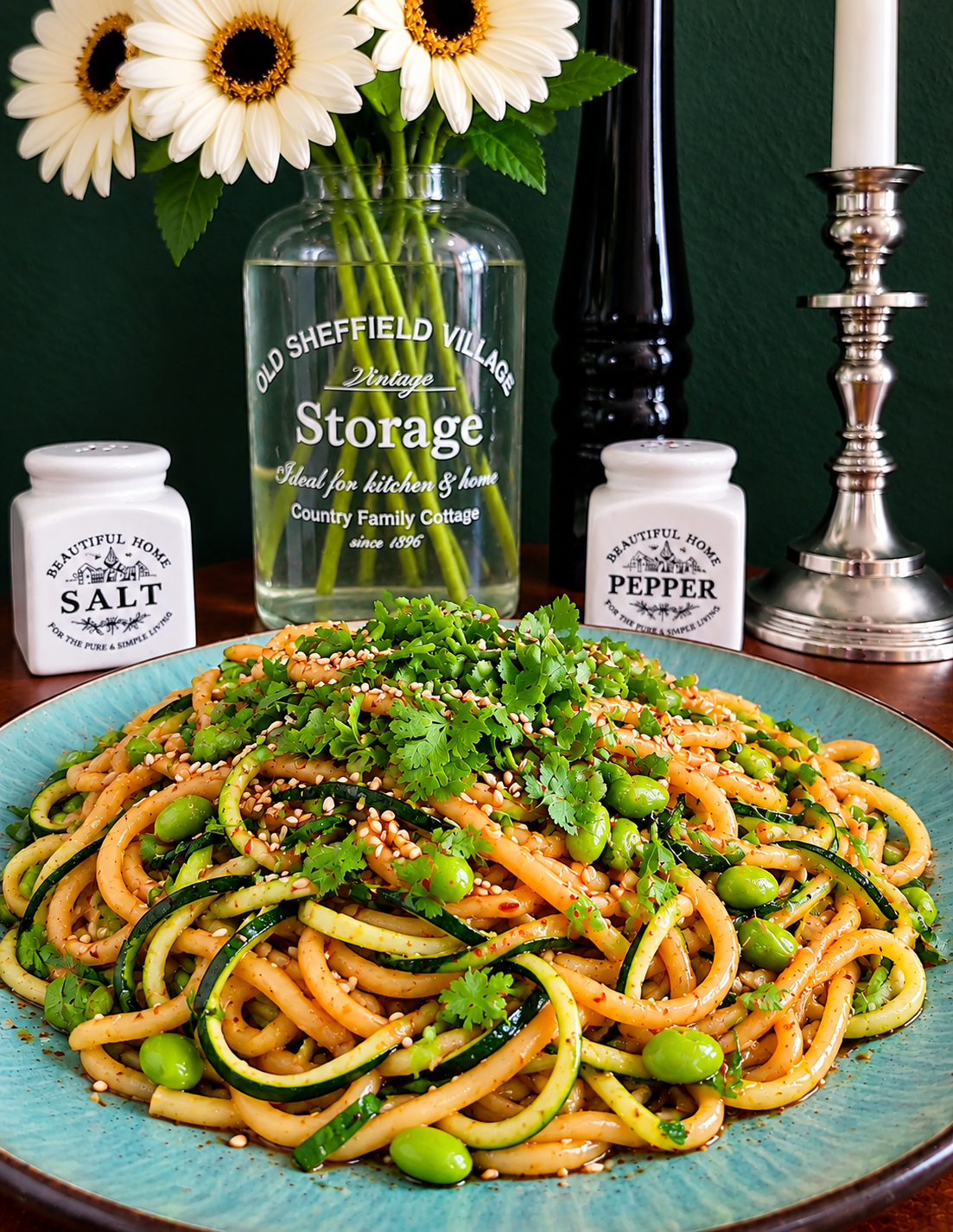
Aehobak Bokkeum (애호박볶음) is a traditional Korean stir-fried summer squash dish commonly served as banchan. Aehobak refers to Korean summer squash, while bokkeum means stir-fried. Traditionally, the squash is sliced and quickly cooked with ingredients such as garlic, spring onions and sesame oil. My Via Veggie Vegan interpretation replaces Korean aehobak with spiralized zucchini and transforms the vegetable side dish into a complete noodle meal with Udon, edamame and a savory miso-gochugaru sauce. Fresh coriander and sesame add the finishing touch.
From my kitchen to your plate.
Ukoy, also spelled Okoy, is a traditional Filipino fritter made with vegetables and often small shrimp. Popular variations include bean sprouts, squash, sweet potatoes and other locally available ingredients.
The vegetables are coated in batter and fried until golden and crispy. Ukoy is commonly enjoyed as a snack, appetiser or street food, traditionally accompanied by a tangy vinegar dipping sauce known as Sawsawang Suka.
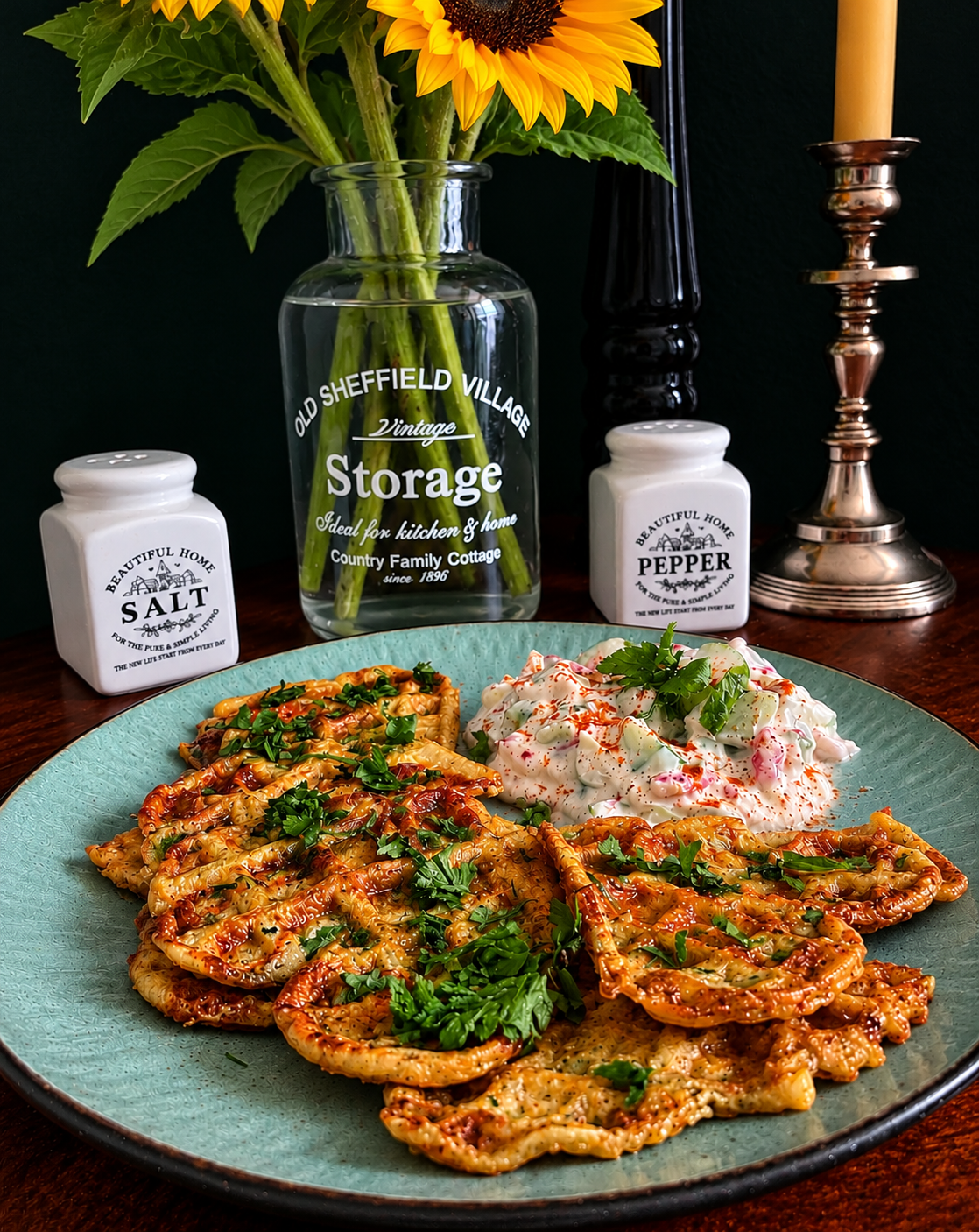
My version takes a creative detour through the waffle iron. Butternut squash, zucchini and onions meet chickpea flour, while the familiar crispy texture gets a modern, oil-conscious twist.
Traditional Filipino inspiration, a brand-new kitchen gadget and a little Via Veggie Vegan mischief.
