
Iran – A Land of Poetry, History and Persian Flavours
Iran, historically known as Persia, has one of the world's oldest and most fascinating culinary traditions. Persian cuisine celebrates fresh herbs, fragrant spices, seasonal vegetables and a delicate balance of sweet and sour flavors. From bustling bazaars to traditional family kitchens, food is deeply connected to hospitality, culture and centuries of history.
What Is Salad-e Shirazi?
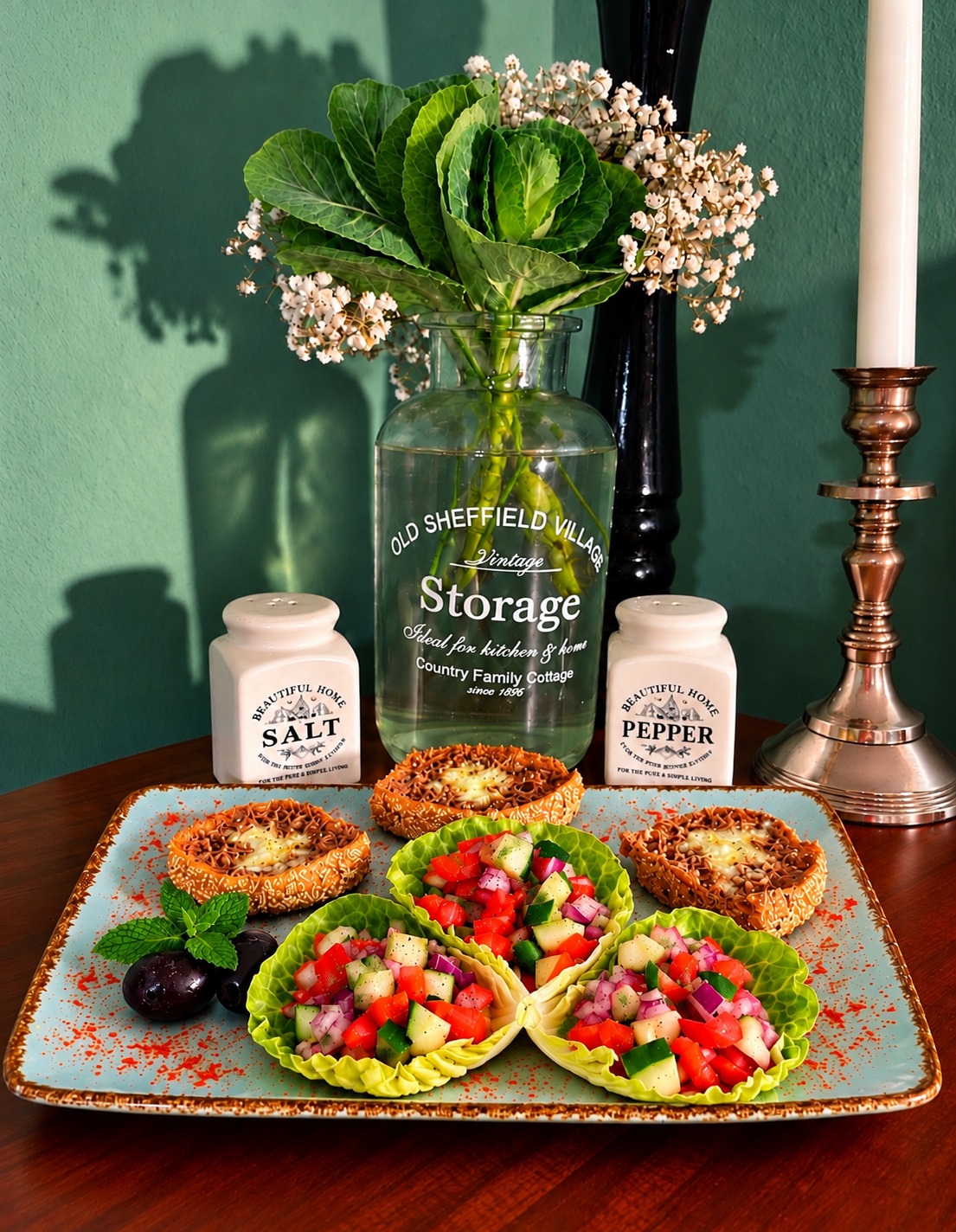
Salad-e Shirazi takes its name from Shiraz, a historic city in southern Iran famous for its poetry, gardens and cultural heritage. This refreshing Persian salad traditionally combines finely diced cucumber, tomatoes and onion with dried mint and a tangy dressing made with ab-ghooreh, the juice of unripe grapes. My version uses fresh lime juice instead, with garlic, sumac and harissa for an extra kick. Served in crisp romaine lettuce boats, it becomes a colorful little dish that's naturally vegan.
▣ Ingredients (2 servings)
- 3 roma tomatoes
- 3 persian mini cucumbers
- 1/2 red onion
- 1 tsp dried mint
- 1 romaine lettuce heart
- 1/2 lime
- 2 tbsp olive oil
- 1/2 tsp salt
- 1 pinch freshly ground black pepper
- 1/2 tsp sumac
- 1 clove garlic
- to taste harissa
- 6 black olives (optional)
- 1 sprig fresh mint (optional)
♨ Preparation
- Prepare the Cucumbers
Wash the Persian mini cucumbers thoroughly.
Trim the ends.
Cut the cucumbers lengthwise into thin strips.
Dice the strips into very small, evenly sized cubes, approximately 3–5 mm.
If using a regular cucumber instead, remove some of the watery seeds if necessary.
This helps prevent the finished salad from becoming excessively watery. - Prepare the Tomatoes
Wash the Roma tomatoes.
Halve them and remove the stems.
If the tomatoes contain a particularly watery seed section, remove some of the liquid and seeds.
Cut the tomato flesh into small, evenly sized cubes.
Aim for approximately the same size as the cucumber pieces. - Prepare the Red Onion
Peel the red onion.
Finely dice half of the onion into very small cubes.
The onion pieces should be similar in size to the tomatoes and cucumbers. - Combine the Vegetables
Transfer the diced tomatoes, cucumbers and red onion to a mixing bowl.
Gently combine them with a spoon.
Avoid pressing or crushing the vegetables. - Add the Dried Mint
Release the Mint Aroma
Measure one teaspoon of dried mint.
Rub it gently between your palms directly over the vegetables.
This helps break up the dried leaves and release their aroma.
Fold the mint into the salad. - Prepare the Dressing
Prepare the Lime
Wash the lime.
Cut it in half.
Squeeze the juice from one half into a small bowl.
Remove any seeds. - Add the Garlic
Peel the garlic clove.
Finely grate or crush it.
Add the garlic to the lime juice. - Add the Remaining Dressing Ingredients
Add the extra virgin olive oil, salt, freshly ground black pepper and sumac.
Add harissa according to your preferred heat level.
Start with a small amount and increase gradually - Mix the Dressing
Whisk the ingredients together until evenly combined.
Taste and adjust the seasoning if necessary.
The dressing should taste fresh, slightly tangy, savory and gently spicy. - Dress and Rest the Salad
Add the Dressing
Pour the prepared lime dressing over the diced vegetables.
Gently fold everything together.
Make sure the dressing is distributed evenly. - Allow the Flavors to Develop
Cover the bowl.
Refrigerate the salad for approximately 15–20 minutes.
During this time, the vegetables release a little juice and the flavors combine.
The dried mint becomes more aromatic as it absorbs moisture from the dressing. - Prepare the Romaine Lettuce Boats
Separate the Lettuce Leaves
Carefully separate the leaves from the romaine lettuce heart.
Choose intact leaves with a naturally curved shape.
These will form the individual serving boats. - Wash and Dry the Leaves
Wash the leaves thoroughly under cold running water.
Dry them carefully with a clean kitchen towel or salad spinner.
The leaves should be dry enough to hold the salad without becoming slippery or watery. - Assemble and Serve
Arrange the Lettuce Boats
Place the romaine lettuce leaves on a serving platter.
Arrange them so that the curved sections face upward.
Fill the Lettuce Boats
Remove the chilled Shirazi salad from the refrigerator.
Stir gently.
Spoon a portion of the finely diced vegetable mixture into each lettuce leaf.
Distribute the filling evenly.
Avoid overfilling the leaves so they remain easy to handle. - Add the Garnish
If desired, arrange a few black olives alongside the lettuce boats.
Add fresh mint for garnish.
Serve
Serve the Persian Shirazi Salad immediately while the romaine lettuce is crisp and the vegetable filling is cool and refreshing.
Food Story
A Persian Friendship from My Childhood
I’ve never really visited Iran, but Persia has been part of my life since childhood. One of my good friends growing up was Iranian, although back then I always called her my Persian friend. Through that friendship, the name Persia became something familiar and personal to me, long before I started exploring the world’s cuisines in my own kitchen.
A Little Taste of Iran – Between Two Flights
Years later, on my way to Thailand, I had a layover of a few hours at an Iranian airport. It wasn’t exactly a proper visit to the country, but it did give me the opportunity to try Salad-e Shirazi. A simple, refreshing salad enjoyed somewhere between boarding gates and departure announcements. Sometimes even a short stop leaves a lasting culinary memory.
From Persia to My Kitchen
Today, that memory has found its way into Via Veggie Vegan. I love the almost meditative process of cutting every vegetable into tiny, even pieces. My version is a little spicier than the traditional salad, with garlic, harissa and sumac, and I serve it in crisp lettuce boats. A small tribute to a childhood friendship, a brief airport encounter and a country I would still love to explore properly one day.
♨ Nutrition per serving
Nutritional values are approximate and may vary depending on the ingredients and products used.
Good to Know
Why Is It Called Salad-e Shirazi?
The salad is named after Shiraz, one of Iran's most culturally significant cities. Shiraz is particularly famous for its gardens and poets, including Hafez and Saadi. Salad-e Shirazi reflects an important characteristic of Persian cuisine: fresh ingredients, delicate seasoning and carefully balanced acidity.
What Is Ab-Ghooreh?
Ab-ghooreh, also called verjuice, is the tart juice extracted from unripe grapes. It is widely used in Persian cooking to add acidity to salads, stews and sauces. Unlike vinegar, it has a distinctive fruity sourness. Fresh lime juice makes a convenient alternative, although the flavor is not identical.
Sumac – The Tangy Red Spice
Sumac is made from dried and ground berries of plants belonging to the Rhus genus. Its deep red color and pleasantly tart flavor make it popular throughout Middle Eastern cuisine. Sumac adds acidity and complexity without the sharpness of vinegar. It is particularly delicious with tomatoes, onions and fresh herbs.
Why Fresh Vegetables Matter
Tomatoes and cucumbers contribute water, fiber and a variety of micronutrients. Tomatoes contain lycopene, a carotenoid responsible for their red color. Lycopene has antioxidant properties, while the vitamin C in tomatoes and lime supports normal immune function and contributes to collagen formation.
Healthy Fats and Cholesterol
Extra virgin olive oil is rich in monounsaturated fatty acids, particularly oleic acid. Replacing saturated fats with unsaturated fats can help maintain healthy blood cholesterol levels. LDL cholesterol transports cholesterol to tissues, and elevated LDL levels contribute to cardiovascular risk. HDL helps transport cholesterol back toward the liver, although HDL levels alone do not determine heart health. The overall quality of dietary fats matters more than simply avoiding all fats.
Fiber and Digestive Health
Even a light vegetable salad contributes dietary fiber. Fiber supports normal bowel function and helps promote satiety. Vegetables also provide water and plant compounds that contribute to a varied, balanced diet. Pairing the salad with whole-grain flatbread or legumes can increase the fiber content of the complete meal.
Naturally Vegan and Refreshingly Simple
Traditional Salad-e Shirazi is naturally plant-based and does not require substitutes for animal-derived ingredients. It is a wonderful example of how vegan cooking can celebrate authentic culinary traditions without needing to replace anything.
You may also like
♡
You may also like
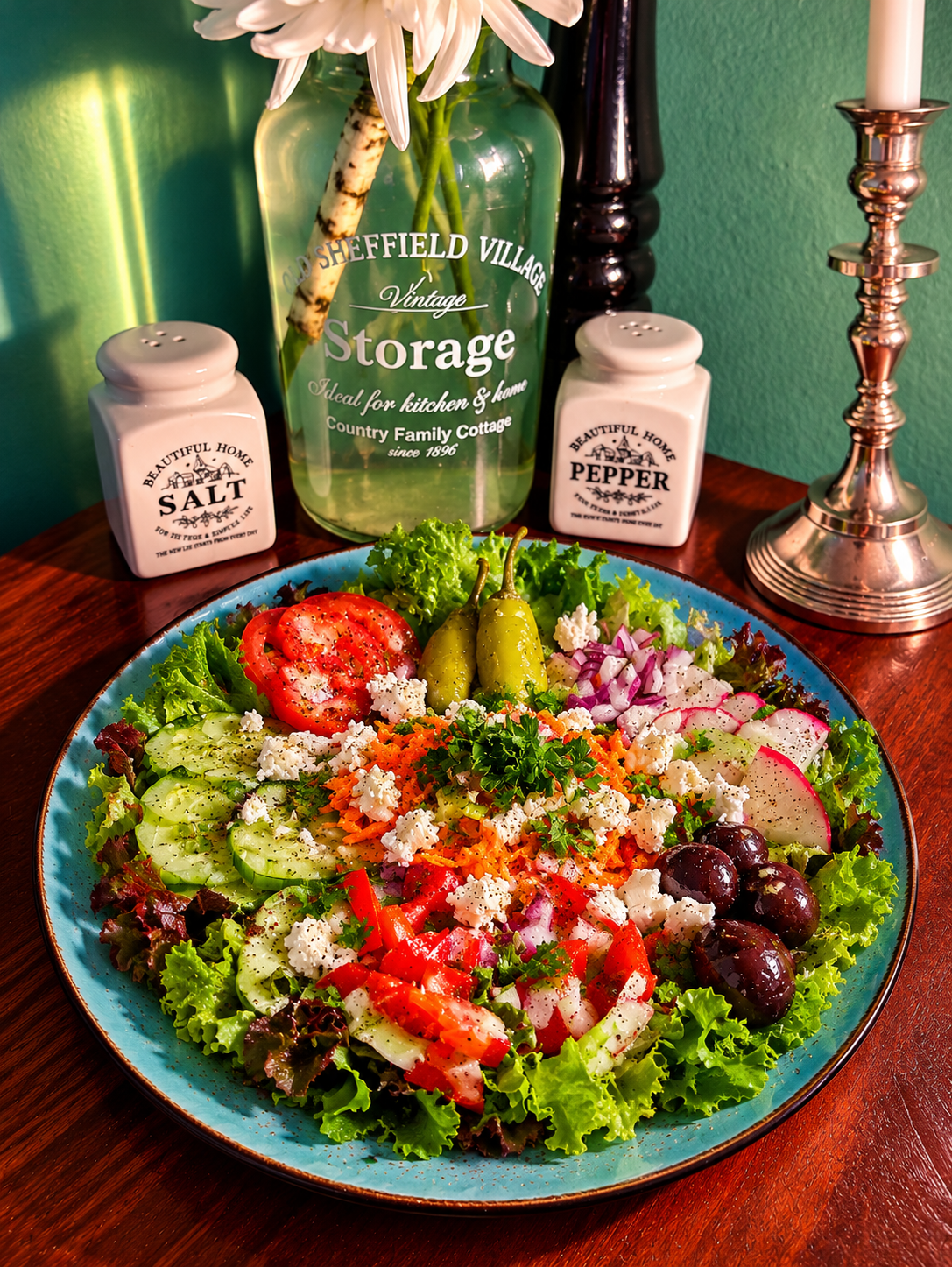
Bulgarian Shopska Salad – Vegan Shopska Salata with Creamy Zero-Waste Cucumber Dressing
You may also like
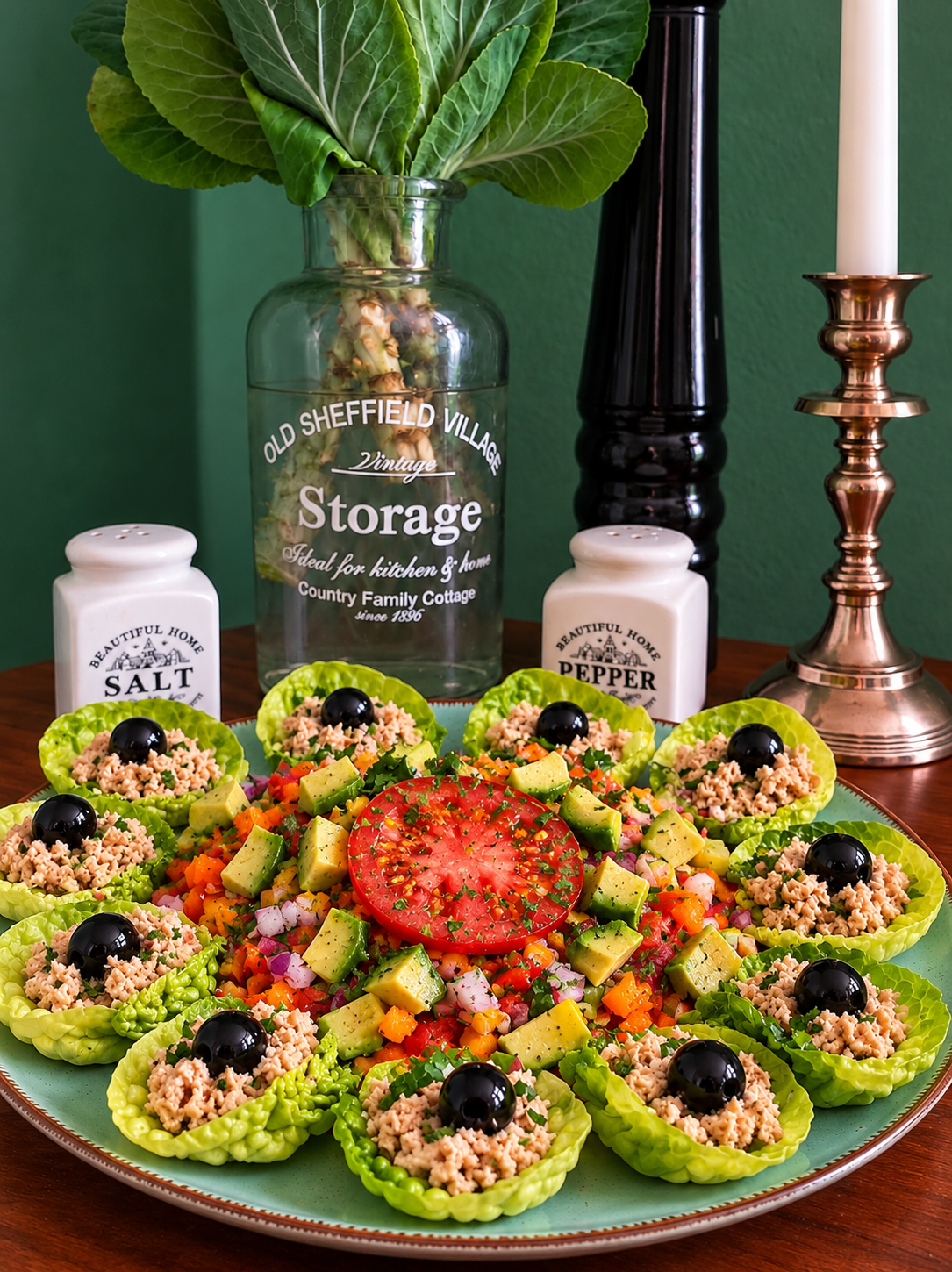
Seychelles Vegan Creole “Tuna” Salad Boats – Romaine Hearts with Avocado & Lime-Herb Dressing
You may also like