Recipe postcard
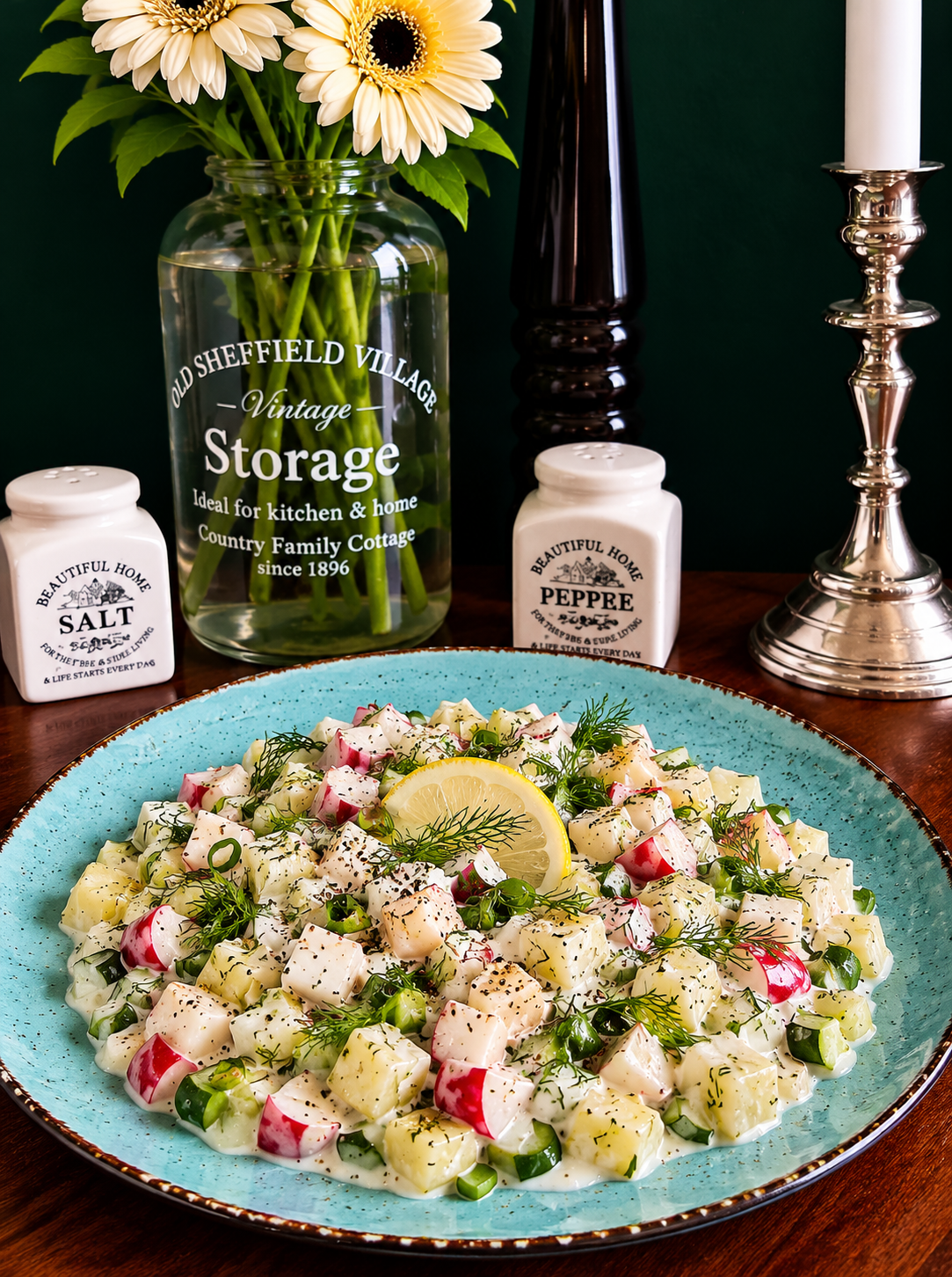
Russia – A Culinary Tradition of Refreshing Summer DishesRussian cuisine is known for its hearty soups, comforting potato dishes, fresh vegetables and seasonal ingredients. During the warmer months, cold soups provide a refreshing alternative to traditional hot meals. Okroshka is particularly associated with Russian summer cooking and is often enjoyed at family gatherings, in countryside homes and during hot afternoons.
What Is Okroshka?Okroshka is a traditional Russian cold soup made with finely chopped vegetables, herbs and a chilled liquid base. Classic versions often contain kvass, a fermented beverage, or kefir, and may also include eggs or meat. My Via Veggie Vegan interpretation uses unsweetened soy yogurt instead, creating a thicker, creamy salad-style version with potatoes, cucumber, radishes, spring onions, fresh dill and lemon. It preserves the refreshing character of Okroshka while giving the dish a completely plant-based twist.
Cook this recipe →
Recipe postcard
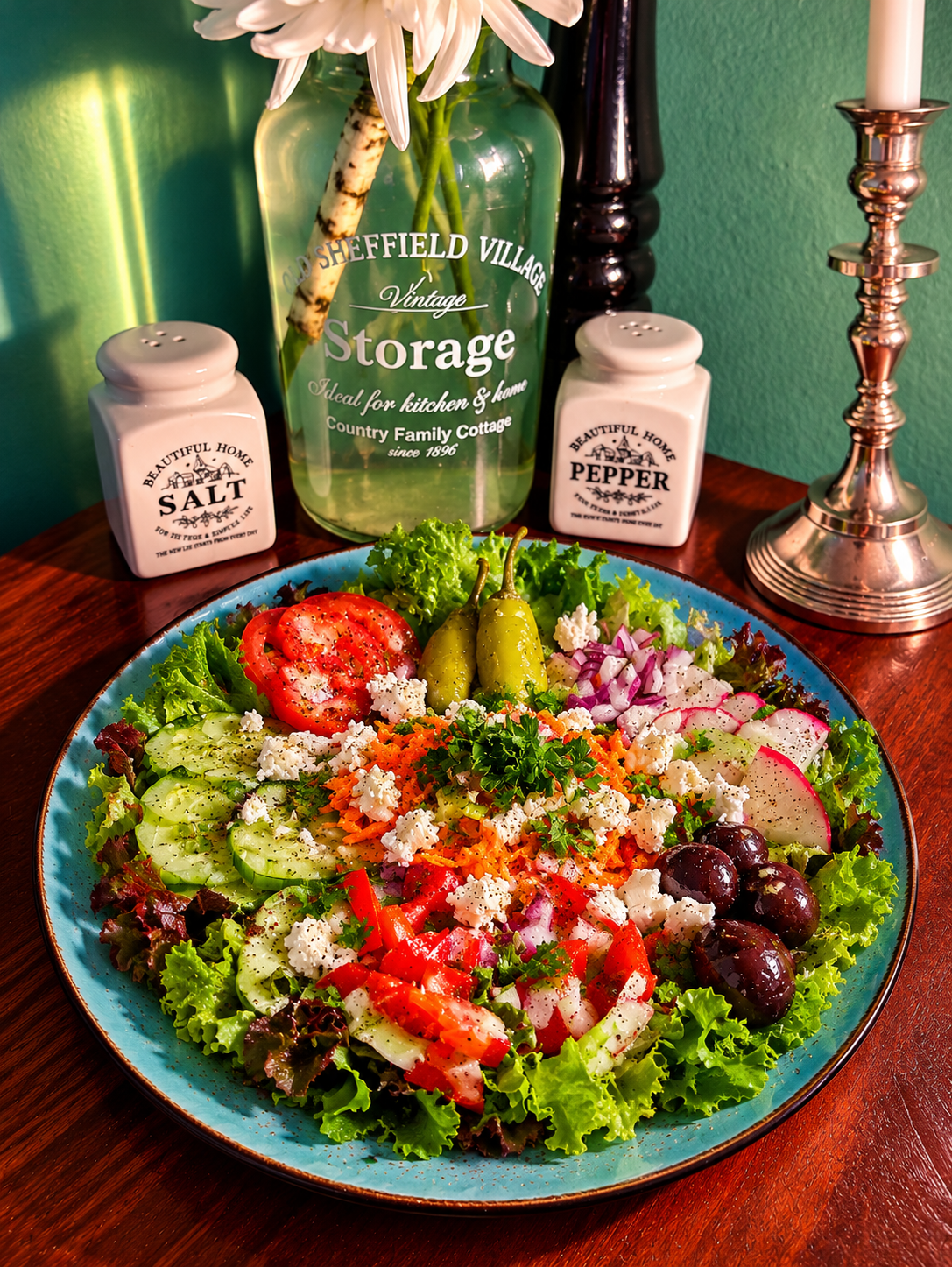
Bulgaria – Fresh Flavours from the BalkansBulgaria is a country in southeastern Europe with a rich culinary heritage influenced by Balkan, Mediterranean and Ottoman traditions. Fresh vegetables, herbs, peppers, yogurt and white brined cheese play an important role in Bulgarian cooking. Shopska Salata became widely popular during the 1950s and developed into one of the country's most recognisable dishes. Its combination of red tomatoes, green cucumber and peppers, and white cheese is often associated with the colours of the Bulgarian flag.
What Is Shopska Salata?Shopska Salata is a traditional Bulgarian salad usually made with tomatoes, cucumber, peppers, onion, parsley and generously grated Sirene, a white brined cheese. My Via Veggie Vegan interpretation replaces the dairy cheese with a vegan feta alternative and adds leafy greens, radishes, carrots, black olives and mild pickled peppers for extra colour and crunch. Instead of a classic oil-and-vinegar dressing, I prepare a creamy Zero-Waste cucumber dressing using the reserved cucumber peel, unsweetened soy yogurt, garlic, mustard and apple cider vinegar. The result is a refreshing, colourful and fully plant-based version of this beloved Bulgarian classic.
Cook this recipe →
Recipe postcard
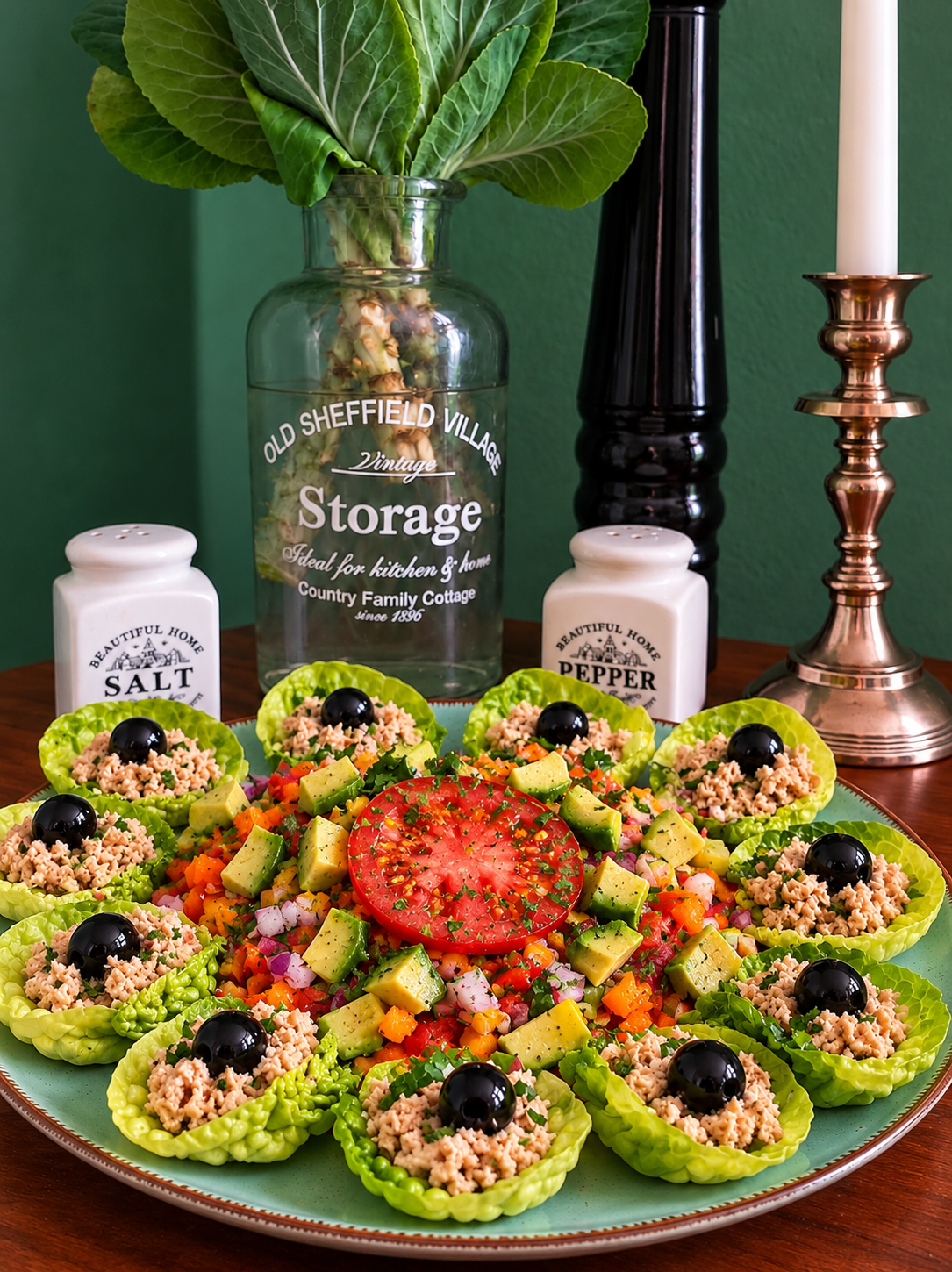
Seychelles – An Island Nation with a Rich Creole Food CultureThe Seychelles is an archipelago of 115 islands in the Indian Ocean, northeast of Madagascar. Its culinary traditions reflect a blend of African, French, Indian and other influences, shaped by the islands' tropical climate and close relationship with the sea. Fish, seafood, coconut, rice, vegetables, chili, lime and fragrant herbs are important ingredients in Seychellois Creole cooking. Freshly prepared dishes with citrus and aromatic seasonings are particularly well suited to the warm climate, while the country's fishing industry, especially tuna fishing and processing, plays a significant economic role.
What Are Seychelles Vegan Creole “Tuna” Salad Boats?This Via Veggie Vegan creation is inspired by Seychellois tuna salads and the fresh, vibrant flavors associated with Creole island cooking. It is not presented as a traditional national recipe. Instead, conventional tuna is replaced with a plant-based tuna alternative, while the boiled egg sometimes found in tuna salads is omitted entirely. Crisp Romaine lettuce leaves become edible little boats filled with vegan tuna and black olives. Avocado, cucumber, red onion and chili add color and texture, while a dressing of fresh lime juice, extra virgin olive oil, chives, Thai basil, coriander and a pinch of Kala Namak brings everything together. The result is a playful, completely vegan interpretation of island-inspired salad flavors.
Cook this recipe →
Recipe postcard
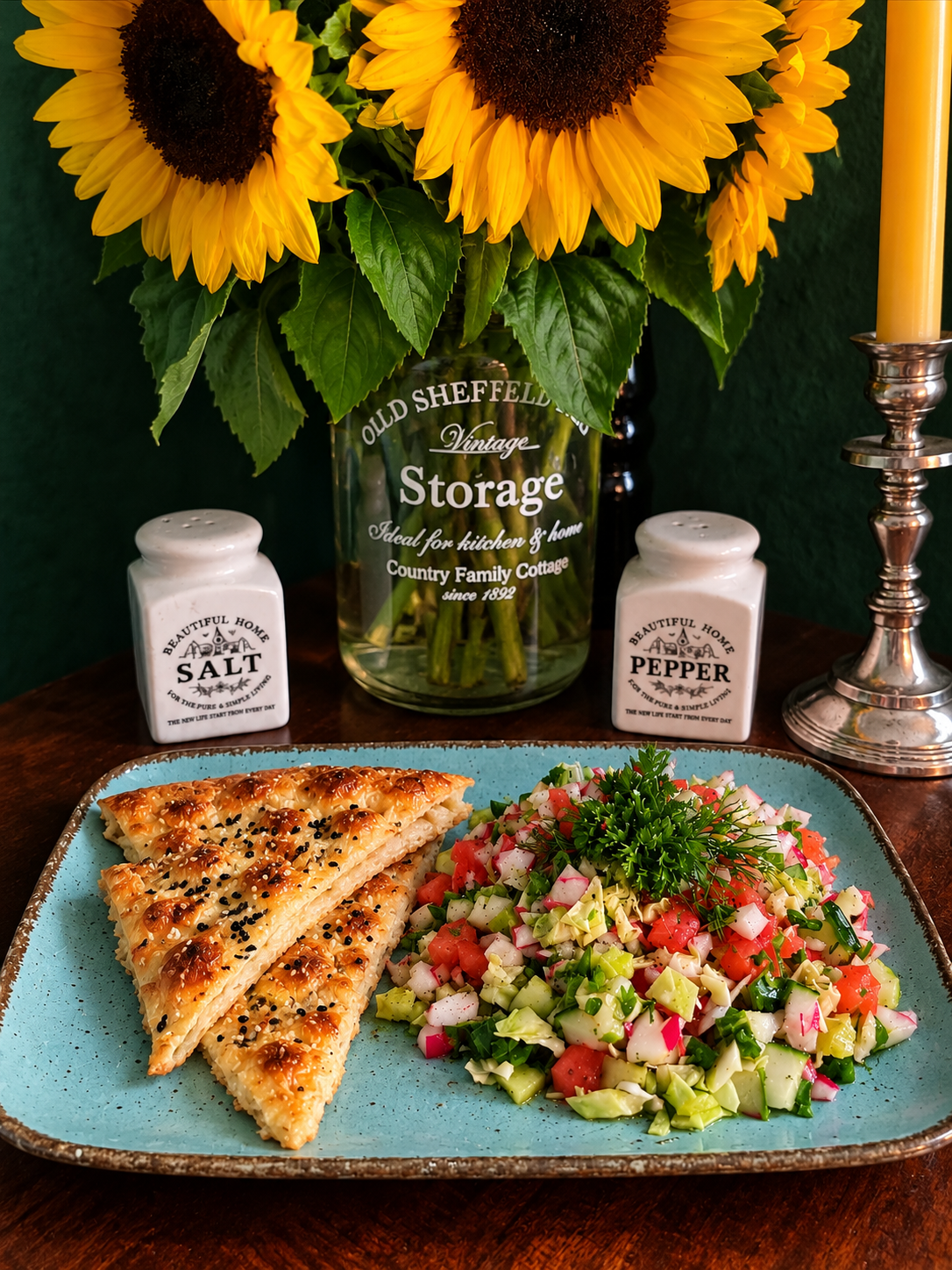
Turkmenistan – A Country of Central Asian Food TraditionsTurkmenistan is a Central Asian country bordered by Kazakhstan, Uzbekistan, Afghanistan, Iran and the Caspian Sea. Much of its landscape is dominated by the Karakum Desert, while agriculture and food traditions are closely connected to fertile oases and irrigated regions. Bread, vegetables, grains, meat dishes and fresh herbs all have a place in Turkmen cuisine. Hospitality and sharing food are important elements of everyday life, and fresh salads provide a welcome contrast to richer dishes.
What Is Turkmen Chopped Summer Salad?This Turkmen-inspired summer salad combines finely chopped seasonal vegetables with aromatic dill, parsley and a simple dressing. Its fresh character is reminiscent of chopped vegetable salads found throughout Central Asia and neighboring culinary traditions. The combination of cabbage, cucumber, tomatoes, radishes and herbs creates a particularly crunchy texture. My version brings everything together with extra virgin olive oil, freshly squeezed lemon juice, a little vinegar and a gentle touch of chili. Simple ingredients, plenty of freshness and absolutely no complicated cooking required.
Cook this recipe →
Recipe postcard
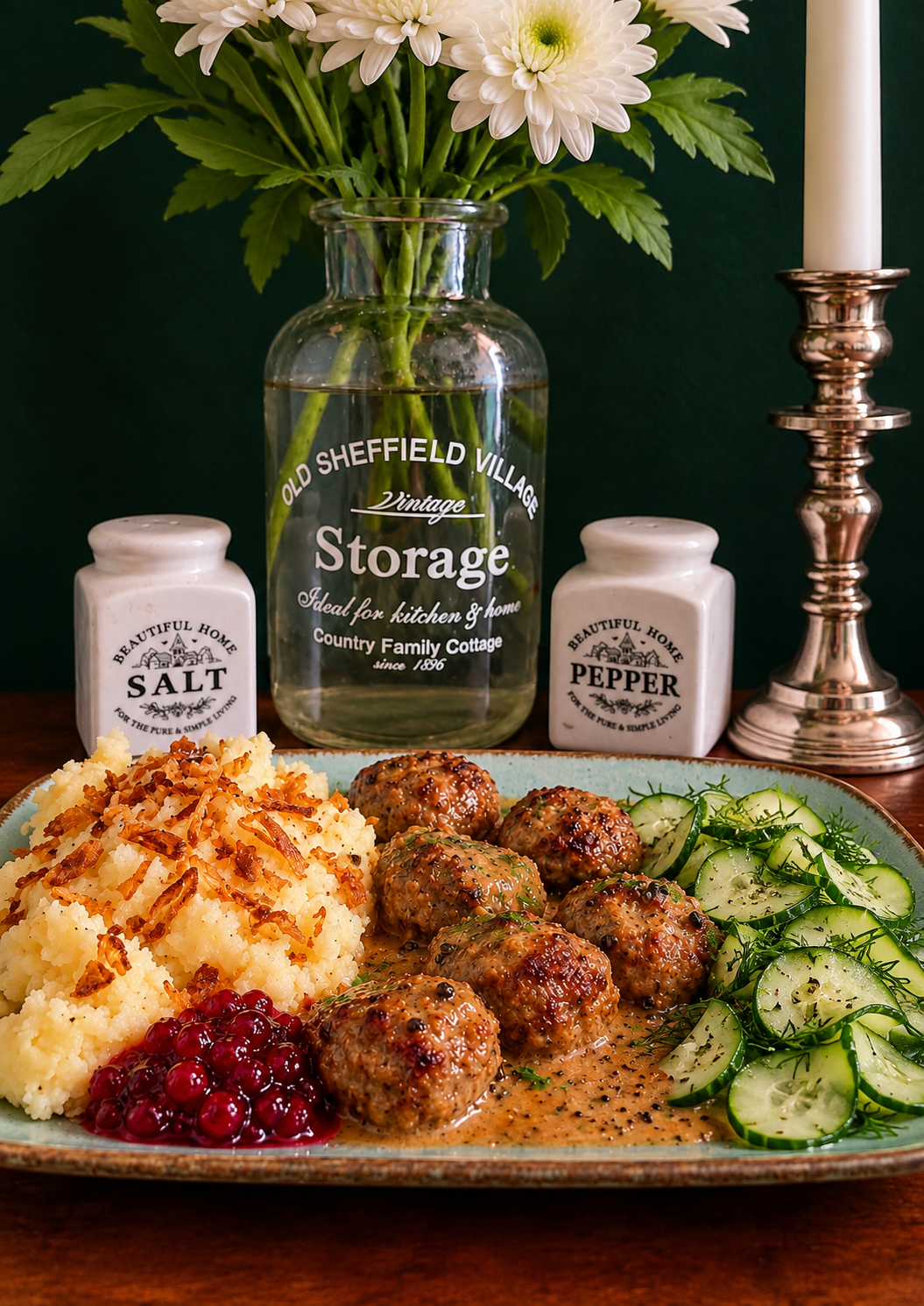
Sweden – Scandinavian Comfort Food and Culinary TraditionsSwedish cuisine is deeply influenced by the country's northern climate, agricultural heritage and long-standing traditions of home cooking. Potatoes, root vegetables, berries, fresh herbs and preserved ingredients have played an important role in everyday meals for generations. Swedish food culture is particularly known for its comforting dishes, balanced flavours and the tradition of husmanskost – simple, hearty home-style cooking. From cosy family kitchens to traditional restaurants, these dishes reflect Sweden's appreciation for satisfying meals made from familiar ingredients.
Köttbullar – Sweden's Famous MeatballsKöttbullar are among Sweden's most internationally recognised dishes. Traditionally made with minced meat, breadcrumbs, onion, milk or cream and warming spices, Swedish meatballs are commonly served with creamy gravy, mashed potatoes, lingonberry jam and sometimes pickled cucumber. Allspice is a particularly characteristic seasoning in many traditional recipes. This Via Veggie Vegan interpretation replaces the meat and dairy products with plant-based alternatives while preserving the essential flavours and classic accompaniments. Homemade vegan meatballs, rich gravy, fluffy potatoes, sweet-tart lingonberries and fresh dill cucumber salad create a completely plant-based version of this beloved Swedish comfort food.
Cook this recipe →
Recipe postcard
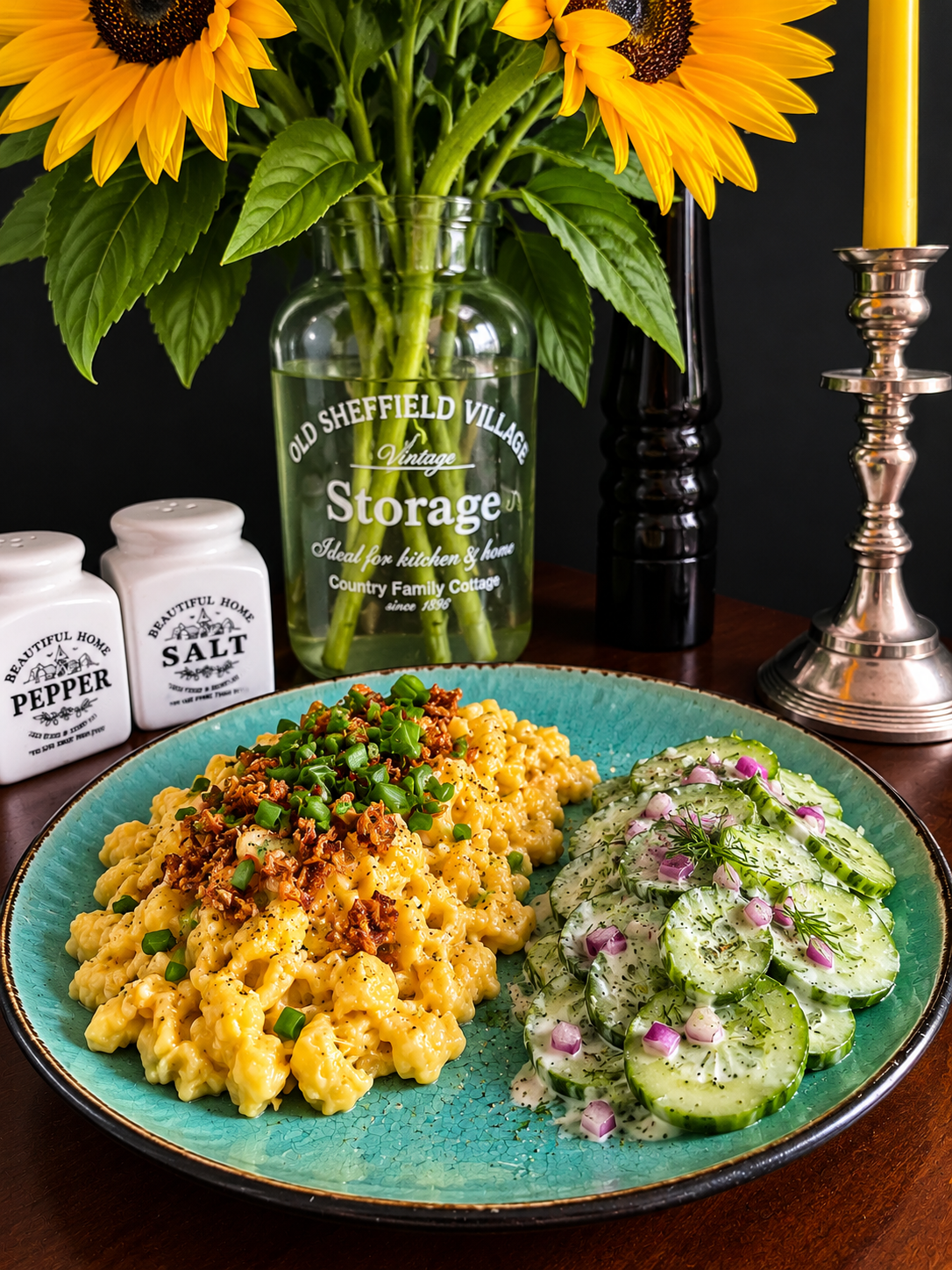
Switzerland – Alpine Comfort Food and Regional Culinary TraditionsSwitzerland is famous for its Alpine landscapes, regional food traditions and long history of cheese-making. Swiss cuisine reflects influences from neighbouring Germany, France, Italy and Austria, while also maintaining its own distinctive regional specialities. In German-speaking Switzerland, hearty dishes made with potatoes, flour, dairy products and cheese have long been associated with everyday home cooking and mountain life. The country's different regions have developed their own culinary identities, making Switzerland a fascinating destination for anyone exploring traditional European comfort food.
Chäschnöpfli – Switzerland's Beloved Cheese SpätzleSpätzle and Knöpfli belong to the shared culinary heritage of the German-speaking Alpine region, with particularly well-known traditions in southern Germany, Austria and Switzerland. In Switzerland, the small dumpling-like pasta is often called Knöpfli, while versions combined with melted cheese are known as Chäschnöpfli or Käsespätzli. Traditional preparations generally use eggs in the dough and regional cheeses for their rich flavour. My Via Veggie Vegan version replaces the eggs with sparkling mineral water, Kala Namak and turmeric, while plant-based cheddar, almond butter and nutritional yeast create a creamy, savoury finish. A fresh cucumber dill salad provides a colourful contrast to this wonderfully comforting Swiss-inspired dish.
Cook this recipe →
Recipe postcard
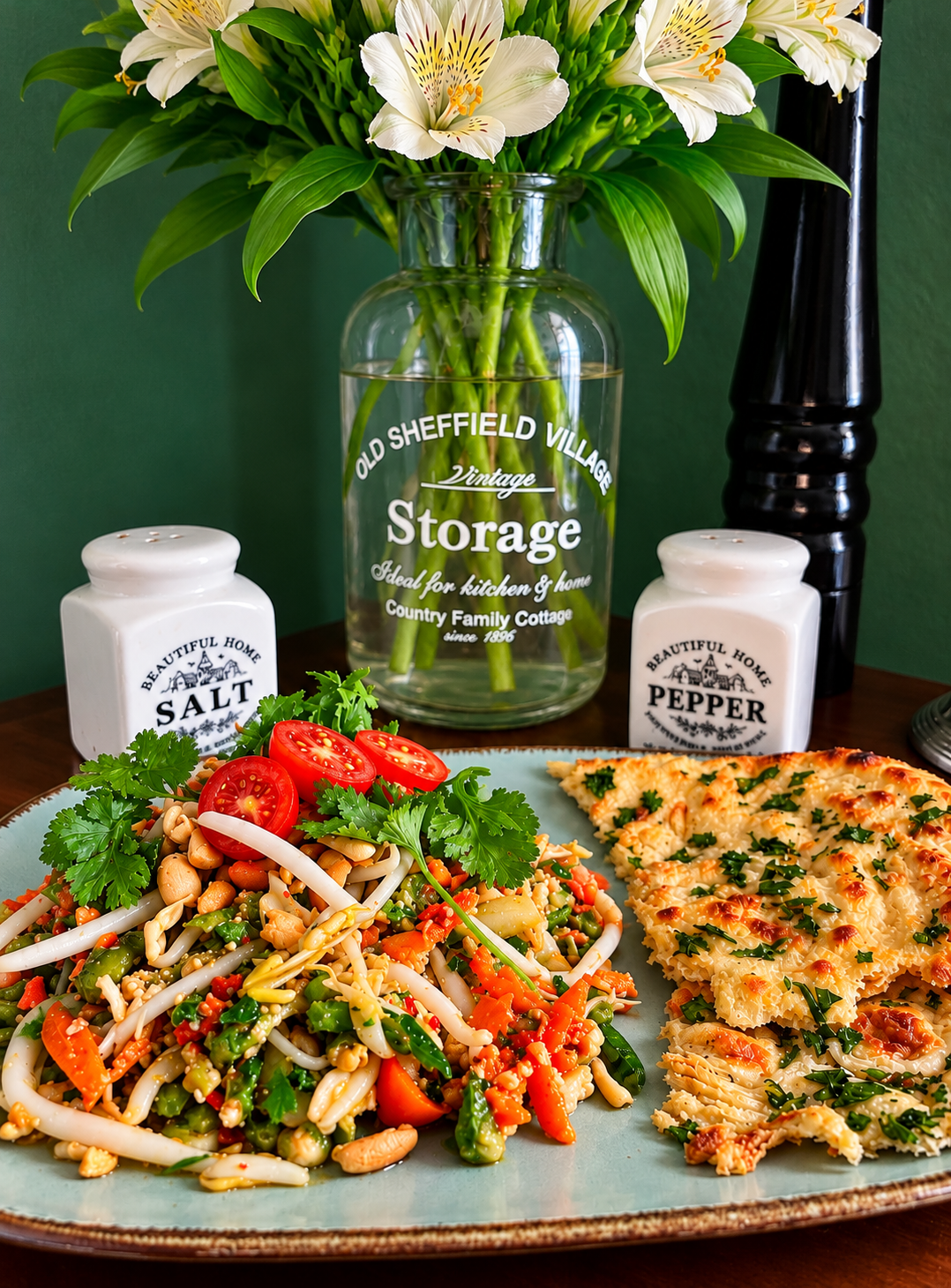
Indonesia – A Culinary Journey to West JavaIndonesia is a vast Southeast Asian archipelago with an extraordinary diversity of regional cuisines, ingredients and culinary traditions. West Java is home to the Sundanese people, whose food culture is particularly associated with fresh vegetables, aromatic herbs, sambal and rice. Sundanese cuisine often celebrates the natural flavours and textures of vegetables, making it a wonderful source of inspiration for plant-based cooking. Fresh produce, chillies, garlic, peanuts and fragrant rhizomes such as kencur play important roles in many local preparations. Karedok is one of the region's best-known vegetable dishes and beautifully reflects this appreciation for freshness, texture and bold seasoning.
Karedok – A Traditional Sundanese Salad with a Vegan TwistKaredok is a traditional Sundanese vegetable salad from West Java, usually prepared with raw vegetables and a thick, aromatic peanut dressing. Common ingredients include cabbage, cucumber, bean sprouts, long beans and fresh herbs, while the dressing typically combines roasted peanuts, garlic, chilli, palm sugar, tamarind and kencur. Some versions also contain terasi, a fermented shrimp paste that adds savoury depth. My Via Veggie Vegan interpretation replaces terasi with white miso, adds carrot, Thai basil and fresh coriander, and uses thoroughly cooked ordinary green beans instead of raw long beans. The result is a colourful, crunchy and completely plant-based version inspired by the flavours of traditional Karedok.
Cook this recipe →
Recipe postcard
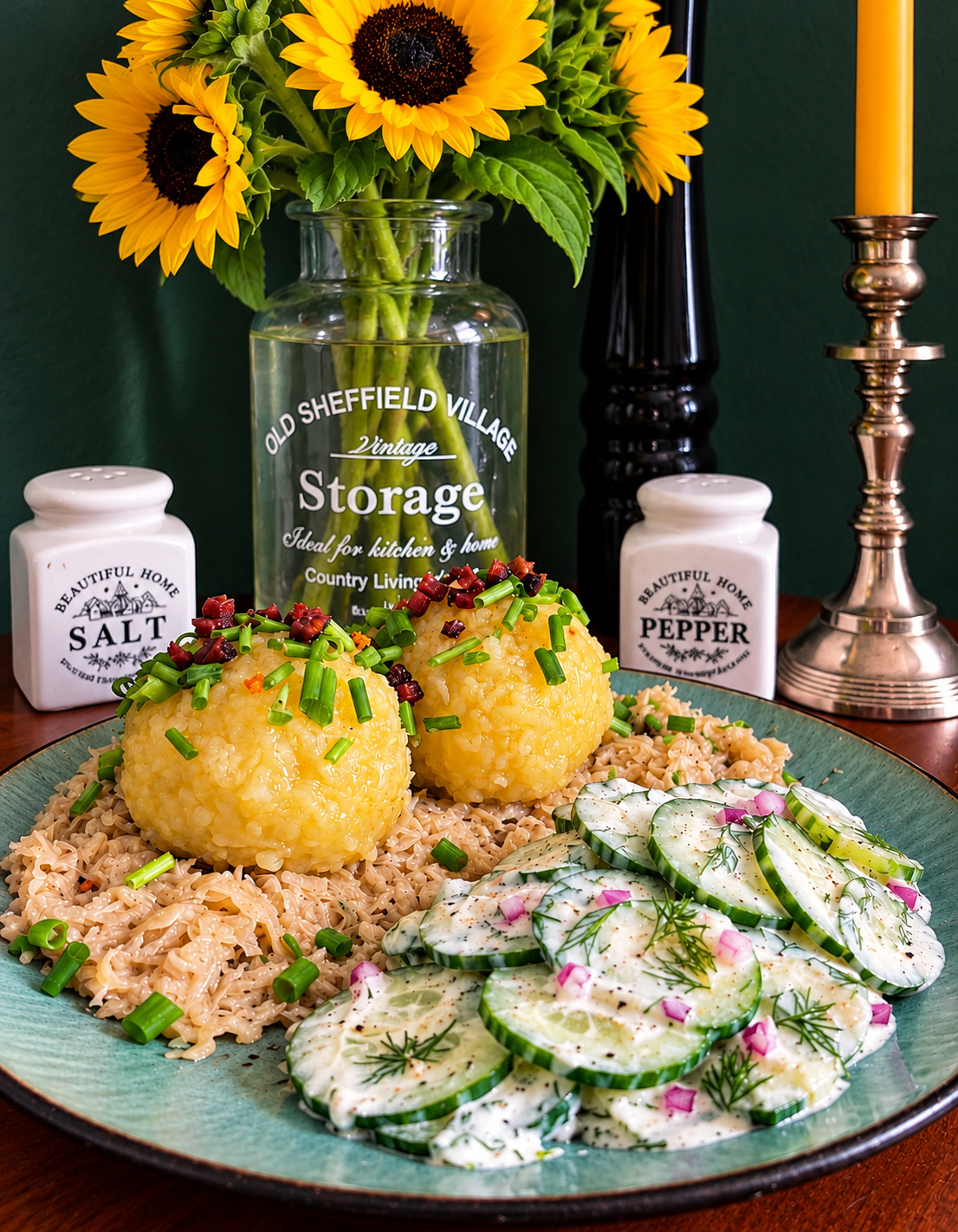
Austria – Alpine Landscapes and a Rich Culinary HeritageAustria is a landlocked country in Central Europe, famous for its spectacular Alpine landscapes, historic cities and diverse regional food traditions. Its cuisine reflects centuries of cultural exchange within the former Habsburg monarchy and neighbouring countries. Hearty dumplings, potato dishes, seasonal vegetables and traditional pastries play an important role in Austrian cooking. From Tyrolean mountain specialities to Viennese classics and the rustic cuisine of Upper Austria, the country's culinary heritage is wonderfully varied.
What Are Grammelknödel?Grammelknödel are traditional Austrian dumplings particularly associated with Upper Austria. The name combines Grammeln, meaning crispy pork cracklings, with Knödel, the German word for dumplings. Traditionally, a soft potato dough is filled with seasoned cracklings, onions and marjoram, then gently cooked and commonly served with sauerkraut. My Via Veggie Vegan interpretation replaces the traditional pork filling with savoury plant-based ham cubes and uses a completely vegan potato dough. Served with creamy sauerkraut and a refreshing cucumber-dill salad, this hearty Austrian classic becomes a delicious plant-based comfort meal.
Cook this recipe →
Recipe postcard
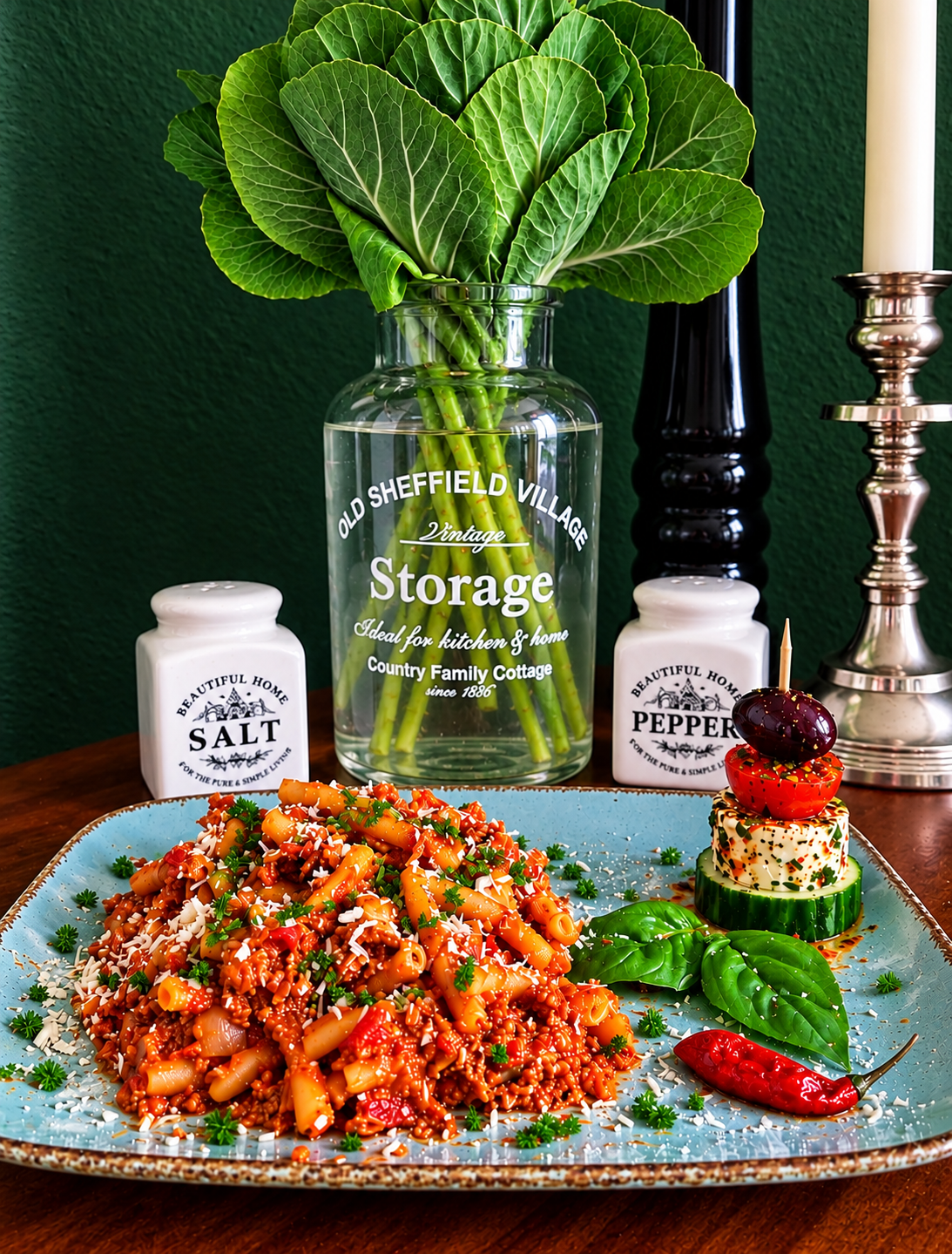
Libya – A North African Country of Mediterranean and Desert Traditions
Libya is a North African country bordering the Mediterranean Sea, with a culinary heritage shaped by Amazigh, Arab, Mediterranean and historical Ottoman influences. Its cuisine combines grains, vegetables, legumes, meat and aromatic spices, with dishes varying across regions and households. Tomatoes, garlic, chilies, olive oil and warming spice blends feature prominently in many Libyan preparations. Pasta also holds an important place in everyday cooking, reflecting the country's long history of Mediterranean cultural exchange.
What Is Mbakbaka?
Mbakbaka, also written Imbakbaka, is a popular Libyan one-pot pasta dish traditionally prepared by simmering dry pasta directly in a seasoned tomato-based broth. Unlike conventional pasta recipes, the noodles absorb the flavors of the sauce while releasing starch, creating a rich consistency somewhere between pasta and stew. Many versions contain lamb, beef or chicken, while the spices and vegetables vary between families. This Via Veggie Vegan interpretation replaces meat with plant-based mince and uses a homemade Bzaar-inspired spice blend. Fresh parsley, lemon juice and vegan grated cheese complete this hearty, spicy dish.
Cook this recipe →
Recipe postcard
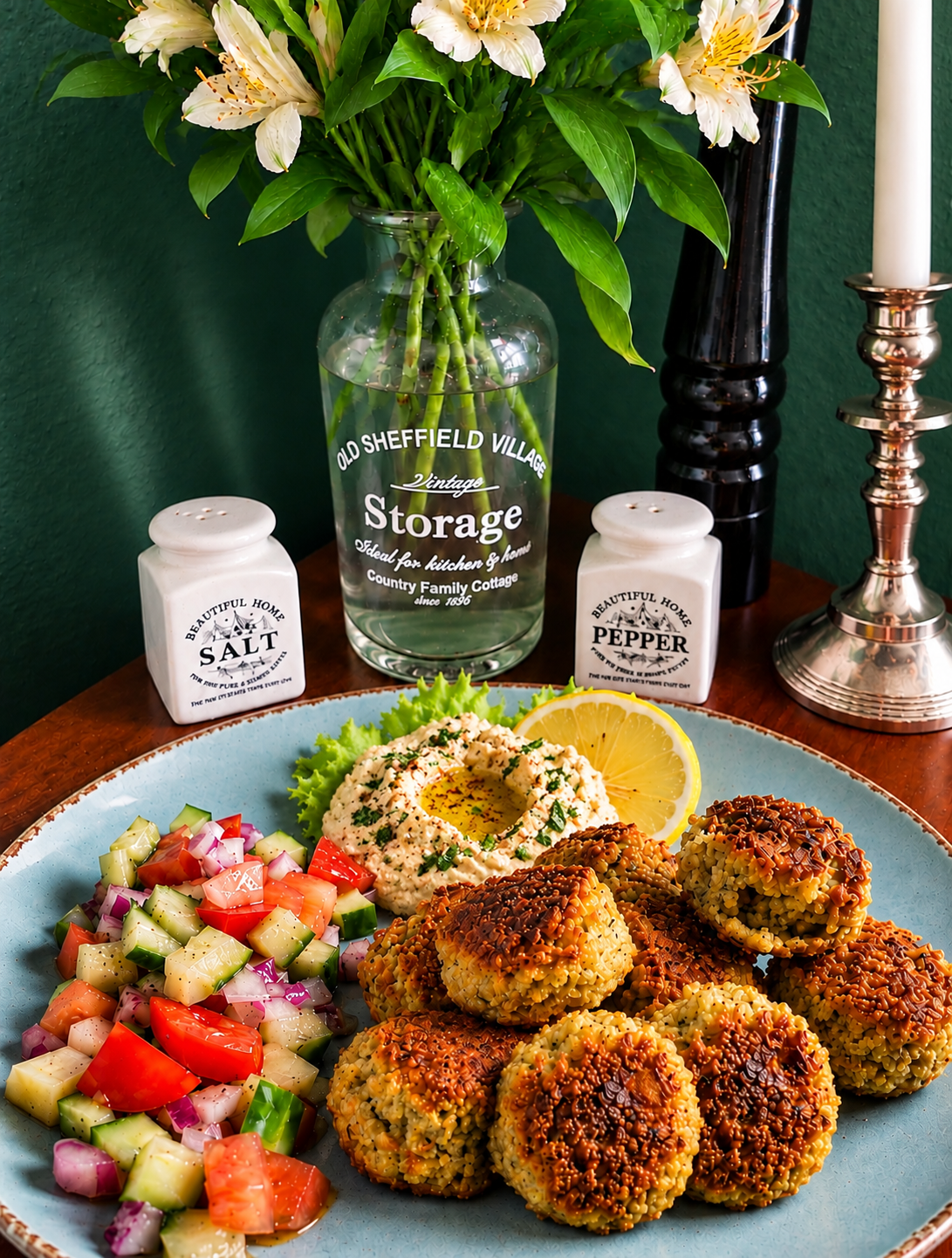
Israel – A Crossroads of Culinary Traditions
Located on the eastern Mediterranean, Israel has a diverse food culture shaped by Jewish communities from around the world and the culinary traditions of the wider Middle East. Markets, bakeries and street-food stalls offer fresh vegetable salads, aromatic flatbreads, hummus, tahini and falafel. Tel Aviv is particularly known for its lively food scene, where regional traditions and contemporary cooking meet.
What Are Falafel with Hummus and Israeli Salad?
Falafel are crispy fried balls or patties made from soaked chickpeas, fava beans or both, seasoned with herbs and spices. Their origins are often associated with Egypt, and they have become popular throughout the Middle East, including Palestinian and Israeli cuisine. Served with creamy hummus and a finely chopped tomato-cucumber salad, they create a satisfying combination of textures and flavors. This naturally vegan version celebrates a classic Middle Eastern combination with plenty of garlic, cumin and coriander.
Cook this recipe →
