Recipe postcard
Nigeria – The Home of Suya and Bold West African FlavoursNigeria is a West African country with a remarkably diverse culinary heritage, shaped by its many ethnic communities and regional food traditions. Suya is one of its most recognisable street foods and is particularly associated with the Hausa culinary traditions of northern Nigeria. Traditionally, thin pieces of meat are coated in a fragrant, spicy peanut-based seasoning and grilled over charcoal. Suya is commonly served with sliced onions, tomatoes and other fresh accompaniments, creating a delicious contrast between smoky, spicy and refreshing flavours.
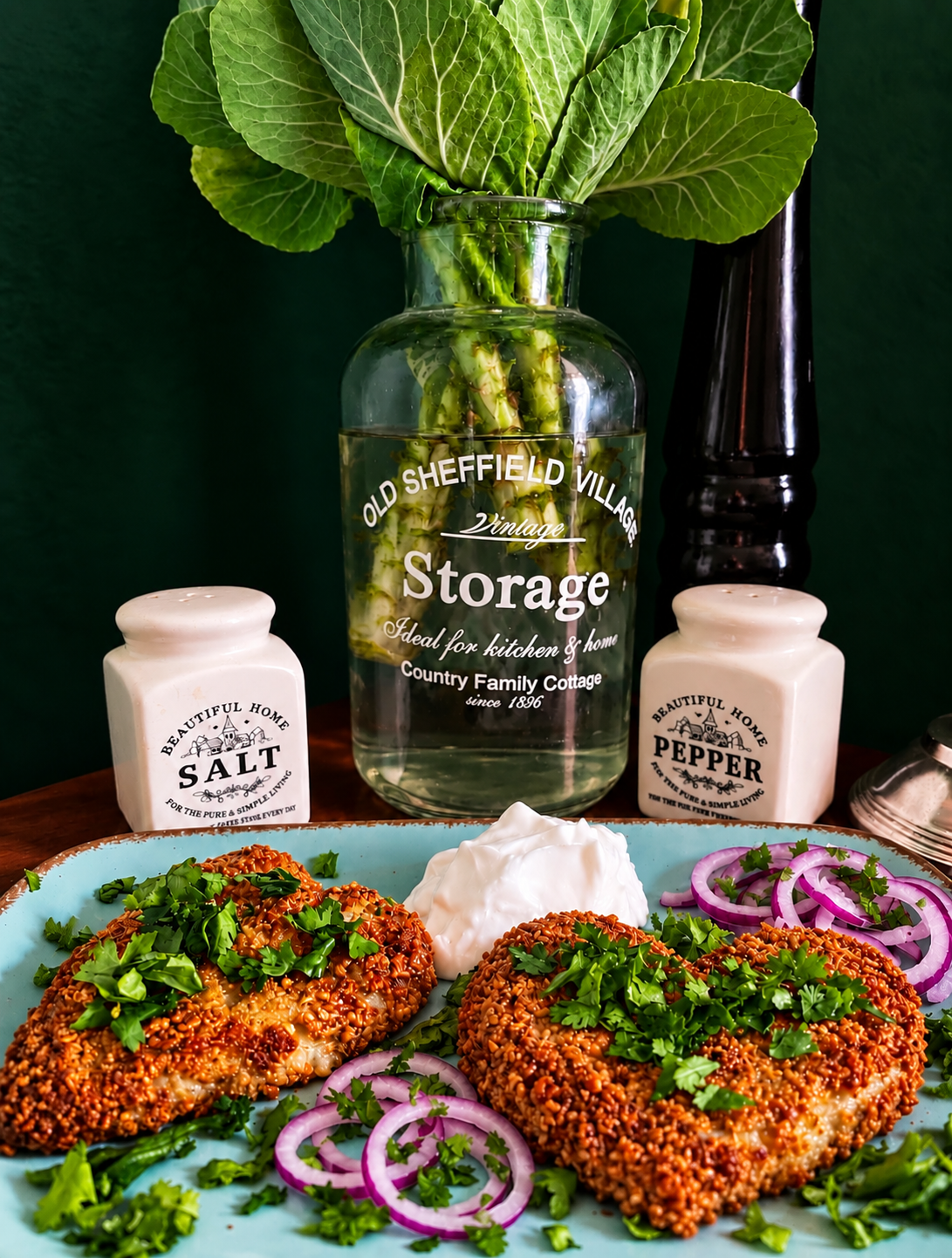
What Are Nigerian Suya Cauliflower Hearts?Suya Cauliflower Hearts are my creative Via Veggie Vegan interpretation of Nigerian suya flavours rather than a traditional Nigerian dish. Instead of meat, I use cooked cauliflower, remove the excess moisture and shape it into two decorative hearts. The cauliflower is coated with homemade Yaji, a seasoning inspired by Nigerian suya spice blends and made with roasted peanuts, chilli, ginger, garlic and aromatic spices. After baking, the golden hearts are served with vegan sour cream, red onion rings and fresh coriander. The result is a completely plant-based fusion dish with a nutty, spicy crust and a playful presentation.
Cook this recipe →
Recipe postcard
Bulgaria – Fresh Flavours from the BalkansBulgaria is a country in southeastern Europe with a rich culinary heritage influenced by Balkan, Mediterranean and Ottoman traditions. Fresh vegetables, herbs, peppers, yogurt and white brined cheese play an important role in Bulgarian cooking. Shopska Salata became widely popular during the 1950s and developed into one of the country's most recognisable dishes. Its combination of red tomatoes, green cucumber and peppers, and white cheese is often associated with the colours of the Bulgarian flag.
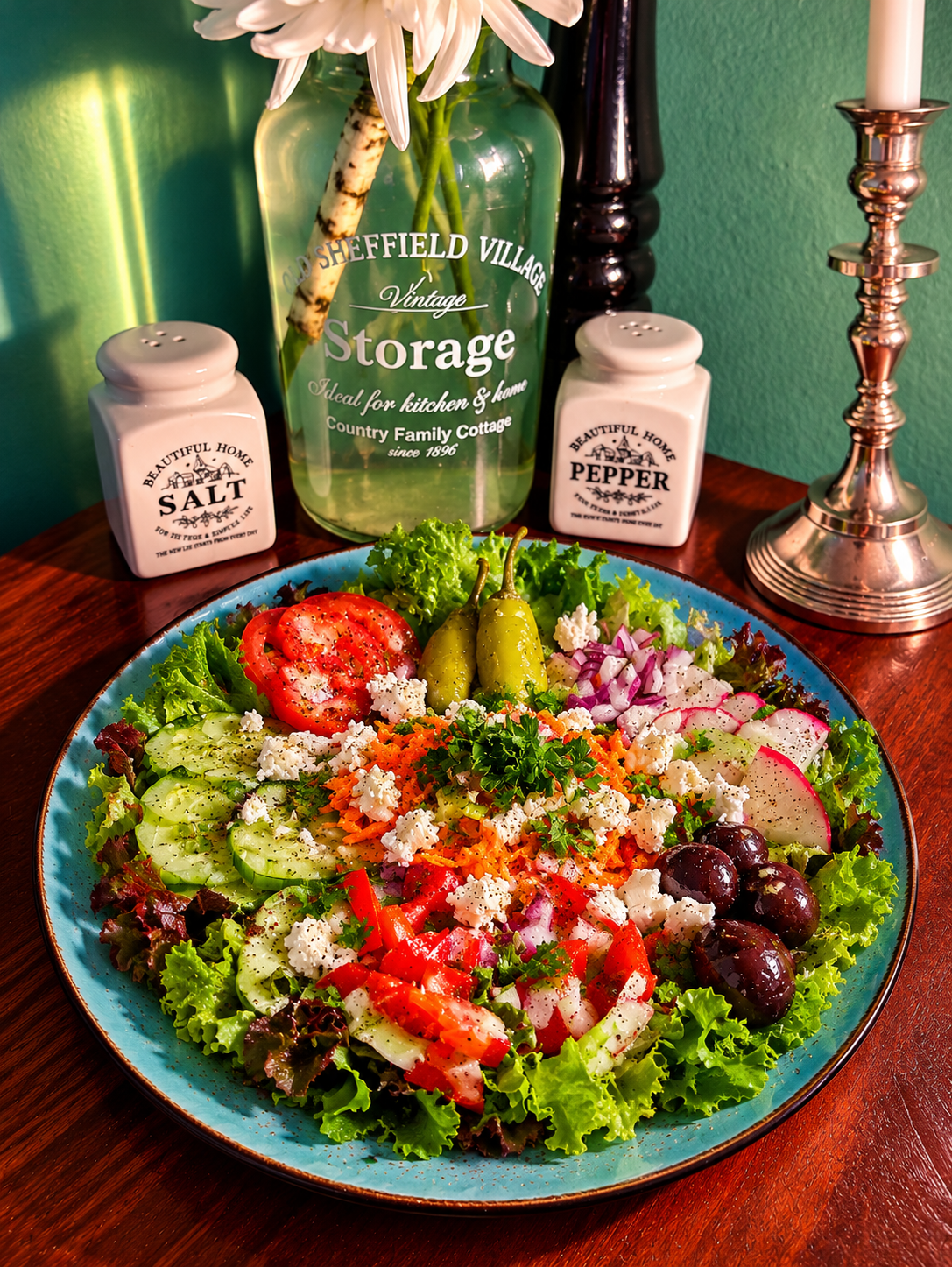
What Is Shopska Salata?Shopska Salata is a traditional Bulgarian salad usually made with tomatoes, cucumber, peppers, onion, parsley and generously grated Sirene, a white brined cheese. My Via Veggie Vegan interpretation replaces the dairy cheese with a vegan feta alternative and adds leafy greens, radishes, carrots, black olives and mild pickled peppers for extra colour and crunch. Instead of a classic oil-and-vinegar dressing, I prepare a creamy Zero-Waste cucumber dressing using the reserved cucumber peel, unsweetened soy yogurt, garlic, mustard and apple cider vinegar. The result is a refreshing, colourful and fully plant-based version of this beloved Bulgarian classic.
Cook this recipe →
Recipe postcard
Seychelles – An Island Nation with a Rich Creole Food CultureThe Seychelles is an archipelago of 115 islands in the Indian Ocean, northeast of Madagascar. Its culinary traditions reflect a blend of African, French, Indian and other influences, shaped by the islands' tropical climate and close relationship with the sea. Fish, seafood, coconut, rice, vegetables, chili, lime and fragrant herbs are important ingredients in Seychellois Creole cooking. Freshly prepared dishes with citrus and aromatic seasonings are particularly well suited to the warm climate, while the country's fishing industry, especially tuna fishing and processing, plays a significant economic role.
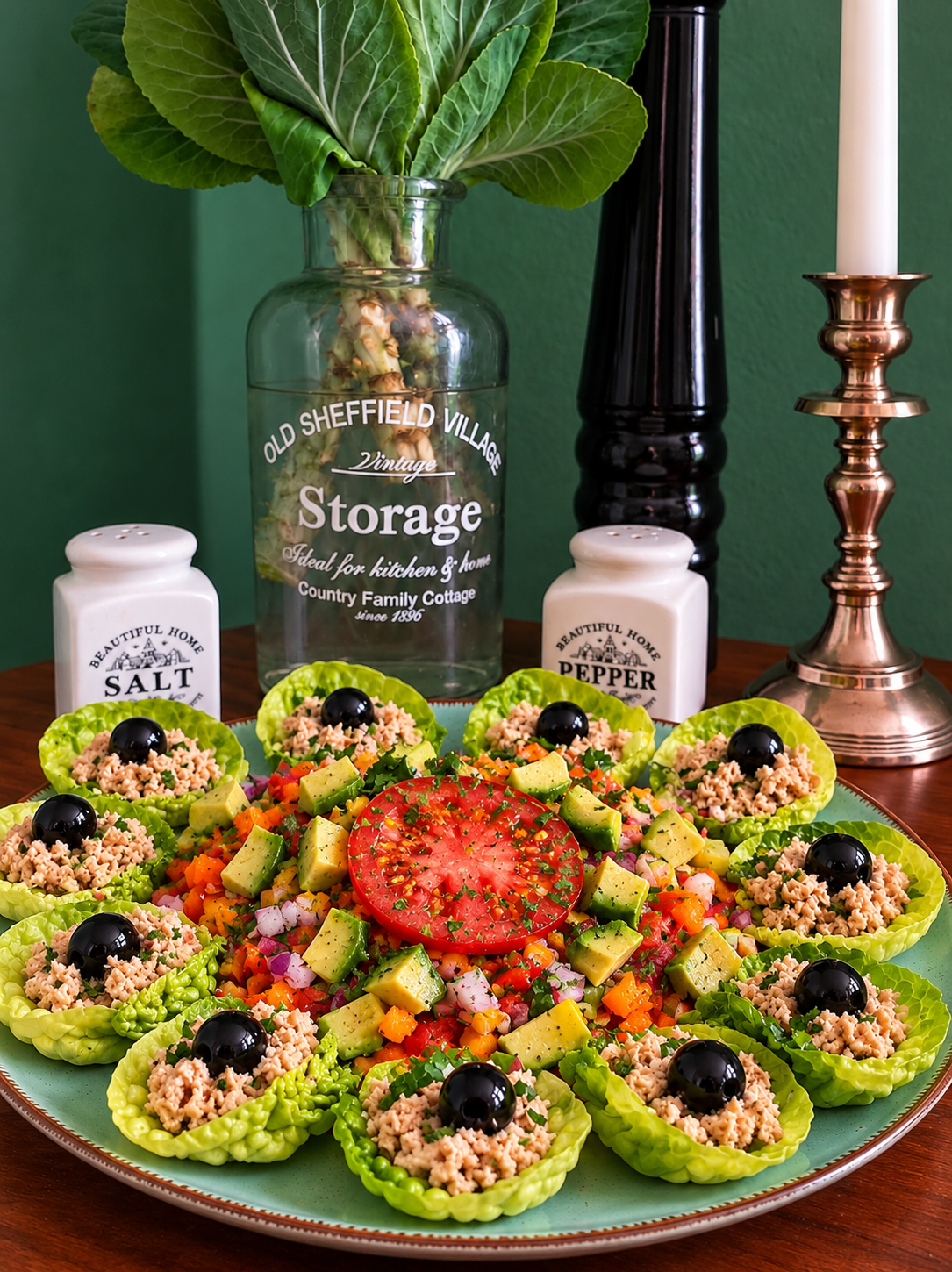
What Are Seychelles Vegan Creole “Tuna” Salad Boats?This Via Veggie Vegan creation is inspired by Seychellois tuna salads and the fresh, vibrant flavors associated with Creole island cooking. It is not presented as a traditional national recipe. Instead, conventional tuna is replaced with a plant-based tuna alternative, while the boiled egg sometimes found in tuna salads is omitted entirely. Crisp Romaine lettuce leaves become edible little boats filled with vegan tuna and black olives. Avocado, cucumber, red onion and chili add color and texture, while a dressing of fresh lime juice, extra virgin olive oil, chives, Thai basil, coriander and a pinch of Kala Namak brings everything together. The result is a playful, completely vegan interpretation of island-inspired salad flavors.
Cook this recipe →
Recipe postcard
Eritrea – A Culinary Heritage of Spices and Shared TraditionsLocated in the Horn of Africa along the Red Sea, Eritrea has a diverse culinary heritage shaped by regional traditions, agriculture and centuries of cultural exchange. Aromatic spices, lentils, vegetables and richly flavoured stews play an important role in Eritrean cooking. Many traditional dishes are served with Injera, a soft, fermented flatbread that forms the foundation of a shared meal. Berbere, a distinctive chilli-based spice blend, is one of the country's most characteristic seasonings.
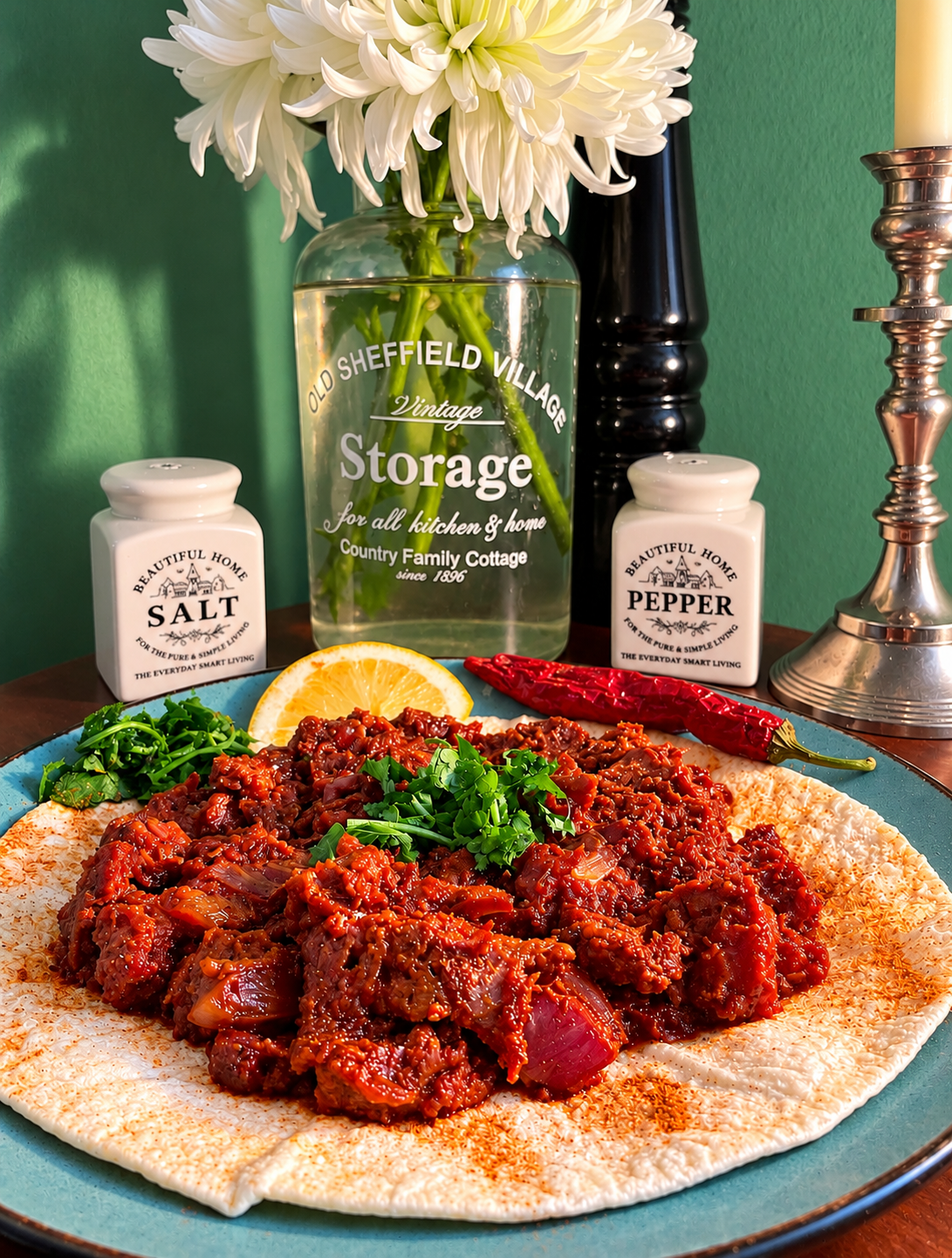
Zigni – Eritrea's Rich and Spicy Traditional StewZigni is one of Eritrea's best-known traditional dishes, typically prepared with beef simmered in a deeply flavoured tomato and onion sauce seasoned with Berbere. The generous quantity of slowly cooked onions creates natural sweetness and richness, while the spice mixture adds warmth, heat and complexity. My Via Veggie Vegan version replaces beef with plant-based steak strips and traditional spiced butter with vegan butter. Fresh tomatoes, homemade Berbere-inspired spices, plum syrup and a small piece of dark chocolate give the sauce its own deliciously intense character.
Cook this recipe →
Recipe postcard
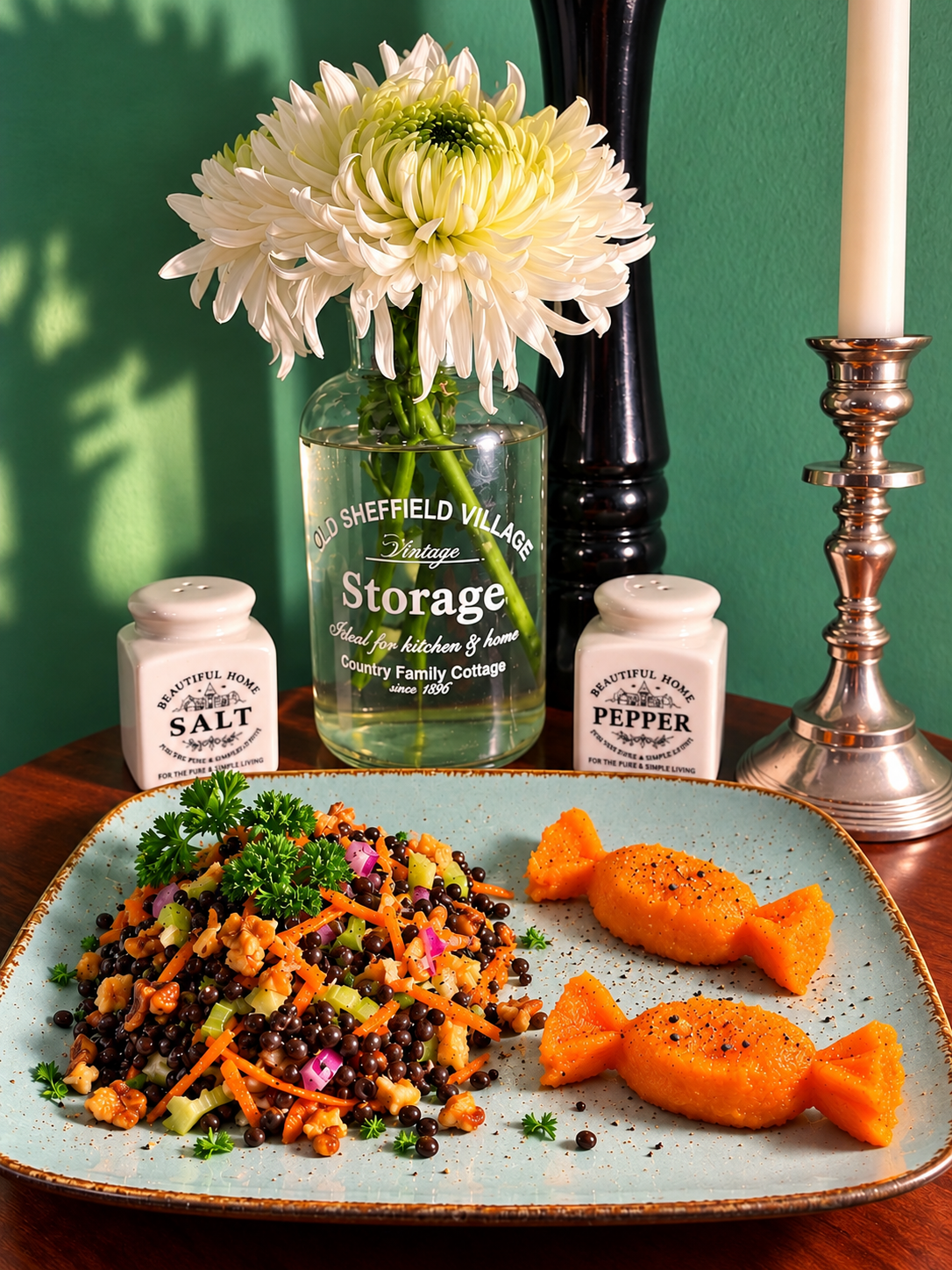
France – A Culinary Celebration of the SeasonsFrench cuisine has a long tradition of celebrating fresh, seasonal ingredients and regional produce. As autumn arrives, walnuts, root vegetables, lentils and warming, earthy flavours take centre stage. From countryside kitchens to neighbourhood bistros, simple salads made with pulses, vegetables and aromatic vinaigrettes reflect the French appreciation for quality ingredients and thoughtful preparation.
Salade d’Automne aux Lentilles et Noix – A French Autumn ClassicFrench lentil salads are traditionally prepared with firm, flavourful lentils, often the famous green Lentilles Vertes du Puy, and dressed with mustard vinaigrette. This autumn-inspired interpretation uses black Beluga lentils, which retain their shape beautifully and offer a delicate, earthy flavour. Toasted walnuts, crunchy vegetables and a slightly sweet walnut oil vinaigrette create a wonderful balance of textures and seasonal aromas.
Cook this recipe →
Recipe postcard
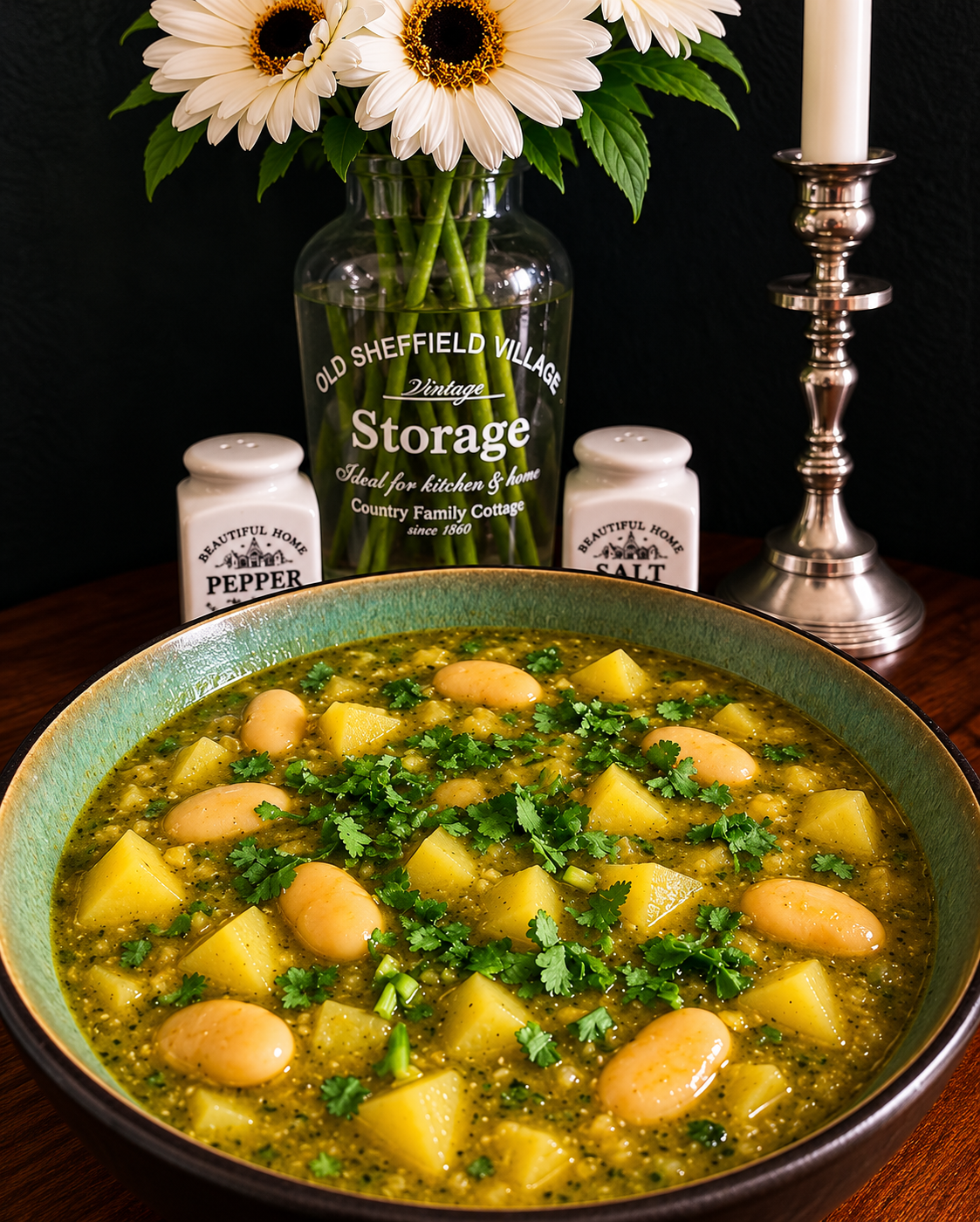
Peru – A Culinary Treasure of the Andes and Pacific CoastPeruvian cuisine is one of South America's most diverse culinary traditions, shaped by the country's Andean heritage, Pacific coastline, Amazonian biodiversity and centuries of cultural exchange. Potatoes, corn, beans, quinoa and countless varieties of chili peppers have been essential ingredients for generations. Peru is particularly famous for its extraordinary potato diversity and its distinctive ají peppers, which give many traditional dishes their characteristic flavour, colour and heat.
What Is Seco de Frijoles y Papas?Seco is a traditional herb-rich stew enjoyed in Peru and Ecuador, commonly prepared with meat and flavoured with fresh coriander, onions, garlic and chili peppers. Despite its name, which literally means "dry", seco is known for its generous, aromatic sauce. My Via Veggie Vegan interpretation replaces the meat with creamy white giant beans, tender potatoes and green peas. Homemade yellow chili paste, fresh coriander and a splash of alcohol-free lager create a wonderfully fragrant base, while plant-based cream and nutritional yeast add a personal creamy twist. Served without the traditional white rice, this is a hearty, colourful and entirely plant-based interpretation of a Peruvian classic.
Cook this recipe →
Recipe postcard
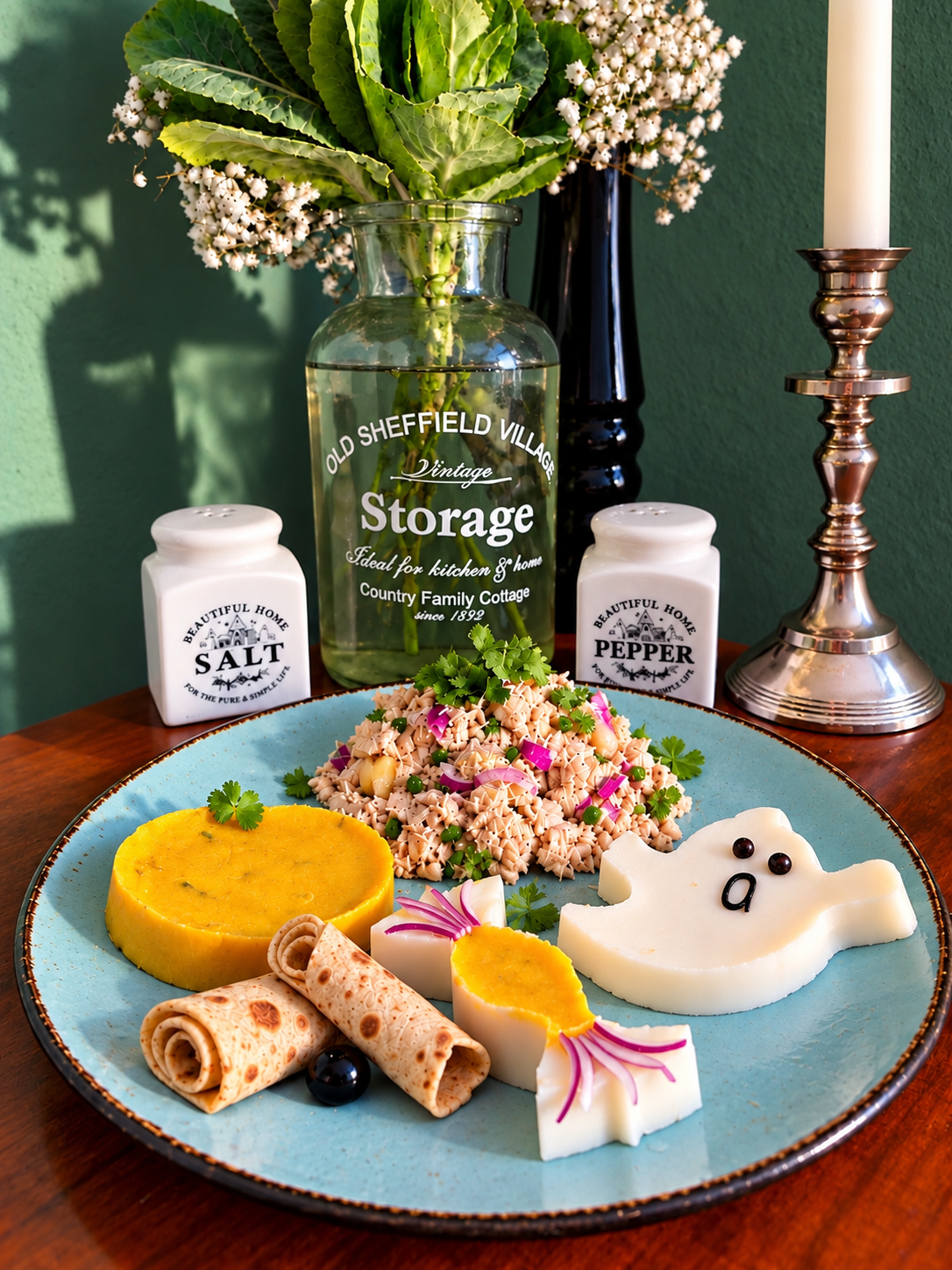
Maldives – Island Cuisine Shaped by the Indian OceanThe Maldives is a tropical island nation in the Indian Ocean, southwest of India and Sri Lanka. Its culinary traditions are closely connected to the sea, with tuna, coconut, chili and aromatic ingredients playing central roles in everyday cooking. Indian and Sri Lankan influences have also shaped Maldivian food culture over generations. Simple, fresh ingredients and the combination of savory, spicy and citrus flavors are characteristic of many traditional dishes.
Mas Huni & Roshi – The Classic Maldivian BreakfastMas Huni is one of the Maldives' most beloved breakfast dishes. Traditionally prepared with finely shredded tuna, freshly grated coconut, red onion, green chili and lime juice, this refreshing salad is commonly served with Roshi, a thin, unleavened flatbread cooked in a hot pan. My Via Veggie Vegan interpretation replaces tuna with a plant-based alternative and adds three playful Halloween decorations made from silken tofu. The result combines the familiar flavors of a Maldivian breakfast with a little seasonal kitchen magic.
Cook this recipe →
Recipe postcard
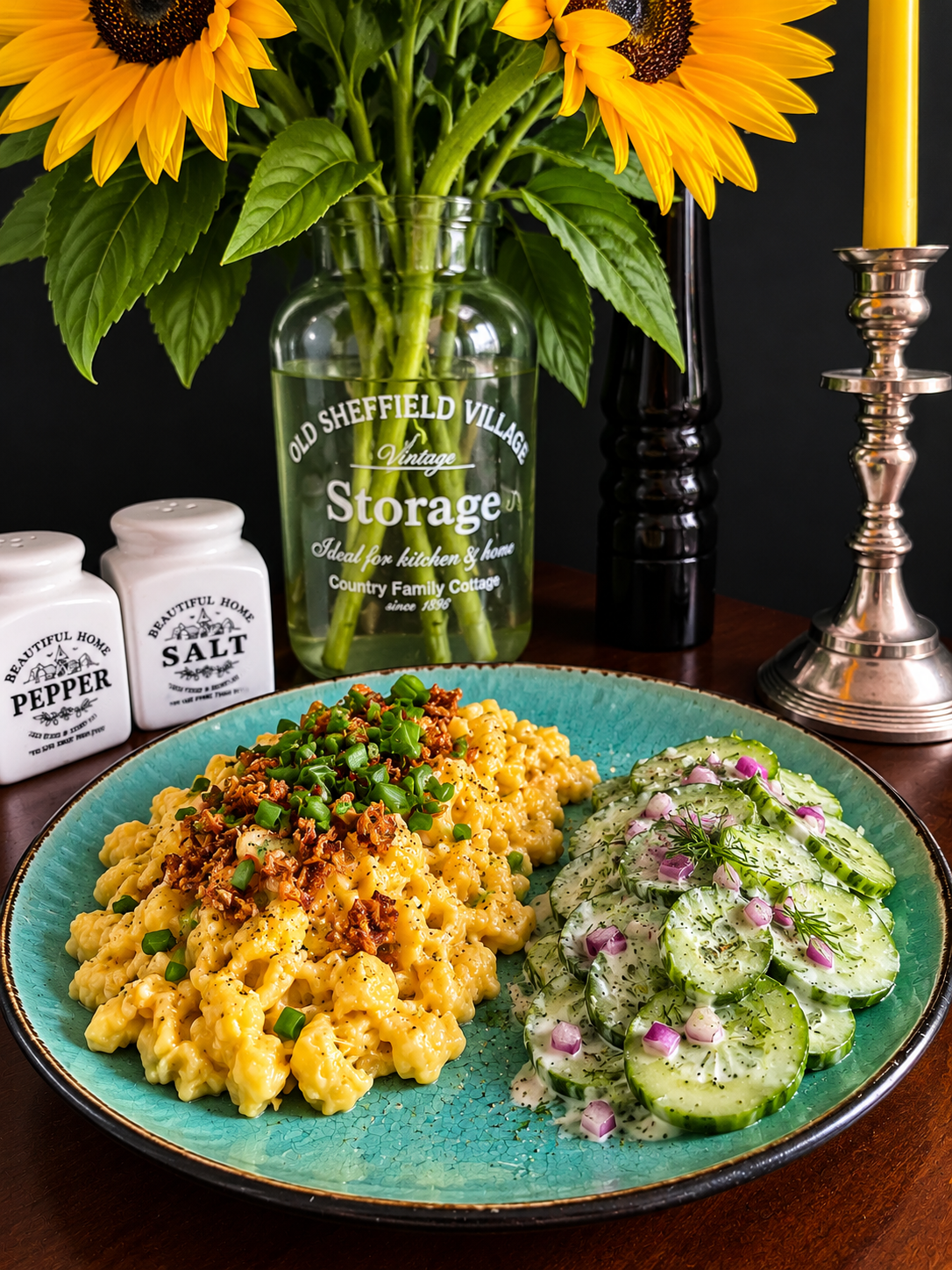
Switzerland – Alpine Comfort Food and Regional Culinary TraditionsSwitzerland is famous for its Alpine landscapes, regional food traditions and long history of cheese-making. Swiss cuisine reflects influences from neighbouring Germany, France, Italy and Austria, while also maintaining its own distinctive regional specialities. In German-speaking Switzerland, hearty dishes made with potatoes, flour, dairy products and cheese have long been associated with everyday home cooking and mountain life. The country's different regions have developed their own culinary identities, making Switzerland a fascinating destination for anyone exploring traditional European comfort food.
Chäschnöpfli – Switzerland's Beloved Cheese SpätzleSpätzle and Knöpfli belong to the shared culinary heritage of the German-speaking Alpine region, with particularly well-known traditions in southern Germany, Austria and Switzerland. In Switzerland, the small dumpling-like pasta is often called Knöpfli, while versions combined with melted cheese are known as Chäschnöpfli or Käsespätzli. Traditional preparations generally use eggs in the dough and regional cheeses for their rich flavour. My Via Veggie Vegan version replaces the eggs with sparkling mineral water, Kala Namak and turmeric, while plant-based cheddar, almond butter and nutritional yeast create a creamy, savoury finish. A fresh cucumber dill salad provides a colourful contrast to this wonderfully comforting Swiss-inspired dish.
Cook this recipe →
Recipe postcard
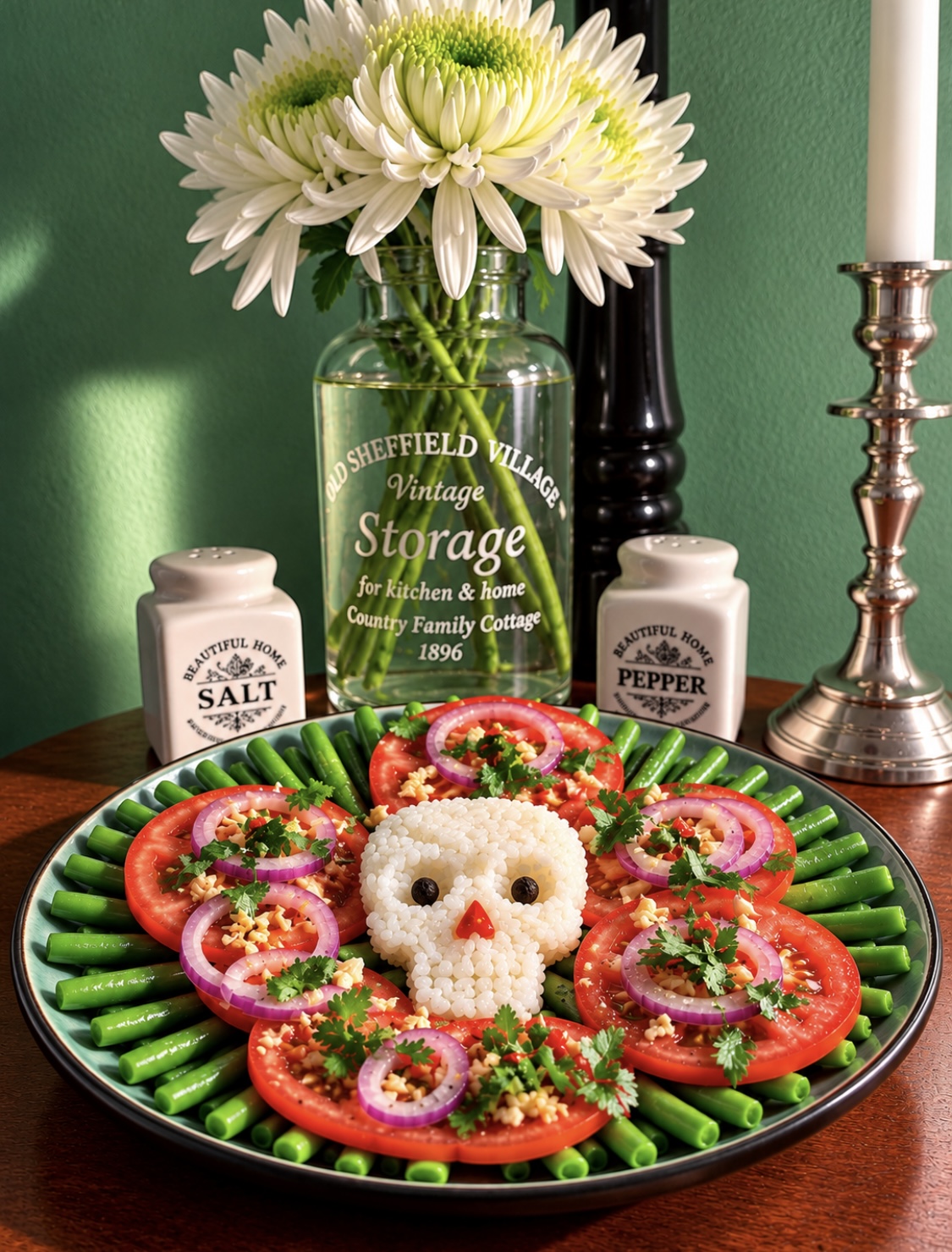
Madagascar – The Island of Extraordinary FlavoursMadagascar, the world's fourth-largest island, lies in the Indian Ocean off the southeastern coast of Africa. Its remarkable culinary heritage reflects African, Asian and European influences, shaped by centuries of migration, trade and local traditions. Rice is central to everyday Malagasy food culture and is commonly served with vegetables, legumes, sauces or meat. Fresh ingredients, ginger, garlic, chilli and aromatic herbs contribute to the distinctive flavours of the island's cuisine.
Lasary Voatabia – Madagascar's Refreshing Tomato SaladLasary Voatabia is a traditional Malagasy tomato salad, typically prepared with fresh tomatoes, onions and a tangy dressing. Depending on the household and region, ginger, lime juice, vinegar, chilli and herbs may be added. The salad is commonly served as a refreshing accompaniment to rice and other savoury dishes. My Via Veggie Vegan interpretation combines the traditional tomato salad with tender French green beans and fresh coriander. A handmade Halloween skull shaped from sticky white rice adds a playful seasonal twist while celebrating rice's important place in Malagasy food culture.
Cook this recipe →
Recipe postcard
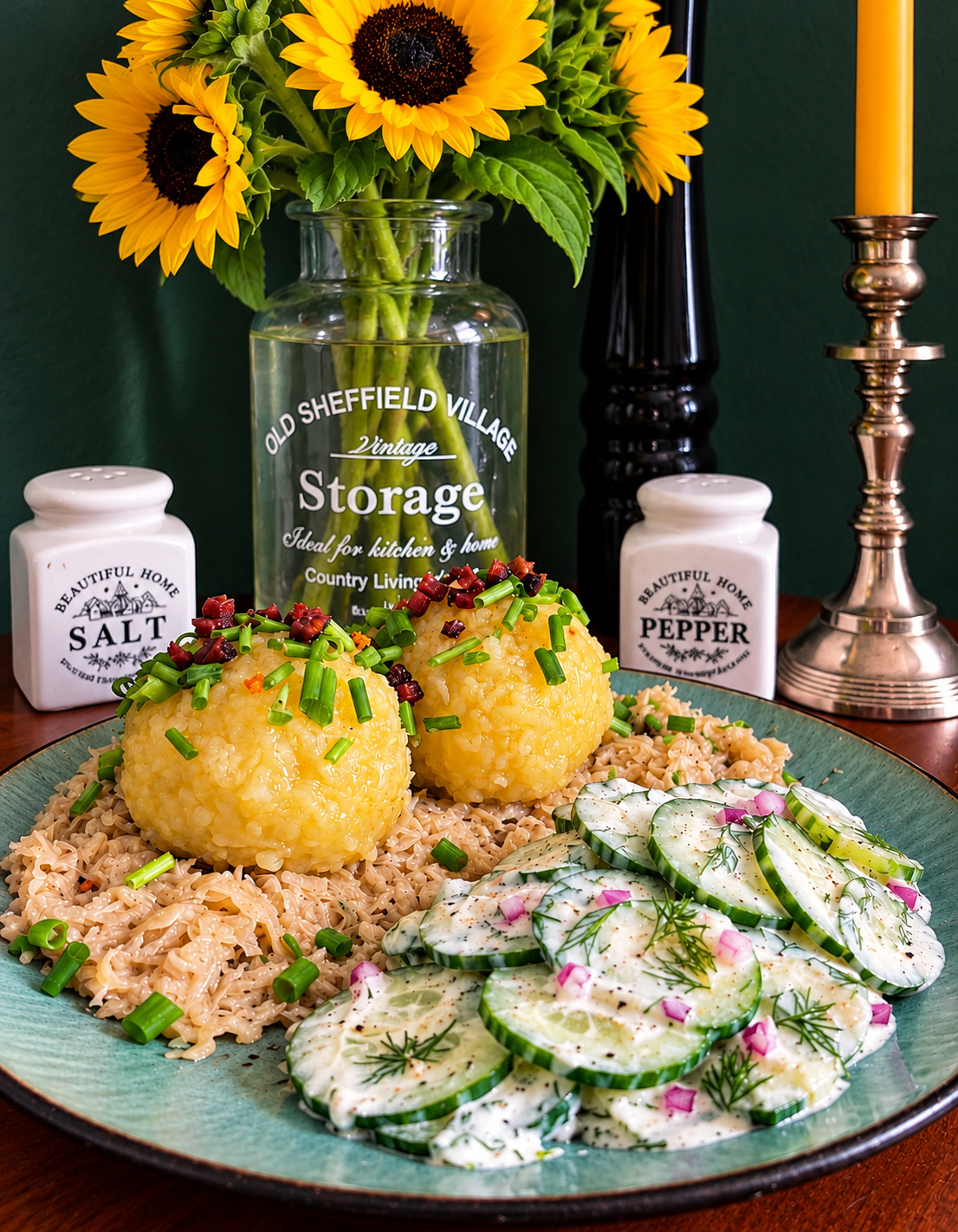
Austria – Alpine Landscapes and a Rich Culinary HeritageAustria is a landlocked country in Central Europe, famous for its spectacular Alpine landscapes, historic cities and diverse regional food traditions. Its cuisine reflects centuries of cultural exchange within the former Habsburg monarchy and neighbouring countries. Hearty dumplings, potato dishes, seasonal vegetables and traditional pastries play an important role in Austrian cooking. From Tyrolean mountain specialities to Viennese classics and the rustic cuisine of Upper Austria, the country's culinary heritage is wonderfully varied.
What Are Grammelknödel?Grammelknödel are traditional Austrian dumplings particularly associated with Upper Austria. The name combines Grammeln, meaning crispy pork cracklings, with Knödel, the German word for dumplings. Traditionally, a soft potato dough is filled with seasoned cracklings, onions and marjoram, then gently cooked and commonly served with sauerkraut. My Via Veggie Vegan interpretation replaces the traditional pork filling with savoury plant-based ham cubes and uses a completely vegan potato dough. Served with creamy sauerkraut and a refreshing cucumber-dill salad, this hearty Austrian classic becomes a delicious plant-based comfort meal.
Cook this recipe →
