Greece – A Mediterranean Tradition of Fresh, Simple Ingredients
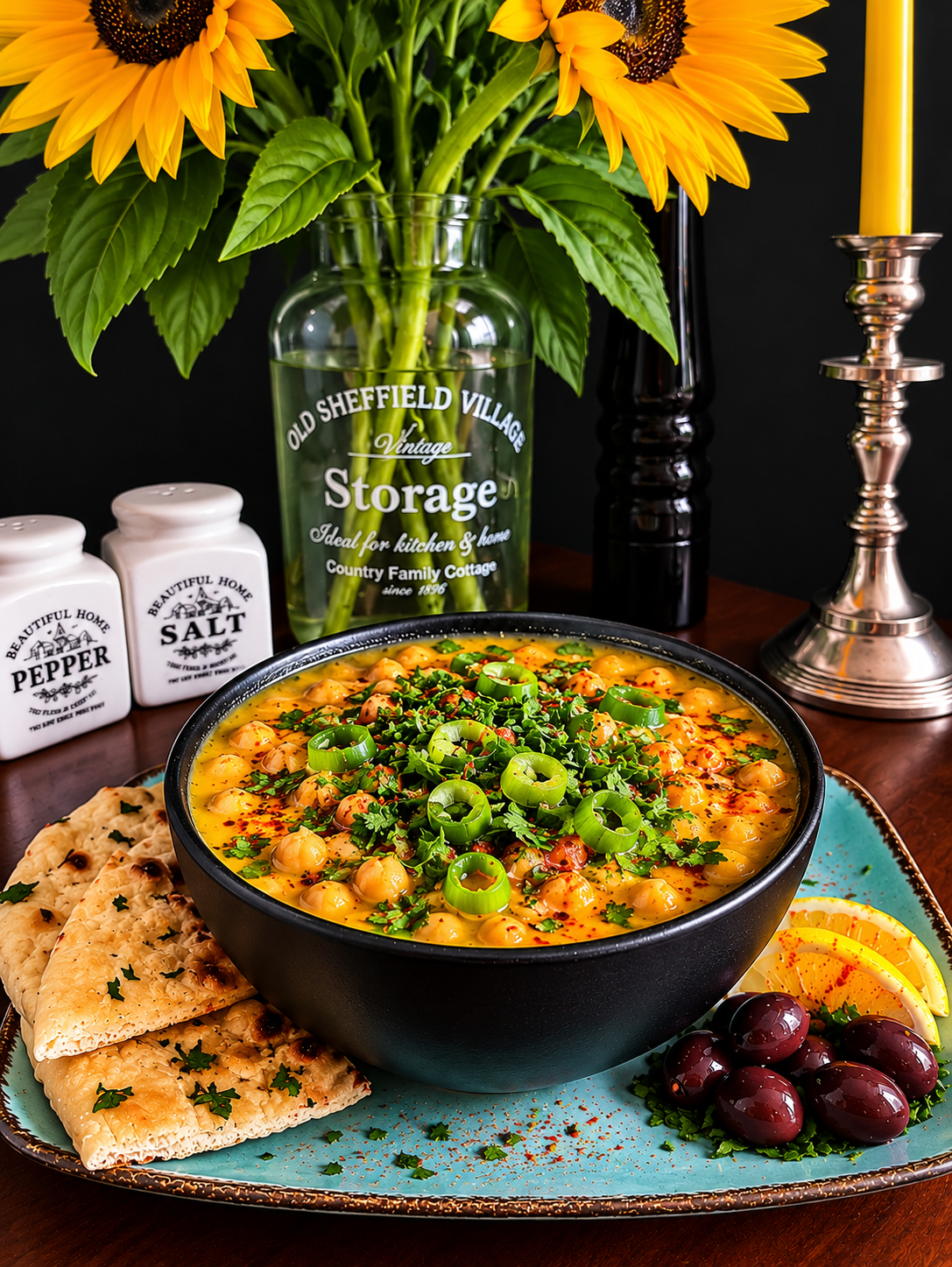
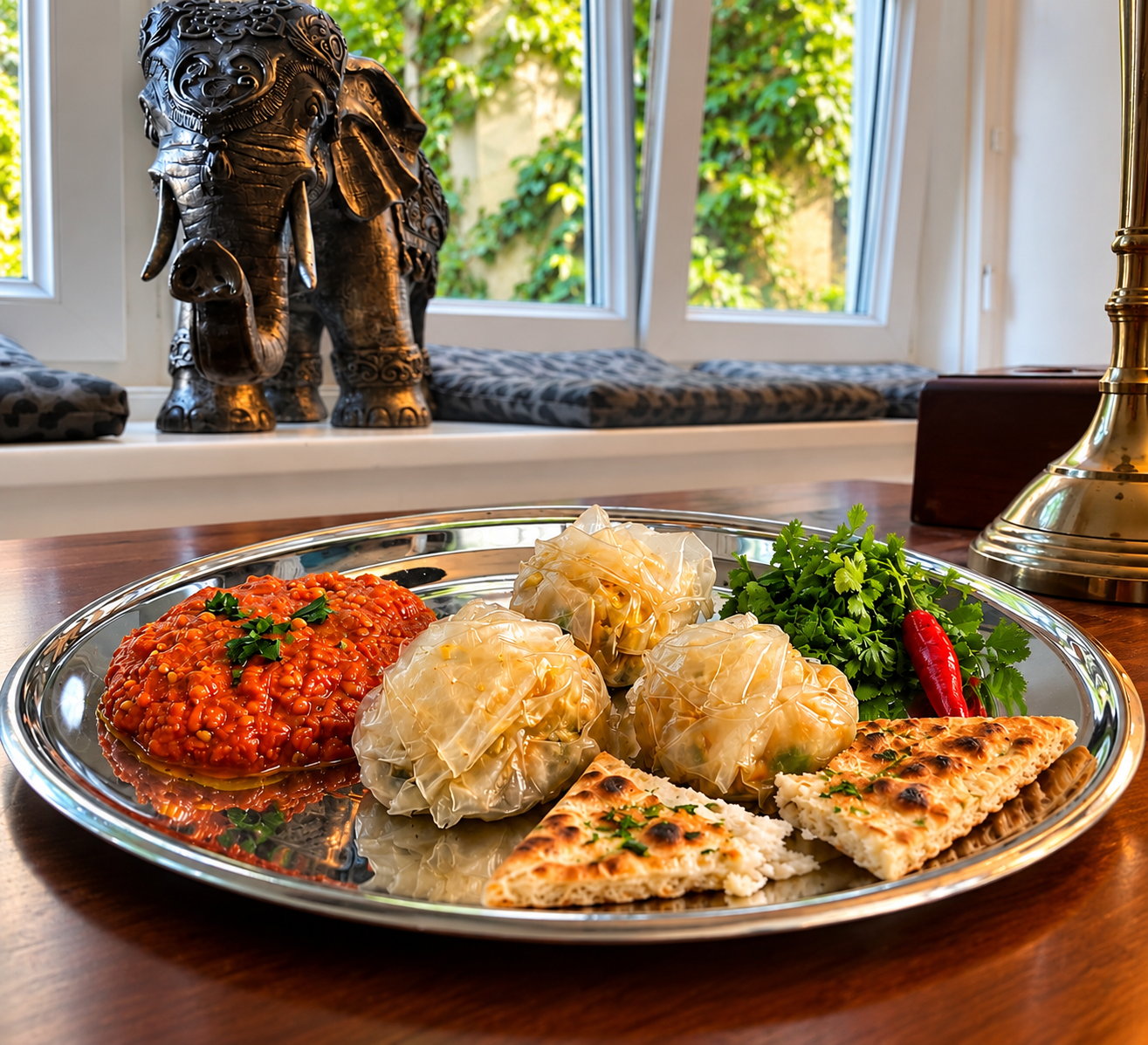
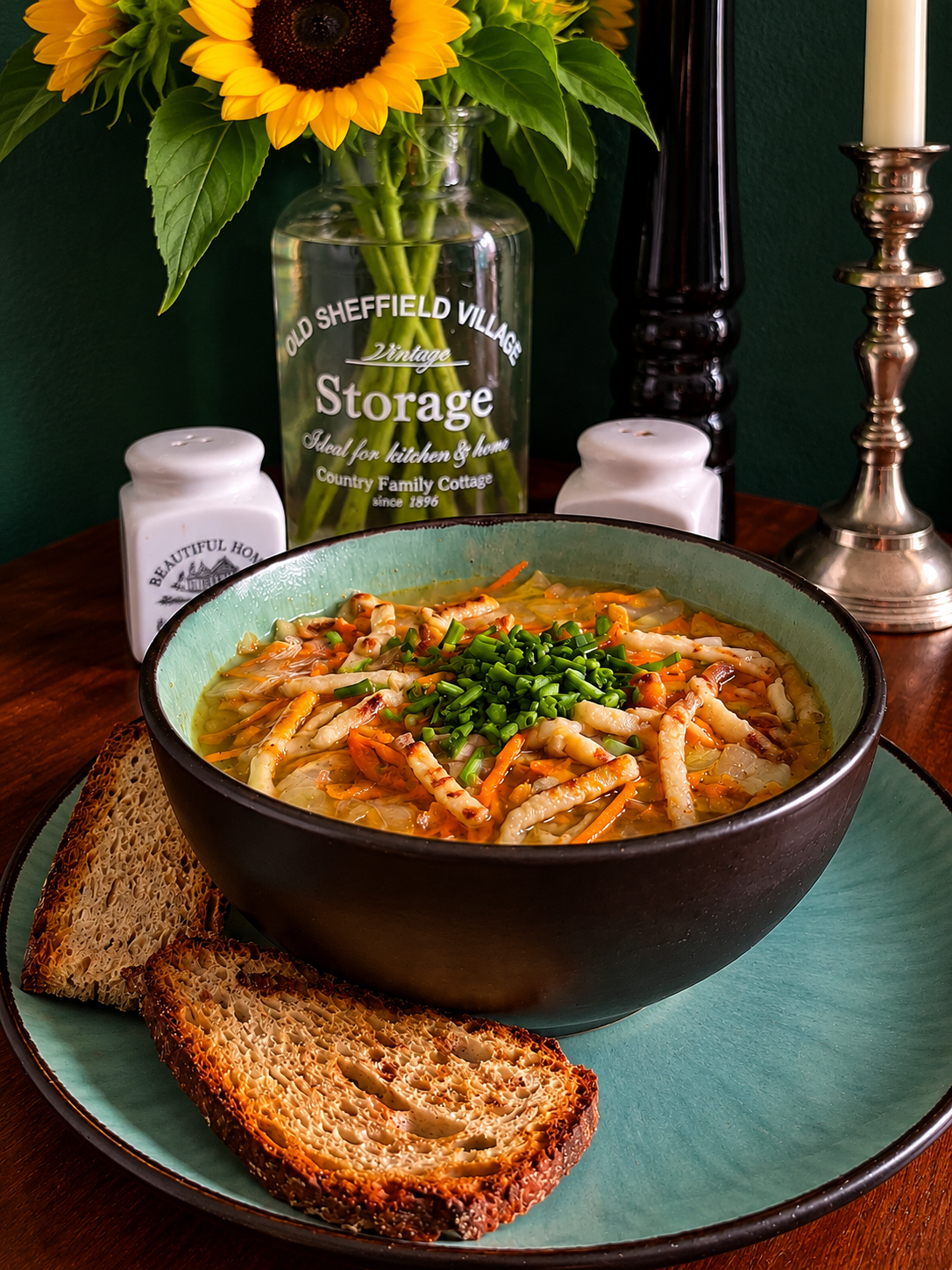
Greek cuisine is deeply rooted in the Mediterranean way of eating, with olive oil, vegetables, legumes, herbs and citrus fruits playing central roles. From the sun-soaked islands to the mountainous mainland, traditional Greek cooking celebrates seasonal ingredients and straightforward preparation. Chickpeas have been part of the region's food culture since ancient times and remain an important ingredient in many everyday dishes, from hearty stews to nourishing soups.
Greek Chickpea Lemon Soup – A Fresh Plant-Based Interpretation
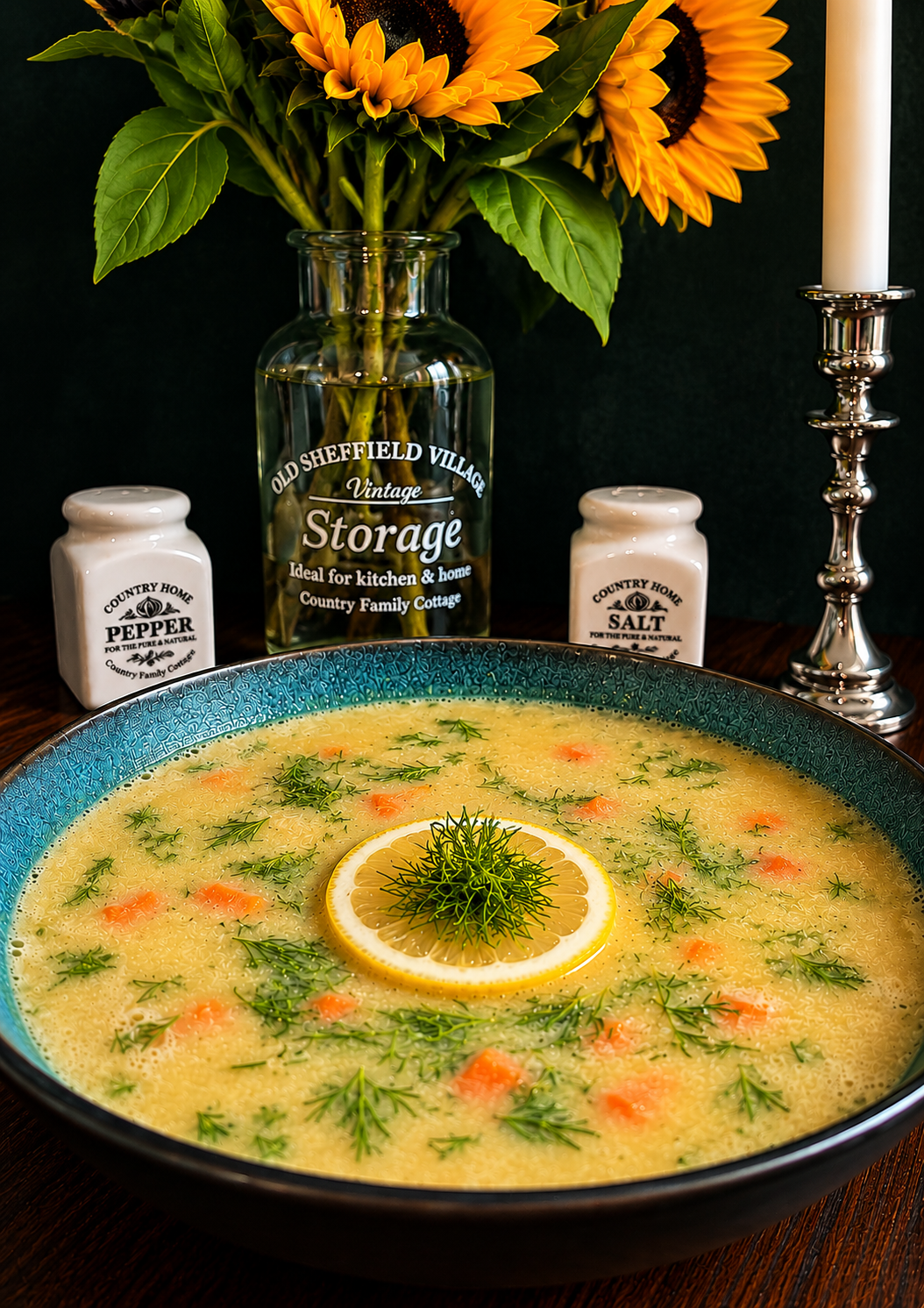
Chickpea soups have a long tradition in Greece, where dishes such as revithosoupa are commonly prepared with chickpeas, olive oil, onions and lemon. This modern, plant-based interpretation combines the creamy texture of blended chickpeas with fresh lemon, carrots, oat cream and aromatic dill. The result is a comforting soup that captures the spirit of Mediterranean cooking while adding a few contemporary touches. Its balance of earthy legumes, bright citrus and fresh herbs makes it both satisfying and refreshing.
▣ Ingredients (2 servings)
- 2 carrots
- 2 shallots
- 1 clove garlic
- 1 spring onion
- 1/2 tsp chili powder
- 1 pinch ground turmeric
- 1 sprig fresh thyme
- 1 bay leaf
- 1/2 bunch fresh dill
- 300 g cooked chickpeas, drained (from a jar or home-cooked)
- 1 organic lemon (zest and approximately half of the juice)
- 250 ml vegetable stock
- 100 ml oat cream
- 1 tbsp extra virgin olive oil
- salt & freshly ground black pepper to taste
♨ Preparation
- Prepare the Vegetables
Finely chop the shallots and garlic. Slice the spring onion into thin rings, keeping the green parts for garnish. Peel the carrots and cut them into small batons. - – Sauté the Aromatics
Heat the olive oil in a saucepan over medium heat. Gently sauté the shallots, garlic and white parts of the spring onion until translucent, without allowing them to brown. - Simmer the Chickpeas
Add the cooked chickpeas and vegetable stock. Stir in the fresh thyme and bay leaf, bring to a gentle simmer and cook for approximately 10 minutes. - Blend the Soup
Remove approximately 100 g of chickpeas and set them aside. Blend the remaining soup until smooth and creamy, adding a little water if necessary to achieve the desired consistency. - Add the Cream and Carrots
Stir in the oat cream and carrot batons. Simmer gently for another 3 minutes, or until the carrots reach your preferred tenderness. - Season with Lemon and Spices
Remove the thyme sprig and bay leaf. Add approximately half of the lemon juice and most of the finely grated lemon zest. Season with salt, freshly ground black pepper, chilli powder and turmeric. - Garnish and Serve
Divide the soup between two bowls. Top with the reserved chickpeas, green spring onion rings, fresh dill and the remaining lemon zest. Serve immediately.
Food Story
When Life Gives Me Lemons … I Put Them in Everything!
Anyone who knows my kitchen knows that I absolutely love lemons. That wonderful freshness, the bright citrus aroma and the way a little lemon juice can transform an entire dish – I simply can’t get enough of it! Whether I’m preparing a salad, a dressing, a vegetable dish or a comforting bowl of soup, lemon often finds its way into the recipe. And when the combination is right, that little touch of acidity makes everything taste lighter, fresher and more exciting. So a Greek-inspired lemon soup was practically calling my name!
Dill, Chickpeas and a Slightly Complicated Love Story
Dill is another one of my absolute favourites. I love its distinctive aroma, especially when paired with lemon. Chickpeas, however, are a different story. Believe it or not, they weren’t exactly love at first sight – or, more accurately, love at first bite! It actually took me a while to appreciate them. But somewhere along the way, things changed. Today, chickpeas are regular guests in my kitchen, and I love how versatile they are. Roasted, blended, tossed into salads or simmered in soups – we’ve definitely made up for our difficult beginning!
Three Favourite Ingredients, One Happy Ending
So here we are: lemons, dill and chickpeas, all together in one beautiful bowl of Greek-inspired comfort food. The chickpeas make the soup wonderfully creamy, the lemon brings that irresistible freshness and the dill adds its unmistakable herbal flavour. A few carrots for colour, a little oat cream for richness and suddenly everything comes together. Sometimes the best recipes are simply the ones that combine ingredients you genuinely love. And as for the chickpeas? Well, it may not have been love at first bite, but this relationship is definitely going strong!
♨ Nutrition per serving
Nutritional values are approximate and may vary depending on the ingredients and products used.
Good to Know
Revithosoupa – The Greek Chickpea Soup Tradition
Revithosoupa is a traditional Greek chickpea soup, commonly prepared with chickpeas, onion, olive oil and lemon. Recipes vary between regions and households, with some versions featuring whole chickpeas and others becoming naturally creamy through slow cooking. This recipe is a modern Greek-inspired variation rather than a strictly traditional preparation, as it also includes oat cream, carrots, dill and turmeric.
Chickpeas – An Ancient Mediterranean Staple
Chickpeas have been cultivated for thousands of years and are deeply connected to the culinary history of the Mediterranean and Middle East. They are used in soups, stews, salads, spreads and countless regional dishes. Their mild, nutty flavour makes them particularly versatile, while their firm texture allows them to remain satisfying even in simple vegetable-based meals.
Plant-Based Protein from Chickpeas
Chickpeas are a valuable source of plant-based protein, making them a useful ingredient in vegan and vegetarian diets. They also contain complex carbohydrates and dietary fibre. Combining legumes with a varied selection of grains, vegetables, nuts and seeds throughout the day helps provide a broad range of essential nutrients.
Why Fibre Matters
Chickpeas contain both soluble and insoluble dietary fibre. Fibre supports normal bowel function and contributes to a feeling of fullness. Certain types of fibre are also fermented by beneficial intestinal bacteria. If you are not accustomed to eating legumes regularly, gradually increasing your intake and drinking enough fluids may help improve digestive comfort.
Lemon and Vitamin C
Lemons contain vitamin C, which contributes to normal immune function and helps protect cells from oxidative stress. Vitamin C also enhances the absorption of non-haem iron from plant foods when consumed in the same meal. Adding fresh lemon juice to chickpea dishes is therefore a particularly useful combination from a nutritional perspective.
Iron in a Plant-Based Diet
Chickpeas provide non-haem iron, the form of iron found in plant foods. Its absorption is influenced by the overall composition of a meal. Vitamin C-rich ingredients such as lemon can improve absorption, while certain naturally occurring compounds in legumes may reduce it. Soaking, cooking and other preparation methods can help make legumes easier to digest and may influence mineral availability.
Fresh Dill – A Distinctive Mediterranean Herb
Dill has a fresh, grassy, slightly anise-like flavour and is widely used in Greek and other Mediterranean cuisines. It pairs particularly well with lemon, vegetables, potatoes, legumes and creamy sauces. Both the delicate leaves and the seeds are edible, although they have different flavour profiles. Fresh dill leaves are best added towards the end of cooking to preserve their aroma.
Turmeric – More Than Just a Golden Colour
Turmeric is known for its vivid yellow colour and contains naturally occurring curcuminoids, including curcumin. In this recipe, a small pinch adds a warm golden tone and subtle earthy flavour. While turmeric is often associated with potential health benefits, the quantities used in everyday cooking should primarily be appreciated for their culinary contribution rather than treated as a medical intervention.
Olive Oil and Mediterranean Cooking
Olive oil is a defining ingredient of Mediterranean cuisine and is rich in monounsaturated fatty acids. Extra virgin olive oil also contains naturally occurring aromatic compounds and polyphenols. Gentle sautéing is suitable for this recipe, but avoiding unnecessary overheating helps preserve its flavour. A small drizzle of good-quality olive oil can also be added just before serving.
Zero Waste – Make the Most of Your Carrots
Carrot peels and clean vegetable trimmings can be used to prepare homemade vegetable stock, provided they are fresh and thoroughly washed. Combine them with suitable onion trimmings, herb stems and other vegetable scraps, then simmer gently and strain. This is an easy way to reduce kitchen waste and create a flavourful base for future soups and sauces.