Recipe postcard
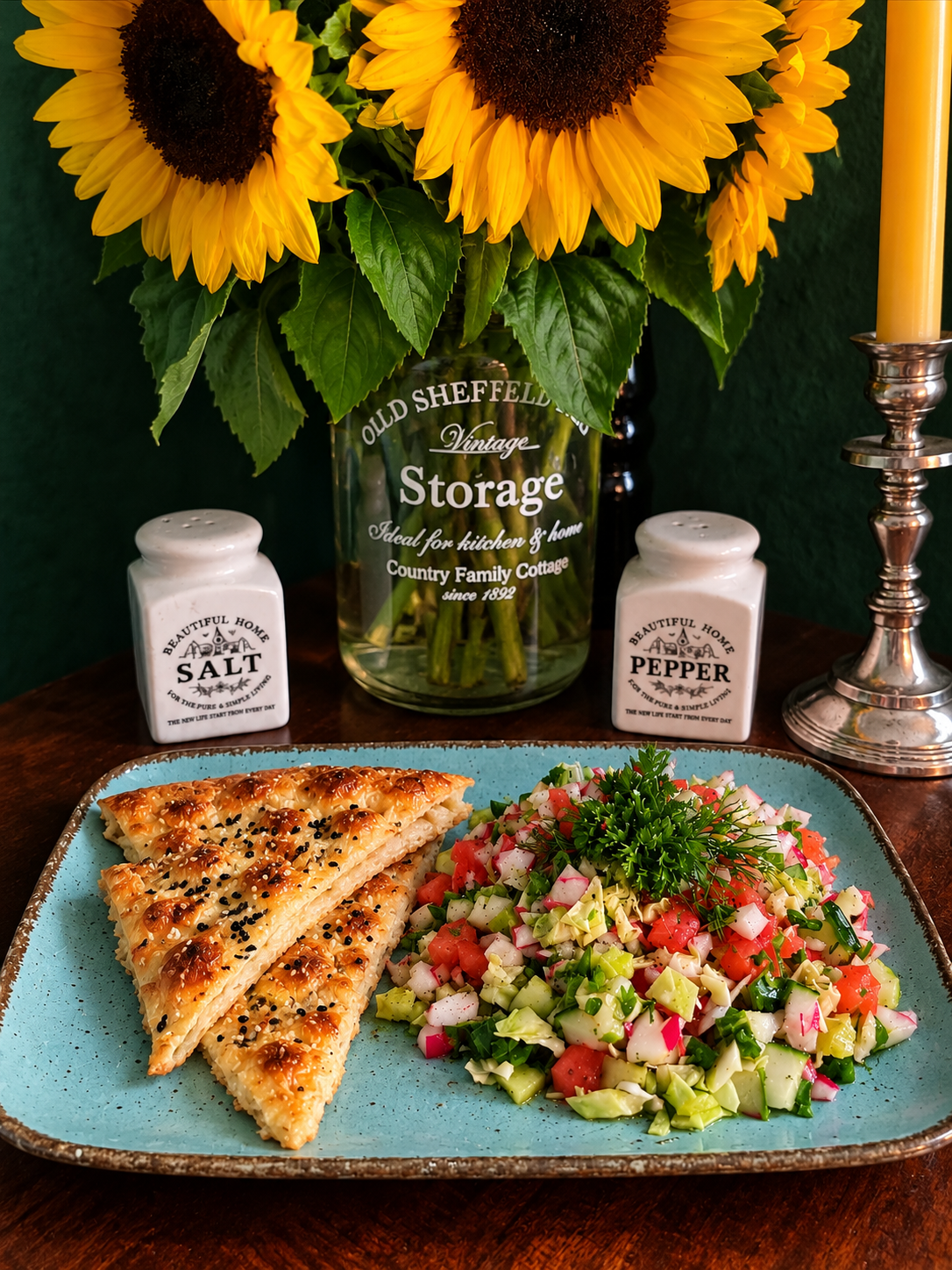
Turkmenistan – A Country of Central Asian Food TraditionsTurkmenistan is a Central Asian country bordered by Kazakhstan, Uzbekistan, Afghanistan, Iran and the Caspian Sea. Much of its landscape is dominated by the Karakum Desert, while agriculture and food traditions are closely connected to fertile oases and irrigated regions. Bread, vegetables, grains, meat dishes and fresh herbs all have a place in Turkmen cuisine. Hospitality and sharing food are important elements of everyday life, and fresh salads provide a welcome contrast to richer dishes.
What Is Turkmen Chopped Summer Salad?This Turkmen-inspired summer salad combines finely chopped seasonal vegetables with aromatic dill, parsley and a simple dressing. Its fresh character is reminiscent of chopped vegetable salads found throughout Central Asia and neighboring culinary traditions. The combination of cabbage, cucumber, tomatoes, radishes and herbs creates a particularly crunchy texture. My version brings everything together with extra virgin olive oil, freshly squeezed lemon juice, a little vinegar and a gentle touch of chili. Simple ingredients, plenty of freshness and absolutely no complicated cooking required.
Cook this recipe →
Recipe postcard
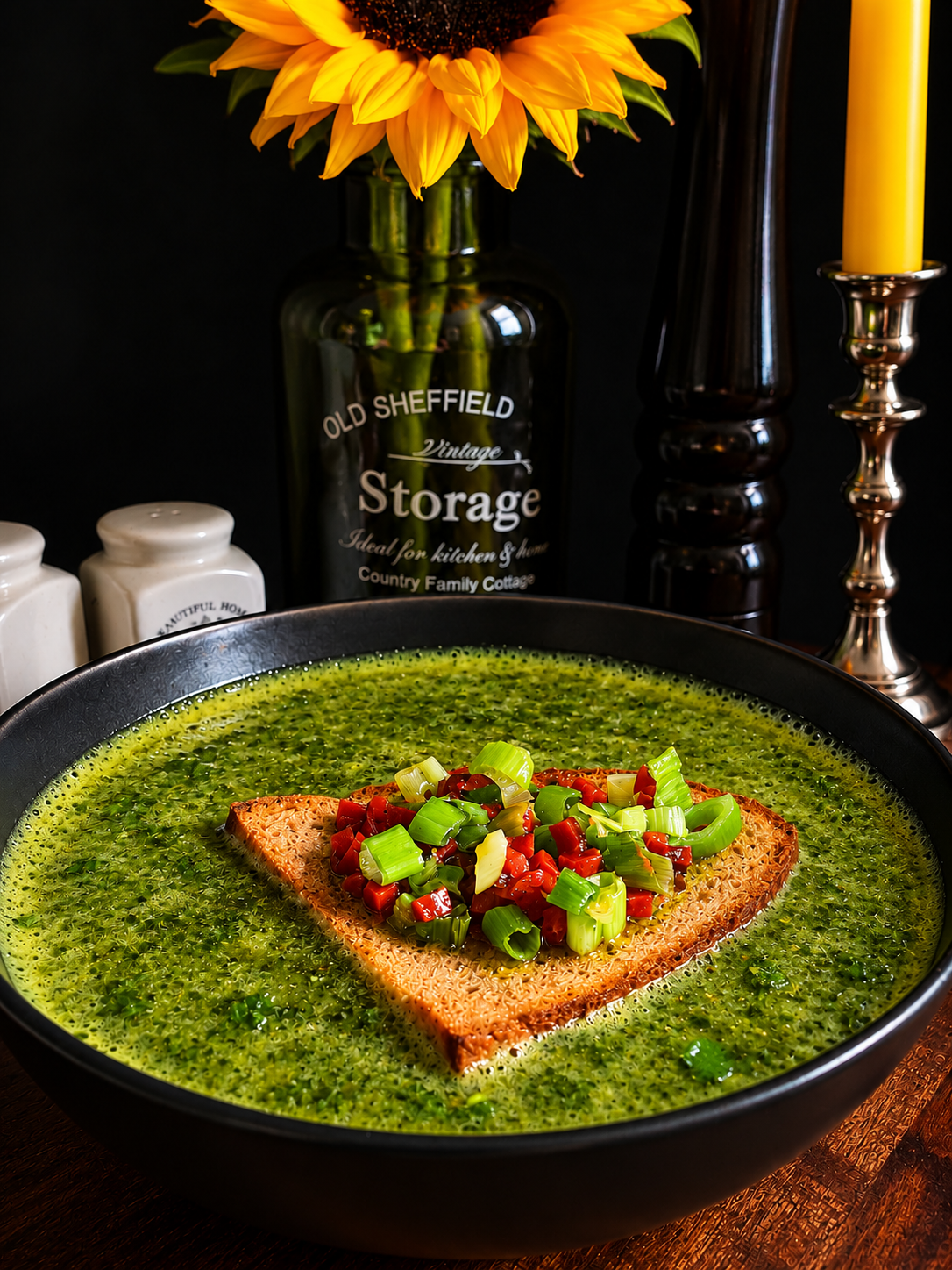
Portugal – The Rustic Culinary Heritage of AlentejoPortugal's Alentejo region stretches across the country's sun-drenched south, where rolling plains, olive groves and traditional villages have shaped a cuisine rooted in simplicity and resourcefulness. Bread, olive oil, garlic and fresh coriander are central to many regional dishes. Rather than relying on elaborate ingredients, Alentejan cooking transforms everyday staples into deeply comforting meals. This tradition reflects generations of rural households where wasting food was rarely an option and yesterday's bread was far too valuable to throw away.
Açorda à Alentejana – A Portuguese Bread Soup with HistoryAçorda à Alentejana is one of Portugal's most distinctive traditional bread soups. Unlike thicker versions of açorda found elsewhere in the country, the Alentejan preparation typically consists of rustic bread served in a fragrant broth seasoned with garlic, coriander, olive oil and salt. A poached egg is a common traditional addition. The dish's name is often linked to Arabic culinary influences, reflecting the historical presence of Moorish culture on the Iberian Peninsula. This Via Veggie Vegan interpretation replaces the egg with smoky vegan bacon and adds fresh spring onion, while preserving the essential combination of bread, coriander, garlic and aromatic broth.
Cook this recipe →
Recipe postcard
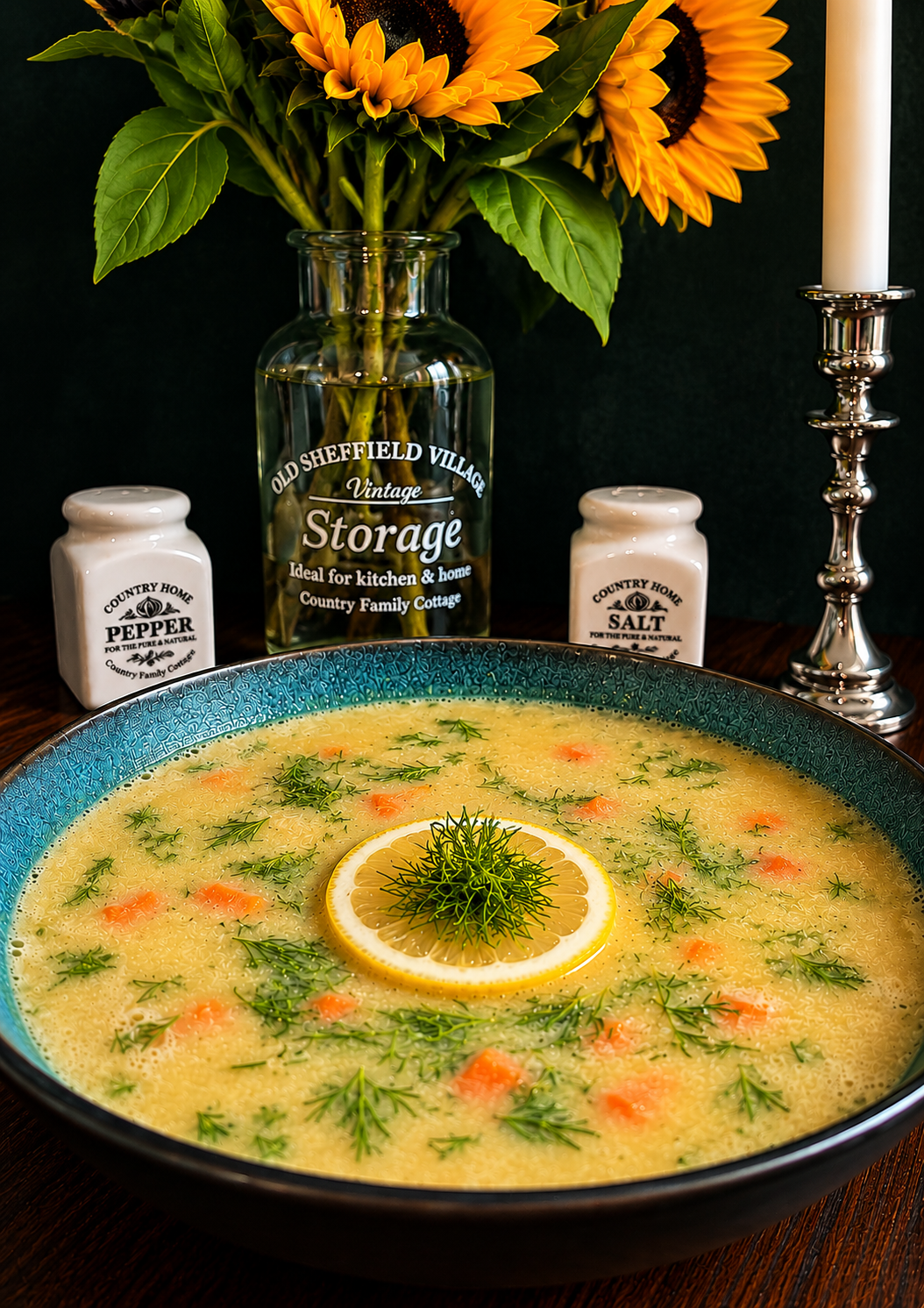
Greece – A Mediterranean Tradition of Fresh, Simple IngredientsGreek cuisine is deeply rooted in the Mediterranean way of eating, with olive oil, vegetables, legumes, herbs and citrus fruits playing central roles. From the sun-soaked islands to the mountainous mainland, traditional Greek cooking celebrates seasonal ingredients and straightforward preparation. Chickpeas have been part of the region's food culture since ancient times and remain an important ingredient in many everyday dishes, from hearty stews to nourishing soups.
Greek Chickpea Lemon Soup – A Fresh Plant-Based InterpretationChickpea soups have a long tradition in Greece, where dishes such as revithosoupa are commonly prepared with chickpeas, olive oil, onions and lemon. This modern, plant-based interpretation combines the creamy texture of blended chickpeas with fresh lemon, carrots, oat cream and aromatic dill. The result is a comforting soup that captures the spirit of Mediterranean cooking while adding a few contemporary touches. Its balance of earthy legumes, bright citrus and fresh herbs makes it both satisfying and refreshing.
Cook this recipe →
Recipe postcard
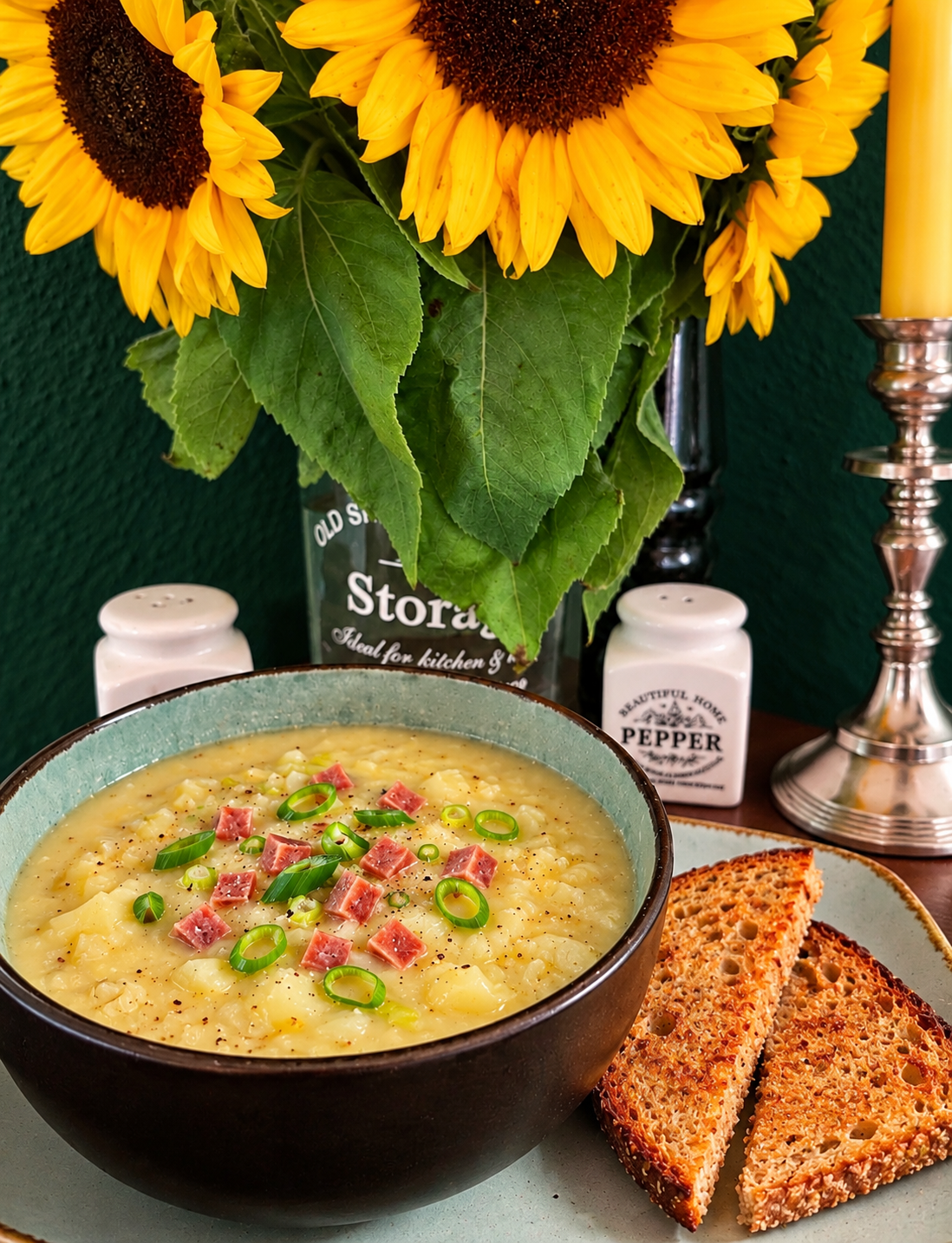
Norway – Nordic Simplicity and Seasonal Comfort FoodNorwegian cuisine is deeply influenced by the country's northern climate, agricultural traditions and appreciation for simple, nourishing ingredients. Root vegetables, potatoes, cabbage and other cool-weather crops have long been important in everyday home cooking. Warming soups are especially popular during the colder months, when hearty, practical dishes bring comfort to the table. Norwegian cooking often allows the natural flavours of its ingredients to shine without overwhelming them with complicated seasonings.
Blomkålsuppe – Norway's Creamy Cauliflower SoupBlomkålsuppe literally means cauliflower soup and is a familiar favourite in Norwegian home kitchens. Traditionally prepared with cauliflower, broth, milk or cream and a delicate touch of nutmeg, it is often served with tender cauliflower florets and savoury toppings such as crispy bacon or ham. My Via Veggie Vegan interpretation replaces dairy milk, cream and butter with oat drink, soy cream and vegan butter, while crispy plant-based ham cubes and fresh spring onions provide a delicious finishing touch.
Cook this recipe →
Recipe postcard
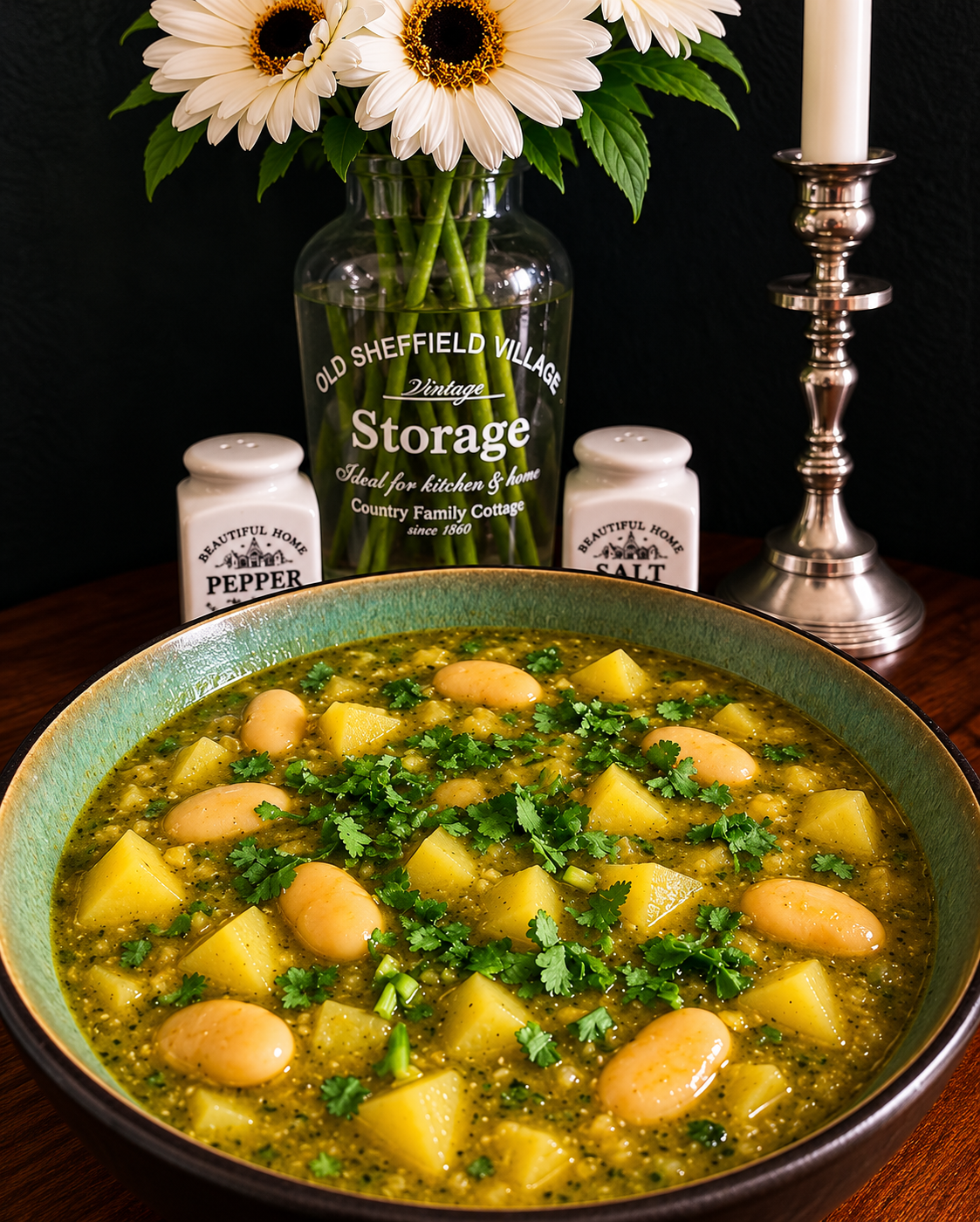
Peru – A Culinary Treasure of the Andes and Pacific CoastPeruvian cuisine is one of South America's most diverse culinary traditions, shaped by the country's Andean heritage, Pacific coastline, Amazonian biodiversity and centuries of cultural exchange. Potatoes, corn, beans, quinoa and countless varieties of chili peppers have been essential ingredients for generations. Peru is particularly famous for its extraordinary potato diversity and its distinctive ají peppers, which give many traditional dishes their characteristic flavour, colour and heat.
What Is Seco de Frijoles y Papas?Seco is a traditional herb-rich stew enjoyed in Peru and Ecuador, commonly prepared with meat and flavoured with fresh coriander, onions, garlic and chili peppers. Despite its name, which literally means "dry", seco is known for its generous, aromatic sauce. My Via Veggie Vegan interpretation replaces the meat with creamy white giant beans, tender potatoes and green peas. Homemade yellow chili paste, fresh coriander and a splash of alcohol-free lager create a wonderfully fragrant base, while plant-based cream and nutritional yeast add a personal creamy twist. Served without the traditional white rice, this is a hearty, colourful and entirely plant-based interpretation of a Peruvian classic.
Cook this recipe →
Recipe postcard
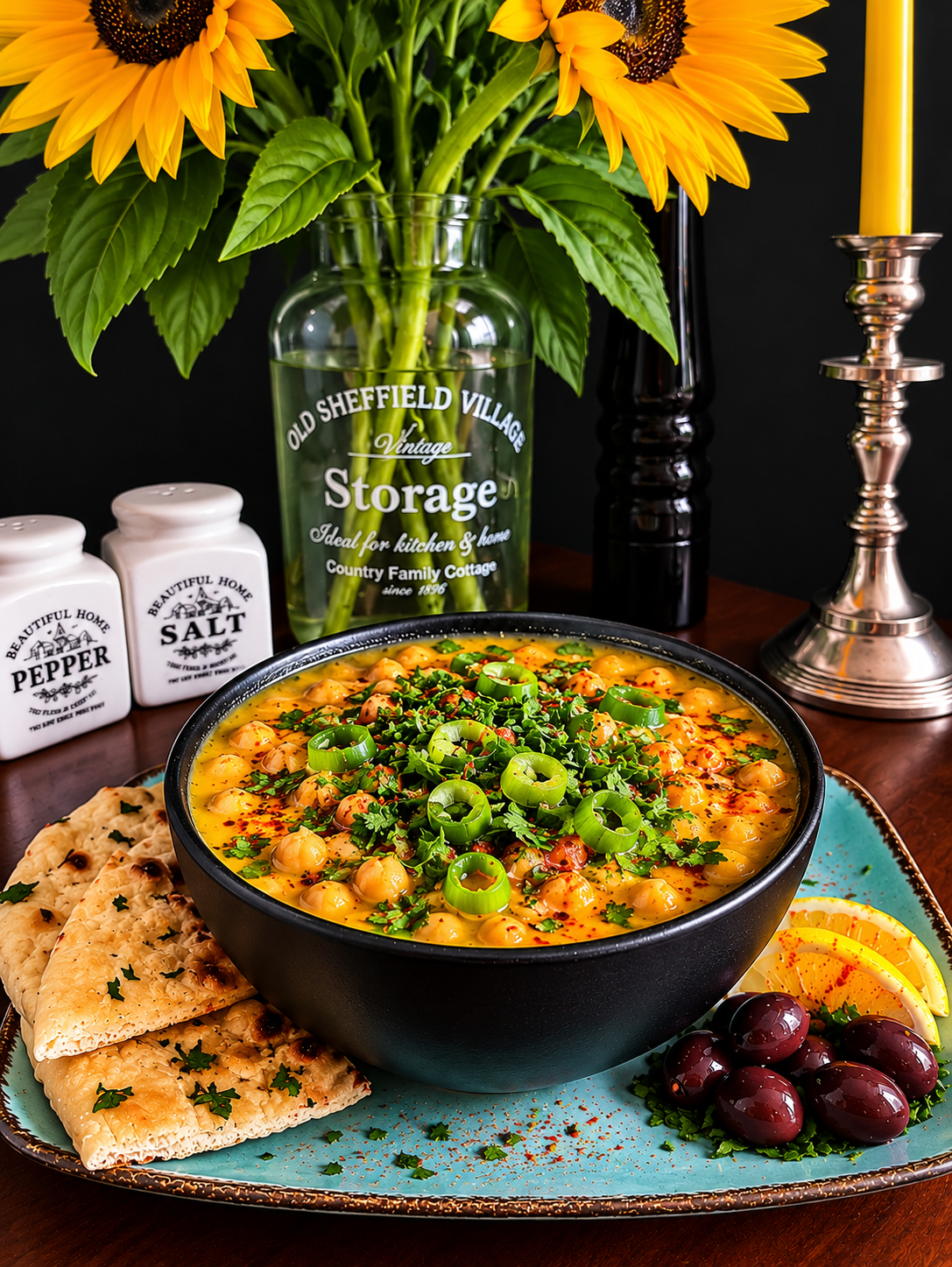
Tunisia – North African Flavours with a Mediterranean SoulTunisia lies on the Mediterranean coast of North Africa, where Amazigh, Arab, Ottoman and Mediterranean influences have shaped a rich and distinctive culinary heritage. Olive oil, legumes, vegetables, garlic, cumin and chili peppers feature prominently in traditional cooking. Harissa, the country's famous chili paste, adds depth and heat to everything from soups and stews to vegetable dishes. Tunisian cuisine is known for its bold seasoning, comforting everyday meals and the wonderful ability to transform simple ingredients into something memorable.
Lablabi – Tunisia's Beloved Chickpea and Bread SoupLablabi is a traditional Tunisian dish made with tender chickpeas, their cooking broth, garlic, cumin, harissa and pieces of bread. Particularly popular during the colder months, it is widely enjoyed as an affordable, filling street food and everyday comfort meal. The bread absorbs the fragrant broth, gradually turning the soup into a thick, rustic mixture. Depending on the preparation, Lablabi may be served with additional toppings such as eggs, tuna, capers or olives. My Via Veggie Vegan version keeps the chickpeas, spices, bread and olives while leaving out the animal-derived toppings. Fresh coriander and spring onion greens provide a colourful finishing touch.
Cook this recipe →
Recipe postcard
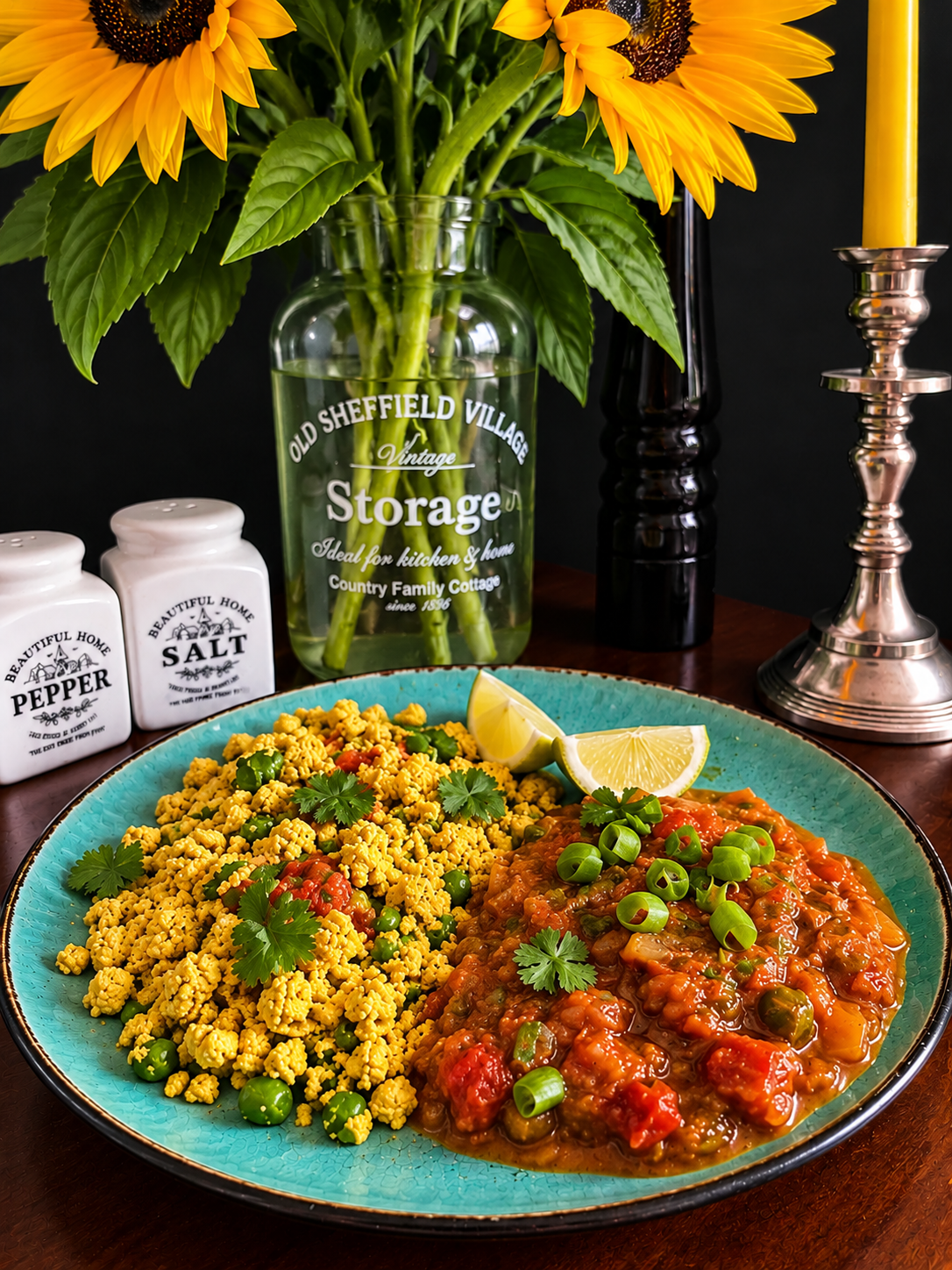
Trinidad & Tobago – Where Indian and Caribbean Food Traditions MeetTrinidad and Tobago is a twin-island Caribbean nation whose cuisine reflects African, Indian, Indigenous, European and Chinese influences. Indian indentured labourers began arriving in Trinidad in 1845, bringing culinary techniques and food traditions that gradually became part of the islands' distinctive cuisine. Today, dishes such as roti, doubles and choka are closely associated with Indo-Trinidadian food culture. Garlic, hot peppers, fresh herbs and boldly seasoned vegetables play an important role in everyday cooking.
Tomato Choka – Smoky Roasted Tomatoes with a Sizzling FinishTomato Choka is a traditional Trinidadian preparation in which ripe tomatoes are roasted until soft and smoky, mashed and combined with garlic, onion and chili. One characteristic technique is known as chunkay: hot oil is poured over the seasoned vegetables to release their aromas. Tomato Choka is commonly enjoyed with Sada Roti, a simple unleavened flatbread. My Via Veggie Vegan version preserves the character of the tomato preparation but pairs it with creamy tofu scramble instead of the traditional bread accompaniment. The result is a completely plant-based breakfast combining authentic Trinidadian inspiration with a modern vegan twist.
Cook this recipe →
Recipe postcard
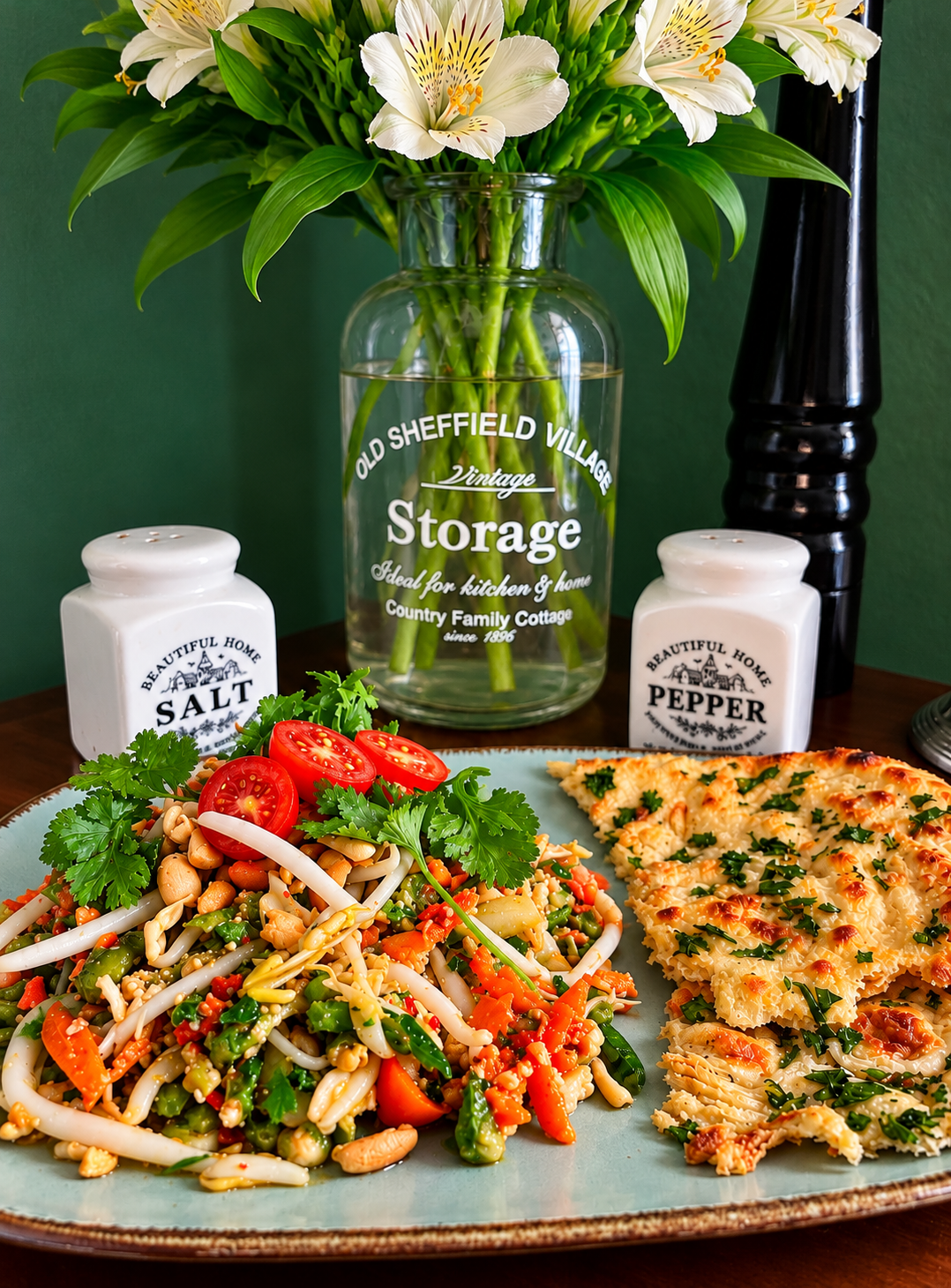
Indonesia – A Culinary Journey to West JavaIndonesia is a vast Southeast Asian archipelago with an extraordinary diversity of regional cuisines, ingredients and culinary traditions. West Java is home to the Sundanese people, whose food culture is particularly associated with fresh vegetables, aromatic herbs, sambal and rice. Sundanese cuisine often celebrates the natural flavours and textures of vegetables, making it a wonderful source of inspiration for plant-based cooking. Fresh produce, chillies, garlic, peanuts and fragrant rhizomes such as kencur play important roles in many local preparations. Karedok is one of the region's best-known vegetable dishes and beautifully reflects this appreciation for freshness, texture and bold seasoning.
Karedok – A Traditional Sundanese Salad with a Vegan TwistKaredok is a traditional Sundanese vegetable salad from West Java, usually prepared with raw vegetables and a thick, aromatic peanut dressing. Common ingredients include cabbage, cucumber, bean sprouts, long beans and fresh herbs, while the dressing typically combines roasted peanuts, garlic, chilli, palm sugar, tamarind and kencur. Some versions also contain terasi, a fermented shrimp paste that adds savoury depth. My Via Veggie Vegan interpretation replaces terasi with white miso, adds carrot, Thai basil and fresh coriander, and uses thoroughly cooked ordinary green beans instead of raw long beans. The result is a colourful, crunchy and completely plant-based version inspired by the flavours of traditional Karedok.
Cook this recipe →
Recipe postcard
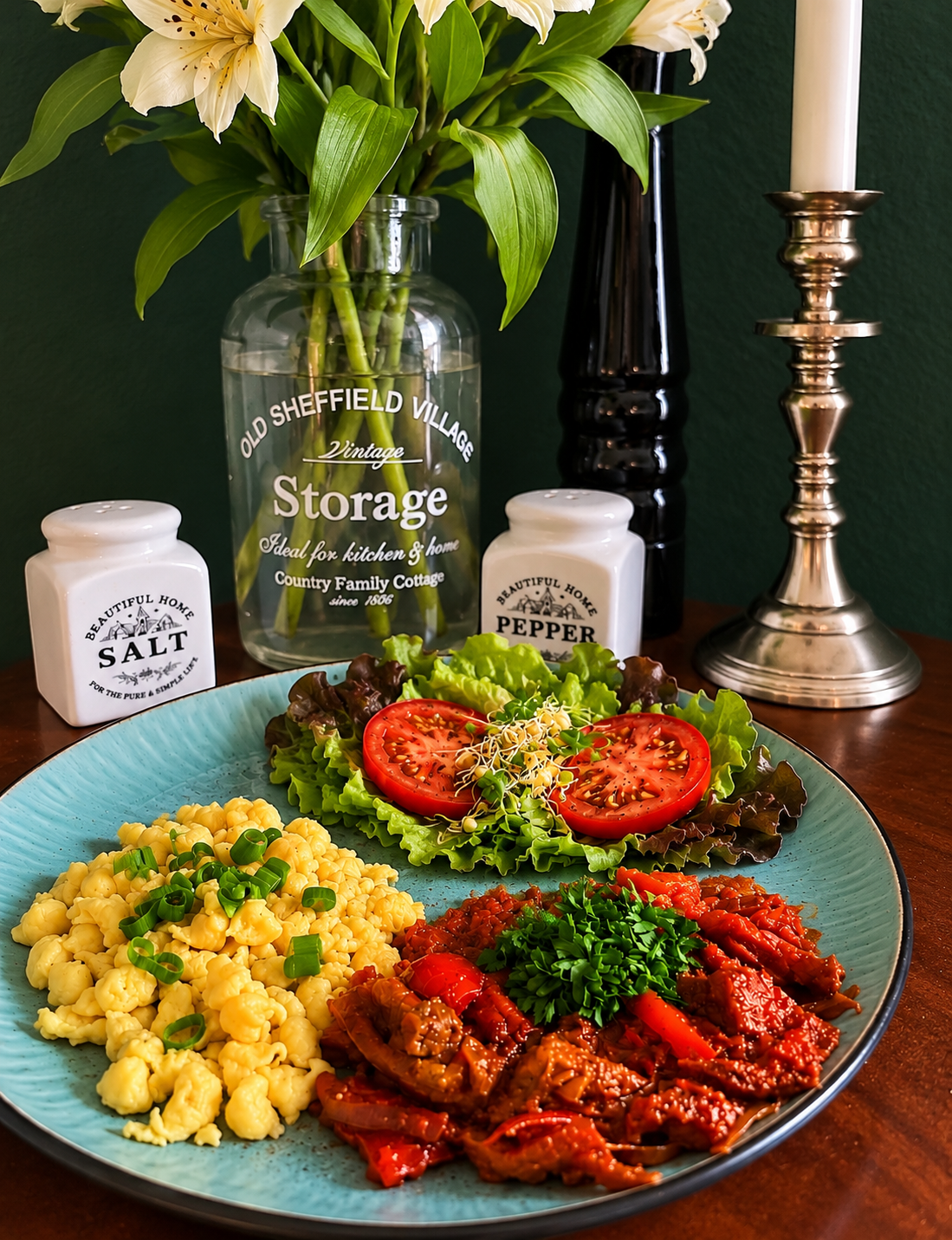
Hungary – The Land of Paprika and Hearty Comfort FoodHungary is a Central European country with a rich culinary heritage shaped by agricultural traditions, regional influences and a deep appreciation for warming, satisfying food. Hungarian cuisine is particularly famous for its generous use of paprika, onions, peppers and slow-cooked dishes. From the banks of the Danube to the vast Hungarian Great Plain, traditional cooking reflects a love of bold flavours, nourishing meals and hospitality. Goulash, paprikash and various dumpling dishes are among the country's best-known culinary specialities.
Goulash and Galuska – A Hungarian-Inspired CombinationGulyás, commonly known internationally as goulash, originated in Hungary and is traditionally associated with the cooking of cattle herders. In Hungary, gulyás is usually a substantial soup, while thicker paprika-based meat stews are more closely related to pörkölt. This Via Veggie Vegan version follows the familiar international interpretation of a thick, hearty goulash, replacing meat with a plant-based alternative. It is served with Galuska, also known as nokedli, small Hungarian dumplings traditionally made with flour, water and eggs. My egg-free version uses sparkling water, Kala Namak and a little turmeric to create deliciously tender dumplings without animal ingredients.
Cook this recipe →
Recipe postcard
Nepal – Culinary Traditions from the Himalayas
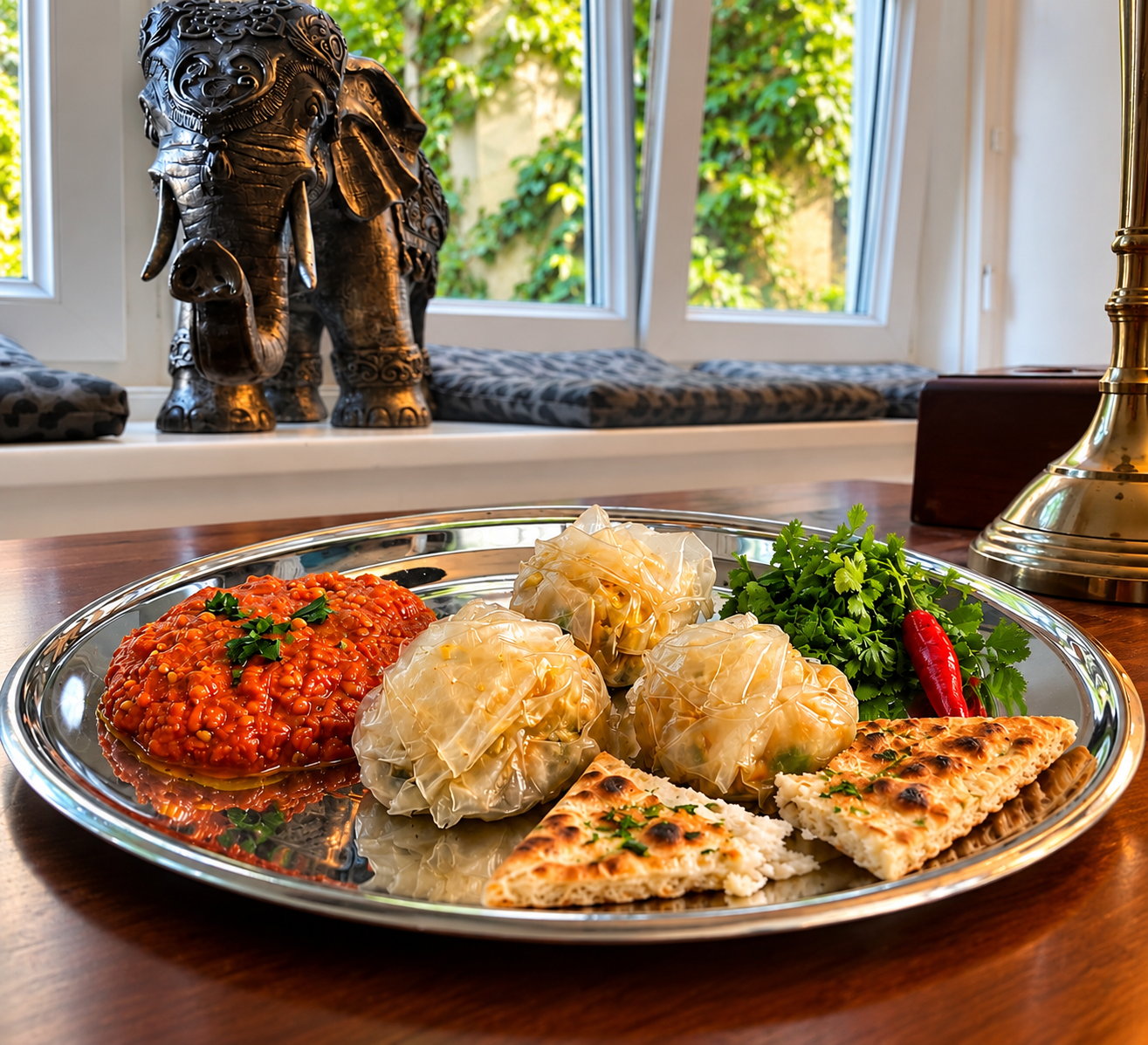
Nepal is a landlocked country in South Asia, home to the Himalayan mountains, including Mount Everest, and a remarkably diverse culinary heritage. Influenced by its geography, ethnic communities and neighbouring Tibetan and Indian food traditions, Nepalese cuisine features aromatic spices, rice, lentils, vegetables, pickles and freshly prepared breads. Food is an important part of family life, celebrations and hospitality.
Momos – Nepal's Beloved Steamed Dumplings
Momos are among Nepal's most popular dishes, with culinary roots closely connected to Tibetan dumpling traditions. These delicate parcels are typically filled with seasoned vegetables or meat, carefully folded by hand and steamed until tender. They are commonly served with a spicy dipping sauce known as achar, often prepared with tomatoes, sesame seeds and chillies. My Via Veggie Vegan version features a homemade vegetable filling, freshly ground Momo Masala and a fiery tomato sesame achar.
Cook this recipe →
