Recipe postcard
Bosnia & Herzegovina – A Country of Rich Balkan Food TraditionsBosnia & Herzegovina lies in southeastern Europe on the Balkan Peninsula. Its cuisine reflects a long history of cultural exchange, including Ottoman, Central European and Mediterranean influences. Traditional home cooking often features vegetables, grains, legumes, aromatic seasonings and slow-cooked dishes. Stuffed vegetables are particularly characteristic of the region, with peppers, cabbage leaves, onions and zucchini frequently used as edible containers for savory fillings. These dishes are closely associated with family kitchens, hospitality and comforting meals shared around the table.
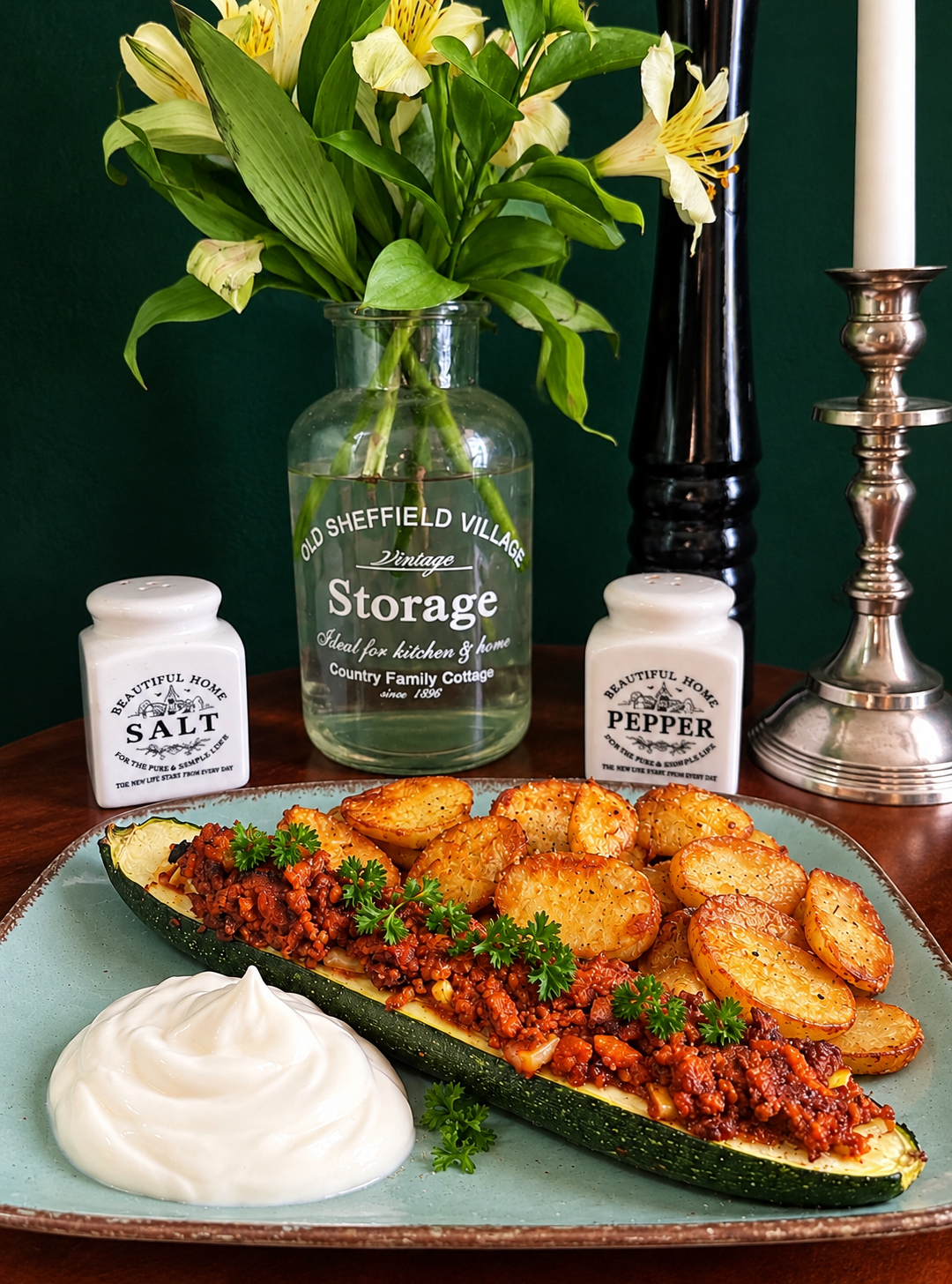
What Are Punjene Tikvice or Dolma od Tikvica?Punjene Tikvice literally means stuffed zucchini, while Dolma od Tikvica refers to zucchini prepared in the wider tradition of stuffed vegetables known as dolma. Bosnian versions are commonly filled with minced meat, rice, onion and spices, then gently cooked in a tomato-based sauce. Some preparations use thick, hollowed-out zucchini cylinders, while others use zucchini halves or boats. My Via Veggie Vegan version follows the latter approach: the zucchini are halved lengthwise and filled with soy mince instead of beef. The traditional rice is omitted, and crispy oven-roasted potato slices provide a delicious accompaniment. Vegan sour cream replaces the dairy-based topping, creating a completely plant-based interpretation of this comforting Balkan favorite.
Cook this recipe →
Recipe postcard
Seychelles – An Island Nation with a Rich Creole Food CultureThe Seychelles is an archipelago of 115 islands in the Indian Ocean, northeast of Madagascar. Its culinary traditions reflect a blend of African, French, Indian and other influences, shaped by the islands' tropical climate and close relationship with the sea. Fish, seafood, coconut, rice, vegetables, chili, lime and fragrant herbs are important ingredients in Seychellois Creole cooking. Freshly prepared dishes with citrus and aromatic seasonings are particularly well suited to the warm climate, while the country's fishing industry, especially tuna fishing and processing, plays a significant economic role.
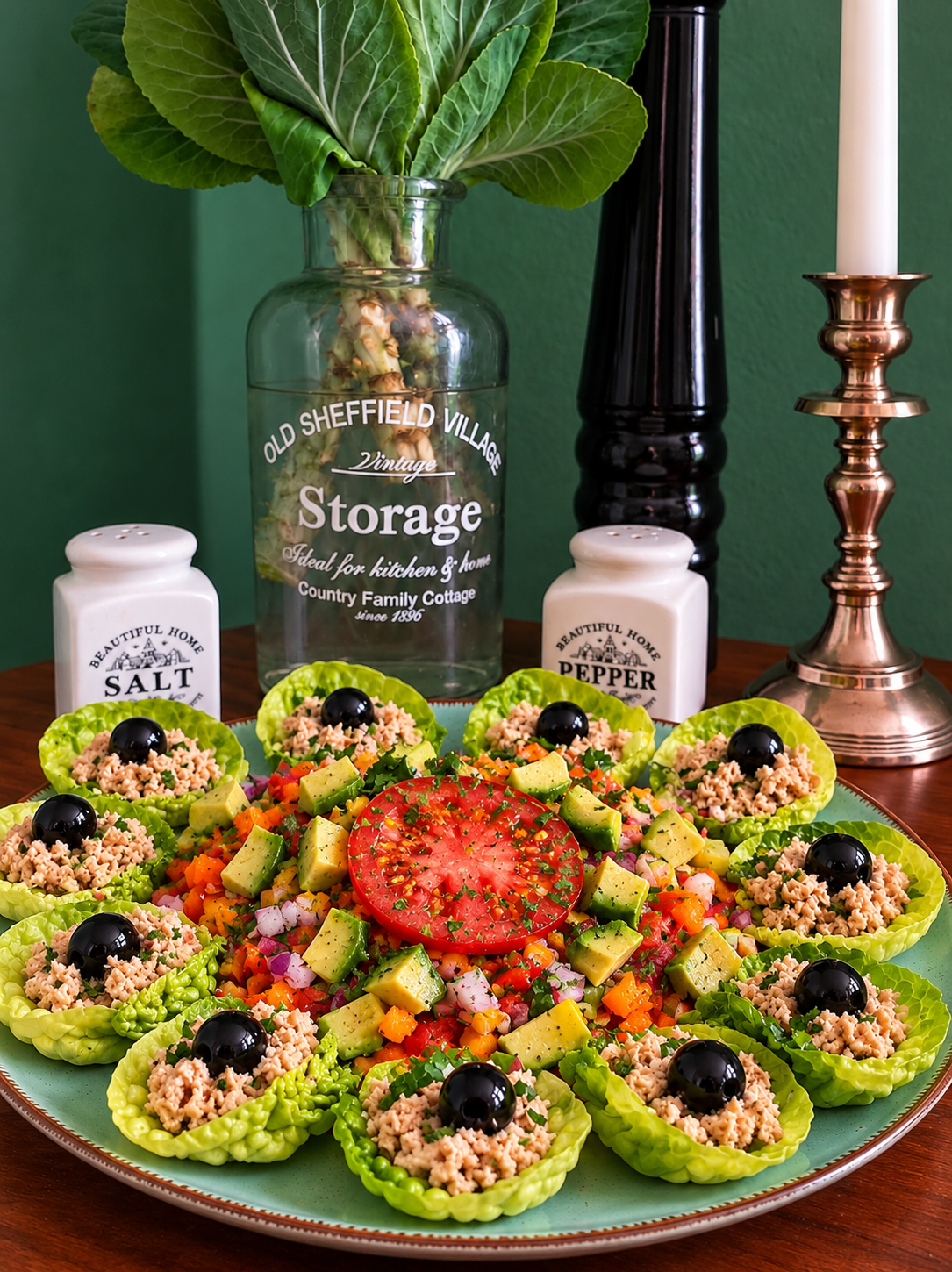
What Are Seychelles Vegan Creole “Tuna” Salad Boats?This Via Veggie Vegan creation is inspired by Seychellois tuna salads and the fresh, vibrant flavors associated with Creole island cooking. It is not presented as a traditional national recipe. Instead, conventional tuna is replaced with a plant-based tuna alternative, while the boiled egg sometimes found in tuna salads is omitted entirely. Crisp Romaine lettuce leaves become edible little boats filled with vegan tuna and black olives. Avocado, cucumber, red onion and chili add color and texture, while a dressing of fresh lime juice, extra virgin olive oil, chives, Thai basil, coriander and a pinch of Kala Namak brings everything together. The result is a playful, completely vegan interpretation of island-inspired salad flavors.
Cook this recipe →
Recipe postcard
Syria – A Rich Culinary Heritage in the Heart of the LevantSyria is a Middle Eastern country with a culinary history shaped by centuries of trade, agriculture and cultural exchange. Its cuisine shares many ingredients and traditions with neighboring Lebanon, including lentils, chickpeas, olive oil, fresh herbs, garlic, lemon and aromatic spices. Soups, stews, vegetable dishes and flatbreads are important parts of Syrian home cooking. Shorbat Adas is especially appreciated as an affordable, warming and satisfying dish, often enjoyed during cooler months and at Iftar, the evening meal that breaks the Ramadan fast.
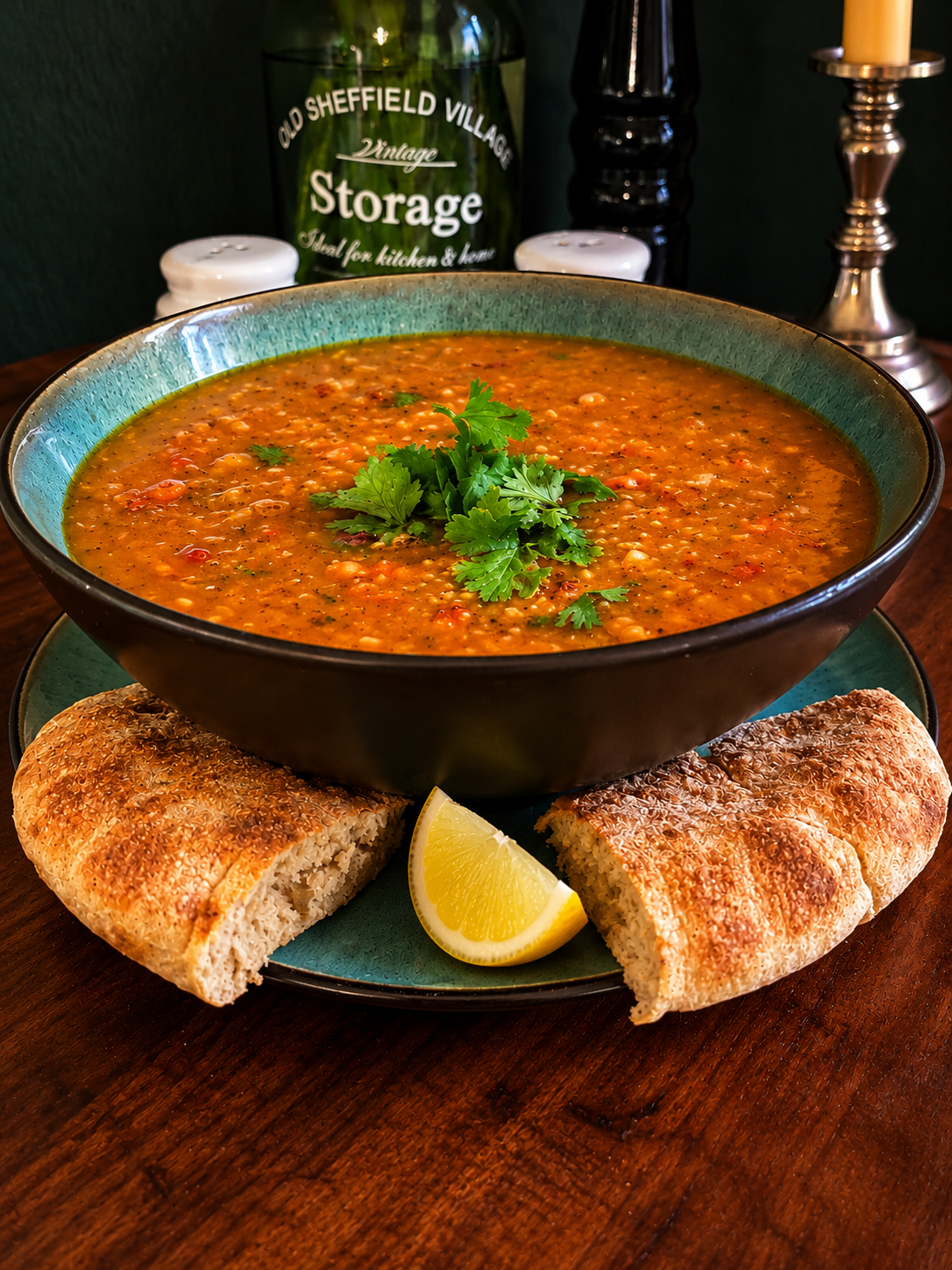
What Is Shorbat Adas – And How Does the Syrian Version Differ from the Lebanese One?Shorbat Adas literally means lentil soup: shorba refers to soup, while adas means lentils. The dish belongs to the shared culinary heritage of Syria, Lebanon and the wider Levant rather than exclusively to one country. Both Syrian and Lebanese preparations commonly feature lentils, onions and warming spices, often finished with fresh lemon juice. Some traditional recipe interpretations distinguish between cumin-forward Syrian versions and Lebanese variations seasoned with cinnamon. However, these are family and recipe variations, not strict national rules: cumin, turmeric, coriander and other spices appear in recipes from both countries. My Syrian-inspired Shorbat Adas uses cumin, turmeric, ground coriander, garlic and carrot, creating a beautifully aromatic soup that celebrates the close culinary connection between Syria and Lebanon.
Cook this recipe →
Recipe postcard
France – A Culinary Celebration of the SeasonsFrench cuisine has a long tradition of celebrating fresh, seasonal ingredients and regional produce. As autumn arrives, walnuts, root vegetables, lentils and warming, earthy flavours take centre stage. From countryside kitchens to neighbourhood bistros, simple salads made with pulses, vegetables and aromatic vinaigrettes reflect the French appreciation for quality ingredients and thoughtful preparation.
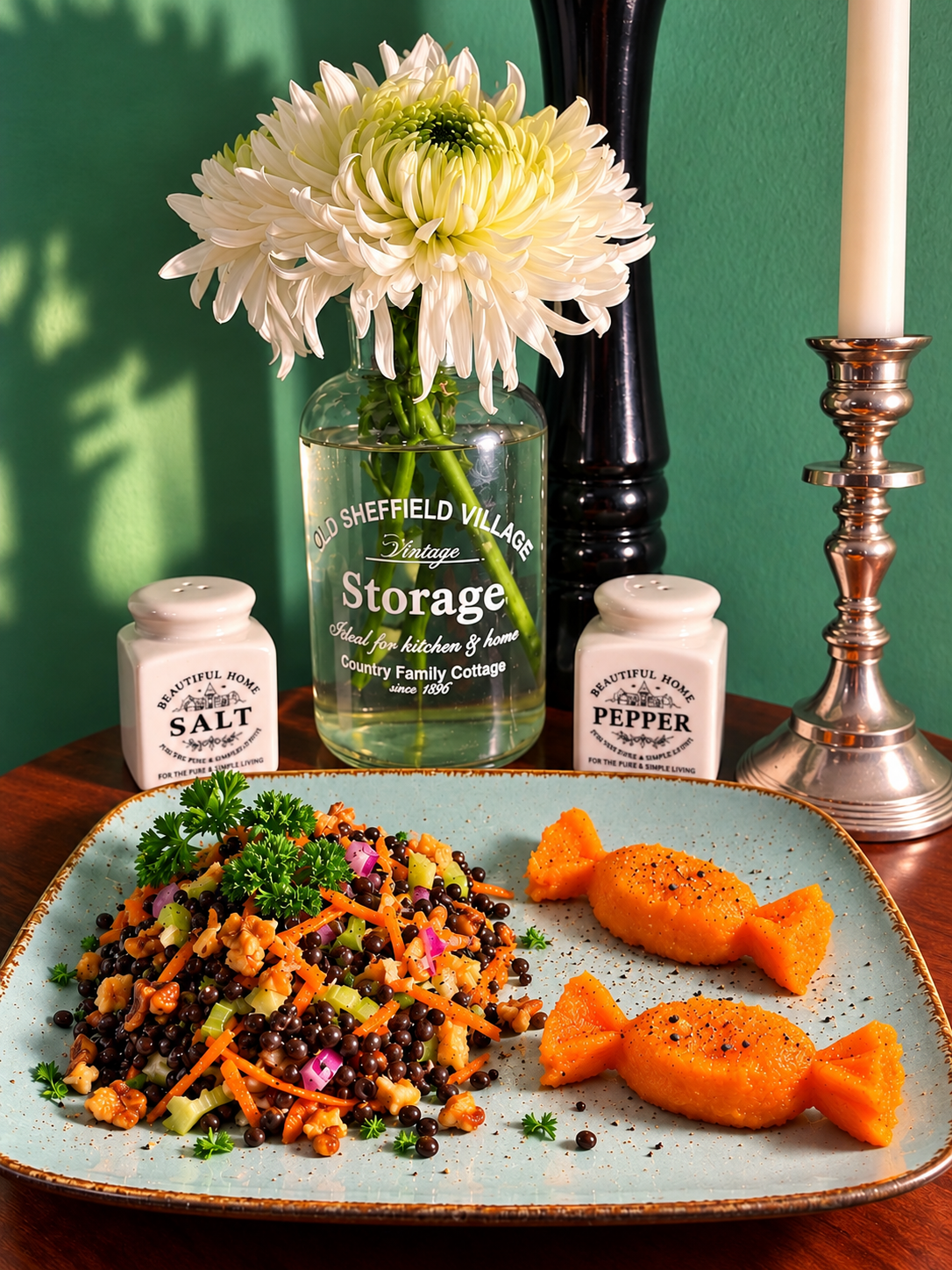
Salade d’Automne aux Lentilles et Noix – A French Autumn ClassicFrench lentil salads are traditionally prepared with firm, flavourful lentils, often the famous green Lentilles Vertes du Puy, and dressed with mustard vinaigrette. This autumn-inspired interpretation uses black Beluga lentils, which retain their shape beautifully and offer a delicate, earthy flavour. Toasted walnuts, crunchy vegetables and a slightly sweet walnut oil vinaigrette create a wonderful balance of textures and seasonal aromas.
Cook this recipe →
Recipe postcard
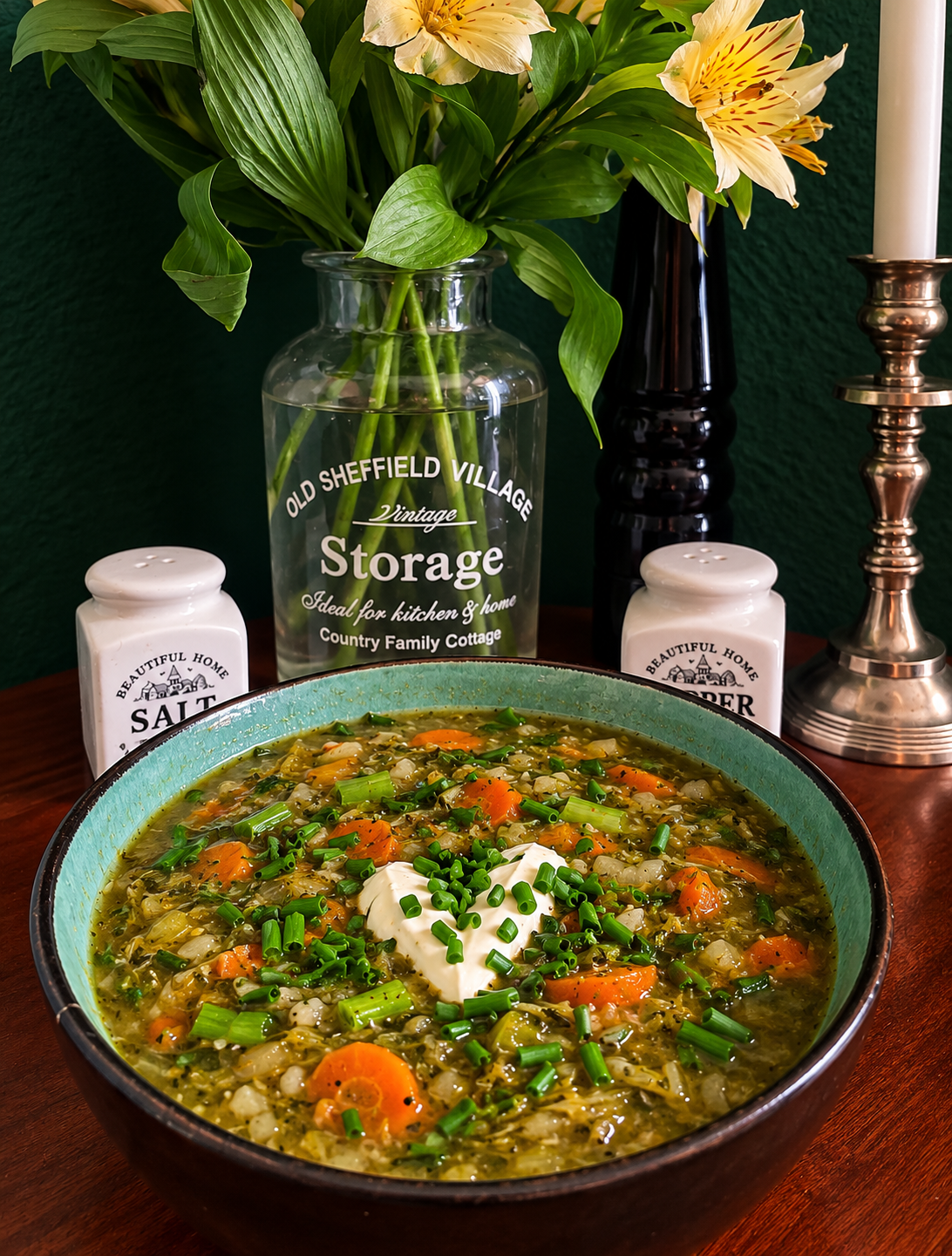
Romania – A Country of Hearty Soups and Culinary TraditionsRomanian cuisine is shaped by regional traditions, seasonal vegetables and influences from the Balkans, Central Europe and the Ottoman world. Soups are an important part of everyday food culture, particularly ciorbă, a family of soups known for their pleasantly tangy flavour. Fresh herbs such as lovage and parsley, root vegetables and homemade vegetable broths give these dishes their distinctive character. Orthodox Christian fasting traditions have also influenced Romanian cooking, inspiring a rich variety of naturally plant-based dishes.
What Is Ciorbă de Praz de Post?Ciorbă de praz de post is a Romanian fasting-style leek soup. The word "praz" means leek, while "de post" indicates a dish prepared according to religious fasting traditions, generally without meat, dairy products or eggs. Traditional versions combine tender leeks, root vegetables, vegetable broth and fresh herbs, often finished with a pleasantly sour note. My Via Veggie Vegan version uses lemon juice, a little plant-based sour cream for creaminess and fresh chives for a colourful finish. The soup is entirely plant-based and inspired by Romania's tradition of simple, nourishing fasting dishes.
Cook this recipe →
Recipe postcard
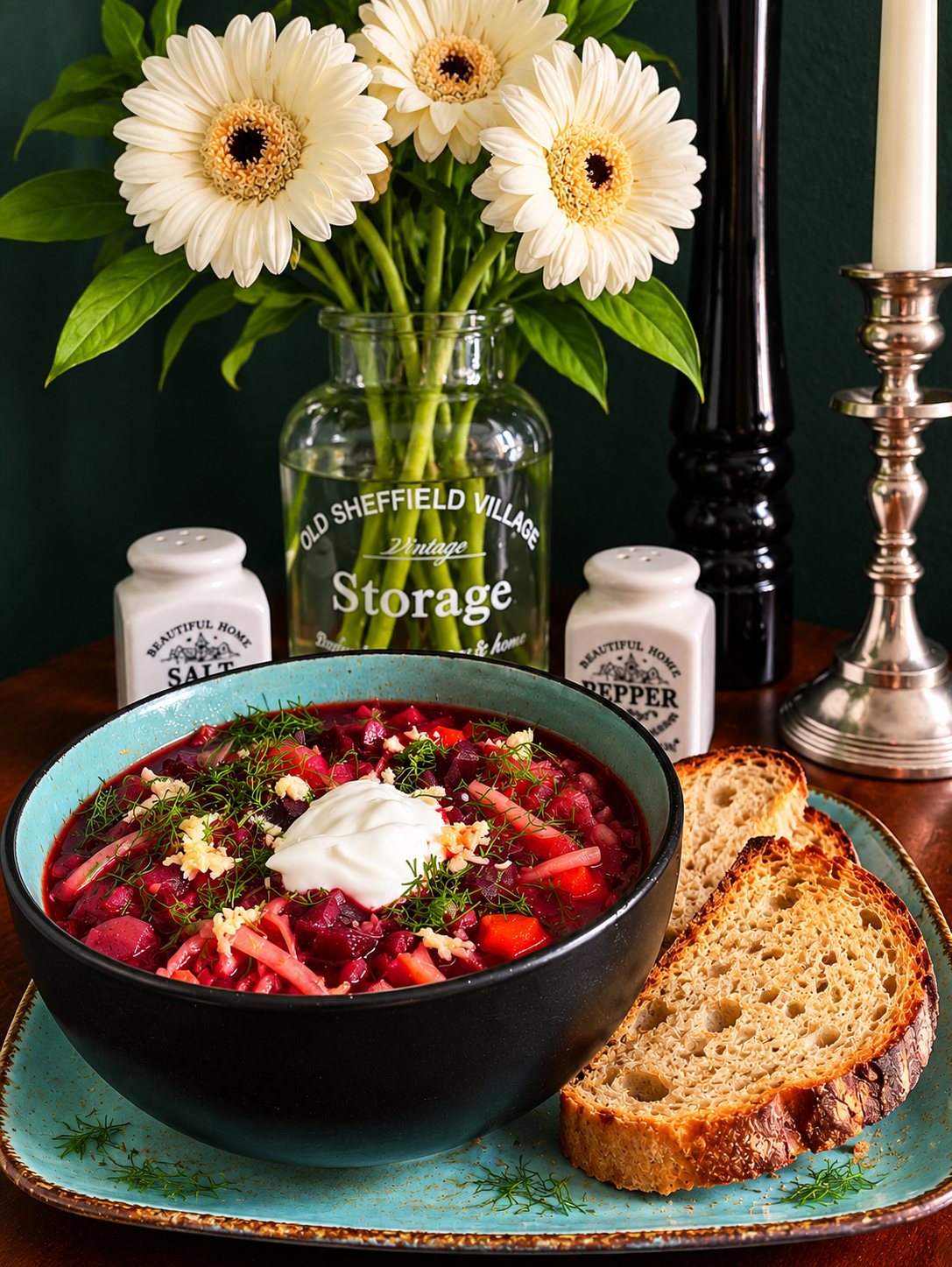
Ukraine – A Culinary Heritage of Hospitality and ResilienceUkraine is a country in Eastern Europe with a rich agricultural heritage and a deeply rooted food culture. Fertile farmland, seasonal vegetables, grains and traditional preservation methods have shaped Ukrainian cooking for generations. Beetroot, cabbage, potatoes, carrots, onions and dill are familiar ingredients in many everyday dishes. Soups hold a particularly important place in Ukrainian cuisine, bringing families together around the table. Ukrainian borscht is much more than a recipe: it represents hospitality, family traditions and cultural identity. In 2022, UNESCO inscribed the culture of Ukrainian borscht cooking on its List of Intangible Cultural Heritage in Need of Urgent Safeguarding, recognising the importance of protecting this living culinary tradition.
Ukrainian Borscht – A Beloved Beetroot Soup with Many VariationsBorscht is one of Ukraine's best-known traditional dishes. There is no single universal recipe: ingredients and preparation methods vary between regions, families and seasons. Many versions combine beetroot, cabbage, potatoes, carrots, onions and tomatoes in a flavourful broth. Some are prepared with meat, while others are vegetarian or suitable for periods of religious fasting. My Via Veggie Vegan version uses a rich vegetable broth instead of beef stock and finishes the soup with plant-based sour cream, fresh dill and garlic. The beetroot is gently sautéed with tomato paste and lemon juice before being added to the soup, helping to develop its earthy sweetness and beautiful red colour. Served with rustic rye bread, this is a comforting Ukrainian-inspired classic made entirely from plants.
Cook this recipe →
Recipe postcard
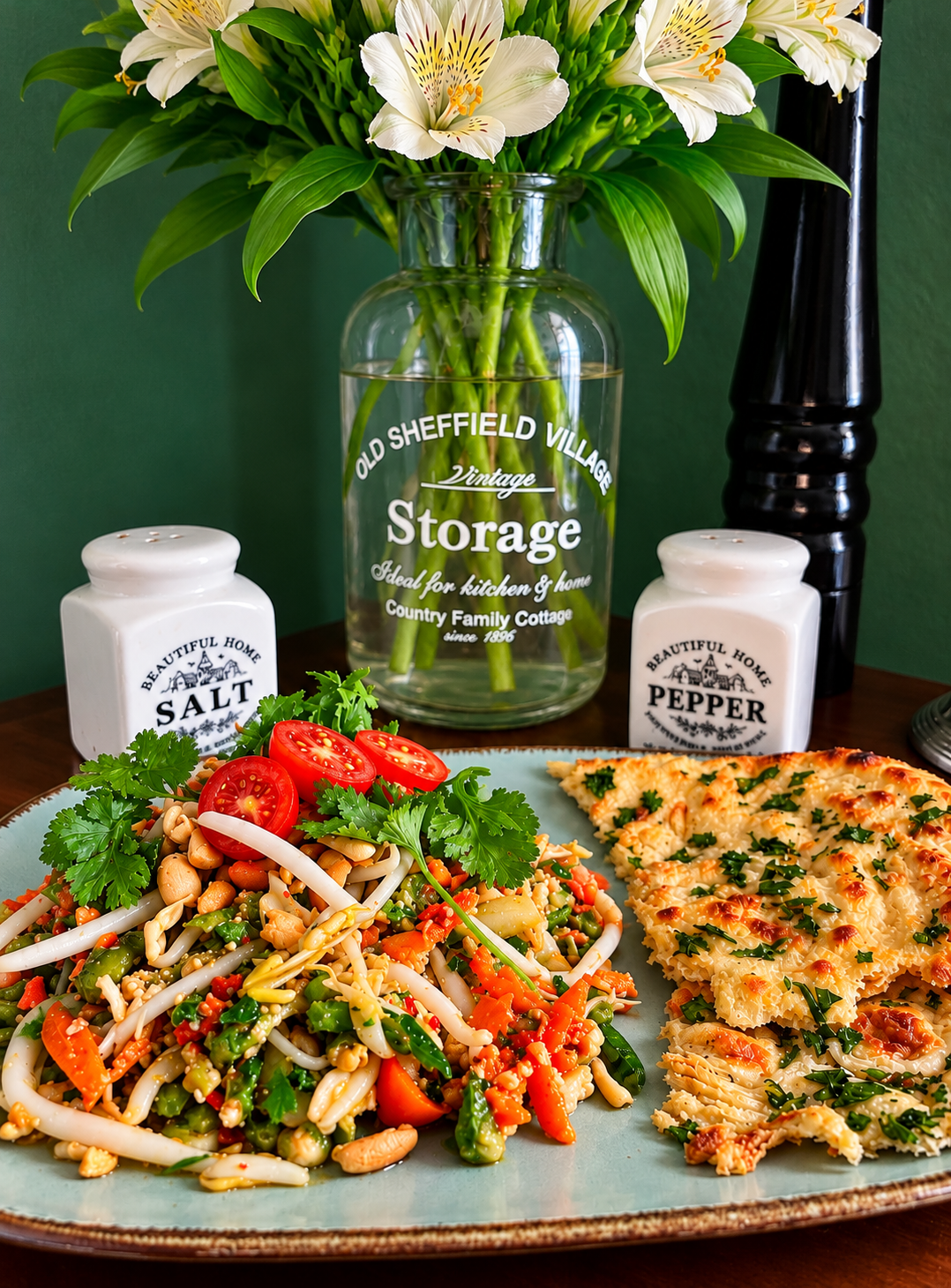
Indonesia – A Culinary Journey to West JavaIndonesia is a vast Southeast Asian archipelago with an extraordinary diversity of regional cuisines, ingredients and culinary traditions. West Java is home to the Sundanese people, whose food culture is particularly associated with fresh vegetables, aromatic herbs, sambal and rice. Sundanese cuisine often celebrates the natural flavours and textures of vegetables, making it a wonderful source of inspiration for plant-based cooking. Fresh produce, chillies, garlic, peanuts and fragrant rhizomes such as kencur play important roles in many local preparations. Karedok is one of the region's best-known vegetable dishes and beautifully reflects this appreciation for freshness, texture and bold seasoning.
Karedok – A Traditional Sundanese Salad with a Vegan TwistKaredok is a traditional Sundanese vegetable salad from West Java, usually prepared with raw vegetables and a thick, aromatic peanut dressing. Common ingredients include cabbage, cucumber, bean sprouts, long beans and fresh herbs, while the dressing typically combines roasted peanuts, garlic, chilli, palm sugar, tamarind and kencur. Some versions also contain terasi, a fermented shrimp paste that adds savoury depth. My Via Veggie Vegan interpretation replaces terasi with white miso, adds carrot, Thai basil and fresh coriander, and uses thoroughly cooked ordinary green beans instead of raw long beans. The result is a colourful, crunchy and completely plant-based version inspired by the flavours of traditional Karedok.
Cook this recipe →
Recipe postcard
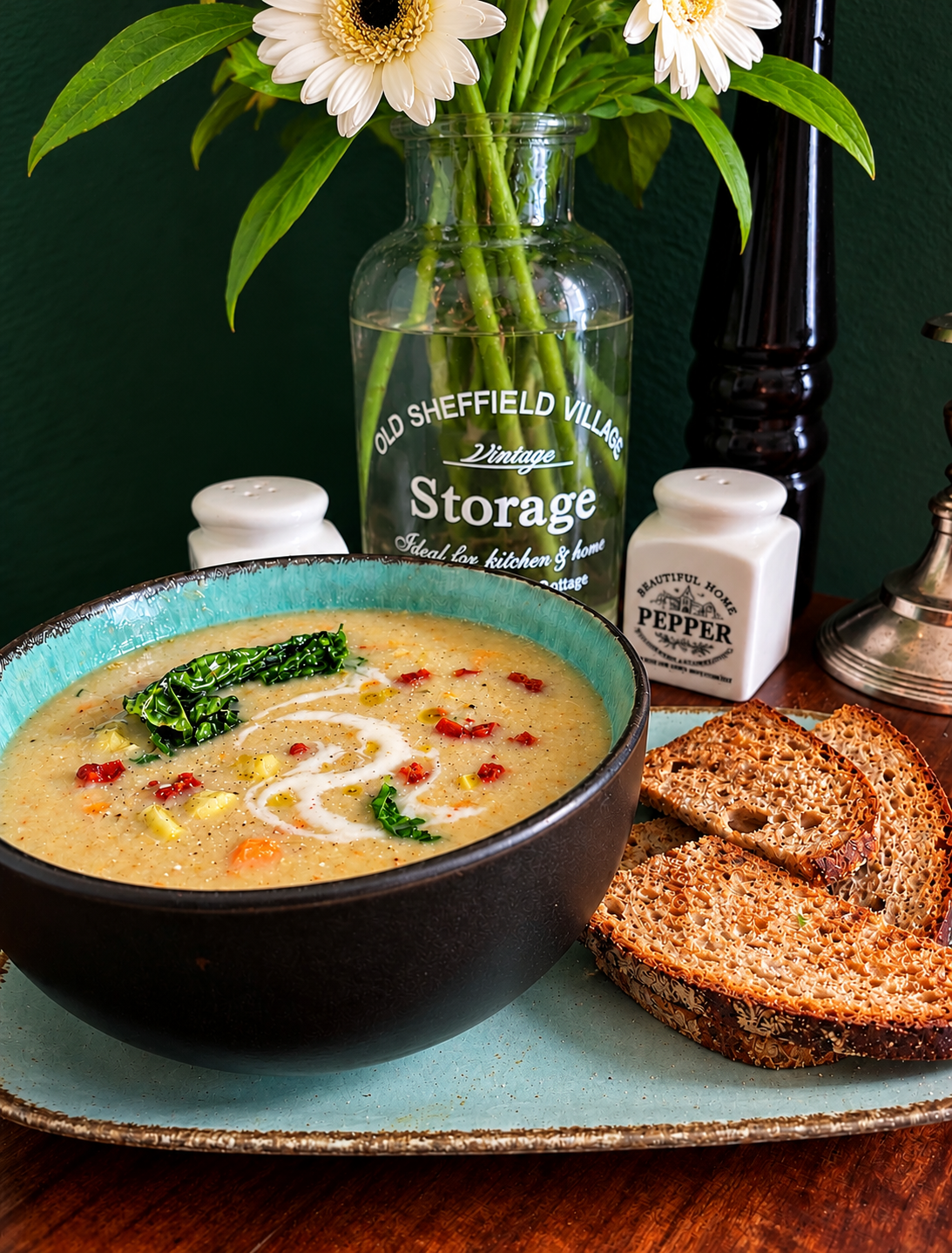
Poland – A Country of Hearty Traditions and Regional CuisinePoland is a Central European country with a rich culinary heritage shaped by regional traditions, seasonal produce and generations of home cooking. Polish cuisine is particularly well known for its comforting soups, potato dishes, cabbage preparations, dumplings and hearty stews. Vegetables such as carrots, potatoes, onions, beetroot and kohlrabi have long played an important role in everyday meals. From the Baltic coast to the mountainous south, Polish cooking celebrates familiar ingredients transformed into satisfying dishes that bring families together around the table.
Silesian Oberiba – A Traditional Kohlrabi SoupOberiba is a regional name associated with kohlrabi in Silesian culinary traditions. Kohlrabi soup, known more generally in Polish as zupa z kalarepy, is a rustic vegetable preparation that can feature tender kohlrabi, potatoes, carrots, broth and cream. In traditional versions, meat-based broth may provide additional depth, while the tender young kohlrabi leaves can be cooked alongside the vegetables. My Via Veggie Vegan interpretation replaces animal-based ingredients with homemade vegetable broth, oat cream and vegan ham cubes. Crispy kohlrabi leaves and a little vegan sour cream give this comforting Silesian-inspired soup a delicious finishing touch.
Cook this recipe →
Recipe postcard
Sri Lanka – The Pearl of the Indian OceanSri Lanka is an island nation in South Asia, situated in the Indian Ocean southeast of India. Often called the Pearl of the Indian Ocean, the country is known for its tropical landscapes, tea plantations, diverse wildlife and rich culinary traditions. Sri Lankan cooking makes extensive use of coconut, rice, vegetables, chillies, curry leaves and aromatic spices. Regional and cultural influences have shaped a cuisine that combines bold flavours with everyday ingredients, creating dishes that are both vibrant and deeply comforting.
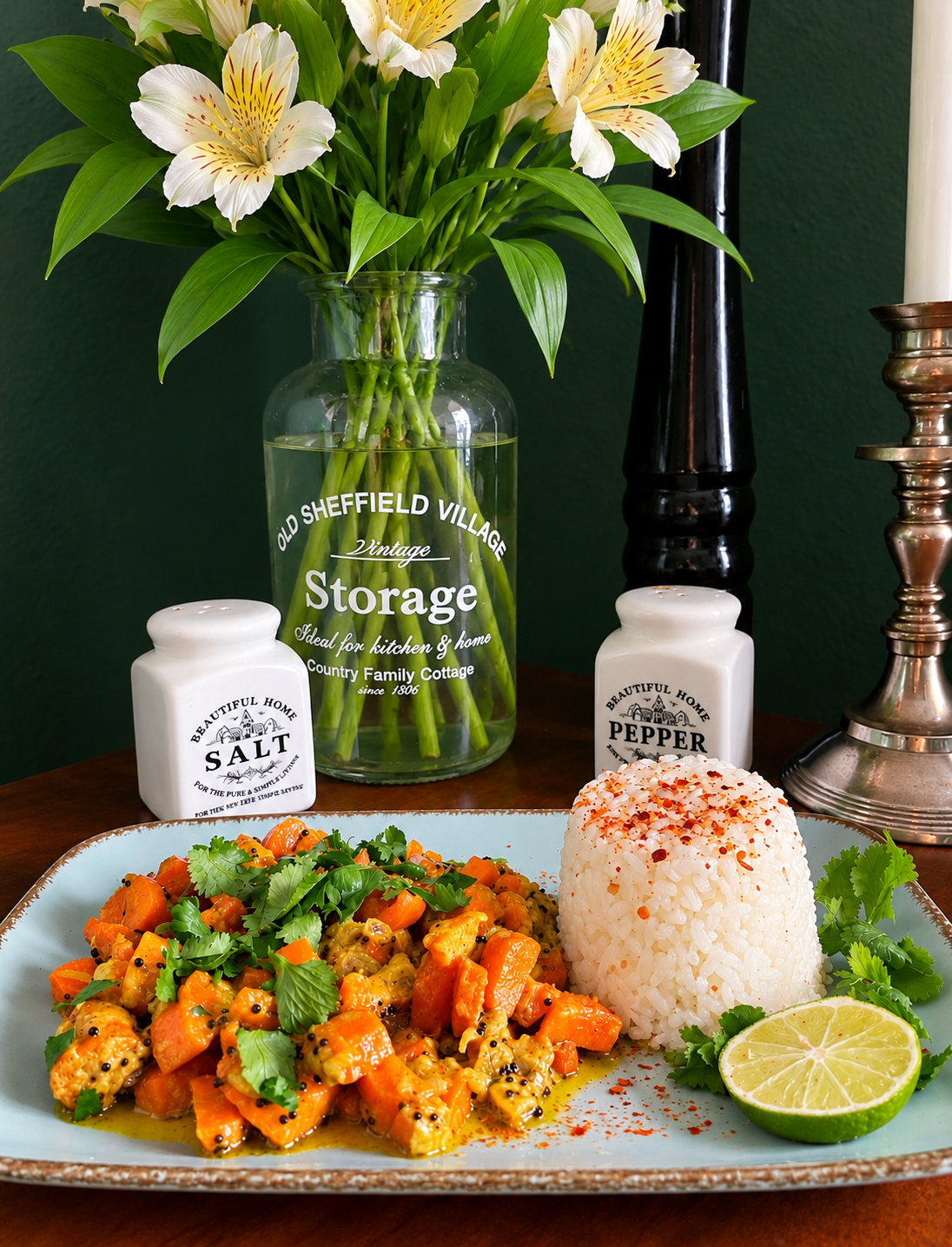
Carrot Mallum – A Colourful Sri Lankan Vegetable ClassicMallum, also spelled mallung, refers to a Sri Lankan preparation of finely chopped or shredded vegetables or leafy greens mixed with grated coconut and seasonings. Unlike a creamy coconut curry, mallum is generally relatively dry and retains more texture. Carrot Mallum brings together naturally sweet carrots, coconut, mustard seeds, curry leaves and fresh chillies. My Via Veggie Vegan version uses mustard oil for an additional aromatic note and finishes with fresh lime juice. Served alongside rice, it makes a colourful and satisfying plant-based meal.
Cook this recipe →
Recipe postcard
Nepal – Culinary Traditions from the Himalayas
Nepal is a landlocked country in South Asia, home to the Himalayan mountains, including Mount Everest, and a remarkably diverse culinary heritage. Influenced by its geography, ethnic communities and neighbouring Tibetan and Indian food traditions, Nepalese cuisine features aromatic spices, rice, lentils, vegetables, pickles and freshly prepared breads. Food is an important part of family life, celebrations and hospitality.
Momos – Nepal's Beloved Steamed Dumplings
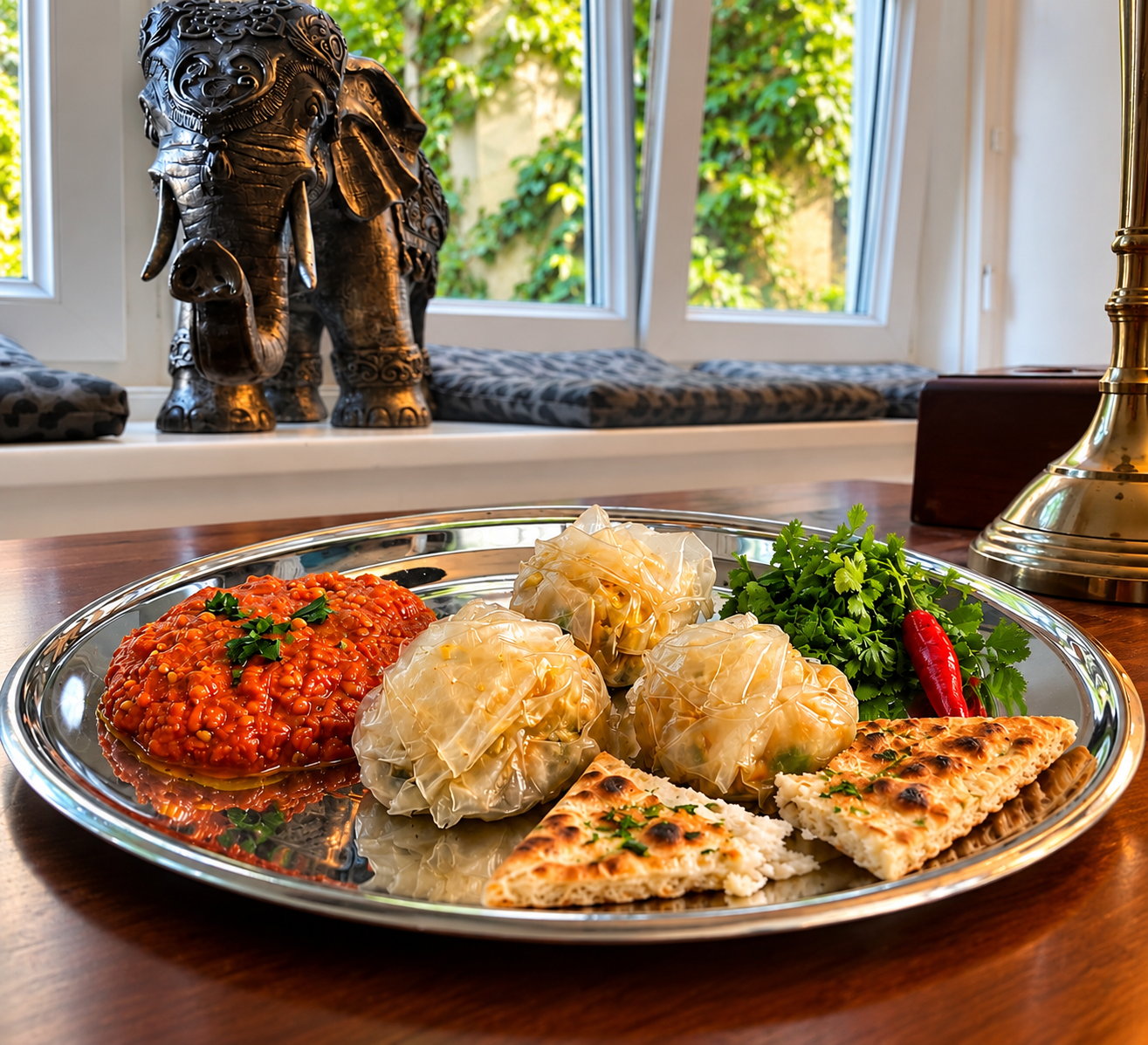
Momos are among Nepal's most popular dishes, with culinary roots closely connected to Tibetan dumpling traditions. These delicate parcels are typically filled with seasoned vegetables or meat, carefully folded by hand and steamed until tender. They are commonly served with a spicy dipping sauce known as achar, often prepared with tomatoes, sesame seeds and chillies. My Via Veggie Vegan version features a homemade vegetable filling, freshly ground Momo Masala and a fiery tomato sesame achar.
Cook this recipe →
