Recipe postcard
Laos – A Cuisine Built Around Fresh Herbs and Bold FlavorsLaos is a landlocked Southeast Asian country with a rich culinary heritage shaped by fresh herbs, fragrant aromatics and the balance of spicy, salty, sour and subtly sweet flavors. Lemongrass, galangal, chilies, makrut lime leaves and coriander play important roles in many dishes. One of the country's most important staples is sticky rice, known as khao niao, traditionally eaten with a wide variety of vegetables, dips, salads and savory dishes.
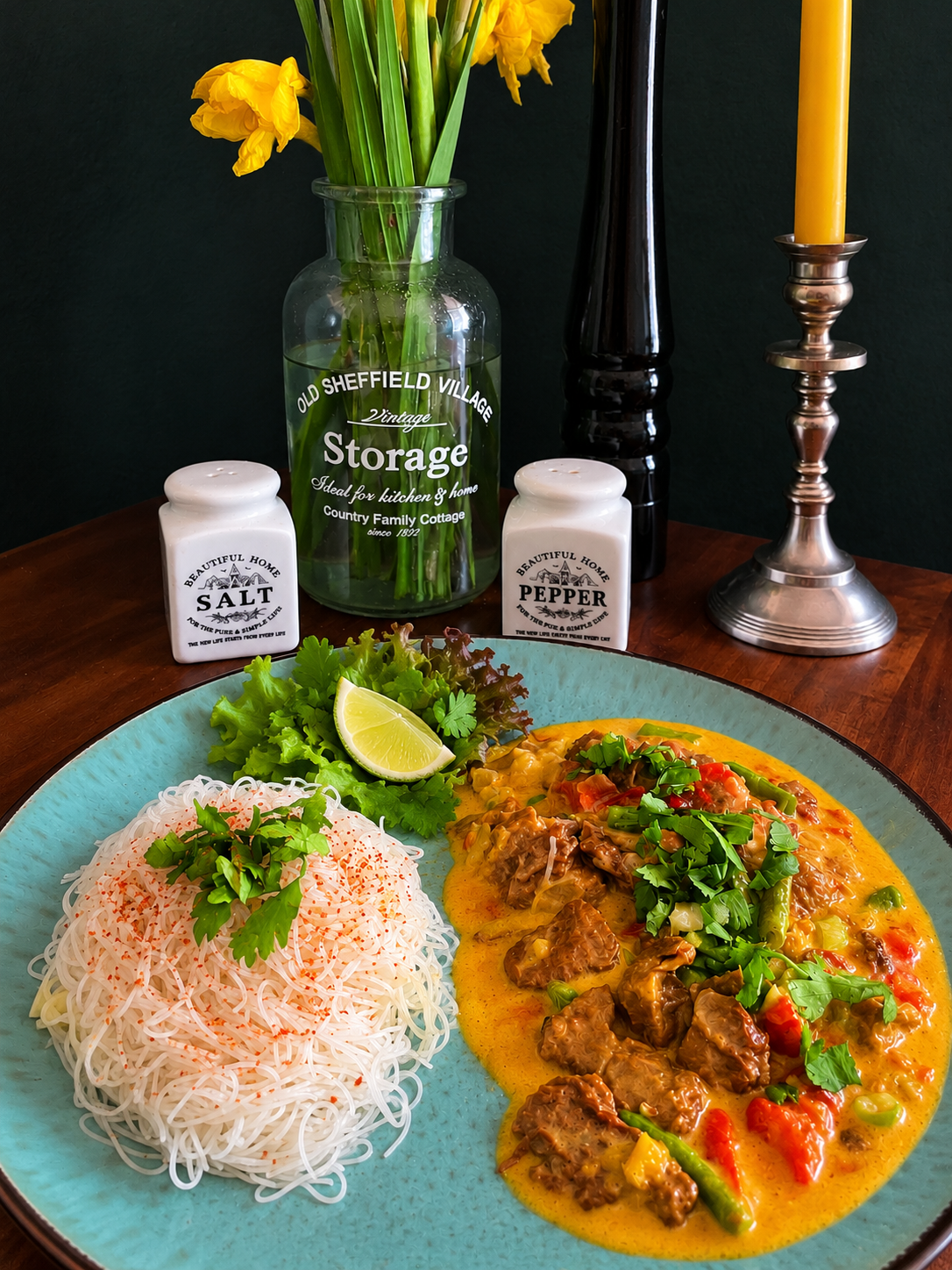
Lemongrass & Coconut Curry – A Lao-Inspired Vegan InterpretationThis Lemongrass & Coconut Curry is my own plant-based interpretation of characteristic Lao flavors rather than a recreation of one particular traditional dish. A homemade curry paste combines lemongrass, galangal, garlic, shallots and dried chilies, while coconut milk creates a silky, aromatic sauce. Mock Duck adds a satisfying, meaty texture, and fresh vegetables bring color and freshness. Instead of the more traditional sticky rice, I serve my curry with delicate rice noodles – a delicious little twist inspired by the contents of my kitchen.
Cook this recipe →
Recipe postcard
Malaysia – A Country of Tropical Rainforests, Islands and Culinary Diversity
Malaysia is a Southeast Asian country divided between Peninsular Malaysia and Malaysian Borneo. Its culinary traditions reflect centuries of cultural exchange between Malay, Chinese, Indian and Indigenous communities, alongside influences from regional trade routes. Coconut milk, lemongrass, turmeric, ginger, galangal and chili are important ingredients in many Malaysian dishes. From bustling street-food markets to traditional family kitchens, Malaysian cuisine is celebrated for its aromatic spice combinations, rich sauces and remarkable regional diversity.
What Is Sayur Lodeh?
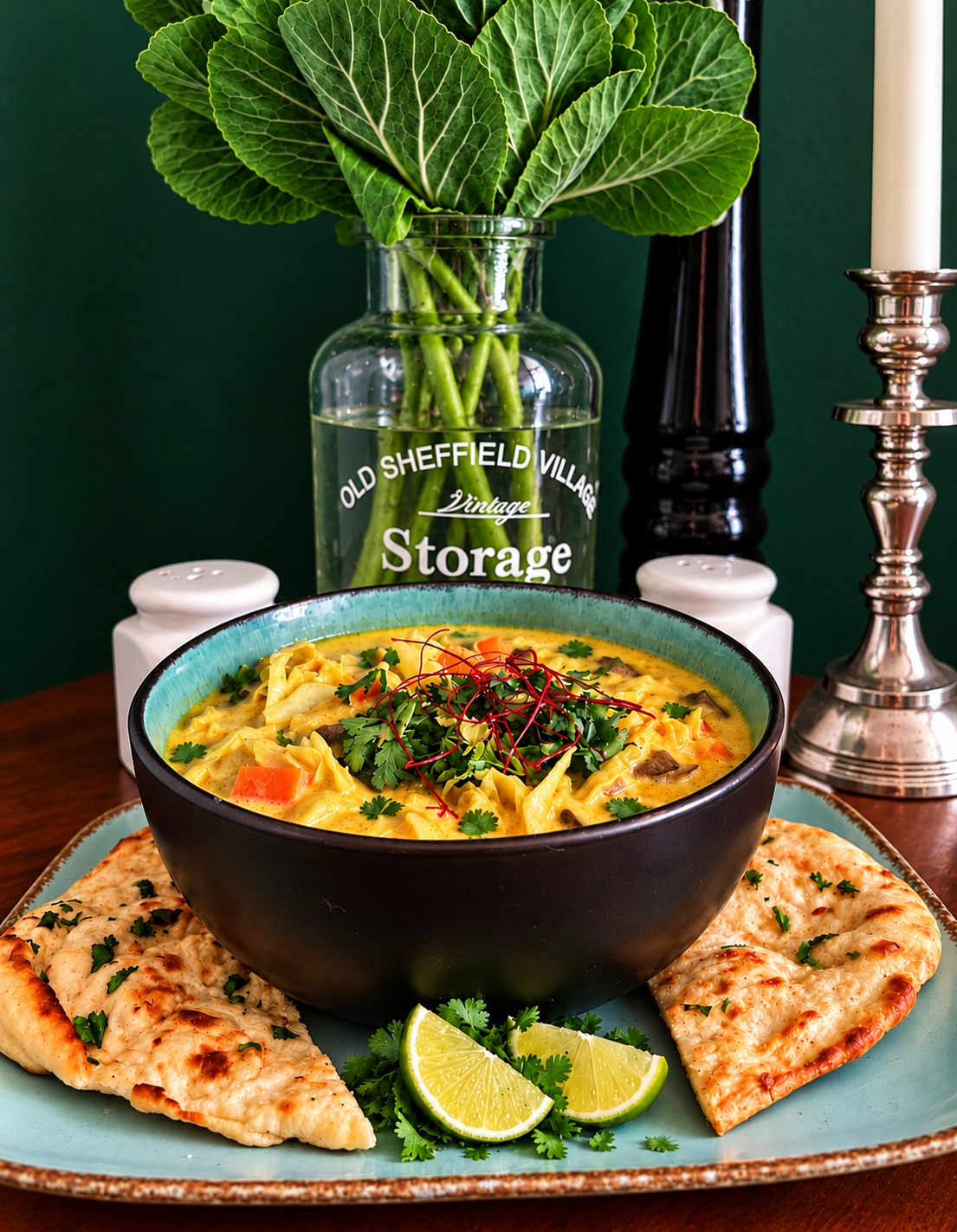
Sayur Lodeh is a vegetable dish cooked in a fragrant coconut milk broth, particularly associated with Indonesian and Malaysian cuisine. In Malaysia, it is also commonly known as Sayur Lemak Lodeh, referring to its rich, creamy character. Depending on the region and household, it may contain cabbage, long beans, carrots, tofu, tempeh and other vegetables. Some traditional preparations include shrimp-based seasonings for additional umami. This Via Veggie Vegan version uses white miso instead, creating a completely plant-based interpretation with a homemade rempah spice paste, golden coconut broth and a colorful mixture of vegetables.
Cook this recipe →
Recipe postcard
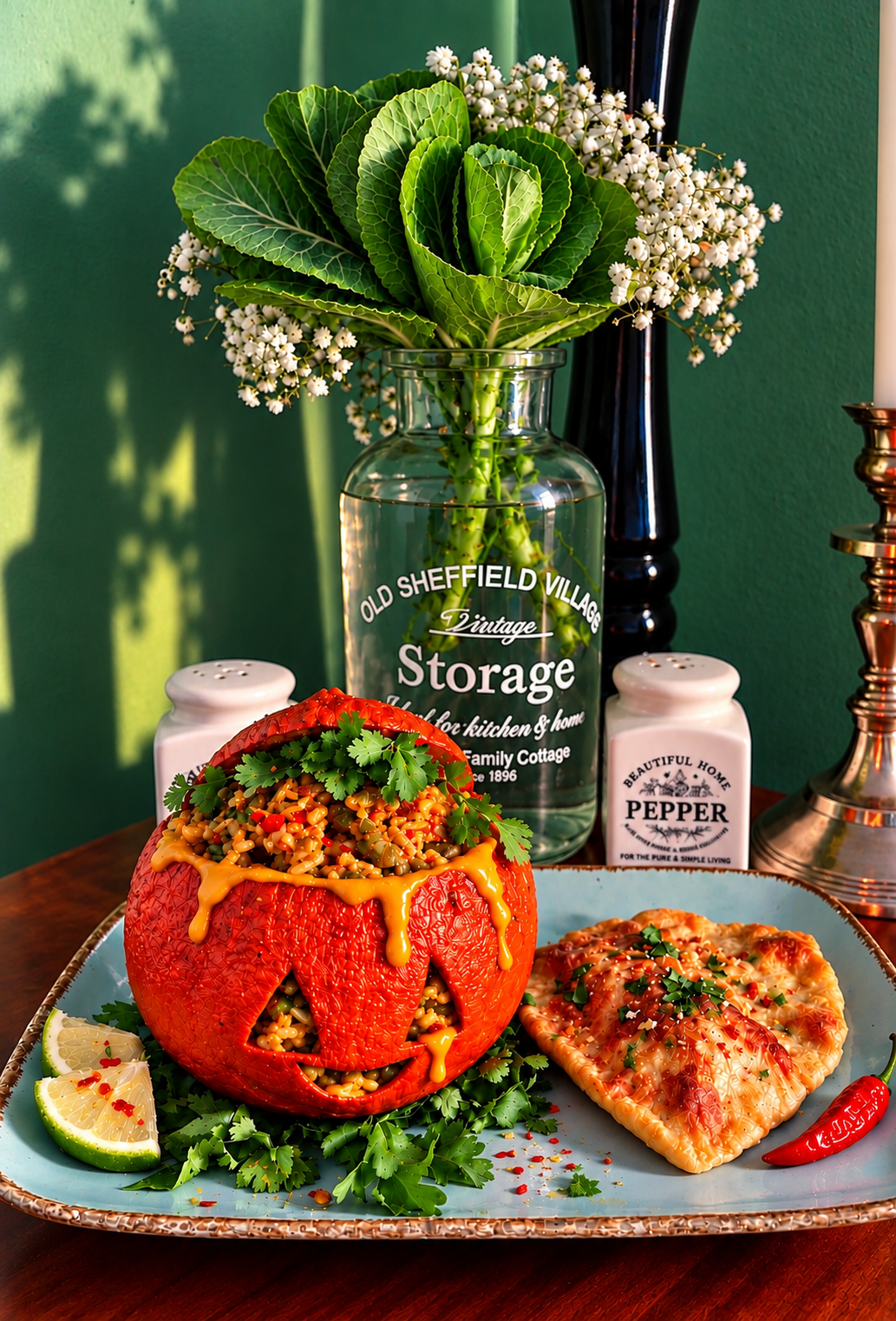
A Taste of CambodiaSomlor Kari, also spelled Samlor Kari, refers to a Cambodian curry preparation. Cambodian curries combine fragrant aromatic pastes with ingredients such as coconut milk, vegetables and, in many traditional versions, meat.
Halloween Meets Cambodian-Inspired CookingThe smiling jack-o'-lantern presentation is my own creative addition rather than a traditional Cambodian serving style. The roasted Hokkaido becomes both an edible bowl and an ingredient, making this dish a playful celebration of aromatic cooking and zero-waste creativity.
Cook this recipe →
Recipe postcard
Cambodia – The Aromatic World of Khmer CuisineCambodia's culinary heritage is shaped by regional traditions, fresh ingredients and influences from neighbouring Southeast Asian countries. Khmer cuisine is known for its fragrant combinations of lemongrass, galangal, turmeric, garlic and fresh herbs. Cambodian curries often emphasise aromatic flavours and a balance of savoury, sweet and sour notes rather than intense chilli heat.
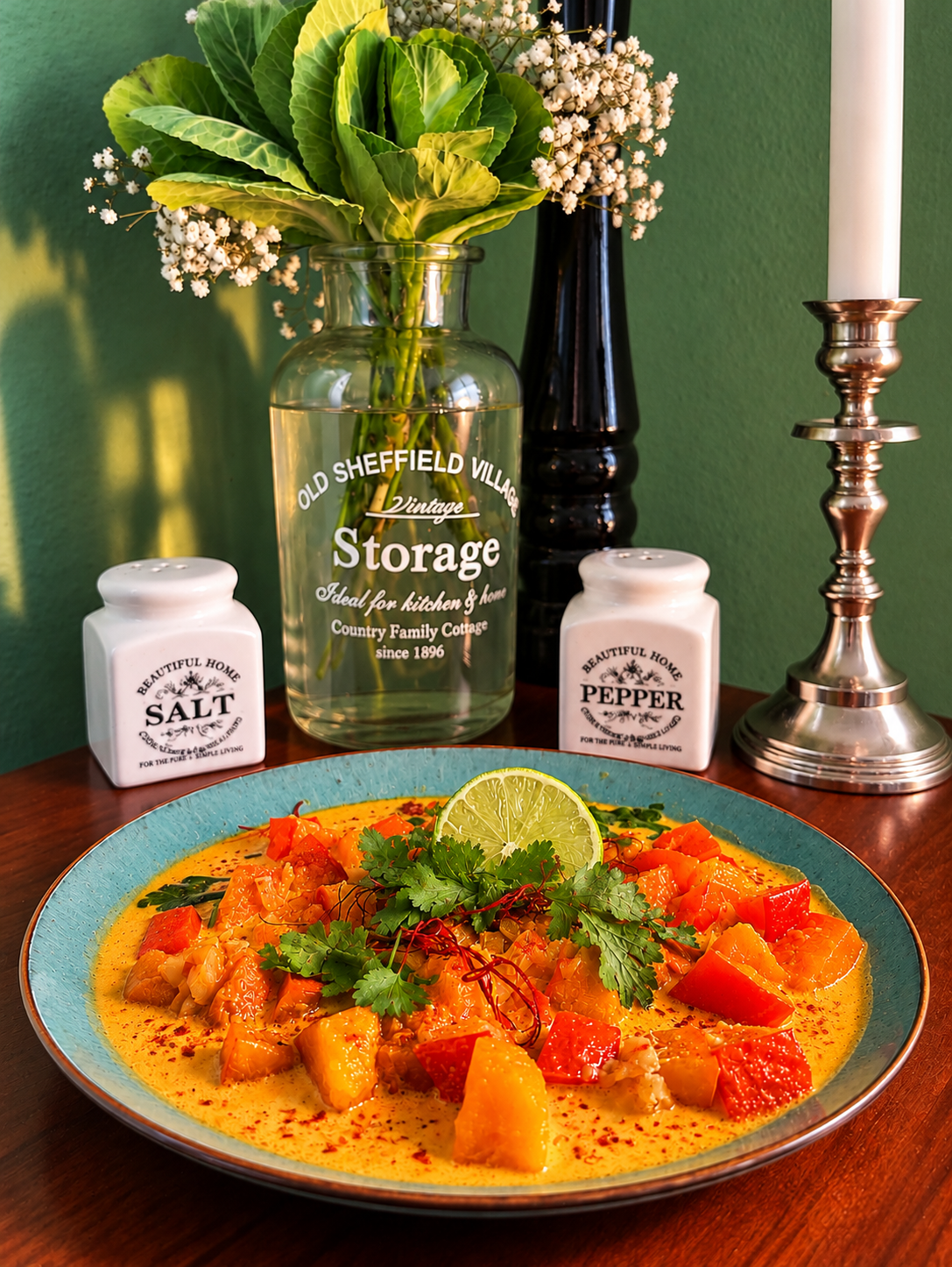
What Is Khmer Pumpkin Curry?Khmer Pumpkin Curry is a Cambodian-inspired dish combining tender pumpkin with fragrant aromatics and creamy coconut milk. My Via Veggie Vegan interpretation uses Hokkaido squash, fresh lemongrass, galangal, ginger, turmeric, garlic, vegan fish sauce and lime. The naturally sweet pumpkin complements the golden coconut sauce beautifully. This is a personal plant-based interpretation of Cambodian curry traditions rather than a reproduction of one specific traditional recipe.
Cook this recipe →
