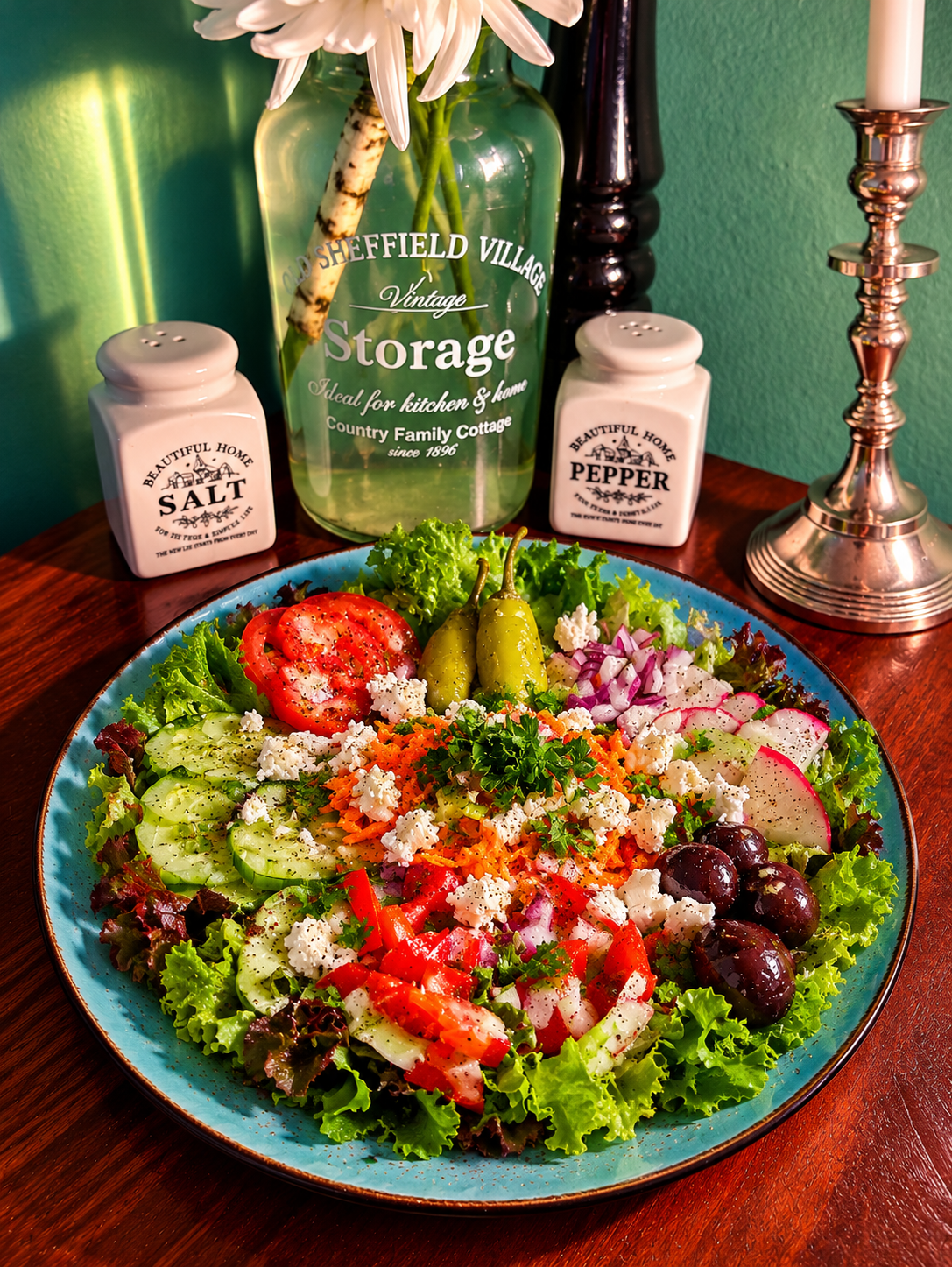
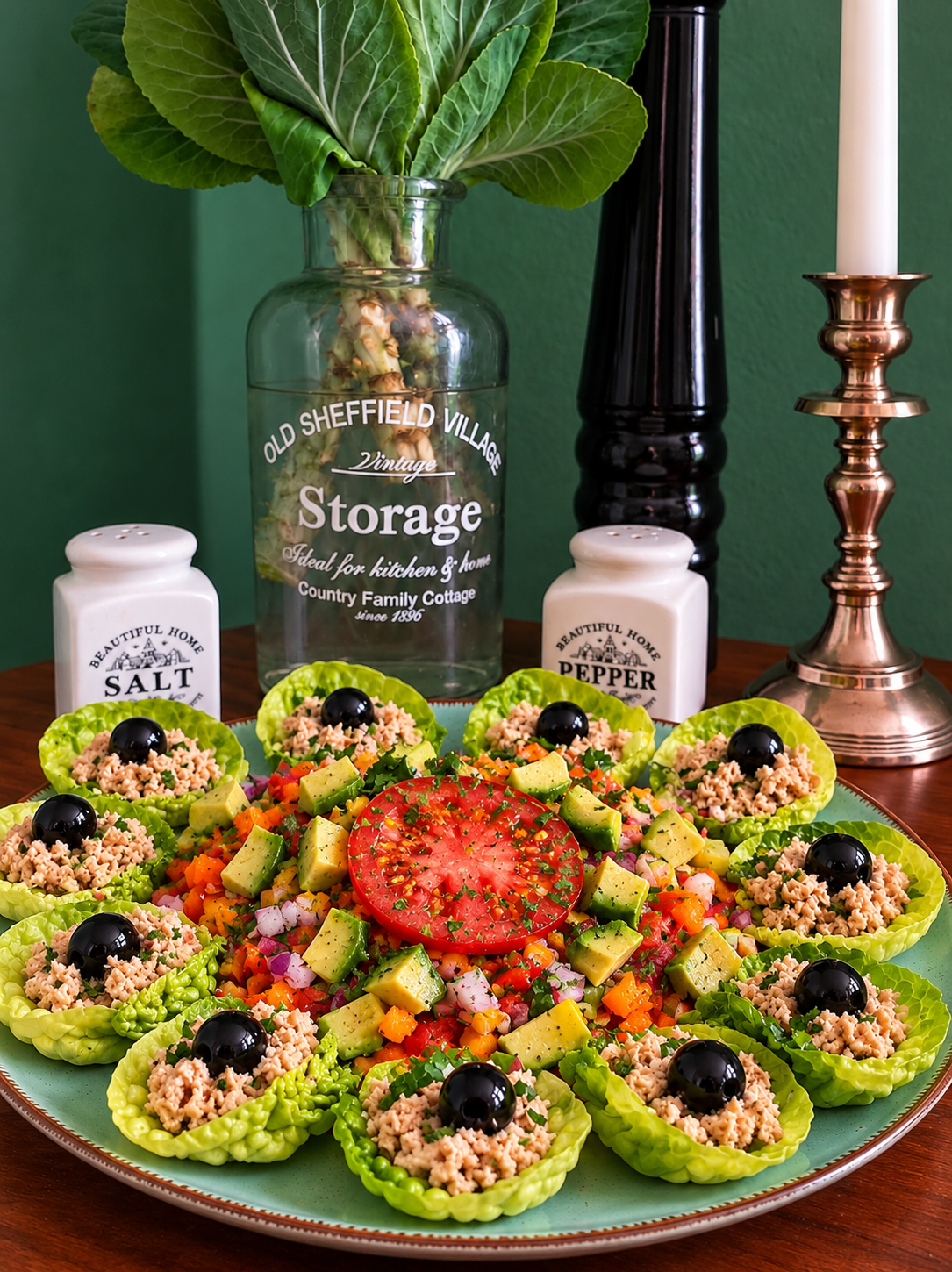
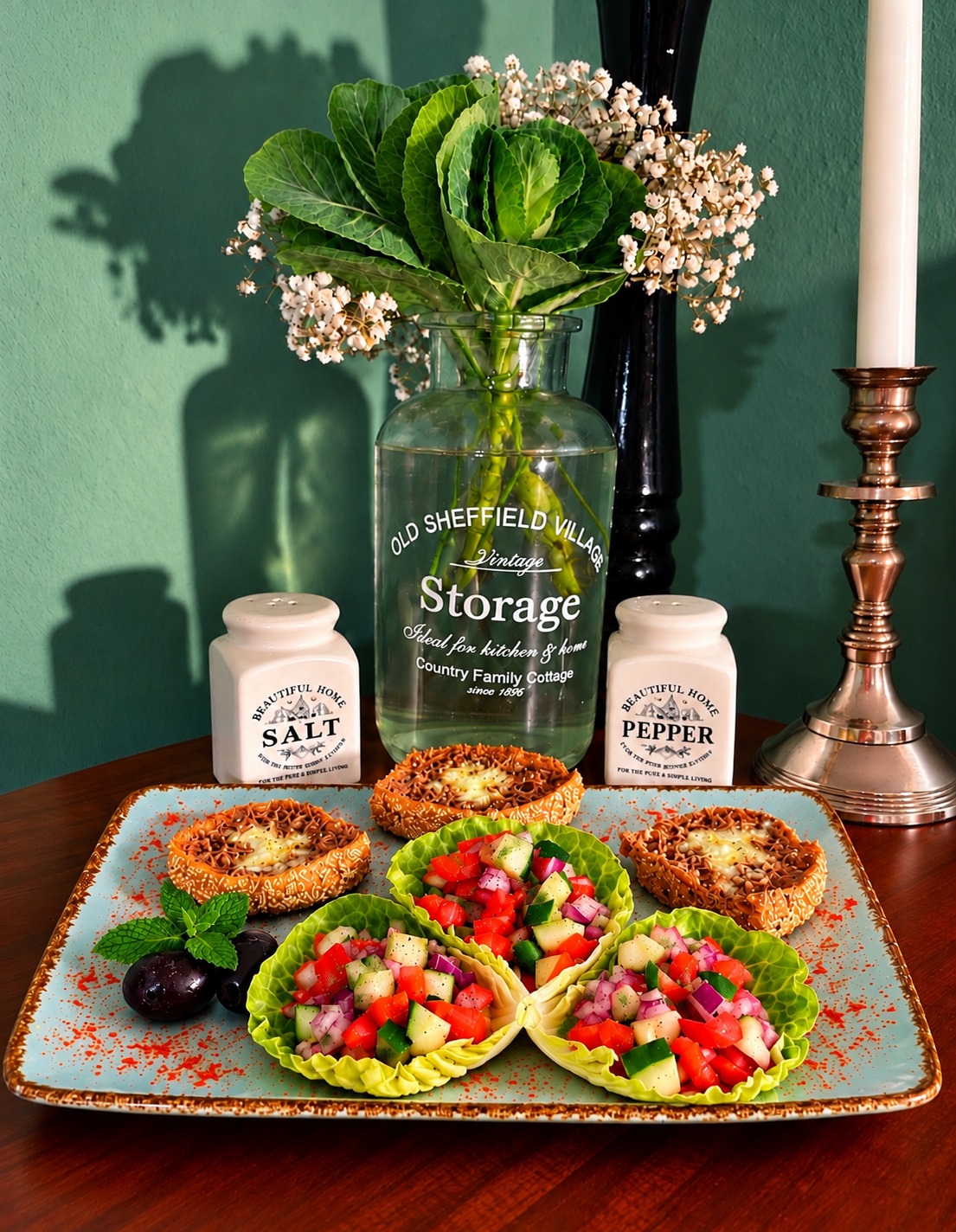
Côte d’Ivoire – A Taste of West Africa
Located along the Atlantic coast of West Africa, Côte d’Ivoire, also known as Ivory Coast, is a country of vibrant markets, tropical landscapes and wonderfully diverse culinary traditions. From the bustling streets of Abidjan to the historic coastal town of Grand-Bassam, food plays an important role in everyday life and social gatherings. Cassava, plantains, rice, fresh vegetables, fish and aromatic seasonings feature prominently in Ivorian cooking. One particularly distinctive specialty is attiéké, a fermented cassava product with a light, couscous-like texture. Often served with fresh vegetables and fish, it reflects the coastal food culture that inspired my colorful plant-based interpretation.
What Is Salade Bassamoise?
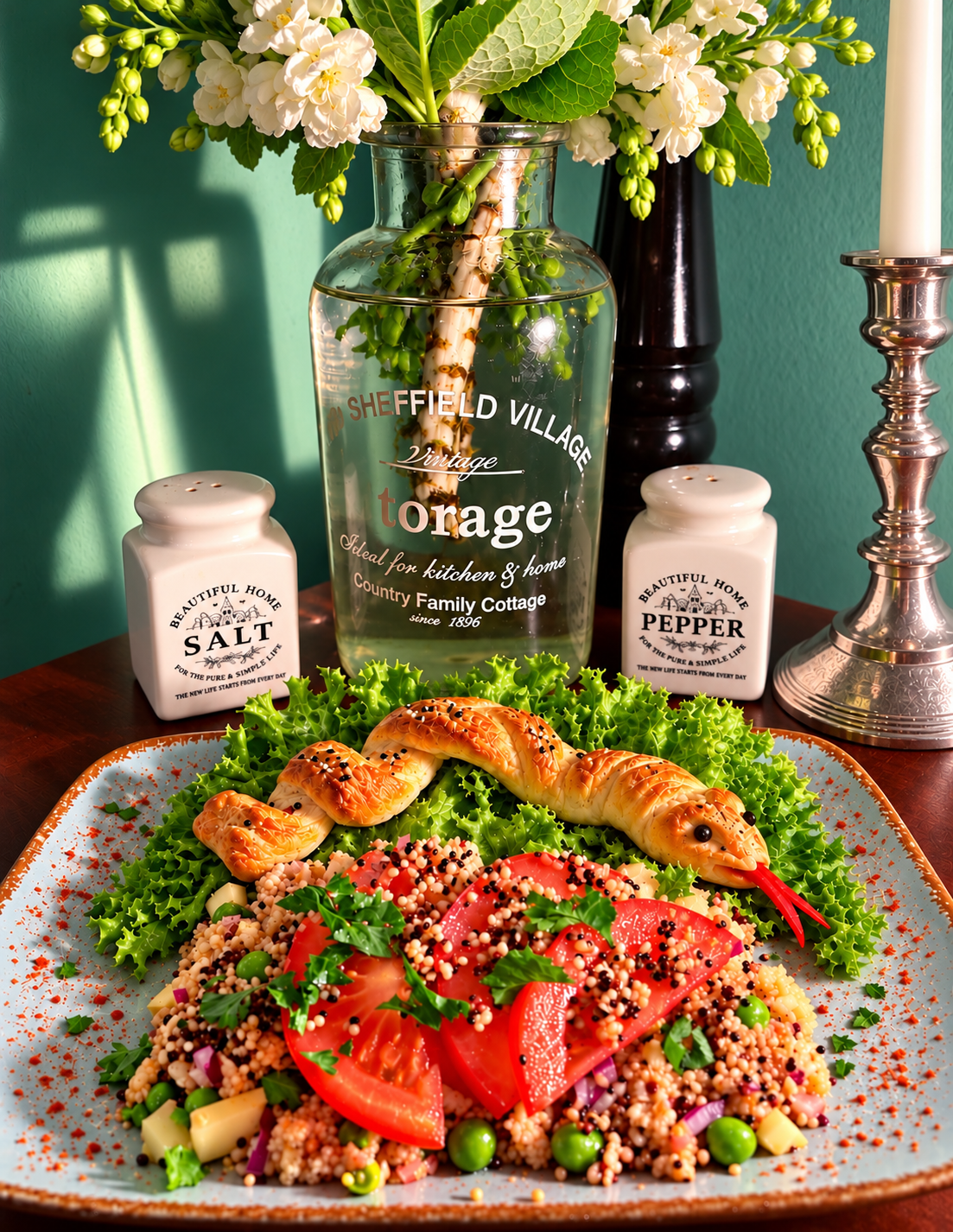
Salade Bassamoise takes its name from Grand-Bassam, a historic coastal town in southeastern Côte d’Ivoire. The dish is associated with fresh, colorful ingredients and the refreshing flavors of Ivorian coastal cuisine. My version takes inspiration from salads combining attiéké, vegetables and fish, but gives the idea a completely plant-based twist. Instead of traditional cassava-based attiéké, I use colorful wheat couscous, combined with vegan tuna, cucumber, green pointed pepper, red onion, green peas and plenty of fresh herbs. Olive oil and lime juice bring everything together in a bright, refreshing dressing. And because Halloween is just around the corner, a homemade snake made from leftover pizza dough has slithered onto the plate! It's a playful, zero-waste adaptation rather than an authentic traditional preparation.
▣ Ingredients (2 servings)
- 1/2 cucumber
- 1 red onion
- 1 green pointed pepper
- 30 g frozen green peas
- 1 tomato
- 10 fresh green lettuce leaves
- 2 pieces red pepper
- 1 pinch chili powder
- 4 black peppercorns
- 4 sprigs fresh parsley
- 4 sprigs fresh mint
- 4 sprigs fresh coriander
- 200 g colorful couscous (dry weight)
- 175 g plant-based tuna alternative
- 100 g vegan pizza dough
- 3 tbsp olive oil
- 2 tbsp freshly squeezed lime juice
- 1 splash unsweetened plant-based drink, for brushing the dough
- Water, according to couscous package instructions
- to taste salt & freshly ground black pepper
♨ Preparation
- Prepare the Couscous
Prepare the colorful couscous according to the package instructions. Fluff gently with a fork to separate the grains and allow it to cool completely before adding the other ingredients. - 2. Prepare the Vegetables and Herbs
Wash the cucumber and green pointed pepper and cut them into small, even cubes. Finely chop the red onion. Thaw the green peas and drain well. Wash and dry the parsley, mint and coriander, then finely chop the leaves. Reserve the herbs for serving. - 3. Combine the Salad
Place the cooled couscous in a large mixing bowl. Add the plant-based tuna, cucumber, red onion, green pointed pepper and green peas. Drizzle with olive oil and freshly squeezed lime juice. Season with salt and black pepper and gently combine until all ingredients are evenly distributed. - 4. Marinate the Salad
Cover the bowl and refrigerate for approximately one hour to allow the flavors to develop. Keep the fresh herbs separate until serving. - 5. Prepare the Halloween Snake
Preheat the oven to 180°C using conventional heat. Wrap the handle of a wooden cooking spoon tightly in aluminum foil. Roll the leftover pizza dough into a long, thin rope and carefully wind it around the foil-covered handle to form the snake's body.
Gently slide the dough coil and its foil support off the wooden spoon together. Shape one end into a snake's head, creating small eye sockets and slightly raised ridges. Press two whole black peppercorns into the eye sockets and add a small forked tongue made from red pepper. Use a wooden skewer or the tip of a knife to create decorative markings. - 6. Bake the Pizza Dough Snake
Lightly brush the snake with unsweetened plant-based drink. Transfer it to a baking tray lined with baking paper and bake for approximately 10–15 minutes, until golden brown and cooked through.
Allow the snake to cool before carefully removing the aluminum foil. Support the delicate coils to prevent the tail from breaking. - 7. Arrange the Salad and Tomato Fan
Wash and dry the lettuce leaves and arrange them on two serving plates. Spoon the marinated couscous salad onto the lettuce.
Arrange the thin tomato slices in an overlapping fan across the front of the salad, allowing each slice to remain visible. Sprinkle with the freshly chopped parsley, mint and coriander. - 8. Add the Snake and Serve
Place the cooled pizza dough snake decoratively over the lettuce behind the salad. Finish with a light sprinkle of chili powder.
Remove the decorative peppercorn eyes before eating.
Serve immediately and enjoy!
Food Story
Chopping Vegetables – My Personal Kind of Meditation
Some people meditate. Others practice yoga. I chop vegetables. Seriously! There is something incredibly calming about cutting cucumber, onion and pepper into tiny, perfectly even pieces. The colors, the textures, the rhythmic movement of the knife – it all helps me slow down, clear my head and concentrate on the present moment. Cooking has always been my personal form of mindfulness, and a colorful salad like this one is practically a meditation session disguised as dinner. No complicated techniques, no rushing, just fresh ingredients, a sharp knife and a little peace and quiet in my kitchen. At least, that was the plan. Because apparently, Halloween had other ideas.
One Salad, One Snake and More Than an Hour of Patience
Since we’re celebrating spooky season, I decided that my beautiful Salade Bassamoise deserved a rather unusual dinner guest: a snake made entirely from leftover vegan pizza dough. How difficult could that possibly be? Famous last words! I carefully rolled the dough, wrapped it around a foil-covered wooden spoon handle, shaped a tiny head and gave my little creature two black peppercorn eyes and a forked red pepper tongue. More than an hour later, she was finally finished. And I have to admit, she looked absolutely magnificent. A proper Halloween masterpiece! I was already imagining how fabulous she would look curled up beside the colorful couscous salad. Unfortunately, my snake had a slightly different opinion about her big photographic debut.
The Great Halloween Snake Disaster
Everything was ready. The salad was beautifully arranged, the tomato slices formed a lovely fan, and my little pizza dough snake was about to take center stage. And then it happened. Her tail broke off. Right before the photo shoot! After more than an hour of painstaking work, my magnificent Halloween creature had suddenly become a rather unfortunate-looking snake with a missing tail. I was NOT amused. So much for my peaceful, mindful cooking session! But that’s the beauty – and occasional madness – of cooking, isn’t it? Sometimes everything comes together perfectly. Sometimes your snake loses her tail at the worst possible moment. At least the salad was delicious, and the broken tail was still perfectly edible. Zero waste, even in a Halloween disaster! And the good news? There’s always another Halloween next year. Believe me, this snake and I have unfinished business.
♨ Nutrition per serving
Nutritional values are approximate and may vary depending on the ingredients and products used.
Good to Know
Grand-Bassam – The Inspiration Behind the Name
Grand-Bassam is a historic coastal town in southeastern Côte d’Ivoire and a UNESCO World Heritage Site. Once the country's colonial capital, it is known for its distinctive architecture, cultural heritage and coastal culinary traditions. The town's history reflects encounters between local communities and European colonial influences. Salade Bassamoise takes inspiration from the fresh ingredients and flavors associated with this region, although individual recipes and interpretations can vary.
Attiéké vs. Couscous – What's the Difference?
Although attiéké and wheat couscous look remarkably similar, they are made from completely different ingredients. Attiéké is a traditional Ivorian specialty produced from fermented cassava. Its preparation involves grating, fermenting and processing cassava before steaming it into light, fluffy granules with a subtly tangy flavor. Wheat couscous, by contrast, is made from semolina and has a milder taste. Pure attiéké is naturally gluten-free, while conventional wheat couscous contains gluten. My colorful couscous version is a personal vegan adaptation rather than a traditional preparation.
Why Is Attiéké Important in Ivorian Cuisine?
Attiéké is an important staple in Côte d’Ivoire, particularly in southern and coastal regions. It is commonly served with grilled fish, vegetables, onions, tomatoes and spicy sauces. Its distinctive texture and lightly fermented flavor make it a versatile accompaniment to many dishes. Cassava processing also reflects generations of culinary knowledge and local food traditions.
Plant-Based Tuna – A Vegan Alternative
Plant-based tuna alternatives are designed to recreate some of the texture and savory flavor of conventional tuna without using fish. Depending on the product, they may contain soy, wheat, pea protein or other plant ingredients. Their nutritional composition varies considerably, so checking the label is useful, particularly for protein and salt content. In this salad, vegan tuna adds a savory contrast to the fresh vegetables and zesty lime dressing.
Colorful Couscous – More Than Just Appearance
Colorful couscous varieties may contain naturally derived ingredients such as spinach or tomato powder to create different shades. These additions make the salad visually appealing, but they do not necessarily contribute substantial amounts of vegetables or additional nutrients. The nutritional composition depends on the specific product. The fresh cucumber, pepper, tomato and green peas provide the main vegetable contribution to this recipe.
Fiber – Supporting Healthy Digestion
Dietary fiber contributes to normal bowel function and can help promote a feeling of fullness. This salad provides fiber from couscous, green peas and fresh vegetables. Wholegrain couscous generally contains more fiber than refined varieties. Including a variety of vegetables, legumes and whole grains is a useful way to increase fiber intake as part of a balanced plant-based diet.
Olive Oil and Unsaturated Fatty Acids
Olive oil contains predominantly monounsaturated fatty acids, particularly oleic acid. Replacing some saturated fat in the diet with unsaturated fat can help reduce LDL cholesterol. Olive oil also contributes flavor and helps distribute the lime dressing throughout the salad. Because all oils are energy-dense, the quantity used remains relevant when considering the overall nutritional value of a meal.
LDL and HDL Cholesterol – Understanding the Difference
LDL and HDL are lipoproteins that transport cholesterol through the bloodstream. Elevated LDL cholesterol contributes to the development of atherosclerosis and increases cardiovascular risk. HDL participates in transporting cholesterol back toward the liver, but a higher HDL level alone does not guarantee protection against cardiovascular disease. Overall dietary patterns, physical activity and other individual factors influence cardiovascular health.
Green Peas – Small but Nutritious
Green peas provide plant-based protein, dietary fiber and several vitamins and minerals. Their naturally sweet flavor complements the savory vegan tuna and tangy lime dressing. Frozen peas are a convenient option because they are typically processed shortly after harvesting. For food safety, prepare frozen peas according to the package instructions before cooling and adding them to the salad.
Fresh Herbs – Flavor Without Complication
Parsley, mint and coriander each contribute a distinctive aroma. Parsley brings fresh, slightly grassy notes, mint adds a cooling character, and coriander introduces bright, citrus-like flavors. Adding the herbs immediately before serving helps preserve their fragrance and appearance. Together, they make the salad taste especially fresh without requiring a complicated dressing.
Lime Juice – Freshness and Acidity
Freshly squeezed lime juice provides acidity that balances the olive oil and complements the vegetables. Its citrus aroma also brightens the flavor of the plant-based tuna and couscous. Adding the juice gradually allows the dressing to remain refreshing without becoming excessively sour.
Tomatoes and Vitamin C
Tomatoes contain vitamin C, potassium and carotenoids, including lycopene. Vitamin C contributes to normal immune function and helps protect cells from oxidative stress. Lycopene is responsible for much of the red color in ripe tomatoes. The tomato fan in this recipe adds both nutritional variety and an attractive finishing touch.
Why Marinate the Salad?
Refrigerating the salad for approximately one hour allows the dressing to distribute more evenly and the flavors to develop. The couscous gradually absorbs some of the olive oil and lime juice, while the vegetables contribute their own fresh aromas. Keeping the herbs separate until serving prevents them from losing their vibrant appearance.
Why Pizza Dough Makes a Good Halloween Decoration
Pizza dough is flexible enough to roll, twist and shape into decorative figures. During baking, its structure firms up and develops a golden crust. This makes it suitable for playful creations such as snakes, spiders and other Halloween decorations. The challenge is keeping delicate shapes intact, particularly when they contain narrow sections or tightly curved details.
Why the Snake's Tail Can Break
Thin sections of baked pizza dough are more fragile than thicker parts because they contain less material to support their structure. Curved shapes can also experience stress when moved or when their foil support is removed. Keeping the dough rope relatively even, avoiding excessively thin tails and allowing the decoration to cool completely can reduce the risk of breakage.
Zero Waste – Give Leftover Pizza Dough a Second Life
Small quantities of leftover pizza dough can be transformed into breadsticks, miniature rolls or decorative shapes instead of being discarded. In this recipe, the remaining dough becomes a Halloween snake. Even broken pieces are edible and can be served alongside the salad. Creative reuse helps reduce unnecessary kitchen waste.
Mindful Cooking – Finding Calm in the Kitchen
Cooking can offer opportunities to focus attention on the present moment. Repetitive tasks such as chopping vegetables, stirring ingredients and arranging food may feel calming because they encourage concentration on sensory experiences and simple movements. While cooking is not a substitute for professional mental health support, it can be an enjoyable personal mindfulness practice.
Halloween Food Art – Creativity on the Plate
Halloween provides an opportunity to transform everyday ingredients into imaginative edible decorations. Simple shapes, contrasting colors and playful details can turn a familiar meal into something unexpected. In this recipe, a colorful couscous salad becomes the setting for a homemade pizza dough snake, proving that spooky food does not have to be complicated or wasteful.
How to Store Leftover Salade Bassamoise
Refrigerate leftover salad promptly in an airtight container and preferably consume it within 24 hours for the best freshness and texture. Keep the pizza dough snake separately to prevent it from becoming soft. Because the salad contains prepared couscous, vegetables and a plant-based tuna alternative, avoid leaving it at room temperature for extended periods.