Recipe postcard
Jamaica – The Caribbean Island of Bold Flavours
Jamaica is a Caribbean island renowned for its vibrant culture, reggae music and distinctive culinary traditions. Its cuisine reflects Indigenous, African, European and Asian influences, combining tropical ingredients with aromatic herbs, warming spices and fiery chilies. Allspice, known locally as pimento, and Scotch Bonnet peppers are particularly characteristic of Jamaican cooking, alongside thyme, spring onions, garlic and ginger.
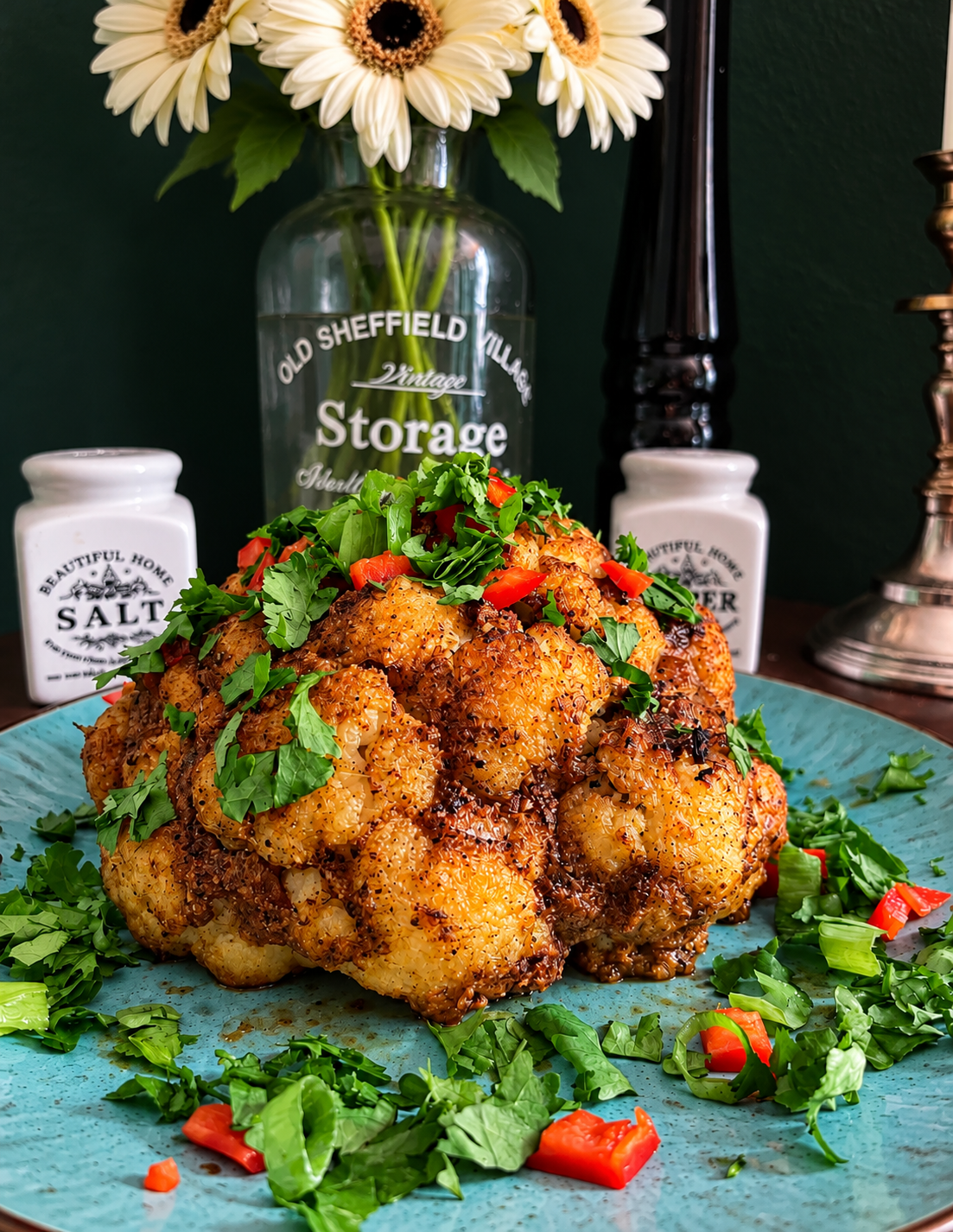
What Is Whole Roasted Jerk Cauliflower?
Jerk is one of Jamaica's most recognizable culinary traditions, traditionally associated with intensely seasoned meat cooked over fire or smoke. Whole Roasted Jerk Cauliflower is a modern plant-based interpretation inspired by those characteristic flavors. An entire cauliflower is coated in a homemade marinade of Scotch Bonnet chili, allspice, thyme, garlic, ginger, soy sauce and lime. Turmeric, fenugreek and a few drops of liquid smoke add my personal Via Veggie Vegan twist. Oven-roasted until deeply golden and tender inside, it becomes a wonderfully aromatic vegan centerpiece.
Cook this recipe →
Recipe postcard
Italy – A Culinary Journey to Puglia
Italy is celebrated for its remarkable regional cuisine, where traditional recipes reflect local ingredients, history and culinary creativity. In the southern region of Puglia, olive oil, tomatoes, garlic, chili and pasta are essential ingredients. Bari, the region's lively coastal capital, is particularly famous for its distinctive pasta traditions and vibrant street-food culture.
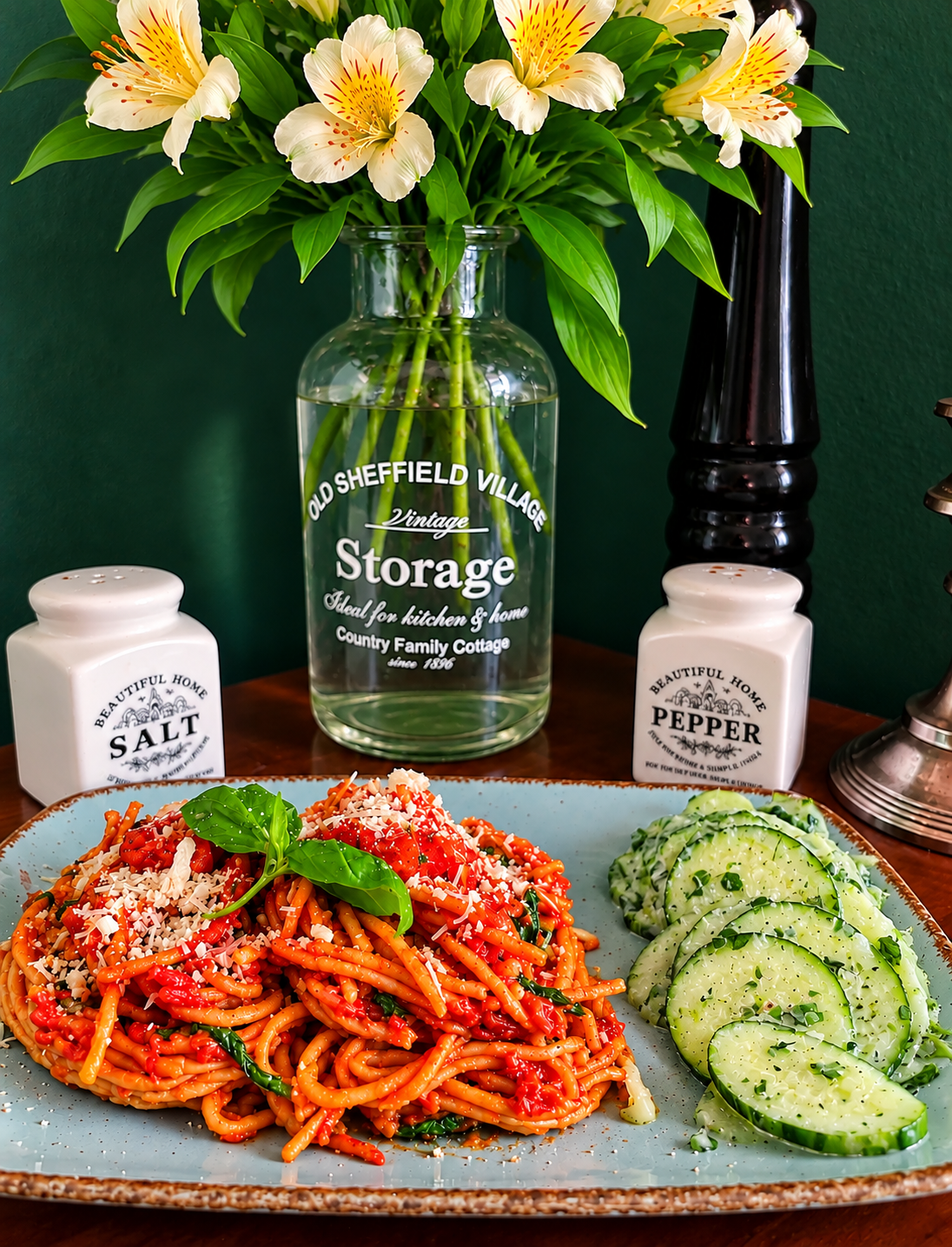
What Are Spaghetti all’Assassina?
Spaghetti all’Assassina, meaning “Assassin’s Spaghetti,” originated in Bari and became known for a cooking technique that breaks the usual pasta rules. Instead of boiling spaghetti separately, the dry pasta is toasted directly in a hot frying pan with tomato sauce, garlic and chili. Hot tomato broth is gradually added and allowed to evaporate, creating deeply concentrated flavors and characteristic crispy, lightly charred patches. The traditional basic recipe is naturally vegan, making it a perfect addition to Via Veggie Vegan.
Cook this recipe →
Recipe postcard
India – A Land of Spices and Culinary TraditionsIndia is a country of extraordinary culinary diversity, shaped by regional traditions, climate, agriculture, history and centuries of cultural exchange. From the aromatic dishes of North India to the coconut-rich cuisines of the south, spices play an important role in creating distinctive flavors. Cumin, coriander, turmeric, ginger, garlic and countless spice blends appear in a wide variety of regional preparations. Chickpeas are another important ingredient in Indian cooking, used in curries, snacks, salads, stews and soups. Their versatility makes them particularly suitable for satisfying plant-based dishes.
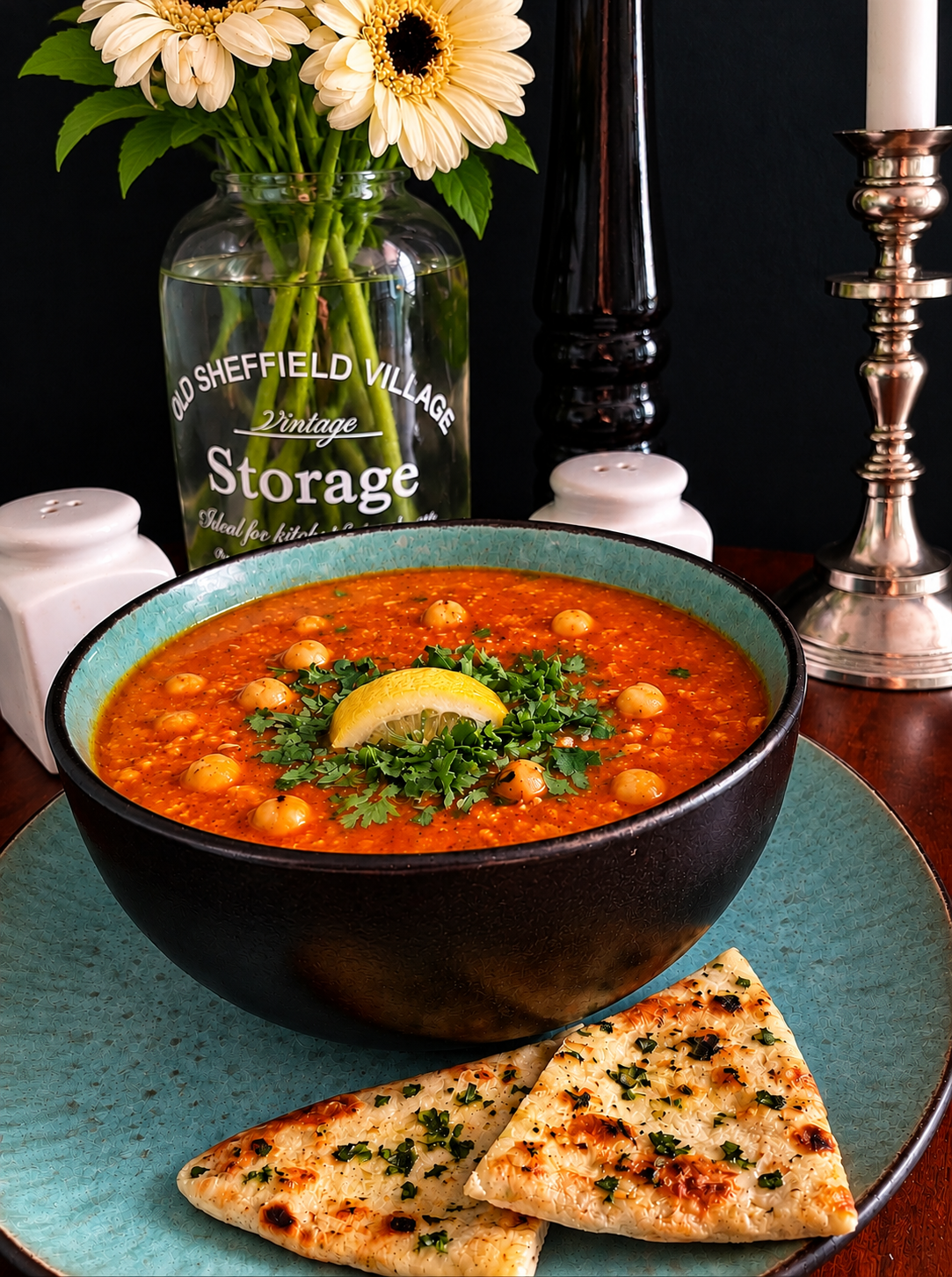
Chana Shorba – Indian Chickpea SoupChana means chickpeas, while shorba refers to soup or broth. Chana Shorba, also known as Chane Ka Shorba, is an Indian-style chickpea soup that can be prepared in several ways. Some versions are smooth and creamy, while others contain whole chickpeas in a fragrant broth. This Via Veggie Vegan interpretation combines chickpeas, tomatoes, onion, garlic, ginger, chili and aromatic spices. Blending a small portion of the soup creates natural creaminess without dairy or added cream. Fresh coriander and lemon bring brightness to the finished dish, while homemade Garlic Naan turns the soup into a delicious, satisfying meal.
Cook this recipe →
Recipe postcard
China – A Culinary World of Regional DiversityChina has one of the world's most diverse culinary traditions, shaped by centuries of regional cooking techniques, ingredients and food culture. From delicate Cantonese preparations to the bold, spicy flavors of Sichuan and Hunan, vegetables play an important role in Chinese cuisine. Garlic, ginger, soy sauce and quick stir-frying techniques are especially familiar elements of Chinese home-style cooking.
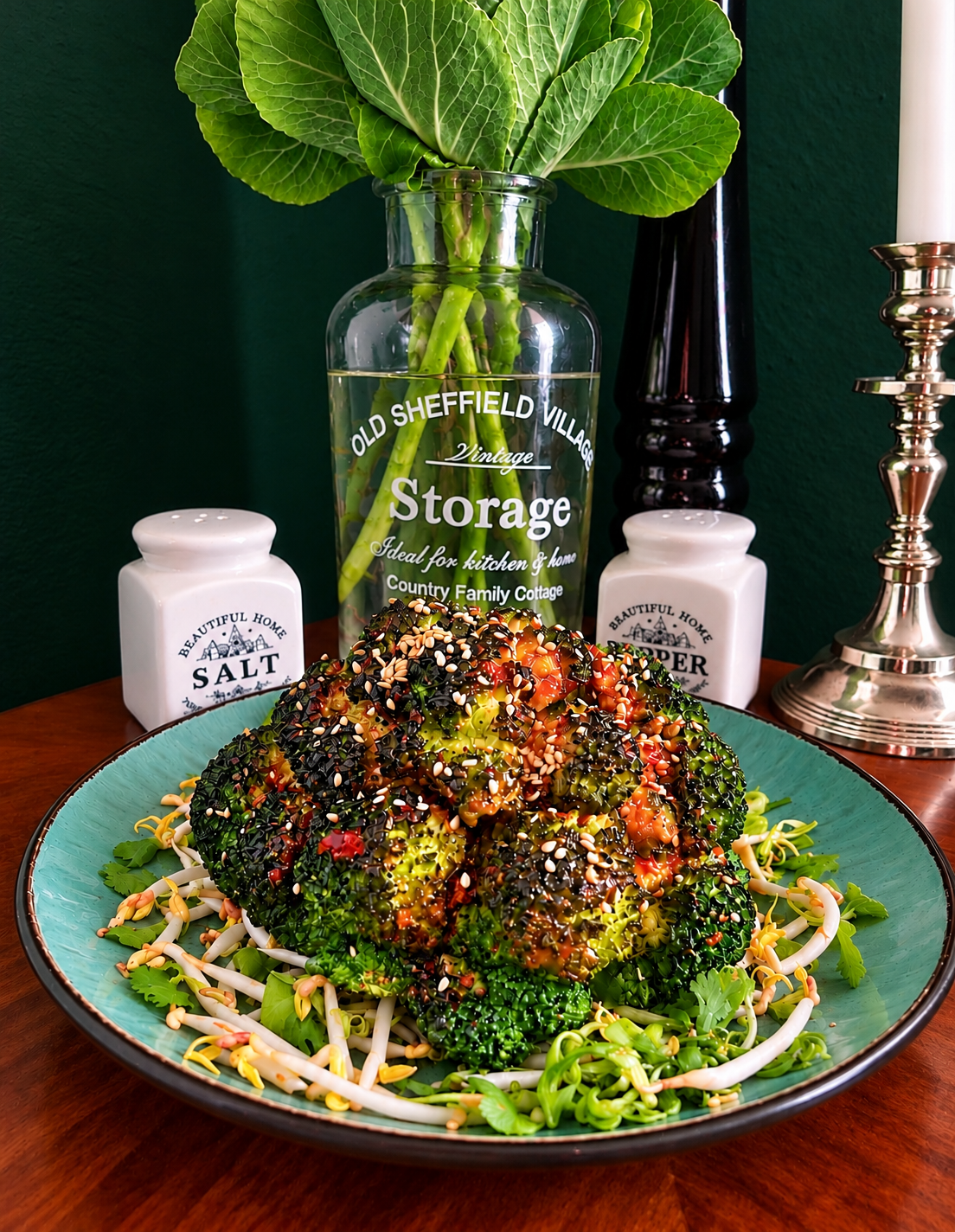
What Is Suànróng Xīlánhuā?Suànróng Xīlánhuā (蒜蓉西兰花) literally means garlic broccoli. Traditionally, broccoli florets are briefly blanched or stir-fried with generous amounts of fresh garlic, creating a simple, aromatic vegetable dish. My Via Veggie Vegan version takes a different approach: an entire broccoli head is roasted with a glossy garlic-ginger glaze and served with water spinach, mung bean sprouts, sesame and coriander. The inspiration is Chinese; the whole-roasted presentation is my personal twist.
Cook this recipe →
Recipe postcard
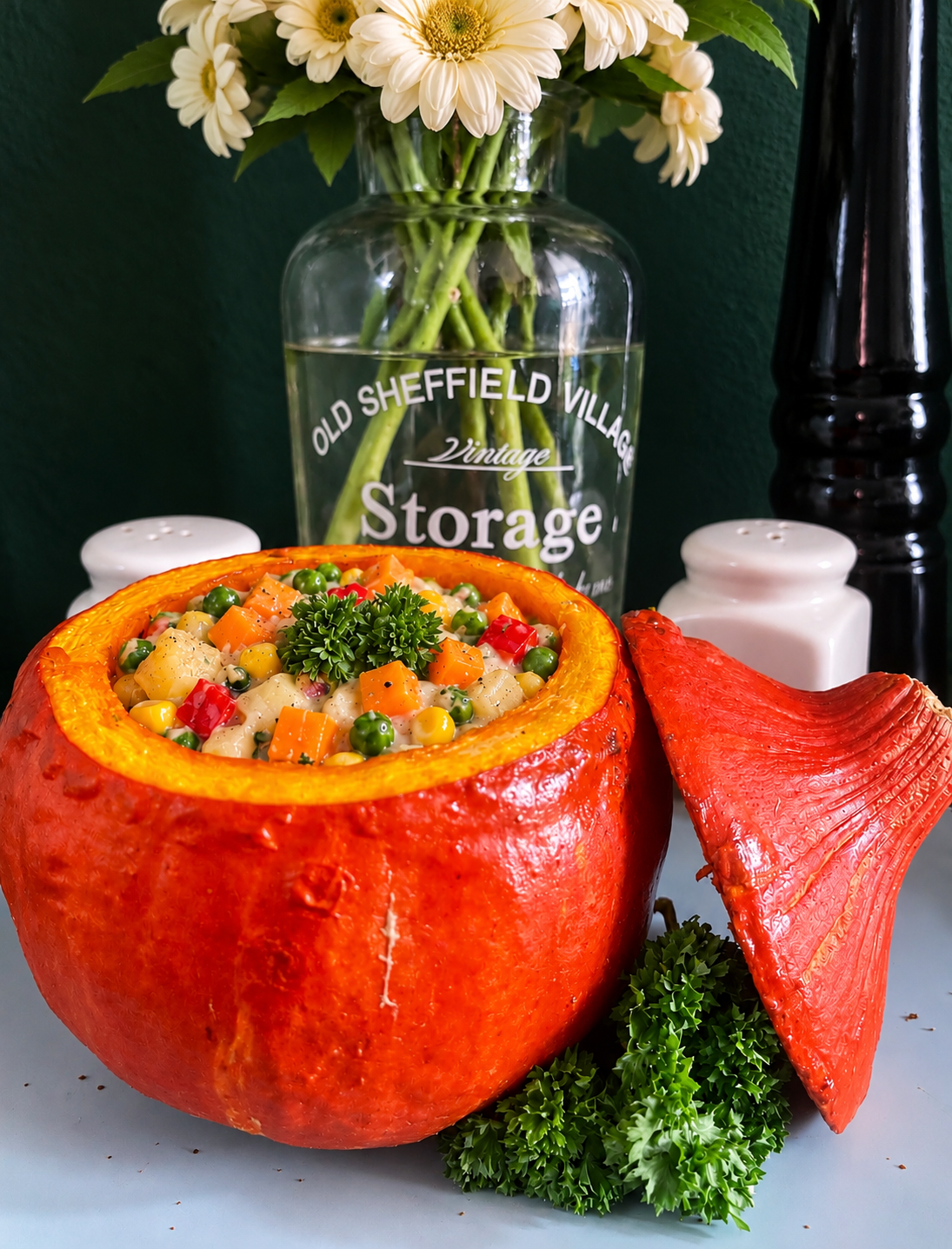
Bolivia – Andean Traditions and the Love of PumpkinBolivia is a landlocked country in South America, known for its spectacular Andean landscapes, rich Indigenous heritage and diverse regional food traditions. Potatoes, corn, legumes and squash have played an important role in local cooking for generations. In southern Bolivia, particularly around Tarija, hearty vegetable preparations reflect the region's culinary traditions. Pumpkin, known as zapallo in Spanish, is a popular ingredient in comforting dishes that combine seasonal vegetables, aromatic spices and locally available produce.
What Is Carbonada de Zapallo?Carbonada de Zapallo is a pumpkin-based stew associated with Bolivian and broader South American culinary traditions. Related dishes, including Locro de Zapallo, combine pumpkin with ingredients such as potatoes, corn, peas and other vegetables, although recipes vary considerably between regions and households. My Via Veggie Vegan interpretation transforms this hearty vegetable stew into a colourful plant-based main course served inside two roasted Hokkaido pumpkins. Brushed with chili oil and filled with potatoes, corn, peas, aromatic vegetables, cumin, oregano and melted vegan cheese, the pumpkins become edible serving bowls. Their naturally sweet flesh and tender skin complement the savoury, spicy filling, creating a delicious zero-waste dish inspired by Bolivia.
Cook this recipe →
Recipe postcard
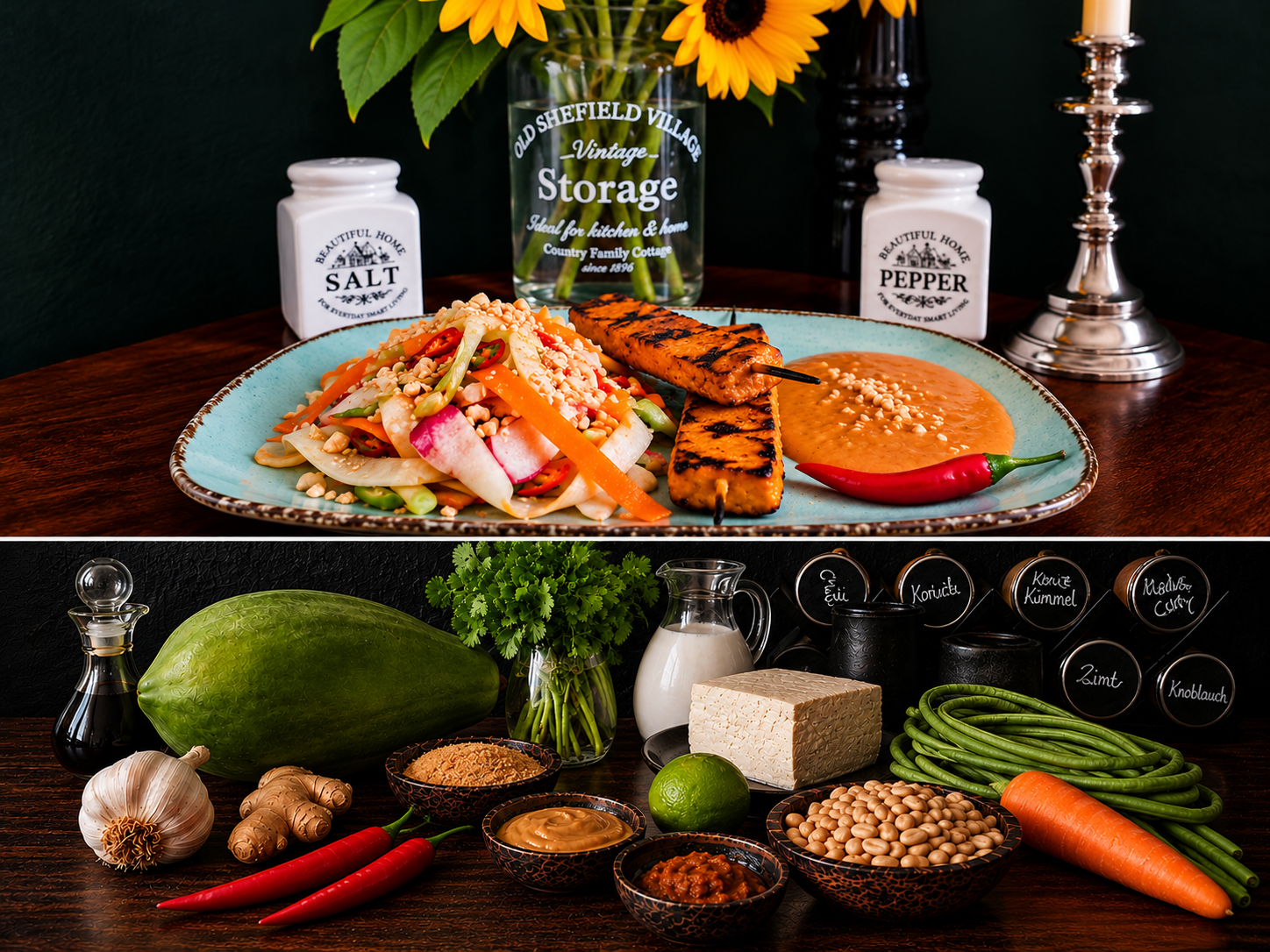
Vegan Som Tam with Tofu Satay & Peanut Sauce brings together the bold flavours of Thailand in one colourful plant-based meal. Crunchy green papaya, carrot,
Bird's Eye chilies, fresh lime juice and roasted peanuts create a vibrant Thai salad, while golden tofu skewers marinated in peanut butter, chili and garlic add delicious savoury depth.
Served with a creamy coconut peanut sauce, this Thai-inspired recipe combines spicy, sour, sweet and salty flavours with plenty of texture and plant-based protein.
Cook this recipe →
Recipe postcard
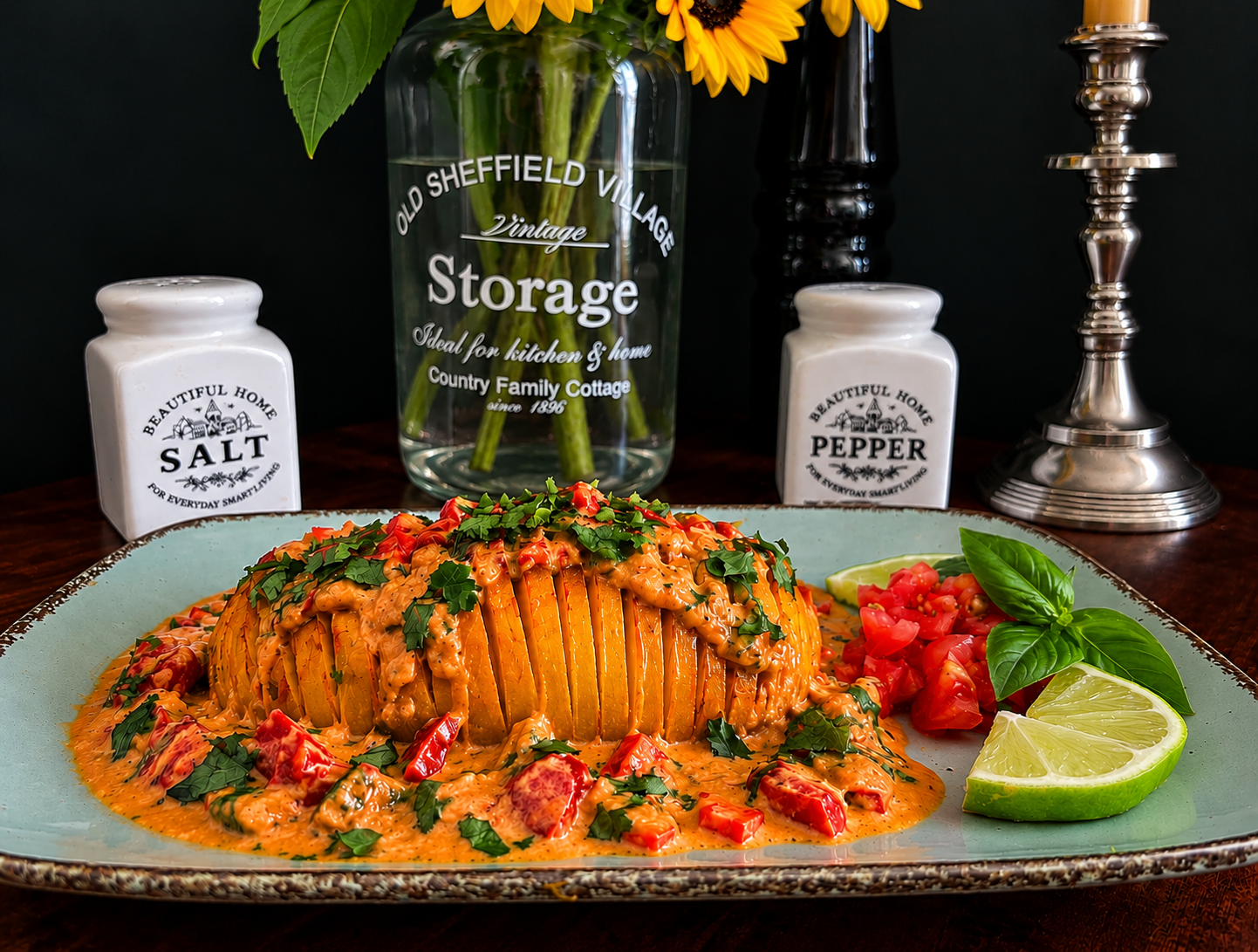
Thai red curry, known as Kaeng Phet, is a popular part of Thailand's rich culinary tradition. Its characteristic flavour comes from a fragrant paste of dried red chilies, lemongrass, galangal, garlic, shallots and aromatic spices, traditionally combined with coconut milk.
This vegan version replaces the traditional shrimp paste with red miso and uses homemade curry paste for an intensely aromatic sauce.
Instead of preparing a conventional Thai curry with cubed vegetables, the butternut squash is roasted Hasselback-style and served as the centrepiece of the dish.
The result is a creative fusion of Thai-inspired flavours and a European roasting technique, rather than a traditional Thai presentation.
Cook this recipe →
Recipe postcard
Palava Sauce is a well-known dish in Ghanaian cuisine and part of the wider culinary traditions of West Africa. At its heart are leafy greens cooked in a rich, savory sauce with tomatoes, onions and aromatic seasonings.
In Ghana, Palava Sauce is commonly prepared with kontomire, the leaves of cocoyam. These leafy greens are widely used in Ghanaian cooking and contribute a distinctive flavor and texture to traditional vegetable dishes.
Recipes vary between regions and households. Depending on the preparation, Palava Sauce may contain additional ingredients such as ground seeds, fish or other sources of protein. It is commonly served with a starchy accompaniment that balances the rich vegetable sauce.
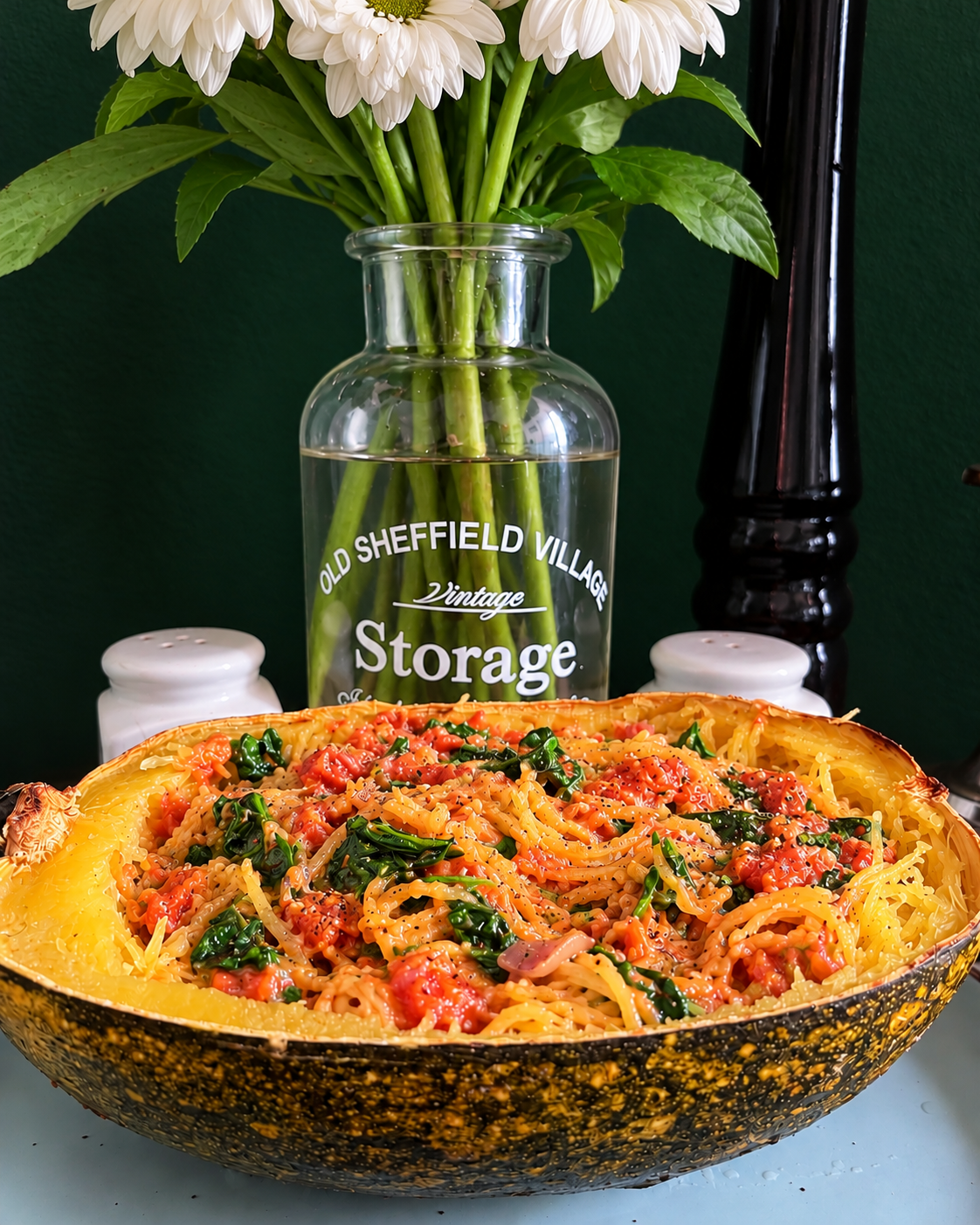
This plant-based version replaces traditional kontomire with fresh spinach, which is more readily available outside West Africa. Tomatoes, onions, garlic, ginger and chili create an aromatic base, while peanut butter adds creaminess and a nutty flavor.
Instead of serving the sauce with a traditional Ghanaian accompaniment, this version pairs it with roasted spaghetti squash. The squash develops tender, golden strands that resemble spaghetti when loosened with a fork.
Served directly inside the roasted squash halves, the dish combines a Ghanaian-inspired spinach sauce with a creative vegetable-based presentation. The mild sweetness of the squash complements the savory, slightly spicy Palava Sauce.
Cook this recipe →
Recipe postcard
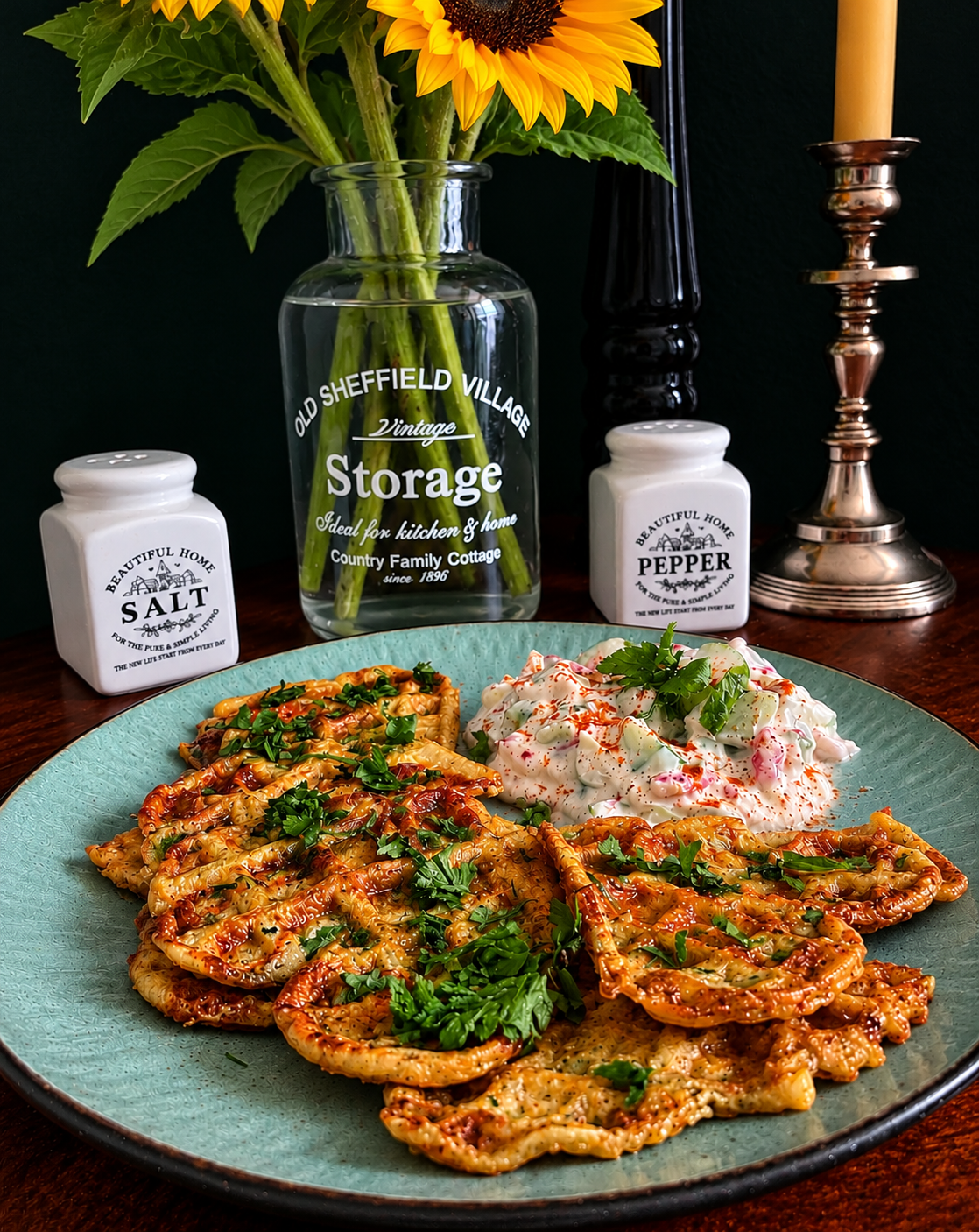
Ukoy, also spelled Okoy, is a traditional Filipino fritter made with vegetables and often small shrimp. Popular variations include bean sprouts, squash, sweet potatoes and other locally available ingredients.
The vegetables are coated in batter and fried until golden and crispy. Ukoy is commonly enjoyed as a snack, appetiser or street food, traditionally accompanied by a tangy vinegar dipping sauce known as Sawsawang Suka.
My version takes a creative detour through the waffle iron. Butternut squash, zucchini and onions meet chickpea flour, while the familiar crispy texture gets a modern, oil-conscious twist.
Traditional Filipino inspiration, a brand-new kitchen gadget and a little Via Veggie Vegan mischief.
Cook this recipe →
Recipe postcard
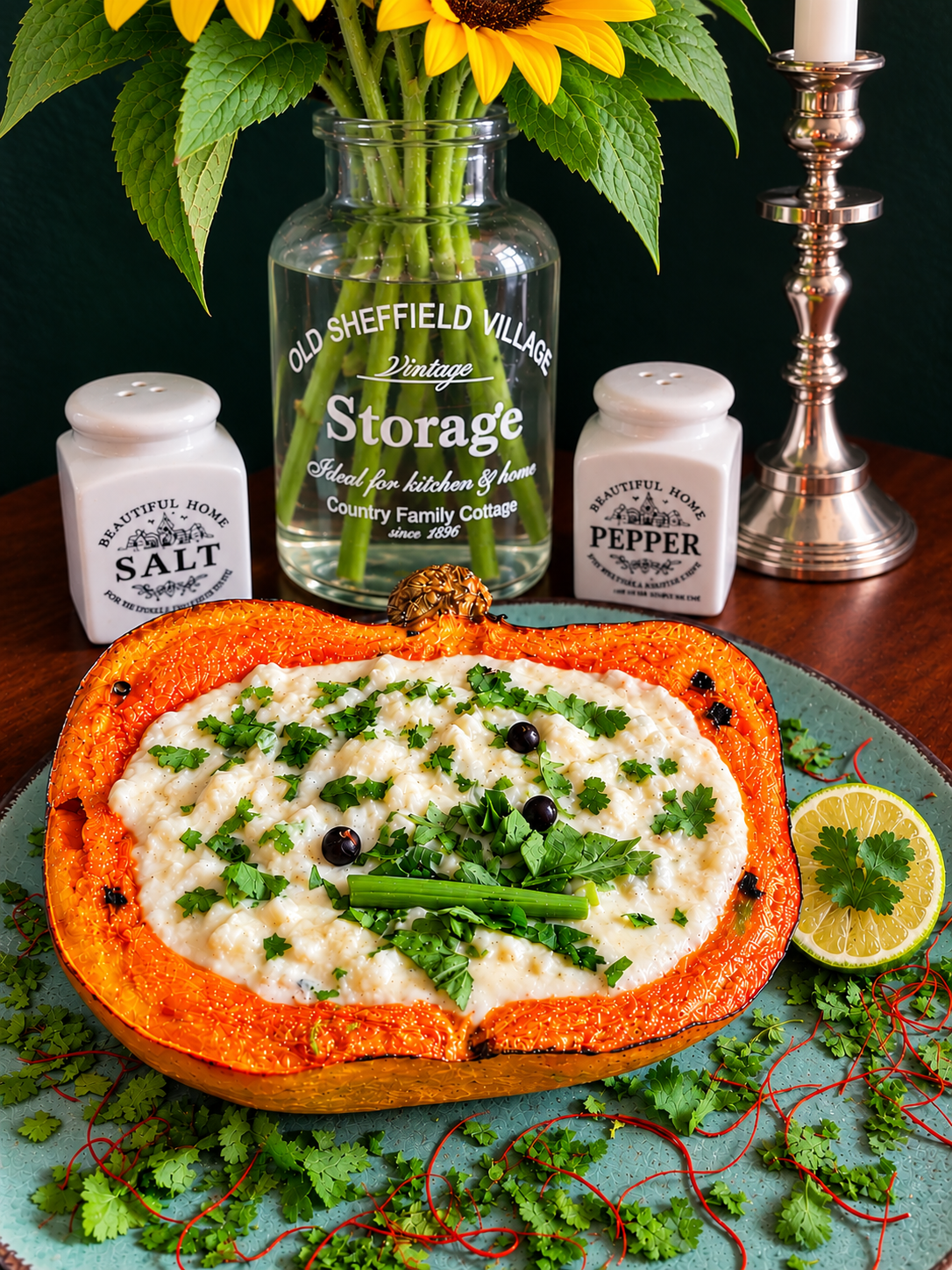
The Philippines – A Culinary Love Affair with Coconut
The Philippines is an archipelago of more than 7,600 islands in Southeast Asia, with a wonderfully diverse culinary heritage shaped by regional traditions, tropical ingredients and centuries of cultural exchange. Coconut is an essential ingredient in many Filipino kitchens, particularly in regions where coconut palms grow abundantly. One beloved cooking technique is known as ginataan, which involves simmering vegetables, seafood, meat or even sweet ingredients in coconut milk. Combined with aromatic garlic, ginger, onions and chili, coconut milk creates wonderfully rich and comforting dishes. Squash and yardlong beans are especially popular vegetables in Filipino home cooking, making their combination a delicious example of the country's flavorful everyday cuisine.
Ginataang Kalabasa at Sitaw – Filipino Comfort Food with a Creative Twist
Ginataang Kalabasa at Sitaw translates roughly to squash and yardlong beans cooked in coconut milk. Kalabasa refers to squash, while sitaw describes the long, slender beans commonly used in Filipino cooking. Traditional preparations often include shrimp, pork or fish sauce, although the ingredients and seasonings vary between households. My completely vegan interpretation uses plant-based fish sauce, plenty of garlic, fresh ginger, chili and creamy coconut milk. Instead of traditional kalabasa, I roast a small Hokkaido squash and transform its two halves into edible serving bowls. Fresh coriander, lime and homemade lemongrass salt add my personal Via Veggie Vegan signature. The result is Filipino comfort food at heart, with a generous helping of Team Garlic, Team Spicy and a little zero-waste kitchen magic.
Cook this recipe →
