
Jamaica – The Caribbean Island of Bold Flavours
Jamaica is a Caribbean island renowned for its vibrant culture, reggae music and distinctive culinary traditions. Its cuisine reflects Indigenous, African, European and Asian influences, combining tropical ingredients with aromatic herbs, warming spices and fiery chilies. Allspice, known locally as pimento, and Scotch Bonnet peppers are particularly characteristic of Jamaican cooking, alongside thyme, spring onions, garlic and ginger.
What Is Whole Roasted Jerk Cauliflower?
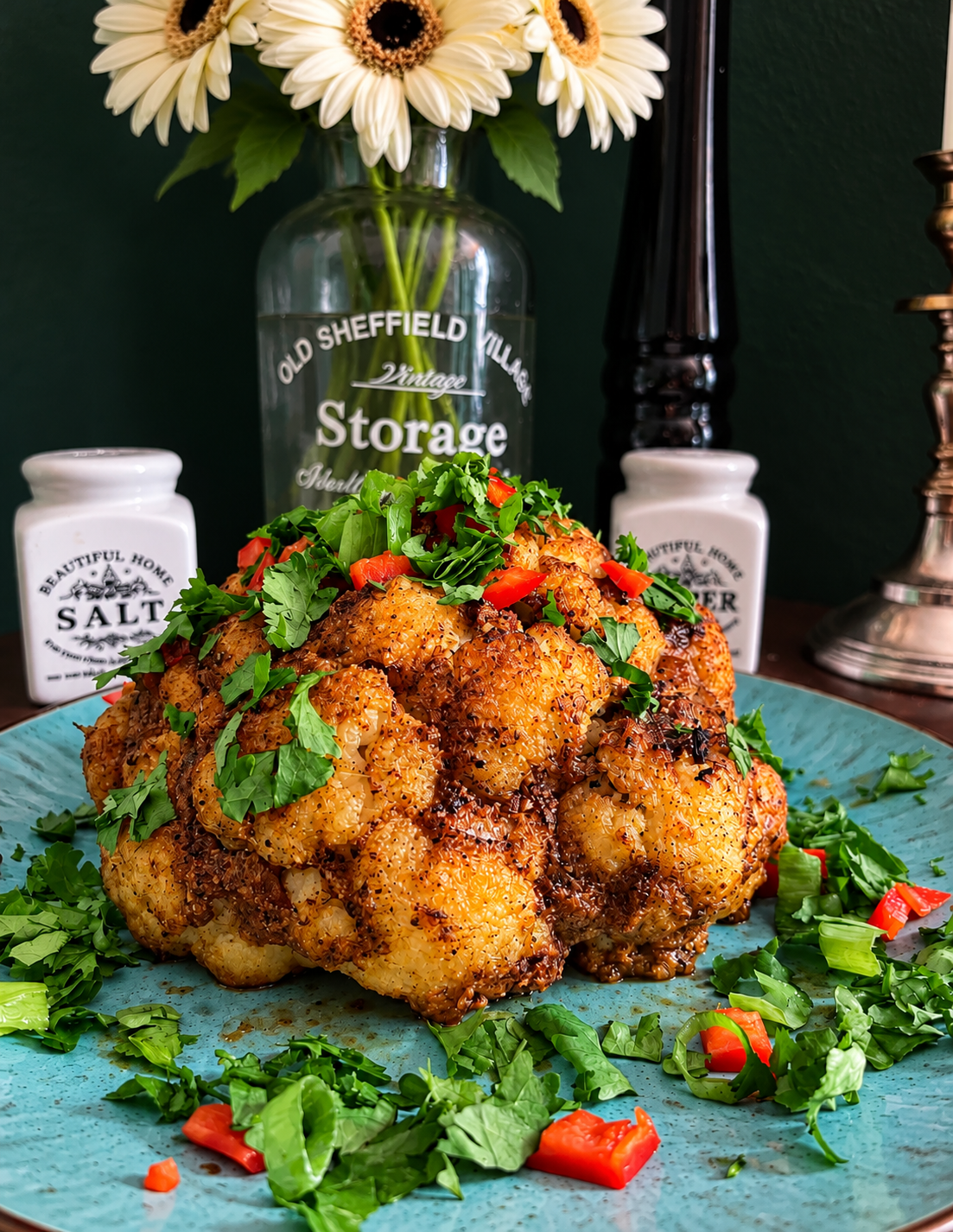
Jerk is one of Jamaica's most recognizable culinary traditions, traditionally associated with intensely seasoned meat cooked over fire or smoke. Whole Roasted Jerk Cauliflower is a modern plant-based interpretation inspired by those characteristic flavors. An entire cauliflower is coated in a homemade marinade of Scotch Bonnet chili, allspice, thyme, garlic, ginger, soy sauce and lime. Turmeric, fenugreek and a few drops of liquid smoke add my personal Via Veggie Vegan twist. Oven-roasted until deeply golden and tender inside, it becomes a wonderfully aromatic vegan centerpiece.
▣ Ingredients (2 servings)
- 1 cauliflower, , approximately 500–600 g
- 1 tsp allspice berries or ground allspice
- 1/2 tsp fried thyme
- 1/4 tsp ground nutmeg
- 1/4 tsp ground cinnamon
- 1/4 tsp ground tumeric
- 1/4 tsp ground fenugreek
- 1 1/2 tbsp dark soy sauce
- 1 tbsp freshly squeezed lime juice
- 1 tbsp brown sugar
- 2 tbsp vegetable oil
- 4 drops liquid smoke
- 1/2 tsp salt
- 2 spring onions
- 2 cloves garlic
- 2 cm fresh ginger
- 1 Scotch Bonnet chili or Habanero
- 4 sprigs fresh coriander (to serve)
- 1 red chili (to serve)
- 1/2 lime
♨ Preparation
- Prepare the Cauliflower
Trim the Cauliflower
Remove the outer leaves from the cauliflower.
Trim the thick base of the stalk so the cauliflower can sit upright while remaining intact. - . Wash and Dry
Wash the cauliflower thoroughly.
Pat it completely dry with a clean kitchen towel.
Removing excess moisture helps the marinade adhere to the surface. - Prepare the Baking Dish
Place the whole cauliflower in a suitable baking dish or on a lined baking tray.
Make sure it sits securely with the stalk side facing downward. - Prepare the Jerk Marinade
Prepare the Aromatics
Roughly chop the spring onions.
Peel the garlic cloves and ginger.
Prepare the Scotch Bonnet chili or Habanero.
Wear gloves when handling very hot chilies. - Prepare the Allspice
If using whole allspice berries, crush them finely using a mortar and pestle.
Alternatively, use ground allspice. - Combine the Marinade Ingredients
Place the spring onions, garlic, ginger and Scotch Bonnet chili into a small food processor.
Add the allspice, dried thyme, nutmeg, cinnamon, turmeric and fenugreek.
Pour in the dark soy sauce, lime juice and vegetable oil.
Add the brown sugar, liquid smoke, salt and freshly ground black pepper. - Blend the Marinade
Blend everything into a thick, slightly textured paste.
The marinade should be spreadable rather than watery.
If necessary, scrape down the sides of the processor and blend again. - Marinate the Cauliflower
Preheat the oven to 200°C / 390°F using conventional top and bottom heat.
Lightly brush the cauliflower with vegetable oil.
This helps the surface roast evenly. - Apply the Jerk Marinade
Spread the jerk marinade generously over the entire cauliflower.
Use a spoon or pastry brush to work the mixture into the spaces between the florets wherever possible.
Make sure the top and sides are thoroughly coated. - Allow to Marinate
Leave the cauliflower to marinate for approximately 20 minutes.
This allows the aromatic seasoning to settle onto the surface before roasting. - Roast the Whole Cauliflower
Place the marinated cauliflower in the preheated oven.
Roast at 200°C / 390°F using conventional heat. - Roast Until Golden
Cook for approximately 45–55 minutes.
The exact cooking time depends on the size and density of the cauliflower.
The surface should gradually develop a deeply browned, aromatic crust. - Baste During Roasting
During cooking, occasionally spoon or brush any marinade collected in the baking dish back over the cauliflower.
This helps maintain a flavorful coating. - Check the Browning
Watch the cauliflower towards the end of the cooking time.
The marinade contains brown sugar and can darken quickly.
Some deeply browned or lightly charred areas are desirable.
However, the marinade should not become completely black or bitter. - Protect the Surface if Necessary
If the cauliflower becomes too dark before the center is tender, cover it loosely with aluminum foil.
Continue roasting until the inside is fully cooked. - Check for Doneness
Insert a small sharp knife into the thickest part of the cauliflower.
The knife should slide in easily without significant resistance.
The cauliflower should be tender inside while still retaining its shape. - Remove from the Oven
Once fully cooked, remove the cauliflower from the oven.
Allow it to rest briefly before serving. - Finish
Prepare the Garnish
Wash and roughly chop the fresh coriander.
Finely chop the fresh red chili.
Cut the lime into wedges.
Arrange the Cauliflower
Place the whole roasted jerk cauliflower in the center of a serving plate or platter.
Keep it intact for a dramatic presentation.
Add Fresh Coriander
Scatter the fresh coriander generously over the cauliflower.
Add Red Chili
Sprinkle the chopped red chili over the top.
Adjust the quantity according to your preferred heat level.
Finish with Lime
Arrange the fresh lime wedges alongside the cauliflower.
The citrus provides a refreshing contrast to the intense jerk spices. - Serve
Bring the whole roasted cauliflower to the table.
Cut into two portions and serve immediately while the crust is aromatic and the center is tender.
Food Story
Jerk Didn’t Need Reinventing. It Just Needed a Cauliflower.
For today’s culinary journey, we’re staying in Jamaica. And this time, we’re turning up the heat. Seriously! Because we’re making Whole Roasted Jerk Cauliflower. And when I say whole, I mean an entire cauliflower. No little florets, no individual pieces, no shortcuts. Just one beautiful cauliflower generously coated in a fiery jerk marinade and roasted until deeply golden brown. Jerk didn’t need reinventing. It just needed a new vehicle. And in my Via Veggie Vegan kitchen, that vehicle happens to be a cauliflower.
One Cauliflower. A Whole Lot of Attitude.
The marinade brings together some of Jamaica’s most characteristic flavors: Scotch Bonnet chili, allspice, thyme, garlic, ginger and spring onions. I also added turmeric and fenugreek for my own little twist, plus a few drops of liquid smoke. After a short marinating time, the entire cauliflower goes into the oven. The result? A deeply spiced, beautifully roasted exterior and a tender center. I absolutely love bringing an entire vegetable to the table instead of dividing everything into individual portions beforehand. It’s simple, dramatic and wonderfully delicious.
Team Coriander Never Takes a Holiday
And of course, fresh coriander gets the final word. A generous handful scattered over the top, some chopped red chili for extra heat and fresh lime to brighten everything up. Because Team Coriander doesn’t take holidays. Not even in Jamaica! This isn’t a traditional Jamaican jerk dish, but my plant-based tribute to those unmistakable flavors. Bold, spicy, aromatic and definitely not shy. One cauliflower, a whole lot of attitude and absolutely no meat required!
♨ Nutrition per serving
Nutritional values are approximate and may vary depending on the ingredients and products used.
Good to Know
What Is Jamaican Jerk?
Jerk is a distinctive Jamaican culinary tradition involving both seasoning and cooking techniques. Its history is closely connected with Jamaica's cultural heritage, particularly the food traditions of Maroon communities. Traditional jerk cooking is strongly associated with meat seasoned with aromatic spices and cooked over fire or smoke, often using pimento wood. Modern variations apply jerk-inspired seasonings to vegetables, tofu and other plant-based ingredients.
Allspice – The Heart of Jamaican Jerk
Allspice, known in Jamaica as pimento, comes from the dried berries of the Pimenta dioica tree. Despite its name, it is not a spice mixture. Its complex aroma resembles cinnamon, cloves, nutmeg and black pepper. Allspice is one of the defining ingredients of traditional jerk seasoning and contributes much of its characteristic warmth and depth.
Scotch Bonnet – Small Chili, Serious Heat
Scotch Bonnet chilies are famous for their intense heat and distinctive fruity aroma. They commonly measure approximately 100,000–350,000 Scoville Heat Units, although individual peppers vary. Their fruity, slightly sweet flavor makes them particularly suitable for Caribbean dishes. Habaneros are a practical alternative, although their aroma is not identical. Always handle very hot chilies carefully.
Why Add Liquid Smoke?
Traditional jerk cooking develops smoky flavors through cooking over fire. Since this cauliflower is roasted in an oven, a few drops of liquid smoke introduce a subtle smoky note. Liquid smoke is highly concentrated, so a small amount is sufficient. It does not fully reproduce the complexity of traditional wood-fire cooking but provides an additional layer of flavor.
Turmeric and Fenugreek – A Via Veggie Vegan Twist
Turmeric and fenugreek are not essential components of traditional Jamaican jerk seasoning. In this recipe, they add an individual twist. Turmeric contributes earthy notes and warm color, while fenugreek adds slightly bitter, aromatic depth. Used sparingly, both complement the more characteristic jerk ingredients without overpowering them.
Why Roast the Cauliflower Whole?
Roasting cauliflower whole creates an impressive centerpiece while helping the interior retain moisture. The outer florets develop a deeply browned crust, while the center gradually becomes tender. Whole roasting takes longer than preparing individual florets or cauliflower steaks because the thick stalk needs sufficient time to cook through. A knife test is more reliable than judging doneness by the color of the crust.
Cauliflower – Low in Calories, Rich in Nutrients
Cauliflower is a relatively low-calorie vegetable that provides dietary fiber, vitamin C, folate and other micronutrients. Vitamin C supports normal immune function and contributes to collagen formation. Folate plays an important role in normal cell division, while fiber supports digestion and helps promote satiety.
Cruciferous Vegetables and Glucosinolates
Cauliflower belongs to the Brassicaceae family, alongside broccoli, cabbage and Brussels sprouts. These vegetables contain naturally occurring compounds called glucosinolates. When plant tissue is chopped or chewed, glucosinolates can be converted into various biologically active substances, including isothiocyanates. These compounds are being studied for their potential health effects, although eating cauliflower should not be presented as a treatment or prevention method for specific diseases.
Fiber and Digestive Health
Cauliflower provides dietary fiber, which contributes to normal bowel function and helps maintain a healthy digestive system. Fiber also supports satiety and forms part of a balanced plant-based diet. Some people experience bloating after eating larger quantities of cruciferous vegetables, particularly when they are not accustomed to fiber-rich foods. Thorough cooking generally makes cauliflower easier to tolerate.
Healthy Fats and Cholesterol
The vegetable oil used in this recipe contributes dietary fat, with its fatty acid composition depending on the type chosen. Oils rich in unsaturated fatty acids, such as olive or rapeseed oil, can be beneficial when they replace saturated fats. Elevated LDL cholesterol contributes to cardiovascular risk, while HDL participates in transporting cholesterol back toward the liver. The overall dietary pattern matters more than focusing on a single nutrient.
What Happens During Roasting?
Roasting exposes the cauliflower and its marinade to dry heat, encouraging moisture evaporation and browning reactions. The brown sugar in the marinade contributes to caramelization, while reactions between sugars and amino compounds also create roasted aromas. A deeply browned crust adds flavor, but completely blackened or heavily burnt areas should be avoided.
Does Roasting Reduce Vitamin C?
Vitamin C is sensitive to heat, and some losses occur during cooking. However, roasting uses relatively little water, so fewer water-soluble nutrients are lost through leaching compared with boiling in a large quantity of water. The final nutrient content depends on cooking time, temperature and vegetable size. A varied diet containing both cooked and raw vegetables remains a sensible approach.
Why Add Fresh Lime?
Fresh lime juice contributes acidity that balances the richness, heat and aromatic spices of the jerk marinade. Lime also provides some vitamin C, which can help improve the absorption of non-heme iron from plant foods. Adding lime just before serving preserves its fresh citrus aroma and creates a pleasant contrast with the roasted crust.
Fresh Coriander – More Than a Garnish
Fresh coriander adds bright, citrusy and herbal notes to the intensely seasoned cauliflower. Both the leaves and tender stems are edible and flavorful. Using the stems in marinades and the leaves for garnishing is an easy way to make the most of the herb while reducing food waste.
Is This an Authentic Jamaican Dish?
Whole Roasted Jerk Cauliflower is a modern vegan interpretation inspired by Jamaican jerk seasoning. Traditional jerk preparations are most strongly associated with meat cooked using smoking or grilling techniques. This recipe borrows the characteristic seasoning profile and applies it to an oven-roasted vegetable. It celebrates Jamaican flavors without claiming to reproduce a traditional dish.
Naturally Vegan – No Substitutes Required
Cauliflower, vegetables, herbs, spices, soy sauce, lime juice, sugar and vegetable oil are all plant-based ingredients. No meat, dairy or egg alternatives are necessary. The recipe is naturally vegan, provided the soy sauce and any prepared seasonings contain no animal-derived additives.
You may also like
♡
You may also like
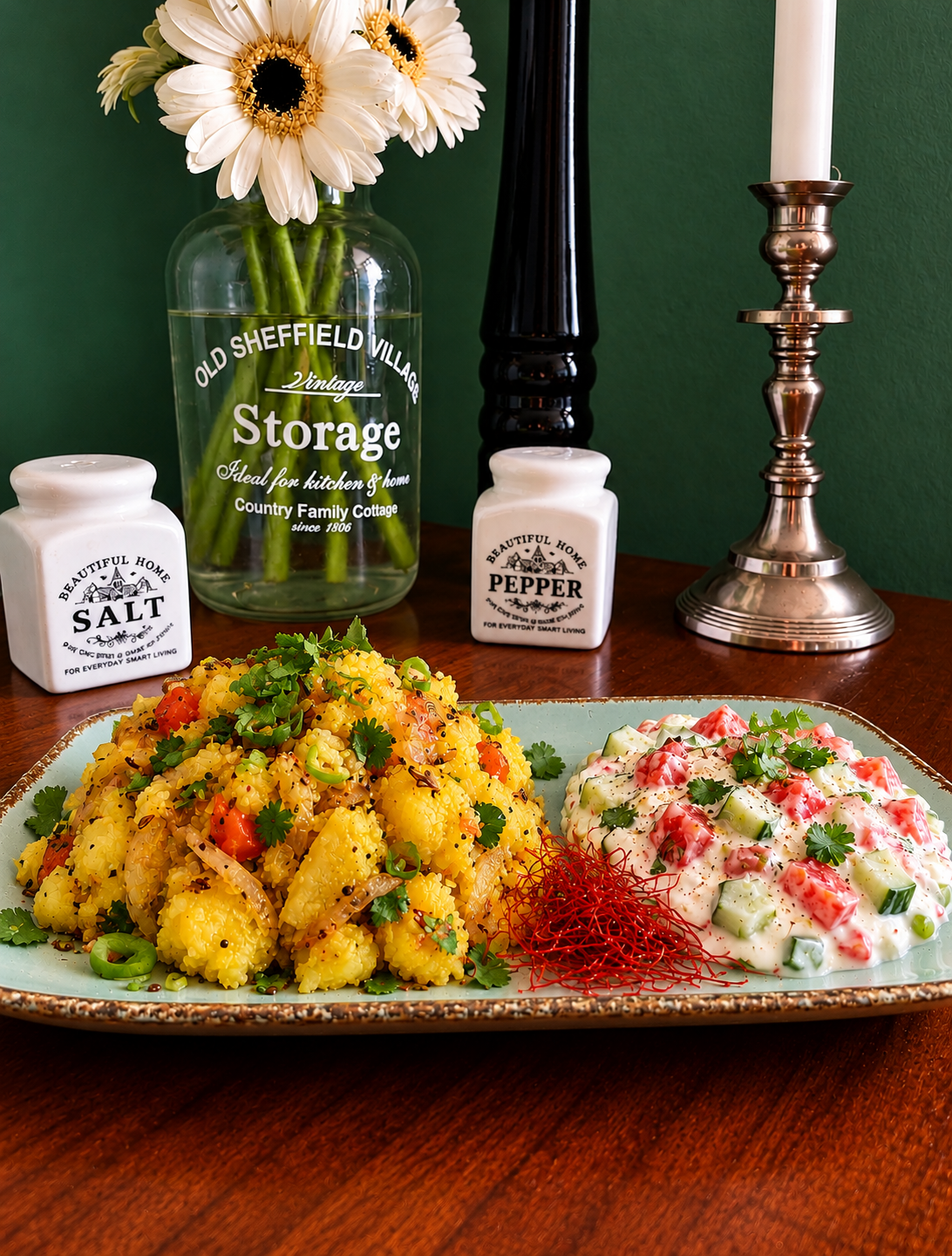
Aloo Bharta – Bangladeshi Spiced Mashed Potatoes with Mustard Oil
You may also like
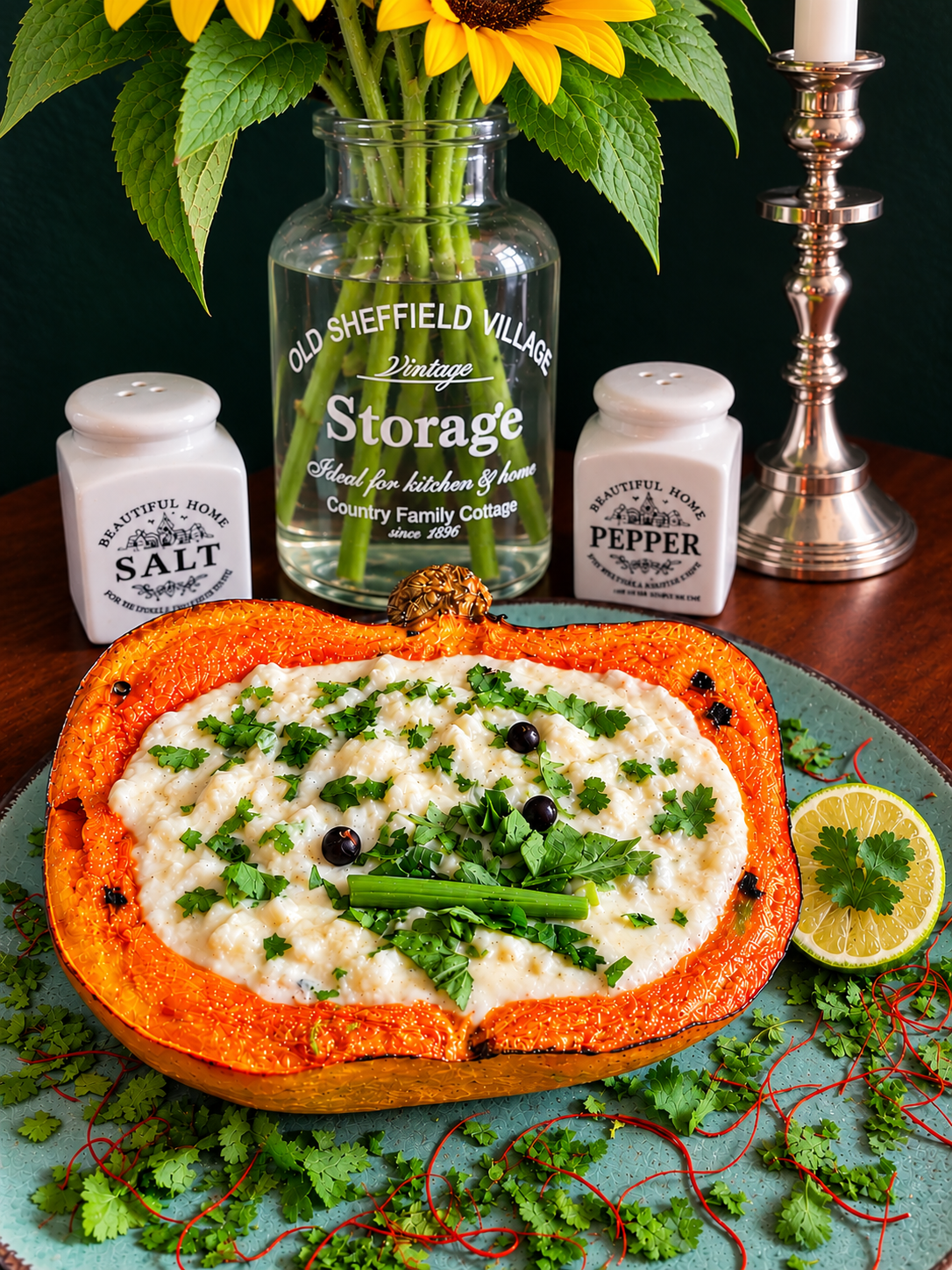
Ginataang Kalabasa at Sitaw – Creamy Filipino Coconut Squash in a Roasted Pumpkin Bowl
You may also like