Recipe postcard
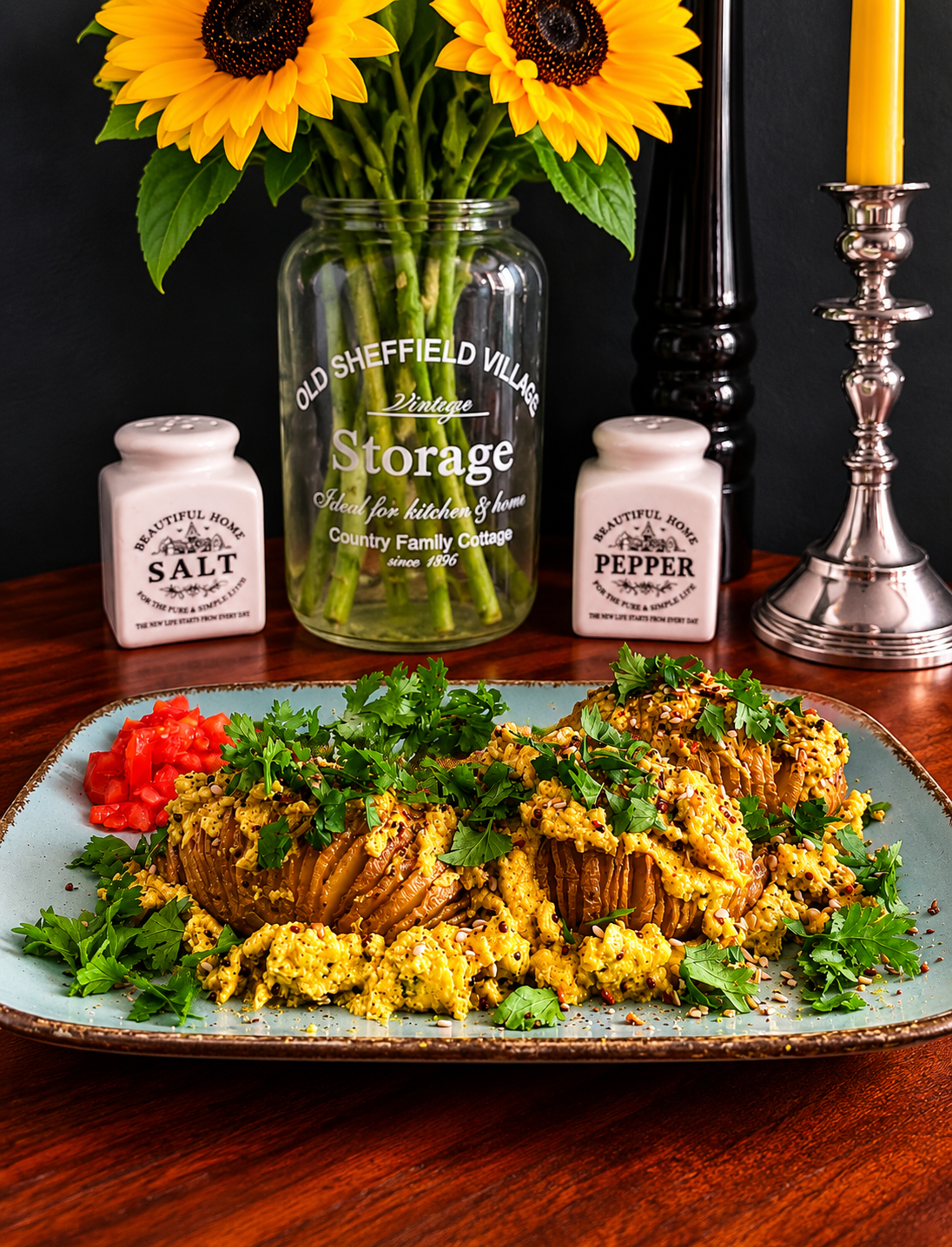
Myanmar – Aromatic Curries and the Art of Si PyanMyanmar, also known as Burma, is a Southeast Asian country with a diverse culinary heritage shaped by regional traditions and neighbouring food cultures. Onion, garlic, ginger, turmeric and chili are important ingredients in many Burmese curries. A characteristic technique in several Burmese curry preparations is known as si pyan, often translated as "the oil returns". As the curry cooks and moisture evaporates, the seasoned oil becomes visible again, signalling that the sauce has reduced and its flavours have concentrated.
What Is Aloo Hin?Aloo Hin is a Burmese-style potato curry. The name combines aloo, meaning potato, with hin, a Burmese term for curry or a cooked dish. Traditional preparations vary, but potatoes are commonly cooked with aromatic ingredients and spices until tender and well coated in the sauce. My Via Veggie Vegan version takes a deliberately creative approach by replacing ordinary potato pieces with slow-baked Hasselback potatoes. Black mustard seeds, mustard oil, sesame oil, vegan fish sauce and a garnish of coriander, sesame seeds and fresh tomato complete this fully plant-based, Burmese-inspired interpretation.
Cook this recipe →

Recipe postcard
France – The Culinary Traditions of AlsaceAlsace is a region in northeastern France, bordering Germany and Switzerland, with a distinctive culinary heritage influenced by both French and German traditions. One of its best-known specialities is Flammkuchen, called Tarte Flambée in French and Flammekueche in Alsatian. Traditionally prepared with an exceptionally thin dough base, cream, onions and bacon, it is baked at high temperatures until beautifully crisp. Today, countless modern variations celebrate the versatility of this rustic regional dish.
What Is Pumpkin-Shaped Vegan Flammkuchen?My Via Veggie Vegan interpretation gives the Alsatian classic a playful autumn makeover. A simple homemade dough made from flour, water, vegetable oil and salt is shaped into two pumpkins, complete with curved pastry ribs and rosemary stems. Chili oil adds gentle heat, while vegan sour cream mixed with nutritional yeast creates a savoury base. Muscat pumpkin purée, thinly sliced fresh figs and fragrant rosemary bring together the flavours of autumn. During the final minute of baking, a little maple syrup is carefully drizzled over the Flammkuchen using a food-safe syringe, adding a delicate sweet finish to this fully plant-based creation.
Cook this recipe →

Recipe postcard
Hungary – A Country with a Sweet Culinary HeritageHungary is a Central European country known for its rich culinary traditions, including comforting soups, pastries, chocolate desserts and sweet specialities. Hungarian cuisine is particularly famous for its use of paprika, although sweet dishes often feature ingredients such as chocolate, vanilla, walnuts and poppy seeds. Chocolate-based desserts have a place in Hungarian confectionery, but this particular chili chocolate soup should be understood as a modern Hungarian-inspired creation rather than a documented traditional national dish.
What Is Csokoládéleves?Csokoládéleves literally means chocolate soup in Hungarian. My Via Veggie Vegan interpretation transforms dark chocolate, unsweetened cocoa powder and oat drink into a rich, velvety dessert soup. Brown sugar adds sweetness, vanilla contributes a delicate aroma and a small amount of cornstarch creates a smooth, lightly thickened consistency. A quarter teaspoon of chili powder gives the chocolate a pleasantly warming finish. Served in dessert glasses, with an optional skull-shaped espresso ice cube for Halloween, this completely plant-based creation combines chocolate indulgence with a playful spooky-season twist.
Cook this recipe →
Recipe postcard
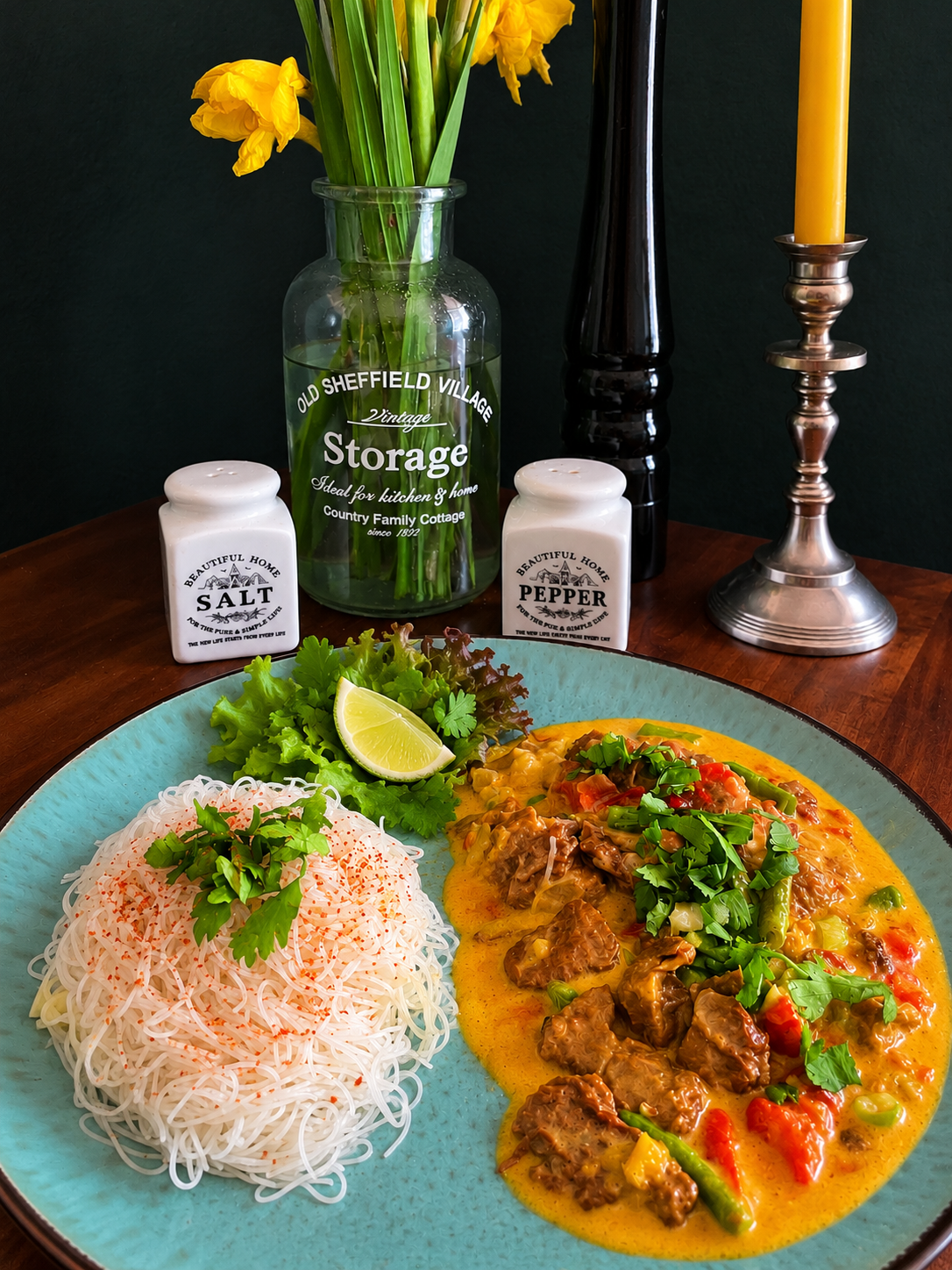
Laos – A Cuisine Built Around Fresh Herbs and Bold FlavorsLaos is a landlocked Southeast Asian country with a rich culinary heritage shaped by fresh herbs, fragrant aromatics and the balance of spicy, salty, sour and subtly sweet flavors. Lemongrass, galangal, chilies, makrut lime leaves and coriander play important roles in many dishes. One of the country's most important staples is sticky rice, known as khao niao, traditionally eaten with a wide variety of vegetables, dips, salads and savory dishes.
Lemongrass & Coconut Curry – A Lao-Inspired Vegan InterpretationThis Lemongrass & Coconut Curry is my own plant-based interpretation of characteristic Lao flavors rather than a recreation of one particular traditional dish. A homemade curry paste combines lemongrass, galangal, garlic, shallots and dried chilies, while coconut milk creates a silky, aromatic sauce. Mock Duck adds a satisfying, meaty texture, and fresh vegetables bring color and freshness. Instead of the more traditional sticky rice, I serve my curry with delicate rice noodles – a delicious little twist inspired by the contents of my kitchen.
Cook this recipe →
Recipe postcard
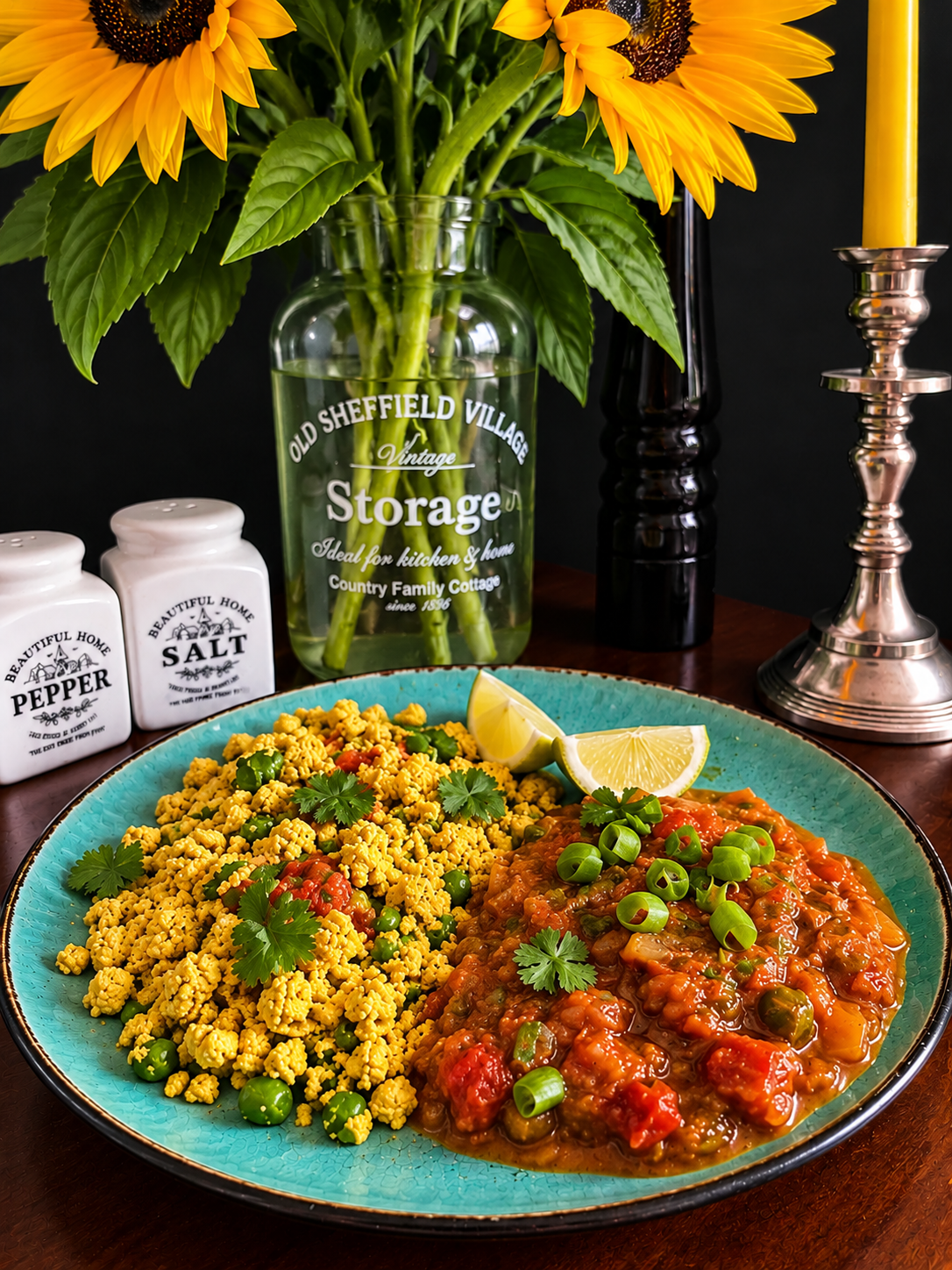
Trinidad & Tobago – Where Indian and Caribbean Food Traditions MeetTrinidad and Tobago is a twin-island Caribbean nation whose cuisine reflects African, Indian, Indigenous, European and Chinese influences. Indian indentured labourers began arriving in Trinidad in 1845, bringing culinary techniques and food traditions that gradually became part of the islands' distinctive cuisine. Today, dishes such as roti, doubles and choka are closely associated with Indo-Trinidadian food culture. Garlic, hot peppers, fresh herbs and boldly seasoned vegetables play an important role in everyday cooking.
Tomato Choka – Smoky Roasted Tomatoes with a Sizzling FinishTomato Choka is a traditional Trinidadian preparation in which ripe tomatoes are roasted until soft and smoky, mashed and combined with garlic, onion and chili. One characteristic technique is known as chunkay: hot oil is poured over the seasoned vegetables to release their aromas. Tomato Choka is commonly enjoyed with Sada Roti, a simple unleavened flatbread. My Via Veggie Vegan version preserves the character of the tomato preparation but pairs it with creamy tofu scramble instead of the traditional bread accompaniment. The result is a completely plant-based breakfast combining authentic Trinidadian inspiration with a modern vegan twist.
Cook this recipe →
Recipe postcard
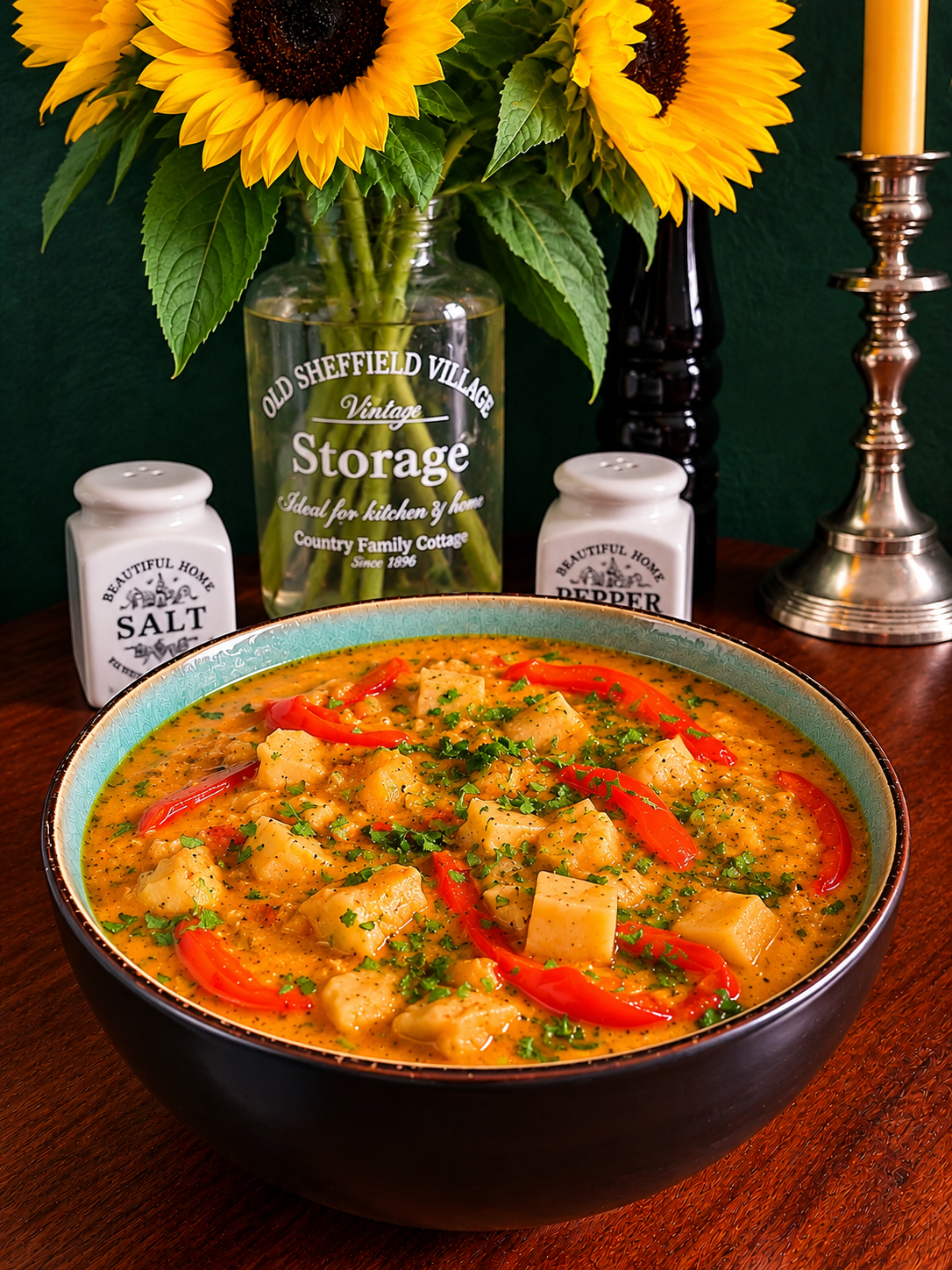
Brazil – A Country of Culinary DiversityBrazil is the largest country in South America, renowned for its extraordinary biodiversity, tropical landscapes, vibrant cities and rich cultural heritage. Its cuisine reflects centuries of Indigenous Brazilian, African, Portuguese and other cultural influences, creating a fascinating variety of regional food traditions. From the Amazon rainforest to the Atlantic coastline, local ingredients and cooking techniques differ considerably. Coconut milk, cassava, beans, peppers, fresh herbs and tropical fruits all play important roles in Brazilian cooking. The northeastern state of Bahia is particularly famous for its aromatic, colourful dishes and strong Afro-Brazilian culinary heritage, making it a wonderful source of inspiration for my Via Veggie Vegan journey.
What Is Moqueca de Salsão-Raiz?Moqueca is a traditional Brazilian stew particularly associated with the coastal states of Bahia and Espírito Santo. Moqueca baiana typically combines fish or seafood with coconut milk, red palm oil, tomatoes, peppers, onions and coriander, while moqueca capixaba follows a different regional tradition without coconut milk or palm oil. My Moqueca de Salsão-Raiz is a contemporary, Brazilian-inspired vegan interpretation that gives celeriac the leading role. Tender pieces of this wonderfully earthy root vegetable are cooked with tomatoes, red bell pepper, garlic and chili in a rich coconut sauce. Fresh turmeric and a little orange zest create a beautiful golden-orange colour without using traditional red palm oil, while lime juice and plenty of fresh coriander provide a vibrant, aromatic finish. A colourful, comforting plant-based tribute to the flavours of Bahia – with a very personal Via Veggie Vegan twist!
Cook this recipe →
Recipe postcard
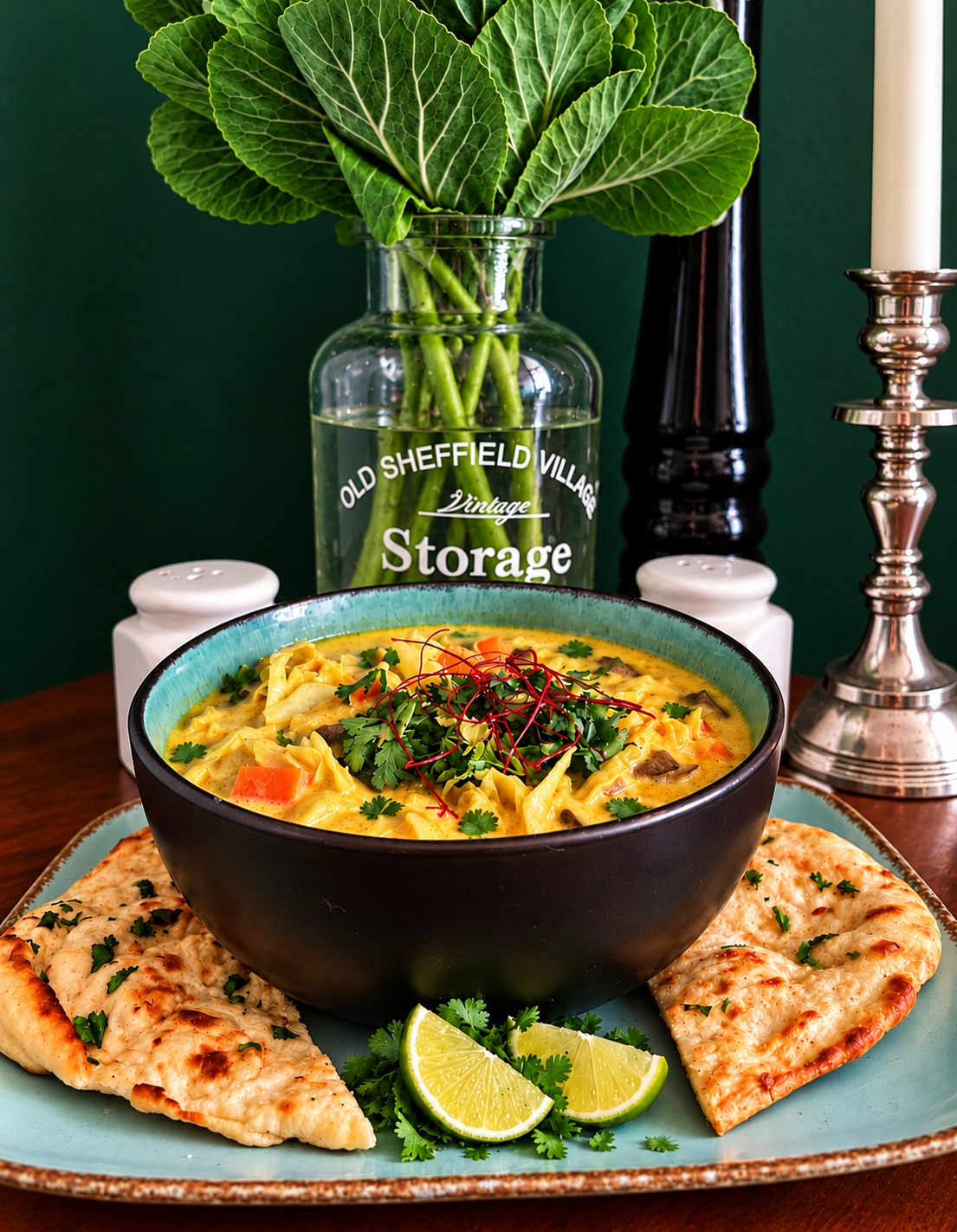
Malaysia – A Country of Tropical Rainforests, Islands and Culinary Diversity
Malaysia is a Southeast Asian country divided between Peninsular Malaysia and Malaysian Borneo. Its culinary traditions reflect centuries of cultural exchange between Malay, Chinese, Indian and Indigenous communities, alongside influences from regional trade routes. Coconut milk, lemongrass, turmeric, ginger, galangal and chili are important ingredients in many Malaysian dishes. From bustling street-food markets to traditional family kitchens, Malaysian cuisine is celebrated for its aromatic spice combinations, rich sauces and remarkable regional diversity.
What Is Sayur Lodeh?
Sayur Lodeh is a vegetable dish cooked in a fragrant coconut milk broth, particularly associated with Indonesian and Malaysian cuisine. In Malaysia, it is also commonly known as Sayur Lemak Lodeh, referring to its rich, creamy character. Depending on the region and household, it may contain cabbage, long beans, carrots, tofu, tempeh and other vegetables. Some traditional preparations include shrimp-based seasonings for additional umami. This Via Veggie Vegan version uses white miso instead, creating a completely plant-based interpretation with a homemade rempah spice paste, golden coconut broth and a colorful mixture of vegetables.
Cook this recipe →
Recipe postcard
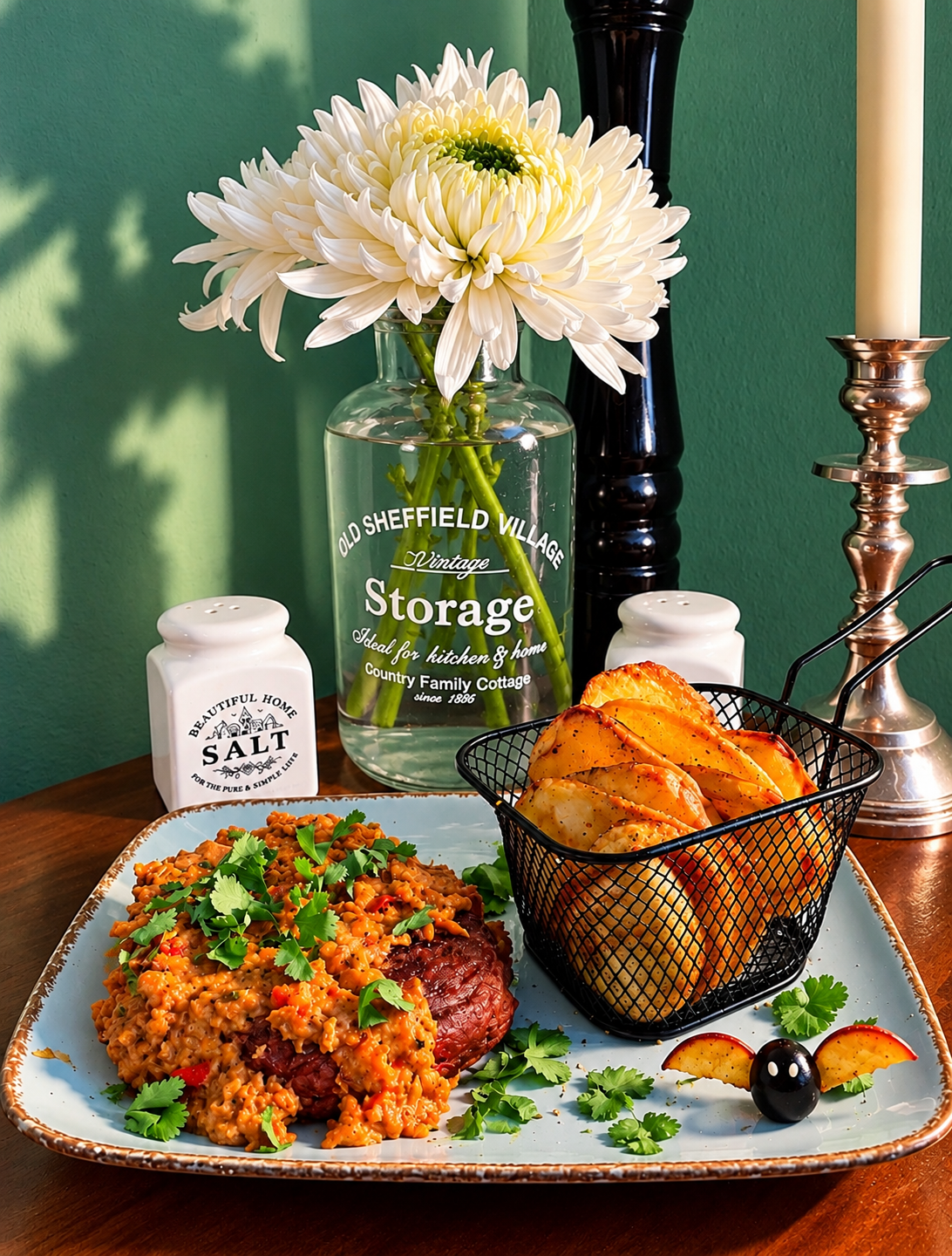
Costa Rica – A Country of Rainforests, Volcanoes and Pura VidaCosta Rica is a Central American country bordered by Nicaragua, Panama, the Pacific Ocean and the Caribbean Sea. Famous for its extraordinary biodiversity, tropical rainforests, volcanic landscapes and protected national parks, the country is also known for its philosophy of Pura Vida, an expression associated with enjoying life and appreciating everyday moments. Costa Rican cuisine reflects its agricultural traditions, with rice, beans, plantains, potatoes, vegetables and fresh tropical ingredients playing important roles in everyday cooking.
What Is Bistec Encebollado con Papas?Bistec Encebollado is a popular Latin American dish consisting of thinly sliced steak cooked with onions. In Costa Rica, versions may be seasoned with garlic, cumin, oregano and Salsa Lizano, the country's distinctive sweet and savory table sauce. Papas simply means potatoes, making Bistec Encebollado con Papas a satisfying combination of steak, onions and potatoes. This Via Veggie Vegan interpretation replaces beef with plant-based steak, serves crispy golden potato slices alongside it and uses a generous coating of homemade Salsa Lizano instead of a traditional marinade.
Cook this recipe →
Recipe postcard
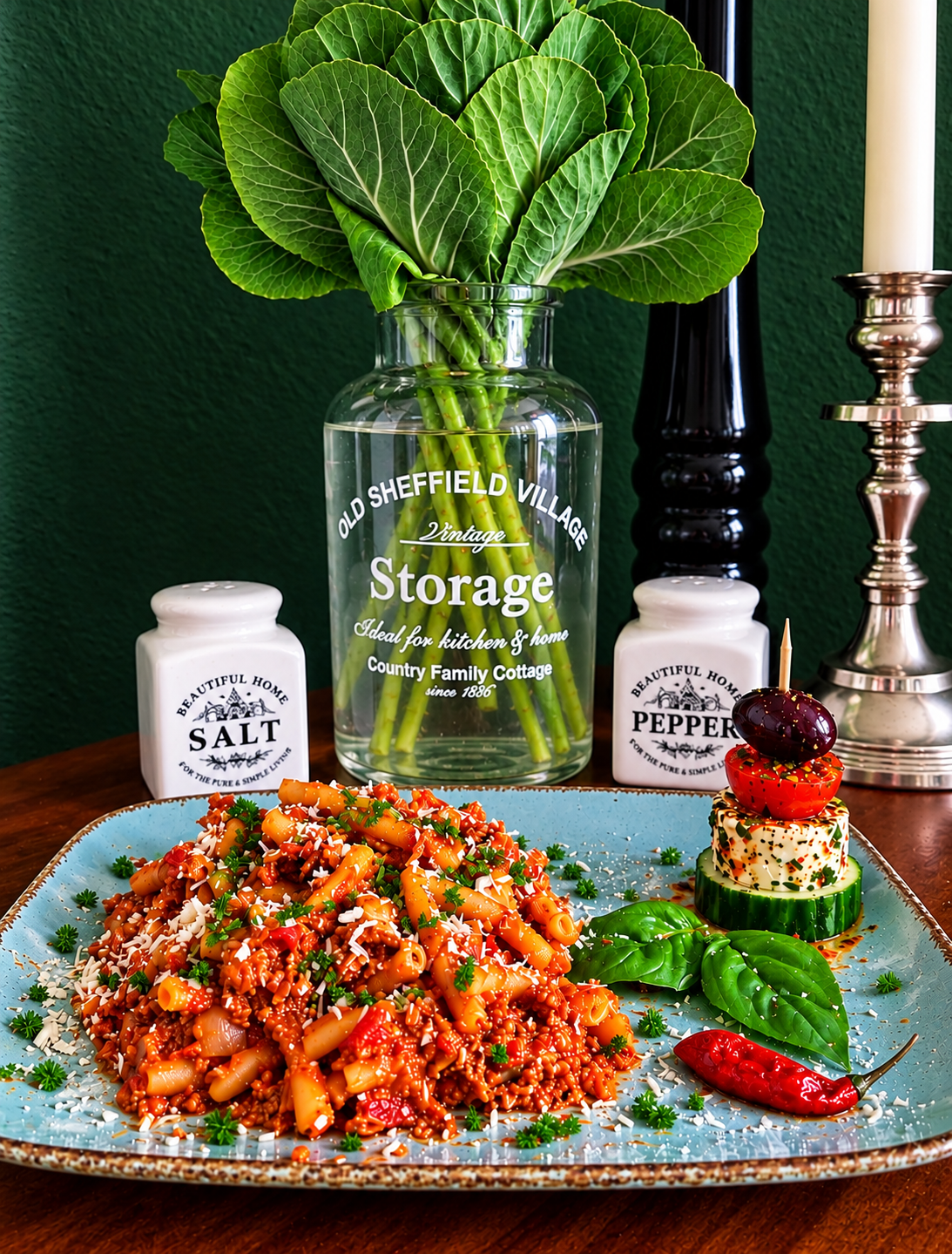
Libya – A North African Country of Mediterranean and Desert Traditions
Libya is a North African country bordering the Mediterranean Sea, with a culinary heritage shaped by Amazigh, Arab, Mediterranean and historical Ottoman influences. Its cuisine combines grains, vegetables, legumes, meat and aromatic spices, with dishes varying across regions and households. Tomatoes, garlic, chilies, olive oil and warming spice blends feature prominently in many Libyan preparations. Pasta also holds an important place in everyday cooking, reflecting the country's long history of Mediterranean cultural exchange.
What Is Mbakbaka?
Mbakbaka, also written Imbakbaka, is a popular Libyan one-pot pasta dish traditionally prepared by simmering dry pasta directly in a seasoned tomato-based broth. Unlike conventional pasta recipes, the noodles absorb the flavors of the sauce while releasing starch, creating a rich consistency somewhere between pasta and stew. Many versions contain lamb, beef or chicken, while the spices and vegetables vary between families. This Via Veggie Vegan interpretation replaces meat with plant-based mince and uses a homemade Bzaar-inspired spice blend. Fresh parsley, lemon juice and vegan grated cheese complete this hearty, spicy dish.
Cook this recipe →
Recipe postcard
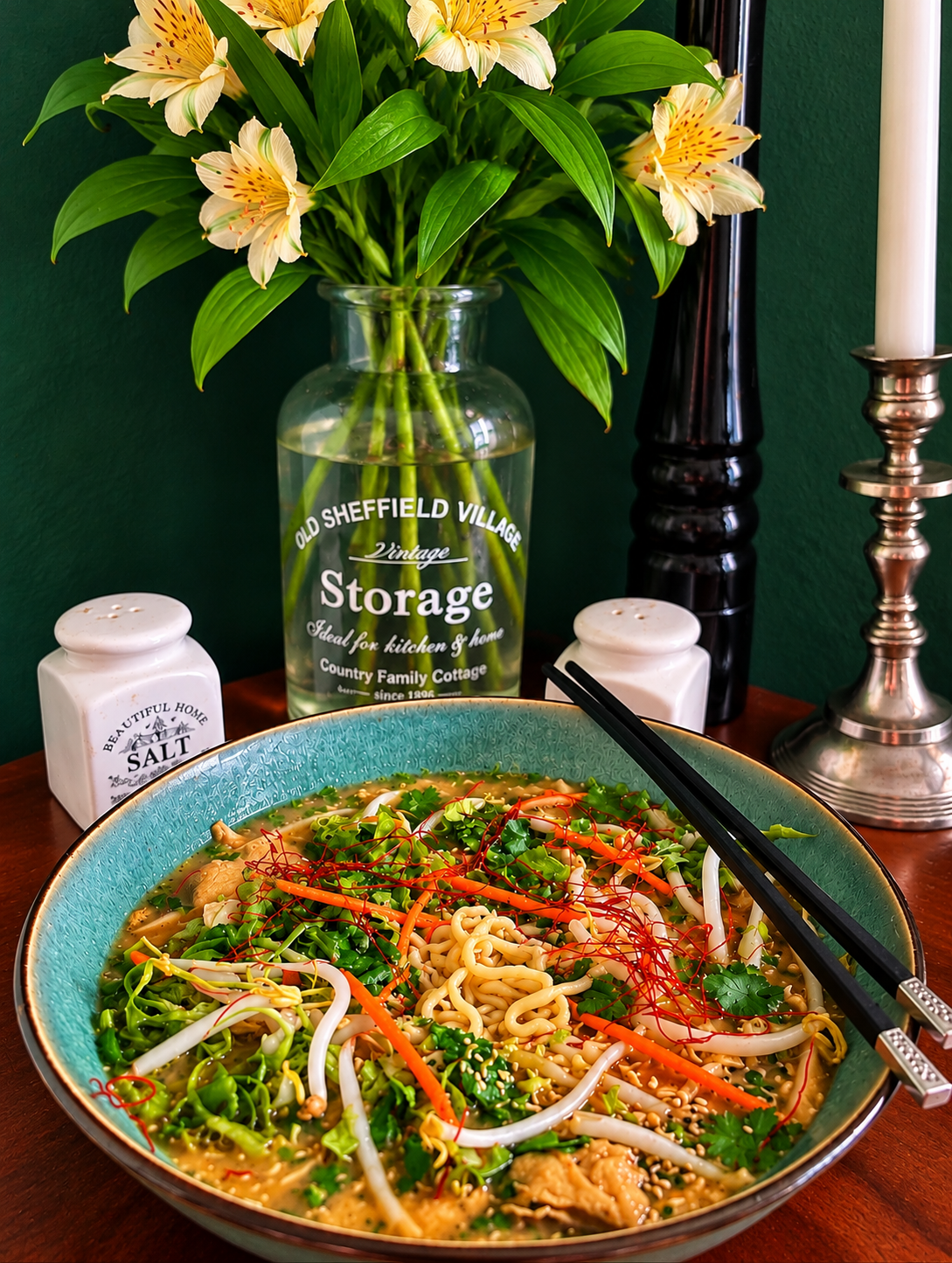
Japan – A Culinary Tradition of Precision and Umami
Japan is an East Asian island nation celebrated for its diverse regional cuisines, seasonal ingredients and careful attention to flavor and presentation. Japanese cooking frequently highlights the natural character of ingredients, with fermented foods such as miso and soy sauce playing an important role. From traditional noodle shops to modern ramen restaurants, comforting bowls of noodles are an essential part of everyday food culture.
What Is Spicy Miso Ramen?
Ramen developed in Japan under the influence of Chinese wheat noodle traditions and has evolved into numerous regional styles. Miso ramen is particularly associated with Sapporo in Hokkaido, where miso-based ramen became popular during the twentieth century. This Via Veggie Vegan interpretation combines white miso, vegetable stock, soy milk, garlic, ginger and chili crisp to create a creamy, spicy broth. Ramen noodles, tofu, plant-based chicken and plenty of vegetables turn it into a generous, satisfying plant-based meal.
Cook this recipe →
