Recipe postcard
The Philippines – A Culinary Love Affair with Coconut
The Philippines is an archipelago of more than 7,600 islands in Southeast Asia, with a wonderfully diverse culinary heritage shaped by regional traditions, tropical ingredients and centuries of cultural exchange. Coconut is an essential ingredient in many Filipino kitchens, particularly in regions where coconut palms grow abundantly. One beloved cooking technique is known as ginataan, which involves simmering vegetables, seafood, meat or even sweet ingredients in coconut milk. Combined with aromatic garlic, ginger, onions and chili, coconut milk creates wonderfully rich and comforting dishes. Squash and yardlong beans are especially popular vegetables in Filipino home cooking, making their combination a delicious example of the country's flavorful everyday cuisine.
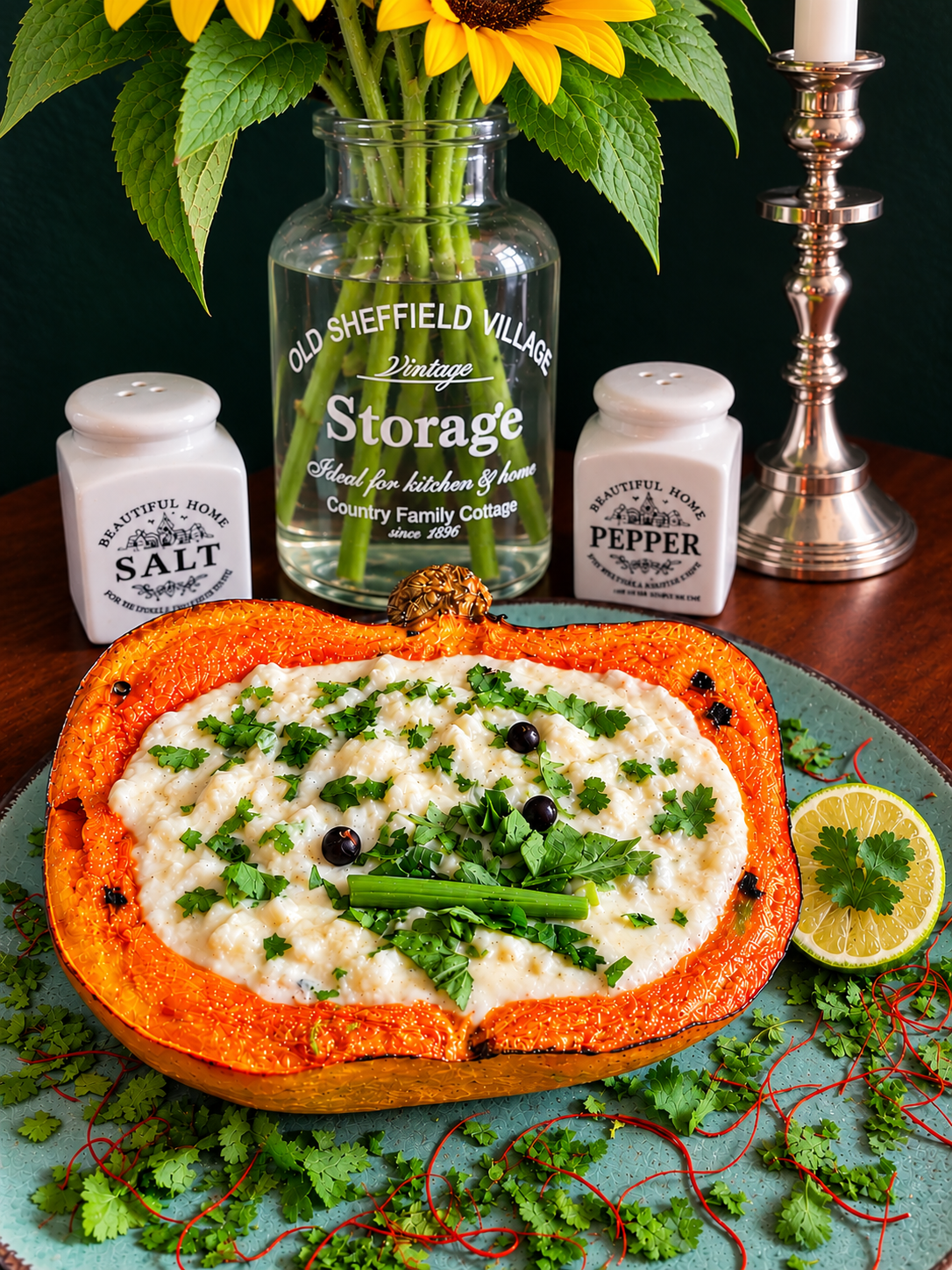
Ginataang Kalabasa at Sitaw – Filipino Comfort Food with a Creative Twist
Ginataang Kalabasa at Sitaw translates roughly to squash and yardlong beans cooked in coconut milk. Kalabasa refers to squash, while sitaw describes the long, slender beans commonly used in Filipino cooking. Traditional preparations often include shrimp, pork or fish sauce, although the ingredients and seasonings vary between households. My completely vegan interpretation uses plant-based fish sauce, plenty of garlic, fresh ginger, chili and creamy coconut milk. Instead of traditional kalabasa, I roast a small Hokkaido squash and transform its two halves into edible serving bowls. Fresh coriander, lime and homemade lemongrass salt add my personal Via Veggie Vegan signature. The result is Filipino comfort food at heart, with a generous helping of Team Garlic, Team Spicy and a little zero-waste kitchen magic.
Cook this recipe →
Recipe postcard
What Is Cari Giraumon?
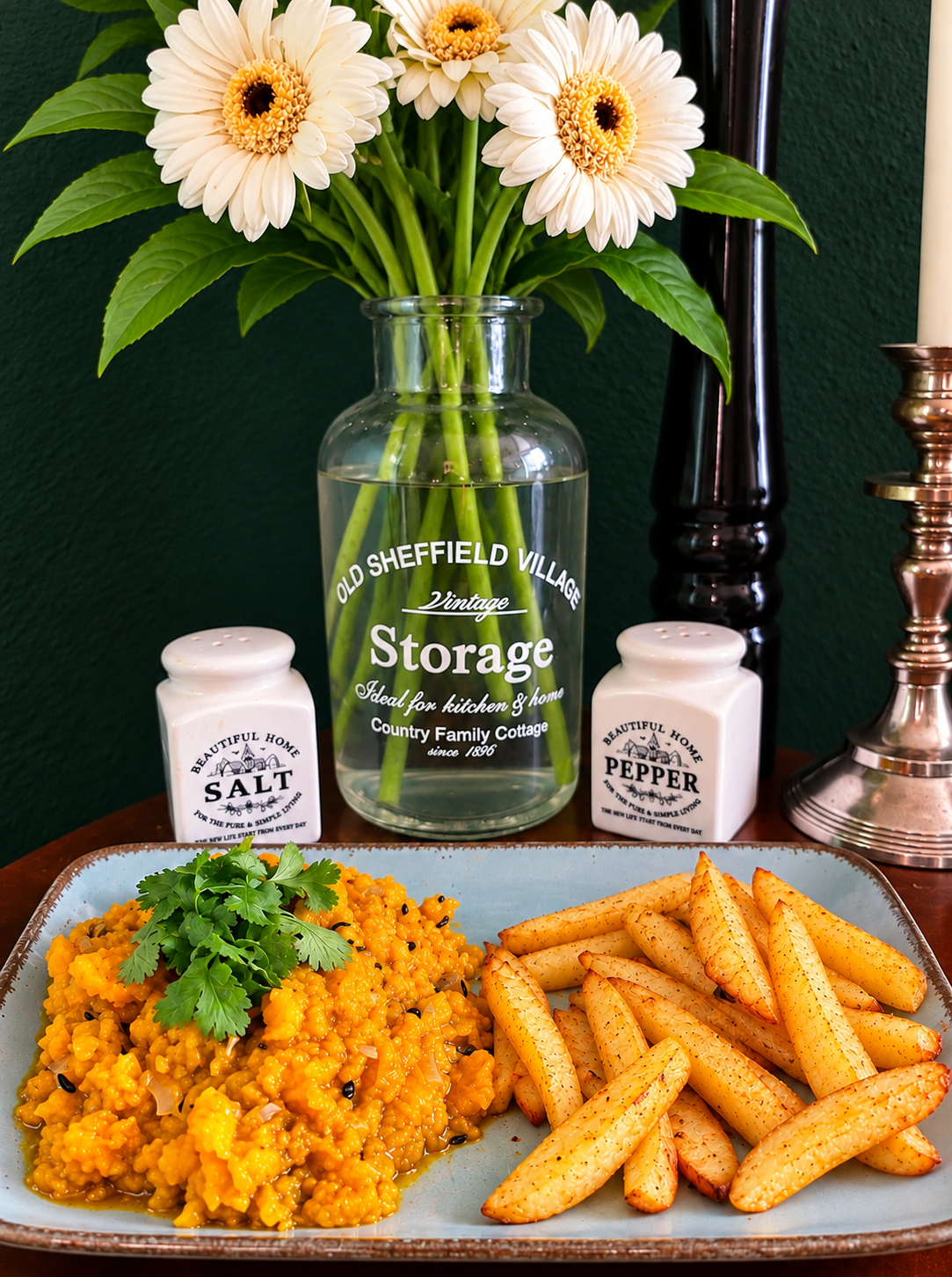
Cari Giraumon is a pumpkin curry associated with Mauritian home cooking.
The name combines cari, the Mauritian Creole word for curry, with giraumon, a term used for pumpkin or squash.
Mauritian cuisine reflects a rich mixture of culinary influences, particularly from India, Africa, Europe and China.
Curries are an important part of the island's food culture, with recipes varying between families and communities.
What Makes This Pumpkin Curry Different?
Unlike coconut-based curries, this version relies on the natural moisture and starches of the pumpkin.
As the pumpkin cooks, some pieces soften and partially break down.
This naturally thickens the cooking liquid, creating a rich sauce without cream, coconut milk or additional thickeners.
The result is a curry that tastes intensely of pumpkin, supported by garlic, ginger, chili and fragrant herbs.
What Is Giraumon?
Giraumon refers to pumpkin or squash.
Different varieties can be used depending on availability.
A firm, flavorful pumpkin with relatively dense flesh works particularly well.
Butternut squash or other suitable cooking pumpkins can also be used if Sombra pumpkin is unavailable.
Why Use Curry Leaves?
Curry leaves have a distinctive aromatic flavor with citrusy, herbal and slightly nutty notes.
They are commonly used in Indian Ocean cuisines, including Mauritian cooking.
They are not the same as curry powder.
Fresh curry leaves are particularly fragrant, although frozen leaves can also work well.
Why Add Thyme?
Thyme is used in many Mauritian savory dishes.
It adds an earthy, herbal character that complements the sweetness of pumpkin and the warmth of ginger.
Cooking the whole sprig with the curry allows its flavor to infuse the sauce.
Remove the woody stem before serving.
What Is Traditionally Served with Cari Giraumon?
Mauritian curries are often enjoyed with flatbreads such as farata or roti, or with rice.
Farata is a layered Mauritian flatbread related to Indian paratha.
For this Via Veggie Vegan presentation, crispy potato wedges replace the more traditional accompaniment.
Cook this recipe →

Recipe postcard
Chile – A Tradition of Comforting Savory CasserolesChile stretches along the western coast of South America and has a diverse culinary heritage shaped by Indigenous traditions, Spanish influences and regional ingredients. Savory baked dishes, known as budines, are a familiar part of Chilean home cooking. Budín de Alcachofas is a comforting artichoke casserole traditionally prepared with ingredients such as eggs, milk, cream, cheese and bread soaked in milk. Its soft, creamy texture and delicate artichoke flavor make it a wonderful example of Chilean comfort food.
What Is Vegan Budín de Alcachofas?Vegan Budín de Alcachofas is a plant-based interpretation of the traditional Chilean artichoke casserole. Tender artichokes are combined with sautéed onion, garlic, softened white bread, unsweetened oat drink, plant-based cooking cream and vegan cheddar alternative. Nutritional yeast adds savory depth, while a golden topping of vegan Parmesan-style cheese alternative, toasted pine nuts and pistachios provides a delicious contrast to the creamy filling. Baked until beautifully golden, this comforting dish can be served as a satisfying main course or in smaller portions as a side dish.
Cook this recipe →
Recipe postcard
Armenia – A Rich Tradition of Roasted VegetablesArmenia is located in the South Caucasus, at the crossroads of Europe and Asia. Armenian cuisine is known for its aromatic herbs, fresh vegetables, traditional flatbreads and flavorful dishes prepared over open flames or in clay ovens. Eggplants are particularly popular in Armenian cooking, where they are frequently roasted, grilled or stuffed. Their wonderfully smoky flavor is an important inspiration for this rustic vegan soup.
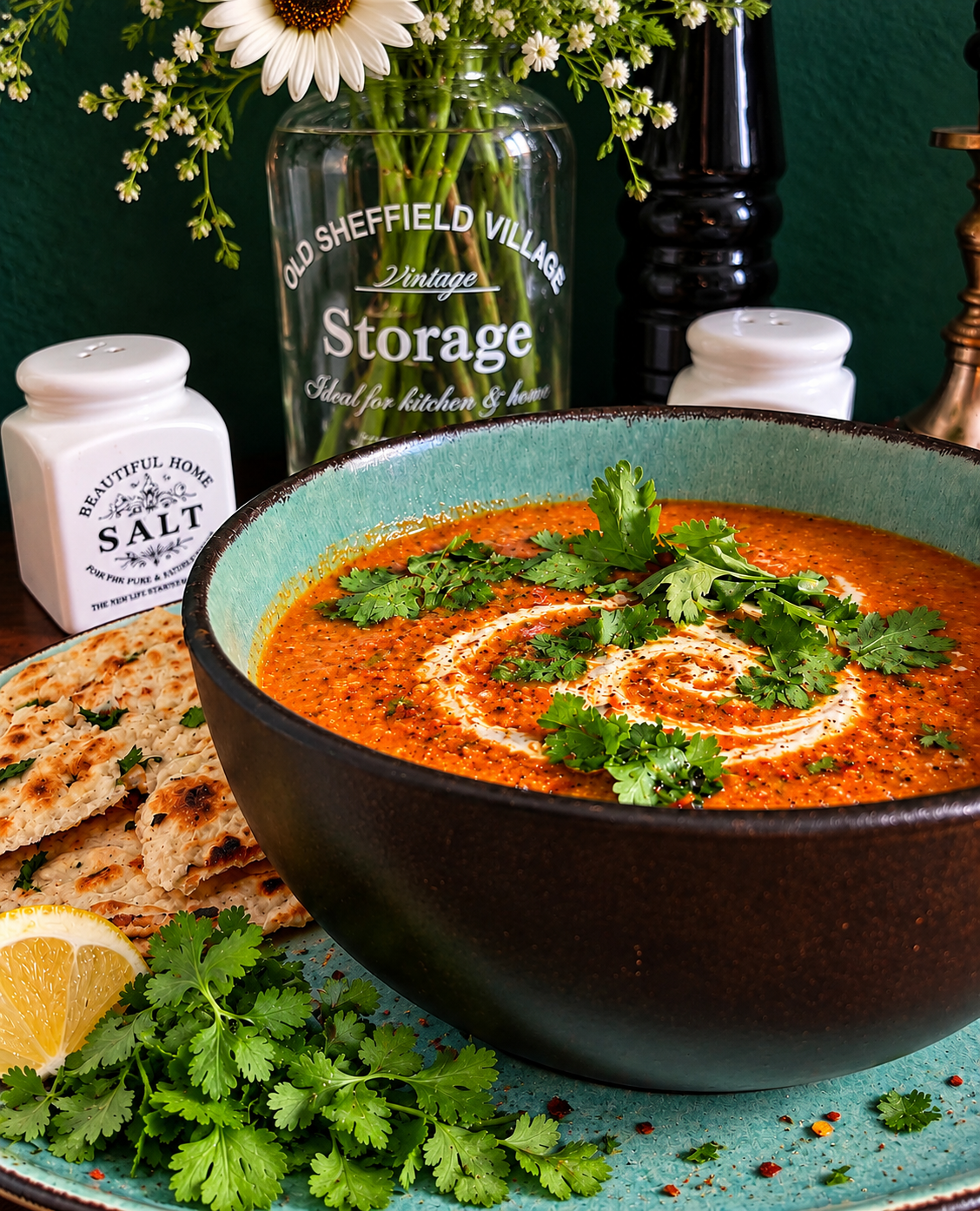
What Is Armenian Roasted Eggplant Soup?Armenian Roasted Eggplant Soup is a modern, Armenian-inspired vegan creation rather than a documented traditional national dish. Oven-roasted eggplants are combined with tomatoes, garlic, onion, cumin and smoked paprika to create a deeply aromatic, slightly chunky soup. Fresh coriander, flat-leaf parsley, lemon zest and lemon juice add brightness, while a swirl of vegan sour cream provides a creamy finishing touch. Served with warm Armenian lavash, this comforting soup celebrates the flavors of roasted vegetables and the culinary traditions of Armenia.
Cook this recipe →
Recipe postcard
Turkey – The Culinary Heritage of İmam BayıldıTurkey is located at the crossroads of Europe and Asia, with a rich culinary heritage shaped by Anatolian, Mediterranean and Ottoman traditions. Fresh vegetables, aromatic herbs, garlic and olive oil play an important role in Turkish cuisine. İmam Bayıldı is a classic example of the traditional zeytinyağlı dishes – vegetables gently cooked in olive oil and often served at room temperature. Its tender eggplant, sweet onions, ripe tomatoes and generous garlic filling make it a beloved part of Turkish home cooking.
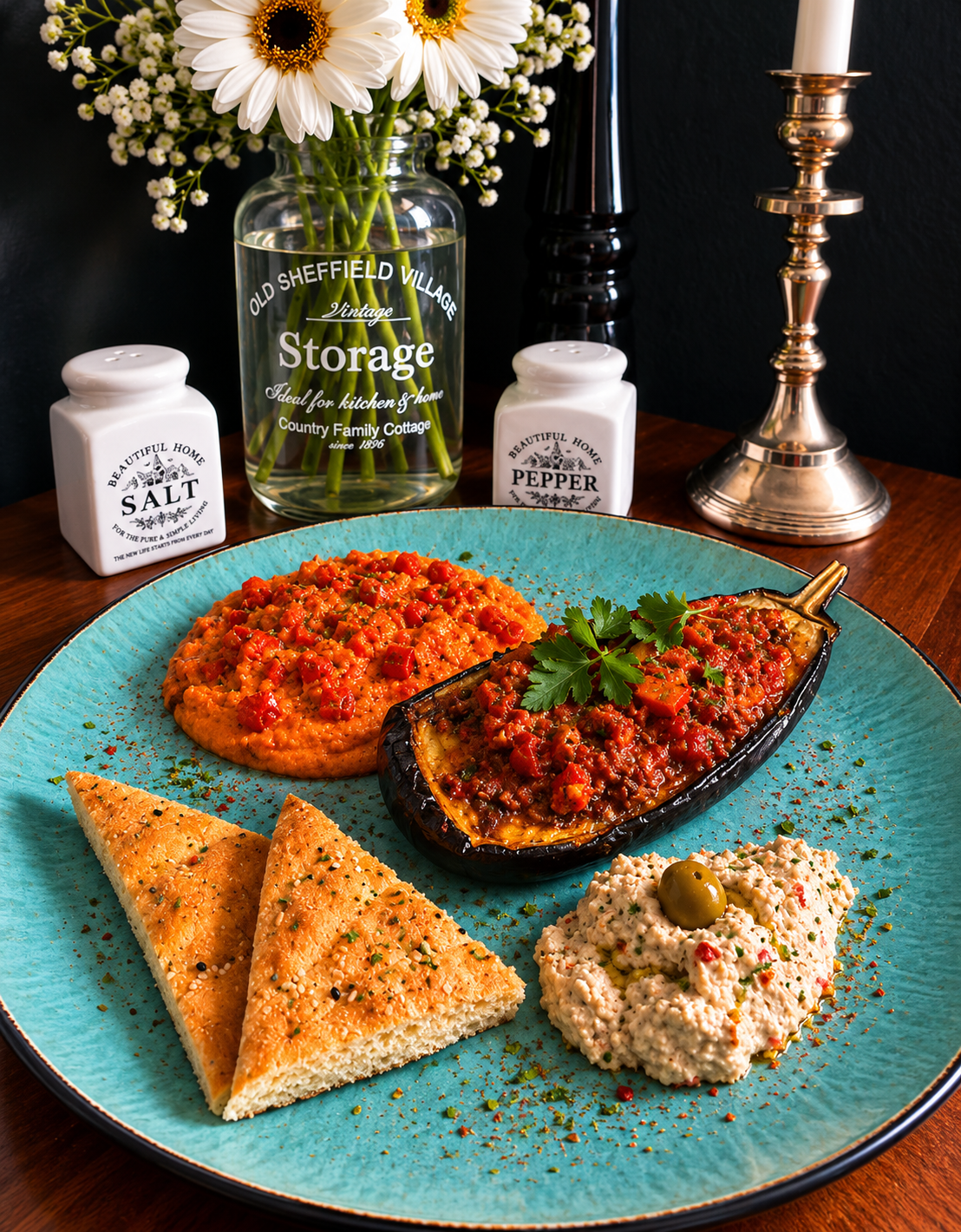
What Is Vegan İmam Bayıldı – The Holy Trinity of Garlic?İmam Bayıldı is a traditional Turkish dish made with whole eggplants stuffed with slowly cooked onions, tomatoes, garlic and parsley, then gently braised in olive oil until exceptionally tender. The dish is naturally vegan and its name translates as “the imam fainted,” inspiring several entertaining culinary legends. For this Via Veggie Vegan interpretation, the classic stuffed eggplant is accompanied by two modern Turkish-inspired tofu spreads: a peppery Tofu Acuka and a creamy green olive cheese spread called Vegan Peynirli Yeşil Zeytin Ezmesi. Together with warm Turkish flatbread and six cloves of garlic across all three dishes, they create the ultimate vegan mezze feast – the Holy Trinity of Garlic.
Cook this recipe →
Recipe postcard
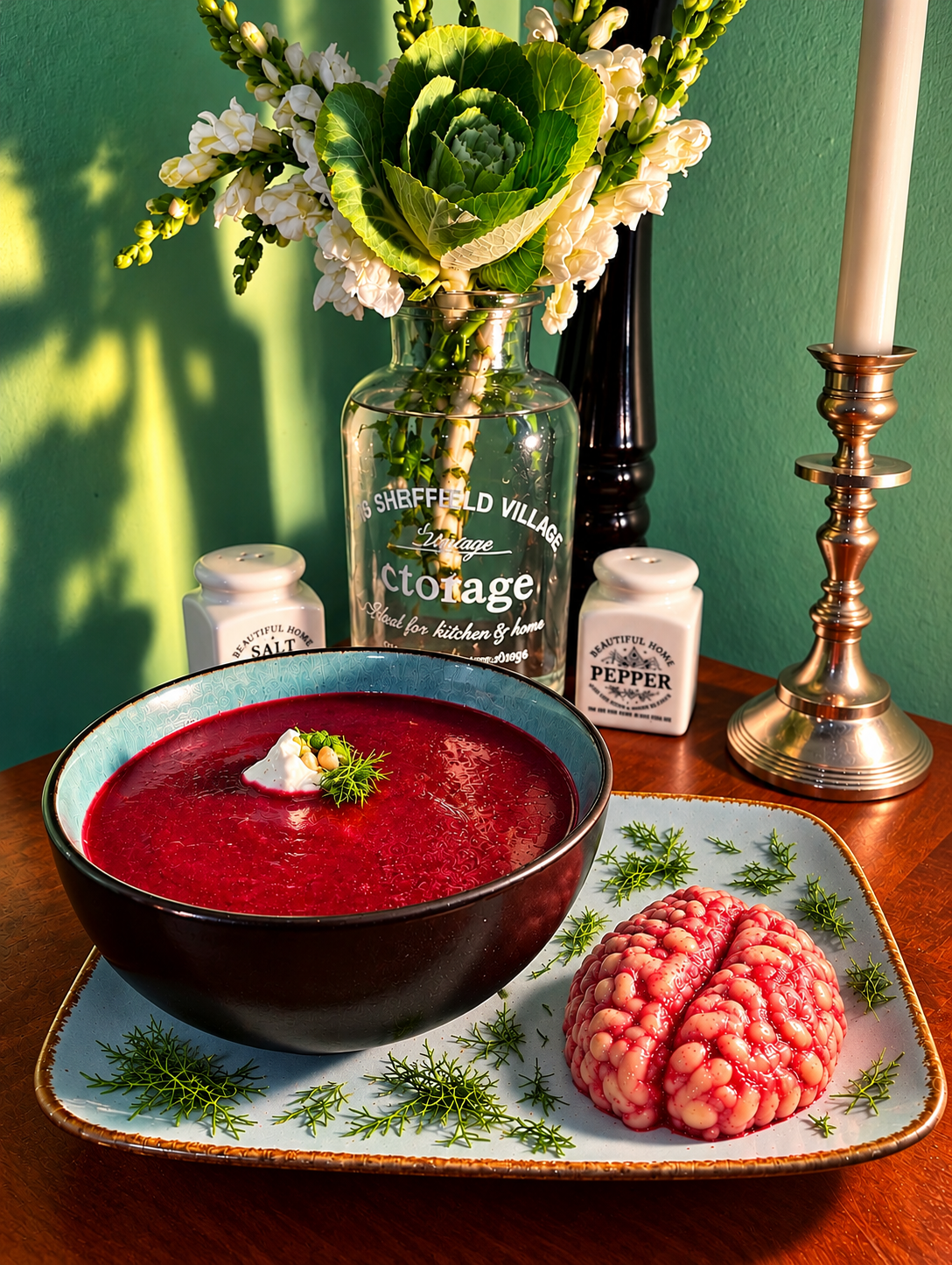
Latvia – Baltic Traditions and Seasonal Cuisine
Latvia is a Baltic country in northeastern Europe, known for its extensive forests, beautiful coastline and strong connection to nature. Latvian cuisine is shaped by the changing seasons, with potatoes, cabbage, rye bread, mushrooms and root vegetables playing important roles. Beetroot is especially popular and appears in both warming winter dishes and refreshing summer soups.
What Is Biešu Zupa?
Biešu Zupa simply means beetroot soup in Latvian. This traditional-style soup combines earthy beetroot with potatoes, carrots, cabbage and aromatic spices to create a comforting, colorful meal. While Latvian beetroot soups vary from household to household, this vegan version uses vegetable broth and plant-based sour cream. For Halloween, I've added my own slightly spooky twist: homemade tofu and pine nut brains with a vivid pink beetroot glaze.
Cook this recipe →
Recipe postcard
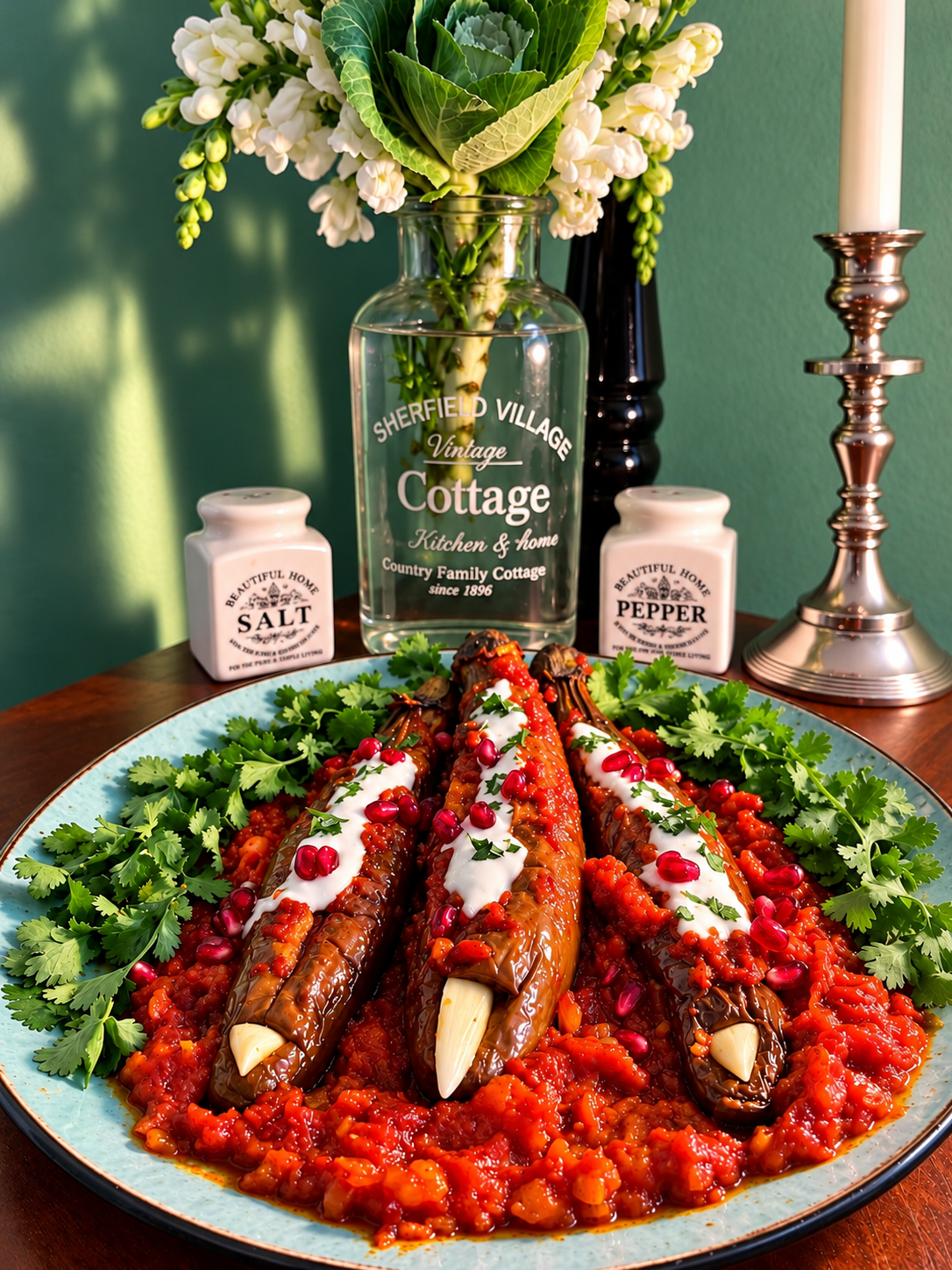
Tajikistan – Culinary Traditions Along the Silk RoadTajikistan is a mountainous country in Central Asia whose culinary heritage has been shaped by Persian influences, regional trade routes and centuries of cultural exchange along the Silk Road. Traditional Tajik cooking features bread, rice, legumes, vegetables, fresh herbs and aromatic spices. Eggplants, tomatoes, garlic and coriander are familiar ingredients across the wider Persian-influenced culinary region, where vegetable dishes are often paired with tangy yogurt sauces. Although Borani Banjan is particularly associated with Afghanistan rather than being a traditional Tajik national specialty, its combination of tender eggplant, richly seasoned tomatoes and cooling yogurt reflects flavors shared across neighboring culinary traditions.
Borani Banjan – Afghan Roots with a Vegan Central Asian TwistBorani Banjan is a beloved Afghan eggplant dish traditionally prepared with tender fried or cooked eggplants, a fragrant tomato sauce and a generous layer of garlic yogurt. My vegan interpretation takes inspiration from this classic while introducing a few personal Via Veggie Vegan touches. Instead of frying thick eggplant slices, I use six slender Japanese eggplants, carefully hollow them out, fill them with aromatic tomato sauce and bake them whole until wonderfully tender. Turmeric, cumin, coriander, cayenne pepper and black pepper give the sauce its warm, spicy character, while unsweetened soy yogurt and vegan crème fraîche create a cooling garlic topping with a hint of lemon zest. Fresh coriander, dried mint and jewel-like pomegranate seeds complete the dish. Rooted in Afghan cuisine, inspired by the wider culinary traditions of Central Asia and prepared as part of my journey through Tajikistan, this colorful creation brings together tradition, creativity and delicious plant-based flavors.
Cook this recipe →
Recipe postcard
Zimbabwe – A Land of Natural Beauty and Culinary Traditions
Zimbabwe is a landlocked country in Southern Africa, known for its spectacular landscapes, including Victoria Falls, vast savannas and beautiful national parks. Its cuisine is closely connected to local agriculture and seasonal ingredients. Staple foods include maize, leafy greens, pumpkins, beans and groundnuts, which are used in a variety of traditional dishes. Groundnuts are especially valued for their rich, nutty flavor and their ability to add creaminess to sauces and stews.
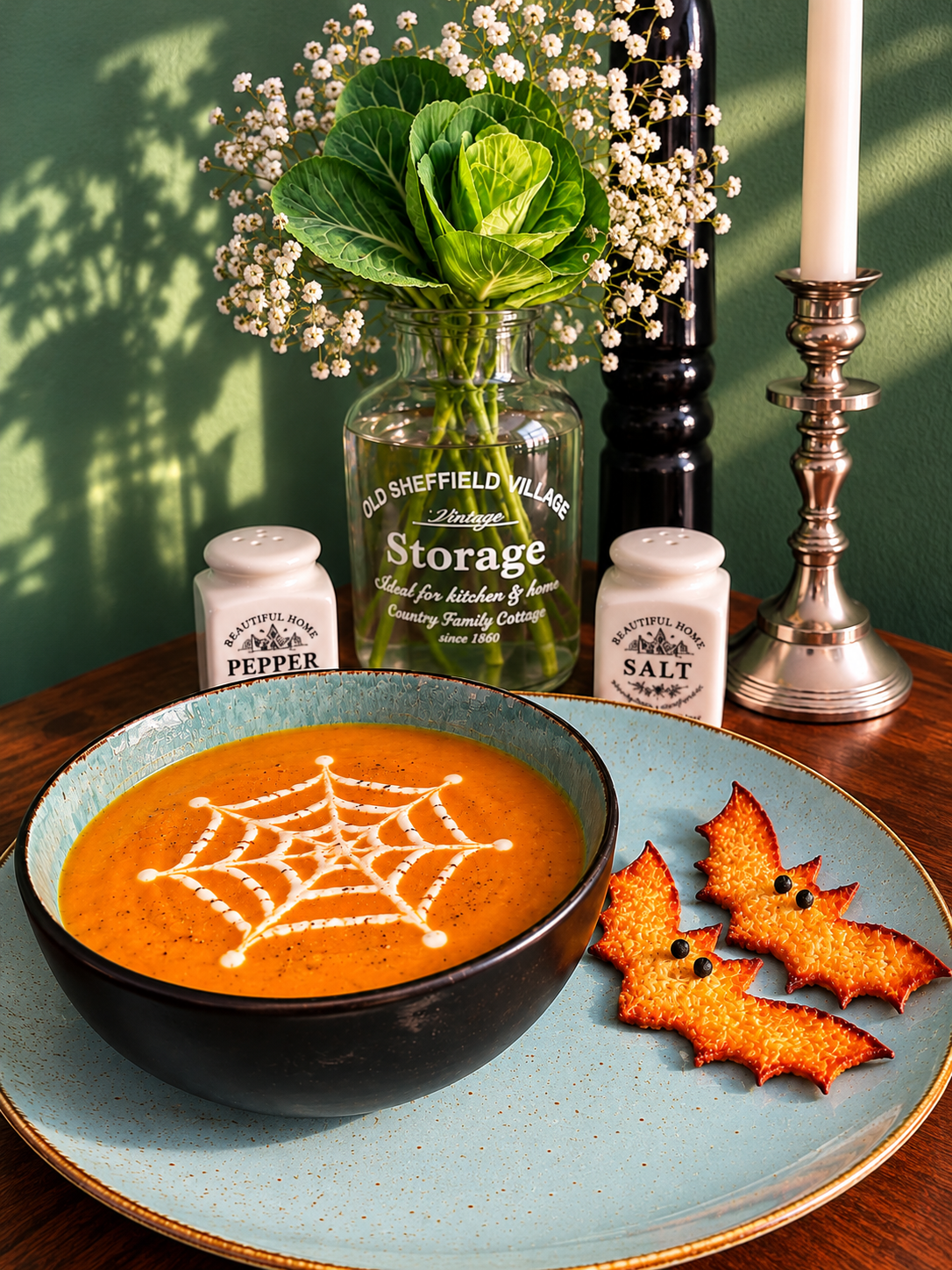
What Is Zimbabwe-Inspired Butternut Peanut Soup?
This creamy soup is a plant-based creation inspired by ingredients commonly used in Zimbabwean cooking rather than a specific traditional national dish. Sweet butternut squash meets juicy tomatoes, garlic, ginger, cumin, coriander and rich peanut butter for a wonderfully comforting combination. For my Via Veggie Vegan Halloween version, I've added a delicate oat cream spiderweb and two golden pumpkin bats made from reserved cooked squash and rolled oats. A little spooky creativity, plenty of flavor and absolutely no food waste!
Cook this recipe →
Recipe postcard
Malta – Mediterranean Islands with a Rich Culinary Heritage
Malta is a small island nation in the Mediterranean Sea, south of Sicily, known for its historic cities, beautiful coastlines and distinctive culinary traditions. Maltese cuisine reflects centuries of Mediterranean influences, particularly from Sicily, Italy and North Africa. Seasonal vegetables, legumes, tomatoes, olive oil and fresh herbs are central to many traditional dishes. Broad beans are especially popular in spring and feature in several beloved Maltese specialties.
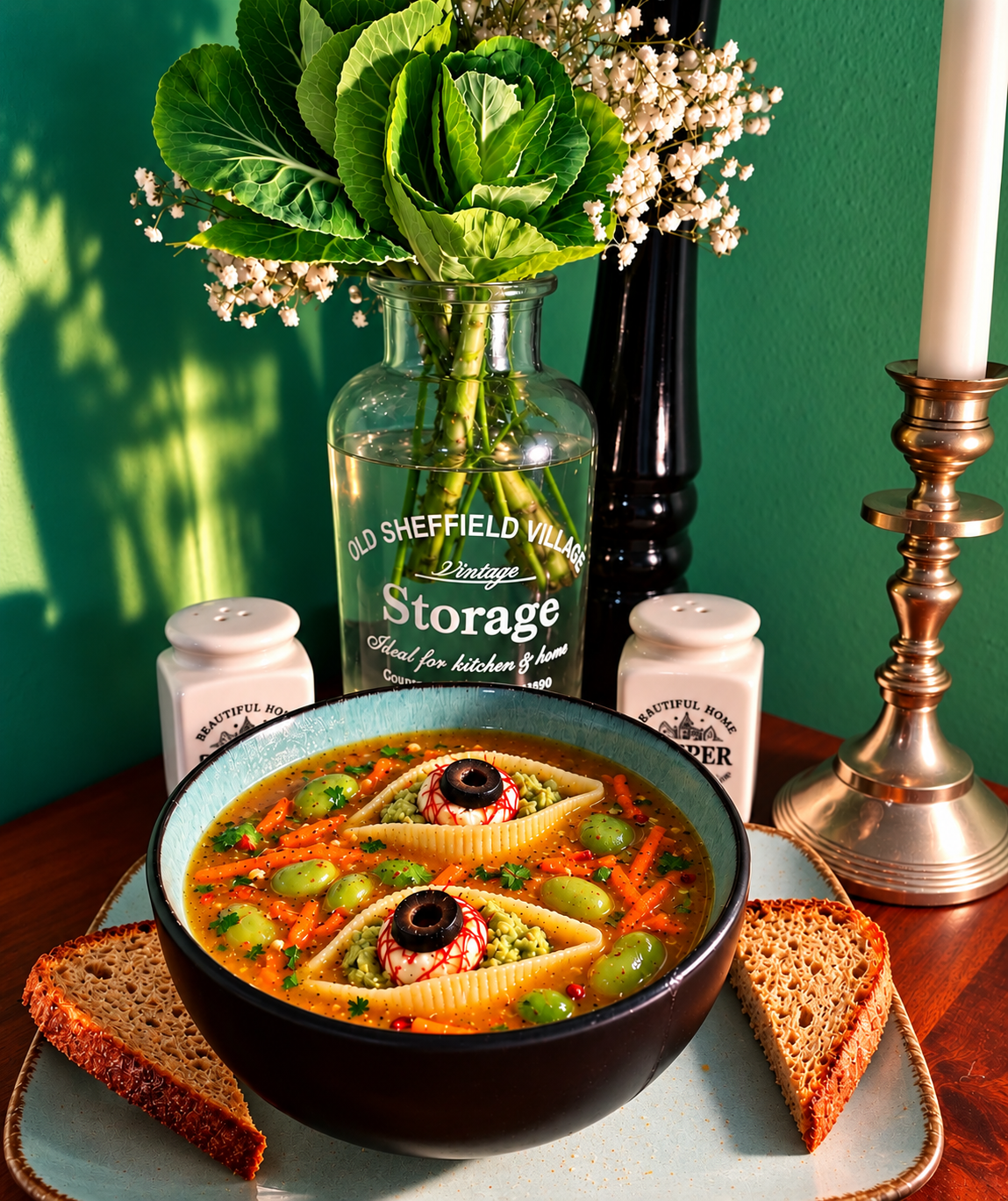
What Is Kusksu bil-Ful?
Kusksu bil-Ful is a traditional Maltese springtime soup made with broad beans, vegetables and tiny pasta pearls called kusksu. Depending on the family recipe, it may also include poached eggs and fresh Maltese cheeselets known as ġbejniet. For my Via Veggie Vegan Halloween interpretation, I replaced the traditional pasta pearls with giant conchiglioni shells and transformed vegan mozzarella, black olives and delicate chili threads into spooky edible eyeballs. The thick tomato and vegetable broth, flavored with rosemary and nutritional yeast, makes this comforting Maltese classic a deliciously playful Halloween creation.
Cook this recipe →

Recipe postcard
Antarctica – A Frozen Continent Beyond the Culinary World MapAntarctica is the coldest continent on Earth, a vast landscape of ice, snow and extraordinary extremes. Unlike the 195 countries featured in my culinary journey around the world, Antarctica is not a sovereign nation and has no indigenous national cuisine. Food at Antarctic research stations reflects the international backgrounds of their crews, the challenges of transporting ingredients and the need for nourishing meals in an exceptionally harsh environment. During the Antarctic winter, the sun can remain below the horizon for months, creating the mysterious polar night that inspired this recipe. Antarctica therefore marks a special excursion beyond my world map – and the very first destination in Via Veggie Vegan Vunderland.
Antarktik Polar Night Gratin – A Vegan Comfort-Food CreationAntarktik Polar Night Gratin is my own imaginative creation rather than a traditional Antarctic dish. Inspired by the continent's freezing temperatures and long winter darkness, I combined floury potatoes and tender savoy cabbage in a hearty, lasagna-style casserole. Smoky vegan bacon-style cubes, a creamy tofu sauce with oat-based cooking cream, nutritional yeast, nutmeg and lemon zest, and generous layers of vegan Cheddar alternative make this gratin wonderfully comforting. Golden panko breadcrumbs and fresh thyme complete the bake, while a handmade Cyclops potato glove and oil-marinated red chilies add a playful Halloween twist. A warming, entirely plant-based adventure from Via Veggie Vegan Vunderland – where imagination knows no borders and even Antarctica gets a place at the dinner table.
Cook this recipe →
