From my kitchen to your plate.
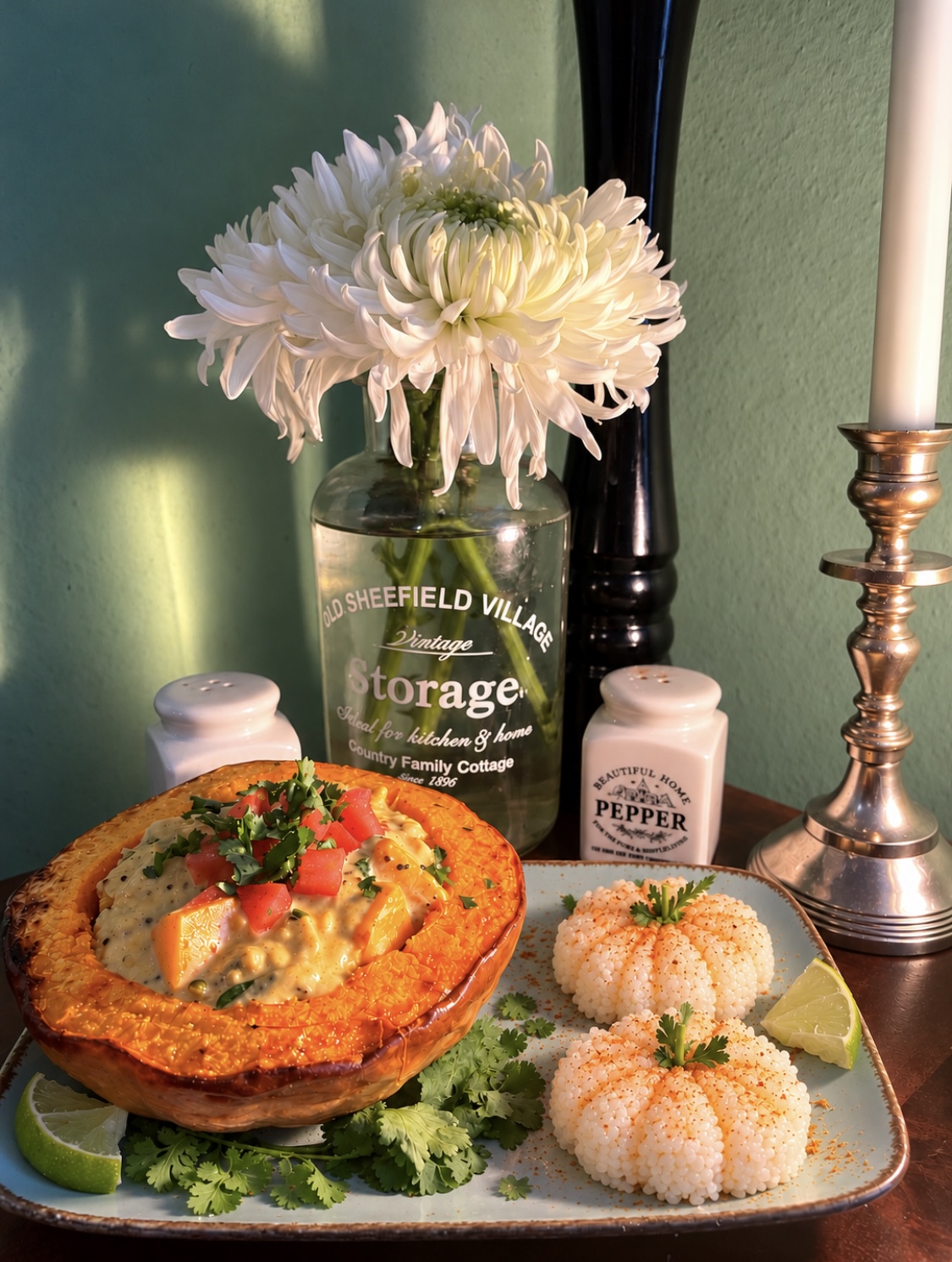
Fiji – A South Pacific Island Nation with a Remarkable Culinary HeritageFiji is an island nation in the South Pacific, consisting of more than 300 islands. Its cuisine reflects Indigenous Fijian traditions alongside Indian and other cultural influences. Root vegetables, tropical fruits, leafy greens and coconut feature in many local food traditions, while Indo-Fijian cuisine is especially known for aromatic vegetable curries, roti, dhal and carefully balanced spice mixtures. Beginning in 1879, Indian indentured labourers were brought to Fiji during the British colonial period. Over generations, their culinary traditions evolved alongside local ingredients and food cultures, creating the distinctive Indo-Fijian cuisine enjoyed today.
Kaddu Tarkari – Indo-Fijian Pumpkin Curry with a Creative Halloween TwistKaddu means pumpkin or squash in Hindi, while tarkari refers to a vegetable dish or curry. Indo-Fijian pumpkin curry is commonly prepared with pumpkin, onions, garlic, chilli and aromatic spices, often using relatively little liquid. As the pumpkin softens, some of the flesh breaks down and creates a naturally thick texture. My Via Veggie Vegan version takes inspiration from these flavours but introduces a few personal twists: a whole muscat pumpkin roasted with chilli oil, a creamy coconut milk sauce and two decorative pumpkins shaped from leftover basmati rice. The roasted pumpkin becomes both an ingredient and an edible serving vessel. This is a creative Indo-Fijian-inspired interpretation rather than a traditional Fijian presentation.
From my kitchen to your plate.
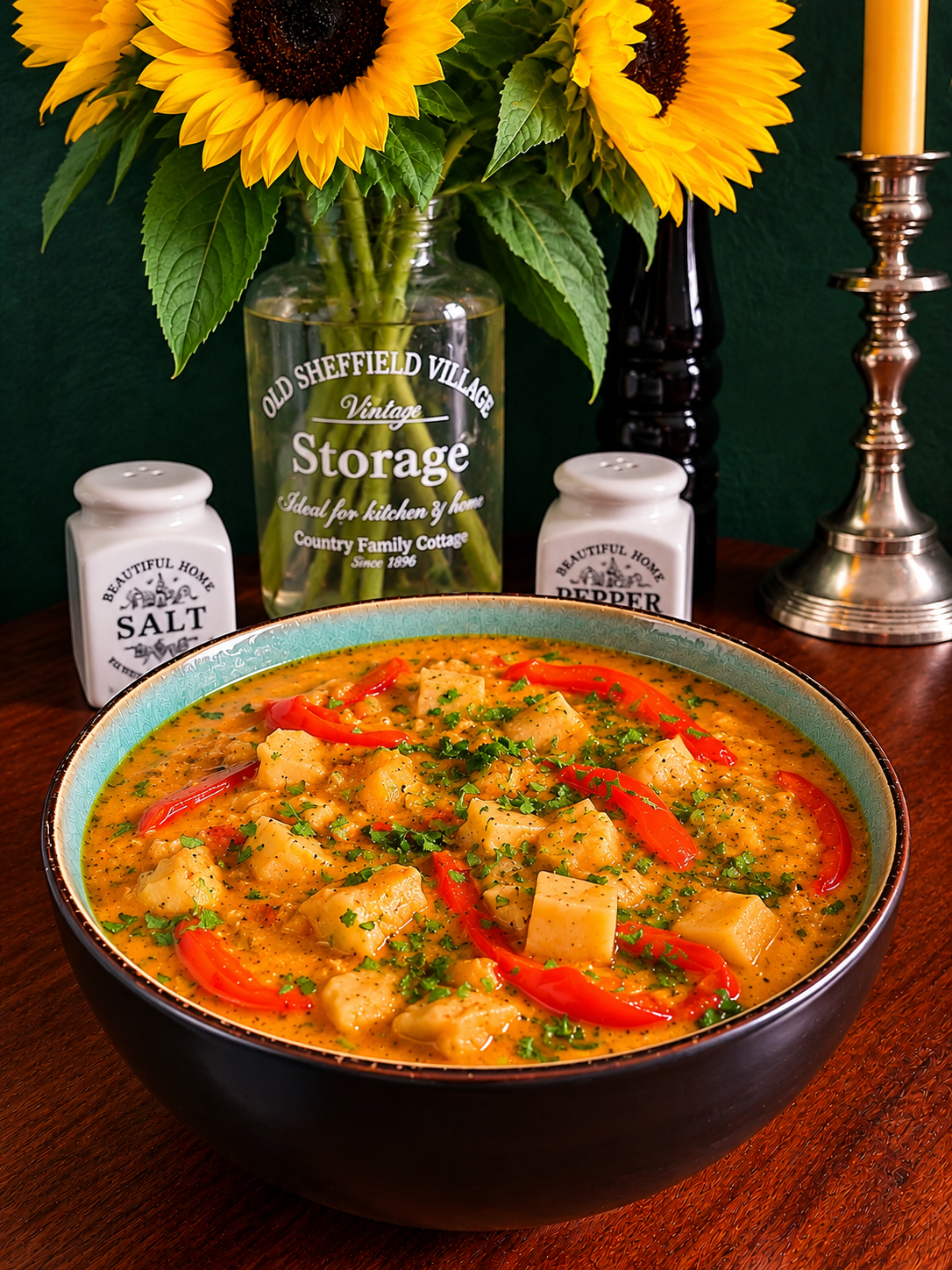
Brazil – A Country of Culinary DiversityBrazil is the largest country in South America, renowned for its extraordinary biodiversity, tropical landscapes, vibrant cities and rich cultural heritage. Its cuisine reflects centuries of Indigenous Brazilian, African, Portuguese and other cultural influences, creating a fascinating variety of regional food traditions. From the Amazon rainforest to the Atlantic coastline, local ingredients and cooking techniques differ considerably. Coconut milk, cassava, beans, peppers, fresh herbs and tropical fruits all play important roles in Brazilian cooking. The northeastern state of Bahia is particularly famous for its aromatic, colourful dishes and strong Afro-Brazilian culinary heritage, making it a wonderful source of inspiration for my Via Veggie Vegan journey.
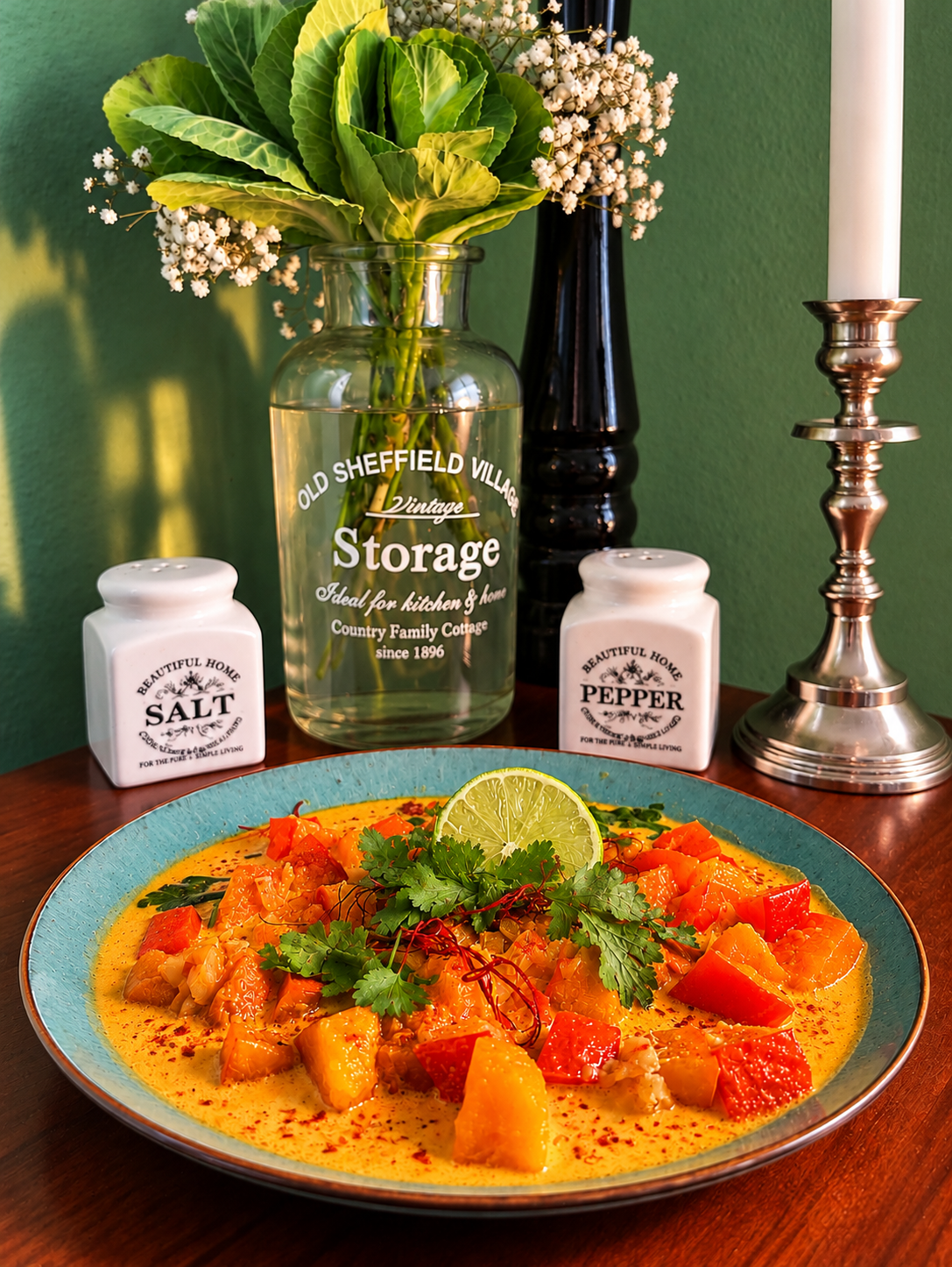
What Is Moqueca de Salsão-Raiz?Moqueca is a traditional Brazilian stew particularly associated with the coastal states of Bahia and Espírito Santo. Moqueca baiana typically combines fish or seafood with coconut milk, red palm oil, tomatoes, peppers, onions and coriander, while moqueca capixaba follows a different regional tradition without coconut milk or palm oil. My Moqueca de Salsão-Raiz is a contemporary, Brazilian-inspired vegan interpretation that gives celeriac the leading role. Tender pieces of this wonderfully earthy root vegetable are cooked with tomatoes, red bell pepper, garlic and chili in a rich coconut sauce. Fresh turmeric and a little orange zest create a beautiful golden-orange colour without using traditional red palm oil, while lime juice and plenty of fresh coriander provide a vibrant, aromatic finish. A colourful, comforting plant-based tribute to the flavours of Bahia – with a very personal Via Veggie Vegan twist!
From my kitchen to your plate.
Malaysia – A Country of Tropical Rainforests, Islands and Culinary Diversity
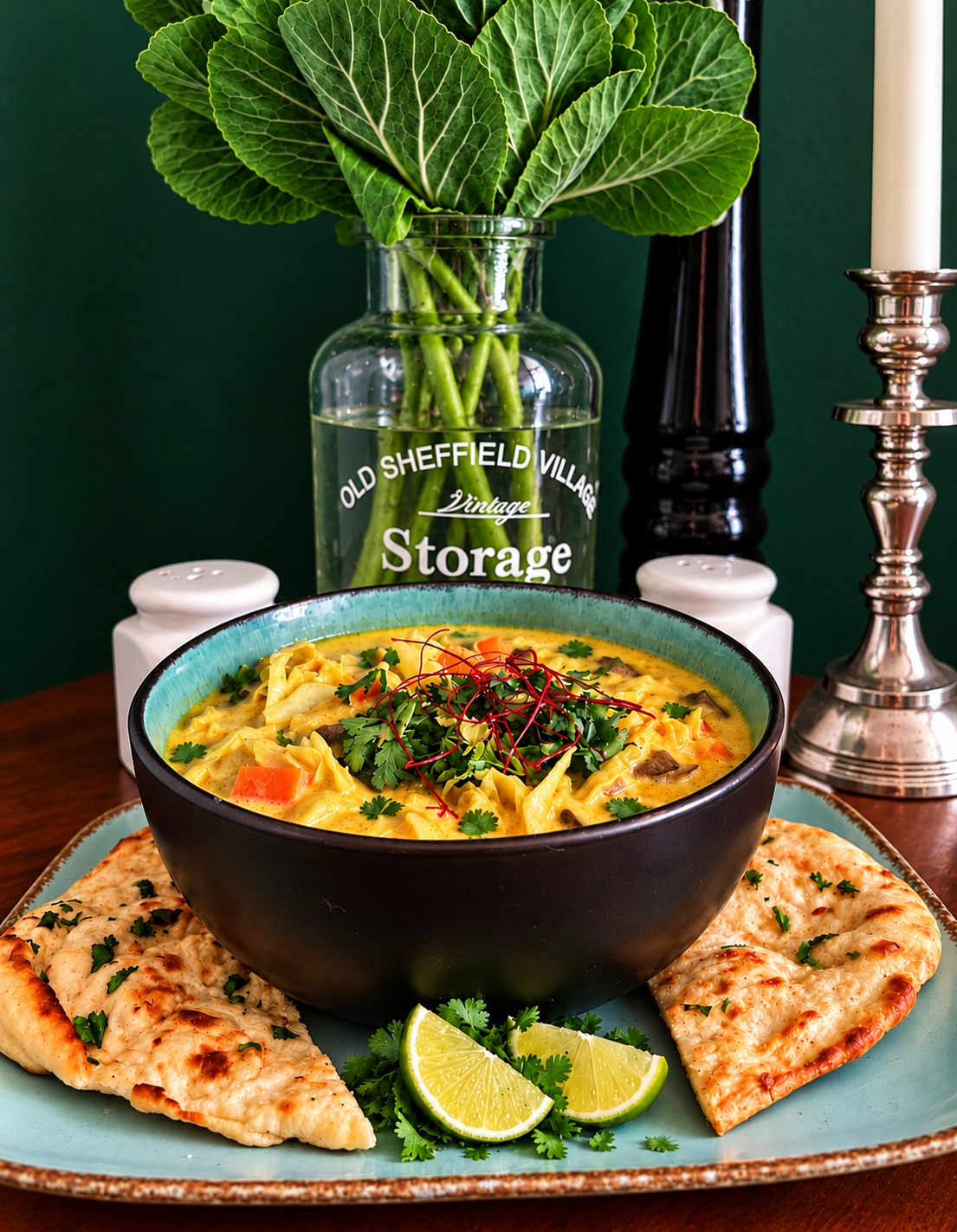
Malaysia is a Southeast Asian country divided between Peninsular Malaysia and Malaysian Borneo. Its culinary traditions reflect centuries of cultural exchange between Malay, Chinese, Indian and Indigenous communities, alongside influences from regional trade routes. Coconut milk, lemongrass, turmeric, ginger, galangal and chili are important ingredients in many Malaysian dishes. From bustling street-food markets to traditional family kitchens, Malaysian cuisine is celebrated for its aromatic spice combinations, rich sauces and remarkable regional diversity.
What Is Sayur Lodeh?
Sayur Lodeh is a vegetable dish cooked in a fragrant coconut milk broth, particularly associated with Indonesian and Malaysian cuisine. In Malaysia, it is also commonly known as Sayur Lemak Lodeh, referring to its rich, creamy character. Depending on the region and household, it may contain cabbage, long beans, carrots, tofu, tempeh and other vegetables. Some traditional preparations include shrimp-based seasonings for additional umami. This Via Veggie Vegan version uses white miso instead, creating a completely plant-based interpretation with a homemade rempah spice paste, golden coconut broth and a colorful mixture of vegetables.
From my kitchen to your plate.
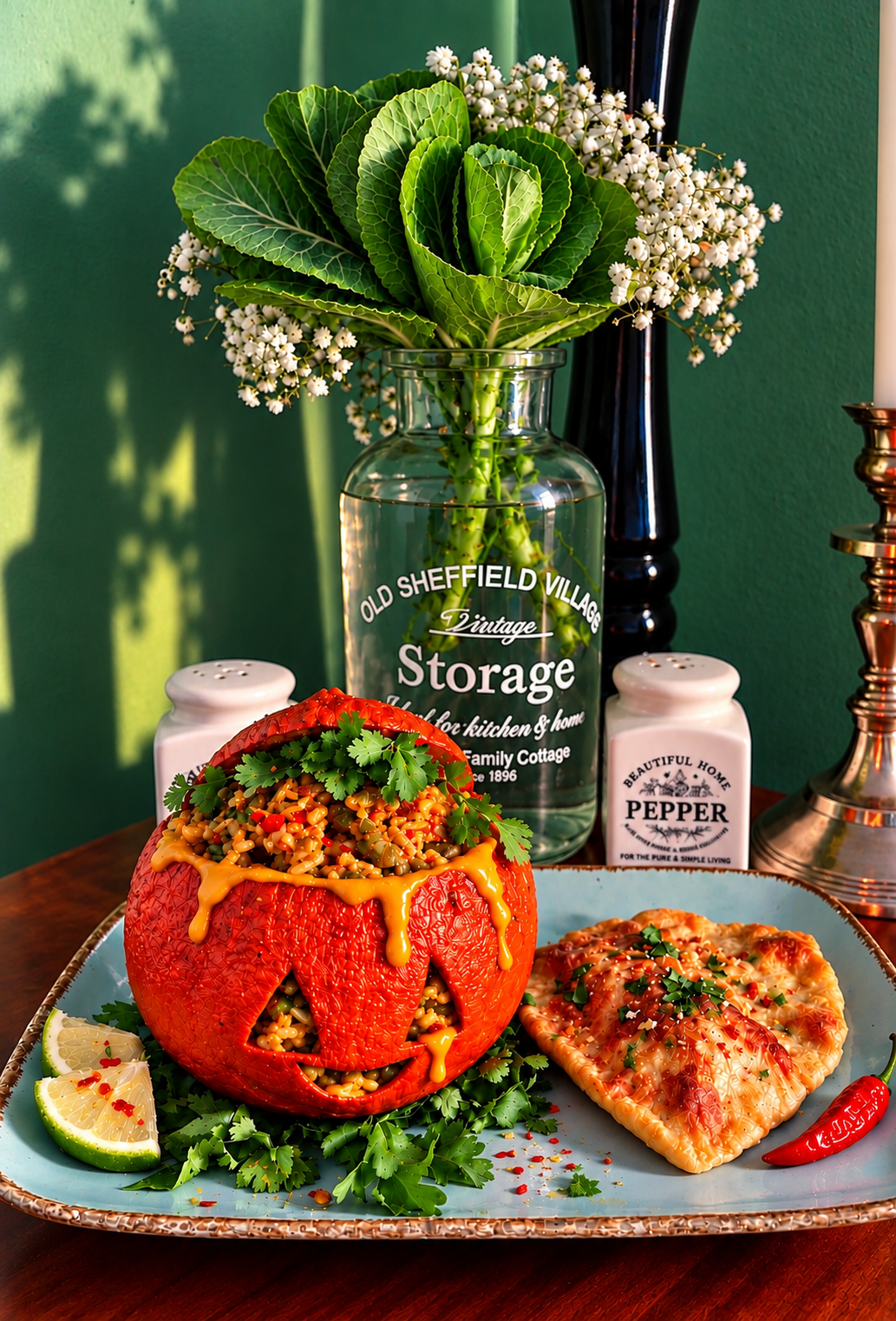
A Taste of CambodiaSomlor Kari, also spelled Samlor Kari, refers to a Cambodian curry preparation. Cambodian curries combine fragrant aromatic pastes with ingredients such as coconut milk, vegetables and, in many traditional versions, meat.
Halloween Meets Cambodian-Inspired CookingThe smiling jack-o'-lantern presentation is my own creative addition rather than a traditional Cambodian serving style. The roasted Hokkaido becomes both an edible bowl and an ingredient, making this dish a playful celebration of aromatic cooking and zero-waste creativity.
From my kitchen to your plate.
Cambodia – The Aromatic World of Khmer CuisineCambodia's culinary heritage is shaped by regional traditions, fresh ingredients and influences from neighbouring Southeast Asian countries. Khmer cuisine is known for its fragrant combinations of lemongrass, galangal, turmeric, garlic and fresh herbs. Cambodian curries often emphasise aromatic flavours and a balance of savoury, sweet and sour notes rather than intense chilli heat.
What Is Khmer Pumpkin Curry?Khmer Pumpkin Curry is a Cambodian-inspired dish combining tender pumpkin with fragrant aromatics and creamy coconut milk. My Via Veggie Vegan interpretation uses Hokkaido squash, fresh lemongrass, galangal, ginger, turmeric, garlic, vegan fish sauce and lime. The naturally sweet pumpkin complements the golden coconut sauce beautifully. This is a personal plant-based interpretation of Cambodian curry traditions rather than a reproduction of one specific traditional recipe.
