
From my kitchen to your plate.
Hungary – A Country with a Sweet Culinary HeritageHungary is a Central European country known for its rich culinary traditions, including comforting soups, pastries, chocolate desserts and sweet specialities. Hungarian cuisine is particularly famous for its use of paprika, although sweet dishes often feature ingredients such as chocolate, vanilla, walnuts and poppy seeds. Chocolate-based desserts have a place in Hungarian confectionery, but this particular chili chocolate soup should be understood as a modern Hungarian-inspired creation rather than a documented traditional national dish.
What Is Csokoládéleves?Csokoládéleves literally means chocolate soup in Hungarian. My Via Veggie Vegan interpretation transforms dark chocolate, unsweetened cocoa powder and oat drink into a rich, velvety dessert soup. Brown sugar adds sweetness, vanilla contributes a delicate aroma and a small amount of cornstarch creates a smooth, lightly thickened consistency. A quarter teaspoon of chili powder gives the chocolate a pleasantly warming finish. Served in dessert glasses, with an optional skull-shaped espresso ice cube for Halloween, this completely plant-based creation combines chocolate indulgence with a playful spooky-season twist.
From my kitchen to your plate.
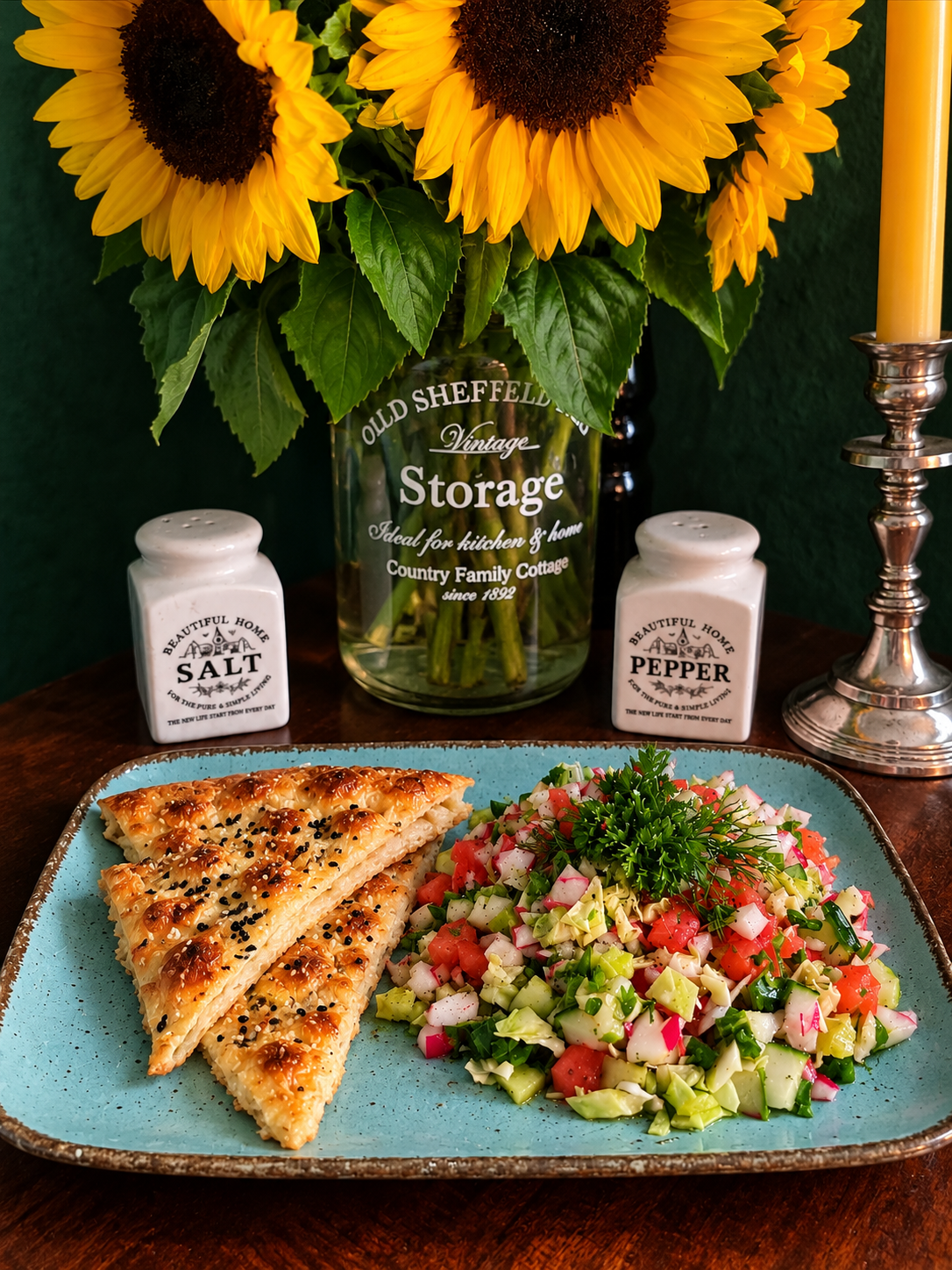
Turkmenistan – A Country of Central Asian Food TraditionsTurkmenistan is a Central Asian country bordered by Kazakhstan, Uzbekistan, Afghanistan, Iran and the Caspian Sea. Much of its landscape is dominated by the Karakum Desert, while agriculture and food traditions are closely connected to fertile oases and irrigated regions. Bread, vegetables, grains, meat dishes and fresh herbs all have a place in Turkmen cuisine. Hospitality and sharing food are important elements of everyday life, and fresh salads provide a welcome contrast to richer dishes.
What Is Turkmen Chopped Summer Salad?This Turkmen-inspired summer salad combines finely chopped seasonal vegetables with aromatic dill, parsley and a simple dressing. Its fresh character is reminiscent of chopped vegetable salads found throughout Central Asia and neighboring culinary traditions. The combination of cabbage, cucumber, tomatoes, radishes and herbs creates a particularly crunchy texture. My version brings everything together with extra virgin olive oil, freshly squeezed lemon juice, a little vinegar and a gentle touch of chili. Simple ingredients, plenty of freshness and absolutely no complicated cooking required.
From my kitchen to your plate.
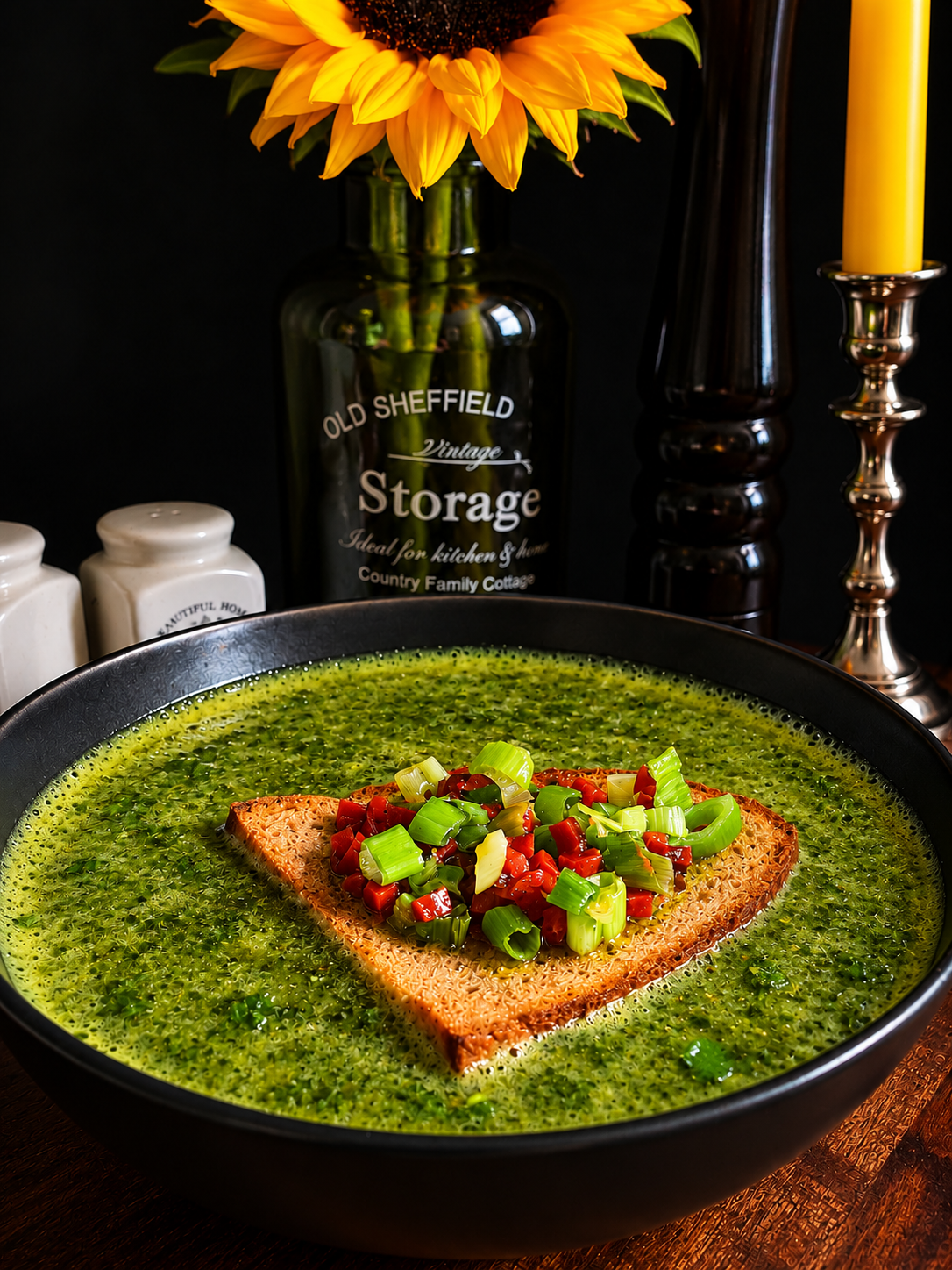
Portugal – The Rustic Culinary Heritage of AlentejoPortugal's Alentejo region stretches across the country's sun-drenched south, where rolling plains, olive groves and traditional villages have shaped a cuisine rooted in simplicity and resourcefulness. Bread, olive oil, garlic and fresh coriander are central to many regional dishes. Rather than relying on elaborate ingredients, Alentejan cooking transforms everyday staples into deeply comforting meals. This tradition reflects generations of rural households where wasting food was rarely an option and yesterday's bread was far too valuable to throw away.
Açorda à Alentejana – A Portuguese Bread Soup with HistoryAçorda à Alentejana is one of Portugal's most distinctive traditional bread soups. Unlike thicker versions of açorda found elsewhere in the country, the Alentejan preparation typically consists of rustic bread served in a fragrant broth seasoned with garlic, coriander, olive oil and salt. A poached egg is a common traditional addition. The dish's name is often linked to Arabic culinary influences, reflecting the historical presence of Moorish culture on the Iberian Peninsula. This Via Veggie Vegan interpretation replaces the egg with smoky vegan bacon and adds fresh spring onion, while preserving the essential combination of bread, coriander, garlic and aromatic broth.
From my kitchen to your plate.
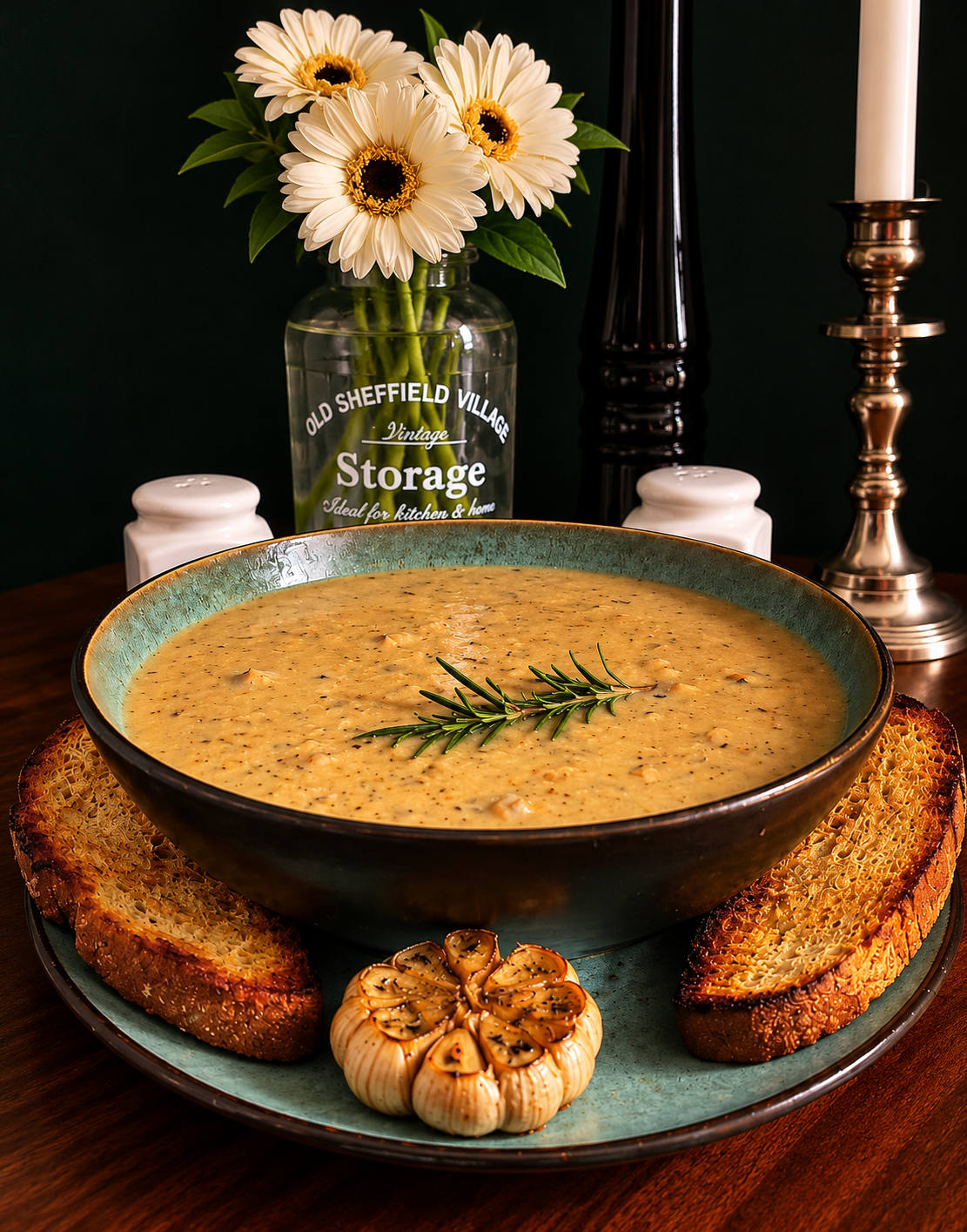
Spain – A Country of Regional Culinary TraditionsSpanish cuisine is shaped by remarkable regional diversity, from the seafood traditions of the Mediterranean coast to the hearty stews and rustic dishes of the country's interior. Olive oil, garlic, bread, legumes, vegetables and aromatic spices form the foundation of countless traditional recipes. In Castile, where winters can be cold and rural cooking has historically relied on affordable ingredients, warming soups and bread-based dishes have long played an important role in everyday food culture.
Sopa de Ajo – The Traditional Spanish Garlic SoupSopa de Ajo, also known as Sopa Castellana, is a traditional garlic soup particularly associated with Castile. Originally a humble rural dish, it was prepared using stale bread, garlic, olive oil, paprika and water or broth. Many traditional versions include eggs, while others contain ham or other meat products. My Via Veggie Vegan interpretation replaces the meat with vegan bacon and leaves out the eggs. Instead, soy cream, nutritional yeast and a pinch of Kala Namak create a creamy, savory finish with a subtle egg-like note. The result is a warming, aromatic garlic soup that celebrates the comforting character of the Spanish original while being entirely plant-based.
From my kitchen to your plate.
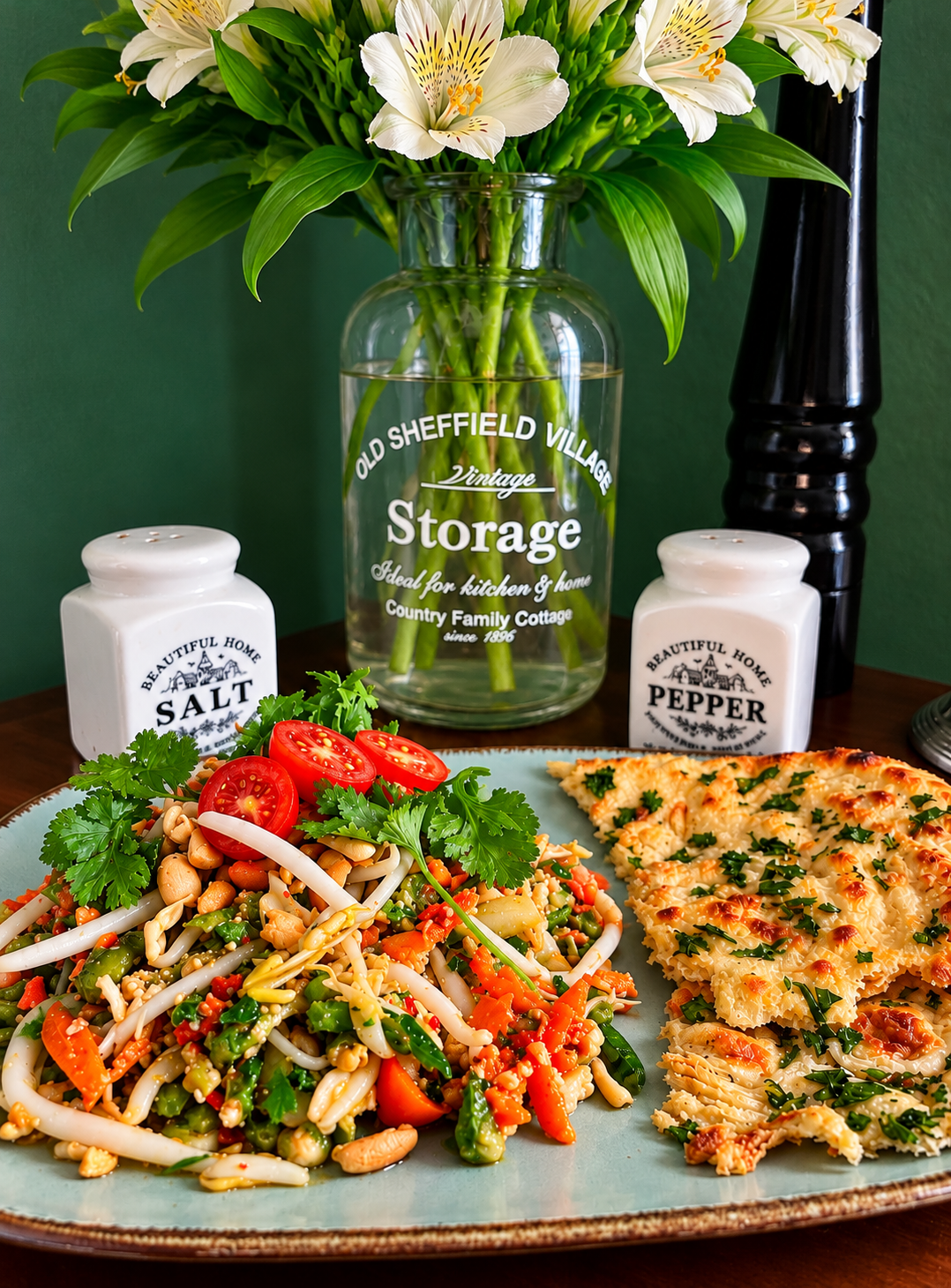
Indonesia – A Culinary Journey to West JavaIndonesia is a vast Southeast Asian archipelago with an extraordinary diversity of regional cuisines, ingredients and culinary traditions. West Java is home to the Sundanese people, whose food culture is particularly associated with fresh vegetables, aromatic herbs, sambal and rice. Sundanese cuisine often celebrates the natural flavours and textures of vegetables, making it a wonderful source of inspiration for plant-based cooking. Fresh produce, chillies, garlic, peanuts and fragrant rhizomes such as kencur play important roles in many local preparations. Karedok is one of the region's best-known vegetable dishes and beautifully reflects this appreciation for freshness, texture and bold seasoning.
Karedok – A Traditional Sundanese Salad with a Vegan TwistKaredok is a traditional Sundanese vegetable salad from West Java, usually prepared with raw vegetables and a thick, aromatic peanut dressing. Common ingredients include cabbage, cucumber, bean sprouts, long beans and fresh herbs, while the dressing typically combines roasted peanuts, garlic, chilli, palm sugar, tamarind and kencur. Some versions also contain terasi, a fermented shrimp paste that adds savoury depth. My Via Veggie Vegan interpretation replaces terasi with white miso, adds carrot, Thai basil and fresh coriander, and uses thoroughly cooked ordinary green beans instead of raw long beans. The result is a colourful, crunchy and completely plant-based version inspired by the flavours of traditional Karedok.
From my kitchen to your plate.
Sri Lanka – The Pearl of the Indian OceanSri Lanka is an island nation in South Asia, situated in the Indian Ocean southeast of India. Often called the Pearl of the Indian Ocean, the country is known for its tropical landscapes, tea plantations, diverse wildlife and rich culinary traditions. Sri Lankan cooking makes extensive use of coconut, rice, vegetables, chillies, curry leaves and aromatic spices. Regional and cultural influences have shaped a cuisine that combines bold flavours with everyday ingredients, creating dishes that are both vibrant and deeply comforting.
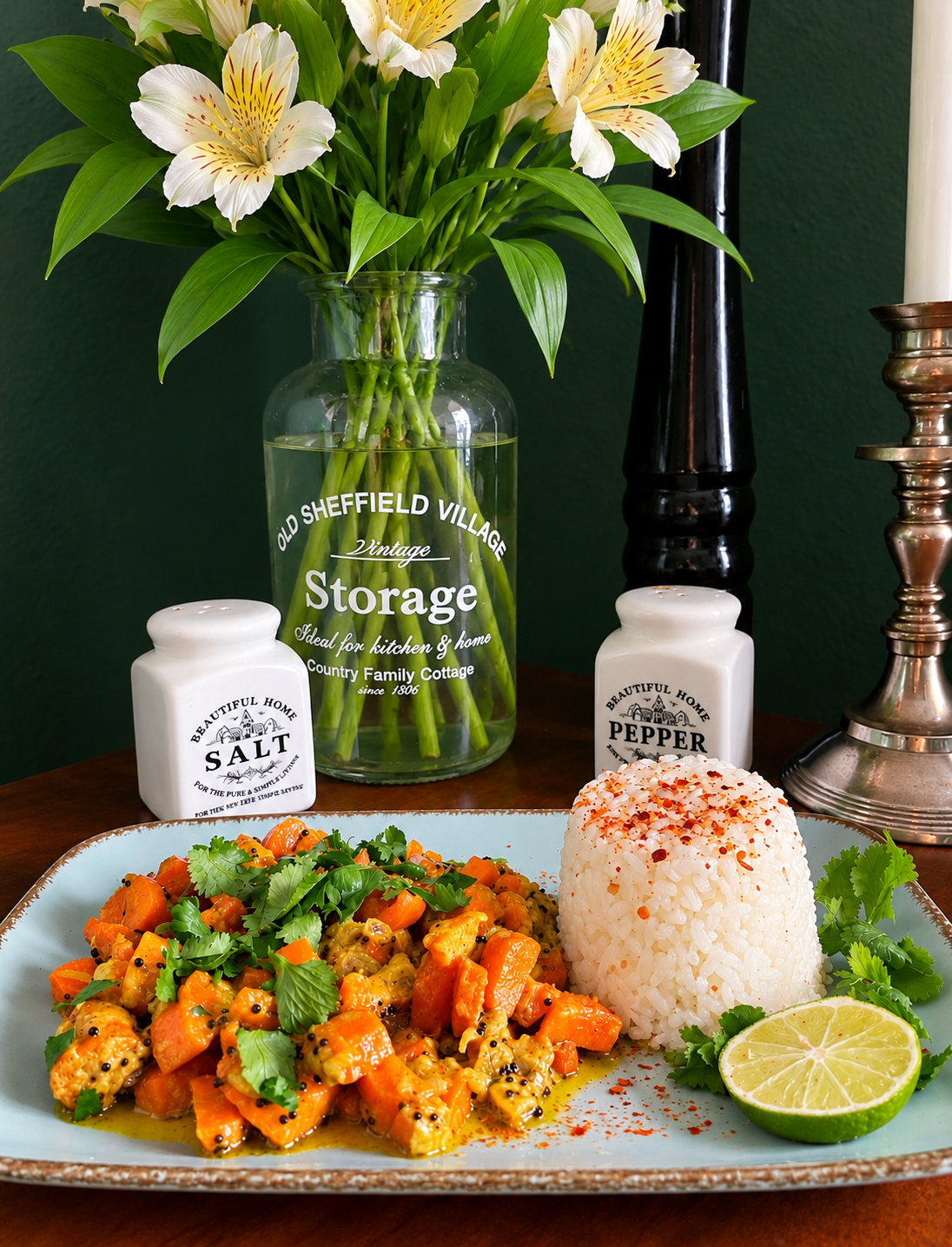
Carrot Mallum – A Colourful Sri Lankan Vegetable ClassicMallum, also spelled mallung, refers to a Sri Lankan preparation of finely chopped or shredded vegetables or leafy greens mixed with grated coconut and seasonings. Unlike a creamy coconut curry, mallum is generally relatively dry and retains more texture. Carrot Mallum brings together naturally sweet carrots, coconut, mustard seeds, curry leaves and fresh chillies. My Via Veggie Vegan version uses mustard oil for an additional aromatic note and finishes with fresh lime juice. Served alongside rice, it makes a colourful and satisfying plant-based meal.
From my kitchen to your plate.
England – A Country of Gardens, Traditions and Comfort FoodEngland is the largest constituent country of the United Kingdom, known for its historic cities, picturesque countryside, traditional gardens and diverse culinary heritage. British cooking has long celebrated seasonal vegetables, hearty soups, homemade bread and comforting family meals. Garden peas are particularly popular during spring and summer, when their natural sweetness pairs beautifully with fresh herbs. Mint has an equally established place in English cooking, appearing in everything from sauces and vegetable dishes to refreshing drinks and desserts.
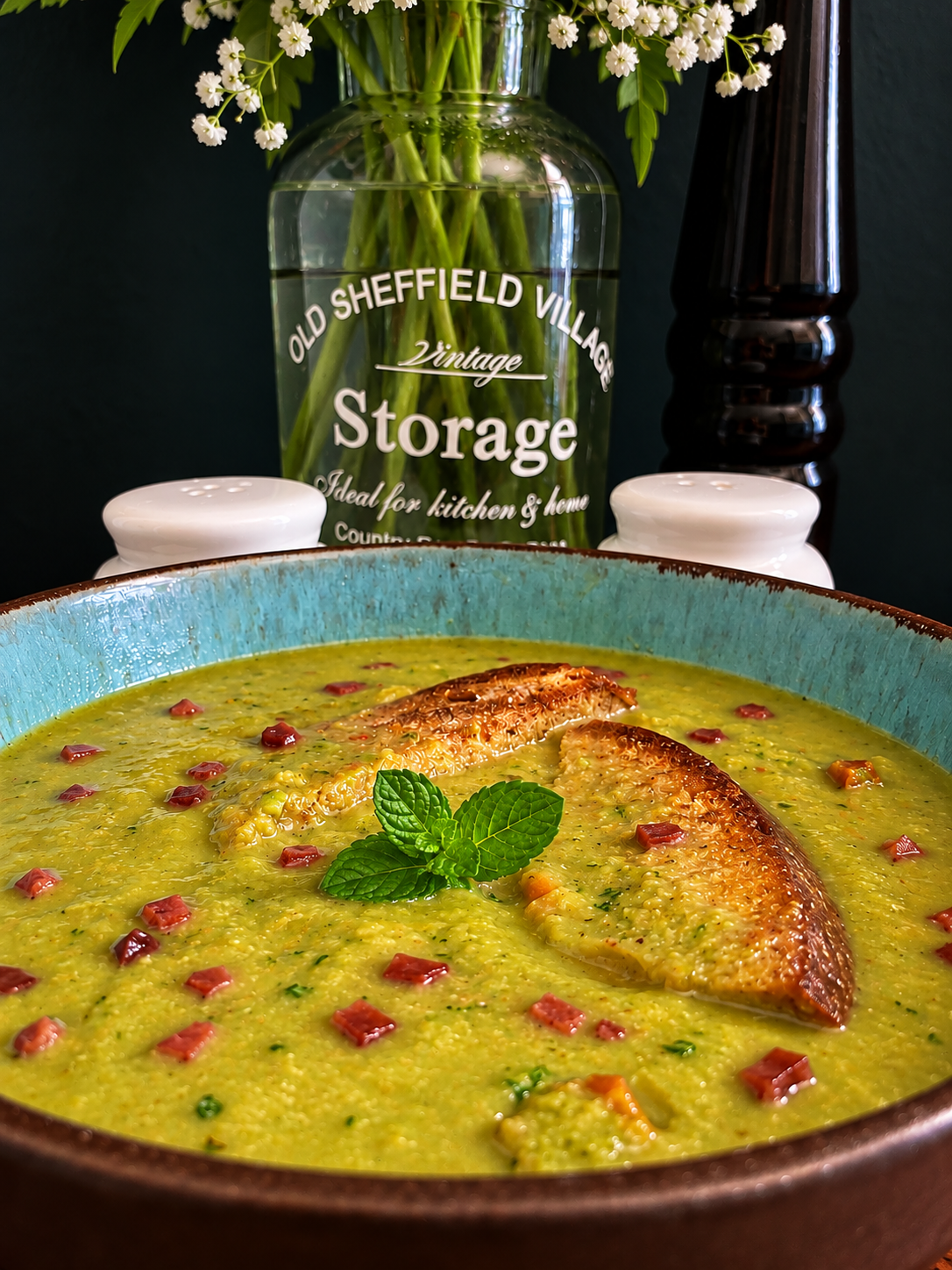
Pea & Mint Soup – A Fresh British FavouritePea and mint soup is a familiar dish in British home cooking, bringing together the sweetness of green peas and the refreshing aroma of garden mint. It can be prepared with fresh or frozen peas and is often finished with cream, crème fraîche or yoghurt. Depending on the season, it may be served warm or chilled. My Via Veggie Vegan interpretation uses soy cream for a silky texture, while crispy vegan bacon and warm lemon farmhouse bread provide an optional savoury and citrusy contrast.
From my kitchen to your plate.
Vatican City – The World's Smallest Independent StateVatican City is an independent city-state surrounded by Rome, Italy. It is the smallest sovereign state in the world by both area and population and serves as the headquarters of the Roman Catholic Church. Its culinary surroundings are unmistakably Roman: pasta, seasonal vegetables, olive oil and traditional Italian cooking are part of the wider food culture of the region. Vatican City does not have a completely separate everyday cuisine from Rome, making Roman dishes with papal associations particularly fitting for this destination.
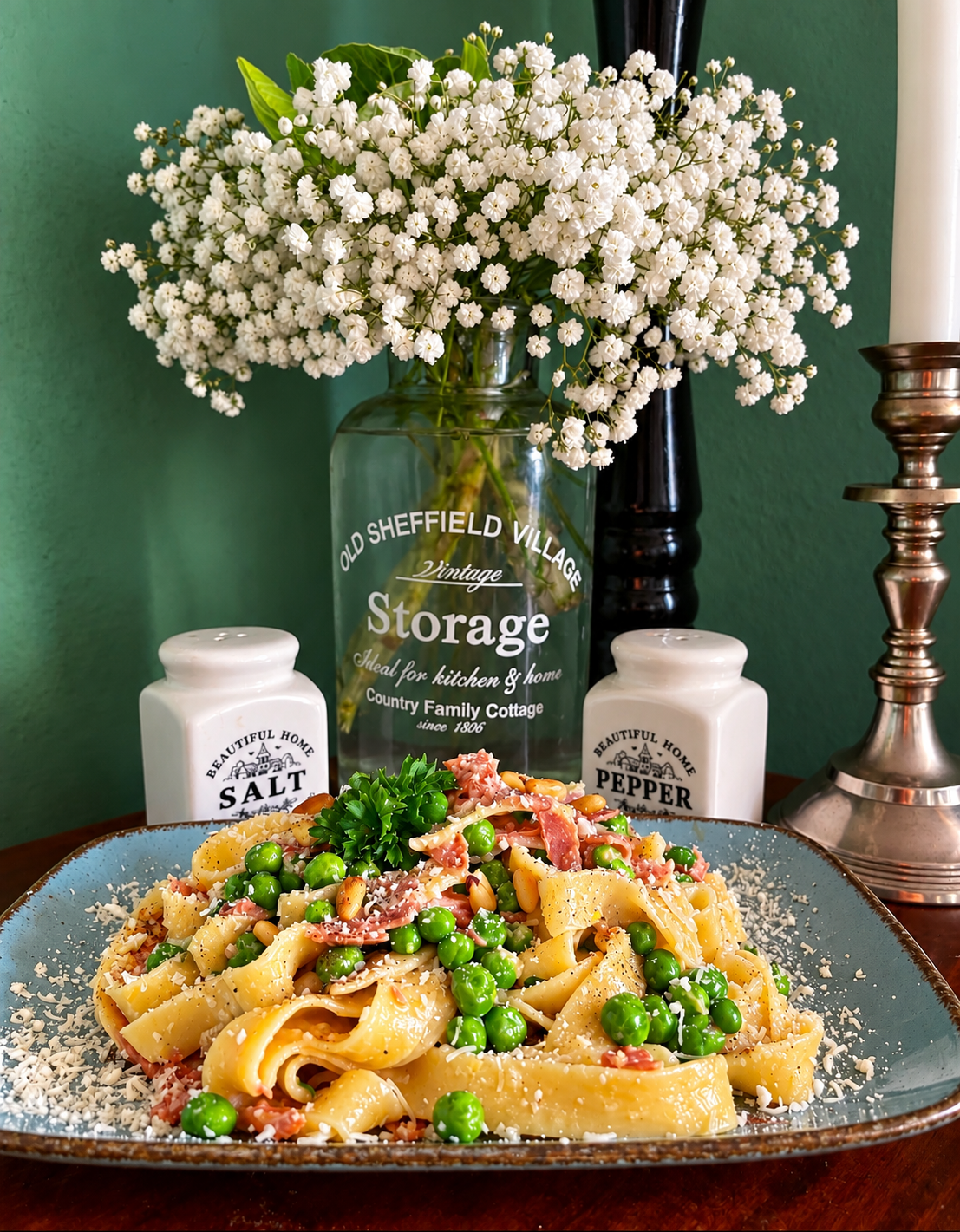
Fettuccine alla Papalina – Pasta Fit for a PopeFettuccine alla Papalina, meaning fettuccine in the papal style, is a Roman pasta dish traditionally associated with Pope Pius XII, although the exact circumstances of its creation are not firmly documented. The classic preparation typically combines egg pasta, cured ham, onion, butter, cheese and eggs, sometimes with cream. My Via Veggie Vegan interpretation replaces the animal-derived ingredients with plant-based alternatives, while sweet peas, vegan ham strips and a delicate creamy sauce give the dish its own colourful character.
From my kitchen to your plate.
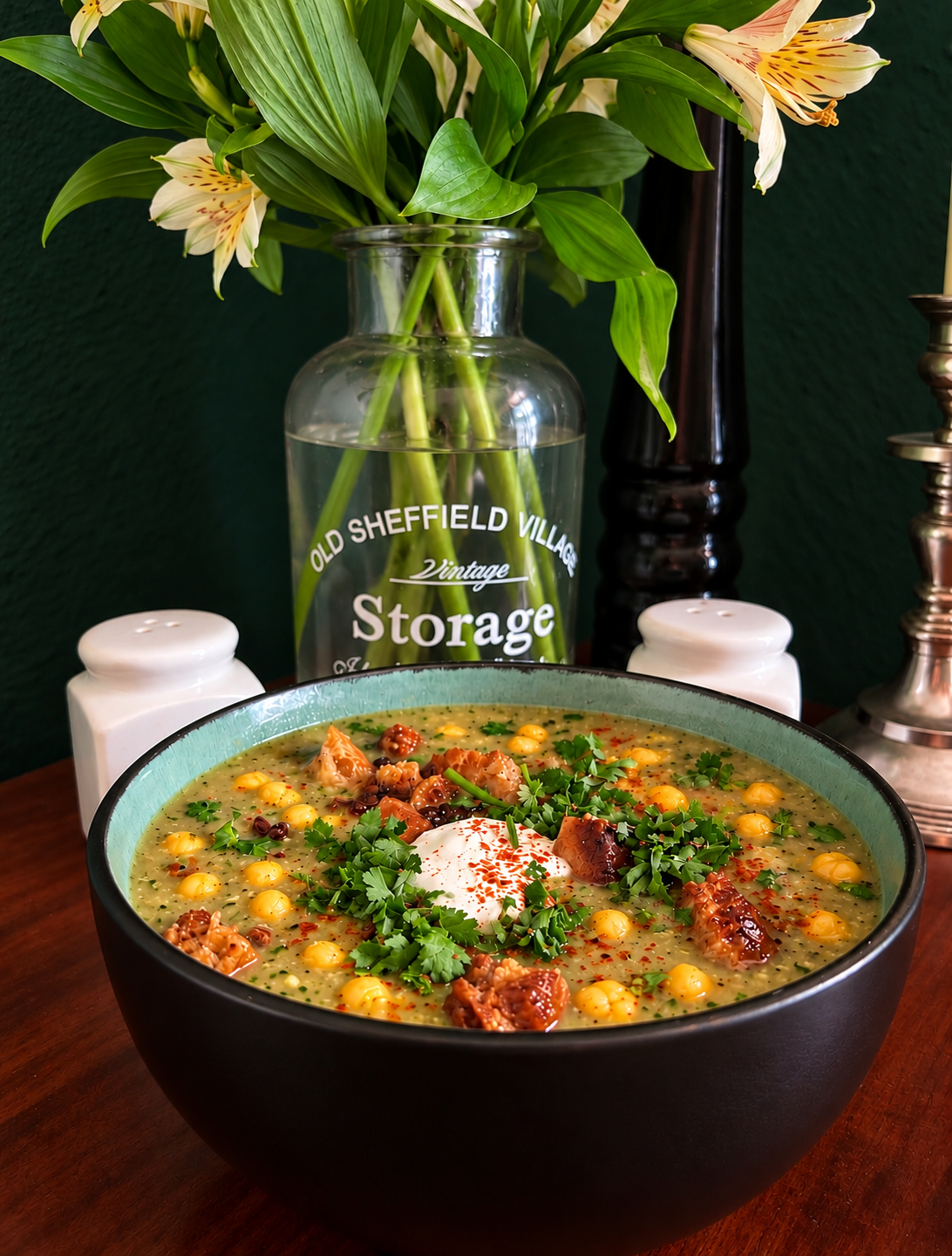
Czechia – A Country with a Rich Soup Tradition
Czechia, also known as the Czech Republic, lies in the heart of Central Europe and is famous for its historic cities, rolling countryside and hearty culinary traditions. Soups, known as polévky, play an important role in Czech home cooking and are frequently served as the first course of a traditional meal. Potatoes, root vegetables, legumes, garlic and aromatic herbs are common ingredients, while marjoram, or majoránka, is one of the country's characteristic soup seasonings.
What Is Brokolicová Polévka s Bílými Fazolemi?
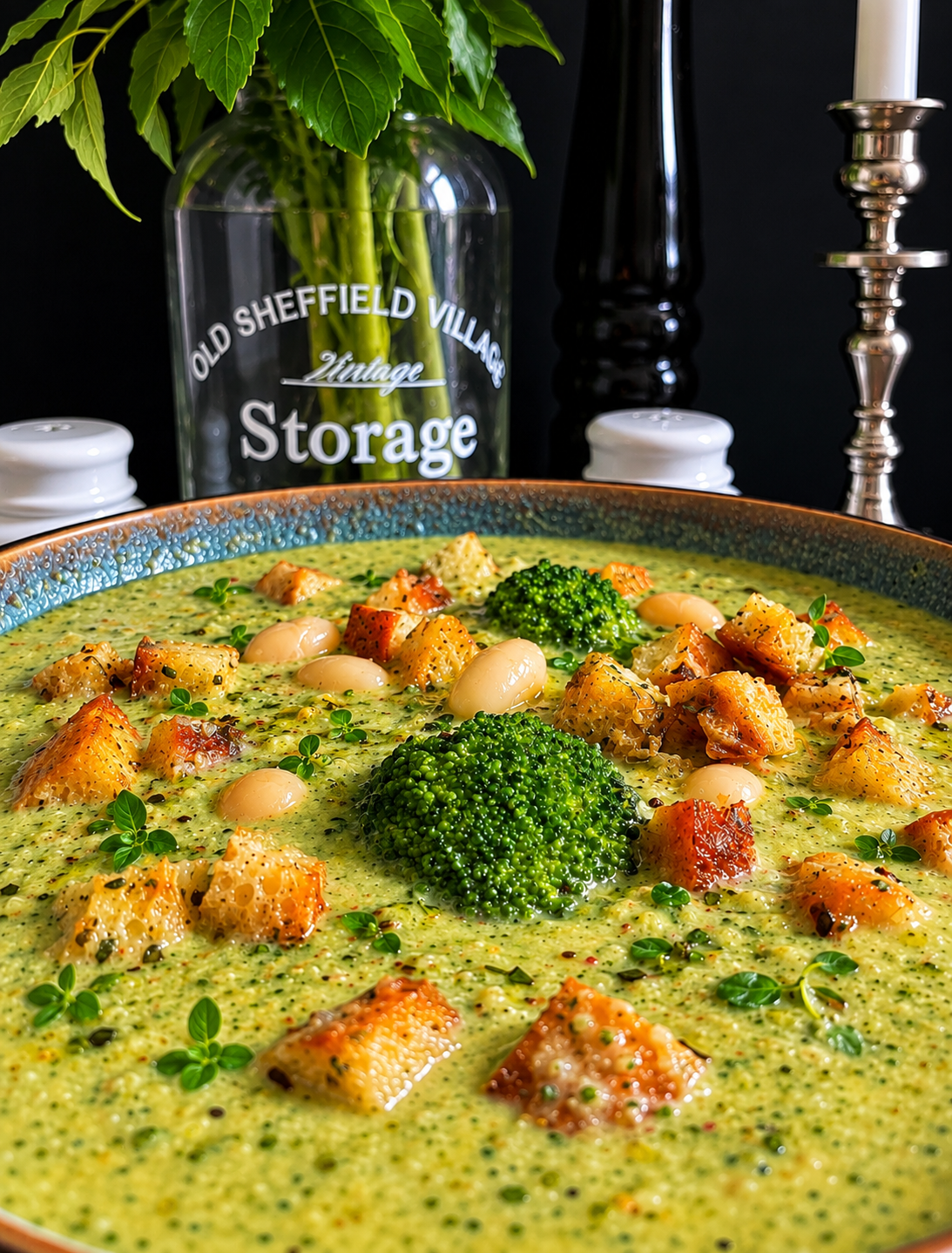
Brokolicová polévka means broccoli soup, while bílé fazole are white beans. This Via Veggie Vegan creation brings these ingredients together in a creamy, satisfying soup inspired by Czech home cooking. White beans provide natural creaminess, nutritional yeast adds savoury depth, and garlic croutons – česnekové krutony – deliver a wonderfully crispy contrast. Instead of using fresh bread, my version gives leftover homemade naan a delicious second life.
From my kitchen to your plate.
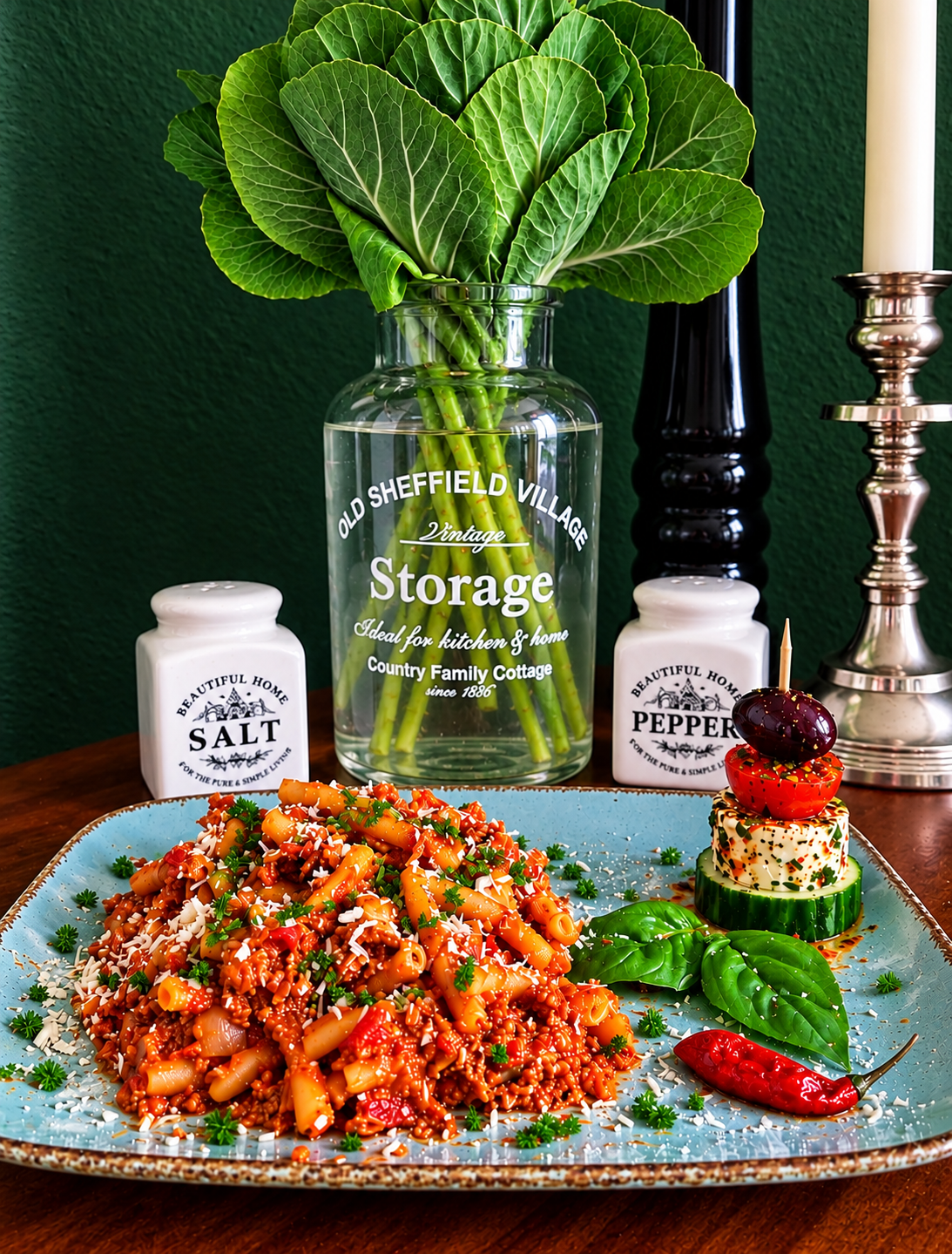
Mexico – A Country of Ancient Traditions, Vibrant Markets and Extraordinary Biodiversity
Mexico stretches from the deserts of the north to the tropical forests of the south, with Pacific and Caribbean coastlines, dramatic mountains and fertile valleys. Its cuisine has deep Indigenous roots, especially in the culinary traditions of maize, beans, squash and chili, while also reflecting centuries of cultural exchange. Mexican cooking is celebrated for its remarkable regional diversity, colorful ingredients and the creative combination of simple vegetables with aromatic seasonings. From traditional markets overflowing with fresh produce to family kitchens preparing comforting soups and stews, food remains an essential expression of Mexican culture.
What Is Crema de Calabacitas?
Crema de Calabacitas is a Mexican-style creamy zucchini soup. The Spanish word calabacitas refers to small squash or zucchini, while crema describes the dish's smooth, creamy character. Recipes vary between households and may include onion, garlic, broth, milk, cream or cheese. This Via Veggie Vegan interpretation replaces dairy ingredients with plant-based alternatives and uses vegetable broth instead of chicken broth. Sweet corn, fresh coriander, vegan crema and crispy toppings give the delicate zucchini soup additional flavor, color and texture.
From my kitchen to your plate.
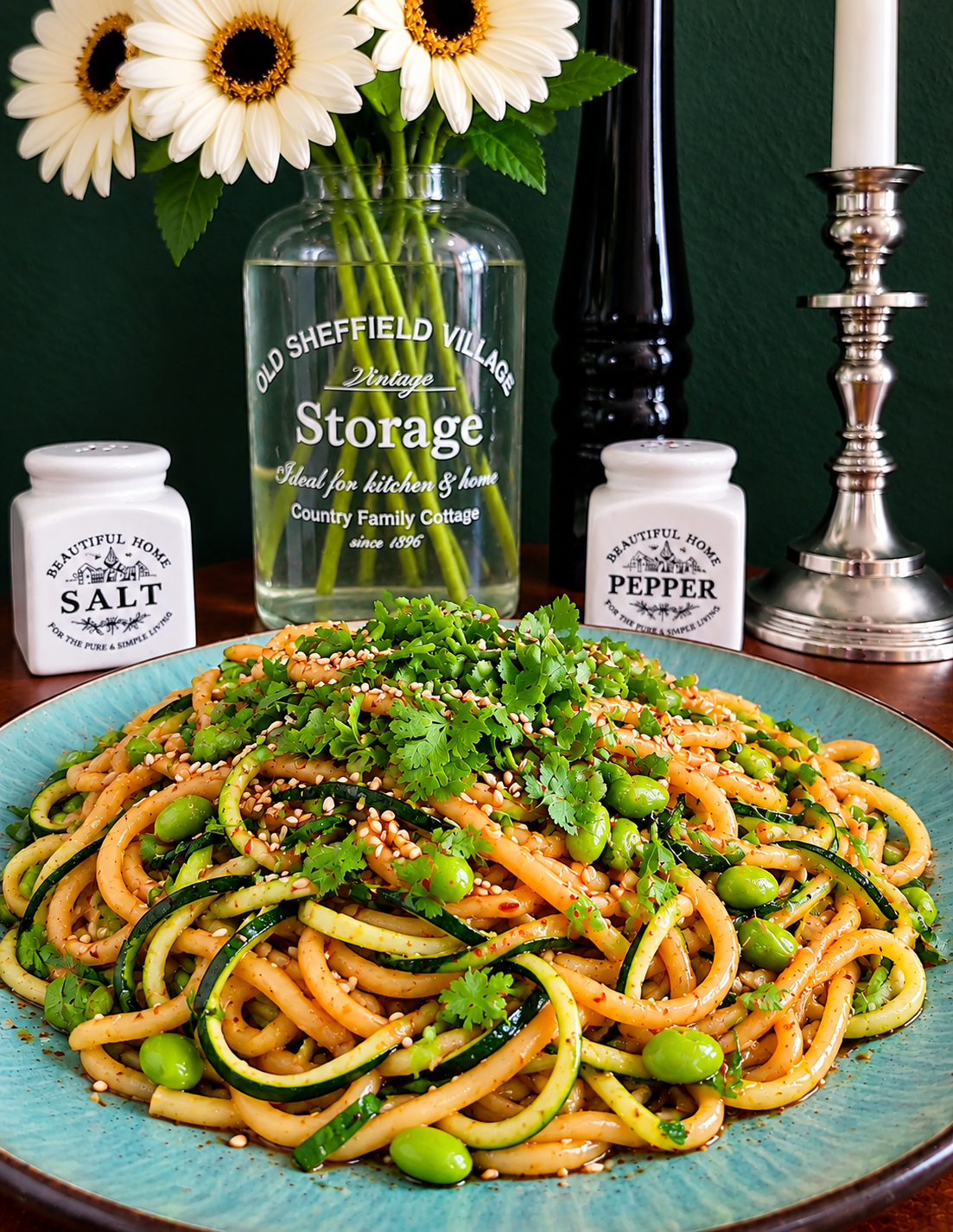
Libya – A North African Country of Mediterranean and Desert Traditions
Libya is a North African country bordering the Mediterranean Sea, with a culinary heritage shaped by Amazigh, Arab, Mediterranean and historical Ottoman influences. Its cuisine combines grains, vegetables, legumes, meat and aromatic spices, with dishes varying across regions and households. Tomatoes, garlic, chilies, olive oil and warming spice blends feature prominently in many Libyan preparations. Pasta also holds an important place in everyday cooking, reflecting the country's long history of Mediterranean cultural exchange.
What Is Mbakbaka?
Mbakbaka, also written Imbakbaka, is a popular Libyan one-pot pasta dish traditionally prepared by simmering dry pasta directly in a seasoned tomato-based broth. Unlike conventional pasta recipes, the noodles absorb the flavors of the sauce while releasing starch, creating a rich consistency somewhere between pasta and stew. Many versions contain lamb, beef or chicken, while the spices and vegetables vary between families. This Via Veggie Vegan interpretation replaces meat with plant-based mince and uses a homemade Bzaar-inspired spice blend. Fresh parsley, lemon juice and vegan grated cheese complete this hearty, spicy dish.
From my kitchen to your plate.
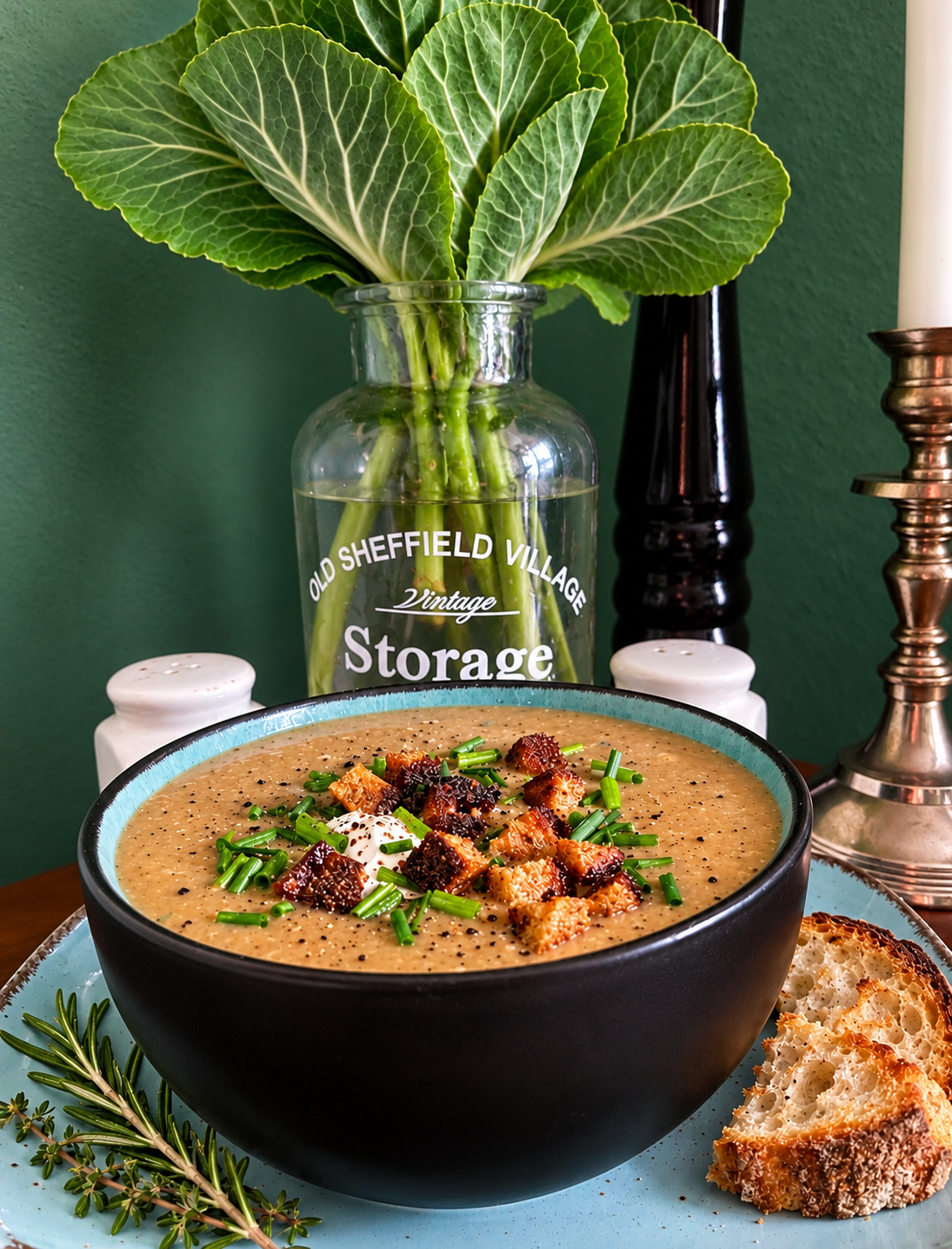
South Korea – A Culinary Culture of Balance and Fermentation
South Korea is an East Asian country renowned for its diverse culinary traditions, fermented foods and colorful vegetable dishes. Korean cuisine combines savory, spicy, sweet and aromatic flavors, with ingredients such as garlic, sesame oil, soy sauce and gochugaru playing important roles. A traditional Korean meal often includes banchan, small side dishes served alongside rice and other preparations. Vegetables, seasonal ingredients and fermentation are central elements of this rich food culture.
What Is Aehobak Bokkeum?
Aehobak Bokkeum (애호박볶음) is a traditional Korean stir-fried summer squash dish commonly served as banchan. Aehobak refers to Korean summer squash, while bokkeum means stir-fried. Traditionally, the squash is sliced and quickly cooked with ingredients such as garlic, spring onions and sesame oil. My Via Veggie Vegan interpretation replaces Korean aehobak with spiralized zucchini and transforms the vegetable side dish into a complete noodle meal with Udon, edamame and a savory miso-gochugaru sauce. Fresh coriander and sesame add the finishing touch.
From my kitchen to your plate.
Germany – A Country of Regional Food Traditions Germany's culinary heritage extends far beyond sausages and sauerkraut. Every region has its own specialties, and Thuringia in central Germany is particularly associated with hearty home cooking. During the years of the German Democratic Republic (DDR), many traditional regional dishes continued to be prepared in everyday kitchens, often with simple, affordable ingredients.
What Is Thüringer Malzbiersuppe? Beer soups have existed in German cooking for centuries, long before the DDR. This Thuringian-inspired malt soup draws on that tradition, using sweet malt flavors, bread and savory seasonings. While malt beer is commonly used for this type of preparation, my version uses Karamalz, an alcohol-free malt drink, because alcohol has no place in my cooking. Rosemary, plant-based cream and crispy croutons complete my vegan interpretation.
From my kitchen to your plate.
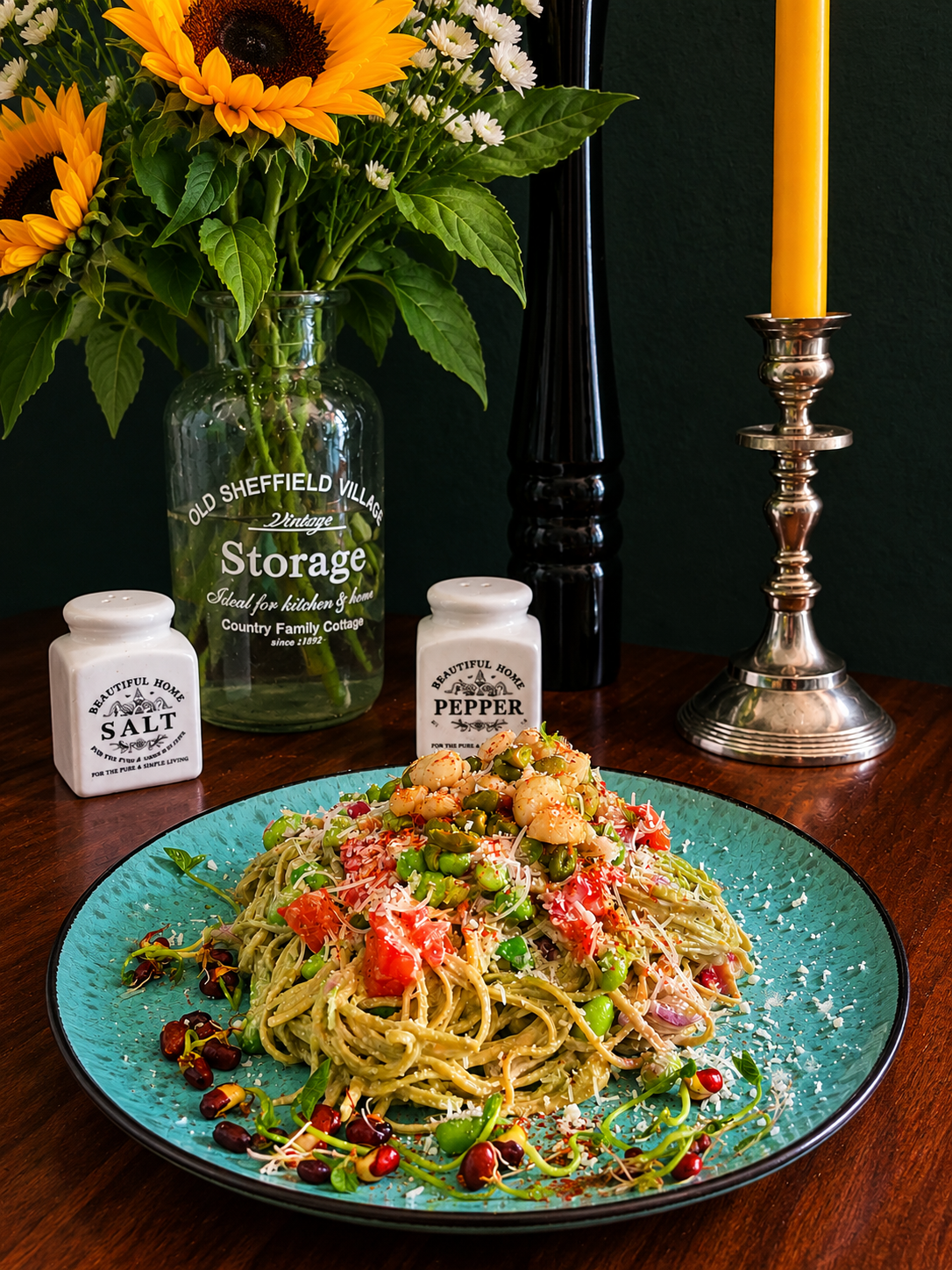
Australia – Native Flavours & Culinary DiversityAustralia's contemporary cuisine combines Aboriginal and Torres Strait Islander food traditions with influences from Europe, Asia and the Pacific. Lemon myrtle, a native Australian plant with an intense citrus fragrance, and macadamia nuts, known for their rich, buttery flavour, are two distinctive ingredients with deep roots in Australia's culinary heritage.
What Are Edamame Spaghetti with Lemon Myrtle & Macadamia?This Via Veggie Vegan creation combines protein-rich edamame spaghetti with fragrant Australian lemon myrtle, crunchy macadamias, pistachios and fresh vegetables in a creamy oat sauce. Finished with lime, vegan Parmesan alternative and homegrown sprouts, this colourful dish celebrates Australian native ingredients through modern plant-based fusion cooking rather than recreating a traditional Australian recipe.
From my kitchen to your plate.
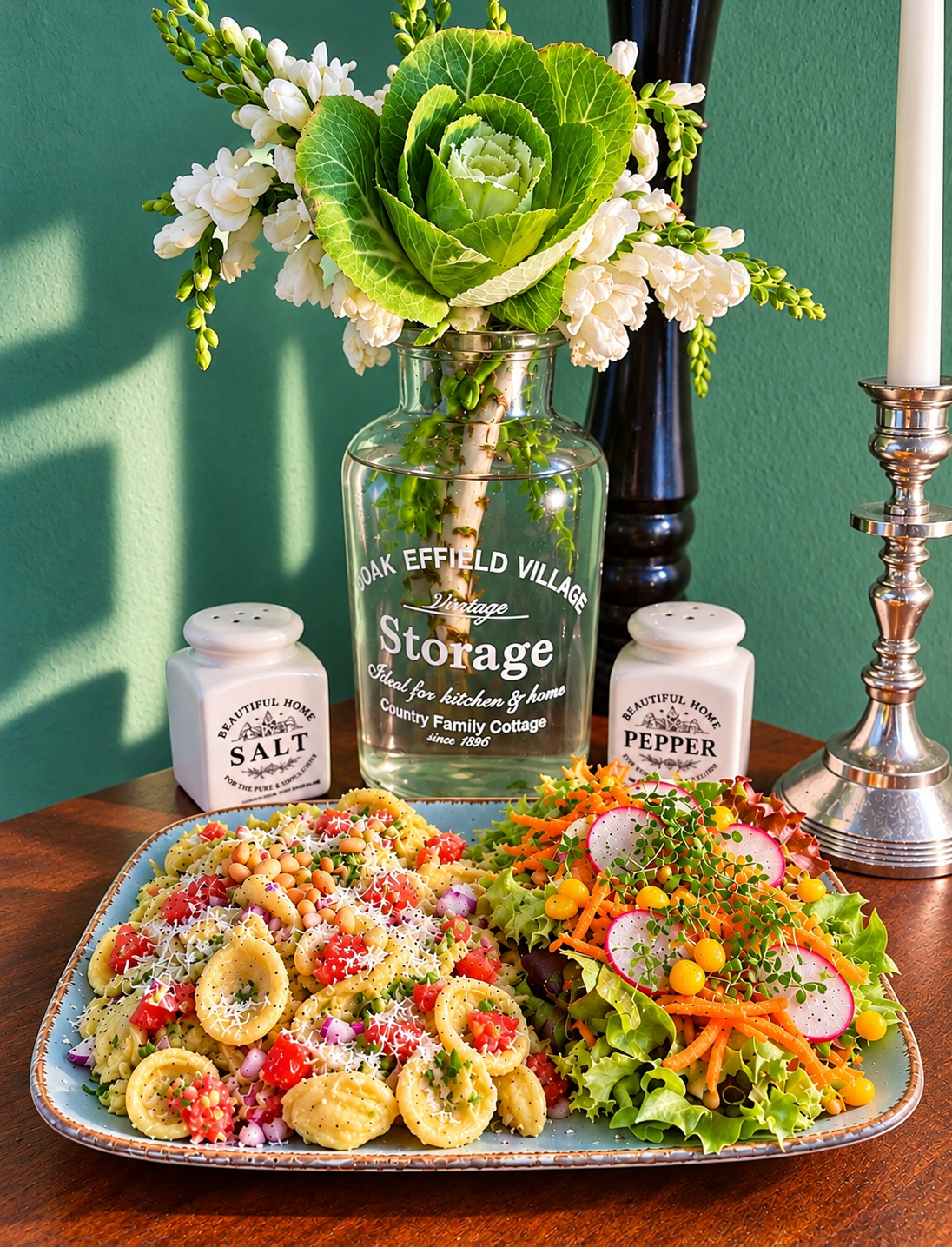
What happens when guacamole meets Italian orecchiette? Guacamolette is born! This easy vegan fusion pasta brings together ripe avocado, juicy tomatoes, red onion, garlic and fresh lemon with tender pasta, a splash of oat cream and golden toasted pine nuts. No added cooking oil is needed: the avocado makes the sauce wonderfully creamy. Inspired by Italian pasta and Mexican guacamole, this is a playful fusion recipe, not a traditional national dish.
From my kitchen to your plate.
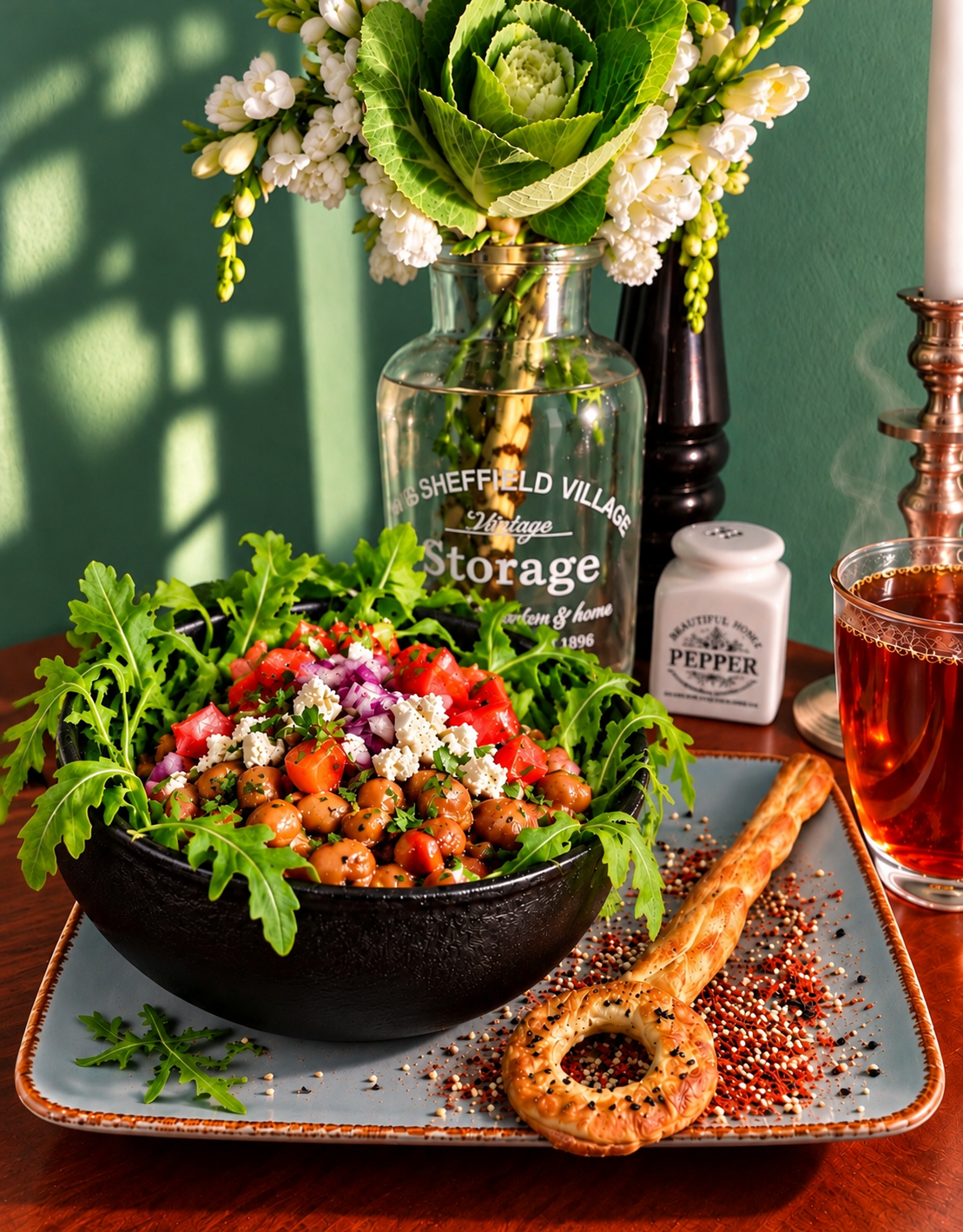
Sudan – A Rich Tradition of Shared MealsSudanese cuisine reflects the country's agricultural heritage, regional diversity and long history of cultural exchange across Northeast Africa and the Nile Valley. Legumes, sorghum, millet, vegetables, sesame and aromatic spices are important elements of everyday cooking. Meals are often enjoyed communally, with bread used to scoop up flavourful dishes. Ful Medames is one of Sudan's best-known foods, appreciated for its affordability, nourishing ingredients and its important place in daily food culture.
Ful Medames – Sudan's Beloved Fava Bean DishFul Medames is a traditional slow-cooked fava bean dish enjoyed across Sudan, Egypt and other parts of the Middle East and Northeast Africa. Sudanese preparations are often distinguished by their generous toppings, which may include cumin, sesame oil, fresh vegetables, white cheese and sometimes eggs. Commonly eaten for breakfast, Ful Medames can also be enjoyed throughout the day. My Via Veggie Vegan interpretation replaces the dairy and egg toppings with lemon-infused tofu and vegan crème fraîche, while fresh arugula, tomatoes and red onions add colour and freshness. For Halloween, the whole dish becomes a playful witch's cauldron, complete with an edible pastry spoon.
From my kitchen to your plate.
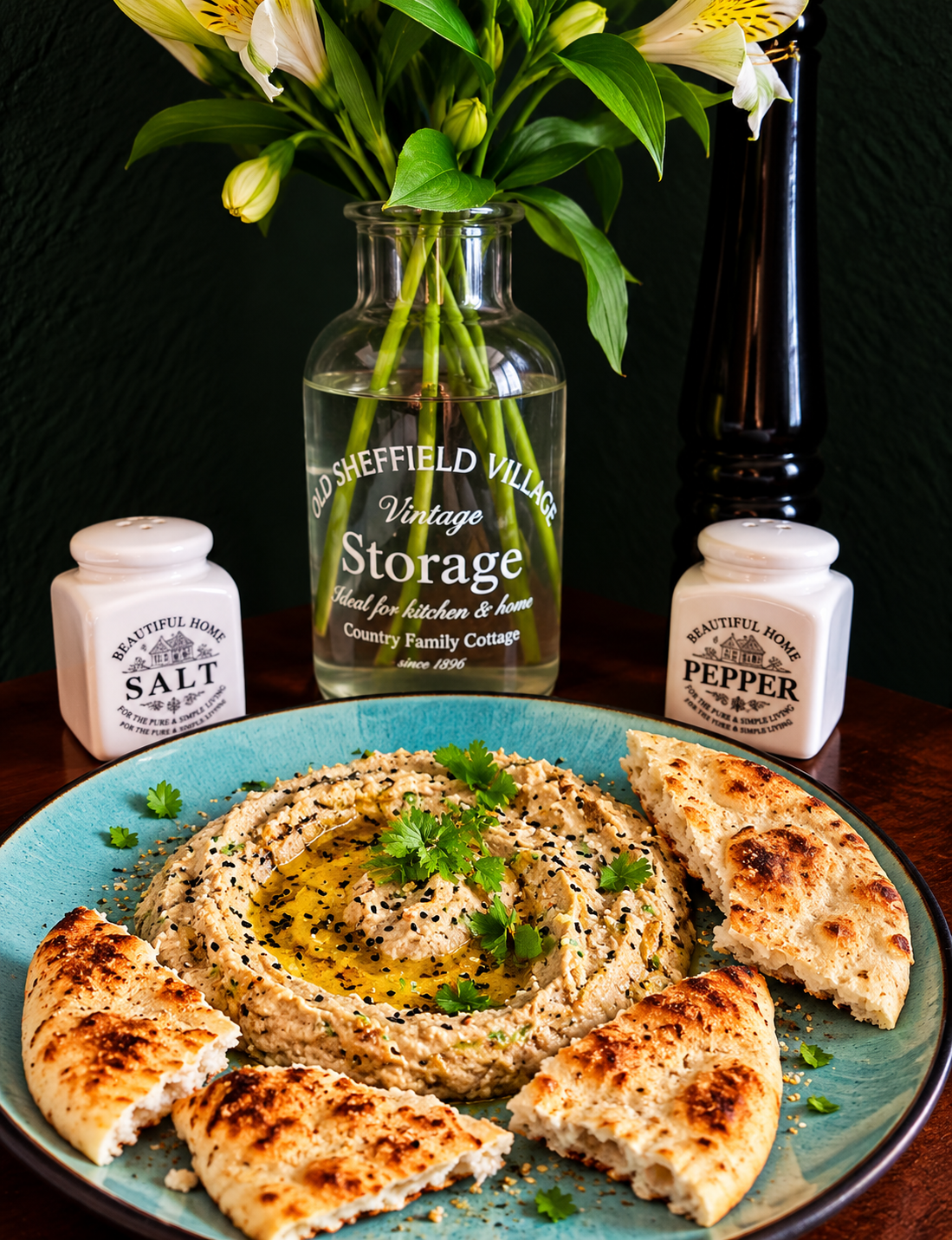
Lebanon – The Heart of Levantine Mezze CultureLebanon is known for its vibrant mezze culture, where a variety of small dishes are shared around the table. Fresh herbs, vegetables, olive oil, garlic, lemon and tahini are central ingredients in Lebanese cuisine. Roasted eggplant dips are particularly popular throughout the Levant, reflecting a long tradition of transforming simple vegetables into wonderfully aromatic dishes.
What Is Baba Ganoush?Baba Ganoush is a roasted eggplant dish associated with Lebanon and the wider Levant. Its preparation varies between regions and households. Some versions include tahini for a creamy, nutty texture, while others feature additional vegetables or herbs. This Via Veggie Vegan version combines smoky roasted eggplant with tahini, garlic, lemon juice and extra virgin olive oil, finished with fresh coriander, sesame seeds and a touch of chili. Served with warm toasted flatbread, it is a naturally vegan mezze full of flavor.
