Recipe postcard
Country of Origin: Germany (Bavaria)
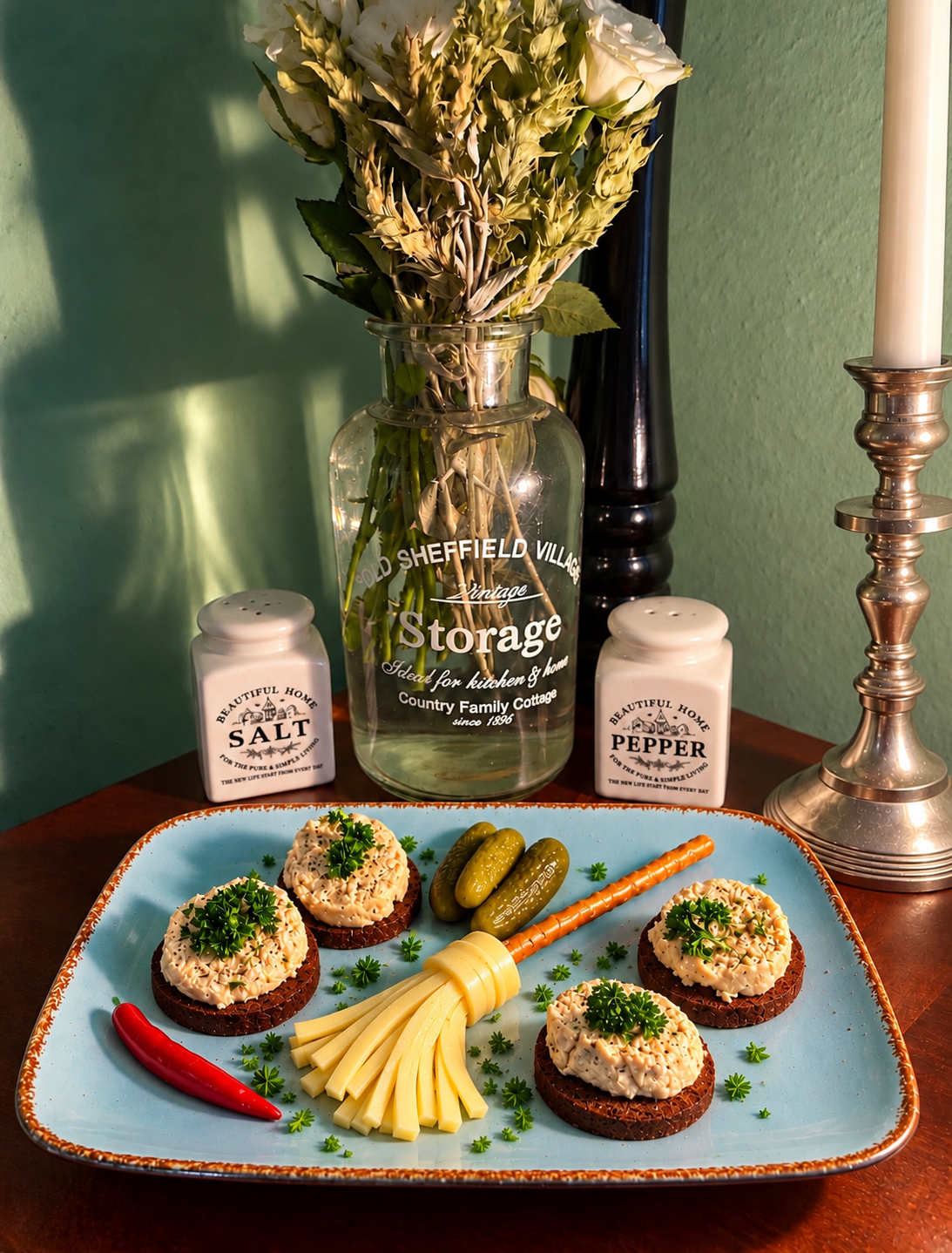
Gelbwurst is a traditional mild German sausage particularly associated with Bavaria and southern Germany. Often remembered as a childhood favourite, it is commonly enjoyed cold, thinly sliced, on bread or as part of a traditional Brotzeit.
What is Gelbvurst?
Gelbwurst is a finely textured, delicately seasoned cooked sausage traditionally made with meat. Its characteristic flavour comes from mild spices, especially mace, white pepper and sometimes ginger and lemon. This homemade vegan interpretation replaces the meat with tofu and wheat gluten, creating a tender, sliceable deli sausage without animal products.
Cook this recipe →

Recipe postcard
Slovenia – Alpine Traditions and Hearty Home CookingNestled between the Alps, the Mediterranean and the Pannonian Plain, Slovenia has a wonderfully diverse culinary heritage shaped by its neighbouring countries and regional farming traditions. Bread, potatoes, cabbage, herbs and seasonal vegetables feature prominently in Slovenian home cooking. Dumplings, known as cmoki, are particularly popular in Central European-inspired dishes, reflecting a tradition of turning simple, affordable ingredients into comforting family meals.
Kruhovi Cmoki – Slovenia's Traditional Bread DumplingsKruhovi cmoki are Slovenian bread dumplings traditionally prepared with stale bread, milk, onions, herbs and eggs. They are closely related to bread dumplings found throughout the Alpine and Central European regions. Their soft, rustic texture makes them ideal for soaking up rich sauces and gravies. My vegan interpretation replaces the traditional egg and dairy ingredients with plant-based alternatives and serves the dumplings with Čebulna Omaka, a deeply savoury onion gravy enriched with tomato paste and beetroot juice.
Cook this recipe →
Recipe postcard
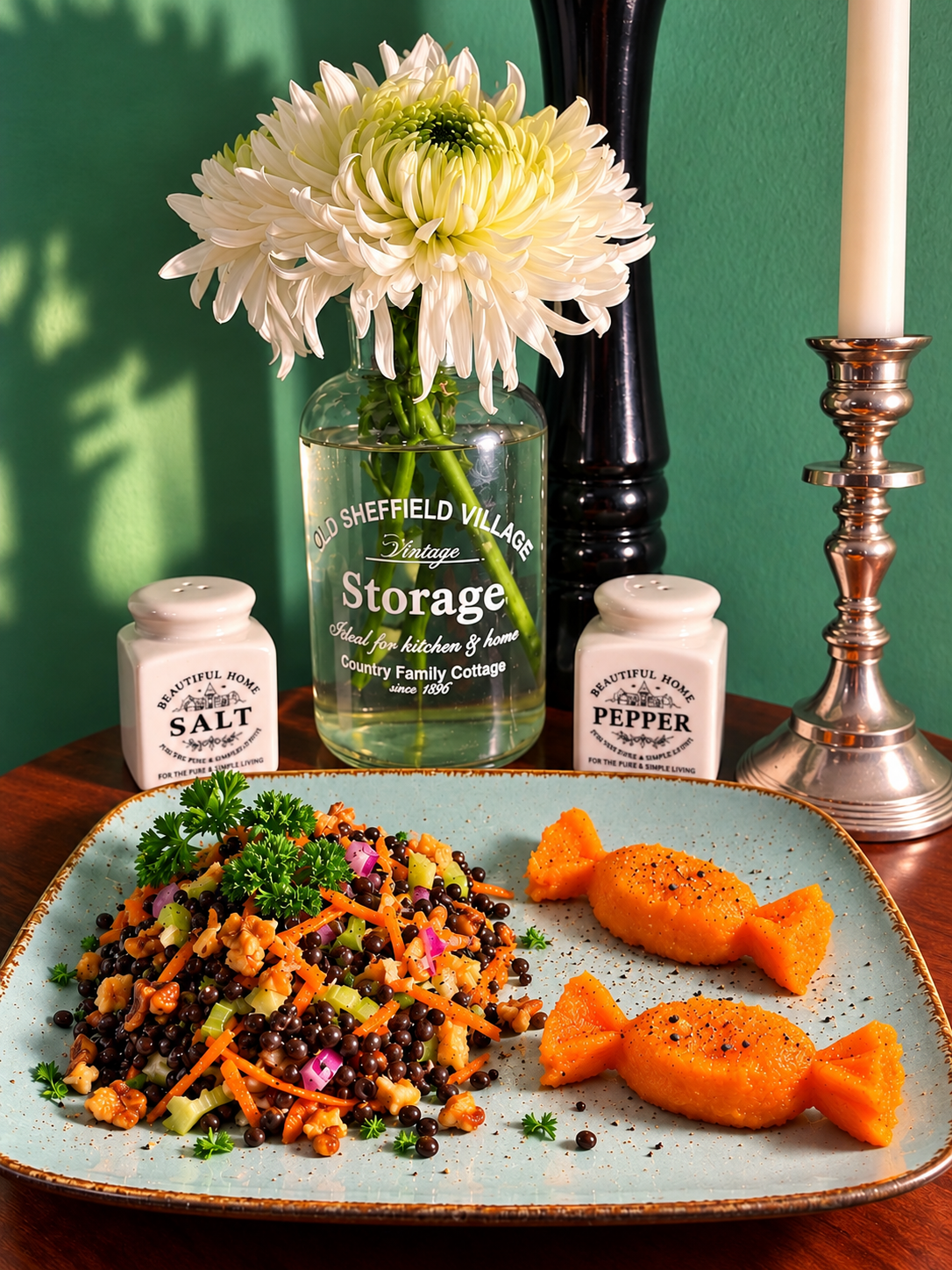
France – A Culinary Celebration of the SeasonsFrench cuisine has a long tradition of celebrating fresh, seasonal ingredients and regional produce. As autumn arrives, walnuts, root vegetables, lentils and warming, earthy flavours take centre stage. From countryside kitchens to neighbourhood bistros, simple salads made with pulses, vegetables and aromatic vinaigrettes reflect the French appreciation for quality ingredients and thoughtful preparation.
Salade d’Automne aux Lentilles et Noix – A French Autumn ClassicFrench lentil salads are traditionally prepared with firm, flavourful lentils, often the famous green Lentilles Vertes du Puy, and dressed with mustard vinaigrette. This autumn-inspired interpretation uses black Beluga lentils, which retain their shape beautifully and offer a delicate, earthy flavour. Toasted walnuts, crunchy vegetables and a slightly sweet walnut oil vinaigrette create a wonderful balance of textures and seasonal aromas.
Cook this recipe →
Recipe postcard
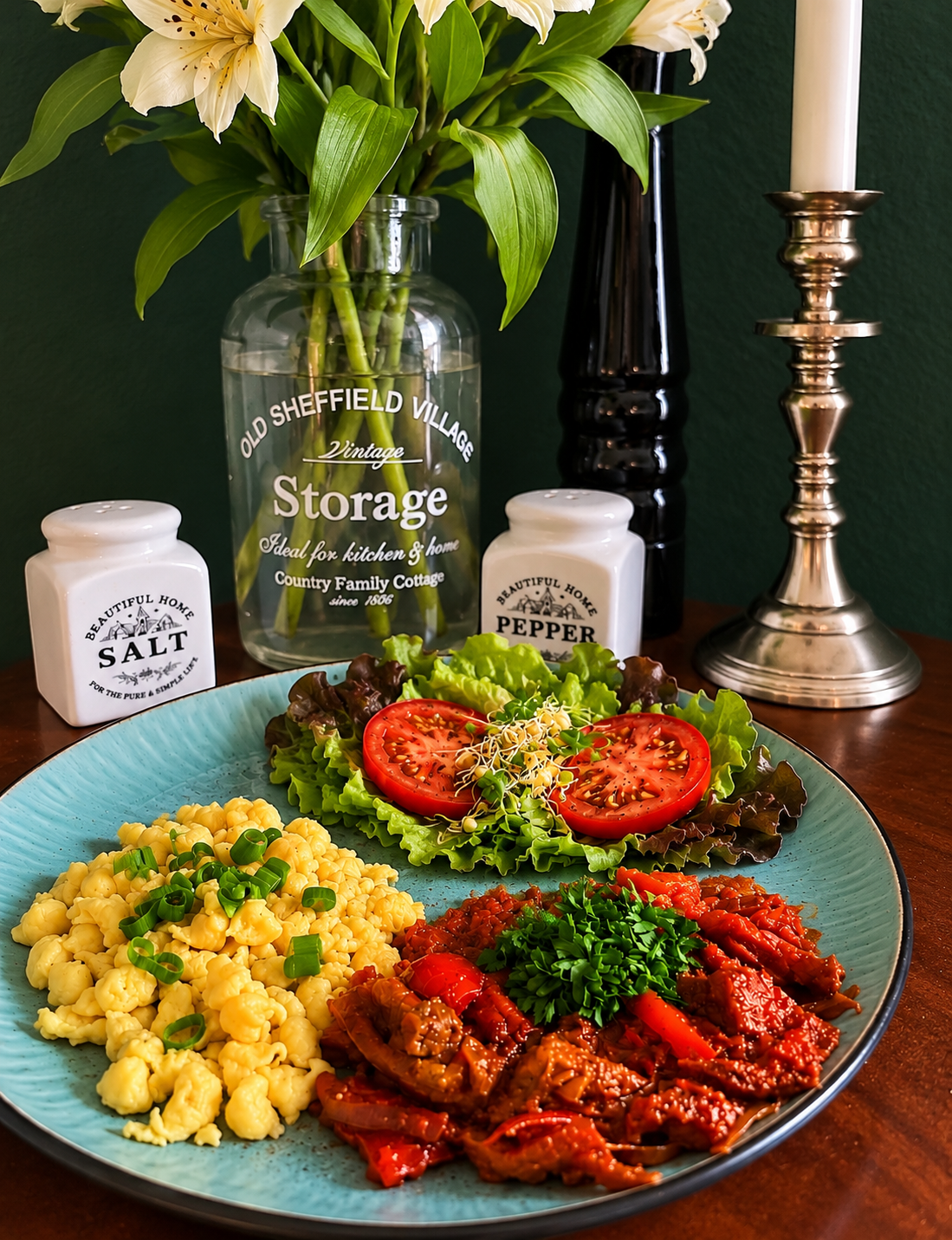
Hungary – The Land of Paprika and Hearty Comfort FoodHungary is a Central European country with a rich culinary heritage shaped by agricultural traditions, regional influences and a deep appreciation for warming, satisfying food. Hungarian cuisine is particularly famous for its generous use of paprika, onions, peppers and slow-cooked dishes. From the banks of the Danube to the vast Hungarian Great Plain, traditional cooking reflects a love of bold flavours, nourishing meals and hospitality. Goulash, paprikash and various dumpling dishes are among the country's best-known culinary specialities.
Goulash and Galuska – A Hungarian-Inspired CombinationGulyás, commonly known internationally as goulash, originated in Hungary and is traditionally associated with the cooking of cattle herders. In Hungary, gulyás is usually a substantial soup, while thicker paprika-based meat stews are more closely related to pörkölt. This Via Veggie Vegan version follows the familiar international interpretation of a thick, hearty goulash, replacing meat with a plant-based alternative. It is served with Galuska, also known as nokedli, small Hungarian dumplings traditionally made with flour, water and eggs. My egg-free version uses sparkling water, Kala Namak and a little turmeric to create deliciously tender dumplings without animal ingredients.
Cook this recipe →
Recipe postcard
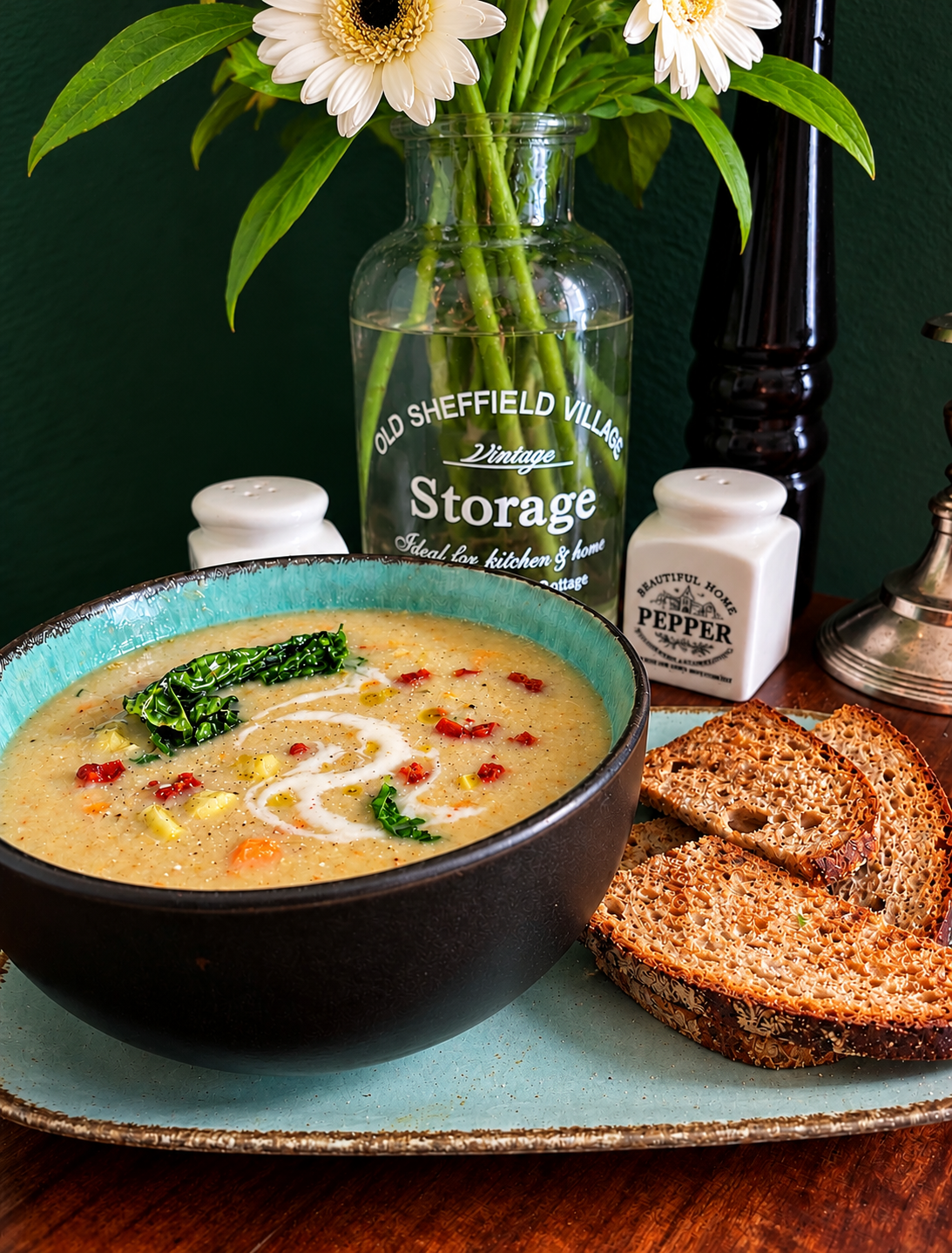
Poland – A Country of Hearty Traditions and Regional CuisinePoland is a Central European country with a rich culinary heritage shaped by regional traditions, seasonal produce and generations of home cooking. Polish cuisine is particularly well known for its comforting soups, potato dishes, cabbage preparations, dumplings and hearty stews. Vegetables such as carrots, potatoes, onions, beetroot and kohlrabi have long played an important role in everyday meals. From the Baltic coast to the mountainous south, Polish cooking celebrates familiar ingredients transformed into satisfying dishes that bring families together around the table.
Silesian Oberiba – A Traditional Kohlrabi SoupOberiba is a regional name associated with kohlrabi in Silesian culinary traditions. Kohlrabi soup, known more generally in Polish as zupa z kalarepy, is a rustic vegetable preparation that can feature tender kohlrabi, potatoes, carrots, broth and cream. In traditional versions, meat-based broth may provide additional depth, while the tender young kohlrabi leaves can be cooked alongside the vegetables. My Via Veggie Vegan interpretation replaces animal-based ingredients with homemade vegetable broth, oat cream and vegan ham cubes. Crispy kohlrabi leaves and a little vegan sour cream give this comforting Silesian-inspired soup a delicious finishing touch.
Cook this recipe →
Recipe postcard
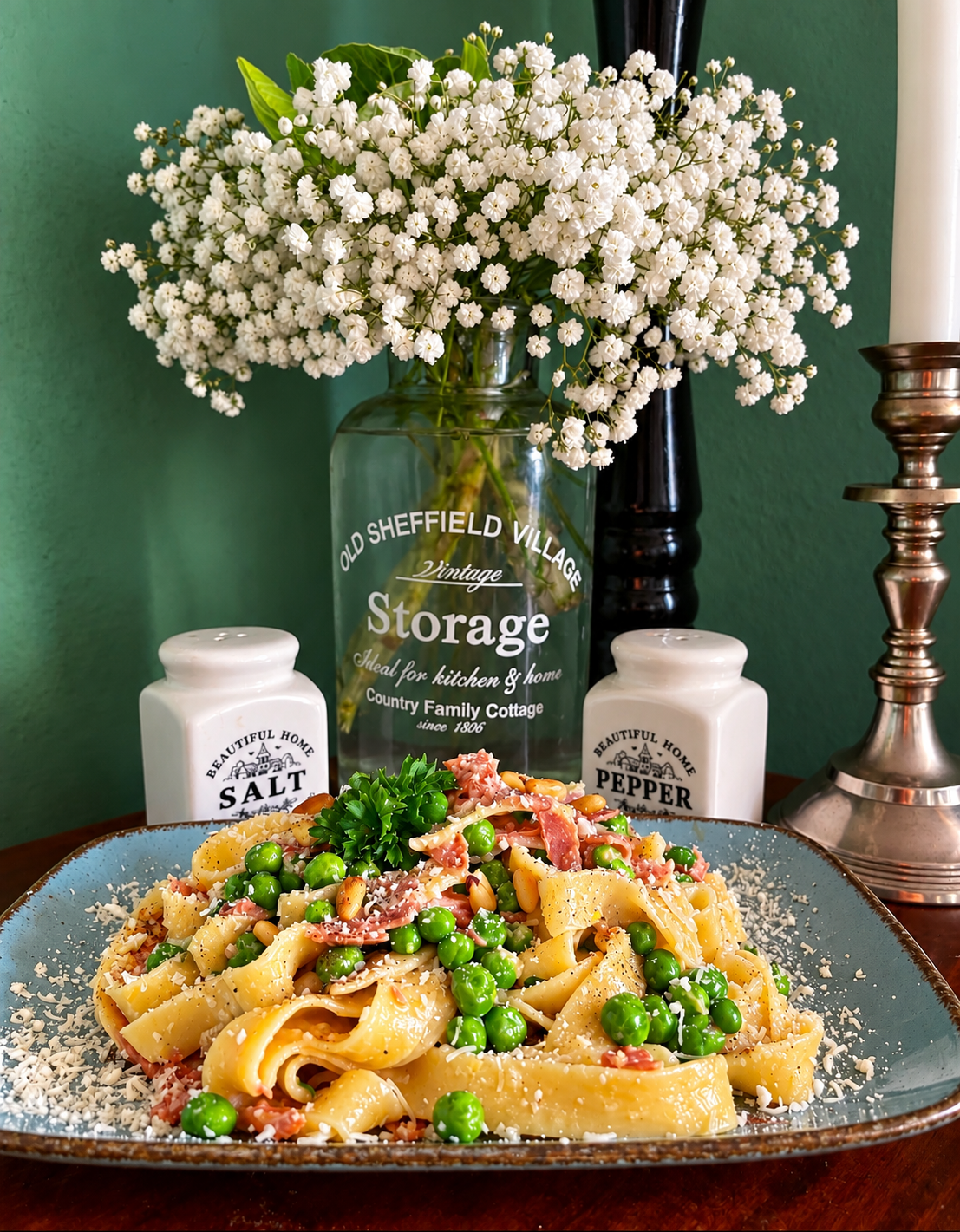
Vatican City – The World's Smallest Independent StateVatican City is an independent city-state surrounded by Rome, Italy. It is the smallest sovereign state in the world by both area and population and serves as the headquarters of the Roman Catholic Church. Its culinary surroundings are unmistakably Roman: pasta, seasonal vegetables, olive oil and traditional Italian cooking are part of the wider food culture of the region. Vatican City does not have a completely separate everyday cuisine from Rome, making Roman dishes with papal associations particularly fitting for this destination.
Fettuccine alla Papalina – Pasta Fit for a PopeFettuccine alla Papalina, meaning fettuccine in the papal style, is a Roman pasta dish traditionally associated with Pope Pius XII, although the exact circumstances of its creation are not firmly documented. The classic preparation typically combines egg pasta, cured ham, onion, butter, cheese and eggs, sometimes with cream. My Via Veggie Vegan interpretation replaces the animal-derived ingredients with plant-based alternatives, while sweet peas, vegan ham strips and a delicate creamy sauce give the dish its own colourful character.
Cook this recipe →
Recipe postcard
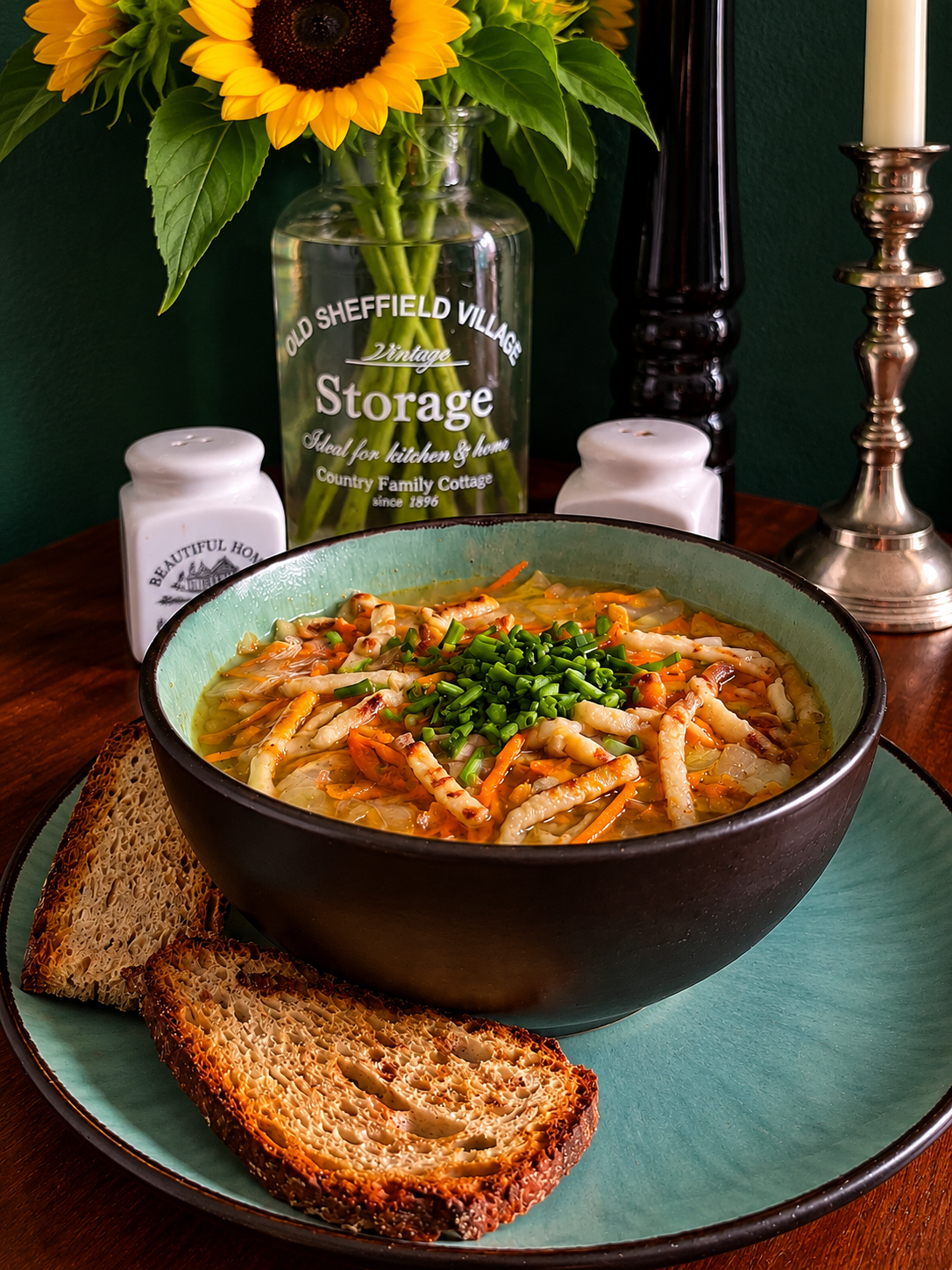
Austria – A Country of Culinary TraditionsAustria is a Central European country known for its Alpine landscapes, historic cities and rich culinary heritage. Influenced by neighbouring regions and the former Habsburg monarchy, Austrian cuisine features hearty soups, dumplings, pastries and comforting traditional dishes. Clear broths with various garnishes remain an important part of Austrian food culture.
What Is Frittatensuppe?Frittatensuppe is a traditional Austrian soup made with thin pancakes rolled up, sliced into delicate strips and served in hot, flavourful broth. These pancake strips are called Frittaten, while the closely related southern German speciality is known as Flädlesuppe. Traditionally prepared with eggs, milk and often beef broth, my Via Veggie Vegan version uses chickpea flour pancakes, homemade vegetable broth, colourful vegetables and aromatic lovage, also known as Maggi herb, for a completely plant-based interpretation.
Cook this recipe →
Recipe postcard
Albania – Mountains, Forests and Mediterranean Traditions
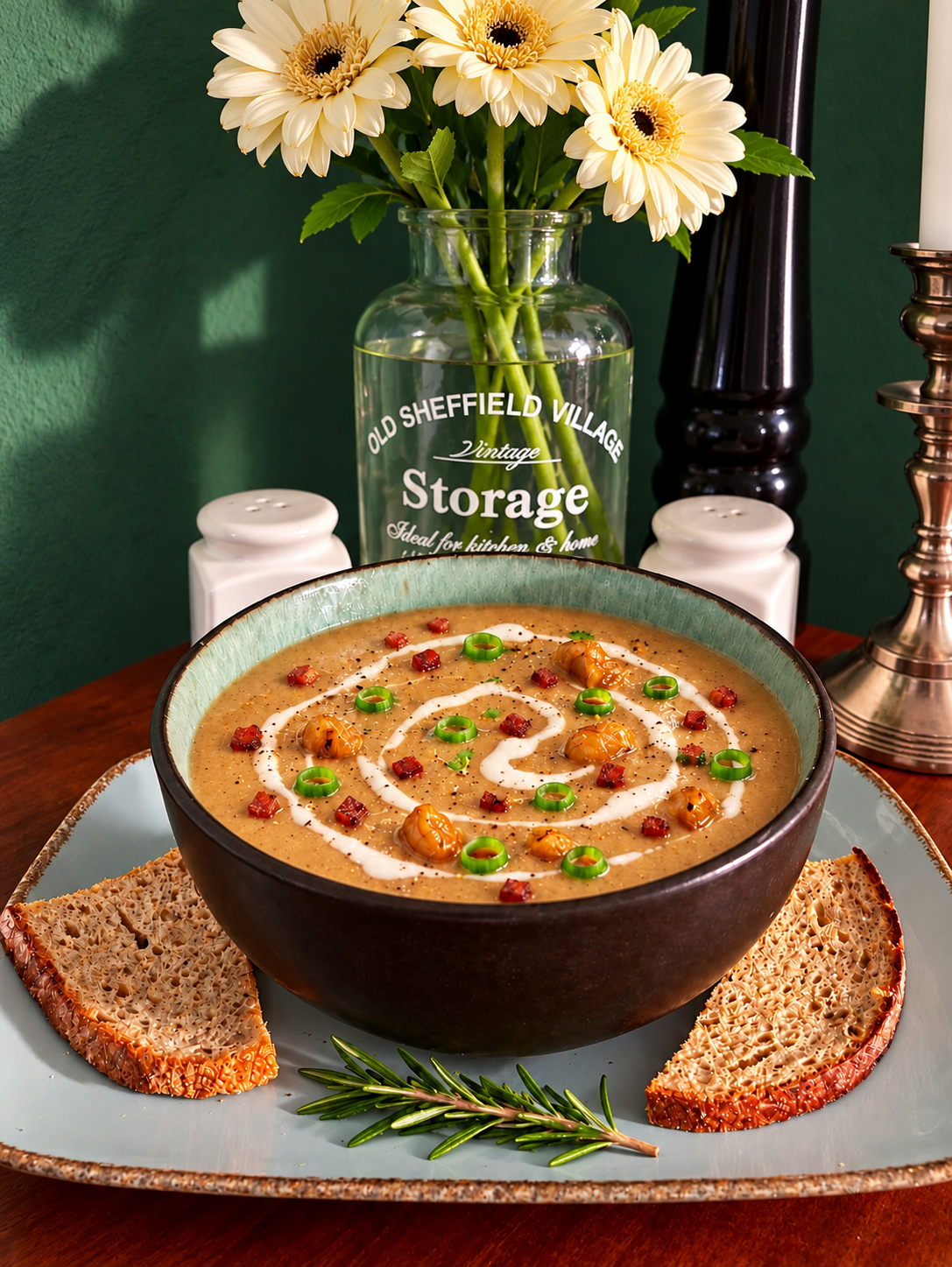
Albania is a country in southeastern Europe, bordered by the Adriatic and Ionian Seas and characterized by dramatic mountains, fertile valleys and diverse regional food traditions. Its cuisine reflects Mediterranean and Balkan influences, with olive oil, vegetables, herbs, legumes and seasonal produce playing important roles. Chestnuts grow in several forested regions, including northern Albania and areas around Lake Ohrid, where they have long been valued as a seasonal food.
What Is Supa me Gështenja?
Supa me gështenja simply means chestnut soup in Albanian. This recipe is a rustic, Albanian-inspired preparation rather than a single standardized national dish. Cooked chestnuts are combined with leeks, potatoes, garlic and vegetable stock to create a naturally creamy texture. A little olive oil adds richness, while nutmeg complements the chestnuts' mild sweetness. For my Via Veggie Vegan version, crispy plant-based bacon replaces the optional traditional meat topping, bringing a smoky, savory contrast to the smooth soup.
Cook this recipe →
Recipe postcard
Uruguay – A Small Country with a Big Grilling Tradition
Uruguay lies on the Atlantic coast of southeastern South America, between Argentina and Brazil. Its food culture has been shaped by cattle ranching, European immigration and the traditions of the Río de la Plata region. Asado, the preparation of food over a grill or open fire, is deeply rooted in Uruguayan social life. Sharing grilled food with family and friends is about much more than eating: it is an important expression of hospitality and community.
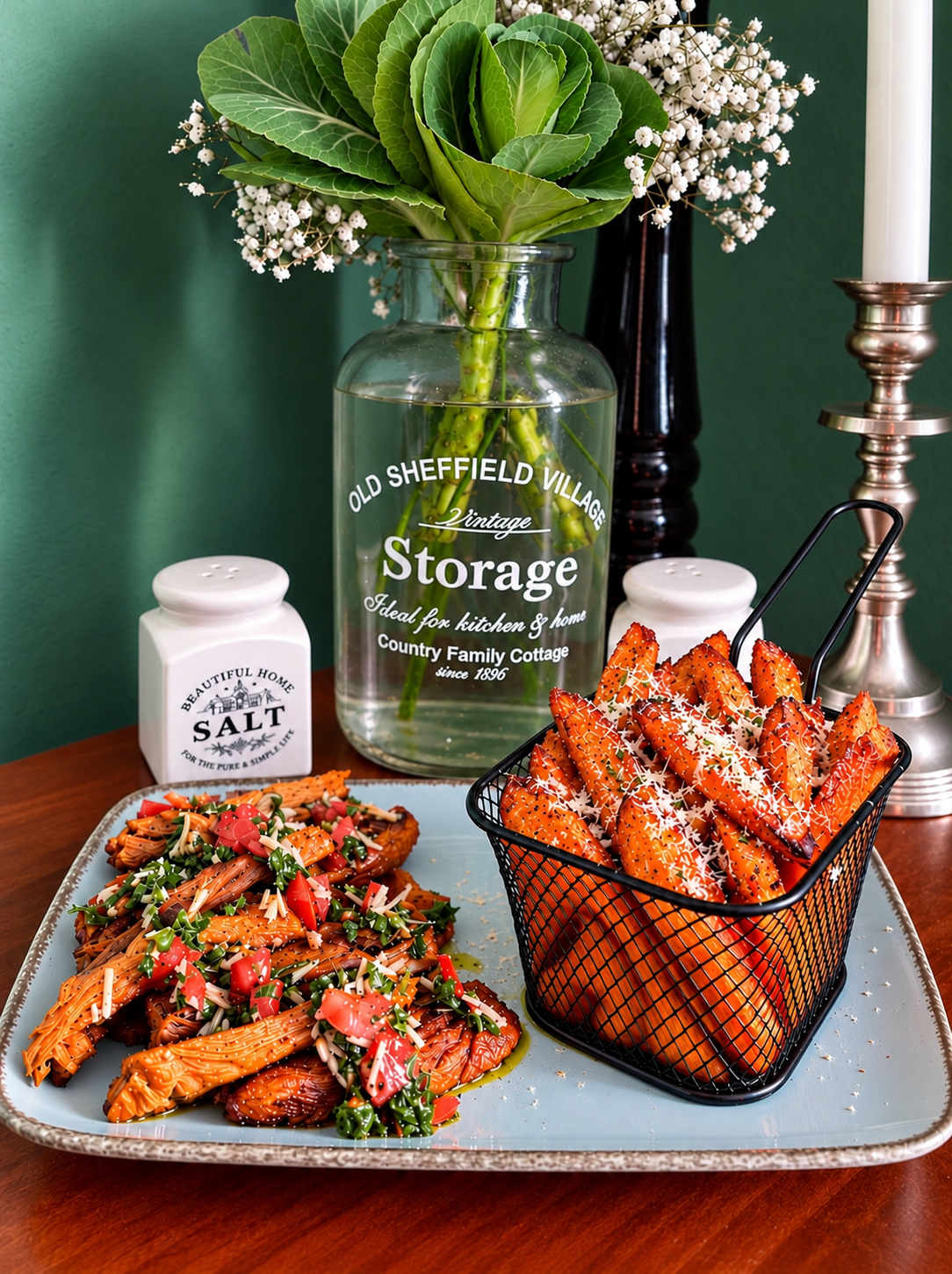
What Is Churrasco con Papas Fritas y Chimichurri?
Churrasco generally refers to a steak, often grilled or pan-seared, while papas fritas are French fries. Chimichurri is a fragrant condiment associated with the Río de la Plata region, especially Uruguay and Argentina. It traditionally combines chopped parsley, garlic, oregano, vinegar and oil, sometimes with chili. This Via Veggie Vegan version replaces beef with plant-based steak, uses oven-baked sweet potato fries instead of conventional potato fries and adds fresh tomato to the chimichurri. Vegan Parmesan provides a final savory touch. It is a contemporary vegan interpretation of a familiar steak-and-fries combination rather than a traditional Uruguayan recipe.
Cook this recipe →
Recipe postcard
Mongolia – A Land of Endless Steppes and Nomadic Traditions
Mongolia is a landlocked country in East Asia, situated between Russia and China. Its vast landscapes include grasslands, mountains, deserts and freshwater lakes. Traditional Mongolian cuisine has been shaped by the country's continental climate and long history of nomadic pastoralism. Meat, dairy products and wheat-based foods have historically played important roles, while vegetables and other ingredients have become increasingly accessible through trade and changing food cultures. Hearty noodle dishes, dumplings and warming meals reflect the practical cooking traditions of a country known for its extraordinary landscapes and hospitality.
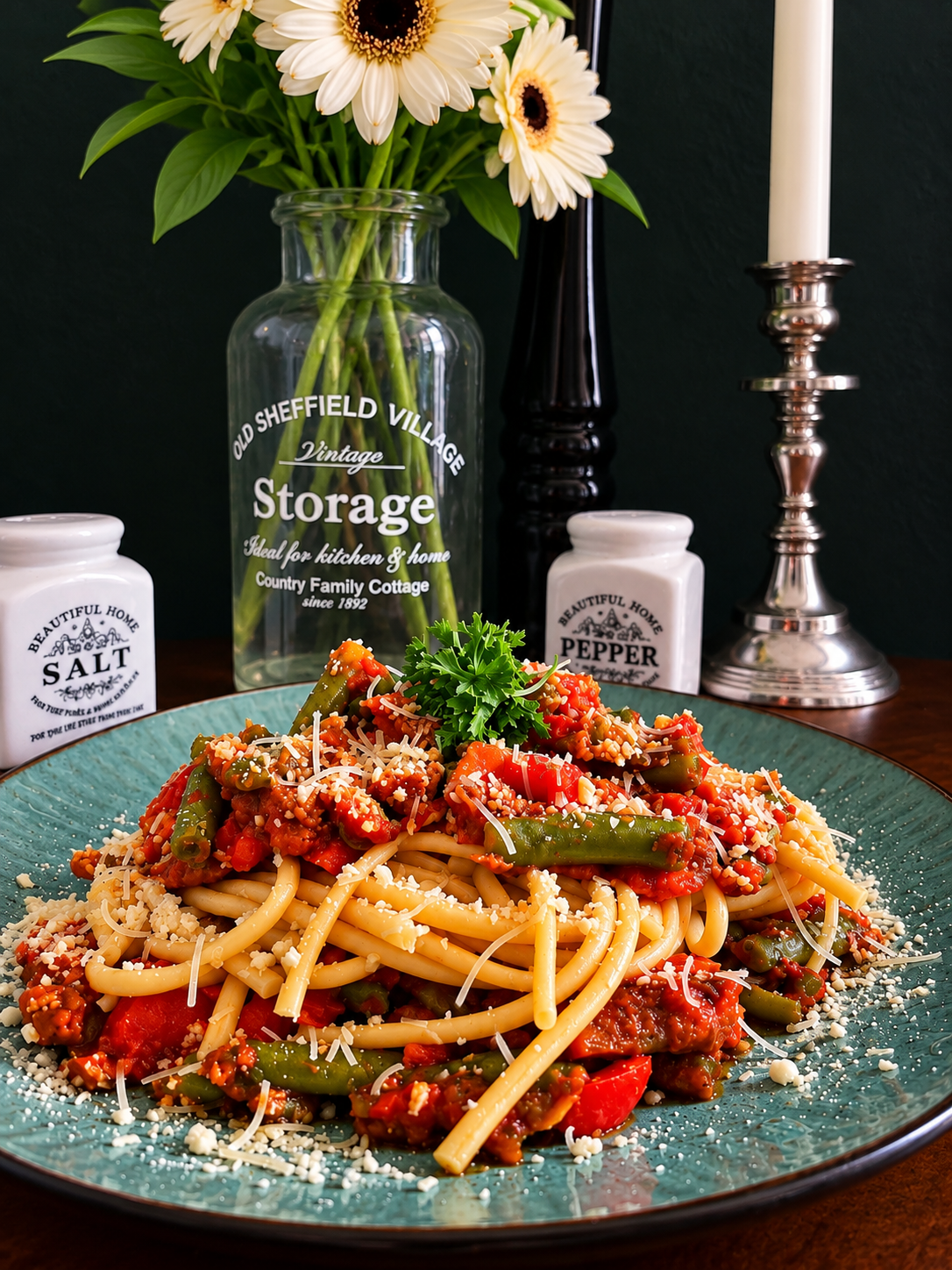
What Is Tsuivan?
Tsuivan is a traditional Mongolian dish made with wheat noodles, meat and vegetables. One of its defining features is the cooking technique: freshly prepared noodles are placed over the meat and vegetables and steamed in the covered pan before everything is mixed together. This Via Veggie Vegan version takes a different approach, using ready-made Japanese udon noodles, plant-based beef-style strips and a tomato-based vegetable sauce. Rosemary, thyme, parsley and vegan cheese introduce additional fusion influences. It is therefore a Mongolian-inspired vegan interpretation rather than a traditional preparation of Tsuivan.
Cook this recipe →
