Recipe postcard
Luxembourg – A Small Country with a Rich Culinary Heritage
Luxembourg is a small landlocked country in Western Europe, bordered by Belgium, Germany and France. Its cuisine reflects influences from all three neighboring countries while maintaining its own distinctive traditions. Hearty soups, potatoes, legumes, regional vegetables and rustic meat dishes have long played important roles in Luxembourgish home cooking. The country's landscape ranges from the wooded hills of the Ardennes in the north to the fertile agricultural regions and vineyards of the Moselle Valley in the southeast.
What Is Bouneschlupp?
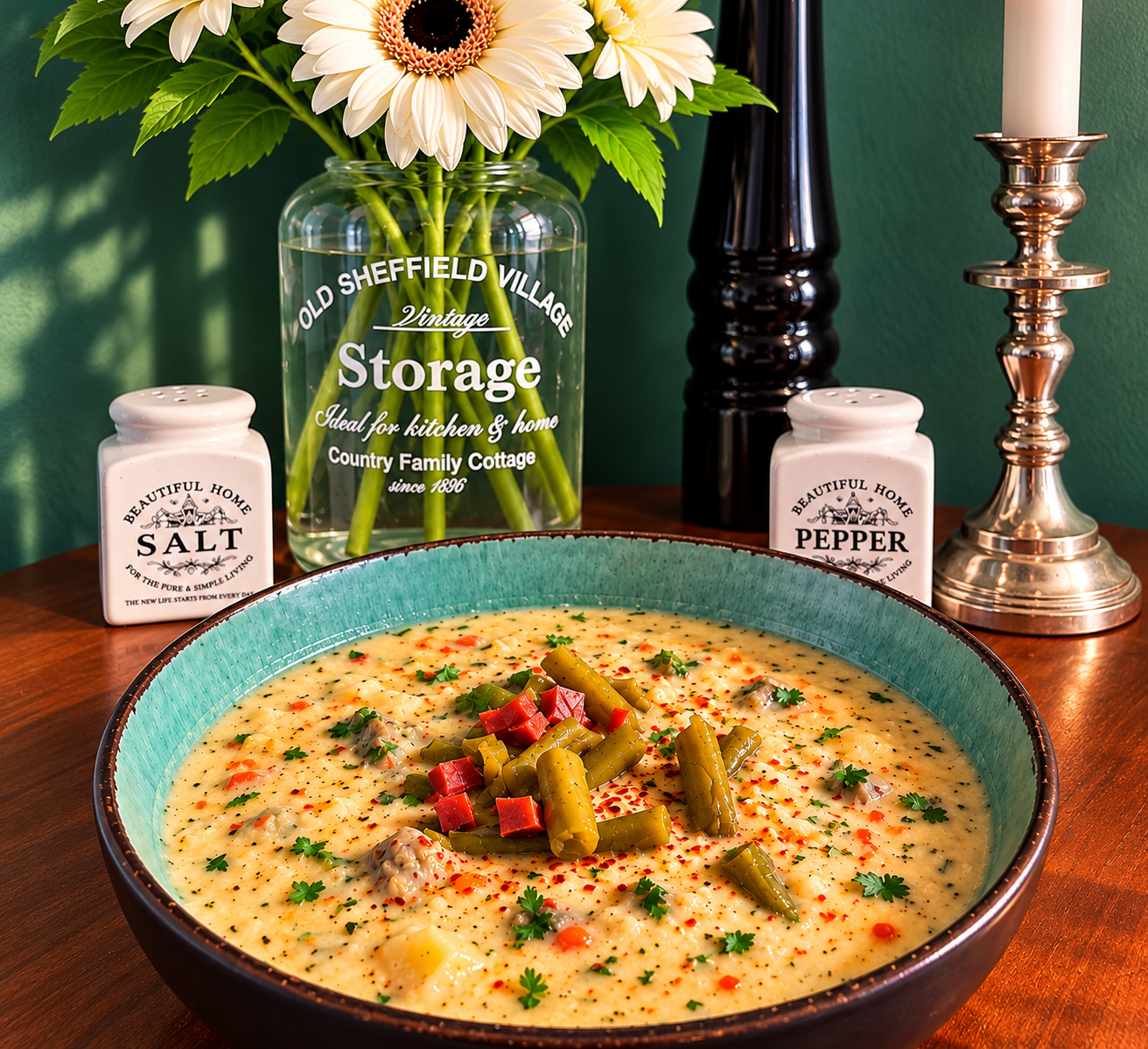
Bouneschlupp is one of Luxembourg's best-known traditional soups, prepared primarily with green beans and potatoes. Depending on the household and regional tradition, it may also contain onions, bacon, sausage, cream and aromatic herbs such as savory. The soup is particularly associated with simple, satisfying home cooking. This Via Veggie Vegan version keeps the green beans and potatoes at the heart of the dish while replacing traditional meat products with vegan beef-style pieces and crispy plant-based bacon. Vegan cooking cream creates a rich, comforting broth without dairy.
Cook this recipe →
Recipe postcard
Lithuania – A Baltic Country of Forests, Lakes and Culinary Traditions
Lithuania is one of the three Baltic states, situated along the southeastern coast of the Baltic Sea. Its landscapes are characterized by forests, lakes, rivers, wetlands and gently rolling countryside. Agriculture and seasonal ingredients have shaped Lithuanian food culture for centuries. Potatoes, rye, cabbage, beets, mushrooms and root vegetables are important elements of traditional cooking, particularly in hearty dishes designed to provide warmth and nourishment during the colder seasons.
What Is Ropių Sriuba?
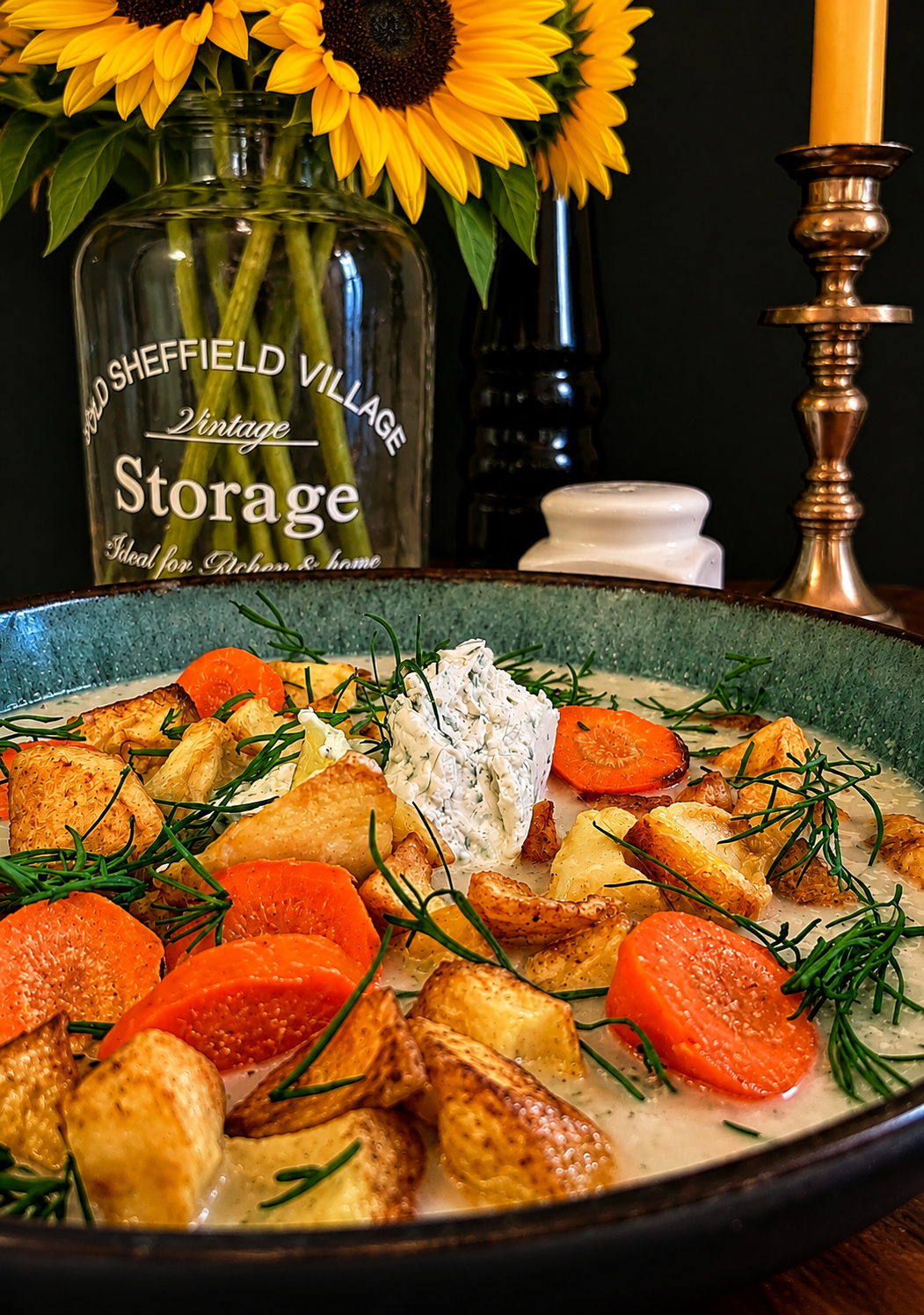
Ropių Sriuba literally means turnip soup in Lithuanian. Rather than referring to one strictly standardized national recipe, the name describes a traditional style of vegetable soup built around turnips and other seasonal ingredients. Turnips were cultivated in the Baltic region long before potatoes became a dominant staple. Combined with potatoes, carrots, leek and aromatic herbs, they create a satisfying rustic soup. This Via Veggie Vegan interpretation uses vegetable broth and vegan sour cream for a completely plant-based version of this comforting dish.
Cook this recipe →
Recipe postcard
Libya – A North African Country of Mediterranean and Desert Traditions
Libya is a North African country bordering the Mediterranean Sea, with a culinary heritage shaped by Amazigh, Arab, Mediterranean and historical Ottoman influences. Its cuisine combines grains, vegetables, legumes, meat and aromatic spices, with dishes varying across regions and households. Tomatoes, garlic, chilies, olive oil and warming spice blends feature prominently in many Libyan preparations. Pasta also holds an important place in everyday cooking, reflecting the country's long history of Mediterranean cultural exchange.
What Is Mbakbaka?
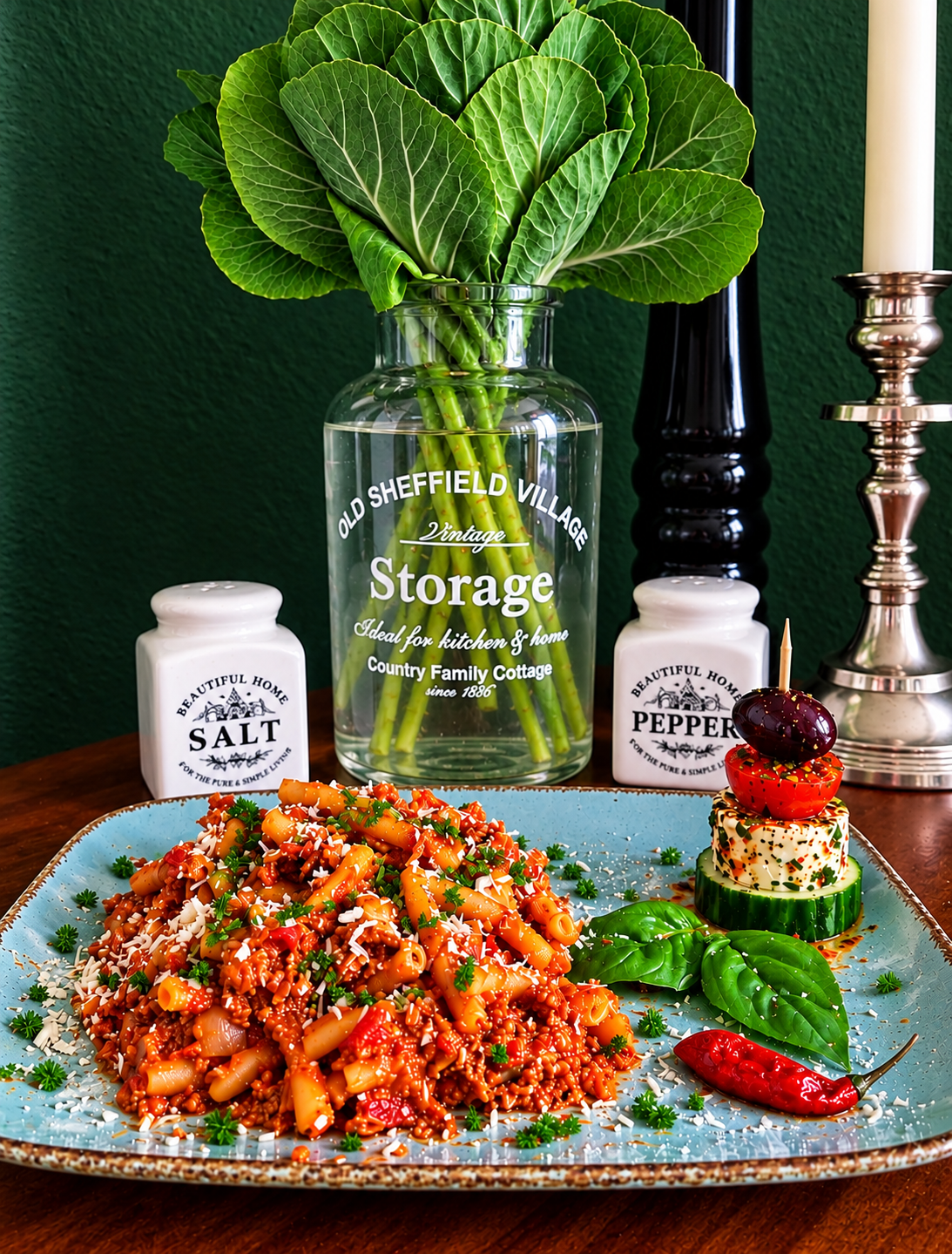
Mbakbaka, also written Imbakbaka, is a popular Libyan one-pot pasta dish traditionally prepared by simmering dry pasta directly in a seasoned tomato-based broth. Unlike conventional pasta recipes, the noodles absorb the flavors of the sauce while releasing starch, creating a rich consistency somewhere between pasta and stew. Many versions contain lamb, beef or chicken, while the spices and vegetables vary between families. This Via Veggie Vegan interpretation replaces meat with plant-based mince and uses a homemade Bzaar-inspired spice blend. Fresh parsley, lemon juice and vegan grated cheese complete this hearty, spicy dish.
Cook this recipe →
Recipe postcard
Yemen – A Land of Ancient Traditions and Aromatic Cuisine
Yemen is located at the southern end of the Arabian Peninsula and has a rich culinary heritage shaped by centuries of trade, agriculture and cultural exchange. Its cuisine is known for aromatic spices, hearty stews, traditional breads and distinctive condiments. Ingredients such as garlic, herbs, legumes and sesame appear in different regional preparations, reflecting Yemen's connections with the wider Middle East.
What Are Roasted Artichokes with Tahini Sauce?
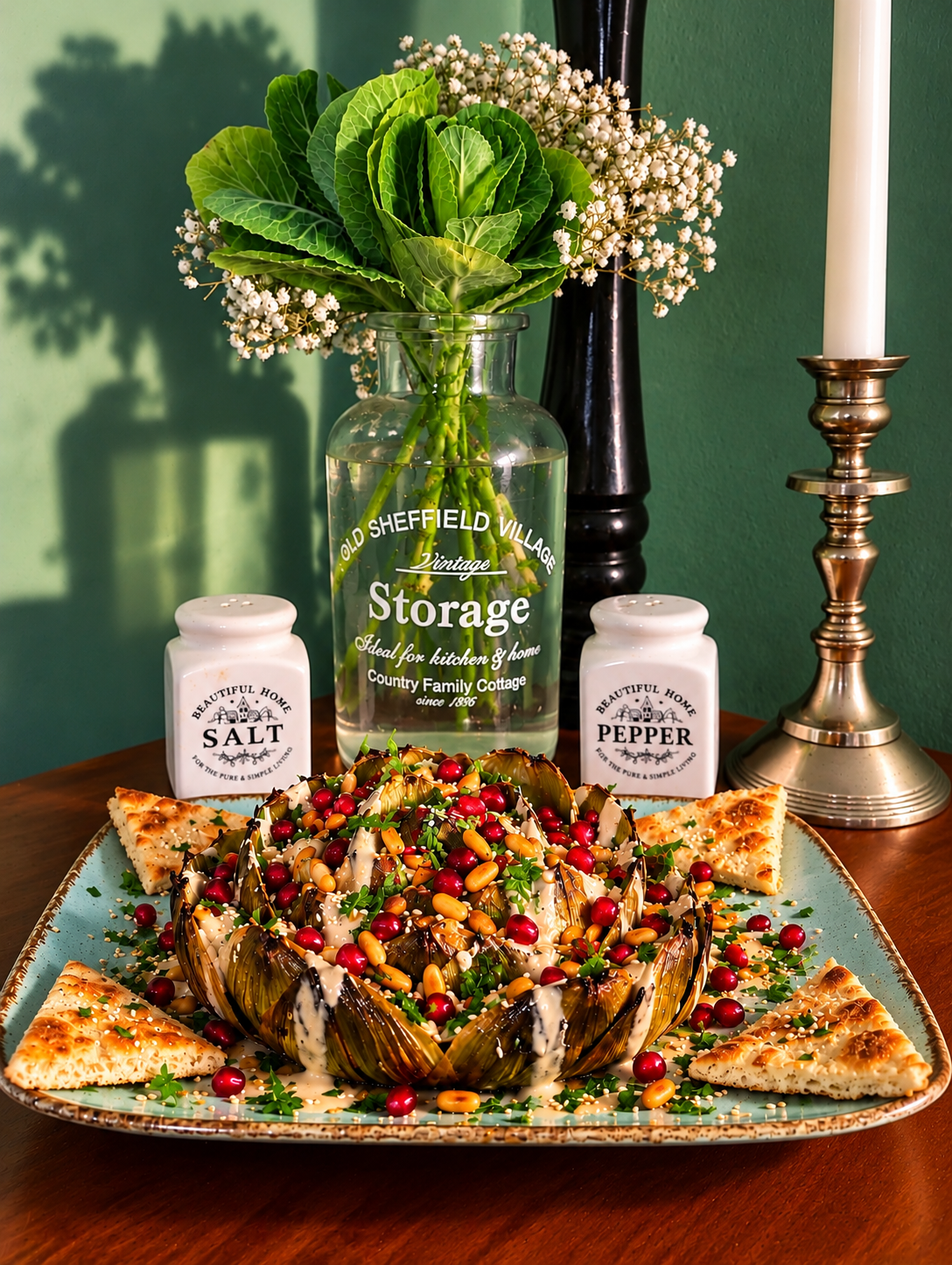
These roasted artichokes are a Via Veggie Vegan creation inspired by Middle Eastern and Levantine flavors rather than a documented traditional Yemeni national dish. Whole artichokes are roasted with olive oil and lemon until tender, then generously coated with taratur, a creamy sauce made from tahini, garlic, lemon juice and water. Toasted pine nuts, pomegranate seeds, sesame and fresh parsley add contrasting textures and flavors, while warm flatbread makes the dish perfect for sharing.
Cook this recipe →
Recipe postcard
Israel – A Crossroads of Culinary Traditions
Located on the eastern Mediterranean, Israel has a diverse food culture shaped by Jewish communities from around the world and the culinary traditions of the wider Middle East. Markets, bakeries and street-food stalls offer fresh vegetable salads, aromatic flatbreads, hummus, tahini and falafel. Tel Aviv is particularly known for its lively food scene, where regional traditions and contemporary cooking meet.
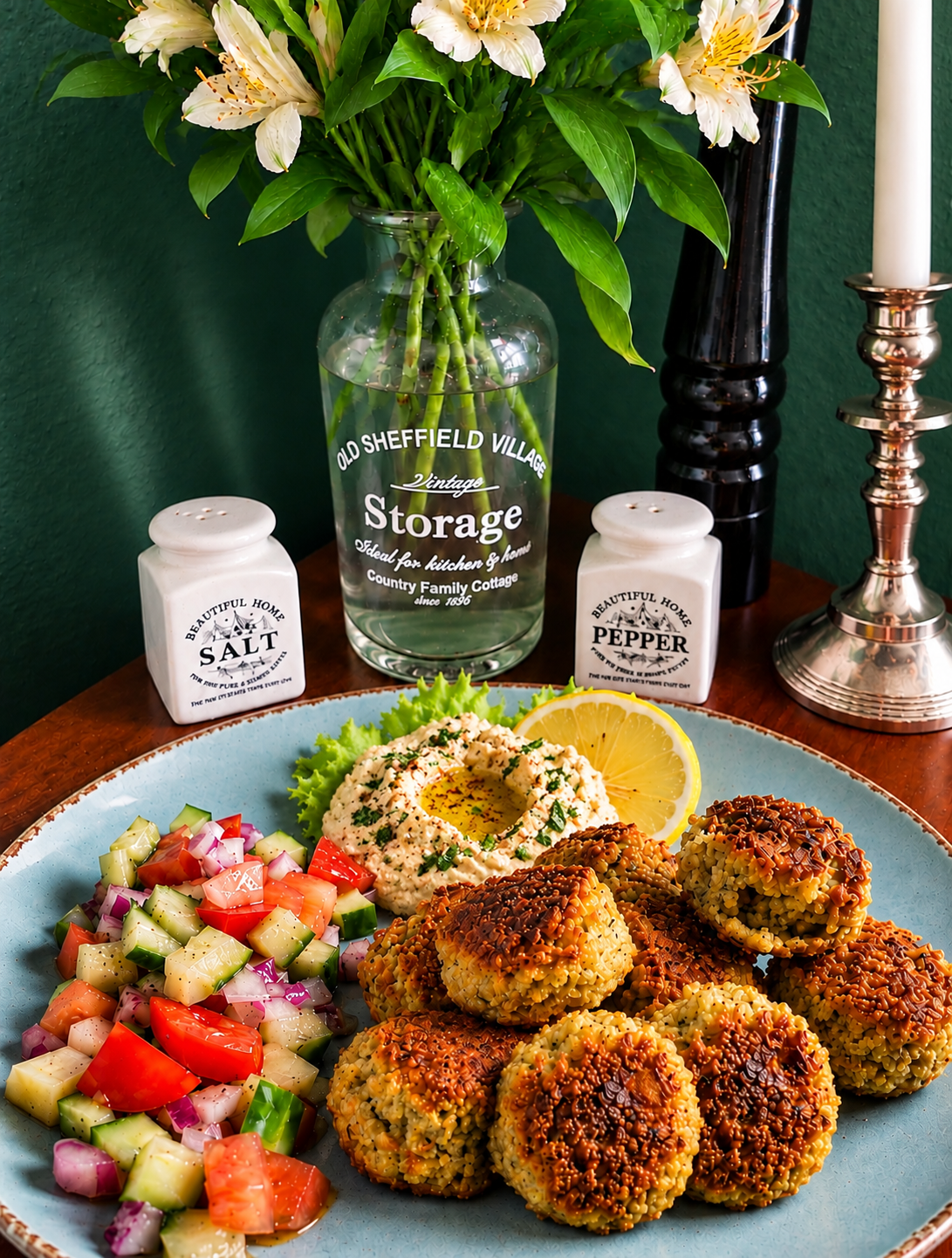
What Are Falafel with Hummus and Israeli Salad?
Falafel are crispy fried balls or patties made from soaked chickpeas, fava beans or both, seasoned with herbs and spices. Their origins are often associated with Egypt, and they have become popular throughout the Middle East, including Palestinian and Israeli cuisine. Served with creamy hummus and a finely chopped tomato-cucumber salad, they create a satisfying combination of textures and flavors. This naturally vegan version celebrates a classic Middle Eastern combination with plenty of garlic, cumin and coriander.
Cook this recipe →
Recipe postcard
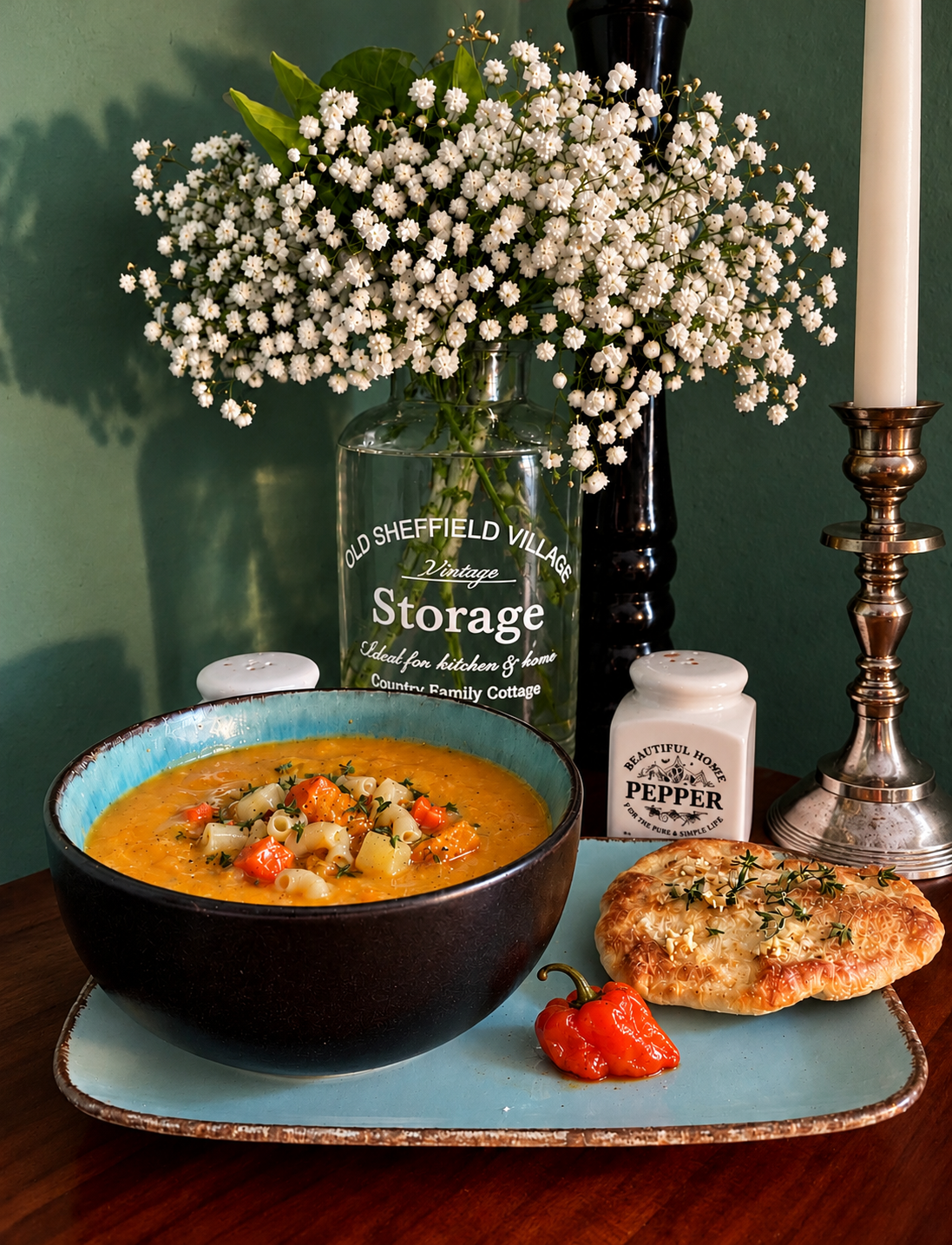
Haiti – The Caribbean Nation That Fought for FreedomHaiti occupies the western part of the Caribbean island of Hispaniola, which it shares with the Dominican Republic. Its culture reflects a rich heritage shaped by African traditions, Indigenous history, French colonial influence and the extraordinary struggle for independence. On 1 January 1804, Haiti declared its independence after a successful revolution against French colonial rule, becoming the first independent Black republic and the first state established through a successful revolt by enslaved people. Haitian cuisine is known for its vibrant seasonings, aromatic herbs, vegetables, rice, beans and deeply flavorful dishes. Food plays an important role in family gatherings, cultural identity and the preservation of traditions.
Soup Joumou – Haiti's Freedom Soup, Traditionally Eaten on 1 JanuarySoup Joumou is a traditional Haitian squash soup with profound historical and cultural significance. According to Haitian tradition, during French colonial rule, the richly prepared soup was associated with the colonial elite and denied to enslaved Haitians. Following independence on 1 January 1804, preparing and enjoying Soup Joumou became a powerful symbol of liberation, dignity and the freedom to enjoy what had previously been forbidden. Today, Haitian families and communities in Haiti and around the world traditionally prepare and share the soup on New Year's Day, which is also Haiti's Independence Day. Soup Joumou is often described as a soup of freedom, unity and peace. In 2021, UNESCO inscribed the knowledge and practices surrounding Joumou soup on its Representative List of the Intangible Cultural Heritage of Humanity. Traditional versions often contain meat, while this Via Veggie Vegan interpretation celebrates the dish with butternut squash, vegetables, pasta, homemade Haitian epis and vegetable broth.
Cook this recipe →
Recipe postcard
Georgia – Where Europe and Asia MeetGeorgia lies in the Caucasus region, between the Black Sea and the mountains of the Greater Caucasus. Its cuisine is famous for generous hospitality, fresh herbs, walnuts, garlic, aromatic spices and a remarkable variety of vegetable and bean dishes. Traditional Georgian meals often feature several small plates shared around the table, creating a colorful combination of flavors and textures. Walnuts are especially important in Georgian cooking, appearing in sauces, spreads, vegetable dishes and fillings.
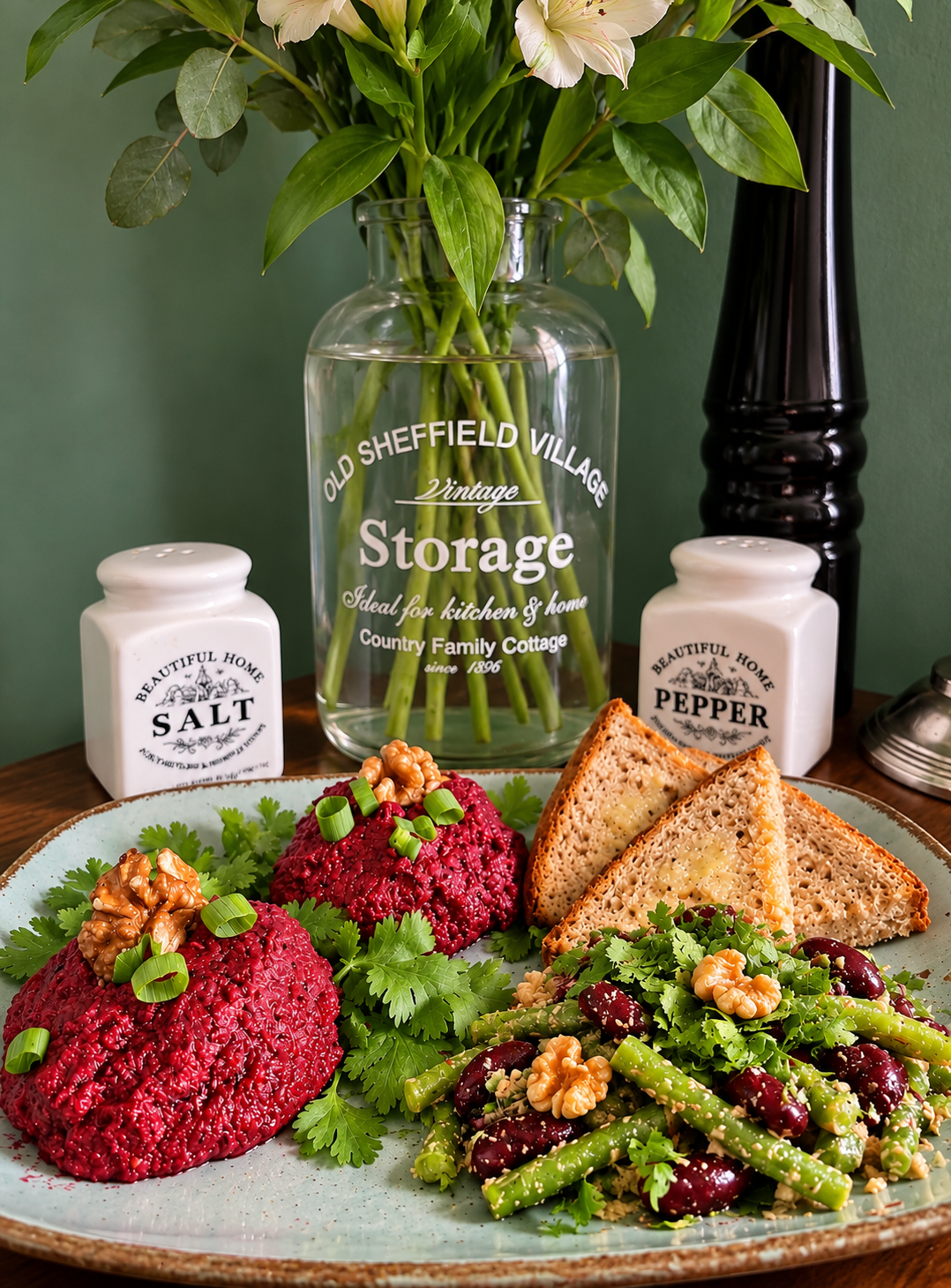
Charkhlis Pkhali & Mtsvane Lobio – Two Georgian SpecialtiesCharkhlis Pkhali (ჭარხლის ფხალი) is a beetroot variation of Pkhali, a family of Georgian vegetable dishes prepared with ground walnuts, garlic, herbs and spices. Beetroot Pkhali is commonly made with cooked beetroot, but this Via Veggie Vegan version uses fresh raw beetroot for a firmer texture and particularly earthy flavor. Mtsvane Lobio (მწვანე ლობიო) means green beans and refers to Georgian preparations centered on this vegetable. My interpretation combines green beans with red kidney beans, fresh coriander and a walnut dressing enriched with pomegranate molasses and lemon juice. Served together with toasted bread, the two dishes make a satisfying plant-based meal.
Cook this recipe →
Recipe postcard
Turkey – The Culinary Heritage of İmam BayıldıTurkey is located at the crossroads of Europe and Asia, with a rich culinary heritage shaped by Anatolian, Mediterranean and Ottoman traditions. Fresh vegetables, aromatic herbs, garlic and olive oil play an important role in Turkish cuisine. İmam Bayıldı is a classic example of the traditional zeytinyağlı dishes – vegetables gently cooked in olive oil and often served at room temperature. Its tender eggplant, sweet onions, ripe tomatoes and generous garlic filling make it a beloved part of Turkish home cooking.
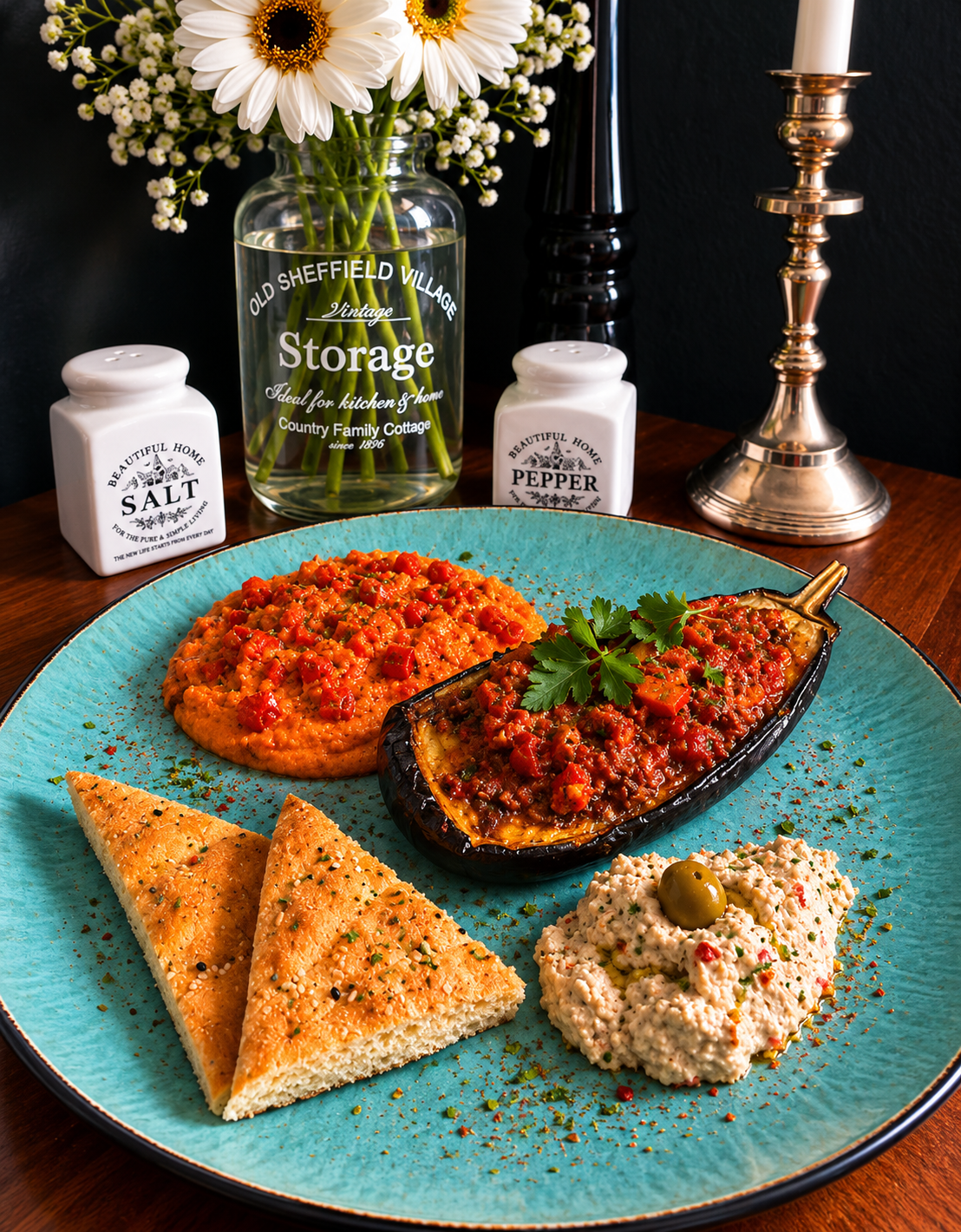
What Is Vegan İmam Bayıldı – The Holy Trinity of Garlic?İmam Bayıldı is a traditional Turkish dish made with whole eggplants stuffed with slowly cooked onions, tomatoes, garlic and parsley, then gently braised in olive oil until exceptionally tender. The dish is naturally vegan and its name translates as “the imam fainted,” inspiring several entertaining culinary legends. For this Via Veggie Vegan interpretation, the classic stuffed eggplant is accompanied by two modern Turkish-inspired tofu spreads: a peppery Tofu Acuka and a creamy green olive cheese spread called Vegan Peynirli Yeşil Zeytin Ezmesi. Together with warm Turkish flatbread and six cloves of garlic across all three dishes, they create the ultimate vegan mezze feast – the Holy Trinity of Garlic.
Cook this recipe →
