Recipe postcard
Fiji – A South Pacific Island Nation with a Remarkable Culinary HeritageFiji is an island nation in the South Pacific, consisting of more than 300 islands. Its cuisine reflects Indigenous Fijian traditions alongside Indian and other cultural influences. Root vegetables, tropical fruits, leafy greens and coconut feature in many local food traditions, while Indo-Fijian cuisine is especially known for aromatic vegetable curries, roti, dhal and carefully balanced spice mixtures. Beginning in 1879, Indian indentured labourers were brought to Fiji during the British colonial period. Over generations, their culinary traditions evolved alongside local ingredients and food cultures, creating the distinctive Indo-Fijian cuisine enjoyed today.
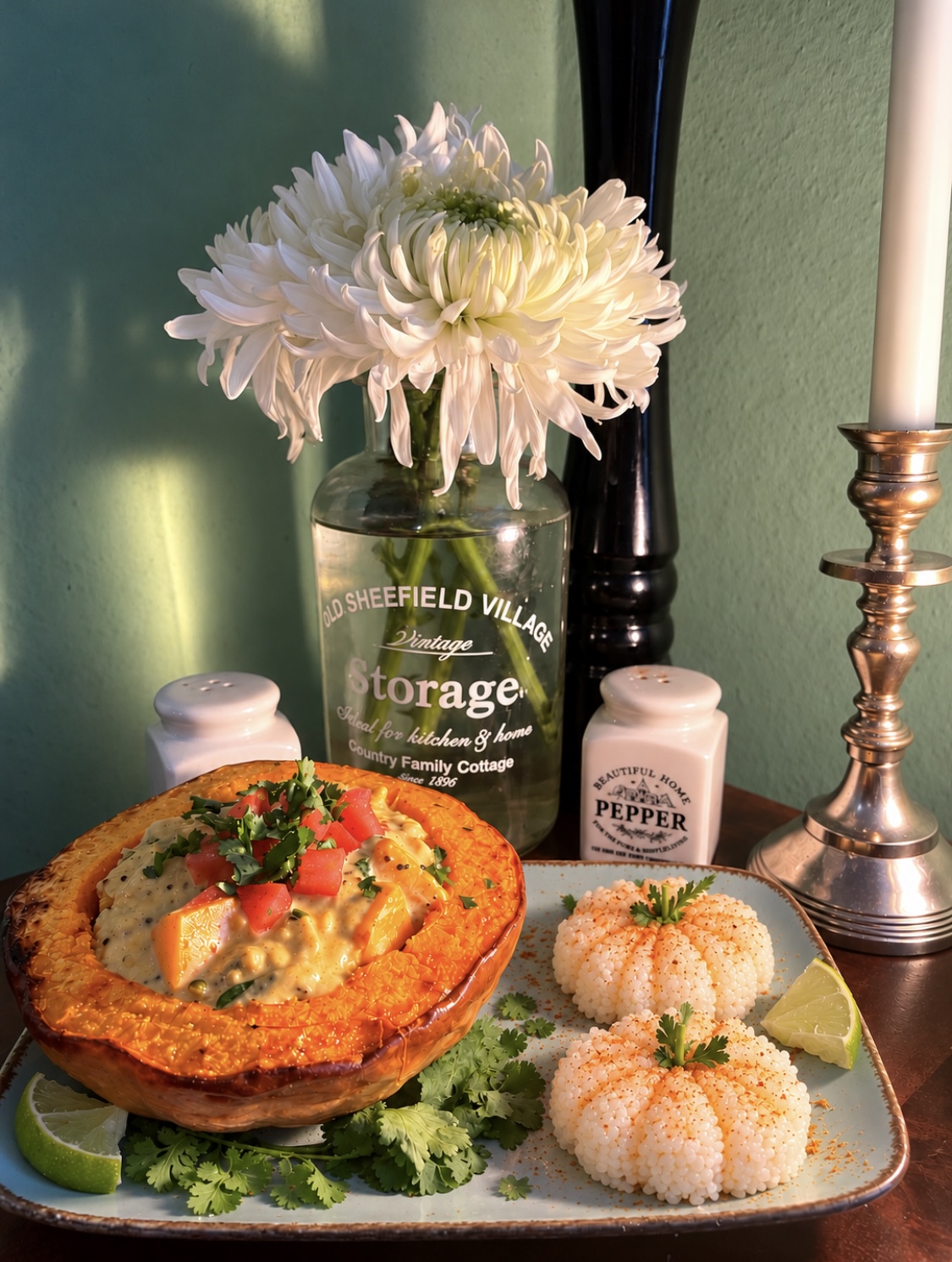
Kaddu Tarkari – Indo-Fijian Pumpkin Curry with a Creative Halloween TwistKaddu means pumpkin or squash in Hindi, while tarkari refers to a vegetable dish or curry. Indo-Fijian pumpkin curry is commonly prepared with pumpkin, onions, garlic, chilli and aromatic spices, often using relatively little liquid. As the pumpkin softens, some of the flesh breaks down and creates a naturally thick texture. My Via Veggie Vegan version takes inspiration from these flavours but introduces a few personal twists: a whole muscat pumpkin roasted with chilli oil, a creamy coconut milk sauce and two decorative pumpkins shaped from leftover basmati rice. The roasted pumpkin becomes both an ingredient and an edible serving vessel. This is a creative Indo-Fijian-inspired interpretation rather than a traditional Fijian presentation.
Cook this recipe →
Recipe postcard
Sri Lanka – The Pearl of the Indian OceanSri Lanka is an island nation in South Asia, situated in the Indian Ocean southeast of India. Often called the Pearl of the Indian Ocean, the country is known for its tropical landscapes, tea plantations, diverse wildlife and rich culinary traditions. Sri Lankan cooking makes extensive use of coconut, rice, vegetables, chillies, curry leaves and aromatic spices. Regional and cultural influences have shaped a cuisine that combines bold flavours with everyday ingredients, creating dishes that are both vibrant and deeply comforting.
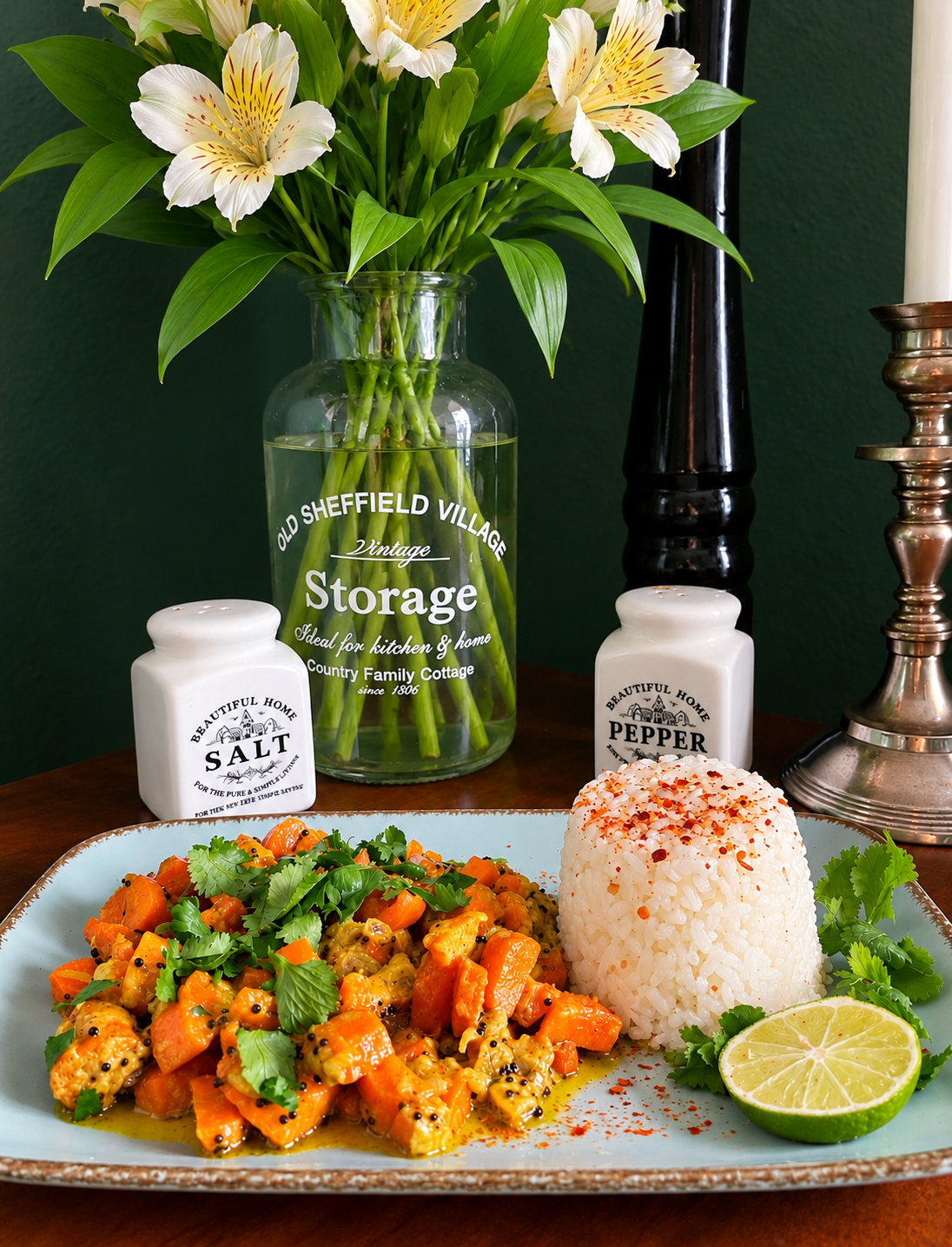
Carrot Mallum – A Colourful Sri Lankan Vegetable ClassicMallum, also spelled mallung, refers to a Sri Lankan preparation of finely chopped or shredded vegetables or leafy greens mixed with grated coconut and seasonings. Unlike a creamy coconut curry, mallum is generally relatively dry and retains more texture. Carrot Mallum brings together naturally sweet carrots, coconut, mustard seeds, curry leaves and fresh chillies. My Via Veggie Vegan version uses mustard oil for an additional aromatic note and finishes with fresh lime juice. Served alongside rice, it makes a colourful and satisfying plant-based meal.
Cook this recipe →
Recipe postcard
Colombia – A Country of Mountains, Coffee and Culinary DiversityColombia lies in northwestern South America and is known for its extraordinary geographical diversity, from the Andes Mountains and Caribbean coastline to the Amazon rainforest. Its cuisine reflects Indigenous, African and European influences, with regional specialties ranging from hearty soups and corn-based dishes to tropical fruits and colorful breakfast traditions. Breakfast is an important part of Colombian food culture, and savory dishes are particularly popular.
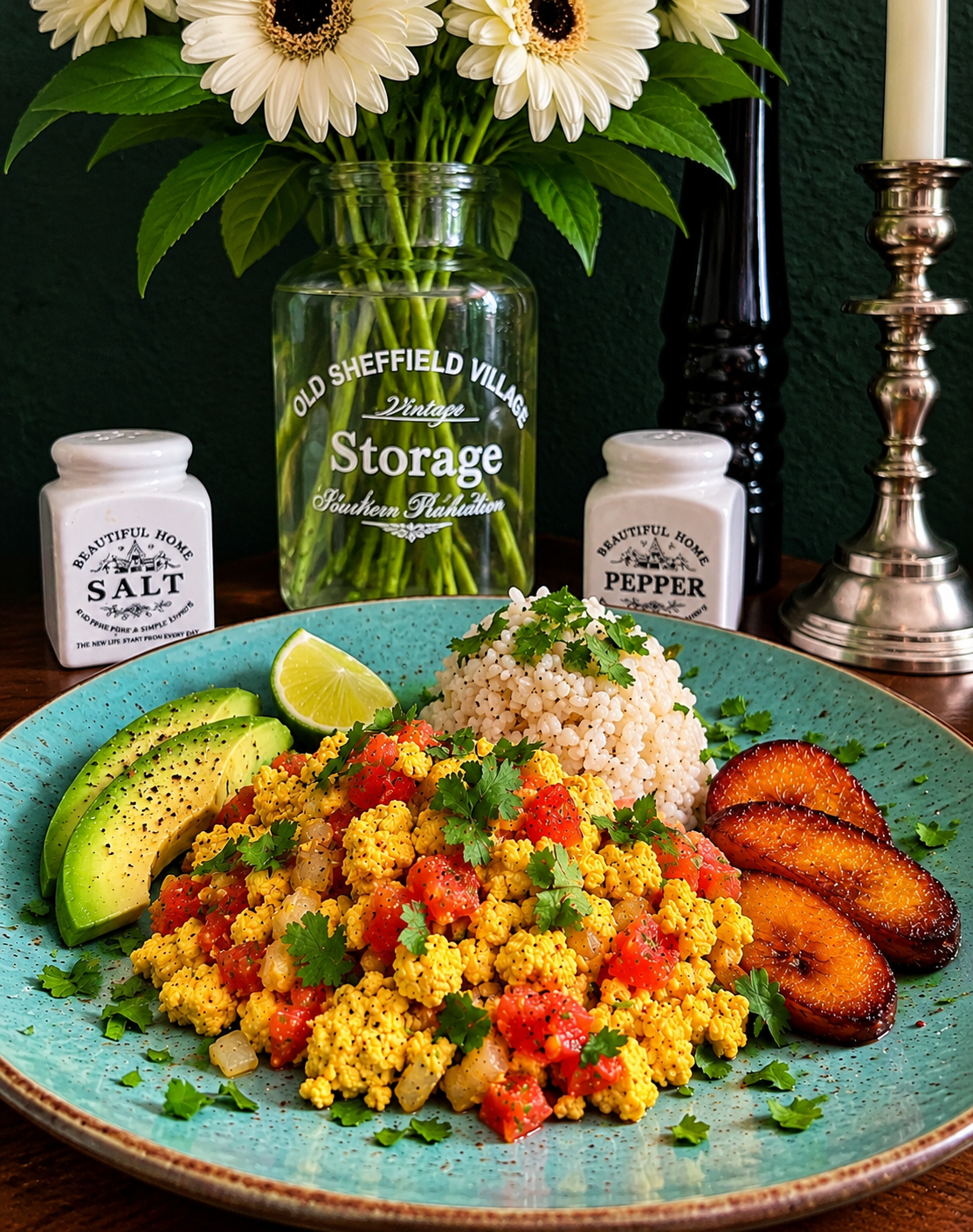
Huevos Pericos – Colombia's Colorful Scrambled EggsHuevos Pericos are a beloved Colombian breakfast dish traditionally made with scrambled eggs, tomatoes and spring onions. The name "pericos" is often associated with the colorful appearance of the dish. Huevos Pericos are commonly served with arepas, bread, avocado or other breakfast accompaniments. My Via Veggie Vegan version replaces the eggs with a combination of firm and silken tofu, soy milk, nutritional yeast, turmeric and Kala Namak. Instead of preparing the scramble in a frying pan, I bake it in the oven for a soft, creamy texture.
Cook this recipe →
Recipe postcard
Brazil – A Country of Culinary DiversityBrazil is the largest country in South America, renowned for its extraordinary biodiversity, tropical landscapes, vibrant cities and rich cultural heritage. Its cuisine reflects centuries of Indigenous Brazilian, African, Portuguese and other cultural influences, creating a fascinating variety of regional food traditions. From the Amazon rainforest to the Atlantic coastline, local ingredients and cooking techniques differ considerably. Coconut milk, cassava, beans, peppers, fresh herbs and tropical fruits all play important roles in Brazilian cooking. The northeastern state of Bahia is particularly famous for its aromatic, colourful dishes and strong Afro-Brazilian culinary heritage, making it a wonderful source of inspiration for my Via Veggie Vegan journey.
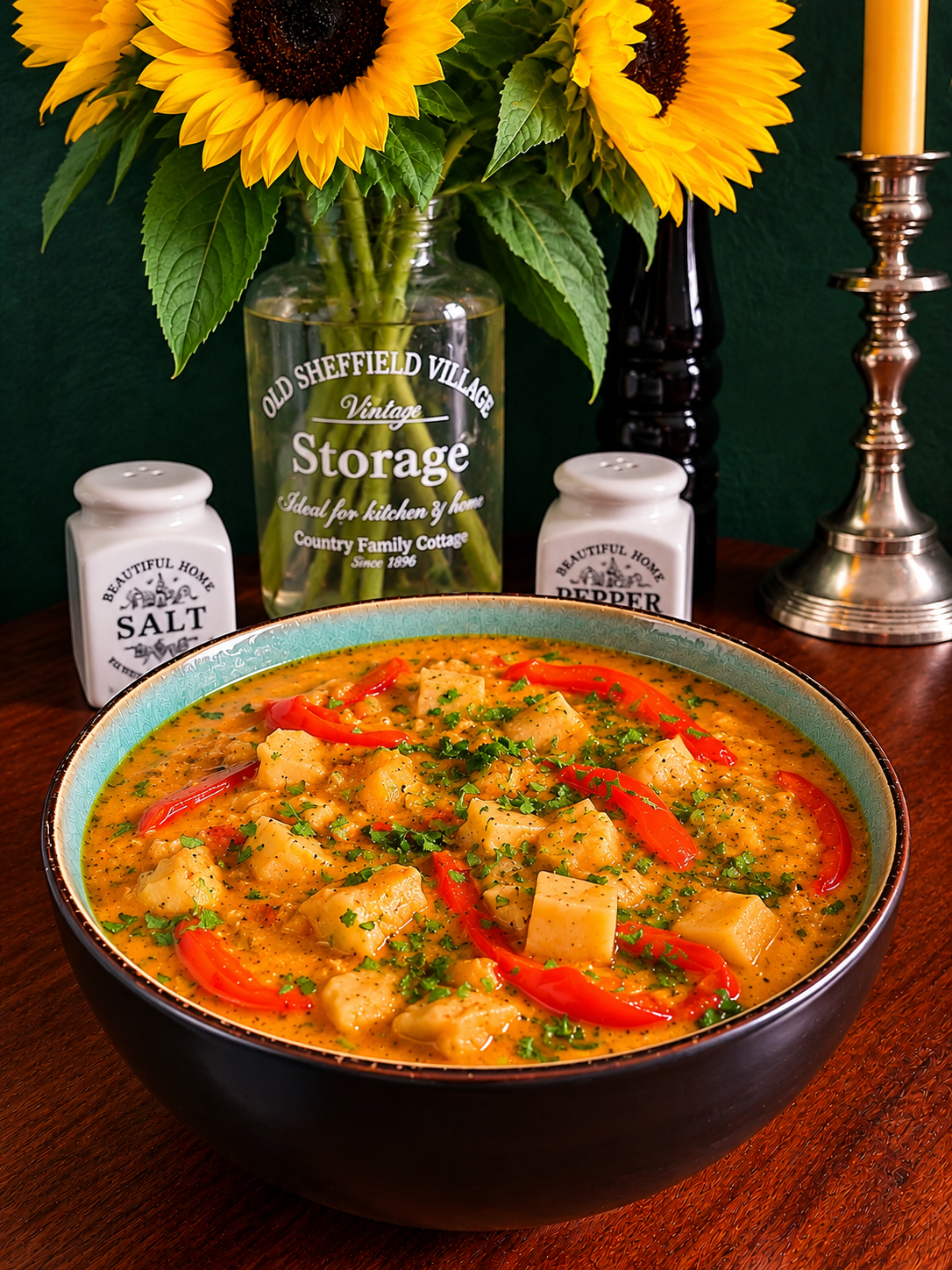
What Is Moqueca de Salsão-Raiz?Moqueca is a traditional Brazilian stew particularly associated with the coastal states of Bahia and Espírito Santo. Moqueca baiana typically combines fish or seafood with coconut milk, red palm oil, tomatoes, peppers, onions and coriander, while moqueca capixaba follows a different regional tradition without coconut milk or palm oil. My Moqueca de Salsão-Raiz is a contemporary, Brazilian-inspired vegan interpretation that gives celeriac the leading role. Tender pieces of this wonderfully earthy root vegetable are cooked with tomatoes, red bell pepper, garlic and chili in a rich coconut sauce. Fresh turmeric and a little orange zest create a beautiful golden-orange colour without using traditional red palm oil, while lime juice and plenty of fresh coriander provide a vibrant, aromatic finish. A colourful, comforting plant-based tribute to the flavours of Bahia – with a very personal Via Veggie Vegan twist!
Cook this recipe →
Recipe postcard
Malaysia – A Country of Tropical Rainforests, Islands and Culinary Diversity
Malaysia is a Southeast Asian country divided between Peninsular Malaysia and Malaysian Borneo. Its culinary traditions reflect centuries of cultural exchange between Malay, Chinese, Indian and Indigenous communities, alongside influences from regional trade routes. Coconut milk, lemongrass, turmeric, ginger, galangal and chili are important ingredients in many Malaysian dishes. From bustling street-food markets to traditional family kitchens, Malaysian cuisine is celebrated for its aromatic spice combinations, rich sauces and remarkable regional diversity.
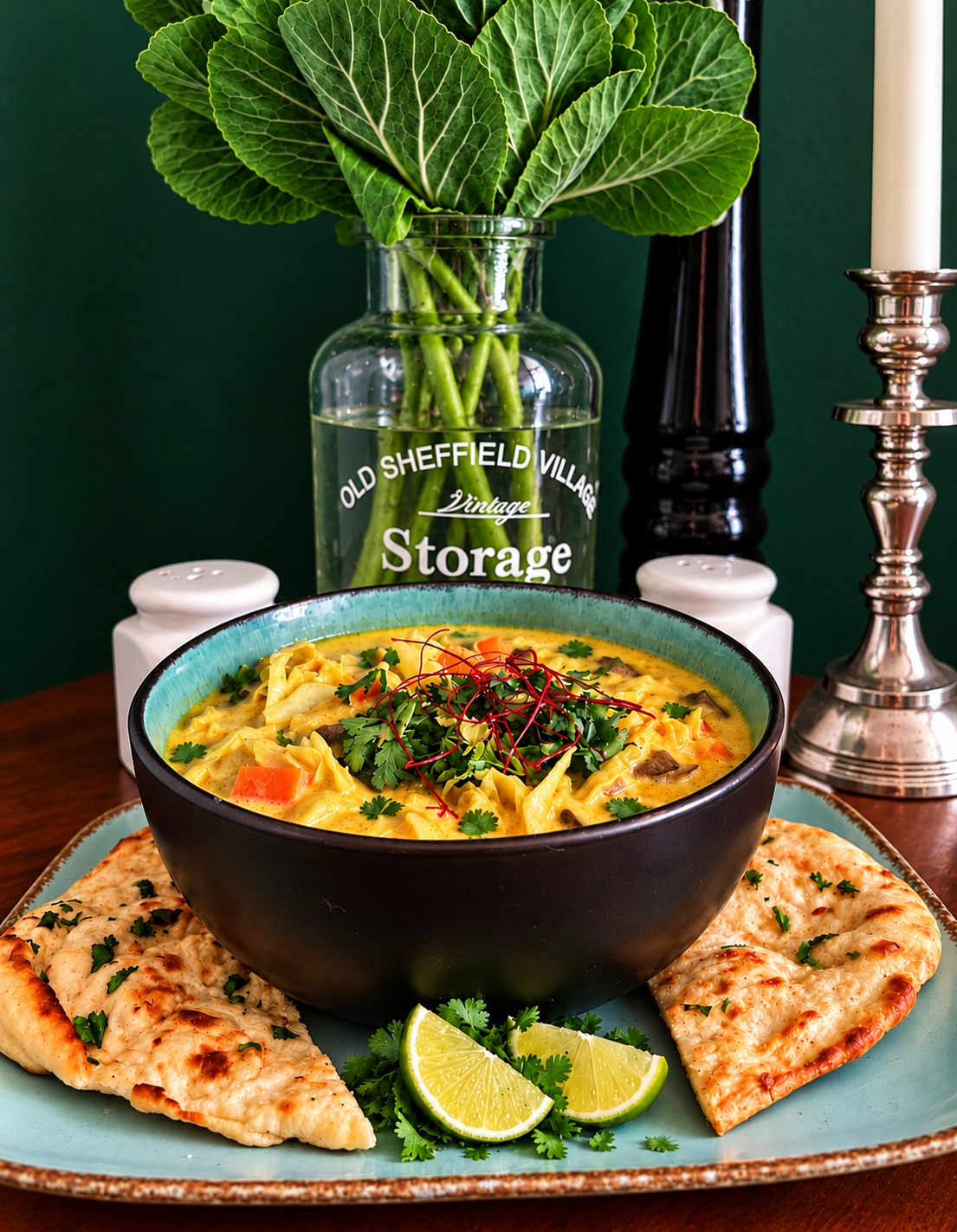
What Is Sayur Lodeh?
Sayur Lodeh is a vegetable dish cooked in a fragrant coconut milk broth, particularly associated with Indonesian and Malaysian cuisine. In Malaysia, it is also commonly known as Sayur Lemak Lodeh, referring to its rich, creamy character. Depending on the region and household, it may contain cabbage, long beans, carrots, tofu, tempeh and other vegetables. Some traditional preparations include shrimp-based seasonings for additional umami. This Via Veggie Vegan version uses white miso instead, creating a completely plant-based interpretation with a homemade rempah spice paste, golden coconut broth and a colorful mixture of vegetables.
Cook this recipe →
Recipe postcard
Costa Rica – A Country of Rainforests, Volcanoes and Pura VidaCosta Rica is a Central American country bordered by Nicaragua, Panama, the Pacific Ocean and the Caribbean Sea. Famous for its extraordinary biodiversity, tropical rainforests, volcanic landscapes and protected national parks, the country is also known for its philosophy of Pura Vida, an expression associated with enjoying life and appreciating everyday moments. Costa Rican cuisine reflects its agricultural traditions, with rice, beans, plantains, potatoes, vegetables and fresh tropical ingredients playing important roles in everyday cooking.
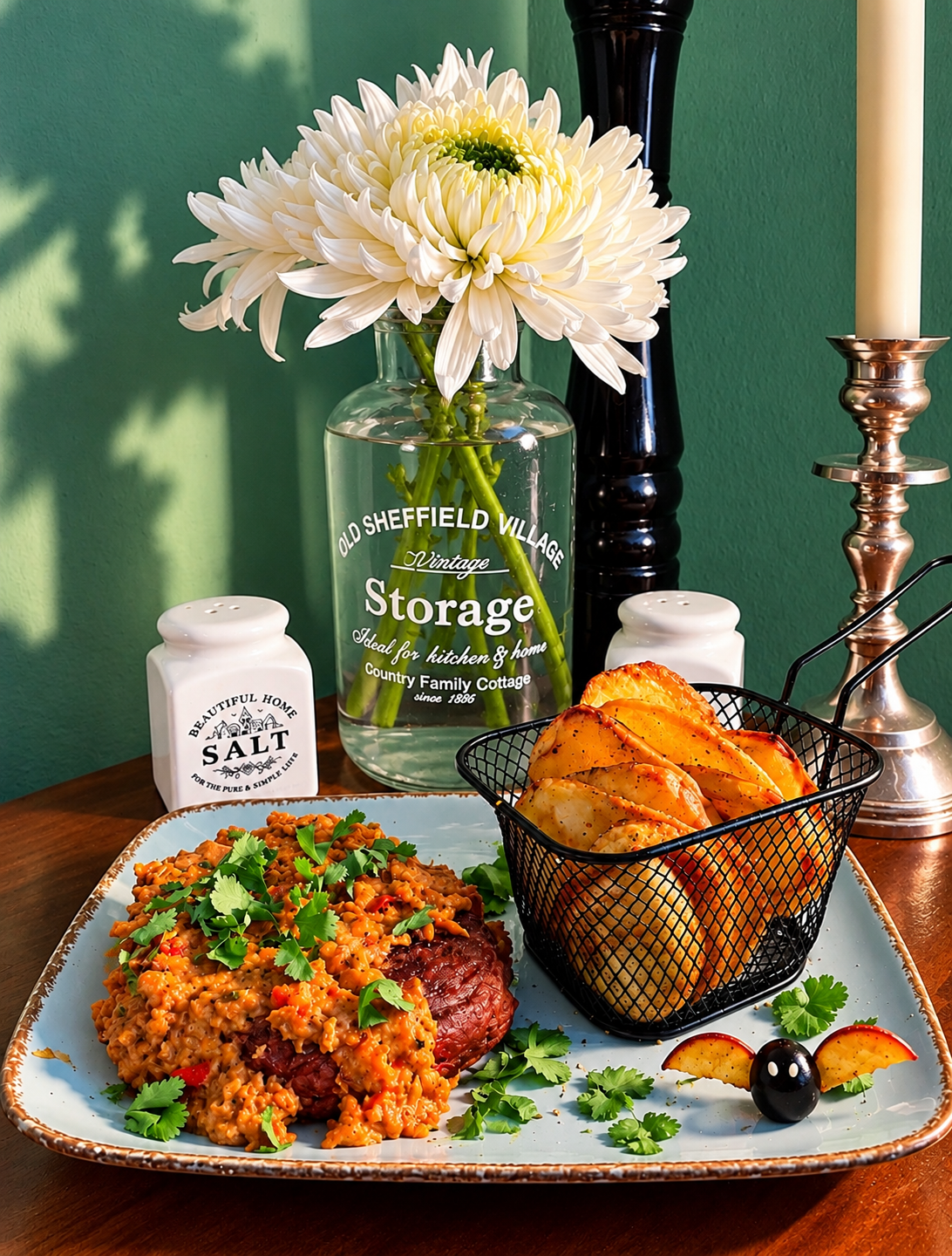
What Is Bistec Encebollado con Papas?Bistec Encebollado is a popular Latin American dish consisting of thinly sliced steak cooked with onions. In Costa Rica, versions may be seasoned with garlic, cumin, oregano and Salsa Lizano, the country's distinctive sweet and savory table sauce. Papas simply means potatoes, making Bistec Encebollado con Papas a satisfying combination of steak, onions and potatoes. This Via Veggie Vegan interpretation replaces beef with plant-based steak, serves crispy golden potato slices alongside it and uses a generous coating of homemade Salsa Lizano instead of a traditional marinade.
Cook this recipe →
Recipe postcard
Jamaica – The Caribbean Island of Bold Flavours
Jamaica is a Caribbean island renowned for its vibrant culture, reggae music and distinctive culinary traditions. Its cuisine reflects Indigenous, African, European and Asian influences, combining tropical ingredients with aromatic herbs, warming spices and fiery chilies. Allspice, known locally as pimento, and Scotch Bonnet peppers are particularly characteristic of Jamaican cooking, alongside thyme, spring onions, garlic and ginger.
What Is Whole Roasted Jerk Cauliflower?
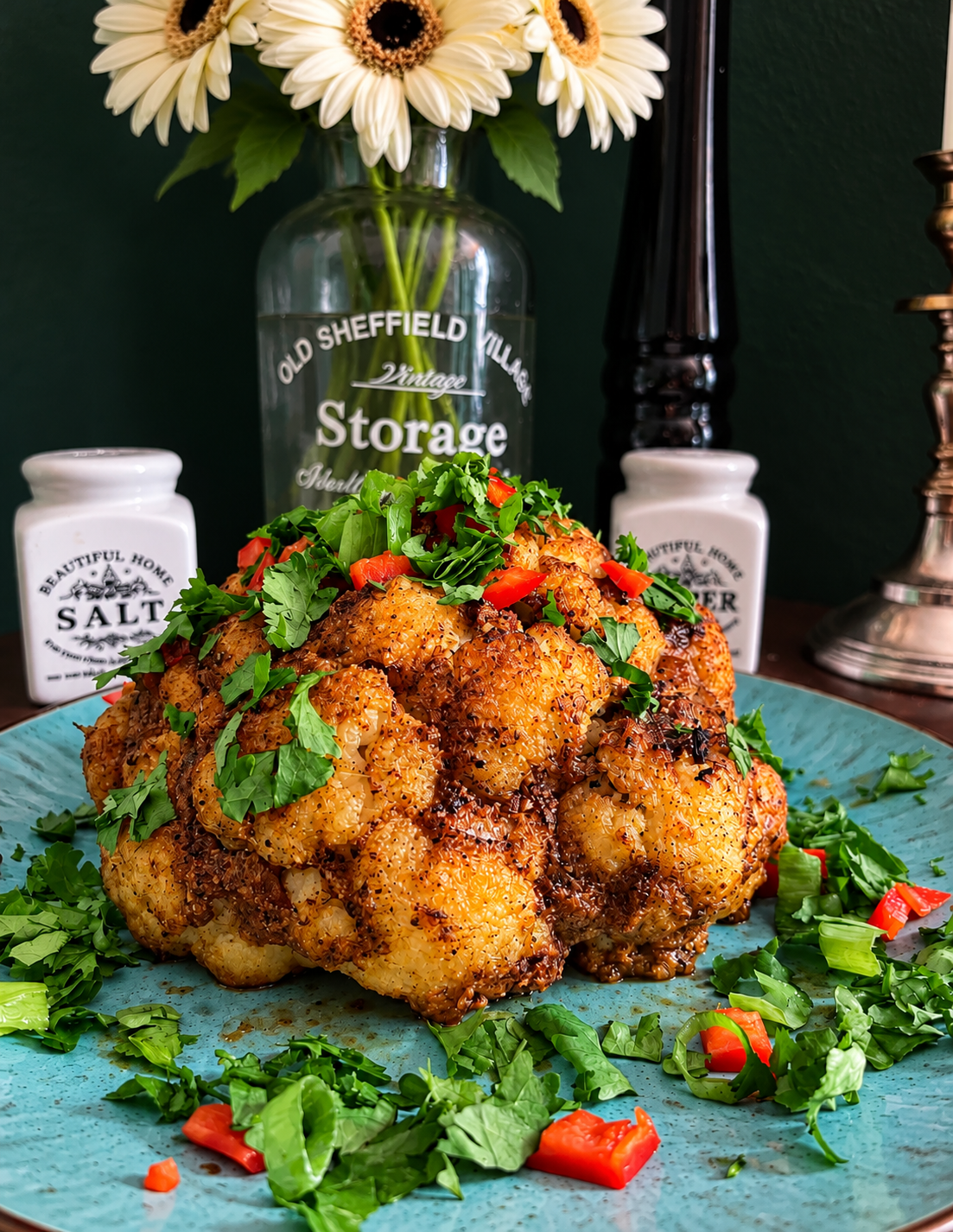
Jerk is one of Jamaica's most recognizable culinary traditions, traditionally associated with intensely seasoned meat cooked over fire or smoke. Whole Roasted Jerk Cauliflower is a modern plant-based interpretation inspired by those characteristic flavors. An entire cauliflower is coated in a homemade marinade of Scotch Bonnet chili, allspice, thyme, garlic, ginger, soy sauce and lime. Turmeric, fenugreek and a few drops of liquid smoke add my personal Via Veggie Vegan twist. Oven-roasted until deeply golden and tender inside, it becomes a wonderfully aromatic vegan centerpiece.
Cook this recipe →
Recipe postcard
Jamaica – The Island of Bold Flavours
Jamaica is a Caribbean island famous for its vibrant culture, reggae music and distinctive culinary traditions. Jamaican cuisine combines Indigenous, African, European and Asian influences, creating dishes rich in herbs, chilies and aromatic spices. Allspice, locally known as pimento, is particularly important, alongside Scotch Bonnet peppers, thyme, garlic and ginger. From traditional jerk preparations to comforting sweet potato pudding, Jamaican cooking celebrates bold flavors and local ingredients.
What Are Jamaican Spiced Sweet Potatoes?
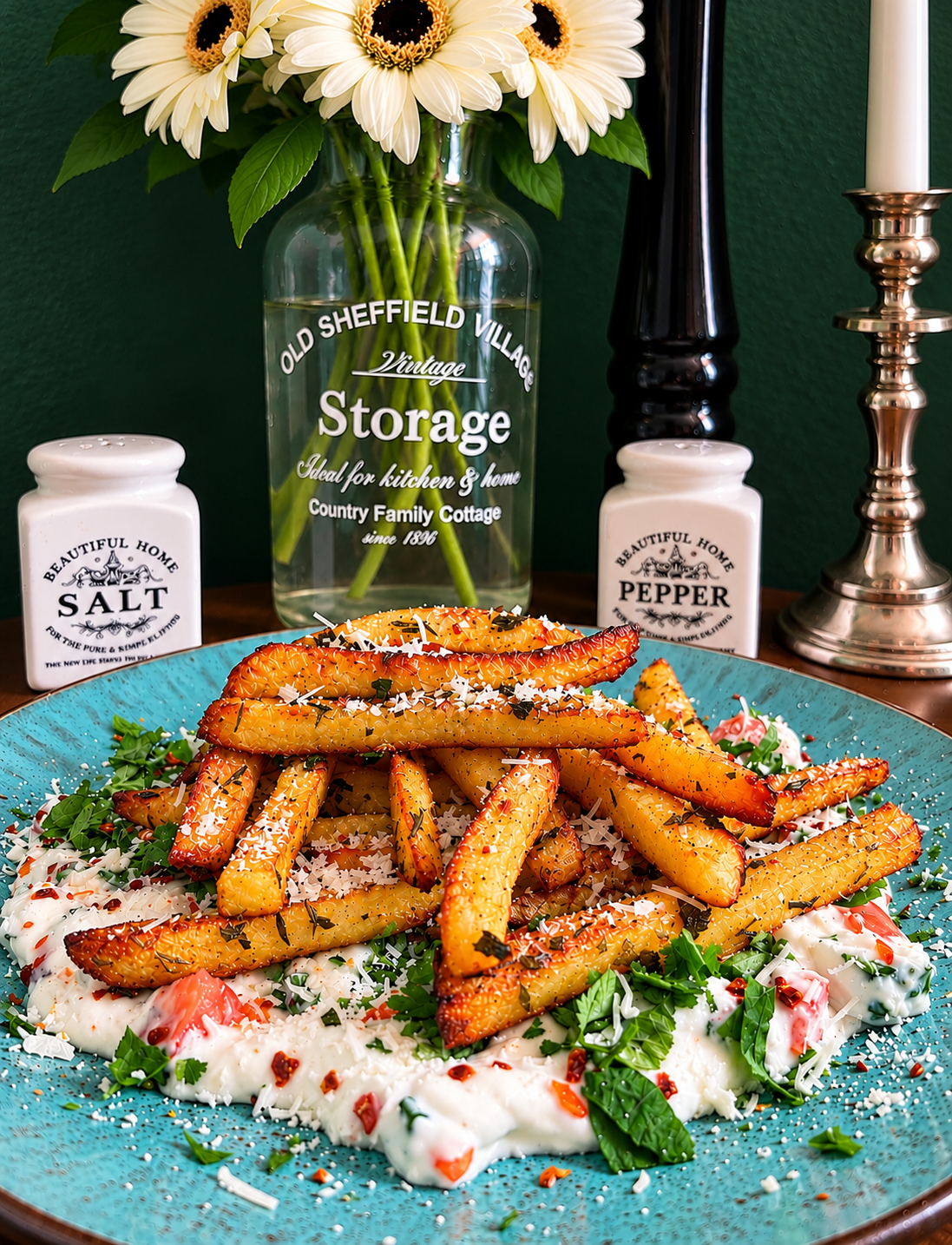
These Jamaican-inspired sweet potatoes are a creative Via Veggie Vegan interpretation rather than a specific traditional Jamaican dish. Thick sweet potato rounds are coated in olive oil, brown sugar, allspice, cinnamon, nutmeg and jerk seasoning before being roasted until tender and beautifully caramelized. A cool vegan yogurt dip with fresh lime, garlic, coriander and cumin balances their sweetness and spicy warmth. The result is a delicious combination of sweet, spicy, creamy and citrusy flavors.
Cook this recipe →
Recipe postcard
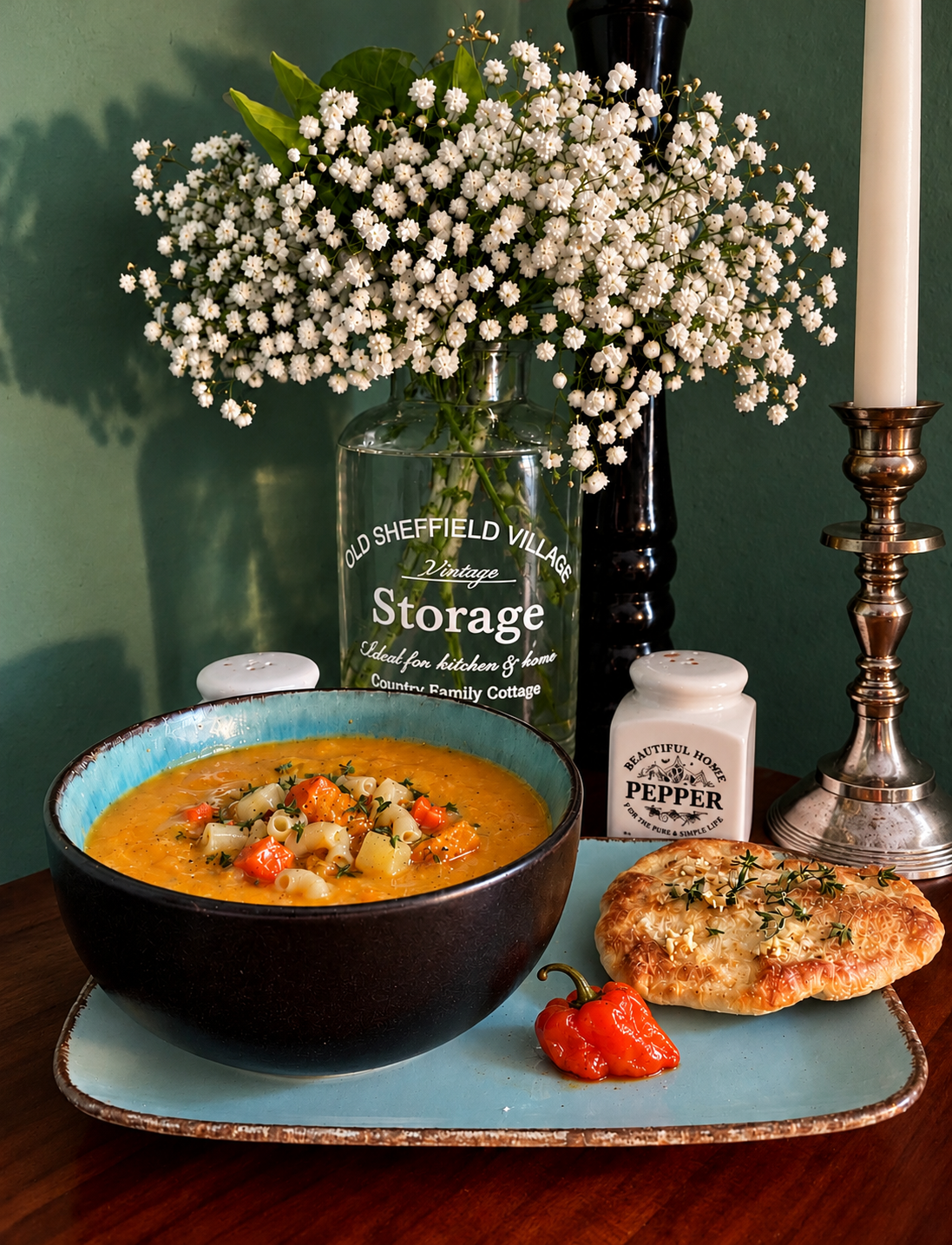
Haiti – The Caribbean Nation That Fought for FreedomHaiti occupies the western part of the Caribbean island of Hispaniola, which it shares with the Dominican Republic. Its culture reflects a rich heritage shaped by African traditions, Indigenous history, French colonial influence and the extraordinary struggle for independence. On 1 January 1804, Haiti declared its independence after a successful revolution against French colonial rule, becoming the first independent Black republic and the first state established through a successful revolt by enslaved people. Haitian cuisine is known for its vibrant seasonings, aromatic herbs, vegetables, rice, beans and deeply flavorful dishes. Food plays an important role in family gatherings, cultural identity and the preservation of traditions.
Soup Joumou – Haiti's Freedom Soup, Traditionally Eaten on 1 JanuarySoup Joumou is a traditional Haitian squash soup with profound historical and cultural significance. According to Haitian tradition, during French colonial rule, the richly prepared soup was associated with the colonial elite and denied to enslaved Haitians. Following independence on 1 January 1804, preparing and enjoying Soup Joumou became a powerful symbol of liberation, dignity and the freedom to enjoy what had previously been forbidden. Today, Haitian families and communities in Haiti and around the world traditionally prepare and share the soup on New Year's Day, which is also Haiti's Independence Day. Soup Joumou is often described as a soup of freedom, unity and peace. In 2021, UNESCO inscribed the knowledge and practices surrounding Joumou soup on its Representative List of the Intangible Cultural Heritage of Humanity. Traditional versions often contain meat, while this Via Veggie Vegan interpretation celebrates the dish with butternut squash, vegetables, pasta, homemade Haitian epis and vegetable broth.
Cook this recipe →
Recipe postcard
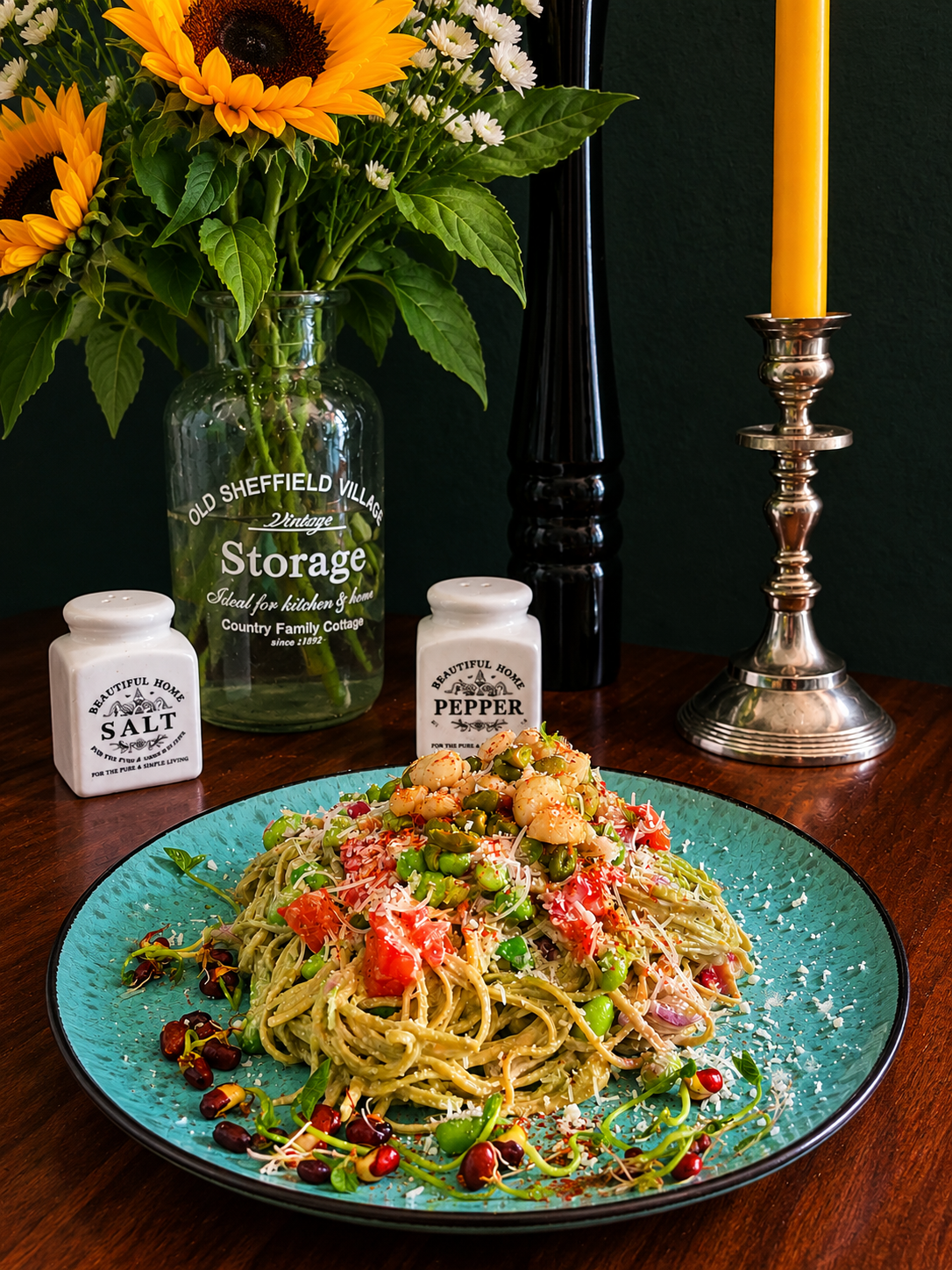
Australia – Native Flavours & Culinary DiversityAustralia's contemporary cuisine combines Aboriginal and Torres Strait Islander food traditions with influences from Europe, Asia and the Pacific. Lemon myrtle, a native Australian plant with an intense citrus fragrance, and macadamia nuts, known for their rich, buttery flavour, are two distinctive ingredients with deep roots in Australia's culinary heritage.
What Are Edamame Spaghetti with Lemon Myrtle & Macadamia?This Via Veggie Vegan creation combines protein-rich edamame spaghetti with fragrant Australian lemon myrtle, crunchy macadamias, pistachios and fresh vegetables in a creamy oat sauce. Finished with lime, vegan Parmesan alternative and homegrown sprouts, this colourful dish celebrates Australian native ingredients through modern plant-based fusion cooking rather than recreating a traditional Australian recipe.
Cook this recipe →
