Recipe postcard
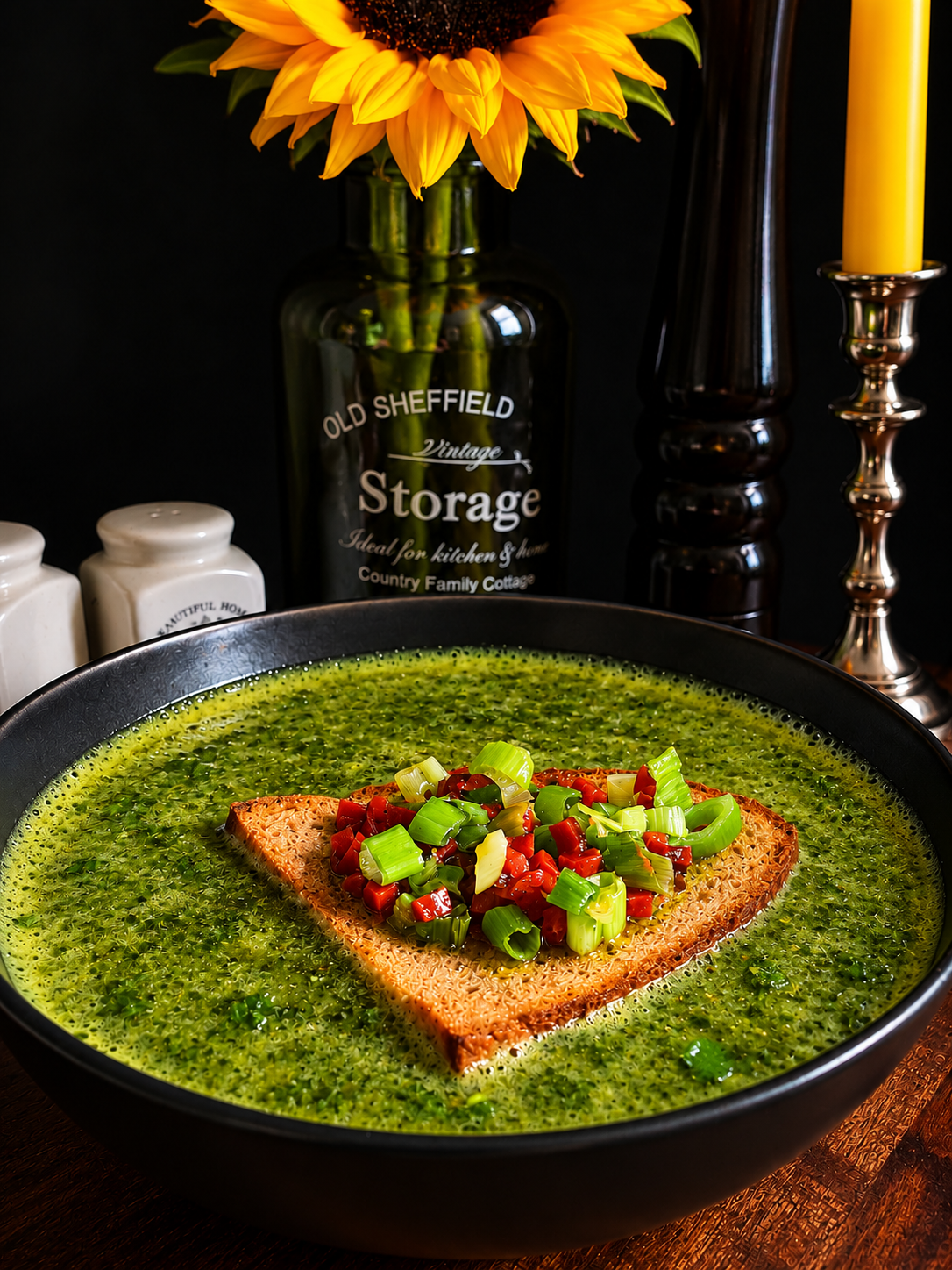
Portugal – The Rustic Culinary Heritage of AlentejoPortugal's Alentejo region stretches across the country's sun-drenched south, where rolling plains, olive groves and traditional villages have shaped a cuisine rooted in simplicity and resourcefulness. Bread, olive oil, garlic and fresh coriander are central to many regional dishes. Rather than relying on elaborate ingredients, Alentejan cooking transforms everyday staples into deeply comforting meals. This tradition reflects generations of rural households where wasting food was rarely an option and yesterday's bread was far too valuable to throw away.
Açorda à Alentejana – A Portuguese Bread Soup with HistoryAçorda à Alentejana is one of Portugal's most distinctive traditional bread soups. Unlike thicker versions of açorda found elsewhere in the country, the Alentejan preparation typically consists of rustic bread served in a fragrant broth seasoned with garlic, coriander, olive oil and salt. A poached egg is a common traditional addition. The dish's name is often linked to Arabic culinary influences, reflecting the historical presence of Moorish culture on the Iberian Peninsula. This Via Veggie Vegan interpretation replaces the egg with smoky vegan bacon and adds fresh spring onion, while preserving the essential combination of bread, coriander, garlic and aromatic broth.
Cook this recipe →
Recipe postcard
Fiji – A South Pacific Island Nation with a Remarkable Culinary HeritageFiji is an island nation in the South Pacific, consisting of more than 300 islands. Its cuisine reflects Indigenous Fijian traditions alongside Indian and other cultural influences. Root vegetables, tropical fruits, leafy greens and coconut feature in many local food traditions, while Indo-Fijian cuisine is especially known for aromatic vegetable curries, roti, dhal and carefully balanced spice mixtures. Beginning in 1879, Indian indentured labourers were brought to Fiji during the British colonial period. Over generations, their culinary traditions evolved alongside local ingredients and food cultures, creating the distinctive Indo-Fijian cuisine enjoyed today.
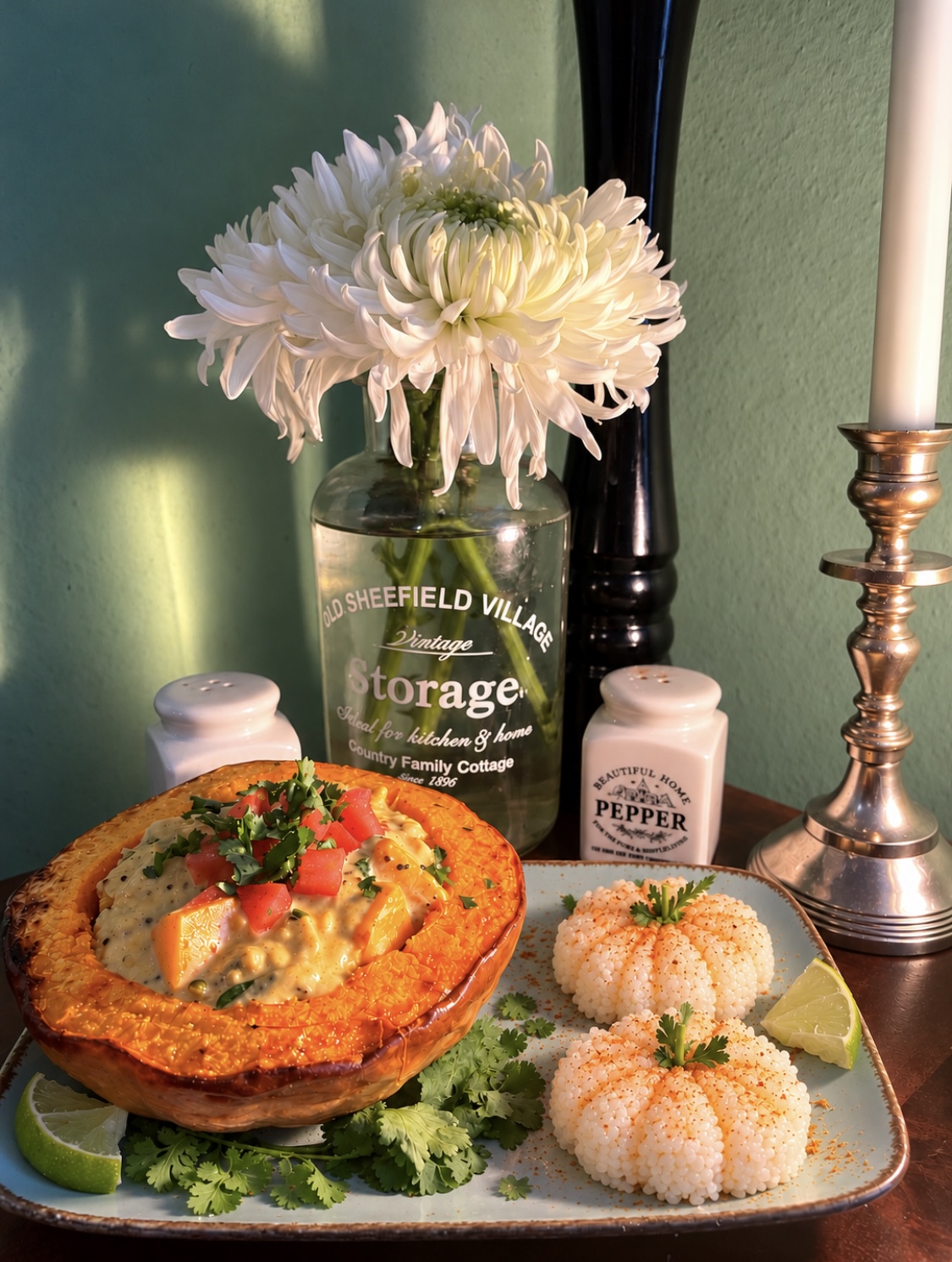
Kaddu Tarkari – Indo-Fijian Pumpkin Curry with a Creative Halloween TwistKaddu means pumpkin or squash in Hindi, while tarkari refers to a vegetable dish or curry. Indo-Fijian pumpkin curry is commonly prepared with pumpkin, onions, garlic, chilli and aromatic spices, often using relatively little liquid. As the pumpkin softens, some of the flesh breaks down and creates a naturally thick texture. My Via Veggie Vegan version takes inspiration from these flavours but introduces a few personal twists: a whole muscat pumpkin roasted with chilli oil, a creamy coconut milk sauce and two decorative pumpkins shaped from leftover basmati rice. The roasted pumpkin becomes both an ingredient and an edible serving vessel. This is a creative Indo-Fijian-inspired interpretation rather than a traditional Fijian presentation.
Cook this recipe →
Recipe postcard
Sri Lanka – The Pearl of the Indian OceanSri Lanka is an island nation in South Asia, situated in the Indian Ocean southeast of India. Often called the Pearl of the Indian Ocean, the country is known for its tropical landscapes, tea plantations, diverse wildlife and rich culinary traditions. Sri Lankan cooking makes extensive use of coconut, rice, vegetables, chillies, curry leaves and aromatic spices. Regional and cultural influences have shaped a cuisine that combines bold flavours with everyday ingredients, creating dishes that are both vibrant and deeply comforting.
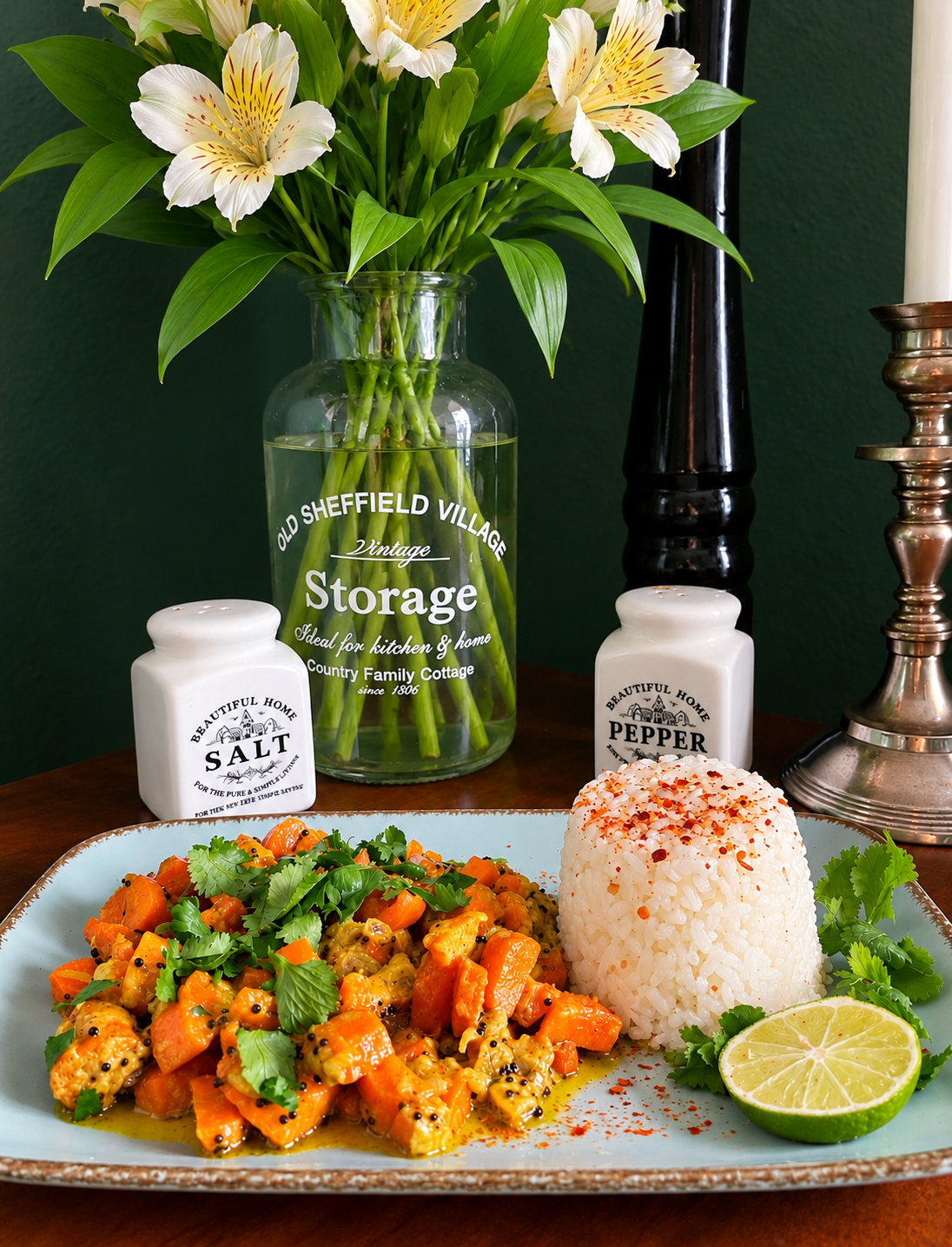
Carrot Mallum – A Colourful Sri Lankan Vegetable ClassicMallum, also spelled mallung, refers to a Sri Lankan preparation of finely chopped or shredded vegetables or leafy greens mixed with grated coconut and seasonings. Unlike a creamy coconut curry, mallum is generally relatively dry and retains more texture. Carrot Mallum brings together naturally sweet carrots, coconut, mustard seeds, curry leaves and fresh chillies. My Via Veggie Vegan version uses mustard oil for an additional aromatic note and finishes with fresh lime juice. Served alongside rice, it makes a colourful and satisfying plant-based meal.
Cook this recipe →
Recipe postcard
Nepal – Culinary Traditions from the Himalayas
Nepal is a landlocked country in South Asia, home to the Himalayan mountains, including Mount Everest, and a remarkably diverse culinary heritage. Influenced by its geography, ethnic communities and neighbouring Tibetan and Indian food traditions, Nepalese cuisine features aromatic spices, rice, lentils, vegetables, pickles and freshly prepared breads. Food is an important part of family life, celebrations and hospitality.
Momos – Nepal's Beloved Steamed Dumplings
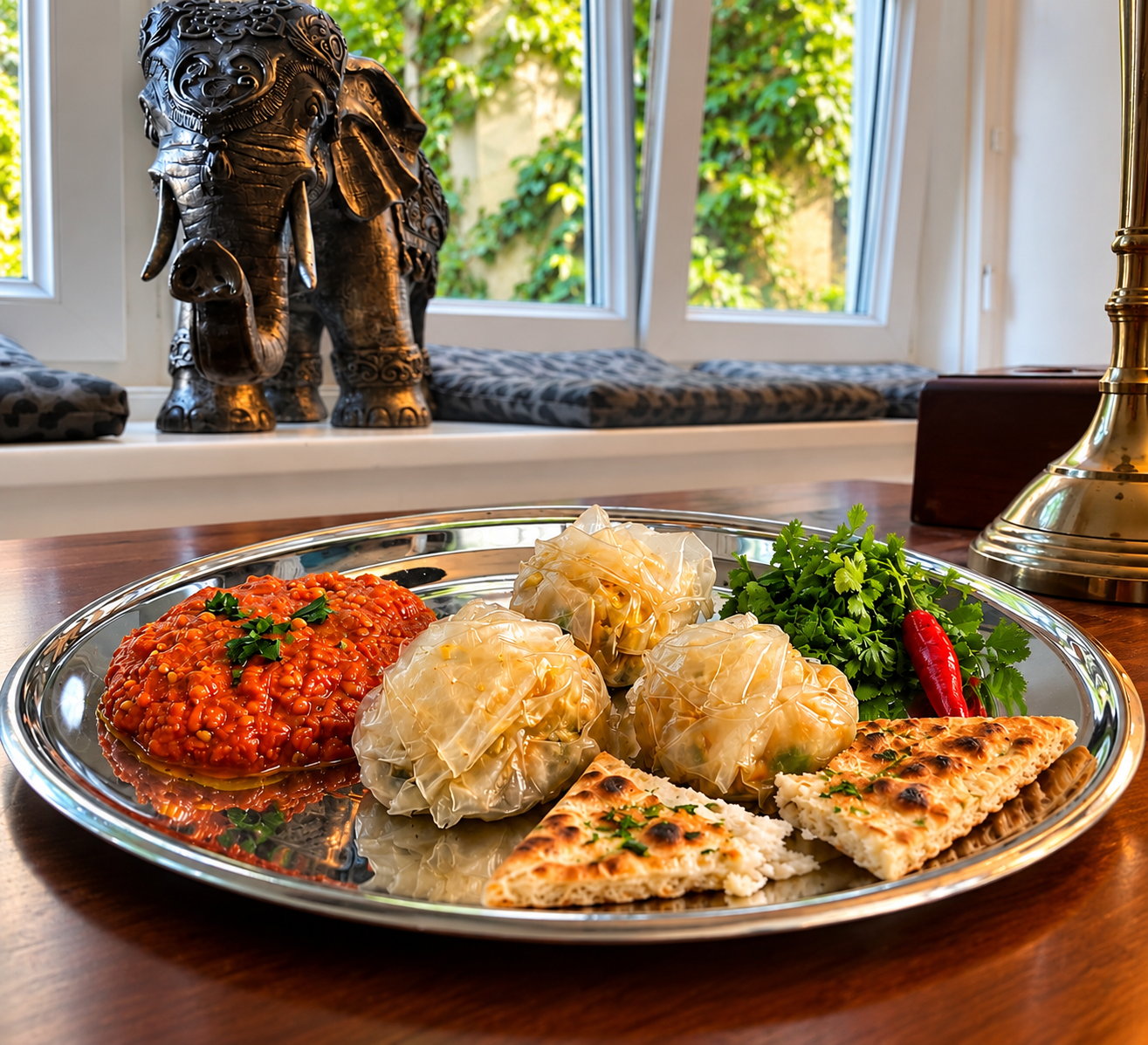
Momos are among Nepal's most popular dishes, with culinary roots closely connected to Tibetan dumpling traditions. These delicate parcels are typically filled with seasoned vegetables or meat, carefully folded by hand and steamed until tender. They are commonly served with a spicy dipping sauce known as achar, often prepared with tomatoes, sesame seeds and chillies. My Via Veggie Vegan version features a homemade vegetable filling, freshly ground Momo Masala and a fiery tomato sesame achar.
Cook this recipe →
Recipe postcard
Cyprus – A Mediterranean Island with a Rich Culinary Heritage
Cyprus is an island in the eastern Mediterranean, famous for its beautiful coastline, mountainous landscapes and a cuisine shaped by centuries of Greek, Turkish and wider Mediterranean influences. Olive oil, potatoes, pulses, fresh herbs, citrus fruits and sesame-based sauces play important roles in Cypriot cooking. Sharing several small dishes, known as meze, is an especially cherished part of the island's food culture.
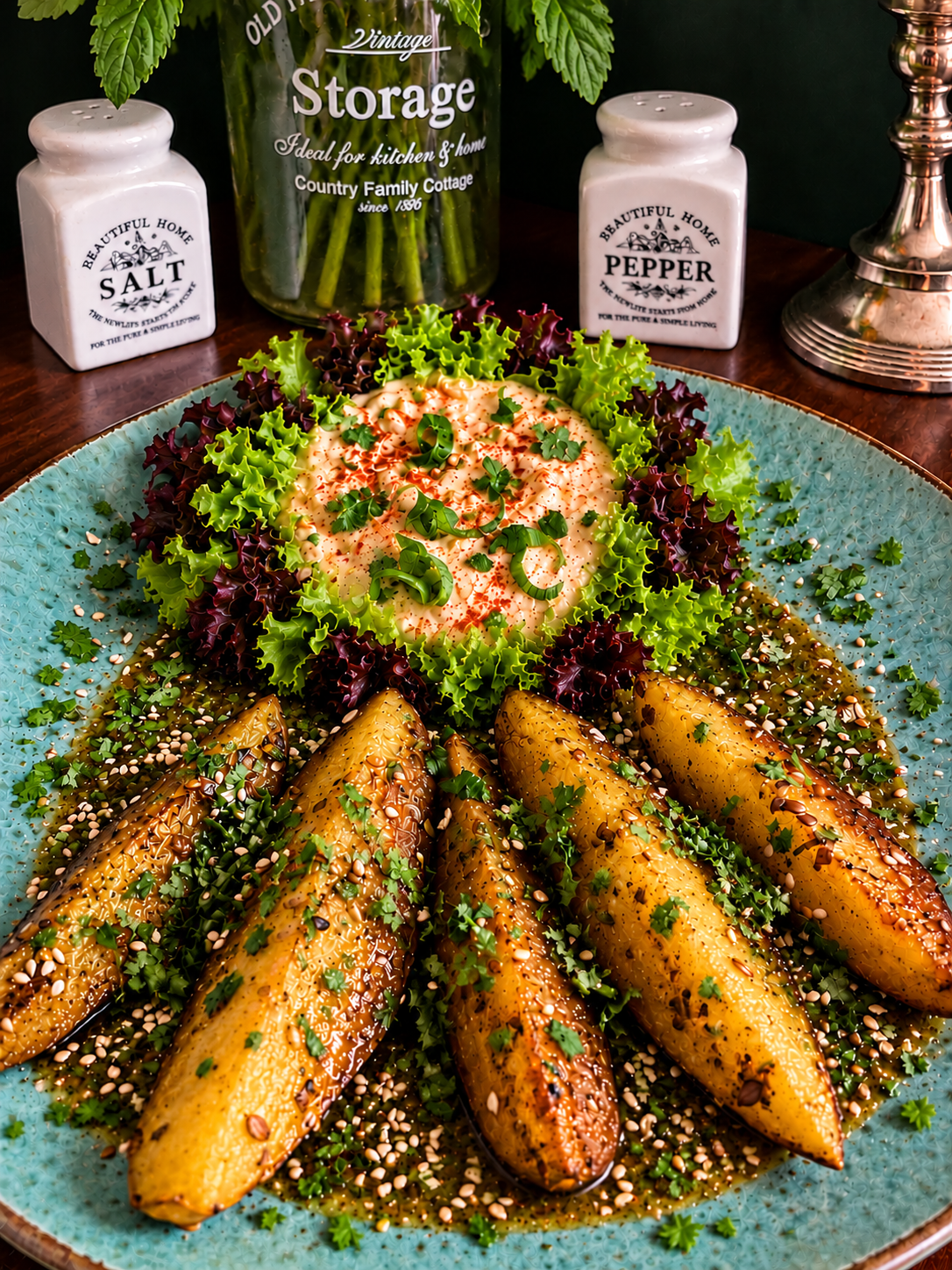
Patátes Antinahtés – Cyprus's Famous Shaken Potatoes
Patátes Antinahtés are a traditional Cypriot potato speciality, typically prepared with crushed coriander seeds and dry red wine. The name refers to the shaking or tossing technique used to coat the potatoes in their aromatic cooking juices. My Via Veggie Vegan interpretation replaces the wine with pomegranate juice and balsamic vinegar, roasts the potatoes in the oven and pairs them with a creamy soy yoghurt and tahini dip. The result is a colourful, completely plant-based variation inspired by this beloved Cypriot classic.
Cook this recipe →
Recipe postcard
Colombia – A Country of Mountains, Coffee and Culinary DiversityColombia lies in northwestern South America and is known for its extraordinary geographical diversity, from the Andes Mountains and Caribbean coastline to the Amazon rainforest. Its cuisine reflects Indigenous, African and European influences, with regional specialties ranging from hearty soups and corn-based dishes to tropical fruits and colorful breakfast traditions. Breakfast is an important part of Colombian food culture, and savory dishes are particularly popular.
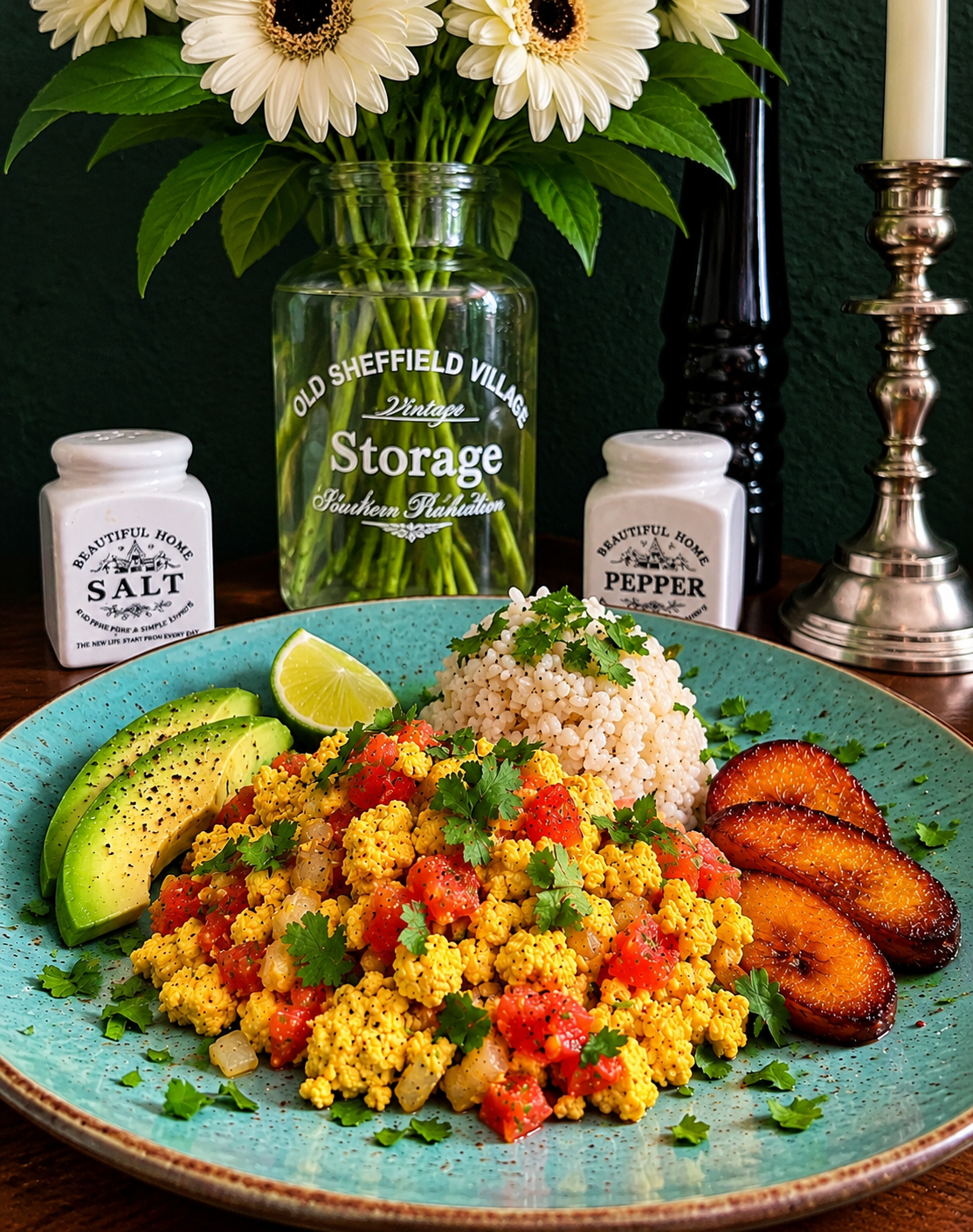
Huevos Pericos – Colombia's Colorful Scrambled EggsHuevos Pericos are a beloved Colombian breakfast dish traditionally made with scrambled eggs, tomatoes and spring onions. The name "pericos" is often associated with the colorful appearance of the dish. Huevos Pericos are commonly served with arepas, bread, avocado or other breakfast accompaniments. My Via Veggie Vegan version replaces the eggs with a combination of firm and silken tofu, soy milk, nutritional yeast, turmeric and Kala Namak. Instead of preparing the scramble in a frying pan, I bake it in the oven for a soft, creamy texture.
Cook this recipe →
Recipe postcard
Brazil – A Country of Culinary DiversityBrazil is the largest country in South America, renowned for its extraordinary biodiversity, tropical landscapes, vibrant cities and rich cultural heritage. Its cuisine reflects centuries of Indigenous Brazilian, African, Portuguese and other cultural influences, creating a fascinating variety of regional food traditions. From the Amazon rainforest to the Atlantic coastline, local ingredients and cooking techniques differ considerably. Coconut milk, cassava, beans, peppers, fresh herbs and tropical fruits all play important roles in Brazilian cooking. The northeastern state of Bahia is particularly famous for its aromatic, colourful dishes and strong Afro-Brazilian culinary heritage, making it a wonderful source of inspiration for my Via Veggie Vegan journey.
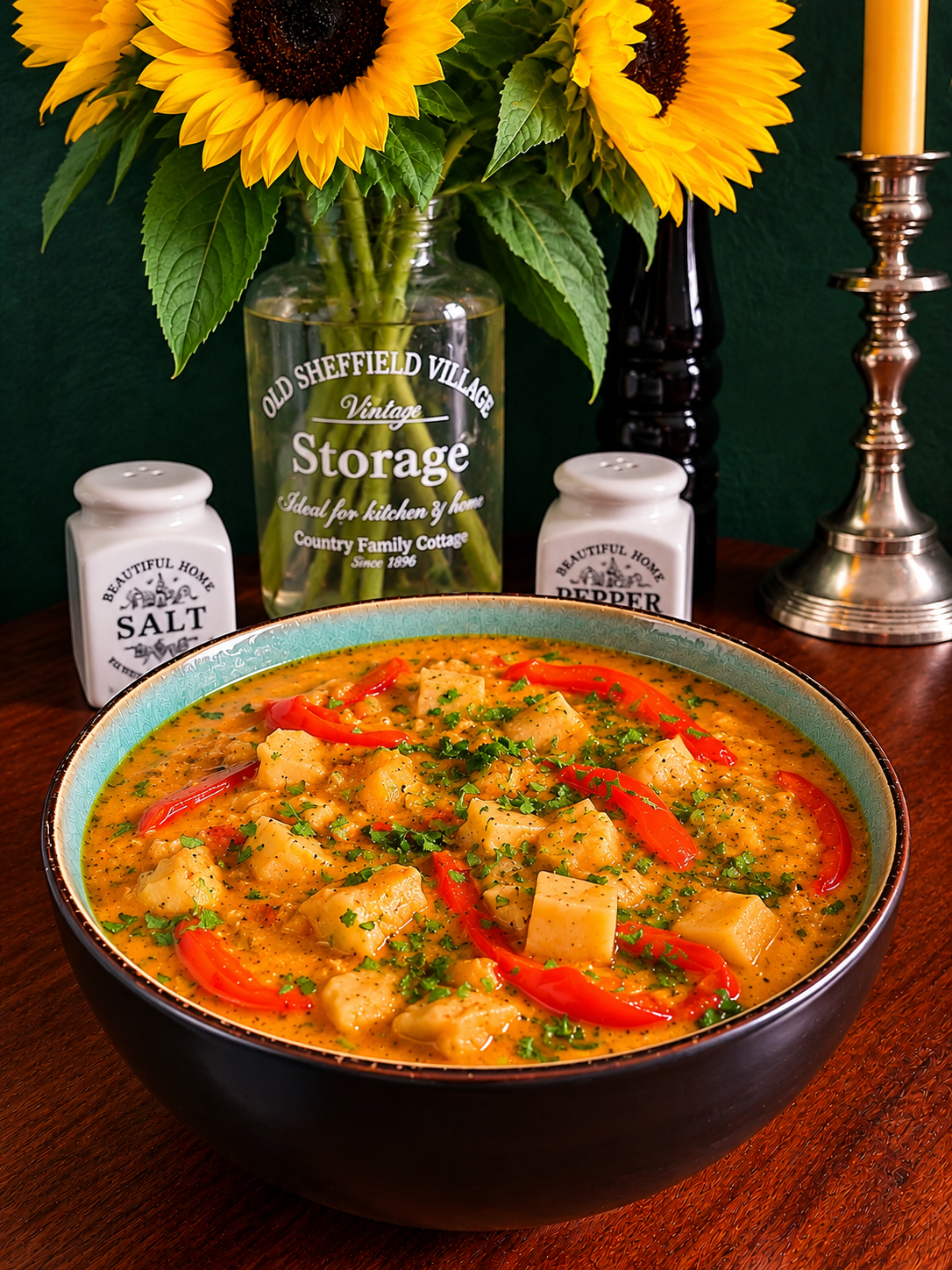
What Is Moqueca de Salsão-Raiz?Moqueca is a traditional Brazilian stew particularly associated with the coastal states of Bahia and Espírito Santo. Moqueca baiana typically combines fish or seafood with coconut milk, red palm oil, tomatoes, peppers, onions and coriander, while moqueca capixaba follows a different regional tradition without coconut milk or palm oil. My Moqueca de Salsão-Raiz is a contemporary, Brazilian-inspired vegan interpretation that gives celeriac the leading role. Tender pieces of this wonderfully earthy root vegetable are cooked with tomatoes, red bell pepper, garlic and chili in a rich coconut sauce. Fresh turmeric and a little orange zest create a beautiful golden-orange colour without using traditional red palm oil, while lime juice and plenty of fresh coriander provide a vibrant, aromatic finish. A colourful, comforting plant-based tribute to the flavours of Bahia – with a very personal Via Veggie Vegan twist!
Cook this recipe →
Recipe postcard
Mexico – A Country of Ancient Traditions, Vibrant Markets and Extraordinary Biodiversity
Mexico stretches from the deserts of the north to the tropical forests of the south, with Pacific and Caribbean coastlines, dramatic mountains and fertile valleys. Its cuisine has deep Indigenous roots, especially in the culinary traditions of maize, beans, squash and chili, while also reflecting centuries of cultural exchange. Mexican cooking is celebrated for its remarkable regional diversity, colorful ingredients and the creative combination of simple vegetables with aromatic seasonings. From traditional markets overflowing with fresh produce to family kitchens preparing comforting soups and stews, food remains an essential expression of Mexican culture.
What Is Crema de Calabacitas?
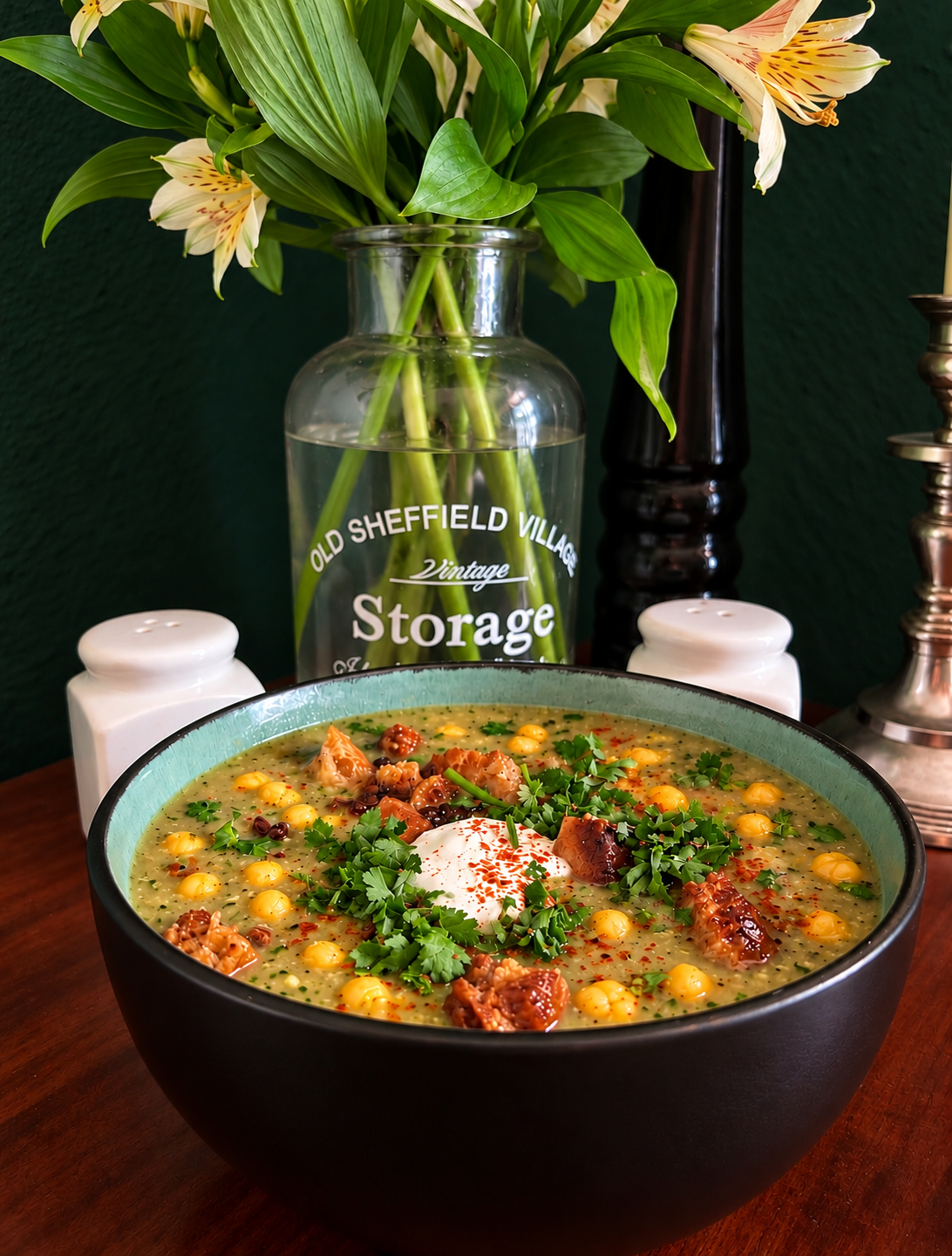
Crema de Calabacitas is a Mexican-style creamy zucchini soup. The Spanish word calabacitas refers to small squash or zucchini, while crema describes the dish's smooth, creamy character. Recipes vary between households and may include onion, garlic, broth, milk, cream or cheese. This Via Veggie Vegan interpretation replaces dairy ingredients with plant-based alternatives and uses vegetable broth instead of chicken broth. Sweet corn, fresh coriander, vegan crema and crispy toppings give the delicate zucchini soup additional flavor, color and texture.
Cook this recipe →
Recipe postcard
Morocco – A Country of Mountains, Deserts and Aromatic Spices
Morocco lies in northwestern Africa, where the Atlantic Ocean, Mediterranean coastline, Atlas Mountains and Sahara create an extraordinary diversity of landscapes. Moroccan cuisine reflects Amazigh, Arab, Andalusian, Mediterranean and African influences developed through centuries of cultural exchange. Fragrant spices such as cumin, ginger, coriander, cinnamon and paprika are important elements of its culinary traditions. From bustling souks filled with aromatic spices to family kitchens preparing slow-cooked tagines, soups and vegetable dishes, Moroccan cooking celebrates the balance between warmth, freshness and deeply developed flavors.
What Is Shorba al-Ghazar?
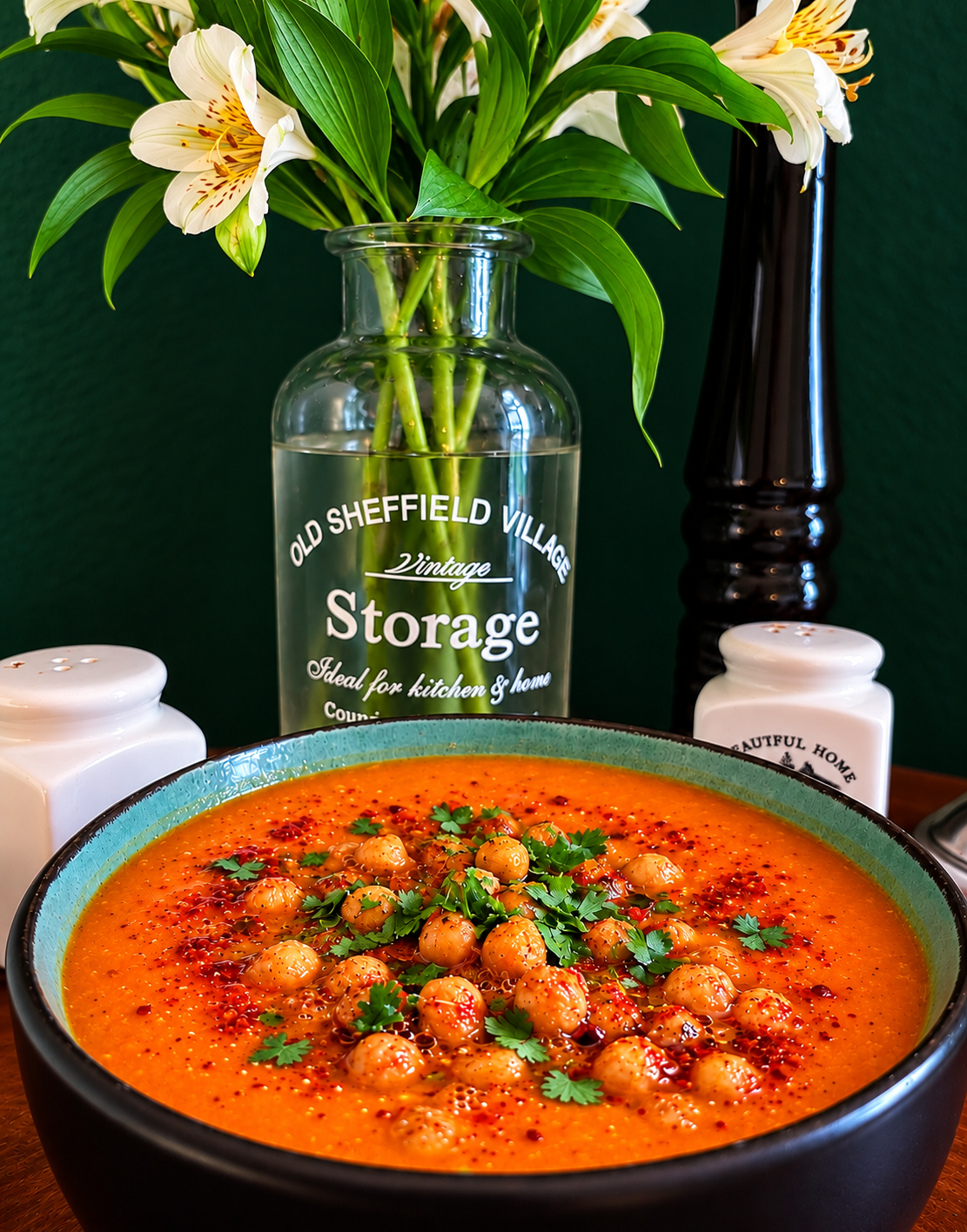
Shorba al-Ghazar (شوربة الجزر) simply means carrot soup in Arabic. Carrot soups appear in different forms throughout North Africa and the wider Arabic-speaking world, but there is no single universally established Moroccan recipe under this name. This Via Veggie Vegan interpretation draws inspiration from Moroccan spice combinations, bringing together naturally sweet carrots, cumin, coriander, ginger, cinnamon and paprika. The vegetables are blended into a smooth, dairy-free soup and finished with lightly spiced chickpeas, fresh coriander and chili flakes for extra texture, flavor and color.
Cook this recipe →
Recipe postcard
Malaysia – A Country of Tropical Rainforests, Islands and Culinary Diversity
Malaysia is a Southeast Asian country divided between Peninsular Malaysia and Malaysian Borneo. Its culinary traditions reflect centuries of cultural exchange between Malay, Chinese, Indian and Indigenous communities, alongside influences from regional trade routes. Coconut milk, lemongrass, turmeric, ginger, galangal and chili are important ingredients in many Malaysian dishes. From bustling street-food markets to traditional family kitchens, Malaysian cuisine is celebrated for its aromatic spice combinations, rich sauces and remarkable regional diversity.
What Is Sayur Lodeh?
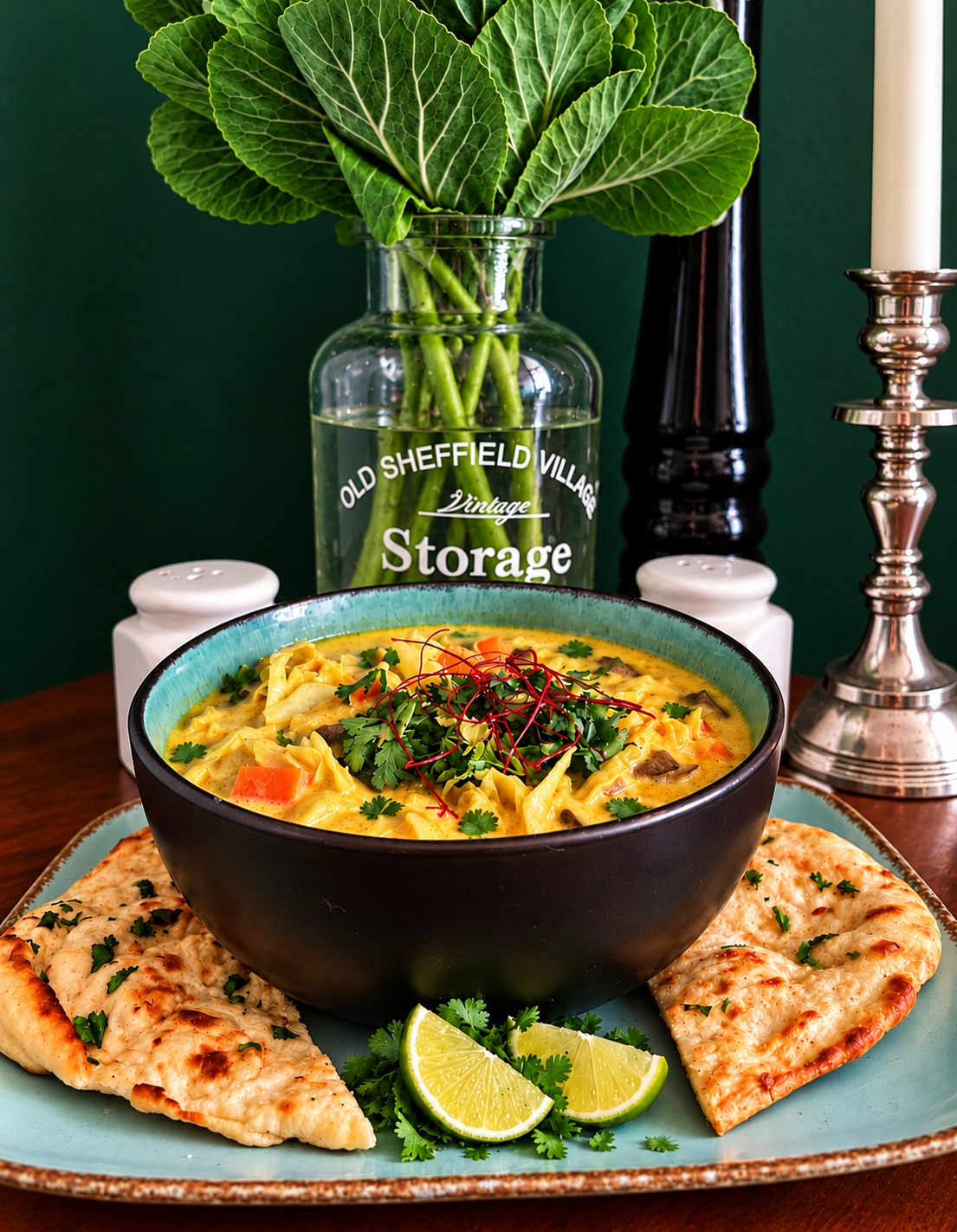
Sayur Lodeh is a vegetable dish cooked in a fragrant coconut milk broth, particularly associated with Indonesian and Malaysian cuisine. In Malaysia, it is also commonly known as Sayur Lemak Lodeh, referring to its rich, creamy character. Depending on the region and household, it may contain cabbage, long beans, carrots, tofu, tempeh and other vegetables. Some traditional preparations include shrimp-based seasonings for additional umami. This Via Veggie Vegan version uses white miso instead, creating a completely plant-based interpretation with a homemade rempah spice paste, golden coconut broth and a colorful mixture of vegetables.
Cook this recipe →
