
Switzerland – Alpine Comfort Food and Regional Culinary Traditions
Switzerland is famous for its Alpine landscapes, regional food traditions and long history of cheese-making. Swiss cuisine reflects influences from neighbouring Germany, France, Italy and Austria, while also maintaining its own distinctive regional specialities. In German-speaking Switzerland, hearty dishes made with potatoes, flour, dairy products and cheese have long been associated with everyday home cooking and mountain life. The country's different regions have developed their own culinary identities, making Switzerland a fascinating destination for anyone exploring traditional European comfort food.
Chäschnöpfli – Switzerland's Beloved Cheese Spätzle
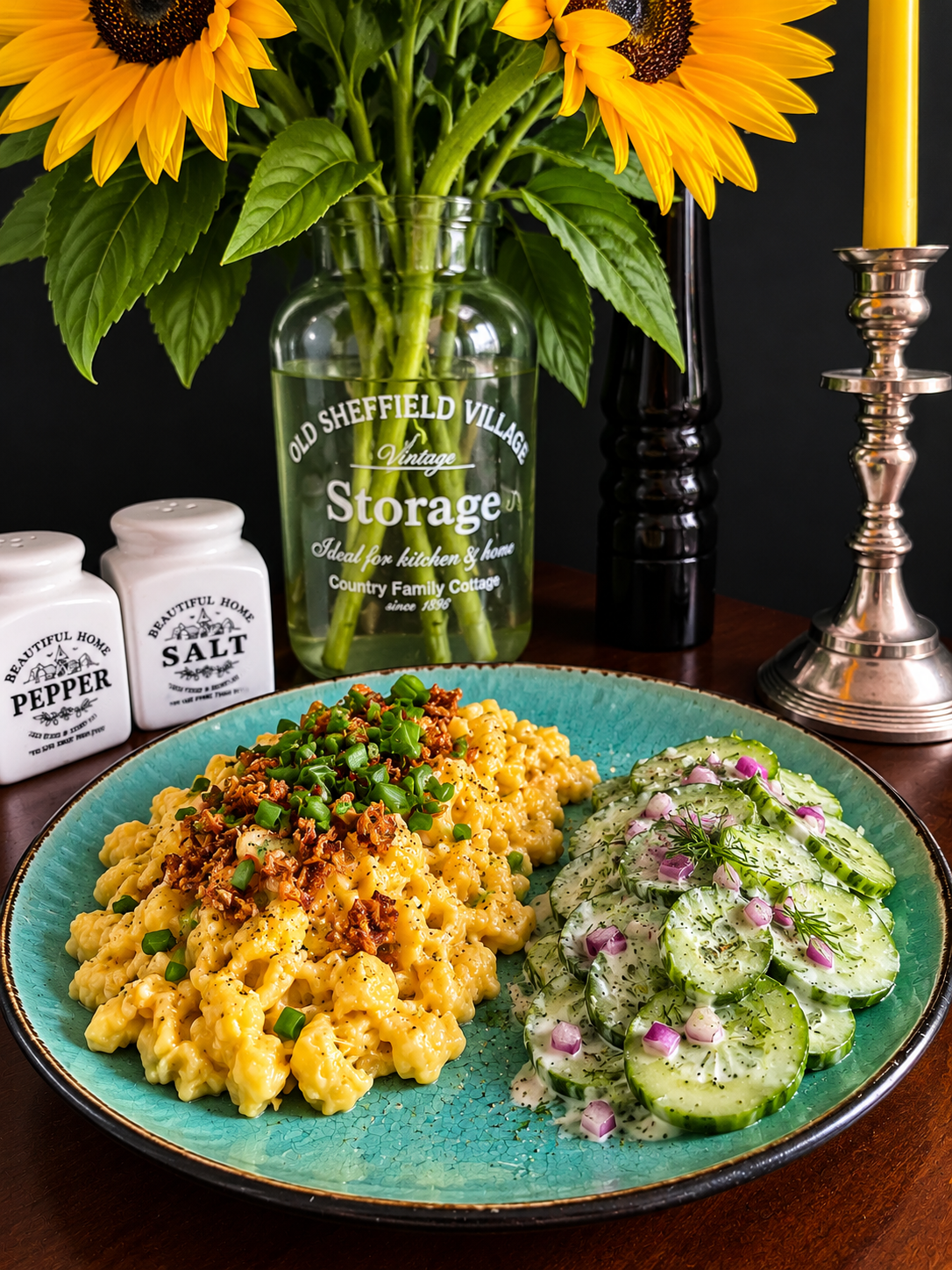
Spätzle and Knöpfli belong to the shared culinary heritage of the German-speaking Alpine region, with particularly well-known traditions in southern Germany, Austria and Switzerland. In Switzerland, the small dumpling-like pasta is often called Knöpfli, while versions combined with melted cheese are known as Chäschnöpfli or Käsespätzli. Traditional preparations generally use eggs in the dough and regional cheeses for their rich flavour. My Via Veggie Vegan version replaces the eggs with sparkling mineral water, Kala Namak and turmeric, while plant-based cheddar, almond butter and nutritional yeast create a creamy, savoury finish. A fresh cucumber dill salad provides a colourful contrast to this wonderfully comforting Swiss-inspired dish.
▣ Ingredients (2 servings)
- 200 g plain flour
- 1 cucumber
- 2 shallots
- 1 red onion
- 1/2 bunch fresh chives
- a few sprigs fresh dill
- 1/2 tsp zest of 1 organic lemon
- 1/2 tsp salt, for the Knöpfli batter
- 1/4 tsp Kala Namak
- 1 pinch turmeric
- to taste salt & freshly ground black pepper
- 2 tbsp nutritional yeast
- 2 tbsp almond butter
- 300 g grated vegan cheddar
- 30 g vegan butter alternative
- 125-150 ml cold sparkling mineral water
- 1-2 tbsp 2 tbsp apple cider vinegar
♨ Preparation
- Prepare the Vegetables and Fresh Herbs
Peel and finely dice the shallots. Peel both garlic cloves and chop them separately, reserving one for the Chäschnöpfli and one for the salad dressing. Finely dice the red onion, chop the fresh chives and wash the dill. Wash the cucumber thoroughly, peel it and reserve the peel for the dressing. Coarsely grate the cucumber flesh into a bowl. Finely grate the outer yellow zest of the organic lemon, avoiding the bitter white pith. - Prepare the Homemade Vegan Knöpfli Batter
Bring a large pot of generously salted water to a boil. Meanwhile, combine the plain flour, ½ tsp salt, Kala Namak and turmeric in a mixing bowl. Gradually pour in 125–150 ml cold sparkling mineral water while stirring vigorously until a thick, elastic batter forms. The mixture should be smooth enough to pass through a Spätzle maker but thick enough to hold its shape. Continue stirring until the batter develops some elasticity and visible air bubbles. Use immediately without a resting period. - Cook the Knöpfli
Press the batter through a Spätzle maker or coarse colander directly into the gently boiling salted water, working in batches if necessary. Cook for approximately 1–2 minutes, or until the Knöpfli rise to the surface and are cooked through. Remove them with a slotted spoon, drain thoroughly and allow them to cool slightly. Repeat until all the batter has been used. - Prepare the Aromatic Base
Heat the vegan butter alternative in a large frying pan over medium heat. Add the finely diced shallots and one chopped garlic clove. Sauté gently for approximately 3–4 minutes until the shallots become soft and translucent and the garlic is fragrant. Stir regularly to prevent browning or burning. - Combine the Knöpfli with the Creamy Ingredients
Add the cooked Knöpfli to the frying pan, followed by the almond butter and nutritional yeast. Toss thoroughly until everything is evenly combined. Cook over medium-low heat for approximately 5 minutes, stirring frequently. The Knöpfli should become hot and well coated without developing a crispy or browned surface. - Melt the Vegan Cheddar
Reduce the heat to low and gradually add the grated vegan cheddar. Toss continuously until the cheese has softened and coats the Knöpfli as evenly as possible. Depending on the plant-based cheese variety, add a small splash of warm water if necessary to help create a creamy consistency. Season with salt and freshly ground black pepper. Keep warm over very low heat while finishing the salad. - Prepare the Zero-Waste Cucumber Dill Salad
Place the reserved cucumber peel in a blender with the soy yogurt, remaining garlic clove, fresh dill, lemon zest, apple cider vinegar and a pinch of salt. Blend until smooth and creamy. Pour the green dressing over the grated cucumber, add the finely diced red onion and mix thoroughly. Taste and adjust the acidity and seasoning. If the cucumber has released a large amount of water, drain off some excess liquid before adding the dressing to prevent the salad from becoming too watery. - Assemble and Serve
Divide the hot, creamy Chäschnöpfli between two plates and generously garnish with freshly chopped chives. Arrange the refreshing cucumber dill salad alongside the Knöpfli. Finish with freshly ground black pepper if desired. Serve immediately while the cheese is soft and creamy and the cucumber salad is cool and refreshing.
Food Story
A Little Alpine Comfort on My Culinary Journey
My journey through 195 countries has taken me to all kinds of extraordinary places, but sometimes all I want is a proper plate of comforting food. And Switzerland certainly knows how to deliver! Homemade Knöpfli, plenty of cheese and a generous helping of fresh chives – what’s not to love? Of course, traditional Chäschnöpfli are usually made with eggs and dairy cheese, which means a little Via Veggie Vegan magic was required. Luckily, sparkling mineral water, Kala Namak, turmeric and a generous amount of vegan cheddar were more than ready for the challenge.
Three Hundred Grams of Cheese? Absolutely!
Some recipes call for a delicate sprinkle of cheese. This is not one of those recipes. Three hundred grams of vegan cheddar for two people might sound rather enthusiastic, but when it comes to Alpine comfort food, I don’t believe in doing things halfway. Add almond butter, nutritional yeast, softly sautéed shallots and garlic, and suddenly those little homemade Knöpfli are swimming in creamy, savoury happiness. The only thing missing is a mountain view. Although, considering the amount of cheese involved, climbing an actual mountain afterwards might be a little ambitious!
The Cucumber Peel Gets Its Moment of Fame
With all that rich, creamy goodness on the plate, I wanted something fresh and tangy on the side. Enter my cucumber dill salad! But throwing away the cucumber peel? Absolutely not. Instead, I blended it with soy yogurt, garlic, dill, lemon zest and apple cider vinegar to create a beautifully green dressing. A little red onion, plenty of grated cucumber and suddenly the perfect partner for my Swiss Chäschnöpfli was ready. Rich meets refreshing, Alpine comfort meets zero-waste creativity – and another country joins my delicious journey around the world!
♨ Nutrition per serving
Nutritional values are approximate and may vary depending on the ingredients and products used.
Good to Know
What Are Chäschnöpfli?
Chäschnöpfli are a Swiss variation of cheese Spätzle, made with small dumpling-like pieces of dough combined with melted cheese. The name is associated with German-speaking Switzerland, where Knöpfli are a familiar part of traditional home cooking. The dish is particularly popular as hearty comfort food and is often served with onions, herbs or other simple accompaniments.
Spätzle vs. Knöpfli – What's the Difference?
Spätzle and Knöpfli are closely related types of soft egg pasta or dumplings from the German-speaking Alpine region. Spätzle are often somewhat elongated, while Knöpfli tend to be smaller, rounder and more button-shaped. The exact shape depends on the batter and the equipment used. A Spätzle maker or coarse colander produces small pieces of dough that cook quickly in boiling water.
Where Did Cheese Spätzle Originate?
Cheese Spätzle belong to a shared regional food tradition rather than one single national cuisine. Southern Germany, particularly Swabia and the Allgäu, is famous for Käsespätzle, while Switzerland and Austria have their own regional variations. The Swiss version is commonly called Chäschnöpfli or Käsespätzli. This recipe celebrates the Swiss interpretation while acknowledging the dish's broader Alpine roots.
Why Is Cheese So Important in Swiss Cuisine?
Switzerland has a long tradition of dairy farming and cheese-making, particularly in Alpine regions where summer pastures have historically supported cattle grazing. Cheese has become an important part of Swiss culinary identity and features in dishes such as fondue, raclette and Chäschnöpfli. Regional cheeses differ in texture, aroma and flavour, reflecting local production methods and traditions.
Traditional Swiss Cheese vs. Vegan Cheddar
Traditional Chäschnöpfli are often prepared with regional dairy cheeses that provide strong flavour and melting properties. This Via Veggie Vegan version uses grated vegan cheddar instead. Plant-based cheddar is a modern alternative and does not reproduce the exact flavour or nutritional profile of traditional Swiss cheese. Its melting behaviour depends on the ingredients, particularly the balance of starches, fats and proteins.
Why Are Traditional Spätzle Made with Eggs?
Eggs contribute moisture, protein, colour and structure to traditional Spätzle dough. During cooking, egg proteins help the dumplings hold together. Egg-free versions can be prepared using flour, water and suitable seasoning, but their texture may differ from traditional recipes. This version uses sparkling mineral water, Kala Namak and turmeric to create a completely plant-based alternative.
Why Use Sparkling Mineral Water?
Sparkling mineral water contains dissolved carbon dioxide, which can introduce bubbles into a batter. In this recipe, it also provides the moisture needed to combine the flour into a thick, elastic mixture. Some bubbles may contribute to a slightly lighter texture, although the main structure still comes from the flour and the mixing process. Cold mineral water is convenient and helps keep the preparation simple.
What Is Kala Namak?
Kala Namak, also known as Indian black salt, is a mineral salt with a distinctive sulphurous aroma often described as egg-like. It is frequently used in vegan cooking to imitate the flavour of eggs. Despite its name, finely ground Kala Namak is often pinkish or greyish rather than black. In this recipe, a small amount adds a subtle egg-like note to the homemade Knöpfli.
Why Add Turmeric to the Dough?
Turmeric contains natural yellow pigments called curcuminoids, including curcumin. A small pinch gives the egg-free Knöpfli a warm yellow colour reminiscent of traditional egg-based dough. The quantity is intentionally small so that turmeric does not dominate the flavour. Its main purpose here is visual rather than nutritional.
Why Should the Knöpfli Batter Be Thick and Elastic?
A properly mixed Knöpfli batter needs enough structure to hold together when pressed through a Spätzle maker into boiling water. Flour proteins and starch contribute to this structure. If the batter is too thin, the dumplings may lose their shape. If it is too thick, it becomes difficult to press through the equipment. The ideal consistency is thick, smooth and slightly stretchy.
Why Cook Knöpfli in Boiling Water?
When small portions of batter enter hot water, the starch gelatinises and the proteins in the flour help the dumplings firm up. The Knöpfli generally rise towards the surface as they cook, although floating alone does not guarantee that larger pieces are fully cooked. Check their texture and allow sufficient cooking time before draining.
Can You Make Knöpfli Without a Spätzle Maker?
Yes. Traditionally, Spätzle can also be made by spreading a little batter onto a damp wooden board and scraping thin pieces directly into gently boiling water with a knife or dough scraper. A coarse colander with suitably sized holes can also work. These methods require some practice, but no specialised equipment is essential.
Why Add Nutritional Yeast?
Nutritional yeast is deactivated yeast commonly used in plant-based cooking for its savoury, nutty and cheese-like flavour. It can provide protein and various B vitamins, although the exact nutritional composition depends on the product. Some varieties are fortified with vitamin B12, but not all. Always check the packaging rather than assuming nutritional yeast is a reliable B12 source.
What Does Almond Butter Add?
Almond butter contributes richness, a mild nutty flavour and a creamy texture. It also contains unsaturated fats, plant-based protein and minerals such as magnesium. In this recipe, almond butter works alongside the vegan cheddar and nutritional yeast to create a fuller, more rounded sauce. Unsweetened almond butter is the best choice for savoury cooking.
Why Add Shallots and Garlic?
Shallots have a mild, slightly sweet onion flavour that becomes softer and more rounded when gently sautéed. Garlic contributes aromatic sulphur compounds that give the dish savoury depth. Cooking both ingredients slowly in a vegan butter alternative creates a flavourful base without allowing them to become bitter or burnt.
Fresh Chives – A Classic Finishing Touch
Chives belong to the allium family, alongside onions, garlic and leeks. They have a delicate onion-like flavour and are often used as a garnish for potato dishes, dumplings and creamy preparations. Adding them immediately before serving preserves their fresh colour and aroma. Their mild sharpness also provides a pleasant contrast to the rich cheese sauce.
Why Serve a Fresh Salad with Cheese Spätzle?
Cheese Spätzle are rich and filling, so a fresh vegetable salad provides a welcome contrast. Cucumber, dill, lemon zest and apple cider vinegar contribute coolness, freshness and acidity. The combination creates a more varied meal with contrasting temperatures, textures and flavours. This cucumber dill salad is my personal accompaniment rather than an essential traditional component of Swiss Chäschnöpfli.
Cucumber – More Than Just Water
Cucumber contains a high proportion of water and provides a refreshing, crisp texture. It also contains small amounts of vitamins and minerals, including vitamin K. The skin contributes some fibre and plant compounds, making it worthwhile to use when clean and suitable for eating. In this recipe, even the peel becomes part of the dressing.
Why Does Grated Cucumber Release Water?
Grating breaks down some of the cucumber's cell structure, allowing water to escape more easily. Salt can draw out additional moisture through osmosis. If too much liquid accumulates, the salad dressing may become watery. Draining the cucumber lightly before mixing it with the soy yogurt helps maintain a creamier consistency.
Why Use Soy Yogurt?
Unsweetened soy yogurt is a plant-based alternative to dairy yogurt. It contributes creaminess and a gentle tanginess to the dressing. Depending on the product, soy yogurt may provide protein and calcium, particularly when fortified. Choose an unsweetened variety without added vanilla or other sweet flavourings for savoury recipes.
Dill – A Fresh and Aromatic Herb
Dill has a distinctive herbal flavour that pairs particularly well with cucumber, potatoes and creamy dressings. Its delicate leaves are best added fresh because prolonged heating can reduce their aroma. In this salad, dill complements the lemon zest and apple cider vinegar while giving the dressing its characteristic freshness.
Why Add Lemon Zest Instead of Lemon Juice?
Lemon zest contains aromatic oils that provide a bright citrus fragrance without adding as much acidity as lemon juice. This is useful because the salad already contains apple cider vinegar. Finely grate only the outer yellow layer of the peel and avoid the bitter white pith. Wash the lemon thoroughly before zesting.
Apple Cider Vinegar – Balancing Richness with Acidity
Apple cider vinegar contributes a tangy flavour that balances the richness of the Chäschnöpfli. In the cucumber dressing, it combines with soy yogurt and lemon zest to create a fresh, lively taste. Start with one tablespoon and increase gradually if a more pronounced acidity is desired. The goal is balance rather than an overwhelmingly sour dressing.
Why Does the Cucumber Peel Make the Dressing Green?
Cucumber skin contains chlorophyll, the green pigment involved in photosynthesis. Blending the peel with soy yogurt distributes this pigment throughout the dressing, creating a naturally green colour. The peel also adds a little texture and mild cucumber flavour. No artificial colouring is needed.
Zero Waste – Use the Whole Cucumber
Many recipes discard cucumber peel even though it is edible when properly washed and suitable for consumption. Blending the peel into the dressing makes use of an ingredient that might otherwise be thrown away. This simple technique reduces food waste while adding colour and flavour. Suitable leftover herbs can also be used in soups, salads or other dressings.
Plant-Based Cheese and Saturated Fat
Vegan cheese contains no dietary cholesterol, but some varieties are made with coconut oil or other fats that can be high in saturated fatty acids. A plant-based label does not automatically mean that a product is low in saturated fat. Checking the nutritional information can help when comparing products. Choosing foods with more unsaturated fats in place of saturated fats can support healthier LDL cholesterol levels.
LDL and HDL Cholesterol – Understanding the Difference
LDL particles carry cholesterol through the bloodstream, and elevated LDL cholesterol is an established cardiovascular risk factor. HDL particles participate in transporting cholesterol towards the liver, but high HDL levels alone do not guarantee protection from cardiovascular disease. Overall cardiovascular health depends on several factors, including diet, physical activity and individual risk.
Why Is This Recipe So Rich?
This recipe uses a generous amount of plant-based cheddar, almond butter and vegan butter alternative, making it an indulgent comfort-food dish. The energy content depends heavily on the chosen products and their fat content. The cucumber dill salad adds freshness and vegetables, but it does not significantly reduce the richness of the cheese-based main dish.
Protein in Vegan Cheese Alternatives
Plant-based cheeses vary considerably in protein content. Products based mainly on coconut oil and starch may contain very little protein, while alternatives made with nuts, soy or added plant proteins can contain more. The flour, almond butter, nutritional yeast and soy yogurt also contribute protein to this recipe. Exact nutritional values should be calculated using the specific brands and quantities used.
Can You Prepare Chäschnöpfli in Advance?
The Knöpfli can be cooked ahead, cooled promptly and refrigerated in a covered container. When ready to serve, gently reheat them in a pan and add the creamy ingredients and vegan cheddar. The cucumber salad is best prepared shortly before serving because grated cucumber releases water over time. The dressing can be prepared separately in advance and kept refrigerated.
How Should Leftovers Be Stored?
Allow leftovers to cool promptly and refrigerate them in covered containers. The cooked Chäschnöpfli are best eaten within approximately two to three days when handled and stored hygienically. Reheat thoroughly before serving. The cucumber salad is best enjoyed fresh, as it may release additional liquid during storage. Keep the hot dish and cold salad in separate containers.
Is This Recipe Naturally Vegan?
Traditional Swiss Chäschnöpfli generally contain eggs and dairy cheese, so they are not naturally vegan. This Via Veggie Vegan interpretation replaces those animal-derived ingredients with an egg-free dough, vegan cheddar and a vegan butter alternative. Soy yogurt replaces dairy yogurt in the accompanying salad. The result is a deliberately veganised version of a traditional Alpine comfort-food dish.
Switzerland on the Via Veggie Vegan World Map
This recipe represents Switzerland on the Via Veggie Vegan culinary journey through 195 countries. Chäschnöpfli illustrate how neighbouring regions can share similar food traditions while developing their own distinctive names, ingredients and preparations. My version celebrates this Swiss Alpine classic with homemade egg-free Knöpfli, creamy vegan cheese and a refreshing zero-waste cucumber dill salad.
You may also like
♡
You may also like
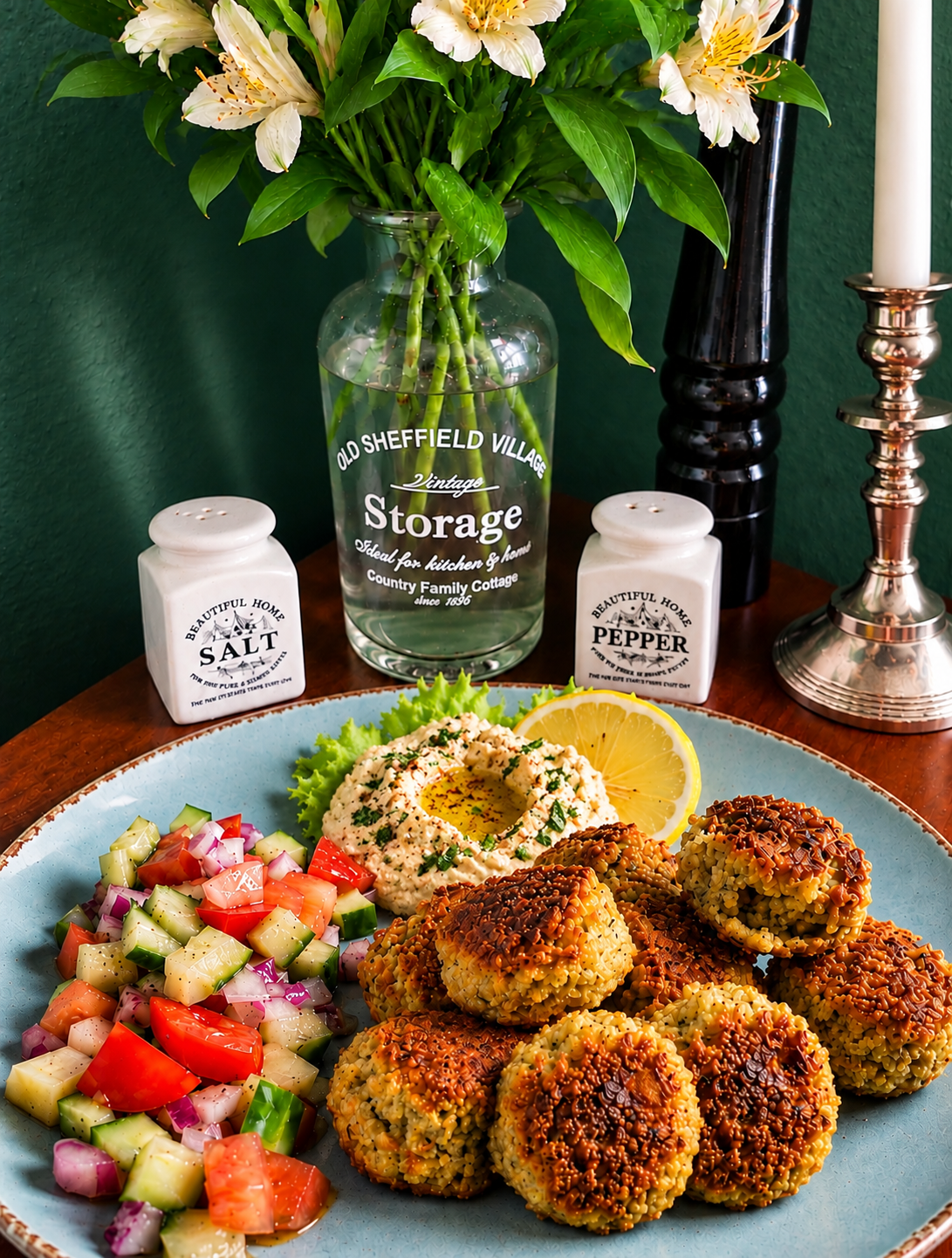
Ultimate Israeli vegan falafel with hummus and salad
You may also like
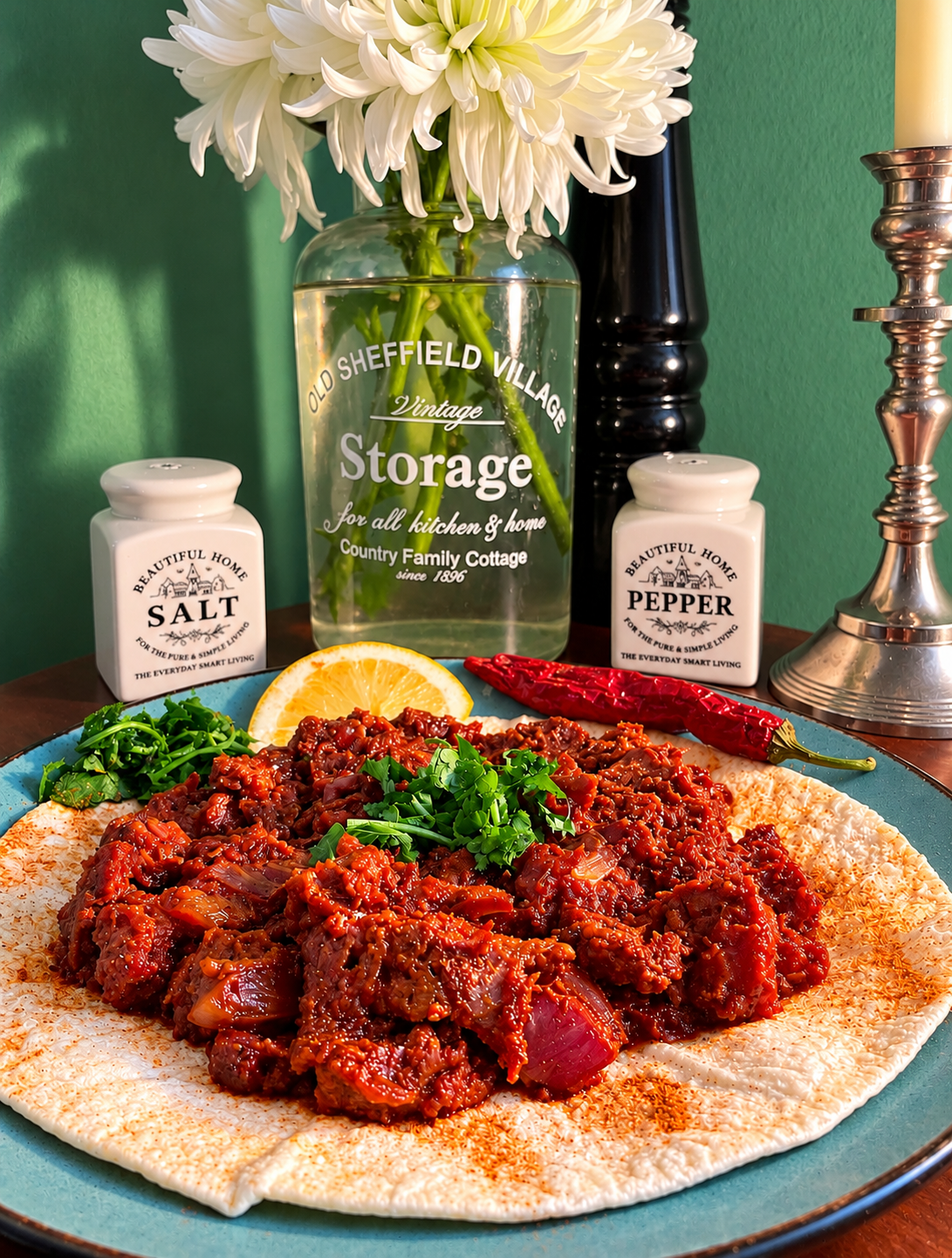
Nigerian Suya Cauliflower Hearts – Vegan Yaji-Spiced Cauliflower
You may also like