
Israel – A Crossroads of Culinary Traditions
Located on the eastern Mediterranean, Israel has a diverse food culture shaped by Jewish communities from around the world and the culinary traditions of the wider Middle East. Markets, bakeries and street-food stalls offer fresh vegetable salads, aromatic flatbreads, hummus, tahini and falafel. Tel Aviv is particularly known for its lively food scene, where regional traditions and contemporary cooking meet.
What Are Falafel with Hummus and Israeli Salad?
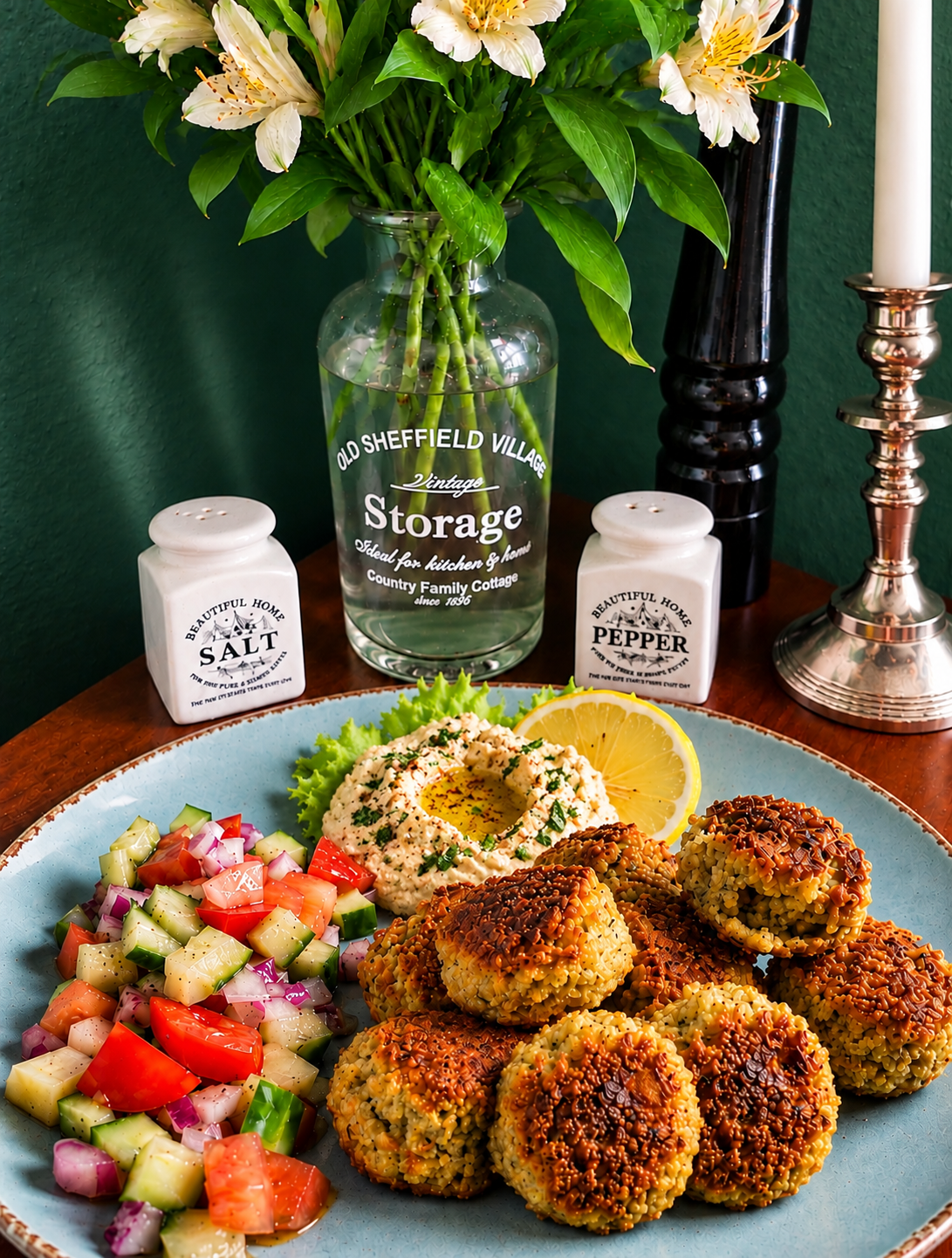
Falafel are crispy fried balls or patties made from soaked chickpeas, fava beans or both, seasoned with herbs and spices. Their origins are often associated with Egypt, and they have become popular throughout the Middle East, including Palestinian and Israeli cuisine. Served with creamy hummus and a finely chopped tomato-cucumber salad, they create a satisfying combination of textures and flavors. This naturally vegan version celebrates a classic Middle Eastern combination with plenty of garlic, cumin and coriander.
▣ Ingredients (2 servings)
- 150 g dried chickpeas
- cold water (for soaking)
- 5 cloves garlic
- 2 tsp ground cumin
- 1/2 tsp chili powder
- to taste salt & freshly ground pepper
- 2 tbsp chickpea flour (only if needed)
- olive oil (for greasing)
- 1 can chickpeas
- 60 g tahini
- 4 tbsp freshly squeezed lemon juice
- 1/2 tsp salt
- 1/2 tsp ground cumin
- 60 ml cold water
- 2-3 cloves garlic
- olive oil (optional)
- 3 tomatoes
- 1 cucumber
- 1 red onion
- 1 sprig fresh parsley
- 1 lemon
- 1 tbsp olive oil
- to taste salt & freshly ground pepper
♨ Preparation
- Soak the Chickpeas
Place the dried chickpeas in a large bowl.
Cover generously with cold water, allowing plenty of room for expansion.
Refrigerate and leave to soak for approximately 8–12 hours.
The following day, drain and rinse thoroughly.
Do not boil or cook the chickpeas before preparing the falafel mixture.
The soaked chickpeas will finish cooking in the waffle iron. - Prepare the Vegetables
Wash the tomatoes and cucumber.
Cut both into small, evenly sized cubes.
Peel the red onion and dice it finely.
Wash the parsley, shake off excess water and chop finely. - Mix the Salad
Place the tomatoes, cucumber, red onion and parsley in a bowl.
Add the freshly squeezed juice of one lemon.
Drizzle with extra virgin olive oil.
Season with salt and freshly ground black pepper. - Prepare the Hummus
Prepare the Chickpeas
Drain the canned chickpeas.
Reserve the chickpea liquid if you want to use it for another recipe.
Rinse the chickpeas thoroughly under cold water.
Blend the Hummus
Place the chickpeas, tahini, lemon juice, garlic, ground cumin, salt and cold water into a food processor or high-speed blender.
Blend until smooth and creamy.
Stop occasionally to scrape down the sides. - Adjust the Consistency
If the hummus is too thick, add a little more cold water.
Continue blending until the desired consistency is reached.
Taste and adjust with additional lemon juice or salt if necessary. - Set Aside
Transfer the hummus to a bowl.
Cover and refrigerate until serving.
If desired, drizzle with a little extra virgin olive oil shortly before serving. - Prepare the Falafel Mixture
Peel the garlic cloves.
Roughly chop them so they distribute evenly during blending.
Grind the Chickpeas
Place the soaked, drained chickpeas into a food processor.
Add the garlic, ground coriander, ground cumin, chili powder, salt and freshly ground black pepper.
Pulse repeatedly until the ingredients form a finely chopped, slightly coarse mixture.
Avoid blending into a completely smooth purée.
The mixture should retain some texture. - Check the Consistency
Press a small amount of the mixture together with your fingers.
It should hold together reasonably well.
If the mixture is too loose or wet, add chickpea flour gradually, up to approximately 2 tablespoons.
Mix thoroughly. - Allow the Mixture to Rest Briefly
Leave the falafel mixture to rest for approximately 5–10 minutes while preparing the waffle iron.
This allows any added chickpea flour to absorb moisture. - Cook the Falafel Waffles
Preheat the Waffle Iron
Preheat the waffle iron thoroughly according to the manufacturer's instructions.
A medium-high setting is generally suitable, depending on the appliance.
The waffle iron should be hot before adding the falafel mixture. - Grease the Waffle Iron
Lightly brush both waffle plates with olive oil or another suitable vegetable oil.
Make sure the surfaces are evenly coated to help prevent sticking. - Add the Falafel Mixture
Spoon a portion of the falafel mixture onto the lower waffle plate.
Spread it evenly across the surface.
Do not overfill the waffle iron.
The mixture should be thick enough to form a cohesive waffle when the lid is closed. - Close the Waffle Iron
Close the lid carefully.
Allow the falafel waffle to cook without opening the appliance immediately.
The mixture needs time to develop a firm crust before it can be removed intact. - Check the Waffle
After several minutes, carefully check the color and texture.
Continue cooking until the waffle is golden brown, crisp on the outside and fully cooked through.
The exact cooking time depends on the waffle iron, the thickness of the mixture and the temperature setting.
Allow approximately 6–10 minutes per batch as a starting point, checking carefully and extending the time if needed.
Because the mixture contains soaked but uncooked chickpeas, do not remove the waffles while the centers are still raw or pasty. - Remove the Falafel Waffle
Carefully lift the cooked waffle from the appliance using a suitable heat-resistant utensil.
Transfer to a wire rack to preserve its crisp texture.
Repeat with the remaining falafel mixture.
Lightly grease the waffle iron again between batches if necessary. - Assemble the Plate
Arrange the Falafel Waffles
Divide the freshly cooked falafel waffles between two serving plates.
If desired, cut the waffles into smaller sections for easier serving.
Add the Hummus
Spoon a generous portion of creamy hummus onto each plate.
Shape it into a small mound or spread it into a shallow swirl.
Drizzle with a little extra virgin olive oil if desired.
Add the Israeli Salad
Stir the chilled Israeli salad gently.
Divide it between the plates.
Arrange it alongside the falafel waffles and hummus.
Serve
Serve immediately while the falafel waffles are still hot and crisp.
Enjoy the contrast between the golden chickpea waffles, creamy hummus and refreshing chopped salad.
Food Story
My First Falafel in Tel Aviv – A Street-Food Revelation
Who invented falafel? That’s a question almost as complicated as the eternal debate about döner and gyros. Different countries have their own traditions, and everyone seems to have an opinion. For my culinary journey, I’ve chosen Israel, for a very personal reason: my first unforgettable falafel experience happened in Tel Aviv. I was staying near Hayarkon Street, not far from the Opera Tower, when I discovered a little falafel shop that completely changed my expectations.
So Many Toppings, So Little Time!
In Germany, we’re used to choosing a few ingredients for our döner. But this falafel shop was something else entirely! White cabbage, red cabbage, sauerkraut, onions, olives, pickled vegetables, fresh salads and an incredible selection of sauces. There seemed to be endless possibilities. I was standing there, completely overwhelmed by all those colorful choices, wondering how on earth everything could fit into one sandwich. I would happily have gone back every single day to try another combination.
From Tel Aviv to My Via Veggie Vegan Kitchen
Back in my kitchen, I wanted to recreate those wonderful flavors. Golden chickpea falafel, crispy on the outside and tender inside, generously seasoned with garlic, coriander and cumin. Add homemade hummus and a fresh chopped salad, and suddenly I’m back in Tel Aviv, at least in spirit. No passport, no plane ticket and absolutely no shortage of garlic required. Some travel memories fade over time. Others stay with you forever, especially when they’re wrapped in warm bread and filled with an almost ridiculous number of delicious toppings!
♨ Nutrition per serving
Nutritional values are approximate and may vary depending on the ingredients and products used.
Good to Know
Falafel – A Shared Culinary Heritage
The origins of falafel are widely discussed, with an early connection to Egypt frequently suggested. Egyptian ta'ameya is traditionally prepared with fava beans, while chickpea-based falafel became especially popular across the Levant, including Palestinian, Lebanese, Syrian and Jordanian culinary traditions. Falafel also became an important part of Israeli street-food culture. Its history reflects overlapping food traditions, migration and cultural exchange, alongside ongoing discussions about culinary heritage and appropriation.
Tel Aviv – The Little Orange?
New York has the Big Apple, so why shouldn't Tel Aviv have the Little Orange? It's a playful nickname inspired by the famous Jaffa oranges, which were once one of the region's best-known agricultural exports. The citrus fruit became closely associated with the port city of Jaffa, now part of Tel Aviv-Yafo. Although Little Orange isn't an established official nickname, it makes a charming counterpart to New York's Big Apple. And for a city with such a vibrant food scene, it feels rather fitting.
Israel – A Small Country with Remarkable Variety
Israel is geographically small, covering approximately 22,000 square kilometers, depending on the boundaries used. Bavaria, by comparison, covers more than 70,000 square kilometers and is therefore over three times larger. Despite its relatively small size, Israel has remarkably varied landscapes, from Mediterranean beaches and green northern hills to desert scenery and the shores of the Dead Sea.
From Tel Aviv to Jerusalem and the Dead Sea
One fascinating aspect of traveling through Israel is how quickly the scenery changes. The drive from Tel Aviv to Jerusalem generally takes around one hour, depending on traffic. From Jerusalem, the northern Dead Sea area can be reached in roughly another hour. The Dead Sea is famous for its extremely high salt concentration and its location at the lowest exposed land elevation on Earth. Travel times vary according to the exact destination and road conditions.
Eilat – Where the Desert Meets the Red Sea
At Israel's southern tip lies Eilat, a resort city on the Red Sea near the borders with Egypt and Jordan. From Tel Aviv, the journey by car generally takes around four to five hours, depending on traffic and stops. Eilat is known for its desert surroundings, warm climate and coral reefs. The contrast between the Mediterranean coast, Jerusalem's historic streets, the Dead Sea and the Red Sea illustrates just how diverse this relatively small region can be.
Why Dried Chickpeas Matter
Traditional chickpea falafel are made from dried chickpeas that have been soaked but not cooked before processing. Their firmer structure helps the mixture hold together during frying. Canned chickpeas are already cooked and contain considerably more moisture, which can produce a softer mixture that falls apart more easily. Because soaked chickpeas are still raw, falafel must be cooked thoroughly before eating.
Chickpeas – Protein and Fiber in One Ingredient
Chickpeas provide plant-based protein, complex carbohydrates and dietary fiber. Protein contributes to the maintenance of muscle mass, while fiber supports normal bowel function and promotes satiety. Chickpeas also contain folate, iron and other minerals, making them a valuable ingredient in a varied plant-based diet.
Tahini and the Benefits of Unsaturated Fats
Tahini is made from ground sesame seeds and provides predominantly unsaturated fatty acids, alongside minerals such as calcium and iron. Replacing saturated fats with unsaturated fats can help lower LDL cholesterol. LDL transports cholesterol through the bloodstream, and elevated levels increase cardiovascular risk. HDL participates in transporting cholesterol back toward the liver, although cardiovascular health depends on more than HDL levels alone.
Frying and Nutritional Balance
Traditional falafel are fried to develop their characteristic golden crust and crisp exterior. The amount of oil absorbed depends on the cooking temperature, frying time and size of the falafel. Frying adds fat and calories, but the overall meal also provides fiber, protein and vegetables. Baking or air-frying can reduce the amount of added oil, although the texture will differ from traditional fried falafel.
What Makes Hummus So Creamy?
Hummus combines cooked chickpeas with tahini, lemon juice, garlic and water. Thorough blending creates a smooth texture, while tahini contributes richness and a characteristic nutty flavor. Adding cold water gradually helps control the consistency. Hummus also provides protein, fiber and unsaturated fats.
Fresh Vegetables and Vitamin C
Tomatoes, cucumber, red onion and parsley bring freshness, texture and micronutrients to the meal. Tomatoes provide vitamin C and lycopene, a naturally occurring carotenoid with antioxidant properties. Lemon juice contributes additional vitamin C, which also helps improve the absorption of non-heme iron from plant foods.
Naturally Vegan – No Substitutes Required
Falafel, hummus and a simple chopped vegetable salad are naturally vegan when prepared using their traditional plant-based ingredients. No meat, dairy or egg alternatives are necessary. This combination demonstrates how many long-established culinary traditions already offer satisfying plant-based meals without modification.
You may also like
♡
You may also like
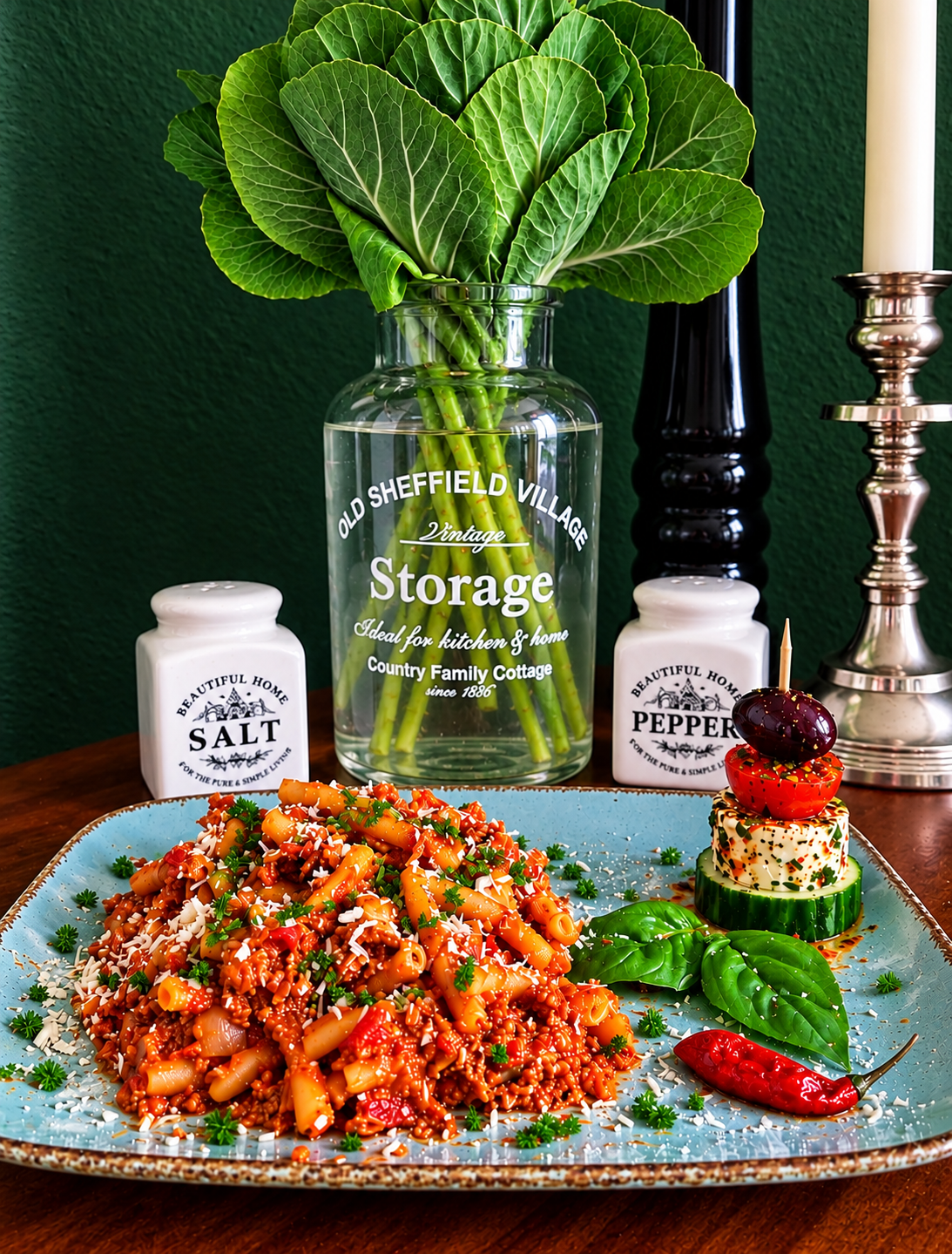
Libyan Vegan Mbakbaka – Spicy One-Pot Tomato Pasta
You may also like
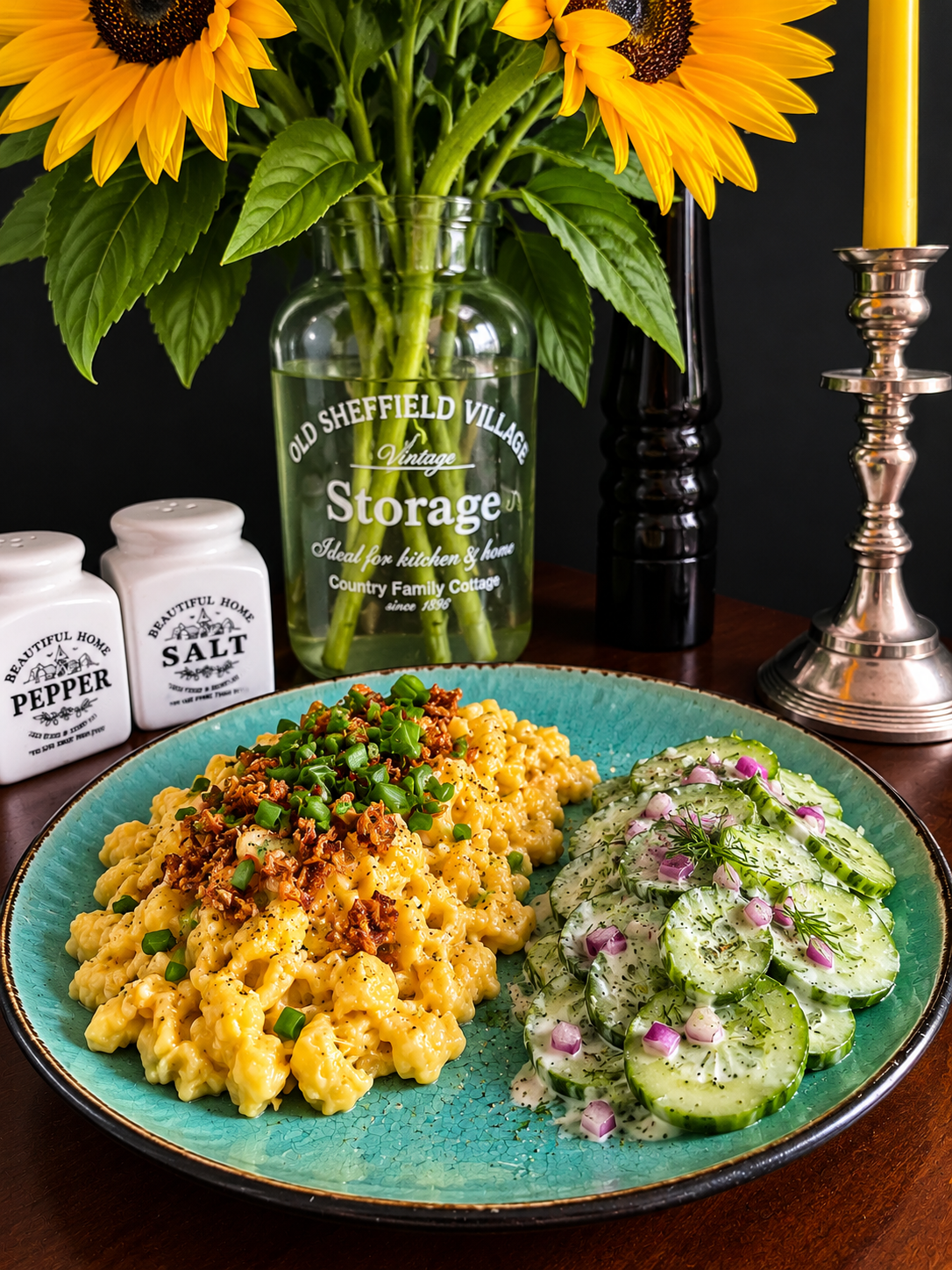
Vegan Swiss Chäschnöpfli – Homemade Cheese Spätzle with Cucumber Dill Salad
You may also like