Recipe postcard
Saint Lucia – A Caribbean Island of Culinary InfluencesSaint Lucia is a beautiful island nation in the eastern Caribbean, known for its volcanic landscapes, tropical climate and rich cultural heritage. Its cuisine reflects African, Indigenous Caribbean, European and South Asian influences, with fresh local produce, aromatic spices, root vegetables and chilies playing important roles. Pumpkin and other varieties of squash are familiar ingredients in Caribbean home cooking, appearing in soups, stews and hearty vegetable dishes. The island's culinary traditions combine comforting ingredients with bold, fragrant flavors.
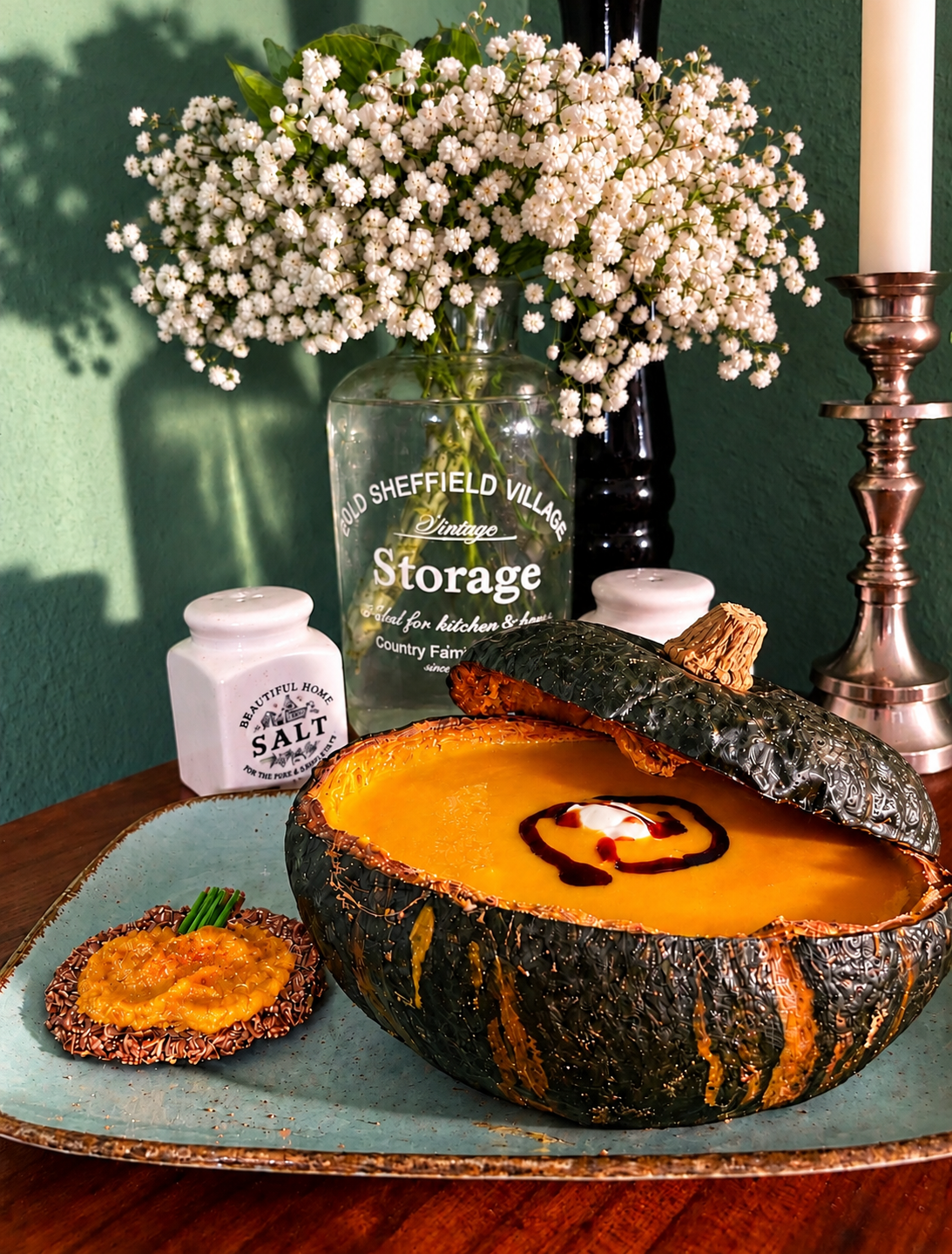
Soupe de Citrouille – A Caribbean-Inspired Pumpkin SoupSoupe de Citrouille translates from French as pumpkin soup, although there is no single definitive Saint Lucian recipe under this name. My Via Veggie Vegan interpretation combines tender pumpkin with garlic, ginger, Caribbean-style curry spices, coconut milk and freshly squeezed orange juice. Instead of serving the soup in ordinary bowls, I hollowed out two small green Hokkaido pumpkins, roasted them with chili oil and transformed them into edible serving bowls. A swirl of vegan sour cream and pumpkin seed oil completes this warming, aromatic and entirely plant-based Caribbean-inspired creation.
Cook this recipe →
Recipe postcard
Laos – A Cuisine Built Around Fresh Herbs and Bold FlavorsLaos is a landlocked Southeast Asian country with a rich culinary heritage shaped by fresh herbs, fragrant aromatics and the balance of spicy, salty, sour and subtly sweet flavors. Lemongrass, galangal, chilies, makrut lime leaves and coriander play important roles in many dishes. One of the country's most important staples is sticky rice, known as khao niao, traditionally eaten with a wide variety of vegetables, dips, salads and savory dishes.
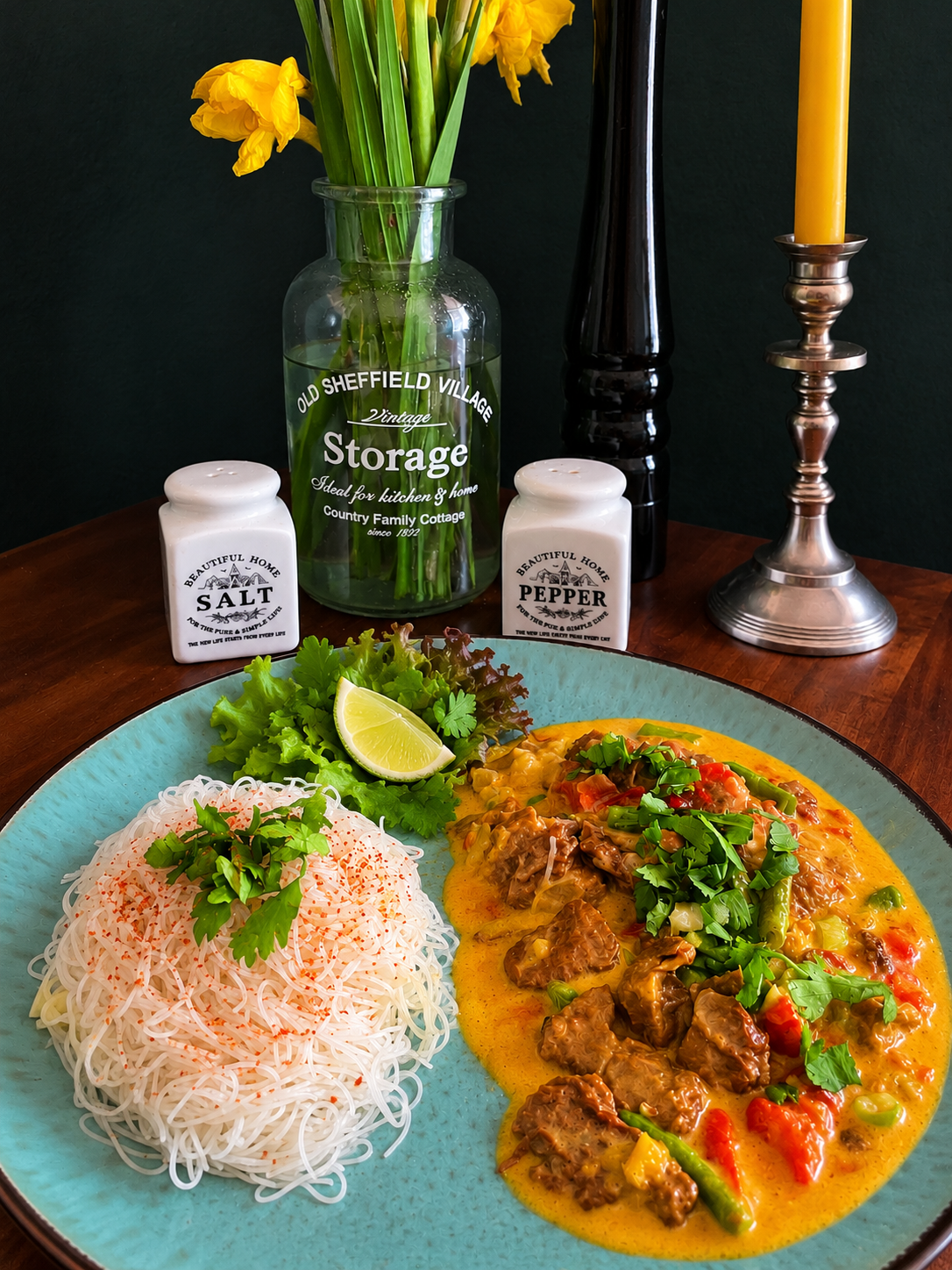
Lemongrass & Coconut Curry – A Lao-Inspired Vegan InterpretationThis Lemongrass & Coconut Curry is my own plant-based interpretation of characteristic Lao flavors rather than a recreation of one particular traditional dish. A homemade curry paste combines lemongrass, galangal, garlic, shallots and dried chilies, while coconut milk creates a silky, aromatic sauce. Mock Duck adds a satisfying, meaty texture, and fresh vegetables bring color and freshness. Instead of the more traditional sticky rice, I serve my curry with delicate rice noodles – a delicious little twist inspired by the contents of my kitchen.
Cook this recipe →
Recipe postcard
Ukraine – A Culinary Heritage of Hospitality and ResilienceUkraine is a country in Eastern Europe with a rich agricultural heritage and a deeply rooted food culture. Fertile farmland, seasonal vegetables, grains and traditional preservation methods have shaped Ukrainian cooking for generations. Beetroot, cabbage, potatoes, carrots, onions and dill are familiar ingredients in many everyday dishes. Soups hold a particularly important place in Ukrainian cuisine, bringing families together around the table. Ukrainian borscht is much more than a recipe: it represents hospitality, family traditions and cultural identity. In 2022, UNESCO inscribed the culture of Ukrainian borscht cooking on its List of Intangible Cultural Heritage in Need of Urgent Safeguarding, recognising the importance of protecting this living culinary tradition.
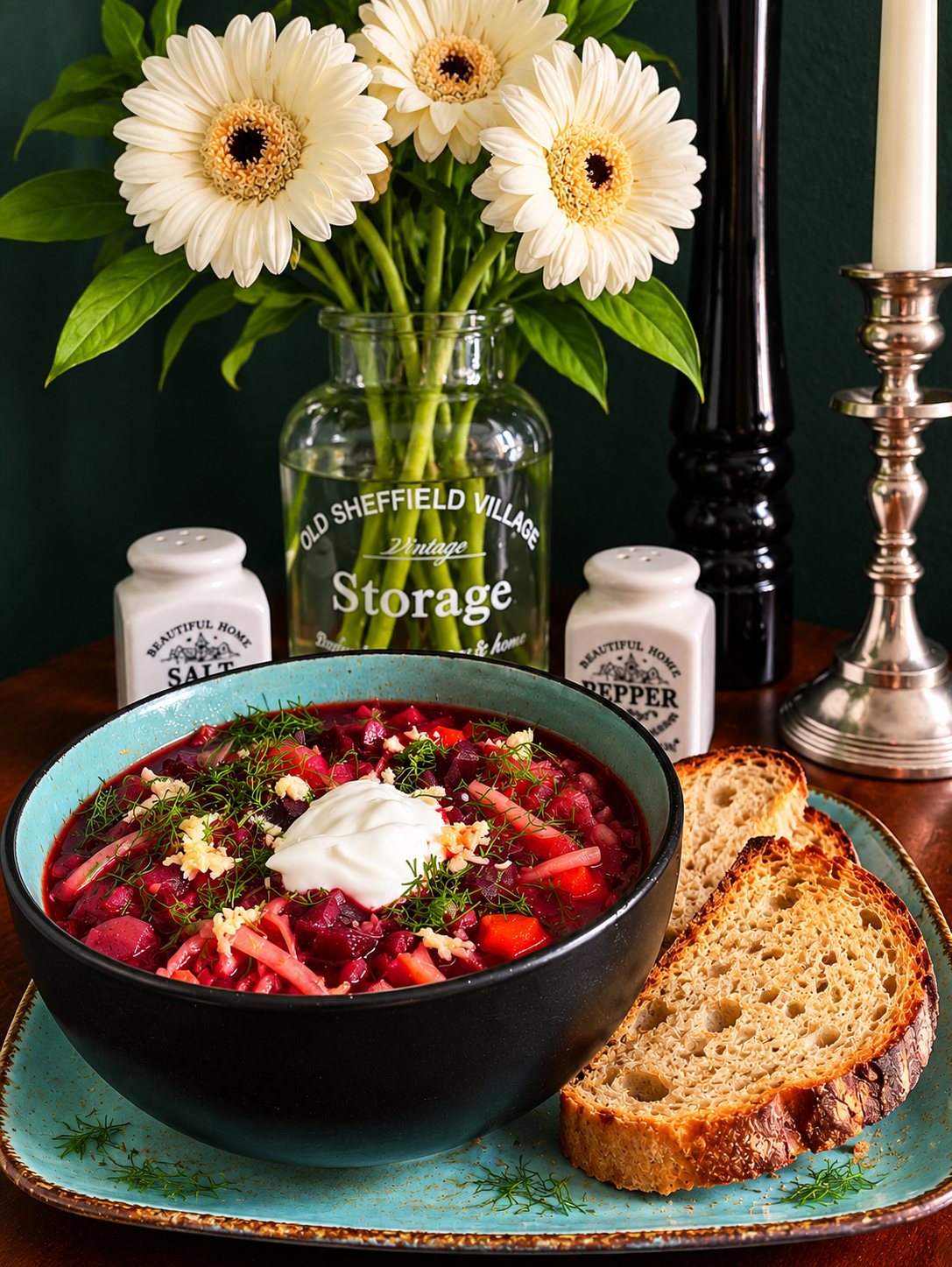
Ukrainian Borscht – A Beloved Beetroot Soup with Many VariationsBorscht is one of Ukraine's best-known traditional dishes. There is no single universal recipe: ingredients and preparation methods vary between regions, families and seasons. Many versions combine beetroot, cabbage, potatoes, carrots, onions and tomatoes in a flavourful broth. Some are prepared with meat, while others are vegetarian or suitable for periods of religious fasting. My Via Veggie Vegan version uses a rich vegetable broth instead of beef stock and finishes the soup with plant-based sour cream, fresh dill and garlic. The beetroot is gently sautéed with tomato paste and lemon juice before being added to the soup, helping to develop its earthy sweetness and beautiful red colour. Served with rustic rye bread, this is a comforting Ukrainian-inspired classic made entirely from plants.
Cook this recipe →
Recipe postcard
Trinidad & Tobago – Where Indian and Caribbean Food Traditions MeetTrinidad and Tobago is a twin-island Caribbean nation whose cuisine reflects African, Indian, Indigenous, European and Chinese influences. Indian indentured labourers began arriving in Trinidad in 1845, bringing culinary techniques and food traditions that gradually became part of the islands' distinctive cuisine. Today, dishes such as roti, doubles and choka are closely associated with Indo-Trinidadian food culture. Garlic, hot peppers, fresh herbs and boldly seasoned vegetables play an important role in everyday cooking.
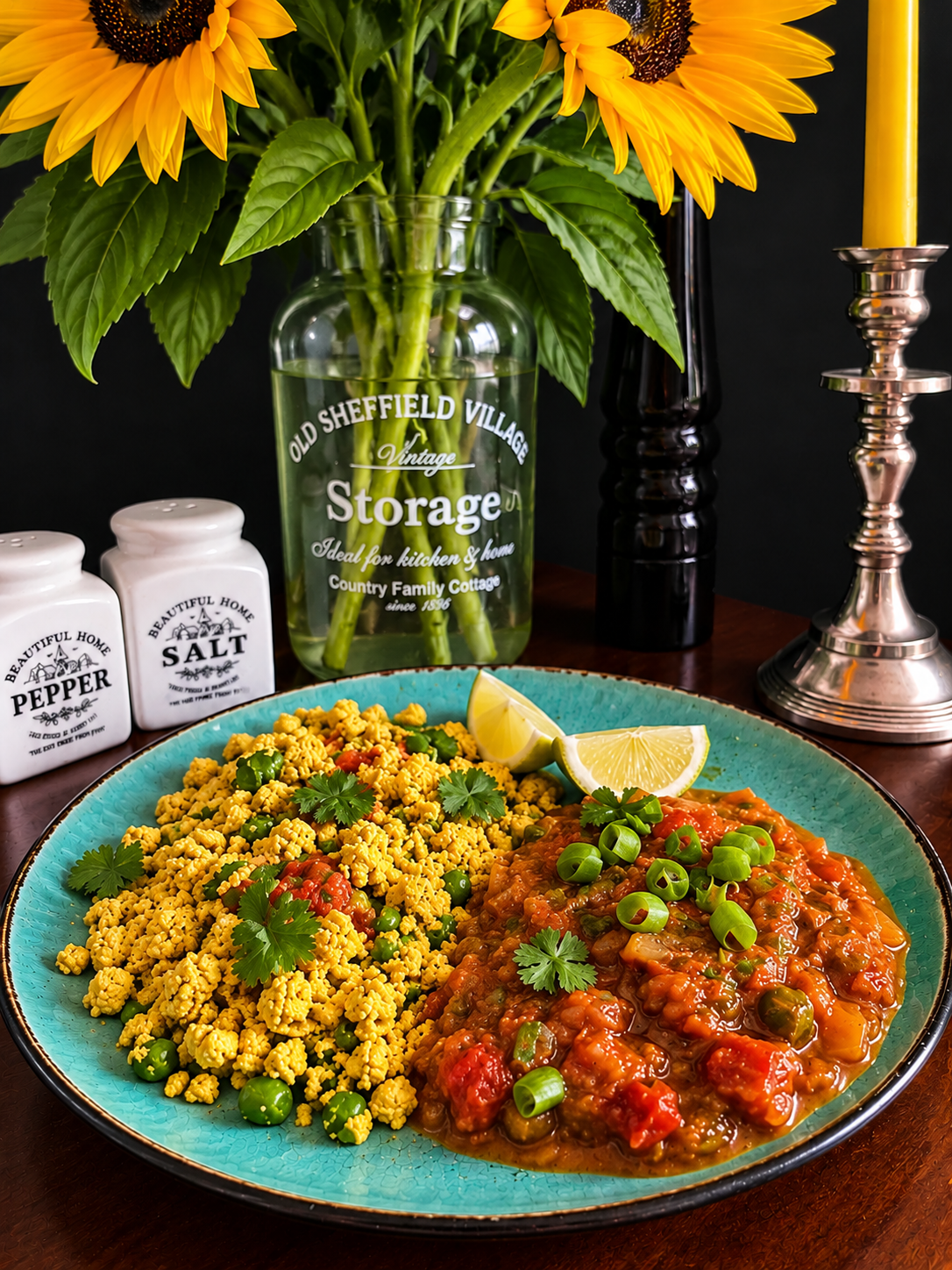
Tomato Choka – Smoky Roasted Tomatoes with a Sizzling FinishTomato Choka is a traditional Trinidadian preparation in which ripe tomatoes are roasted until soft and smoky, mashed and combined with garlic, onion and chili. One characteristic technique is known as chunkay: hot oil is poured over the seasoned vegetables to release their aromas. Tomato Choka is commonly enjoyed with Sada Roti, a simple unleavened flatbread. My Via Veggie Vegan version preserves the character of the tomato preparation but pairs it with creamy tofu scramble instead of the traditional bread accompaniment. The result is a completely plant-based breakfast combining authentic Trinidadian inspiration with a modern vegan twist.
Cook this recipe →
Recipe postcard
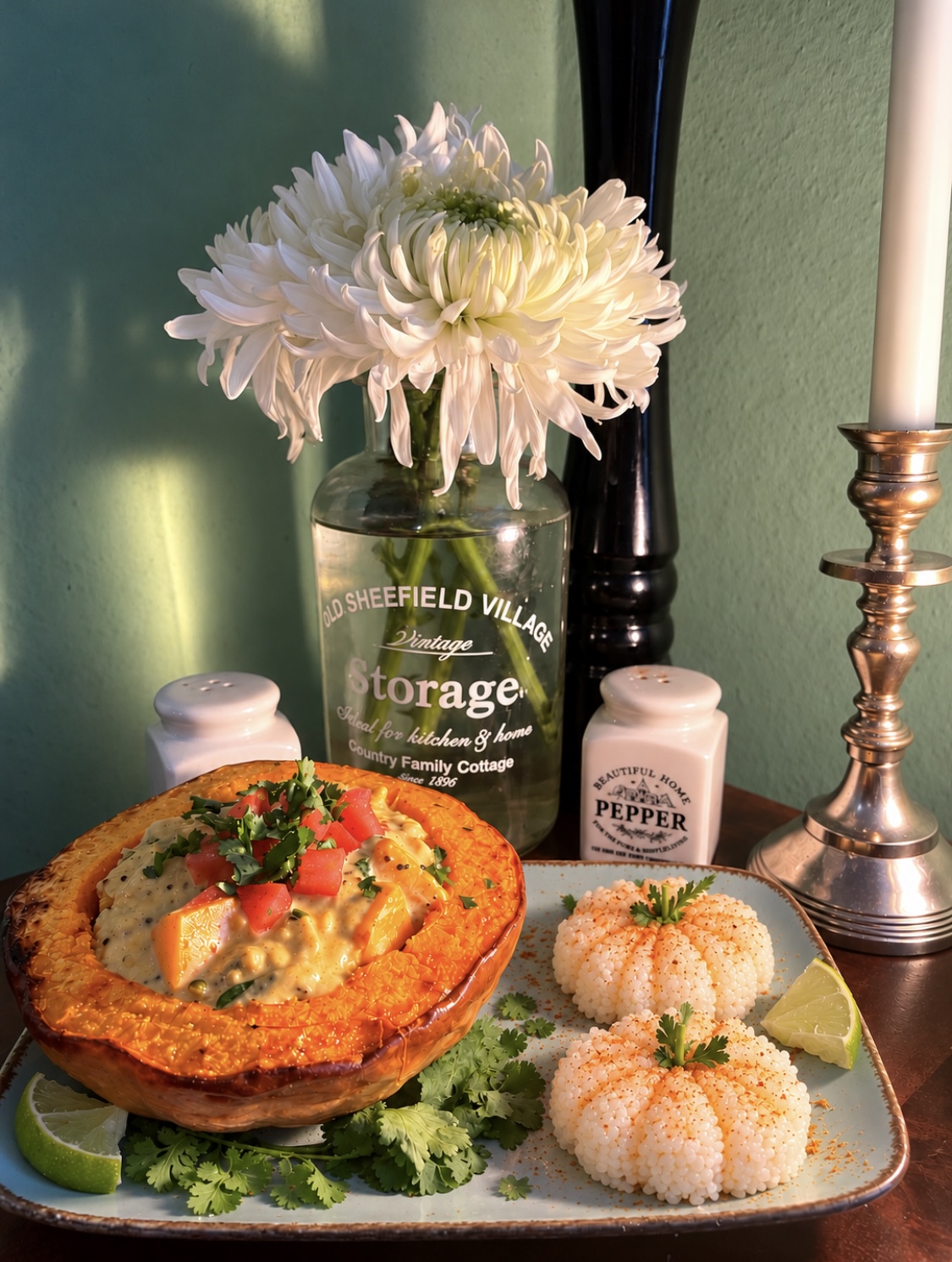
Fiji – A South Pacific Island Nation with a Remarkable Culinary HeritageFiji is an island nation in the South Pacific, consisting of more than 300 islands. Its cuisine reflects Indigenous Fijian traditions alongside Indian and other cultural influences. Root vegetables, tropical fruits, leafy greens and coconut feature in many local food traditions, while Indo-Fijian cuisine is especially known for aromatic vegetable curries, roti, dhal and carefully balanced spice mixtures. Beginning in 1879, Indian indentured labourers were brought to Fiji during the British colonial period. Over generations, their culinary traditions evolved alongside local ingredients and food cultures, creating the distinctive Indo-Fijian cuisine enjoyed today.
Kaddu Tarkari – Indo-Fijian Pumpkin Curry with a Creative Halloween TwistKaddu means pumpkin or squash in Hindi, while tarkari refers to a vegetable dish or curry. Indo-Fijian pumpkin curry is commonly prepared with pumpkin, onions, garlic, chilli and aromatic spices, often using relatively little liquid. As the pumpkin softens, some of the flesh breaks down and creates a naturally thick texture. My Via Veggie Vegan version takes inspiration from these flavours but introduces a few personal twists: a whole muscat pumpkin roasted with chilli oil, a creamy coconut milk sauce and two decorative pumpkins shaped from leftover basmati rice. The roasted pumpkin becomes both an ingredient and an edible serving vessel. This is a creative Indo-Fijian-inspired interpretation rather than a traditional Fijian presentation.
Cook this recipe →
Recipe postcard
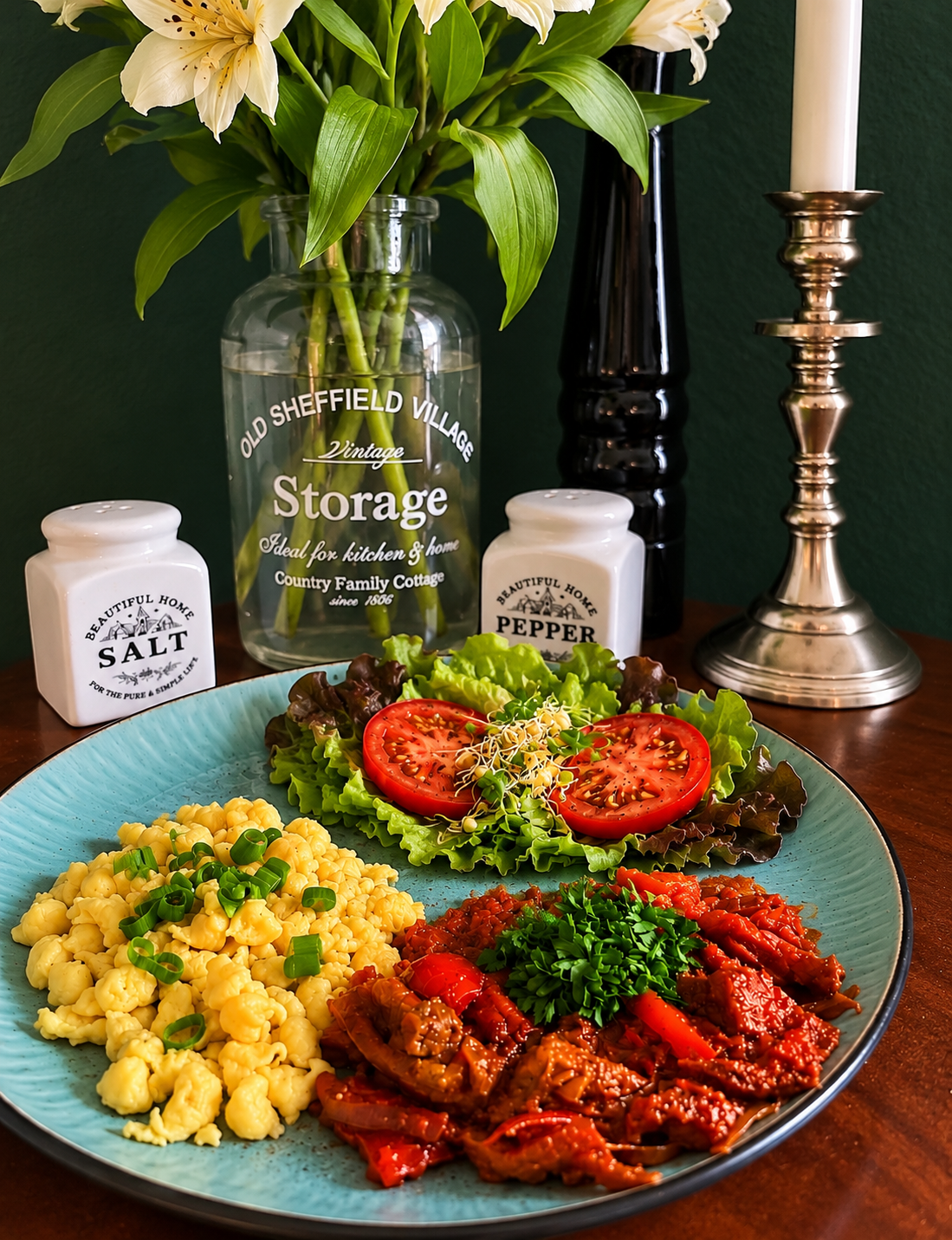
Hungary – The Land of Paprika and Hearty Comfort FoodHungary is a Central European country with a rich culinary heritage shaped by agricultural traditions, regional influences and a deep appreciation for warming, satisfying food. Hungarian cuisine is particularly famous for its generous use of paprika, onions, peppers and slow-cooked dishes. From the banks of the Danube to the vast Hungarian Great Plain, traditional cooking reflects a love of bold flavours, nourishing meals and hospitality. Goulash, paprikash and various dumpling dishes are among the country's best-known culinary specialities.
Goulash and Galuska – A Hungarian-Inspired CombinationGulyás, commonly known internationally as goulash, originated in Hungary and is traditionally associated with the cooking of cattle herders. In Hungary, gulyás is usually a substantial soup, while thicker paprika-based meat stews are more closely related to pörkölt. This Via Veggie Vegan version follows the familiar international interpretation of a thick, hearty goulash, replacing meat with a plant-based alternative. It is served with Galuska, also known as nokedli, small Hungarian dumplings traditionally made with flour, water and eggs. My egg-free version uses sparkling water, Kala Namak and a little turmeric to create deliciously tender dumplings without animal ingredients.
Cook this recipe →
Recipe postcard
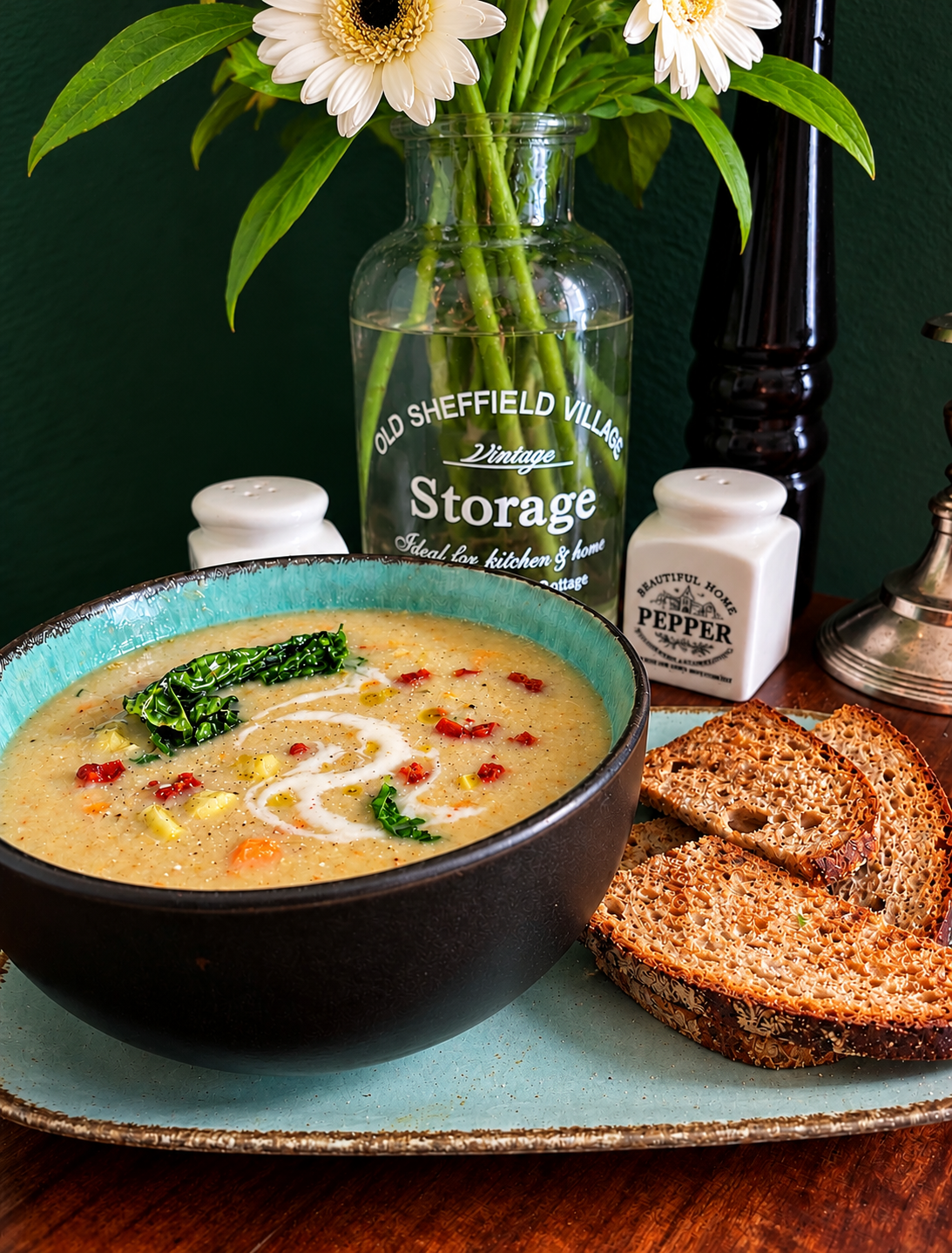
Poland – A Country of Hearty Traditions and Regional CuisinePoland is a Central European country with a rich culinary heritage shaped by regional traditions, seasonal produce and generations of home cooking. Polish cuisine is particularly well known for its comforting soups, potato dishes, cabbage preparations, dumplings and hearty stews. Vegetables such as carrots, potatoes, onions, beetroot and kohlrabi have long played an important role in everyday meals. From the Baltic coast to the mountainous south, Polish cooking celebrates familiar ingredients transformed into satisfying dishes that bring families together around the table.
Silesian Oberiba – A Traditional Kohlrabi SoupOberiba is a regional name associated with kohlrabi in Silesian culinary traditions. Kohlrabi soup, known more generally in Polish as zupa z kalarepy, is a rustic vegetable preparation that can feature tender kohlrabi, potatoes, carrots, broth and cream. In traditional versions, meat-based broth may provide additional depth, while the tender young kohlrabi leaves can be cooked alongside the vegetables. My Via Veggie Vegan interpretation replaces animal-based ingredients with homemade vegetable broth, oat cream and vegan ham cubes. Crispy kohlrabi leaves and a little vegan sour cream give this comforting Silesian-inspired soup a delicious finishing touch.
Cook this recipe →
Recipe postcard
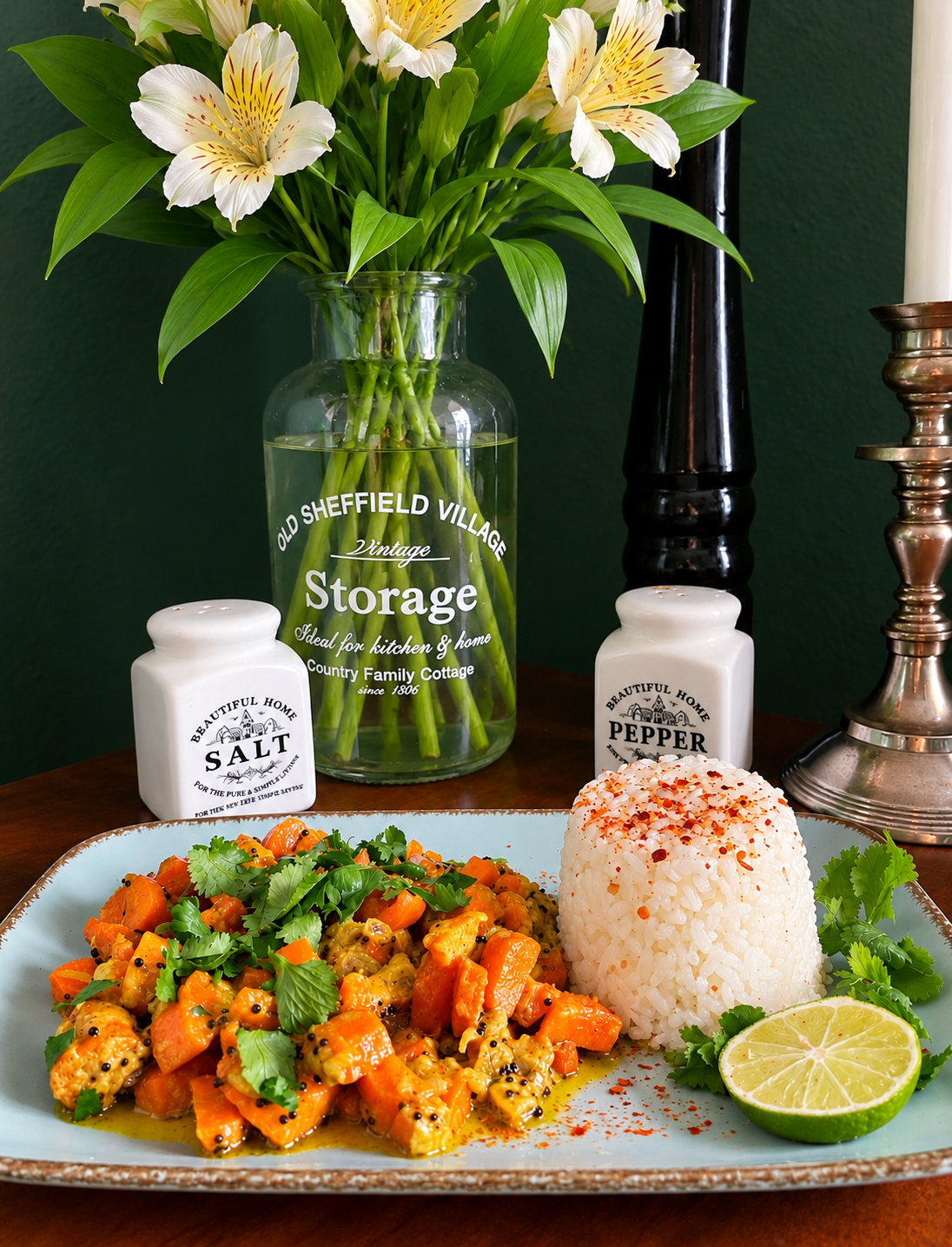
Sri Lanka – The Pearl of the Indian OceanSri Lanka is an island nation in South Asia, situated in the Indian Ocean southeast of India. Often called the Pearl of the Indian Ocean, the country is known for its tropical landscapes, tea plantations, diverse wildlife and rich culinary traditions. Sri Lankan cooking makes extensive use of coconut, rice, vegetables, chillies, curry leaves and aromatic spices. Regional and cultural influences have shaped a cuisine that combines bold flavours with everyday ingredients, creating dishes that are both vibrant and deeply comforting.
Carrot Mallum – A Colourful Sri Lankan Vegetable ClassicMallum, also spelled mallung, refers to a Sri Lankan preparation of finely chopped or shredded vegetables or leafy greens mixed with grated coconut and seasonings. Unlike a creamy coconut curry, mallum is generally relatively dry and retains more texture. Carrot Mallum brings together naturally sweet carrots, coconut, mustard seeds, curry leaves and fresh chillies. My Via Veggie Vegan version uses mustard oil for an additional aromatic note and finishes with fresh lime juice. Served alongside rice, it makes a colourful and satisfying plant-based meal.
Cook this recipe →
Recipe postcard
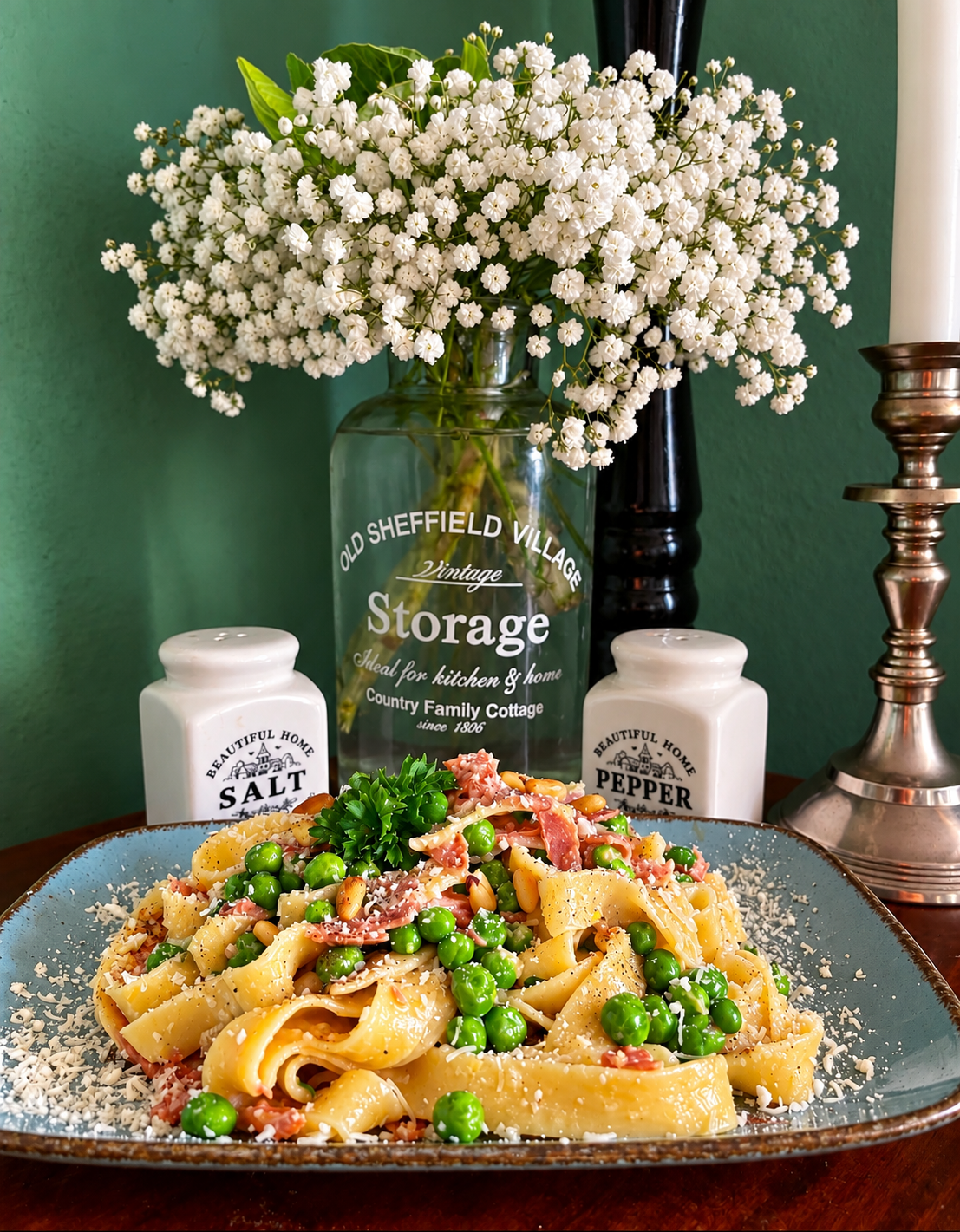
Vatican City – The World's Smallest Independent StateVatican City is an independent city-state surrounded by Rome, Italy. It is the smallest sovereign state in the world by both area and population and serves as the headquarters of the Roman Catholic Church. Its culinary surroundings are unmistakably Roman: pasta, seasonal vegetables, olive oil and traditional Italian cooking are part of the wider food culture of the region. Vatican City does not have a completely separate everyday cuisine from Rome, making Roman dishes with papal associations particularly fitting for this destination.
Fettuccine alla Papalina – Pasta Fit for a PopeFettuccine alla Papalina, meaning fettuccine in the papal style, is a Roman pasta dish traditionally associated with Pope Pius XII, although the exact circumstances of its creation are not firmly documented. The classic preparation typically combines egg pasta, cured ham, onion, butter, cheese and eggs, sometimes with cream. My Via Veggie Vegan interpretation replaces the animal-derived ingredients with plant-based alternatives, while sweet peas, vegan ham strips and a delicate creamy sauce give the dish its own colourful character.
Cook this recipe →
Recipe postcard
Czechia – A Country with a Rich Soup Tradition
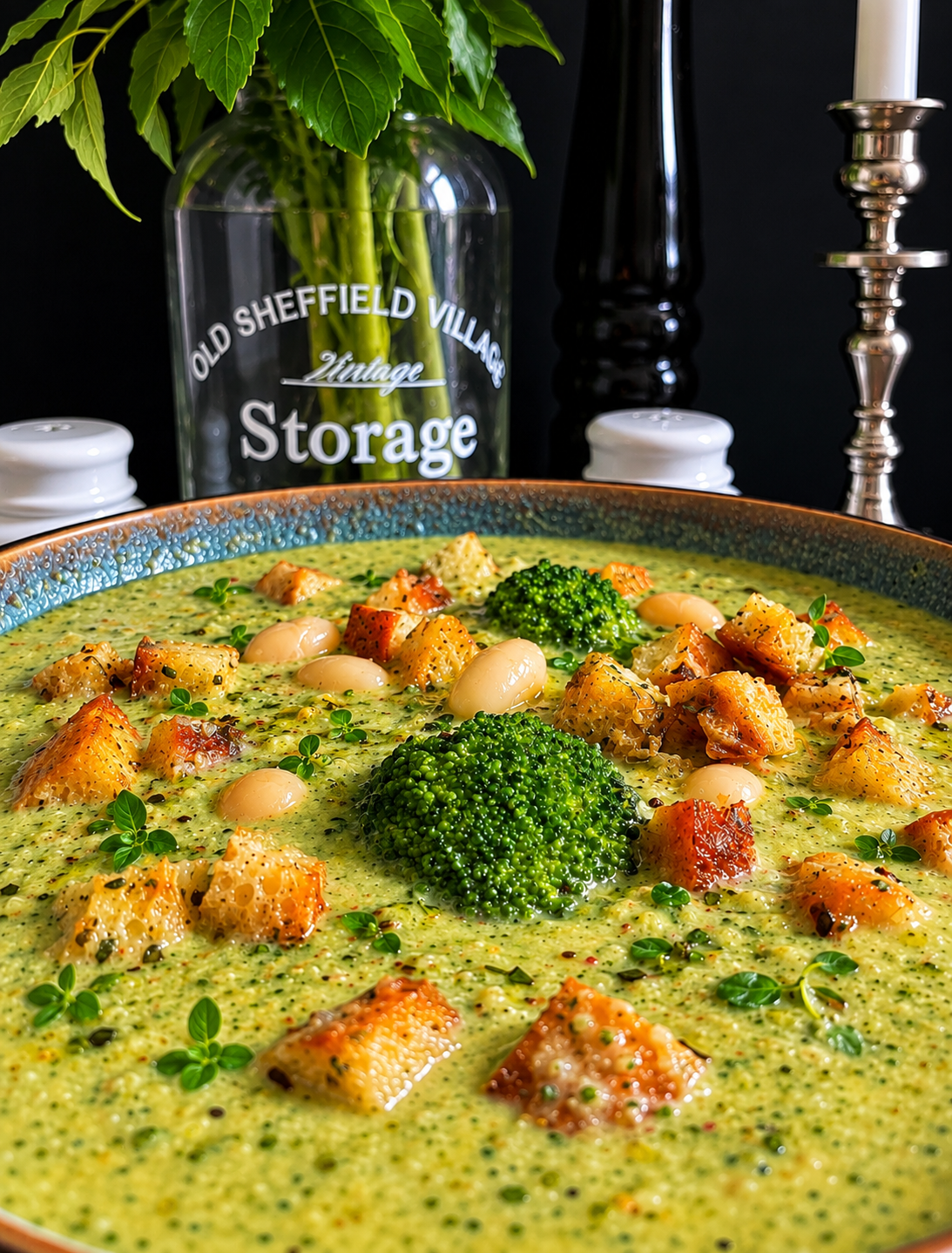
Czechia, also known as the Czech Republic, lies in the heart of Central Europe and is famous for its historic cities, rolling countryside and hearty culinary traditions. Soups, known as polévky, play an important role in Czech home cooking and are frequently served as the first course of a traditional meal. Potatoes, root vegetables, legumes, garlic and aromatic herbs are common ingredients, while marjoram, or majoránka, is one of the country's characteristic soup seasonings.
What Is Brokolicová Polévka s Bílými Fazolemi?
Brokolicová polévka means broccoli soup, while bílé fazole are white beans. This Via Veggie Vegan creation brings these ingredients together in a creamy, satisfying soup inspired by Czech home cooking. White beans provide natural creaminess, nutritional yeast adds savoury depth, and garlic croutons – česnekové krutony – deliver a wonderfully crispy contrast. Instead of using fresh bread, my version gives leftover homemade naan a delicious second life.
Cook this recipe →
