
Peru – A Culinary Treasure of the Andes and Pacific Coast
Peruvian cuisine is one of South America's most diverse culinary traditions, shaped by the country's Andean heritage, Pacific coastline, Amazonian biodiversity and centuries of cultural exchange. Potatoes, corn, beans, quinoa and countless varieties of chili peppers have been essential ingredients for generations. Peru is particularly famous for its extraordinary potato diversity and its distinctive ají peppers, which give many traditional dishes their characteristic flavour, colour and heat.
What Is Seco de Frijoles y Papas?
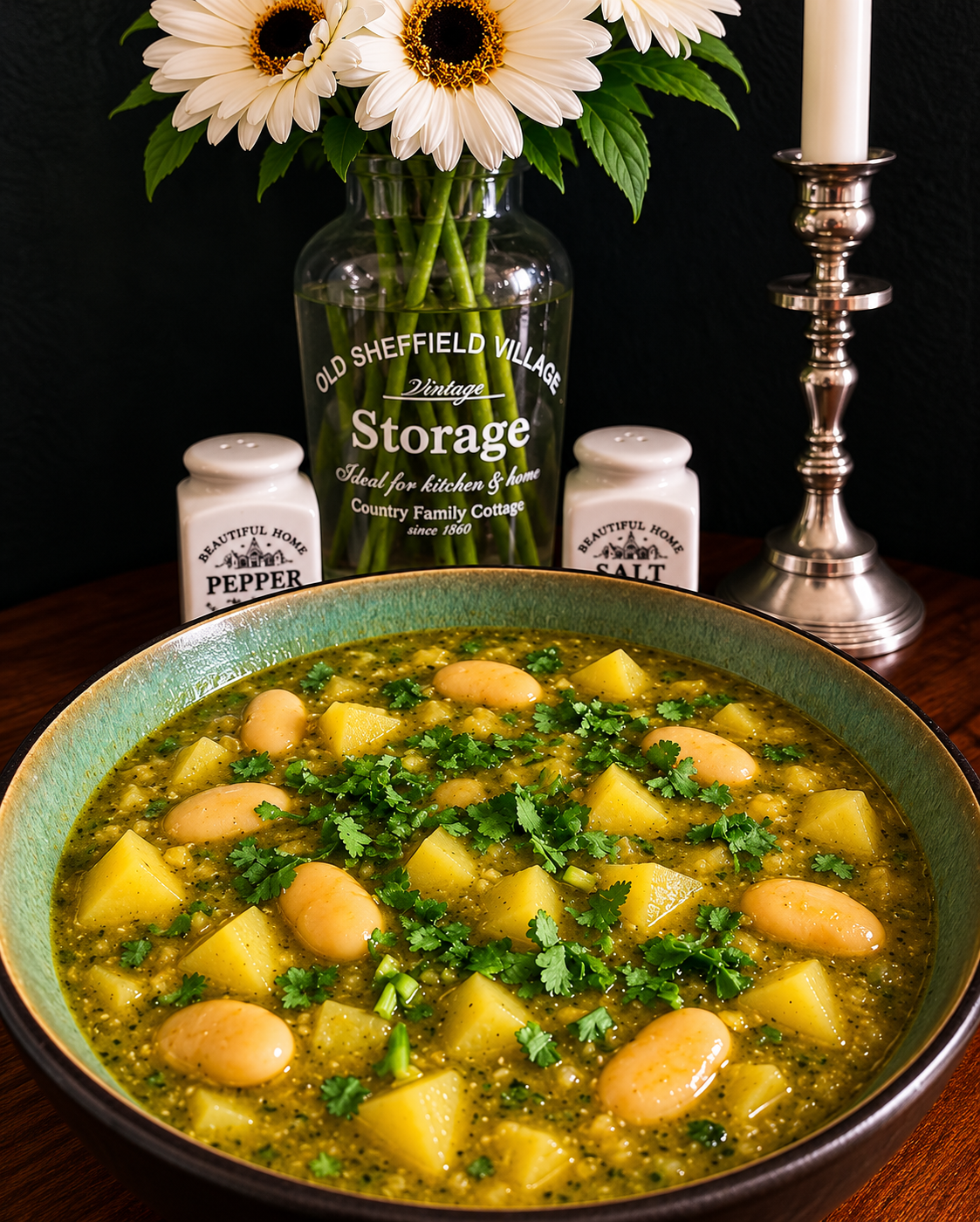
Seco is a traditional herb-rich stew enjoyed in Peru and Ecuador, commonly prepared with meat and flavoured with fresh coriander, onions, garlic and chili peppers. Despite its name, which literally means "dry", seco is known for its generous, aromatic sauce. My Via Veggie Vegan interpretation replaces the meat with creamy white giant beans, tender potatoes and green peas. Homemade yellow chili paste, fresh coriander and a splash of alcohol-free lager create a wonderfully fragrant base, while plant-based cream and nutritional yeast add a personal creamy twist. Served without the traditional white rice, this is a hearty, colourful and entirely plant-based interpretation of a Peruvian classic.
▣ Ingredients (2 servings)
- 400 g waxy potatoes
- 1 can white giant beans, approximately 240 g drained weight
- 75 g frozen green peas
- 1 red onion
- 2-3 cloves garlic
- 1 spring onion
- 3-4 fresh yellow chilies, instead of traditional Ají Amarillo
- 1 1/2 bunch fresh coriander
- 1 tbsp nutritional yeast
- 1 1/2 tbsp vegetable oil, for the homemade chili paste
- 70 ml alcohol-free lager or pilsner
- 100 ml unsweetened soy or oat cooking cream
- to taste salt & Freshly ground black pepper
- 3-4 drops water, if needed for blending the chili paste
♨ Preparation
- Prepare the Vegetables and Aromatics
Peel the potatoes and cut them into bite-sized cubes. Finely dice the red onion and garlic, slice the spring onion into thin rings and set it aside for garnishing. Wash the coriander thoroughly, including the tender stems. Drain and rinse the white giant beans. - Make the Homemade Yellow Chili Paste
Halve the yellow chilies lengthwise and remove the seeds and membranes if a milder paste is preferred. Roughly chop the chilies and place them in a small blender with 1 tsp vegetable oil and a pinch of salt. Blend until smooth, adding only a few drops of water if necessary. Measure out approximately 1½ tbsp for the stew and refrigerate any remaining paste. - Parboil the Potatoes
Bring a saucepan of lightly salted water to a boil. Add the potato cubes and cook for approximately 10 minutes until just beginning to soften but still firm in the centre. Drain thoroughly and set aside. The potatoes will finish cooking in the coriander sauce. - Prepare the Coriander Paste
Place the fresh coriander, including its tender stems, into a blender. Add 1½ tbsp homemade yellow chili paste and 2–3 tbsp of the measured vegetable broth. Blend until smooth and vibrantly green. - Build the Aromatic Base
Heat 1½ tbsp vegetable oil in a large, deep frying pan over medium heat. Add the red onion and garlic and sauté gently for approximately 5 minutes until softened and fragrant. Stir in the coriander-chili paste and cook for another 2–3 minutes, stirring regularly. - Simmer the Stew
Pour in the alcohol-free lager and the remaining vegetable broth. Bring briefly to a boil, then reduce the heat. Add the parboiled potatoes and drained white giant beans. Stir gently, cover and simmer for approximately 5 minutes to allow the flavours to combine. - Finish the Creamy Coriander Sauce
Stir in the nutritional yeast and gradually add the plant-based cooking cream. Mix gently until the sauce becomes creamy but remains thick enough to coat the potatoes and beans. Add the frozen peas and simmer for another 3 minutes until heated through. Season with salt and freshly ground black pepper. - Garnish and Serve
Divide the Seco de Frijoles y Papas between two bowls or plates. Garnish with the finely sliced spring onion and serve immediately. The stew should be rich, aromatic and generously coated in its green coriander sauce rather than swimming in liquid.
Food Story
Team Coriander Meets Peru
Anyone who knows my cooking knows that I’m firmly Team Coriander. So when I discovered that fresh coriander plays such an important role in Peruvian seco, choosing this dish was practically inevitable. Potatoes, giant white beans, green peas, homemade yellow chili paste and an enormous amount of coriander? Count me in! But while I was cooking, my thoughts suddenly wandered somewhere completely different – back to my childhood and a little guinea pig named Pauline.
Pauline and the Mystery of the Missing Colour
I must have been about four years old when I had Pauline, a beautiful little tricoloured rosette guinea pig. One morning, I got up, went to her cage – and Pauline was gone. Then my father came home and put a guinea pig back into the cage. There was just one tiny problem: Pauline suddenly had only two colours instead of three. When I asked what had happened, I was told that Pauline hadn’t been feeling well, had received an injection from the vet and somehow lost one of her colours. Even at four years old, I wasn’t buying that explanation. And to this day, my parents still don’t believe me when I tell them that I knew something wasn’t right. What really happened to my original Pauline remains one of those childhood mysteries.
Different Cultures, Different Perspectives
So why did Pauline come to mind while I was preparing a Peruvian stew? Because guinea pigs, known as cuy, are part of traditional Andean cuisine, including in Peru. Personally, the thought of eating a guinea pig is something I find incredibly difficult to imagine. To me, they will always be little companions like Pauline. But travelling the world through food also means learning about traditions that may feel unfamiliar or uncomfortable from my own perspective. I can respect their cultural significance without wanting to eat them myself. Fortunately, Peru has an extraordinary variety of potatoes, beans, vegetables, chilies and herbs to explore. And this fragrant vegan seco was a delicious reminder that my culinary journey can celebrate those flavours entirely plant-based.
♨ Nutrition per serving
Nutritional values are approximate and may vary depending on the ingredients and products used.
Good to Know
What Exactly Is Peruvian Seco?
Seco is a traditional stew found in both Peru and Ecuador. Peruvian versions are commonly prepared with beef, lamb, goat or chicken, depending on the region. The characteristic sauce often contains coriander, onions, garlic and ají peppers. Some recipes also include beer or chicha de jora, a traditional fermented corn beverage. Despite the name "seco", meaning "dry", the finished dish is usually wonderfully saucy. My version uses white giant beans and potatoes instead of meat, creating a satisfying plant-based alternative.
Why Is Coriander So Important?
Fresh coriander is one of the defining aromatic ingredients in many Peruvian seco recipes. Its leaves and tender stems contain aromatic compounds that create a distinctive herbal flavour. Blending the coriander with chili paste and a little vegetable broth distributes that flavour throughout the sauce. Adding it during cooking softens its raw intensity, while avoiding unnecessarily prolonged high heat helps preserve more of its fresh colour and aroma.
Ají Amarillo – Peru's Famous Yellow Chili
Ají Amarillo is a yellow-to-orange chili pepper widely used in Peruvian cuisine. It is appreciated not only for its heat but also for its fruity, slightly sweet flavour. Traditional preparations may involve removing the seeds and membranes, blanching or cooking the peppers and blending them into a smooth paste. I used regular yellow chilies for my homemade version because authentic Ají Amarillo peppers were not available. The result provides colour and heat, although the flavour is not identical to traditional Peruvian Ají Amarillo.
Why White Giant Beans Work So Well
White giant beans have a creamy interior and a substantial texture, making them particularly suitable for hearty stews. They also contribute plant protein, complex carbohydrates and dietary fibre. Their mild flavour allows the coriander and chili sauce to remain the centre of attention. Draining and rinsing canned beans helps remove excess canning liquid and can reduce some of the sodium, depending on the product.
Potatoes – A Gift from the Andes
Potatoes were domesticated in the Andean region thousands of years ago and remain deeply connected to Peruvian food culture. Peru is home to an extraordinary diversity of native potato varieties, with different colours, textures and culinary uses. Waxy potatoes are particularly suitable for this recipe because they hold their shape during simmering and absorb the aromatic sauce without falling apart.
Guinea Pigs in Peruvian Food Culture
Guinea pigs, known as cuy, have been raised for food in the Andes for thousands of years, long before the arrival of Europeans. They remain part of traditional food culture in regions of Peru, Ecuador and Bolivia. In Peru, cuy is particularly associated with Andean communities and regional celebrations, although it is not eaten by everyone and is not a universal everyday dish across the country.
Cultural Tradition and Personal Perspective
In many European countries, guinea pigs are primarily regarded as companion animals, which can make the idea of eating them emotionally difficult. In Andean communities where cuy is traditionally raised for food, the cultural relationship is different. Understanding that distinction does not require anyone to change their personal dietary choices. For me, vegan cooking offers a way to explore Peruvian flavours while staying true to my own values and my affection for animals.
Why Add Alcohol-Free Beer?
Beer appears in various Peruvian seco recipes and contributes malty, slightly bitter notes that balance the herbal sauce. My Via Veggie Vegan version uses alcohol-free lager or pilsner instead. Choose a product labelled 0.0% alcohol if complete alcohol avoidance is important, since some products marketed as alcohol-free may still contain trace amounts. Vegetable broth can also replace the beer entirely, although the flavour will be slightly different.
Plant-Based Cream and Nutritional Yeast
Traditional seco does not generally require plant-based cooking cream or nutritional yeast. These ingredients are my personal Via Veggie Vegan additions. The cream softens the intensity of the coriander and chili, while nutritional yeast adds savoury depth. Together, they create a slightly richer sauce without requiring dairy products.
A Nutritional Look at This Vegan Stew
This combination of potatoes, white beans and green peas provides complex carbohydrates, dietary fibre and plant protein. The beans contribute minerals such as iron, magnesium and potassium, while the vegetables and herbs add a variety of micronutrients. Coriander contributes flavour without requiring large amounts of additional salt. The exact nutritional profile depends on the ingredients and portion sizes.
You may also like
♡
You may also like
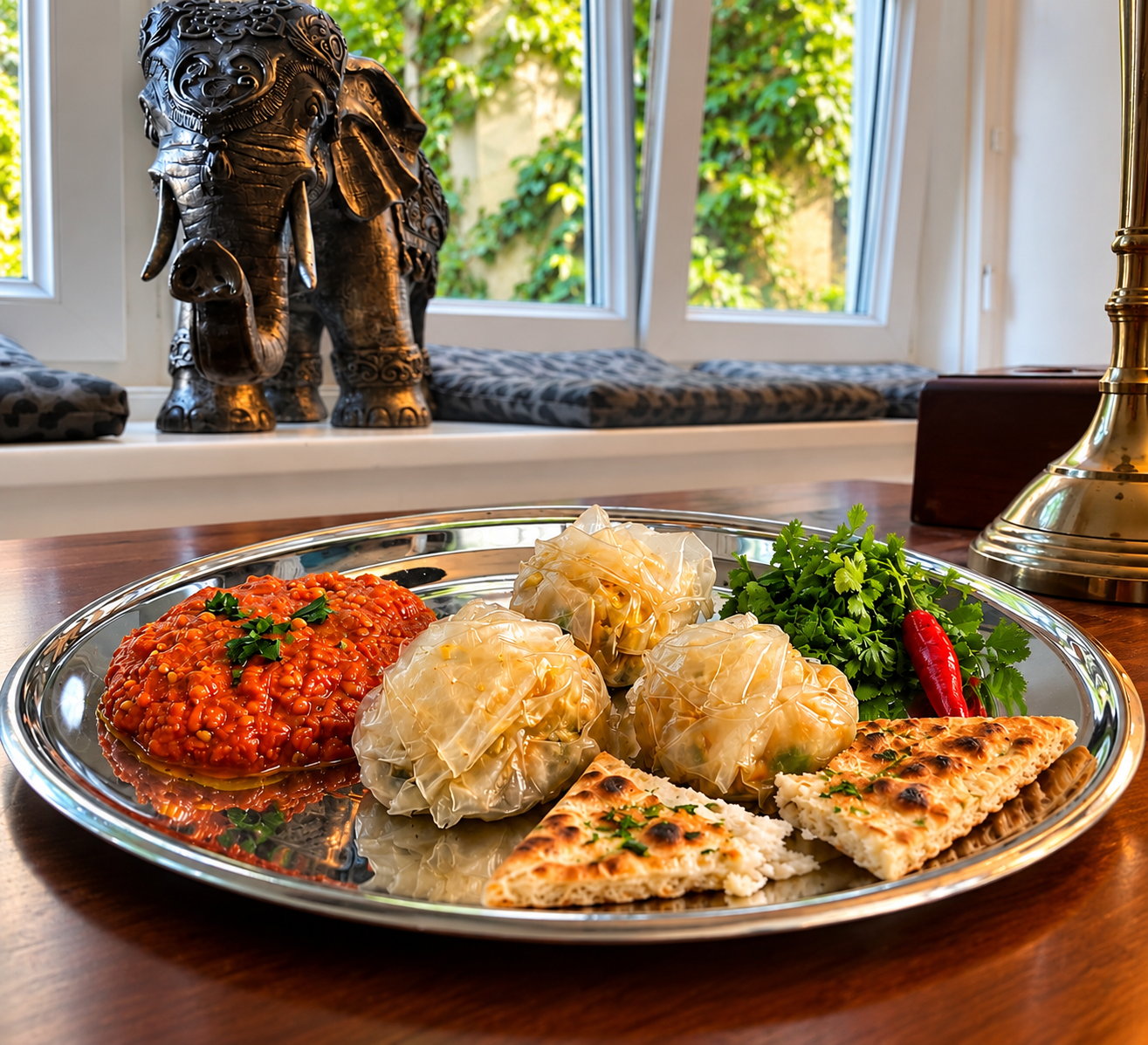
Nepalese Vegan Momos – Handmade Vegetable Dumplings with Spicy Tomato Sesame Achar
You may also like
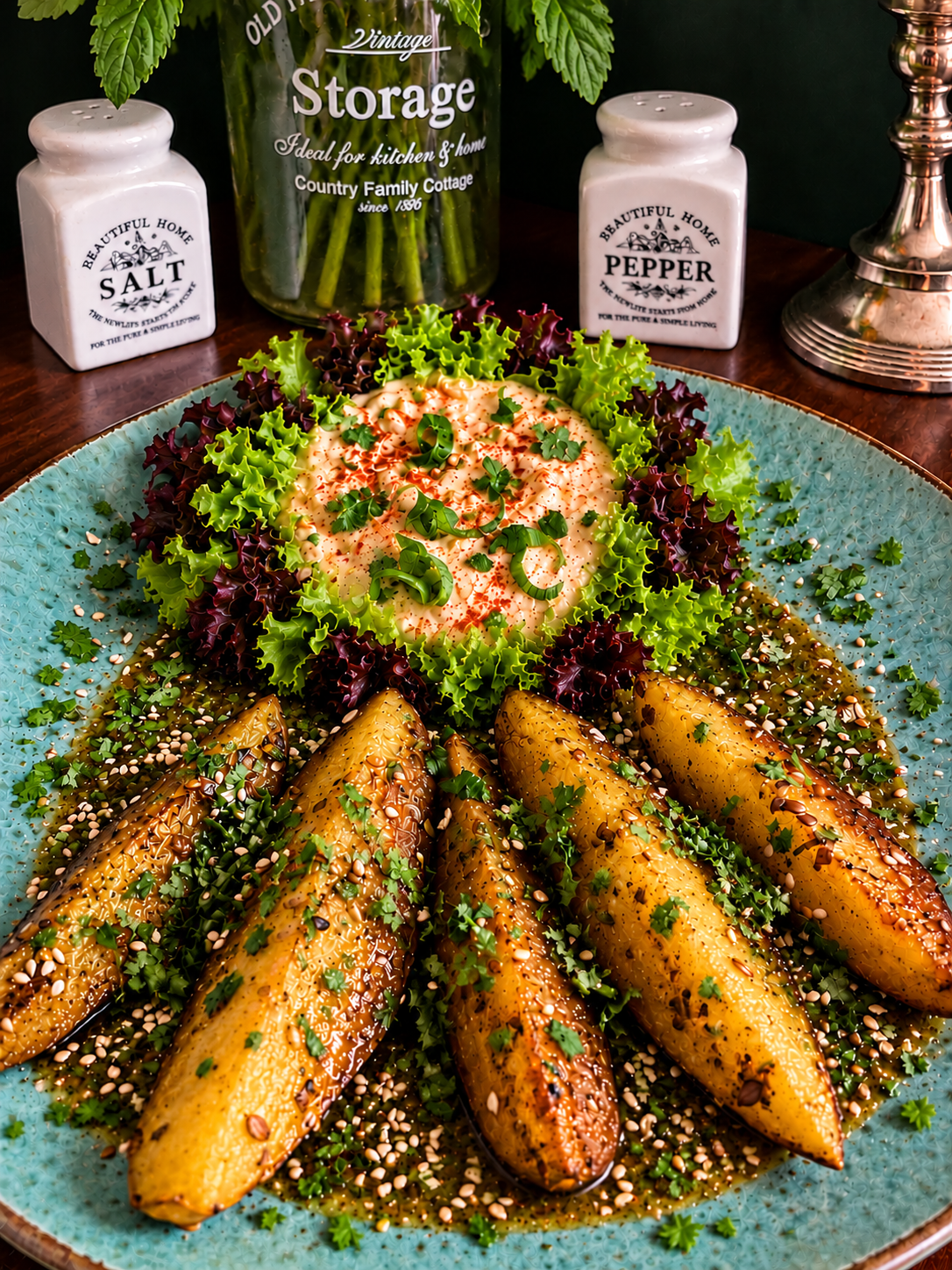
Cypriot Roasted Potatoes – Patátes Antinahtés with Creamy Vegan Tahini Dip
You may also like