Recipe postcard
Cyprus – A Mediterranean Island with a Rich Culinary Heritage
Cyprus is an island in the eastern Mediterranean, famous for its beautiful coastline, mountainous landscapes and a cuisine shaped by centuries of Greek, Turkish and wider Mediterranean influences. Olive oil, potatoes, pulses, fresh herbs, citrus fruits and sesame-based sauces play important roles in Cypriot cooking. Sharing several small dishes, known as meze, is an especially cherished part of the island's food culture.
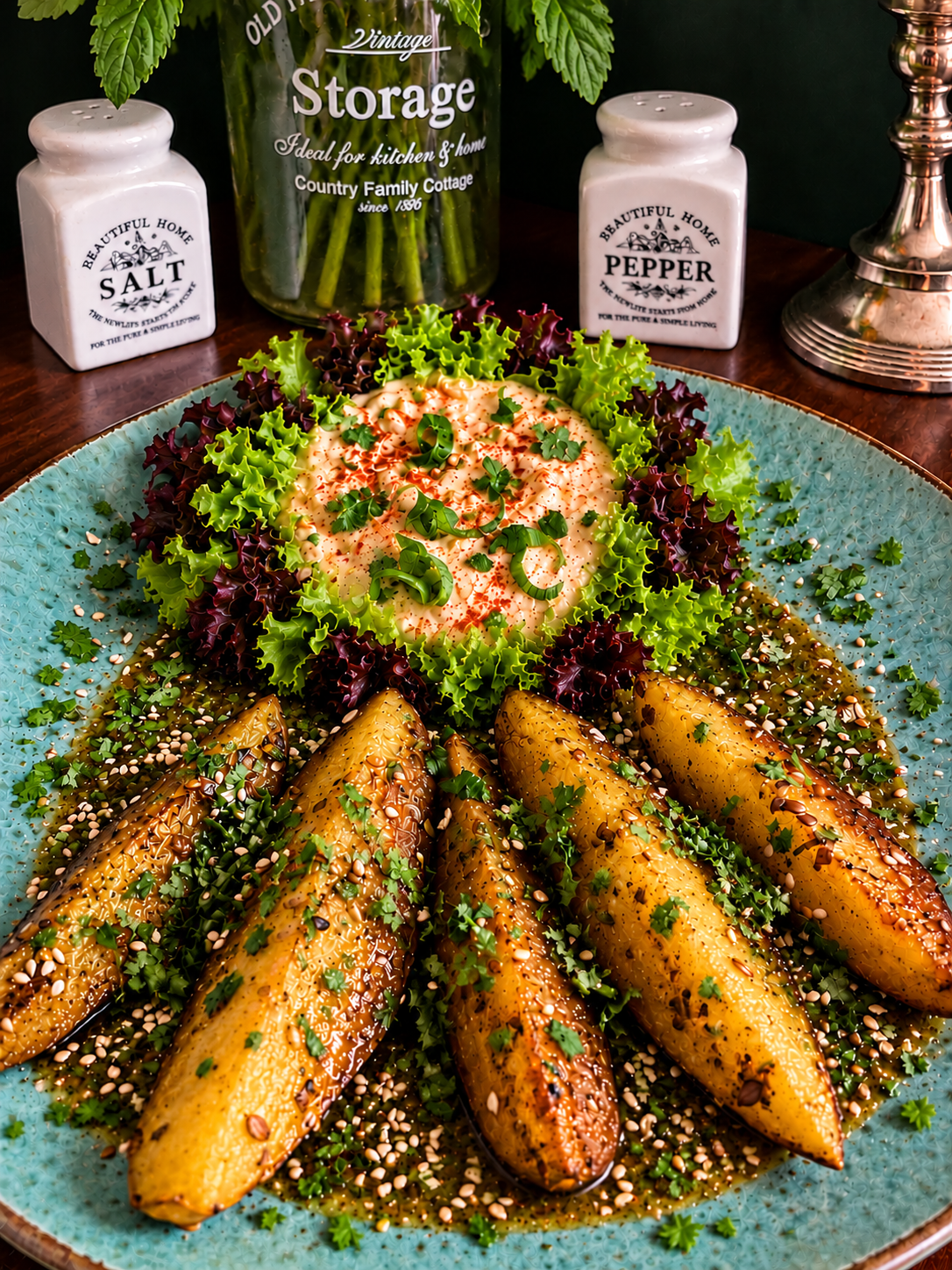
Patátes Antinahtés – Cyprus's Famous Shaken Potatoes
Patátes Antinahtés are a traditional Cypriot potato speciality, typically prepared with crushed coriander seeds and dry red wine. The name refers to the shaking or tossing technique used to coat the potatoes in their aromatic cooking juices. My Via Veggie Vegan interpretation replaces the wine with pomegranate juice and balsamic vinegar, roasts the potatoes in the oven and pairs them with a creamy soy yoghurt and tahini dip. The result is a colourful, completely plant-based variation inspired by this beloved Cypriot classic.
Cook this recipe →
Recipe postcard
Colombia – A Country of Mountains, Coffee and Culinary DiversityColombia lies in northwestern South America and is known for its extraordinary geographical diversity, from the Andes Mountains and Caribbean coastline to the Amazon rainforest. Its cuisine reflects Indigenous, African and European influences, with regional specialties ranging from hearty soups and corn-based dishes to tropical fruits and colorful breakfast traditions. Breakfast is an important part of Colombian food culture, and savory dishes are particularly popular.
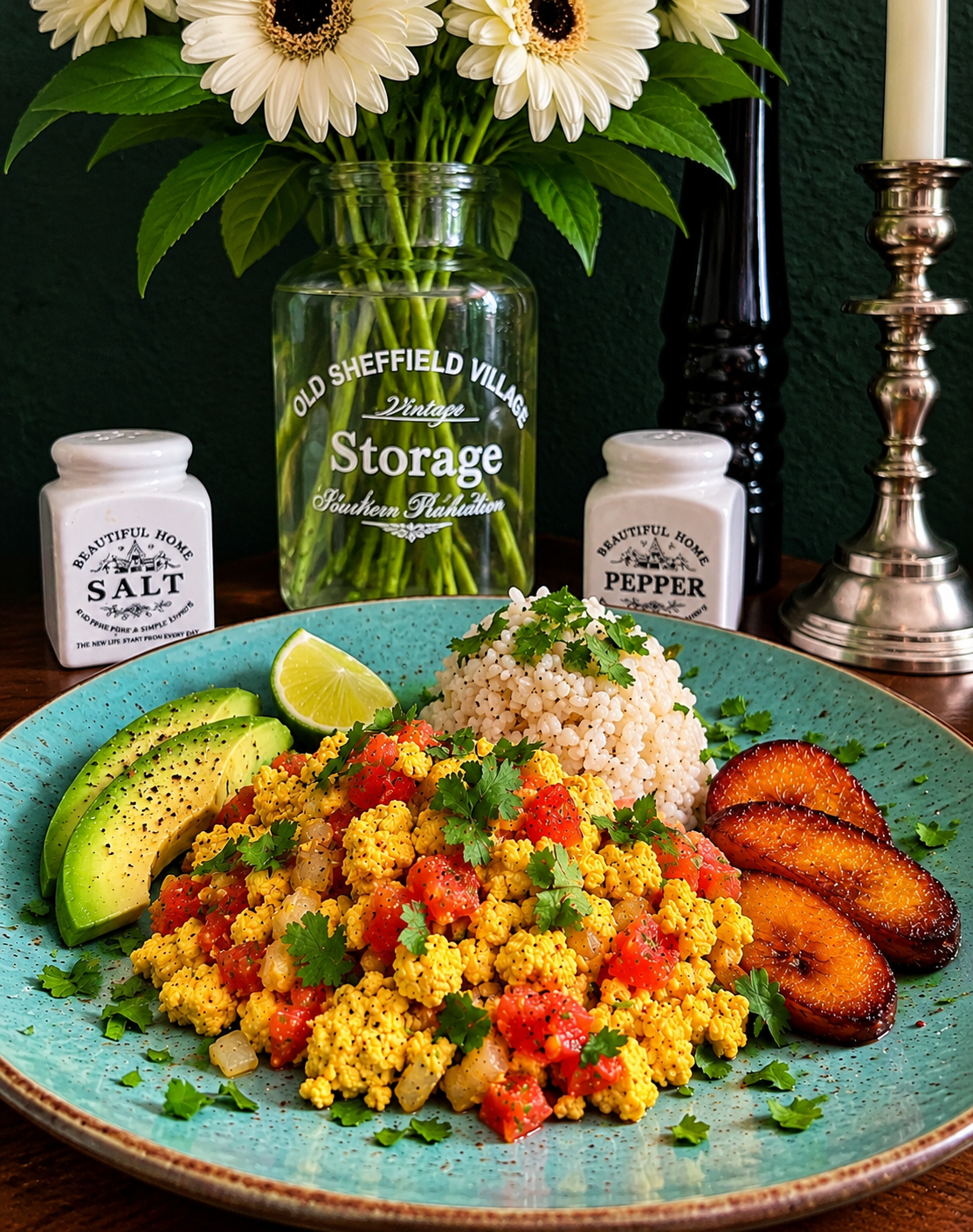
Huevos Pericos – Colombia's Colorful Scrambled EggsHuevos Pericos are a beloved Colombian breakfast dish traditionally made with scrambled eggs, tomatoes and spring onions. The name "pericos" is often associated with the colorful appearance of the dish. Huevos Pericos are commonly served with arepas, bread, avocado or other breakfast accompaniments. My Via Veggie Vegan version replaces the eggs with a combination of firm and silken tofu, soy milk, nutritional yeast, turmeric and Kala Namak. Instead of preparing the scramble in a frying pan, I bake it in the oven for a soft, creamy texture.
Cook this recipe →
Recipe postcard
South Korea – A Culinary Culture of Balance and Fermentation
South Korea is an East Asian country renowned for its diverse culinary traditions, fermented foods and colorful vegetable dishes. Korean cuisine combines savory, spicy, sweet and aromatic flavors, with ingredients such as garlic, sesame oil, soy sauce and gochugaru playing important roles. A traditional Korean meal often includes banchan, small side dishes served alongside rice and other preparations. Vegetables, seasonal ingredients and fermentation are central elements of this rich food culture.
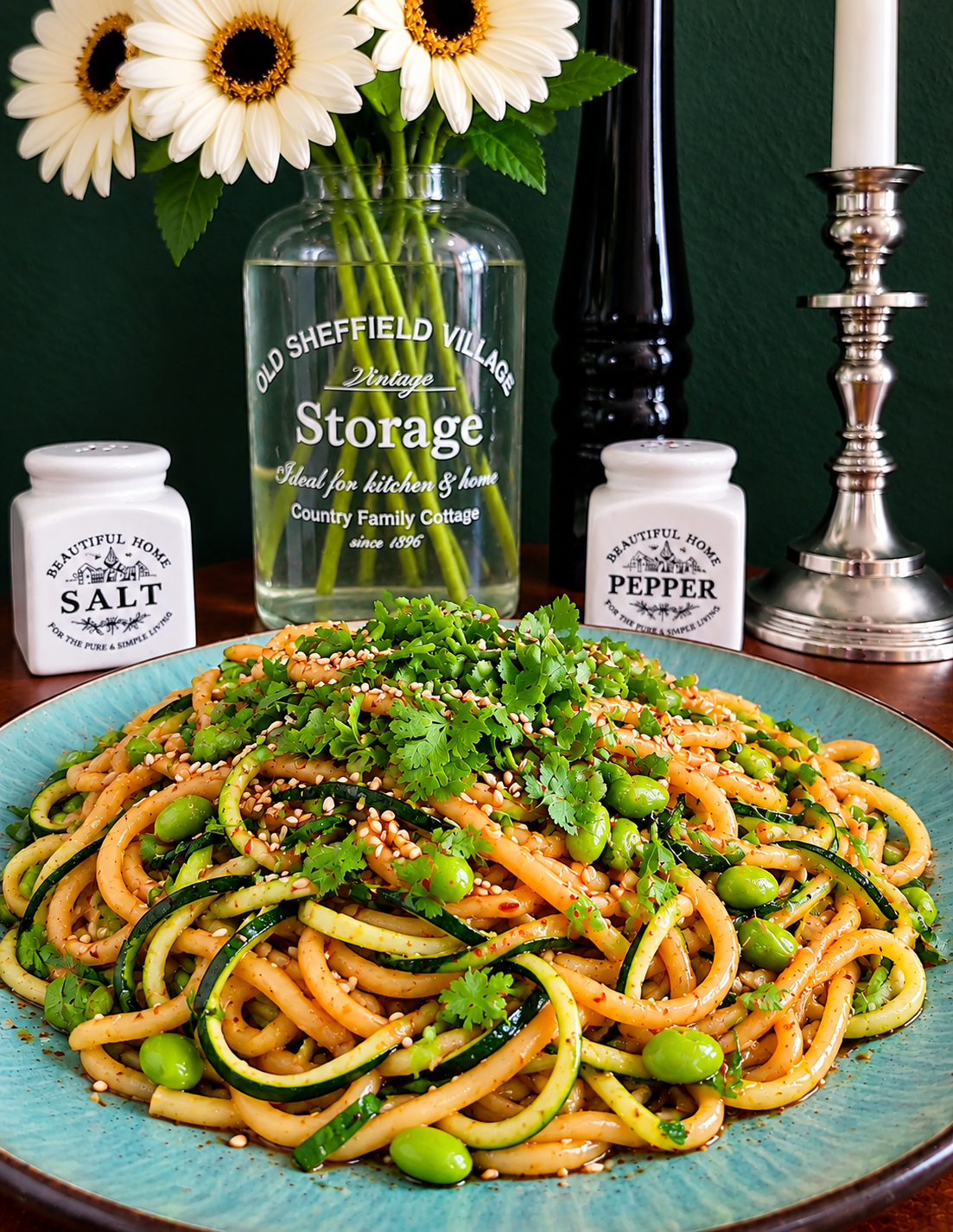
What Is Aehobak Bokkeum?
Aehobak Bokkeum (애호박볶음) is a traditional Korean stir-fried summer squash dish commonly served as banchan. Aehobak refers to Korean summer squash, while bokkeum means stir-fried. Traditionally, the squash is sliced and quickly cooked with ingredients such as garlic, spring onions and sesame oil. My Via Veggie Vegan interpretation replaces Korean aehobak with spiralized zucchini and transforms the vegetable side dish into a complete noodle meal with Udon, edamame and a savory miso-gochugaru sauce. Fresh coriander and sesame add the finishing touch.
Cook this recipe →
Recipe postcard
Japan – A Culinary Tradition of Precision and Umami
Japan is an East Asian island nation celebrated for its diverse regional cuisines, seasonal ingredients and careful attention to flavor and presentation. Japanese cooking frequently highlights the natural character of ingredients, with fermented foods such as miso and soy sauce playing an important role. From traditional noodle shops to modern ramen restaurants, comforting bowls of noodles are an essential part of everyday food culture.
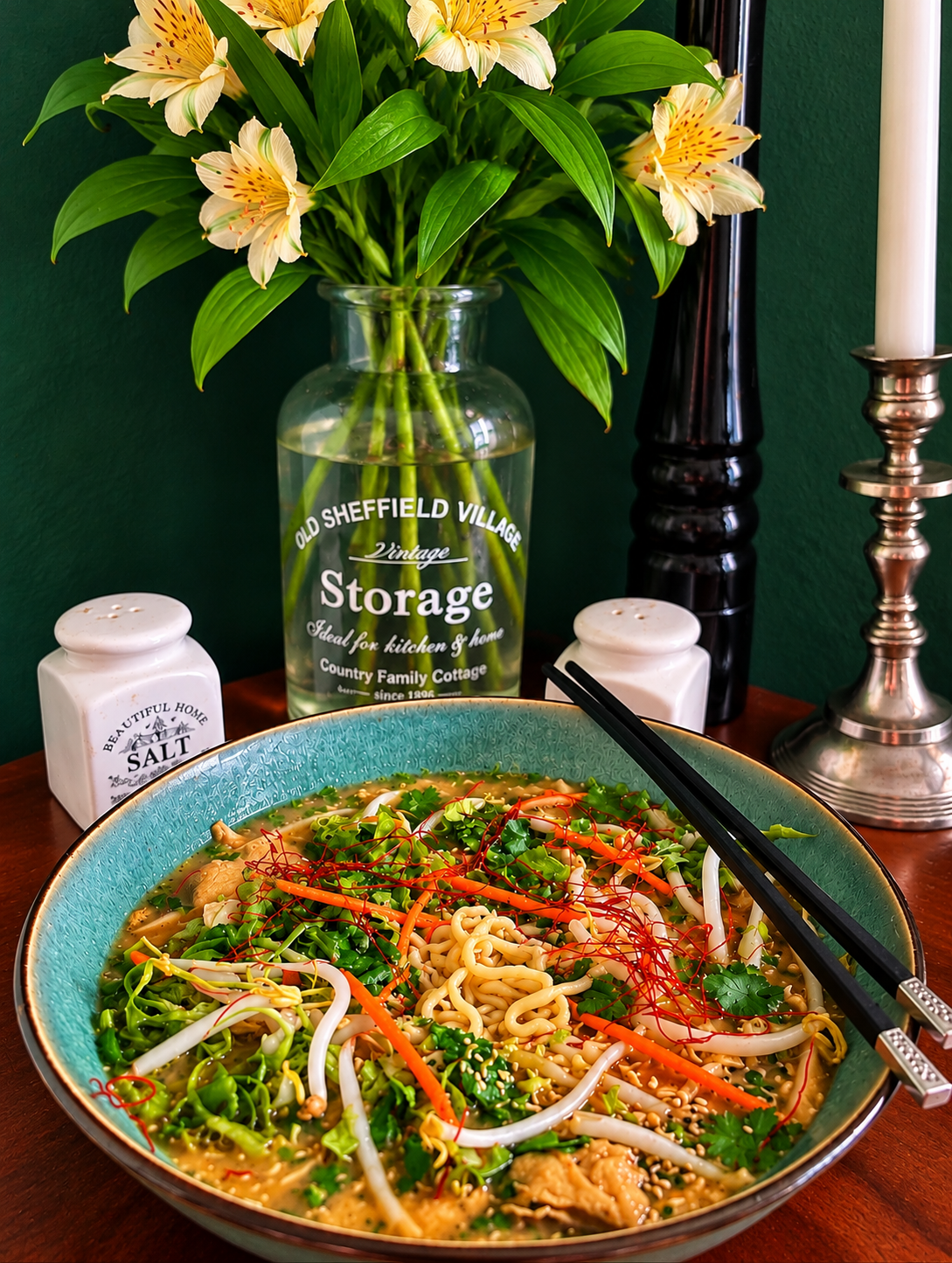
What Is Spicy Miso Ramen?
Ramen developed in Japan under the influence of Chinese wheat noodle traditions and has evolved into numerous regional styles. Miso ramen is particularly associated with Sapporo in Hokkaido, where miso-based ramen became popular during the twentieth century. This Via Veggie Vegan interpretation combines white miso, vegetable stock, soy milk, garlic, ginger and chili crisp to create a creamy, spicy broth. Ramen noodles, tofu, plant-based chicken and plenty of vegetables turn it into a generous, satisfying plant-based meal.
Cook this recipe →
Recipe postcard
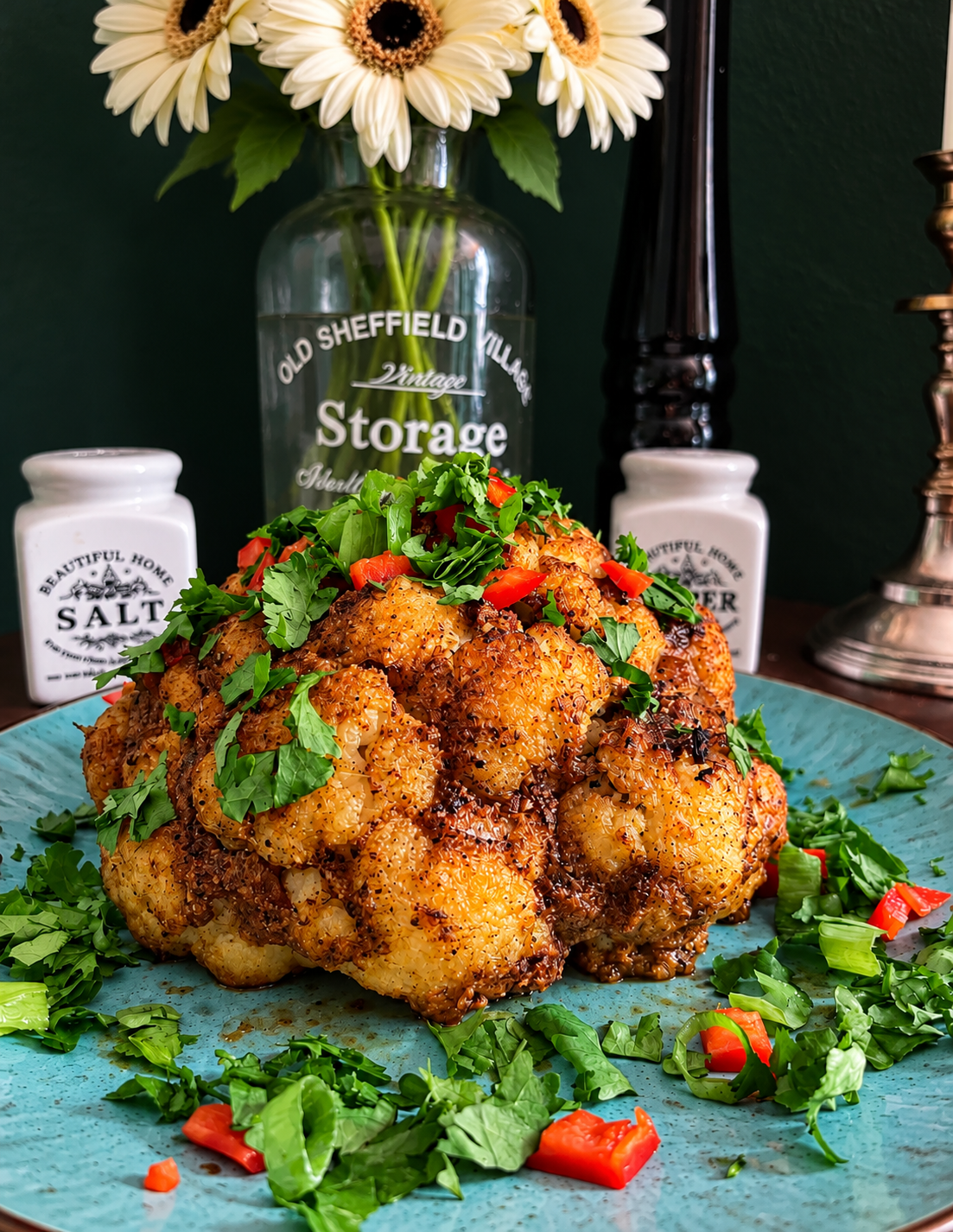
Jamaica – The Caribbean Island of Bold Flavours
Jamaica is a Caribbean island renowned for its vibrant culture, reggae music and distinctive culinary traditions. Its cuisine reflects Indigenous, African, European and Asian influences, combining tropical ingredients with aromatic herbs, warming spices and fiery chilies. Allspice, known locally as pimento, and Scotch Bonnet peppers are particularly characteristic of Jamaican cooking, alongside thyme, spring onions, garlic and ginger.
What Is Whole Roasted Jerk Cauliflower?
Jerk is one of Jamaica's most recognizable culinary traditions, traditionally associated with intensely seasoned meat cooked over fire or smoke. Whole Roasted Jerk Cauliflower is a modern plant-based interpretation inspired by those characteristic flavors. An entire cauliflower is coated in a homemade marinade of Scotch Bonnet chili, allspice, thyme, garlic, ginger, soy sauce and lime. Turmeric, fenugreek and a few drops of liquid smoke add my personal Via Veggie Vegan twist. Oven-roasted until deeply golden and tender inside, it becomes a wonderfully aromatic vegan centerpiece.
Cook this recipe →
Recipe postcard
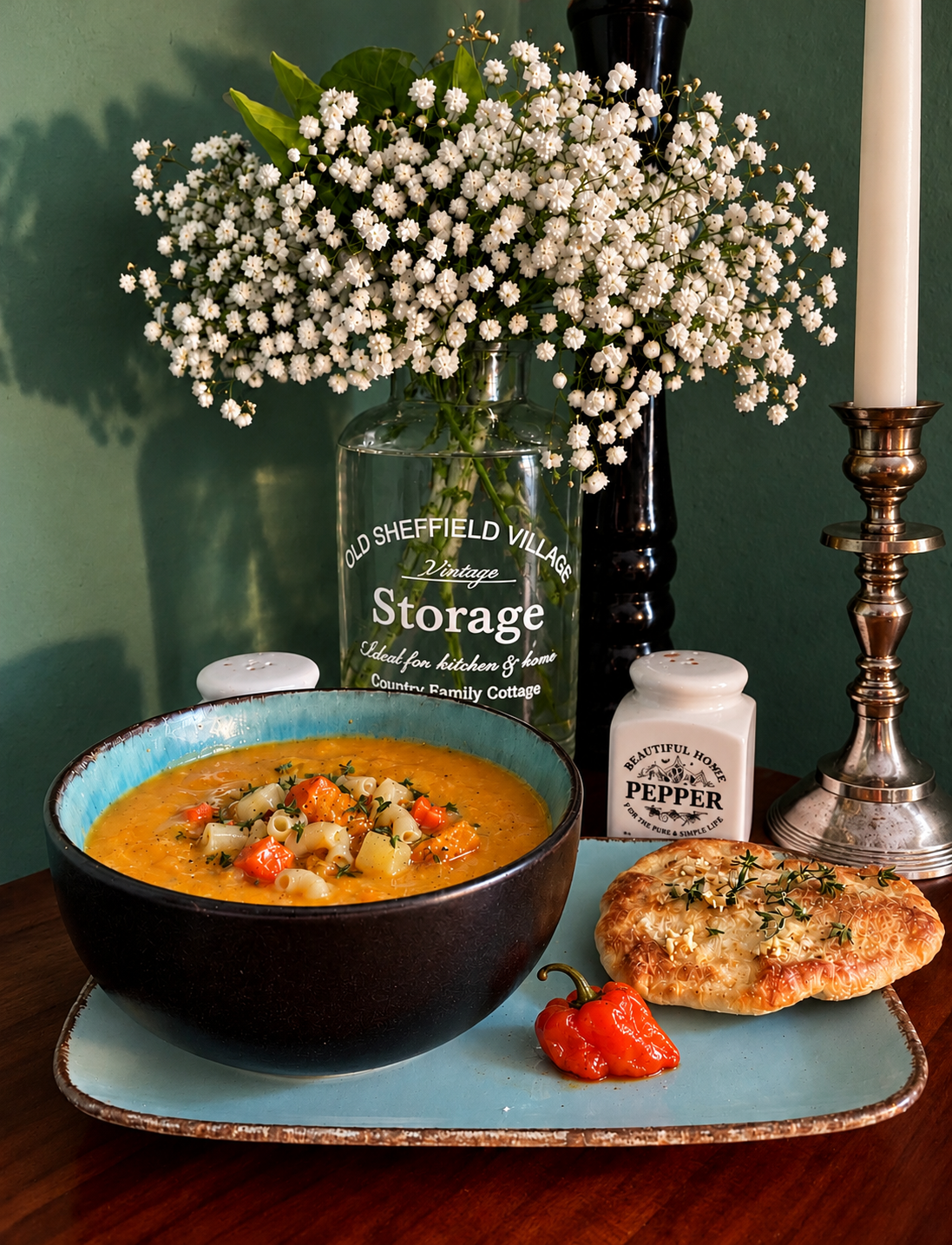
Haiti – The Caribbean Nation That Fought for FreedomHaiti occupies the western part of the Caribbean island of Hispaniola, which it shares with the Dominican Republic. Its culture reflects a rich heritage shaped by African traditions, Indigenous history, French colonial influence and the extraordinary struggle for independence. On 1 January 1804, Haiti declared its independence after a successful revolution against French colonial rule, becoming the first independent Black republic and the first state established through a successful revolt by enslaved people. Haitian cuisine is known for its vibrant seasonings, aromatic herbs, vegetables, rice, beans and deeply flavorful dishes. Food plays an important role in family gatherings, cultural identity and the preservation of traditions.
Soup Joumou – Haiti's Freedom Soup, Traditionally Eaten on 1 JanuarySoup Joumou is a traditional Haitian squash soup with profound historical and cultural significance. According to Haitian tradition, during French colonial rule, the richly prepared soup was associated with the colonial elite and denied to enslaved Haitians. Following independence on 1 January 1804, preparing and enjoying Soup Joumou became a powerful symbol of liberation, dignity and the freedom to enjoy what had previously been forbidden. Today, Haitian families and communities in Haiti and around the world traditionally prepare and share the soup on New Year's Day, which is also Haiti's Independence Day. Soup Joumou is often described as a soup of freedom, unity and peace. In 2021, UNESCO inscribed the knowledge and practices surrounding Joumou soup on its Representative List of the Intangible Cultural Heritage of Humanity. Traditional versions often contain meat, while this Via Veggie Vegan interpretation celebrates the dish with butternut squash, vegetables, pasta, homemade Haitian epis and vegetable broth.
Cook this recipe →
Recipe postcard
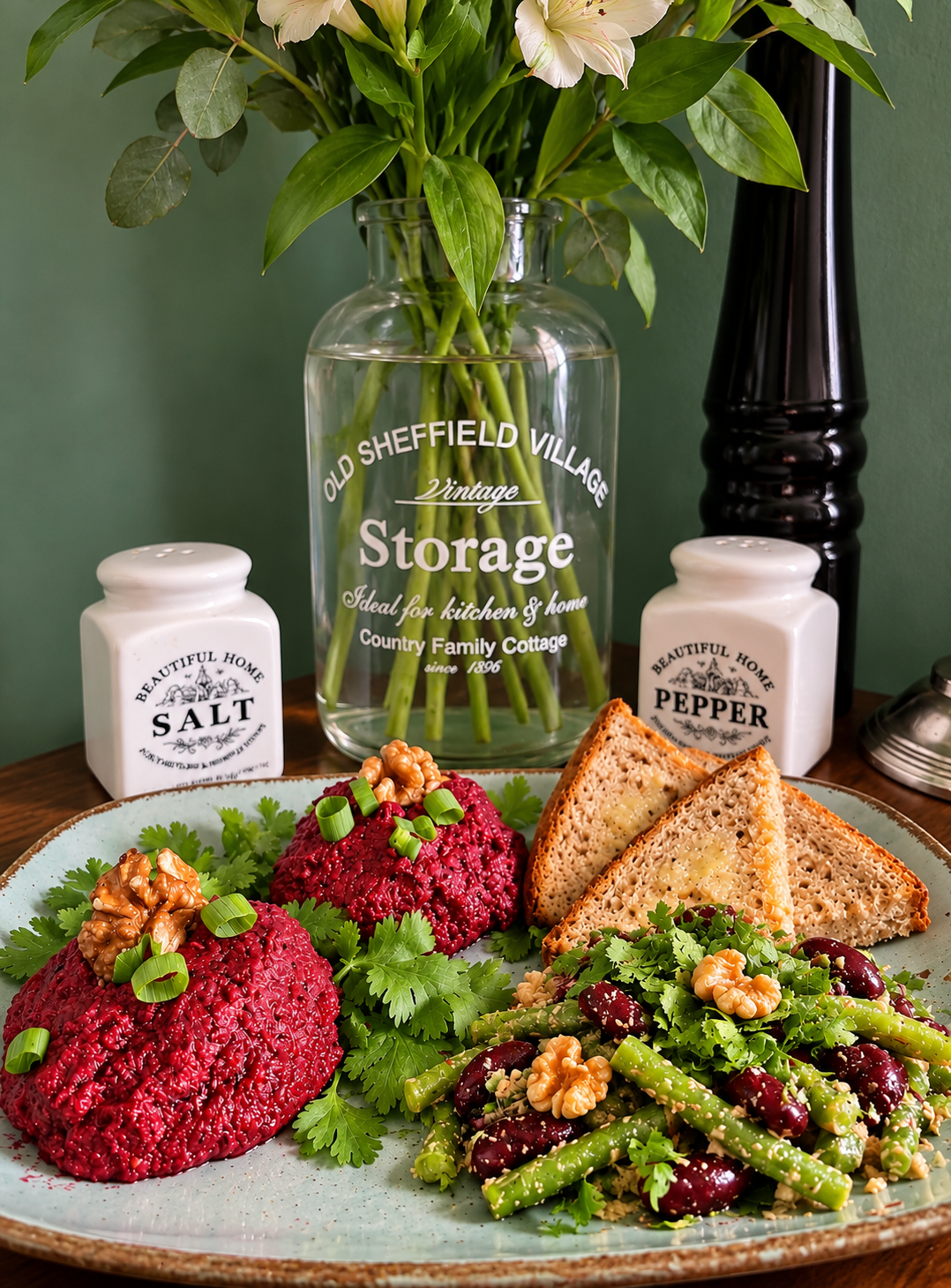
Georgia – Where Europe and Asia MeetGeorgia lies in the Caucasus region, between the Black Sea and the mountains of the Greater Caucasus. Its cuisine is famous for generous hospitality, fresh herbs, walnuts, garlic, aromatic spices and a remarkable variety of vegetable and bean dishes. Traditional Georgian meals often feature several small plates shared around the table, creating a colorful combination of flavors and textures. Walnuts are especially important in Georgian cooking, appearing in sauces, spreads, vegetable dishes and fillings.
Charkhlis Pkhali & Mtsvane Lobio – Two Georgian SpecialtiesCharkhlis Pkhali (ჭარხლის ფხალი) is a beetroot variation of Pkhali, a family of Georgian vegetable dishes prepared with ground walnuts, garlic, herbs and spices. Beetroot Pkhali is commonly made with cooked beetroot, but this Via Veggie Vegan version uses fresh raw beetroot for a firmer texture and particularly earthy flavor. Mtsvane Lobio (მწვანე ლობიო) means green beans and refers to Georgian preparations centered on this vegetable. My interpretation combines green beans with red kidney beans, fresh coriander and a walnut dressing enriched with pomegranate molasses and lemon juice. Served together with toasted bread, the two dishes make a satisfying plant-based meal.
Cook this recipe →
Recipe postcard
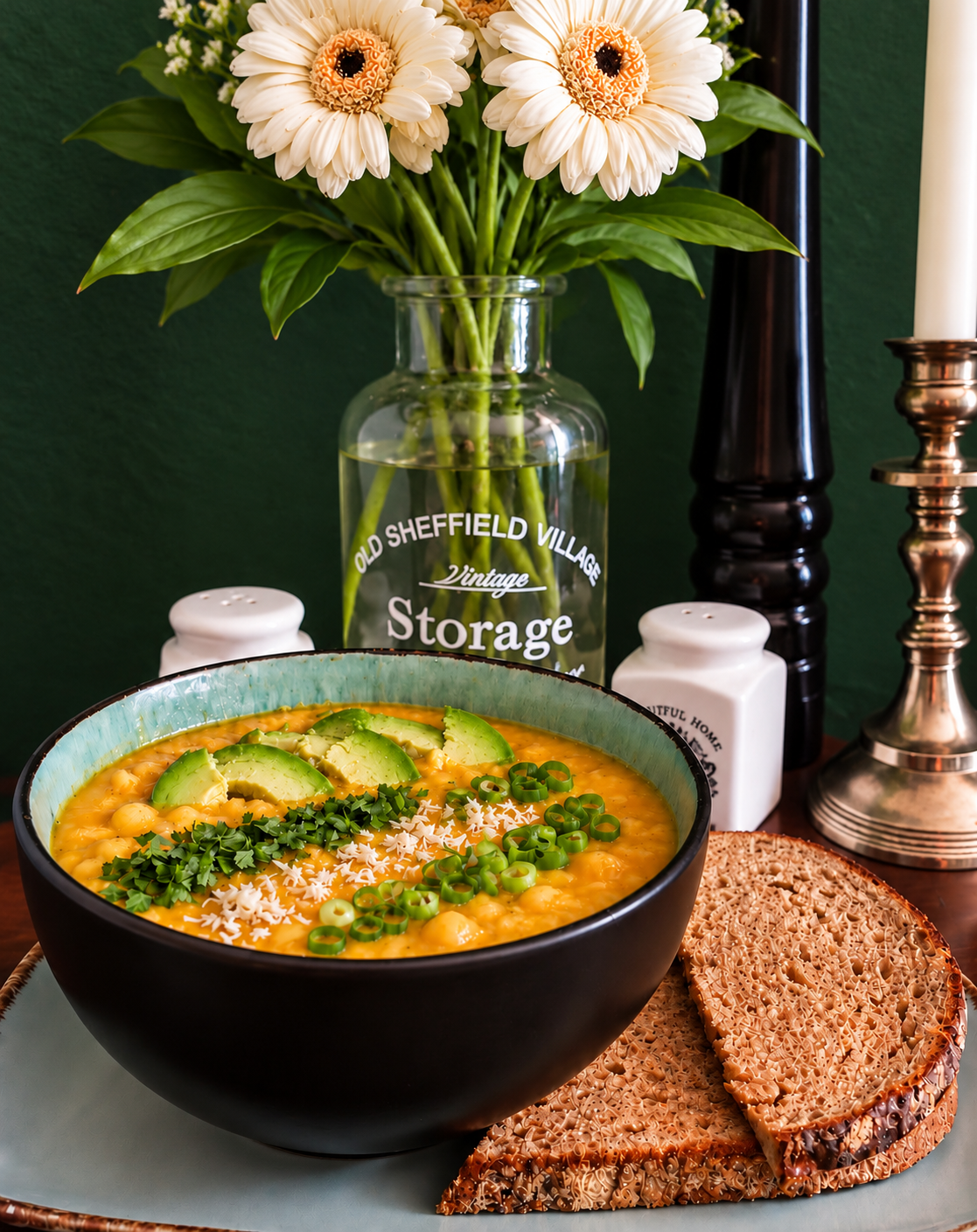
Ecuador – From the Andes to the PacificEcuador is a South American country with an extraordinarily diverse landscape, stretching from the Pacific coast through the Andes to the Amazon rainforest. Its cuisine reflects these different regions and their agricultural traditions. In the Andean highlands, potatoes, corn, legumes and other locally cultivated ingredients have shaped everyday cooking for centuries. Ecuador is also home to the Galápagos Islands, famous for their remarkable biodiversity.
What Is Locro de Papa?Locro de Papa is one of Ecuador's best-known traditional potato soups, particularly associated with the Andean highlands. It is usually prepared with potatoes, onions, garlic, cumin, milk and fresh cheese, and is often served with avocado. The potatoes give the soup its characteristic thick, comforting texture. My vegan interpretation replaces dairy products with a vegan butter alternative, unsweetened plant-based drink and vegan cheddar. Nutritional yeast adds savory depth, while fresh coriander, spring onions and avocado complete the dish.
Cook this recipe →
Recipe postcard
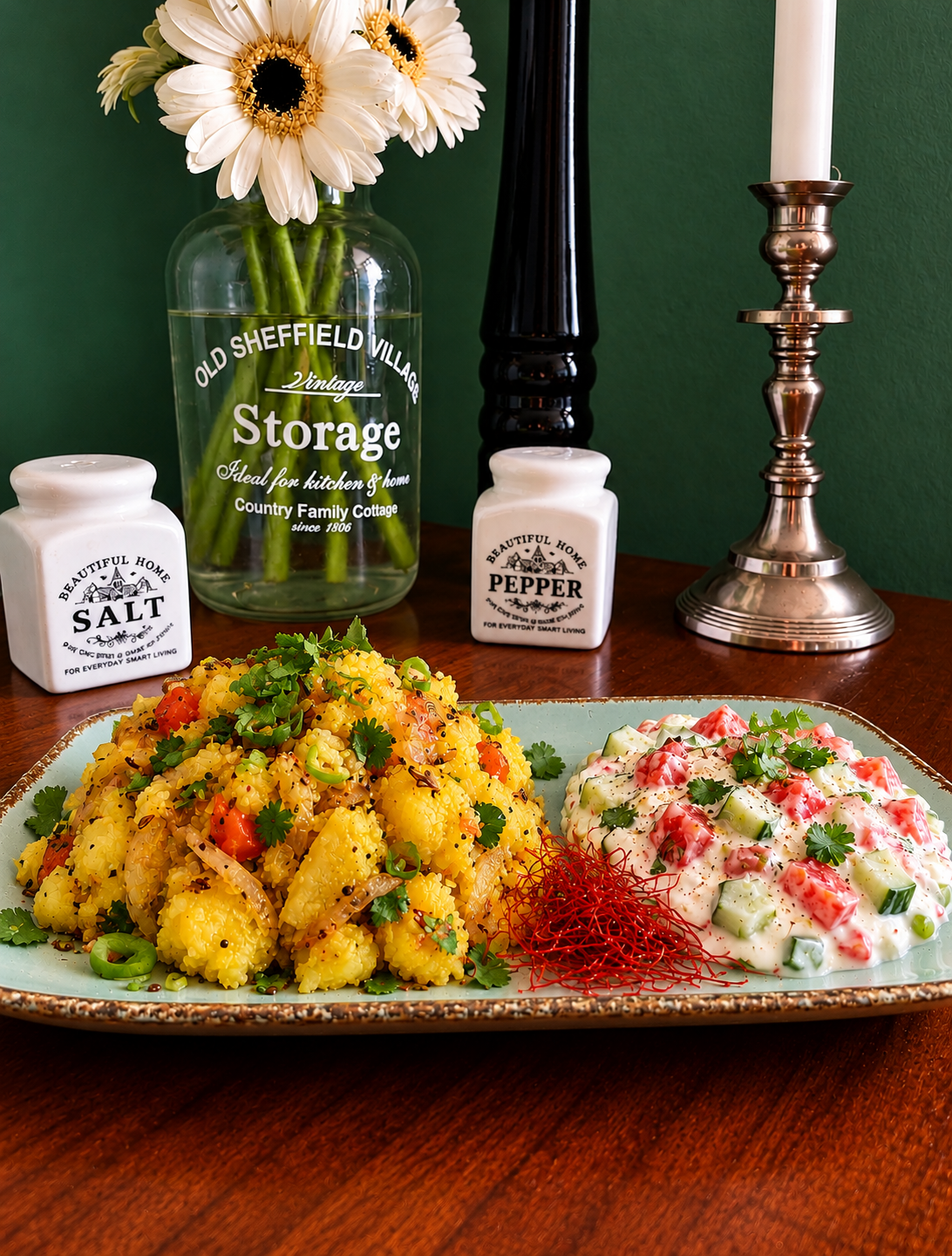
Bangladesh – A Country of Rivers and Rich Culinary TraditionsBangladesh lies in South Asia, where the mighty Ganges, Brahmaputra and Meghna river systems have shaped the landscape, agriculture and food culture for centuries. Rice, lentils, vegetables, mustard oil and aromatic spices are important ingredients in everyday Bangladeshi cooking.
What Is Aloo Bharta?Aloo Bharta, more commonly known as Alu Bhorta in Bangladesh, is a traditional mashed potato preparation. The word alu means potato, while bhorta refers to a family of mashed or crushed dishes mixed with seasonings.
Cook this recipe →
Recipe postcard
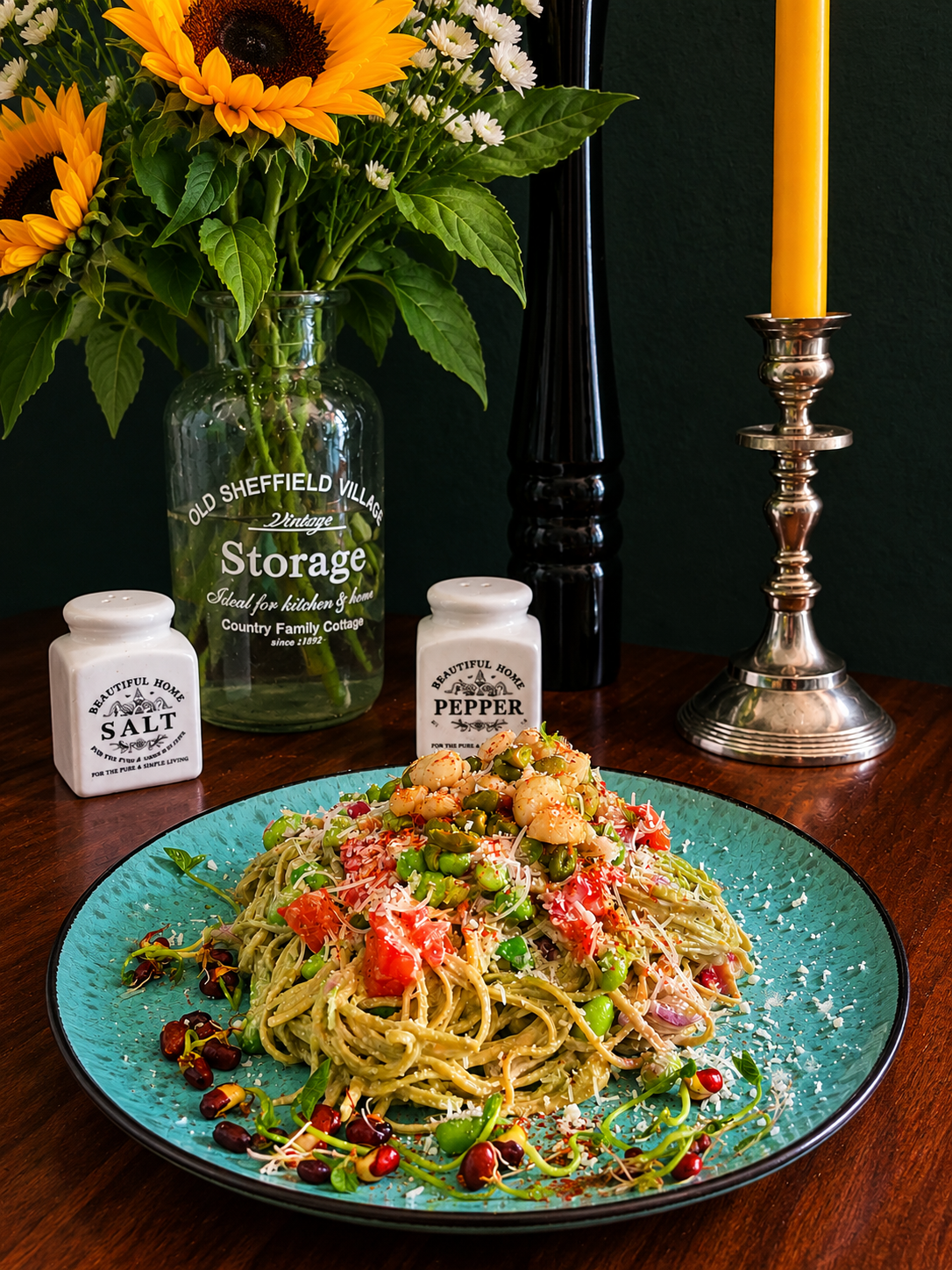
Australia – Native Flavours & Culinary DiversityAustralia's contemporary cuisine combines Aboriginal and Torres Strait Islander food traditions with influences from Europe, Asia and the Pacific. Lemon myrtle, a native Australian plant with an intense citrus fragrance, and macadamia nuts, known for their rich, buttery flavour, are two distinctive ingredients with deep roots in Australia's culinary heritage.
What Are Edamame Spaghetti with Lemon Myrtle & Macadamia?This Via Veggie Vegan creation combines protein-rich edamame spaghetti with fragrant Australian lemon myrtle, crunchy macadamias, pistachios and fresh vegetables in a creamy oat sauce. Finished with lime, vegan Parmesan alternative and homegrown sprouts, this colourful dish celebrates Australian native ingredients through modern plant-based fusion cooking rather than recreating a traditional Australian recipe.
Cook this recipe →
