
Yemen – A Land of Ancient Traditions and Aromatic Cuisine
Yemen is located at the southern end of the Arabian Peninsula and has a rich culinary heritage shaped by centuries of trade, agriculture and cultural exchange. Its cuisine is known for aromatic spices, hearty stews, traditional breads and distinctive condiments. Ingredients such as garlic, herbs, legumes and sesame appear in different regional preparations, reflecting Yemen's connections with the wider Middle East.
What Are Roasted Artichokes with Tahini Sauce?
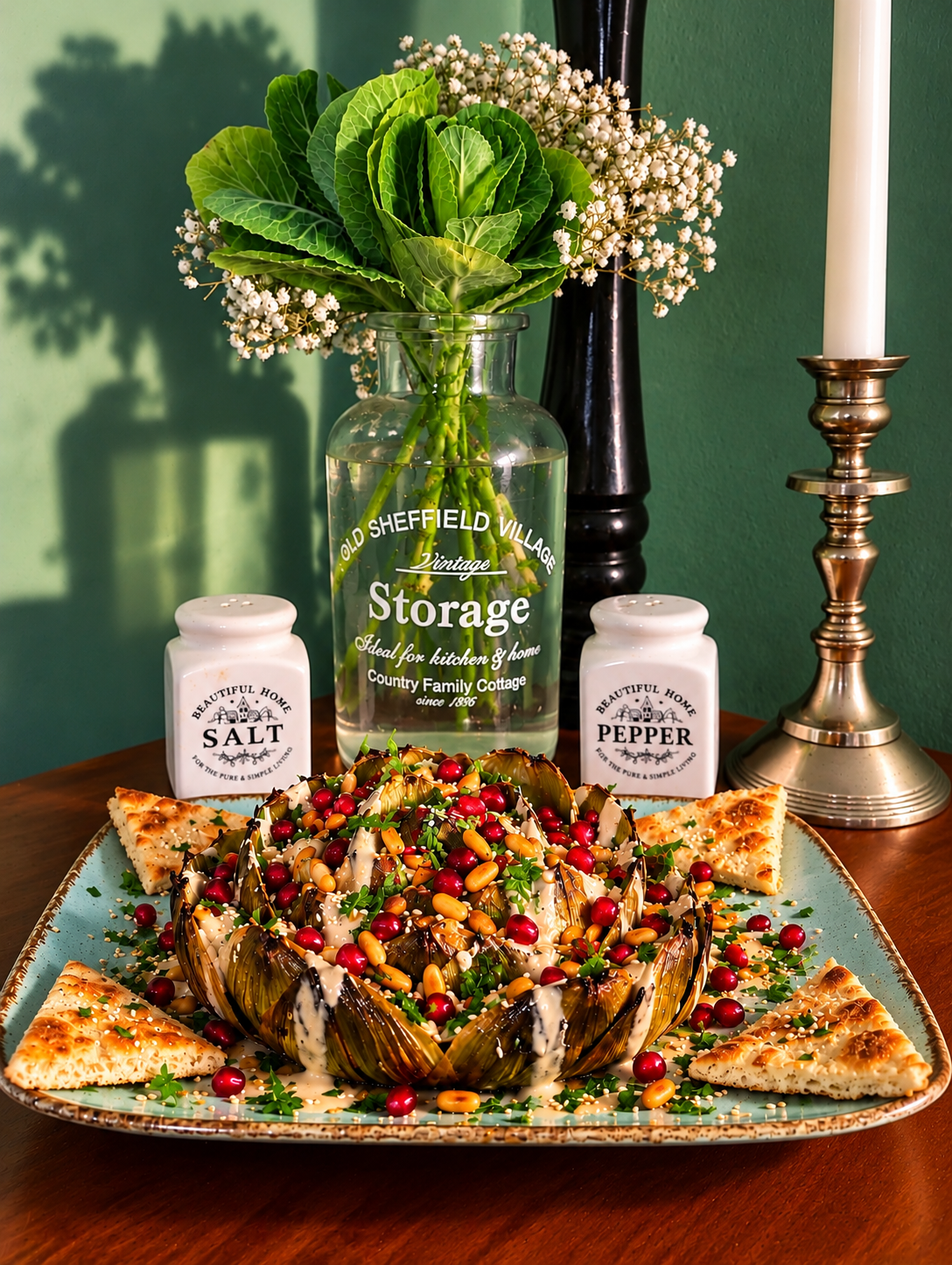
These roasted artichokes are a Via Veggie Vegan creation inspired by Middle Eastern and Levantine flavors rather than a documented traditional Yemeni national dish. Whole artichokes are roasted with olive oil and lemon until tender, then generously coated with taratur, a creamy sauce made from tahini, garlic, lemon juice and water. Toasted pine nuts, pomegranate seeds, sesame and fresh parsley add contrasting textures and flavors, while warm flatbread makes the dish perfect for sharing.
▣ Ingredients (2 servings)
- 2 artichokes
- 2 tbsp olive oil
- 1 lemon
- 4 tbsp tahini
- 3 tbsp fresh lemon juice
- 1 clove garlic
- 1 tsp maple syrup
- 1 tsp lemon zest
- 4 tbsp cold water
- 1 tbsp pomegranate seeds
- 1 tbsp pine nuts
- 1 tsp sesame seeds
- 1 tbsp fresh parsley
- to taste salt & freshly ground pepper
♨ Preparation
- Prepare the Artichokes
Preheat the oven to 200°C fan / 390°F convection.
Wash the artichokes thoroughly under running water.
Trim the stems so the artichokes can stand upright. Remove any particularly tough outer leaves and trim the sharp leaf tips if necessary.
Rub the artichokes generously with olive oil and freshly squeezed lemon juice.
Season lightly with salt. - – Roast the Artichokes
Place the prepared artichokes in an ovenproof baking dish.
Add enough water to cover the bottom of the dish by approximately 5–10 mm. This helps prevent the artichokes from drying out during roasting.
Roast for approximately 40 minutes, depending on their size.
Check the water level occasionally and add a little more if necessary.
The artichokes are ready when the base is tender when pierced with a knife and the leaves pull away easily.
If necessary, extend the cooking time until fully tender. - Prepare the Taratur Sauce
Combine the tahini, lemon juice, finely grated garlic, maple syrup and a pinch of salt in a small bowl.
Mix thoroughly. The tahini may initially become thick and grainy.
Gradually add the cold water, one tablespoon at a time, whisking continuously until the sauce becomes smooth, creamy and pourable.
Stir in the freshly grated lemon zest.
Adjust the consistency with a little additional water if necessary. - Toast the Pine Nuts
Heat a small dry frying pan over medium heat.
Add the pine nuts and toast for approximately 2–3 minutes, stirring frequently, until lightly golden and fragrant.
Remove them immediately from the pan to prevent burning. - Assemble and Serve
Arrange the roasted artichokes on a serving platter.
Generously drizzle the creamy taratur sauce over the artichokes, allowing some of the sauce to run between the leaves.
Sprinkle with toasted pine nuts, pomegranate seeds, sesame seeds and freshly chopped parsley.
Serve warm.
Arabic flatbread makes an excellent optional accompaniment for scooping up the sauce.
Food Story
Welcome to Artichoke Heaven!
After what felt like a thousand pumpkin dishes, I desperately needed a little pumpkin break. And apparently, the universe decided that artichokes would be the perfect solution. Not just any artichokes, though. Whole roasted artichokes, generously covered in creamy tahini sauce, toasted pine nuts, juicy pomegranate seeds, sesame and fresh parsley. Because apparently, I have absolutely no concept of moderation when it comes to delicious toppings. Welcome to artichoke heaven!
That Tahini Sauce Deserves Its Own Fan Club
For this stop on my Via Veggie Vegan culinary journey, I brushed two whole artichokes with olive oil and lemon juice and roasted them until tender. Meanwhile, I prepared a creamy taratur with tahini, garlic, lemon juice and a tiny touch of maple syrup. And let me tell you, that sauce deserves its own fan club! The nutty sesame, fresh citrus, garlic and subtle sweetness work beautifully together. Add golden pine nuts, ruby-red pomegranate seeds and fresh parsley, and suddenly those artichokes are dressed for a very special occasion.
One Tiny Problem: I’m Out of Artichokes!
A few pieces of warm flatbread joined the party because wasting tahini sauce is simply not an option. The finished artichokes might not look like ordinary artichokes anymore, but they tasted absolutely divine. And now I have a serious problem. I desperately want another one, but I’m completely out of artichokes! Sometimes culinary happiness is wonderfully simple. And sometimes it comes with a ridiculous amount of tahini.
♨ Nutrition per serving
Nutritional values are approximate and may vary depending on the ingredients and products used.
Good to Know
What Exactly Is an Artichoke?
The globe artichoke is the immature flower bud of a cultivated thistle, scientifically known as Cynara cardunculus var. scolymus. If left unharvested, the bud opens into a large purple flower. The edible parts of a mature artichoke include the tender flesh at the base of the leaves and the soft heart. The tough outer leaves and fibrous choke are not eaten.
Why Are Artichokes Popular in Mediterranean Cuisine?
Artichokes have a long history of cultivation throughout the Mediterranean region. They are particularly associated with Italian, Spanish and French culinary traditions, but also appear in various Middle Eastern dishes. Their delicate, slightly earthy flavor combines beautifully with lemon, olive oil, garlic and fresh herbs.
What Is Taratur?
Taratur is a creamy sesame-based sauce particularly associated with Levantine cuisine. It is typically prepared with tahini, lemon juice, garlic and water. The ingredients are whisked together until smooth and pourable. Taratur accompanies vegetables, mezze and many other savory dishes. Its nutty richness and bright acidity make it especially suitable for roasted artichokes.
Is This a Traditional Yemeni Dish?
This particular preparation is a Via Veggie Vegan interpretation inspired by broader Middle Eastern culinary traditions. Taratur is especially associated with the Levant rather than being uniquely Yemeni. The combination of whole roasted artichokes, lemon-garlic taratur, pine nuts and pomegranate should therefore be described as Yemeni-inspired or Middle Eastern-inspired, not as a documented traditional Yemeni national dish.
Tahini vs. Taratur – What's the Difference?
Tahini is a paste made from finely ground sesame seeds. Taratur is a prepared sauce that combines tahini with other ingredients, usually lemon juice, garlic and water. In this recipe, a little maple syrup and lemon zest provide an additional Via Veggie Vegan twist.
Why Does Tahini Become Thick When Lemon Is Added?
When a small amount of water-based liquid is mixed into tahini, the mixture often becomes noticeably thicker. This happens because the sesame particles and fats interact with the added liquid. As more water is gradually incorporated, the mixture becomes smoother and more fluid. Adding cold water one tablespoon at a time makes it easier to control the consistency.
Artichokes and Digestive Health
Artichokes provide dietary fiber, including inulin, a type of fermentable fiber that can act as a prebiotic. Prebiotic fibers are used by certain beneficial intestinal bacteria. Fiber also supports normal bowel function and contributes to satiety. However, larger quantities of inulin may cause bloating in sensitive individuals.
Artichokes – Vitamins and Minerals
Artichokes contain folate, potassium and various plant compounds. Folate contributes to normal cell division and blood formation, while potassium supports normal muscle function and helps maintain normal blood pressure. Their nutritional value makes artichokes a useful addition to a varied plant-based diet.
Do Artichokes Really Detoxify the Body?
Artichokes are sometimes promoted as detoxifying vegetables, particularly in connection with liver health. However, eating whole artichokes has not been shown to directly remove toxins from the body. The liver and kidneys already perform the body's main detoxification and waste-removal functions. Artichokes are nutritious without needing exaggerated detox claims.
Tahini – Healthy Fats and Plant-Based Protein
Tahini contains predominantly unsaturated fatty acids, alongside plant-based protein and minerals such as calcium, iron and magnesium. Replacing saturated fats with unsaturated fats can help reduce LDL cholesterol. Elevated LDL cholesterol contributes to cardiovascular risk, while HDL participates in transporting cholesterol back toward the liver. The overall dietary pattern remains more important than focusing on a single ingredient.
Pomegranate Seeds – Color, Flavor and Antioxidants
Pomegranate seeds add refreshing sweetness, gentle acidity and a beautiful ruby-red color. They contain dietary fiber and various polyphenols, naturally occurring plant compounds with antioxidant properties. Their juicy texture contrasts particularly well with the rich tahini sauce.
Why Toast Pine Nuts?
Toasting enhances the aroma and delicate nutty flavor of pine nuts. Gentle heating develops roasted notes and makes them particularly fragrant. Because pine nuts contain a relatively high proportion of fat, they can brown quickly. Remove them from the pan as soon as they turn lightly golden.
Why Do Artichokes Turn Brown?
Freshly cut artichokes can darken when exposed to oxygen. This process is called enzymatic browning. Lemon juice helps slow the reaction, which is why artichokes are often rubbed with lemon during preparation. The lemon also complements their mild flavor.
What Is the Artichoke Choke?
The choke is the fuzzy, fibrous center located above the heart of a mature artichoke. It is not edible and should be removed before eating the tender heart. After pulling away the leaves, carefully scrape out the choke with a spoon.
Can I Use Canned or Frozen Artichoke Hearts?
Yes. Canned or frozen artichoke hearts are practical alternatives when fresh whole artichokes are unavailable. Drain and dry them thoroughly, then roast with olive oil and lemon until heated through and lightly golden. Precooked artichoke hearts require considerably less cooking time than whole fresh artichokes.
Zero Waste – Don't Throw Away the Stems
The tender inner part of an artichoke stem is edible. Peel away the tough outer layer and cook the soft center alongside the artichokes or add it to vegetable soups. Tender parsley stems can be finely chopped into sauces, while leftover taratur makes an excellent dressing for salads, roasted vegetables and grain bowls.
Naturally Vegan – No Substitutes Required
Artichokes, tahini, garlic, lemon, olive oil, maple syrup, pine nuts, pomegranate, sesame and parsley are naturally plant-based ingredients. No meat, dairy or egg alternatives are necessary. When serving with flatbread, simply check that the bread contains no animal-derived ingredients.
You may also like
♡
You may also like
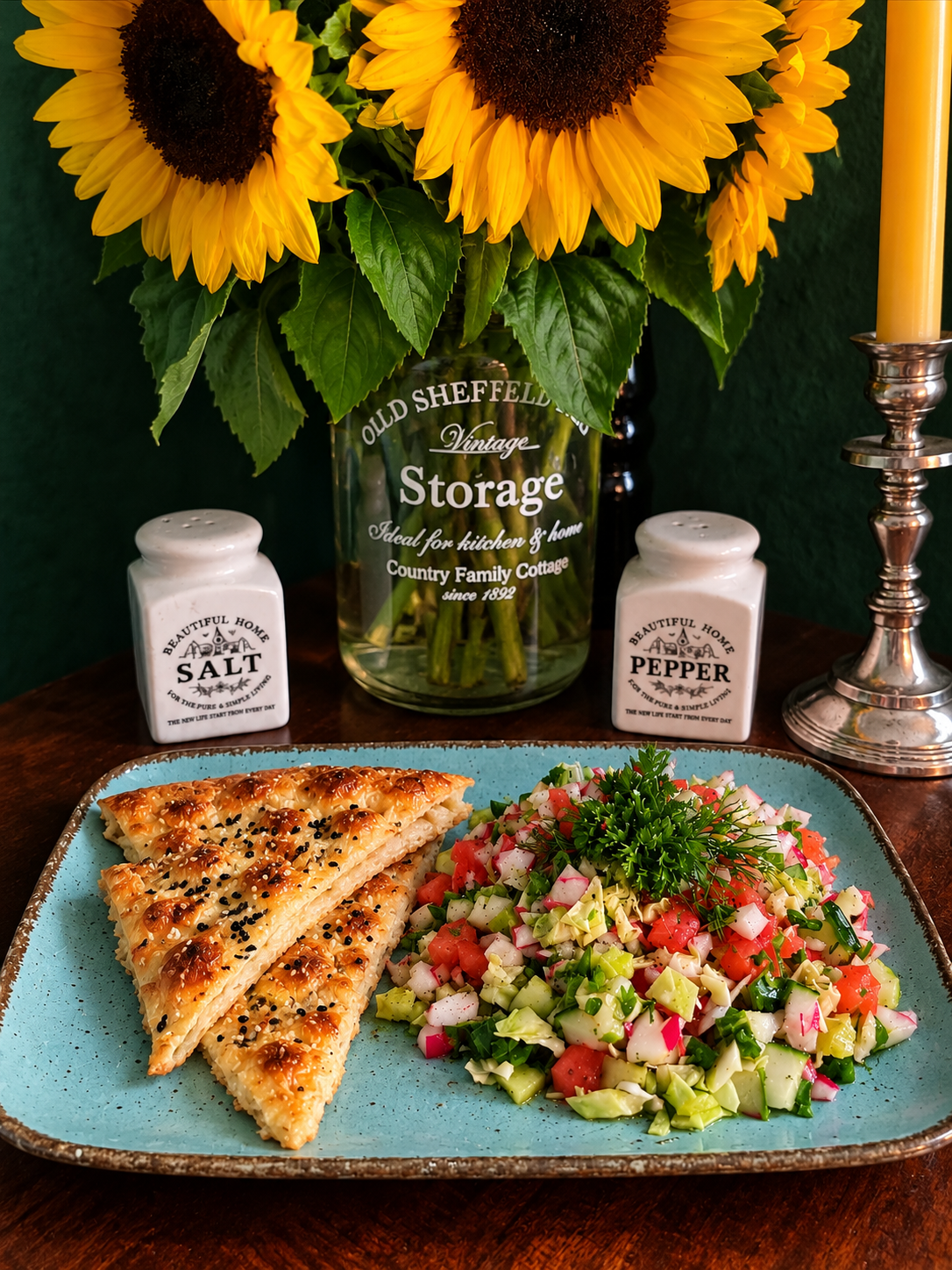
Turkmen Chopped Summer Salad – Fresh Vegetable Salad with Dill & Lemon Dressing
You may also like
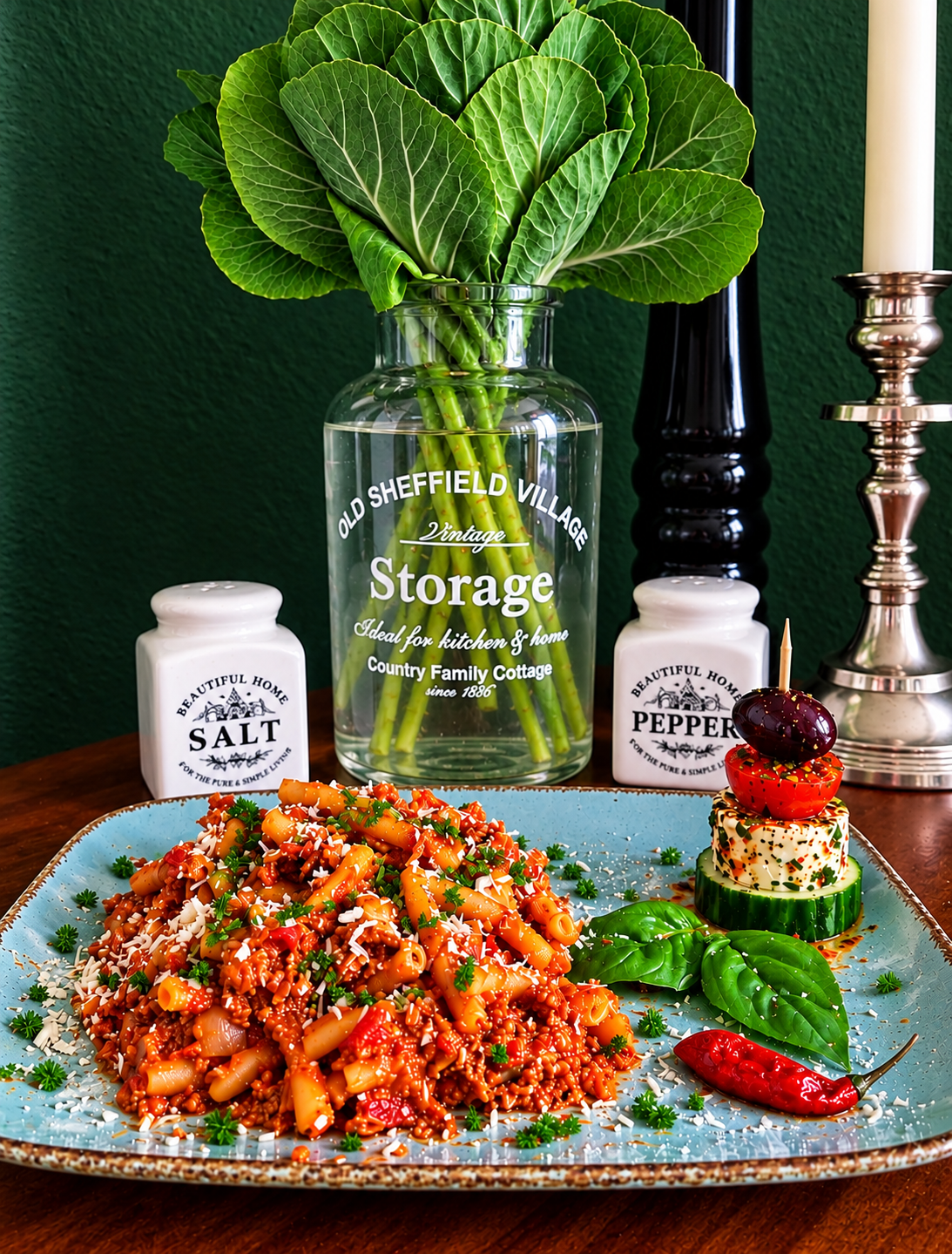
Libyan Vegan Mbakbaka – Spicy One-Pot Tomato Pasta
You may also like