
Tanzania – A Country of Vibrant Street Food
Tanzania is an East African country known for its diverse landscapes, rich cultural heritage and lively food culture. From bustling city markets to roadside food stalls, affordable and satisfying street food plays an important role in everyday life.
What Is Chipsi Mayai?
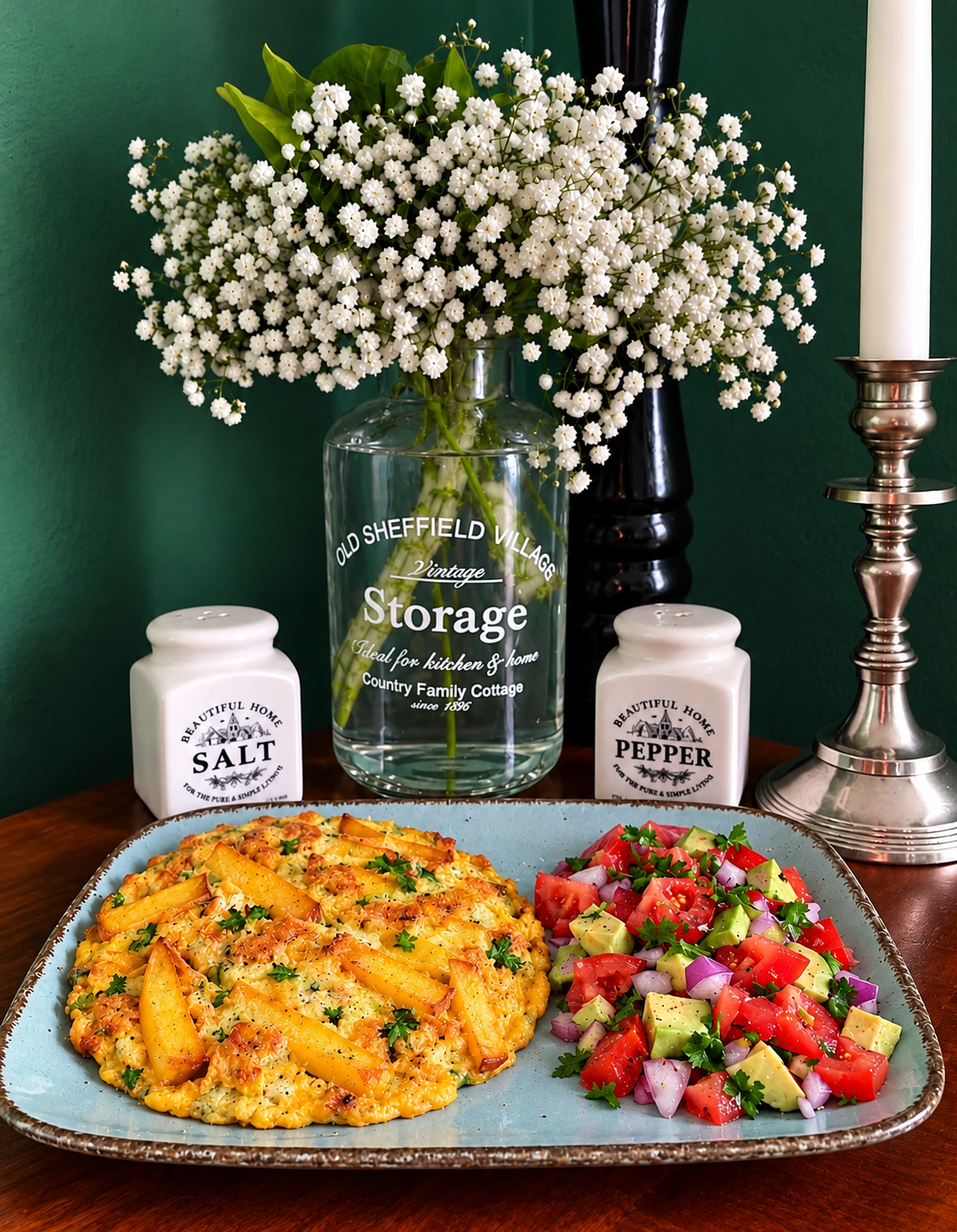
Chipsi Mayai is a popular Tanzanian street food made by cooking French fries directly into beaten eggs. The name combines the Swahili words for fries and eggs. Traditionally pan-fried and often served with fresh salad or chili sauce, this simple dish becomes a vegan oven-baked version with chickpea flour, soy yogurt and Kala Namak.
▣ Ingredients (2 servings)
- 400 g potatoes
- 1 tbsp olive oil
- 100 g chickpea flour
- 180 ml unsweetened plant milk
- 40 g unsweetened soy yogurt
- 1/2 tsp baking powder
- 1 tsp tumeric
- 1/2 tsp Kala Namak
- 1 tbsp nutritional yeast
- 1 pinch freshly ground pepper
- 1/2 glove garlic
- 1 splash neutral oil (for greasing)
- 2 tomatos
- 1 avocado
- 1 red onion
- 1/2 lime
- to taste salt & pepper
- to taste hot chili sauce (optional)
♨ Preparation
- Make the Homemade Fries
Preheat the oven to 220°C conventional heat.
Cut the potatoes into fries and toss them with the vegetable oil and a little salt.
Spread them in a single layer on a baking tray and bake for approximately 25–30 minutes, turning once, until golden and crisp.
Remove from the oven.
Reduce the oven temperature to 180°C conventional heat. - Prepare the Vegan Omelette Mixture
Place the chickpea flour, baking powder, nutritional yeast, turmeric, Kala Namak, black pepper and garlic powder in a mixing bowl.
Add the soy yogurt.
Gradually whisk in the water or plant milk until you have a smooth, lump-free batter.
Allow the mixture to rest for approximately 5 minutes. - Prepare the Salad
Combine the diced tomatoes, avocado and red onion in a bowl.
Season with fresh lime juice, salt and freshly ground black pepper.
Set aside until serving. - Build the Chipsi Mayai
Lightly grease a small ovenproof dish or ovenproof frying pan.
Arrange the homemade fries across the base.
Pour the chickpea omelette mixture evenly over and around the fries, making sure the fries are properly embedded in the batter rather than simply sitting on top. - Bake at 180°C conventional heat for approximately 25–30 minutes, until the omelette is completely set and the surface is lightly golden.
Allow it to rest for a few minutes after removing it from the oven. This helps the chickpea mixture firm up before serving. - Serve the Vegan Chipsi Mayai hot with the tomato, avocado and red onion salad on the side.
Add hot chili sauce at the table if you want an extra kick.
Food Story
Comfort Food Times Two!
Potatoes and vegan eggs. Seriously, what more could I possibly want? That’s comfort food times two! So when I started researching what to cook first for Tanzania, Chipsi Mayai was practically an instant decision. French fries baked into an omelette? Whoever came up with that combination deserves a standing ovation.
Of course, my version had to be vegan. Chickpea flour, soy yogurt and nutritional yeast stepped in for the eggs, while Kala Namak added that familiar egg-like aroma. And because I love a little kitchen experiment, I skipped the traditional frying pan and baked the whole thing in the oven instead. The fries went straight into the batter, exactly where they belonged.
A fresh tomato, avocado and red onion salad added some color and freshness to the plate. But the real stars were always going to be the potatoes. Some love stories are complicated. This one is just fries and vegan eggs. And I’m absolutely here for it.
♨ Nutrition per serving
Nutritional values are approximate and may vary depending on the ingredients and products used.
Good to Know
Chipsi Mayai – A Tanzanian Street Food Favorite
Chipsi Mayai is particularly associated with Tanzania's street food culture. The combination is wonderfully practical: potatoes provide a filling base, while eggs traditionally hold everything together. It is commonly cooked to order and enjoyed as an affordable, satisfying meal.
Why Are the Fries Inside the Omelette?
The defining feature of Chipsi Mayai is that the fries are incorporated into the egg mixture, not simply served alongside it. This creates a single dish with tender potatoes, a savory omelette and lightly browned edges. The oven-baked chickpea version follows the same basic idea, although the cooking method is different.
Chickpea Flour – A Natural Vegan Egg Alternative
Chickpea flour is made from finely ground dried chickpeas. When combined with liquid and heated, its starches and proteins help form a cohesive structure, making it useful for savory pancakes, fritters and vegan omelettes. Unlike eggs, chickpea flour also contributes dietary fiber.
Why Does Chickpea Batter Need to Cook Thoroughly?
Raw chickpea flour has a distinctly beany flavor and is not intended to be eaten uncooked. Proper cooking improves both the taste and texture. The center of the Chipsi Mayai should be completely set rather than wet or pasty before serving.
Kala Namak – The Secret Behind the Egg-Like Aroma
Kala Namak, also known as Indian black salt, is a mineral salt traditionally used in South Asian cooking. Despite its name, finely ground Kala Namak often appears pinkish rather than black. Its distinctive sulfurous aroma is what makes it so popular in vegan egg-style dishes.
Heat can reduce some of the volatile sulfur aroma, which is why adding a small amount shortly before serving can intensify the egg-like impression. Kala Namak still contributes sodium, so it should be used sparingly.
Turmeric – Color Without the Eggs
Turmeric gives the chickpea batter a warm yellow color reminiscent of a traditional omelette. Its flavor is earthy and slightly bitter, so a small amount is enough. The turmeric is mainly responsible for the color, while Kala Namak provides the egg-like aroma.
Nutritional Yeast – More Than Just Savory Flavor
Nutritional yeast adds a pleasantly savory, slightly nutty note to the vegan omelette. Depending on the product, it may also provide protein and B vitamins. However, vitamin B12 is only present in meaningful amounts when the nutritional yeast has been fortified, so checking the packaging matters.
Potatoes – More Than Just Carbohydrates
Potatoes are a source of carbohydrates and also provide potassium, vitamin C and some dietary fiber. Their nutritional profile depends on the variety, preparation method and whether the skin is eaten. Oven-roasting with a measured amount of oil offers a different fat profile from deep-frying.
Avocado – Creaminess from Unsaturated Fats
Avocados contain predominantly unsaturated fats, particularly monounsaturated fatty acids. Replacing some saturated fats with unsaturated fats can help support a healthier blood cholesterol profile. Avocado also contributes fiber and potassium, making it a delicious addition to the fresh salad.
HDL, LDL and Dietary Fat
LDL particles transport cholesterol through the bloodstream, and elevated LDL cholesterol is an established cardiovascular risk factor. HDL particles participate in transporting cholesterol away from peripheral tissues, although simply raising HDL levels does not automatically reduce cardiovascular risk.
The type of fat in a meal matters. Unsaturated fats from foods such as avocado and vegetable oils are generally preferable to excessive amounts of saturated fat. The overall dietary pattern is more important than any single ingredient.
Is Chipsi Mayai Naturally Vegan?
Traditional Chipsi Mayai contains eggs and is therefore not vegan. This version replaces the eggs with chickpea flour, soy yogurt and seasonings. It is a plant-based adaptation of a Tanzanian classic rather than a traditional egg-based preparation.
A Note on Serving Sizes
This recipe makes two generous servings. The calorie content depends particularly on the size of the avocado, the amount of oil used and the chosen plant-based drink. The optional chili sauce is not included in the estimated nutritional values.
You may also like
♡
You may also like
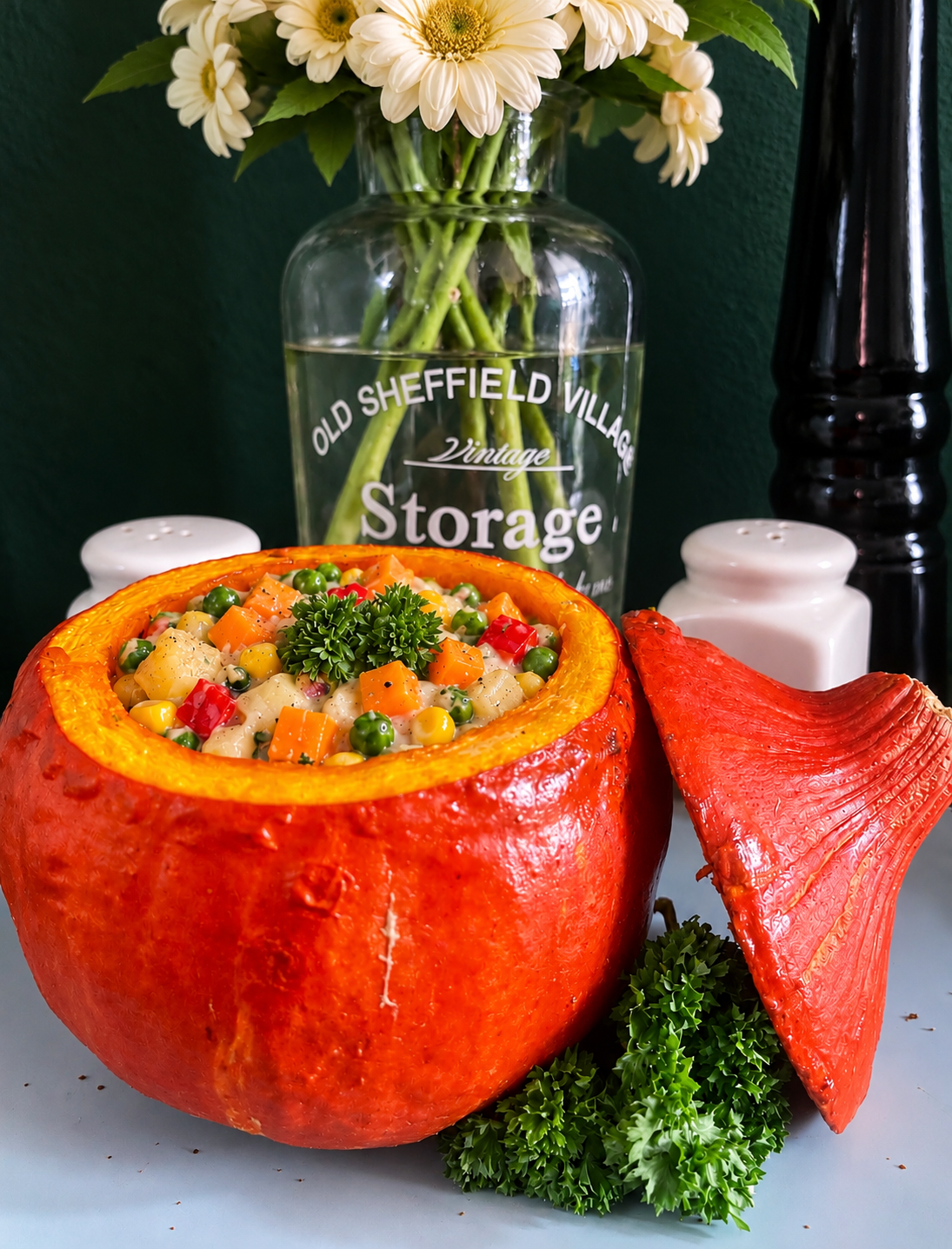
Carbonada de Zapallo – Bolivian Pumpkin Stew in Roasted Hokkaido
You may also like
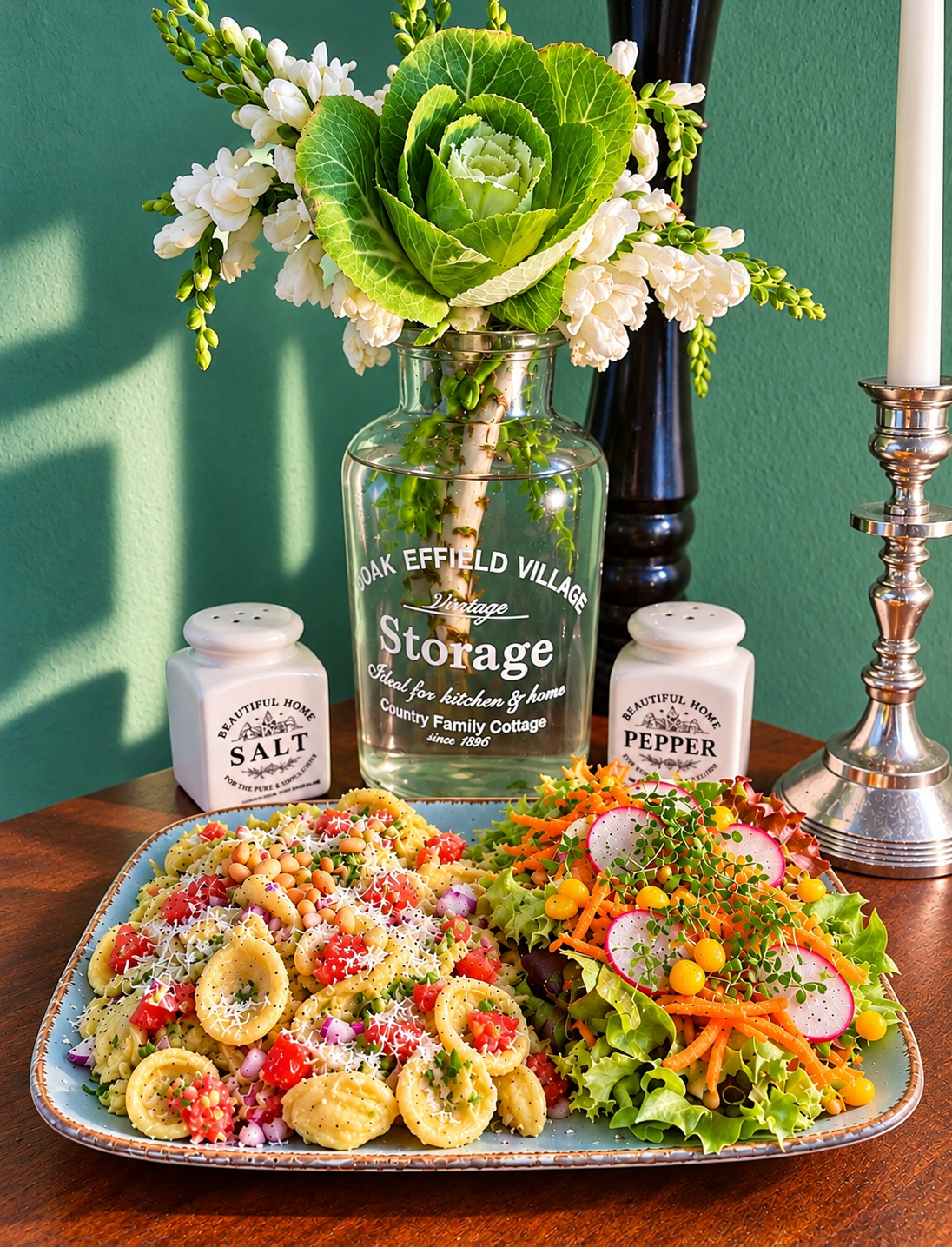
Guacamolette – The Vegan Pasta You’ll Fall in Love With
You may also like