Recipe postcard
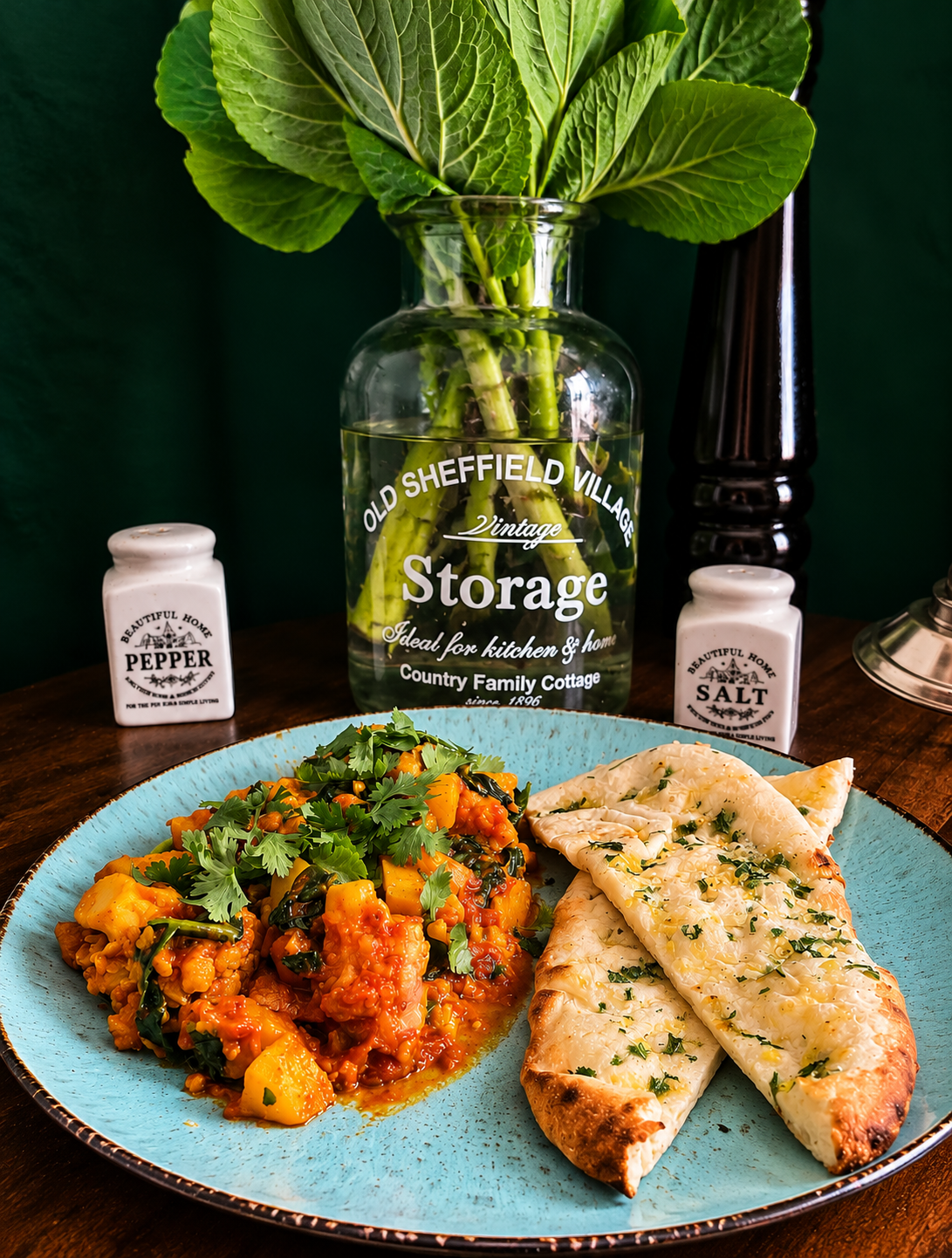
Pakistan – A Rich Tradition of Aromatic Home CookingPakistan's diverse culinary traditions feature fragrant spices, fresh vegetables, lentils, breads and richly seasoned curries. Everyday dishes often combine simple ingredients with carefully developed layers of flavour. Potatoes, cauliflower and spinach are familiar ingredients in Pakistani home cooking, while flatbreads such as naan and roti are popular accompaniments to vegetable curries.
What Is Aloo Gobi Palak?The name describes the three main ingredients: aloo means potato, gobi means cauliflower and palak means spinach. Aloo Gobi and Aloo Palak are both familiar vegetable preparations across Pakistan and the wider Indian subcontinent. This Via Veggie Vegan recipe combines all three vegetables in a fragrant tomato-based masala with cumin, coriander, turmeric, ginger, garlic and chilli. Homemade Garlic Naan, brushed with vegan butter and fresh garlic, completes this comforting plant-based interpretation.
Cook this recipe →
Recipe postcard
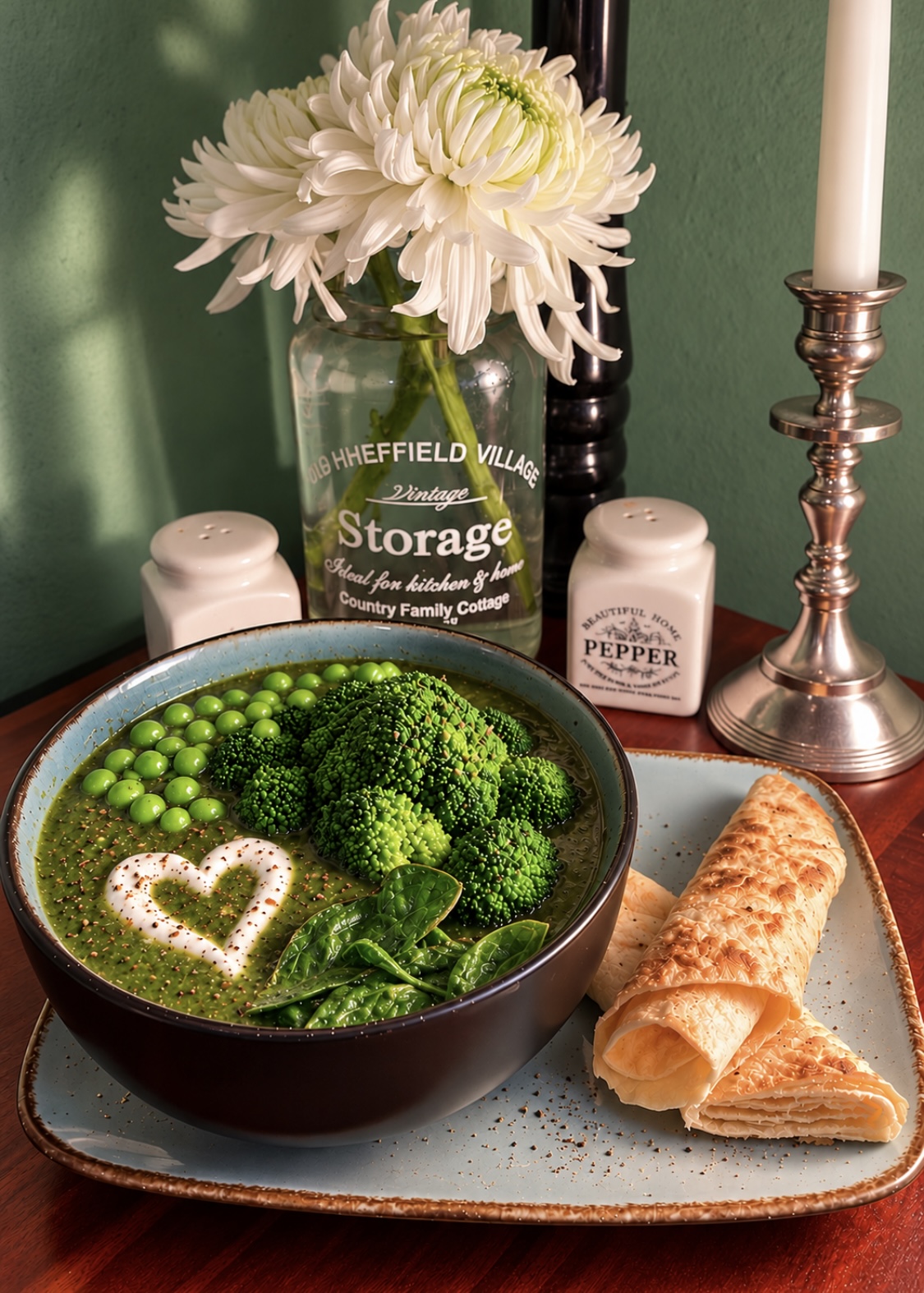
Dominica – The Nature Island of the CaribbeanDominica is a mountainous Caribbean island known for its lush rainforests, fertile volcanic landscapes and rich culinary heritage. Local cooking draws on fresh vegetables, tropical produce, herbs, root crops and traditional Caribbean seasonings. Callaloo is an important part of Dominican food culture, with recipes varying between families and households.
What Is Callaloo?Callaloo is a traditional Caribbean dish prepared with leafy greens and aromatic ingredients. In Dominica, dasheen leaves are traditionally associated with callaloo soup, although spinach can be used as an alternative. Okra contributes a characteristic texture, while coconut milk, thyme, onion, garlic and chilli create a fragrant, comforting combination. My Via Veggie Vegan version uses fresh spinach instead of dasheen leaves and adds broccoli, green peas, potato and a lighter coconut milk base. Crispy spinach leaves, two coconut cream hearts and optional rolled flatbread complete this colourful, fully plant-based interpretation.
Cook this recipe →
Recipe postcard
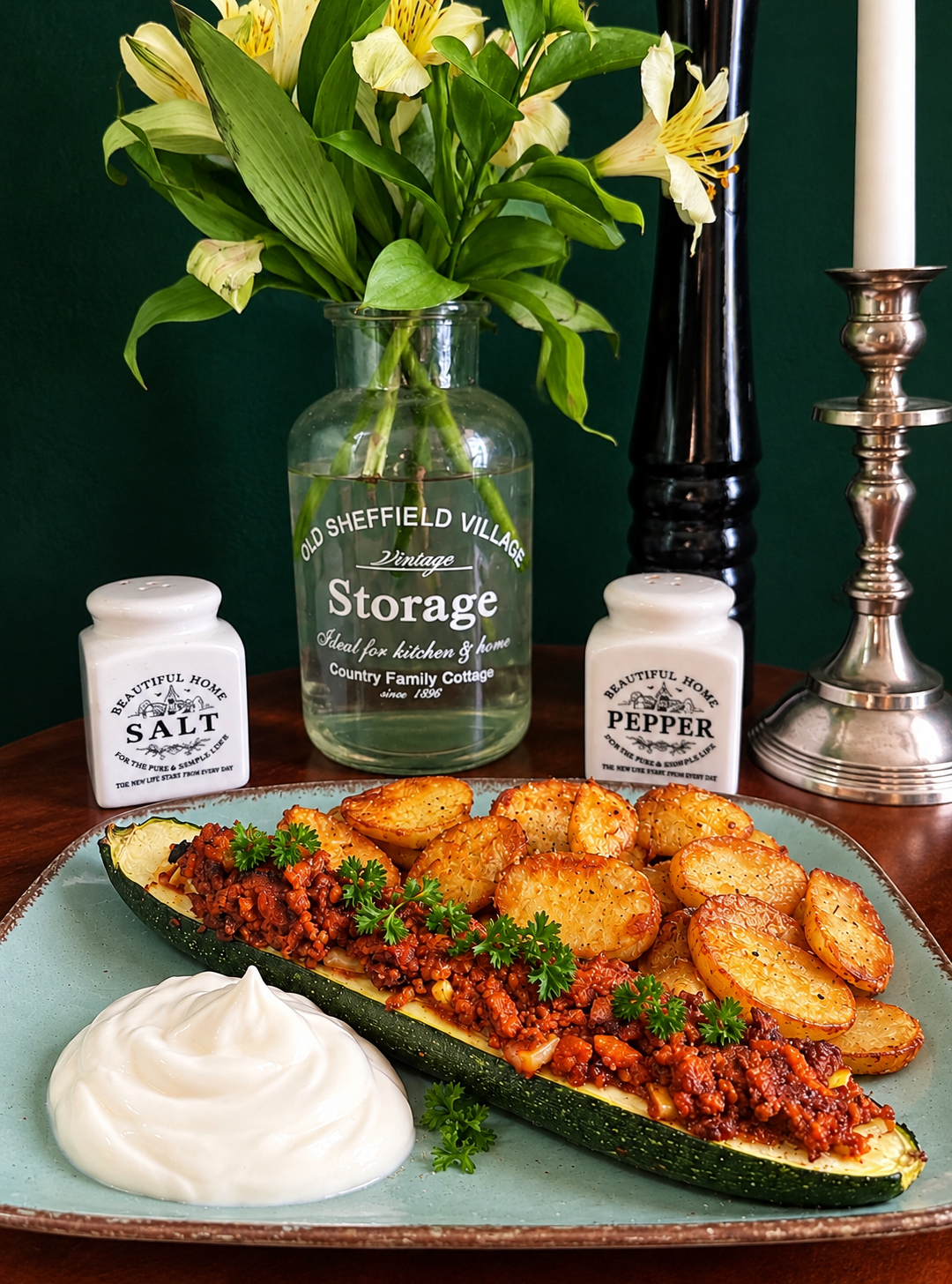
Bosnia & Herzegovina – A Country of Rich Balkan Food TraditionsBosnia & Herzegovina lies in southeastern Europe on the Balkan Peninsula. Its cuisine reflects a long history of cultural exchange, including Ottoman, Central European and Mediterranean influences. Traditional home cooking often features vegetables, grains, legumes, aromatic seasonings and slow-cooked dishes. Stuffed vegetables are particularly characteristic of the region, with peppers, cabbage leaves, onions and zucchini frequently used as edible containers for savory fillings. These dishes are closely associated with family kitchens, hospitality and comforting meals shared around the table.
What Are Punjene Tikvice or Dolma od Tikvica?Punjene Tikvice literally means stuffed zucchini, while Dolma od Tikvica refers to zucchini prepared in the wider tradition of stuffed vegetables known as dolma. Bosnian versions are commonly filled with minced meat, rice, onion and spices, then gently cooked in a tomato-based sauce. Some preparations use thick, hollowed-out zucchini cylinders, while others use zucchini halves or boats. My Via Veggie Vegan version follows the latter approach: the zucchini are halved lengthwise and filled with soy mince instead of beef. The traditional rice is omitted, and crispy oven-roasted potato slices provide a delicious accompaniment. Vegan sour cream replaces the dairy-based topping, creating a completely plant-based interpretation of this comforting Balkan favorite.
Cook this recipe →
Recipe postcard
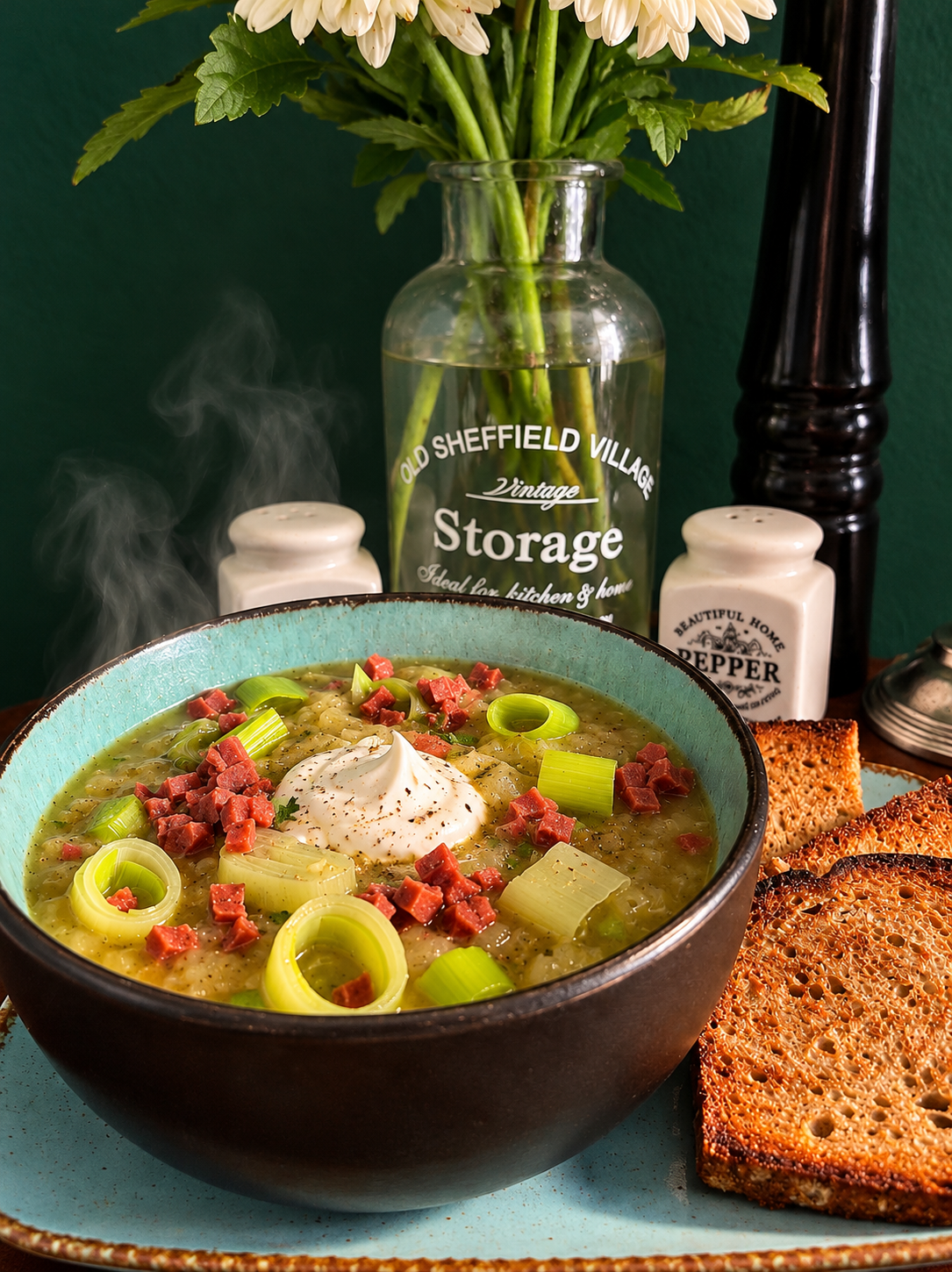
The Netherlands – A Country of Hearty, Practical Home CookingDutch cuisine has traditionally made excellent use of affordable, locally grown vegetables, especially potatoes, leeks, carrots, onions and cabbage. The Netherlands has a long agricultural history, and simple, nourishing dishes have been part of everyday family cooking for generations. From hearty stamppot to warming vegetable soups, Dutch comfort food is all about making the most of seasonal ingredients and transforming them into satisfying meals.
Aardappel-preisoep – Traditional Dutch Potato Leek SoupAardappel-preisoep literally translates to potato leek soup. This familiar Dutch home-style dish combines potatoes and leeks in a warming, gently flavoured soup. Some versions are blended until completely smooth, while others retain chunks of vegetables for a more rustic consistency. My Via Veggie Vegan interpretation combines both textures and adds plant-based cooking cream, nutritional yeast, crispy vegan bacon and a spoonful of vegan sour cream for an extra comforting finish.
Cook this recipe →
Recipe postcard
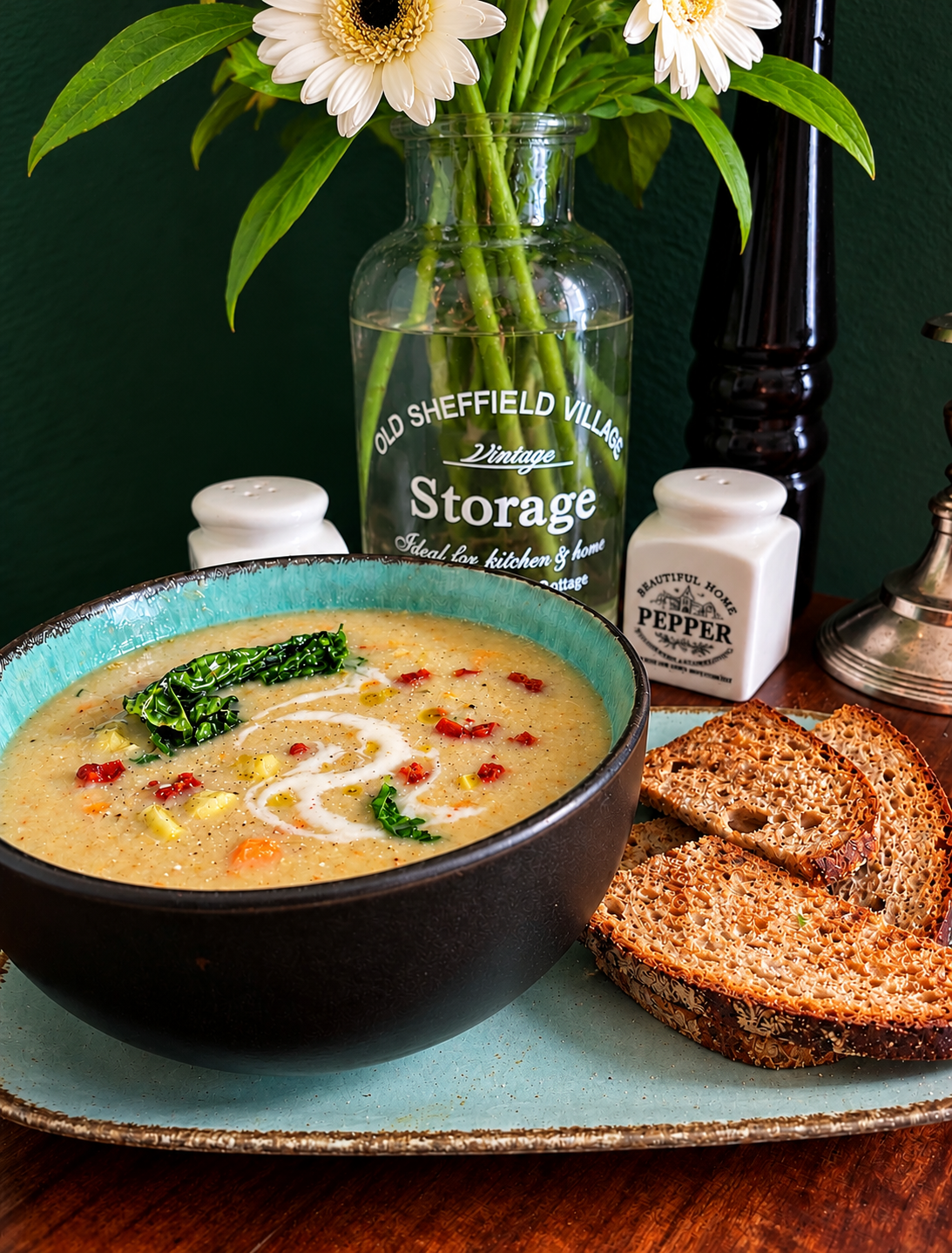
Poland – A Country of Hearty Traditions and Regional CuisinePoland is a Central European country with a rich culinary heritage shaped by regional traditions, seasonal produce and generations of home cooking. Polish cuisine is particularly well known for its comforting soups, potato dishes, cabbage preparations, dumplings and hearty stews. Vegetables such as carrots, potatoes, onions, beetroot and kohlrabi have long played an important role in everyday meals. From the Baltic coast to the mountainous south, Polish cooking celebrates familiar ingredients transformed into satisfying dishes that bring families together around the table.
Silesian Oberiba – A Traditional Kohlrabi SoupOberiba is a regional name associated with kohlrabi in Silesian culinary traditions. Kohlrabi soup, known more generally in Polish as zupa z kalarepy, is a rustic vegetable preparation that can feature tender kohlrabi, potatoes, carrots, broth and cream. In traditional versions, meat-based broth may provide additional depth, while the tender young kohlrabi leaves can be cooked alongside the vegetables. My Via Veggie Vegan interpretation replaces animal-based ingredients with homemade vegetable broth, oat cream and vegan ham cubes. Crispy kohlrabi leaves and a little vegan sour cream give this comforting Silesian-inspired soup a delicious finishing touch.
Cook this recipe →
Recipe postcard
Cyprus – An Island of Mediterranean Flavours
Located in the eastern Mediterranean, Cyprus has a rich culinary heritage shaped by its geography, agricultural traditions and centuries of cultural exchange. Fresh vegetables, olive oil, herbs, citrus fruits and legumes are essential ingredients in everyday cooking. Family meals often celebrate seasonal produce and dishes designed to be shared around the table.
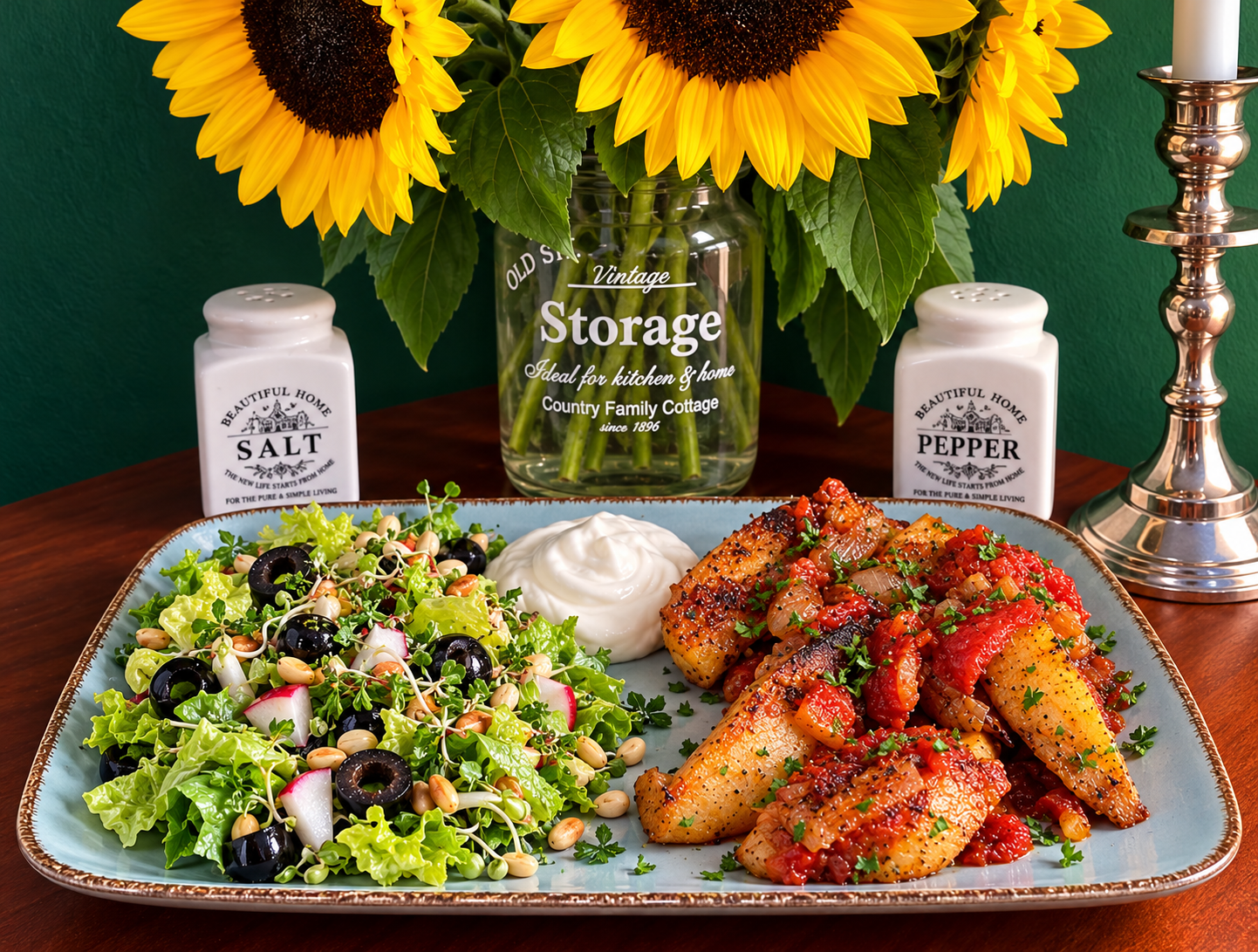
Patates tou Fournou – Traditional Cypriot Oven Potatoes
Patates tou Fournou (Πατάτες του Φούρνου) literally means oven potatoes. Unlike ordinary roasted potatoes, this traditional Cypriot speciality is slowly cooked with olive oil, aromatic oregano, tomatoes, onions and a little liquid. The potatoes first become tender through gentle steaming and braising before developing beautifully golden edges during the final uncovered roasting stage. A wonderfully rustic Mediterranean dish that is naturally vegan when prepared with vegetable stock.
Cook this recipe →
Recipe postcard
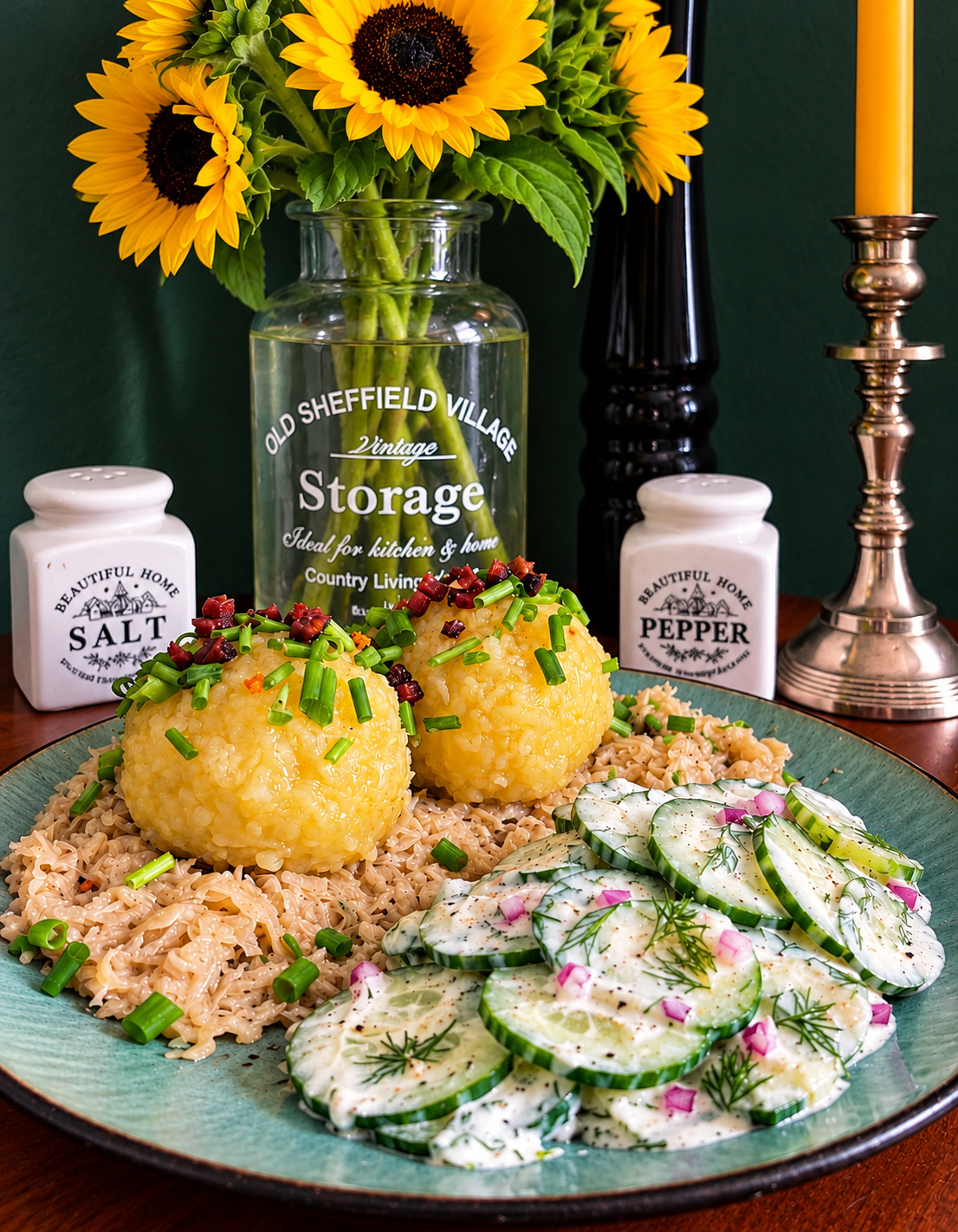
Austria – Alpine Landscapes and a Rich Culinary HeritageAustria is a landlocked country in Central Europe, famous for its spectacular Alpine landscapes, historic cities and diverse regional food traditions. Its cuisine reflects centuries of cultural exchange within the former Habsburg monarchy and neighbouring countries. Hearty dumplings, potato dishes, seasonal vegetables and traditional pastries play an important role in Austrian cooking. From Tyrolean mountain specialities to Viennese classics and the rustic cuisine of Upper Austria, the country's culinary heritage is wonderfully varied.
What Are Grammelknödel?Grammelknödel are traditional Austrian dumplings particularly associated with Upper Austria. The name combines Grammeln, meaning crispy pork cracklings, with Knödel, the German word for dumplings. Traditionally, a soft potato dough is filled with seasoned cracklings, onions and marjoram, then gently cooked and commonly served with sauerkraut. My Via Veggie Vegan interpretation replaces the traditional pork filling with savoury plant-based ham cubes and uses a completely vegan potato dough. Served with creamy sauerkraut and a refreshing cucumber-dill salad, this hearty Austrian classic becomes a delicious plant-based comfort meal.
Cook this recipe →
Recipe postcard
Albania – Mountains, Forests and Mediterranean Traditions
Albania is a country in southeastern Europe, bordered by the Adriatic and Ionian Seas and characterized by dramatic mountains, fertile valleys and diverse regional food traditions. Its cuisine reflects Mediterranean and Balkan influences, with olive oil, vegetables, herbs, legumes and seasonal produce playing important roles. Chestnuts grow in several forested regions, including northern Albania and areas around Lake Ohrid, where they have long been valued as a seasonal food.
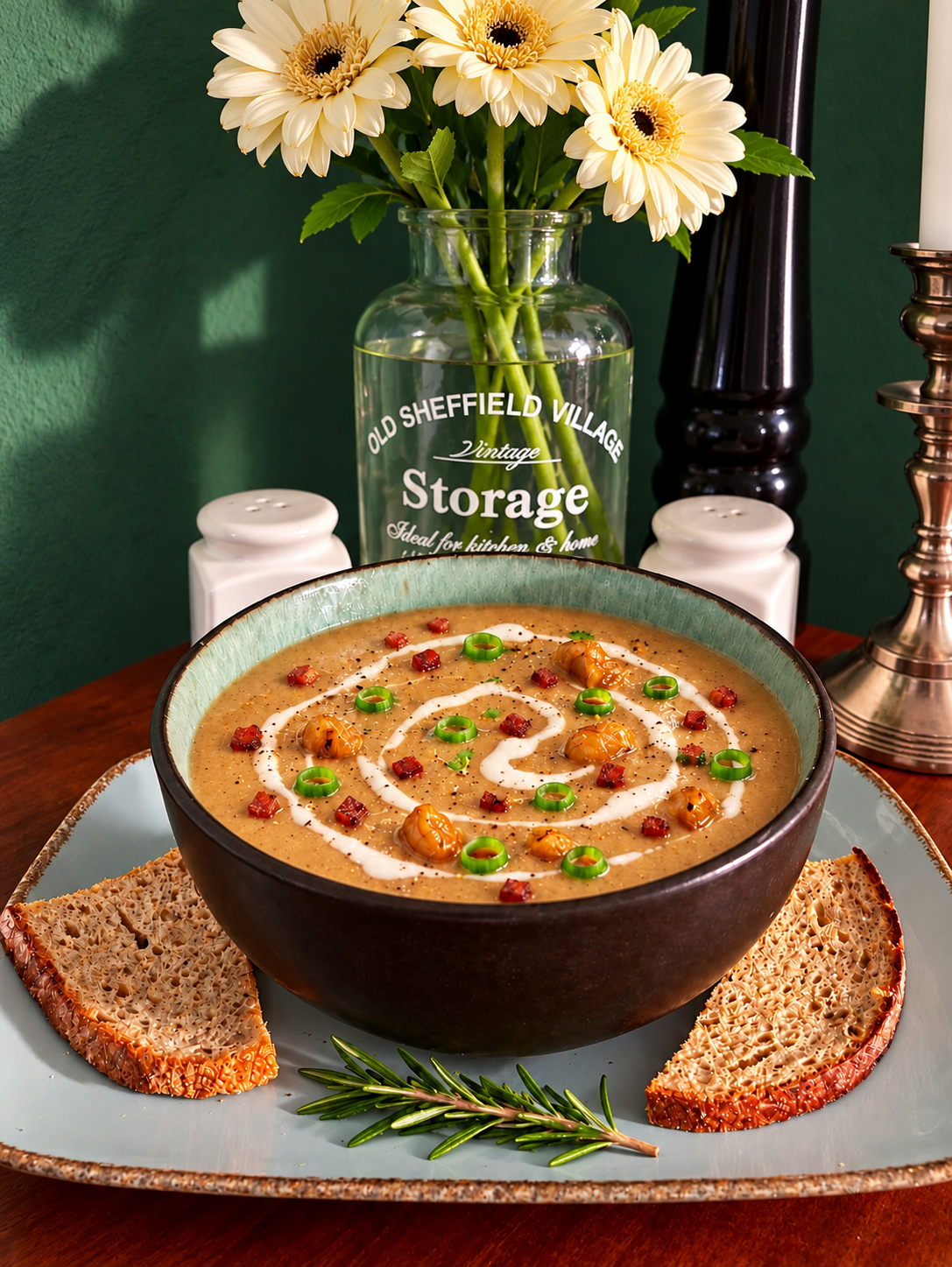
What Is Supa me Gështenja?
Supa me gështenja simply means chestnut soup in Albanian. This recipe is a rustic, Albanian-inspired preparation rather than a single standardized national dish. Cooked chestnuts are combined with leeks, potatoes, garlic and vegetable stock to create a naturally creamy texture. A little olive oil adds richness, while nutmeg complements the chestnuts' mild sweetness. For my Via Veggie Vegan version, crispy plant-based bacon replaces the optional traditional meat topping, bringing a smoky, savory contrast to the smooth soup.
Cook this recipe →
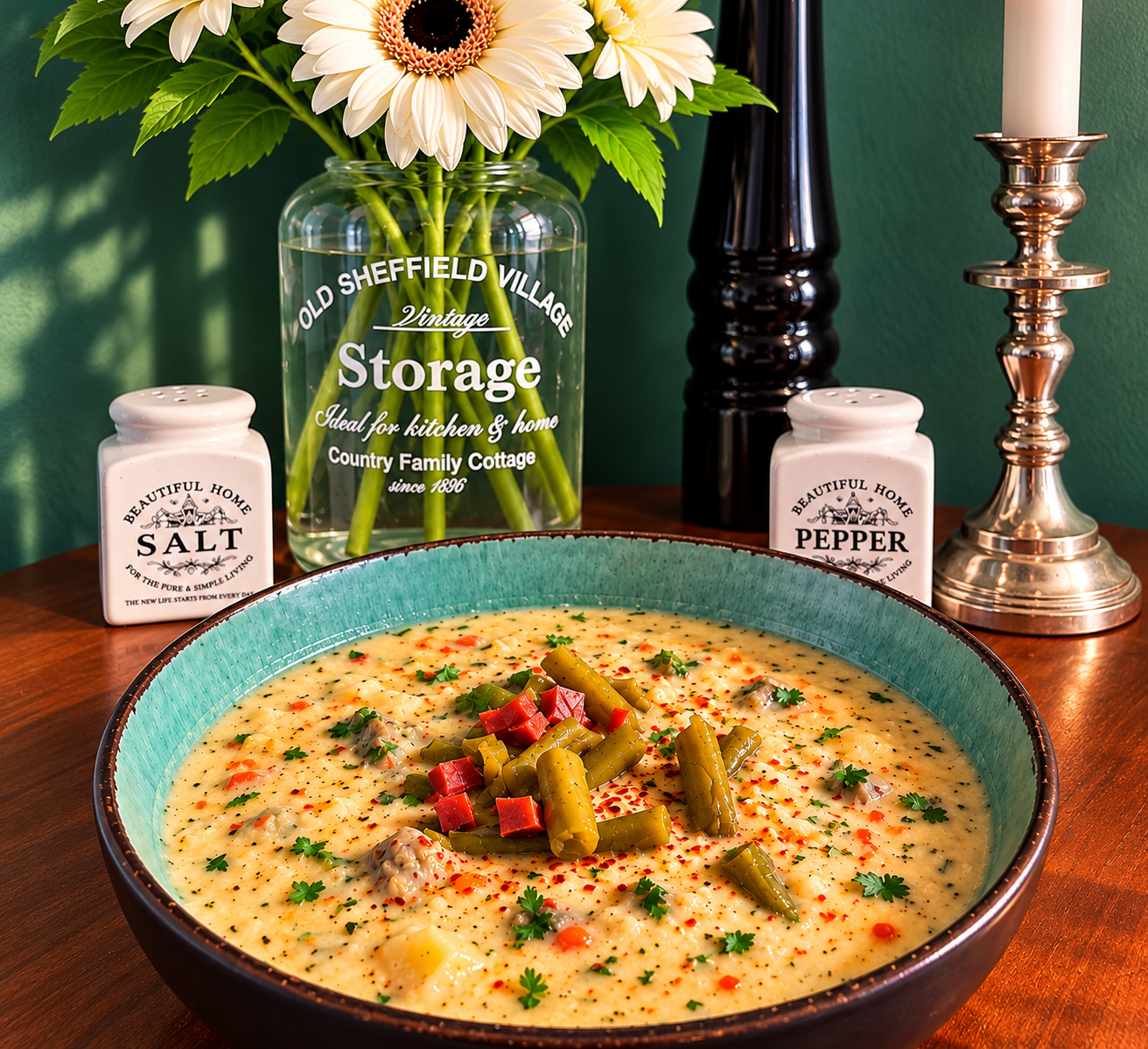
Recipe postcard
Luxembourg – A Small Country with a Rich Culinary Heritage
Luxembourg is a small landlocked country in Western Europe, bordered by Belgium, Germany and France. Its cuisine reflects influences from all three neighboring countries while maintaining its own distinctive traditions. Hearty soups, potatoes, legumes, regional vegetables and rustic meat dishes have long played important roles in Luxembourgish home cooking. The country's landscape ranges from the wooded hills of the Ardennes in the north to the fertile agricultural regions and vineyards of the Moselle Valley in the southeast.
What Is Bouneschlupp?
Bouneschlupp is one of Luxembourg's best-known traditional soups, prepared primarily with green beans and potatoes. Depending on the household and regional tradition, it may also contain onions, bacon, sausage, cream and aromatic herbs such as savory. The soup is particularly associated with simple, satisfying home cooking. This Via Veggie Vegan version keeps the green beans and potatoes at the heart of the dish while replacing traditional meat products with vegan beef-style pieces and crispy plant-based bacon. Vegan cooking cream creates a rich, comforting broth without dairy.
Cook this recipe →
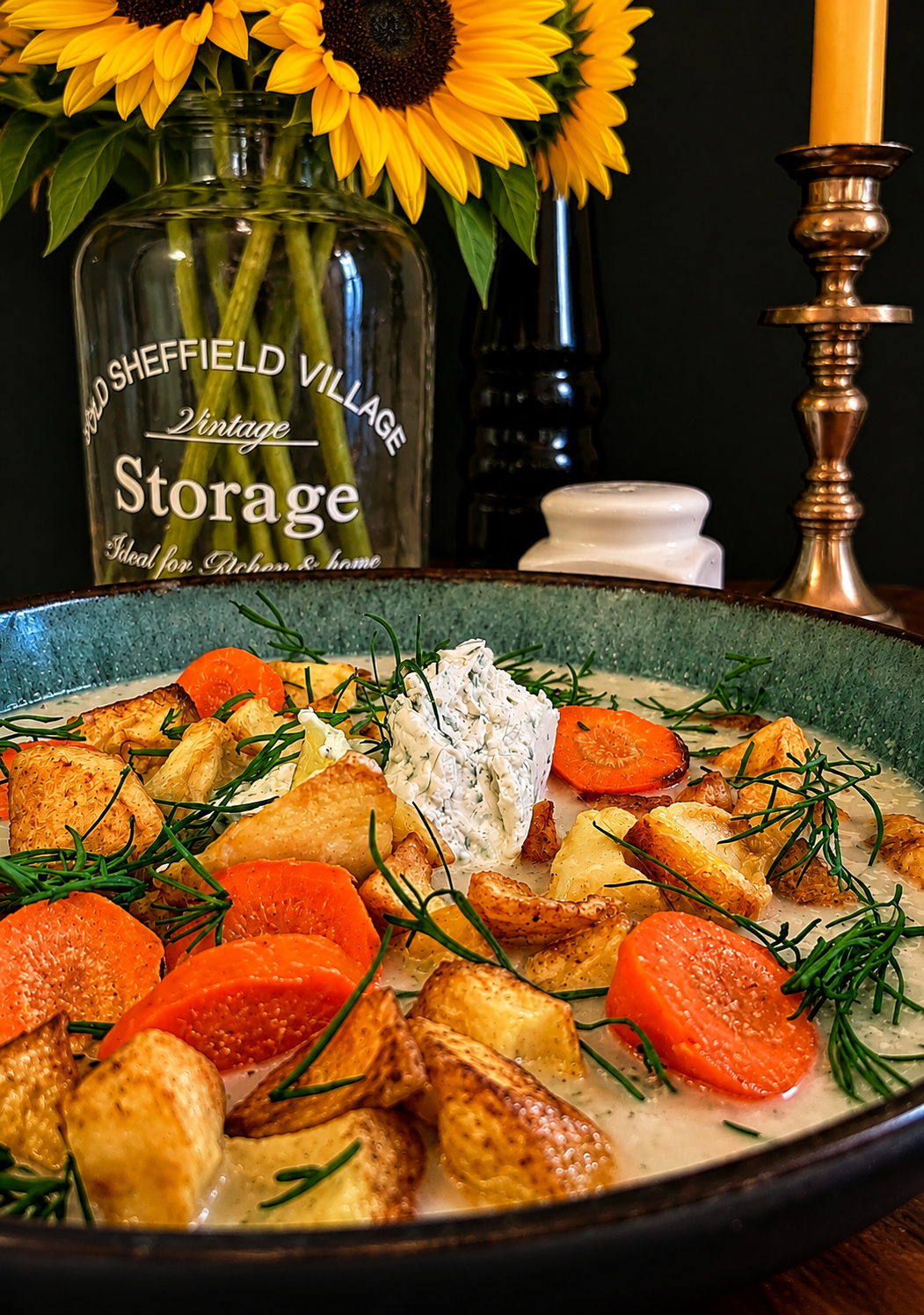
Recipe postcard
Lithuania – A Baltic Country of Forests, Lakes and Culinary Traditions
Lithuania is one of the three Baltic states, situated along the southeastern coast of the Baltic Sea. Its landscapes are characterized by forests, lakes, rivers, wetlands and gently rolling countryside. Agriculture and seasonal ingredients have shaped Lithuanian food culture for centuries. Potatoes, rye, cabbage, beets, mushrooms and root vegetables are important elements of traditional cooking, particularly in hearty dishes designed to provide warmth and nourishment during the colder seasons.
What Is Ropių Sriuba?
Ropių Sriuba literally means turnip soup in Lithuanian. Rather than referring to one strictly standardized national recipe, the name describes a traditional style of vegetable soup built around turnips and other seasonal ingredients. Turnips were cultivated in the Baltic region long before potatoes became a dominant staple. Combined with potatoes, carrots, leek and aromatic herbs, they create a satisfying rustic soup. This Via Veggie Vegan interpretation uses vegetable broth and vegan sour cream for a completely plant-based version of this comforting dish.
Cook this recipe →
