
From my kitchen to your plate.
Slovenia – Alpine Traditions and Hearty Home CookingNestled between the Alps, the Mediterranean and the Pannonian Plain, Slovenia has a wonderfully diverse culinary heritage shaped by its neighbouring countries and regional farming traditions. Bread, potatoes, cabbage, herbs and seasonal vegetables feature prominently in Slovenian home cooking. Dumplings, known as cmoki, are particularly popular in Central European-inspired dishes, reflecting a tradition of turning simple, affordable ingredients into comforting family meals.
Kruhovi Cmoki – Slovenia's Traditional Bread DumplingsKruhovi cmoki are Slovenian bread dumplings traditionally prepared with stale bread, milk, onions, herbs and eggs. They are closely related to bread dumplings found throughout the Alpine and Central European regions. Their soft, rustic texture makes them ideal for soaking up rich sauces and gravies. My vegan interpretation replaces the traditional egg and dairy ingredients with plant-based alternatives and serves the dumplings with Čebulna Omaka, a deeply savoury onion gravy enriched with tomato paste and beetroot juice.
From my kitchen to your plate.
Ukraine – A Culinary Heritage of Hospitality and ResilienceUkraine is a country in Eastern Europe with a rich agricultural heritage and a deeply rooted food culture. Fertile farmland, seasonal vegetables, grains and traditional preservation methods have shaped Ukrainian cooking for generations. Beetroot, cabbage, potatoes, carrots, onions and dill are familiar ingredients in many everyday dishes. Soups hold a particularly important place in Ukrainian cuisine, bringing families together around the table. Ukrainian borscht is much more than a recipe: it represents hospitality, family traditions and cultural identity. In 2022, UNESCO inscribed the culture of Ukrainian borscht cooking on its List of Intangible Cultural Heritage in Need of Urgent Safeguarding, recognising the importance of protecting this living culinary tradition.
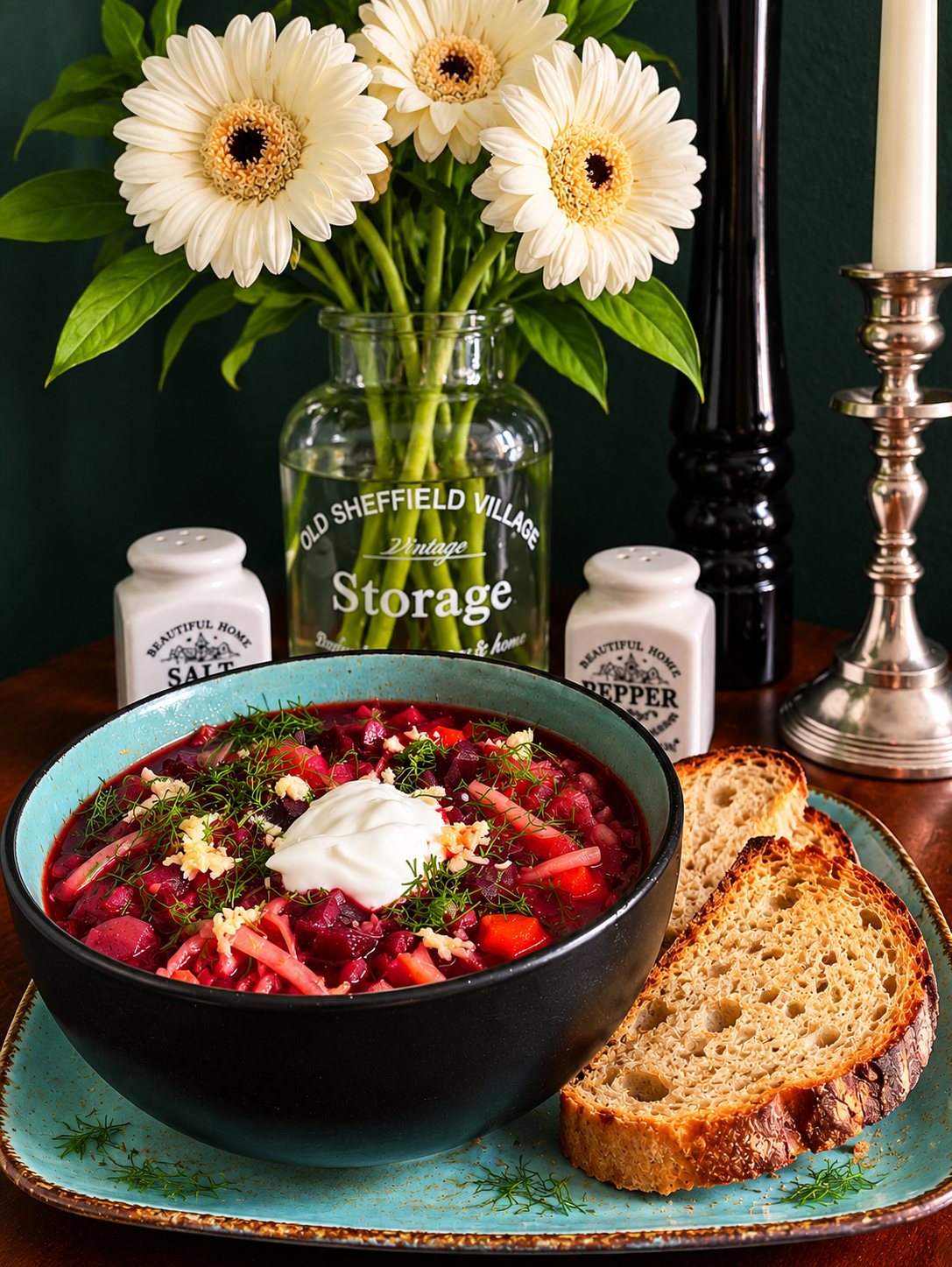
Ukrainian Borscht – A Beloved Beetroot Soup with Many VariationsBorscht is one of Ukraine's best-known traditional dishes. There is no single universal recipe: ingredients and preparation methods vary between regions, families and seasons. Many versions combine beetroot, cabbage, potatoes, carrots, onions and tomatoes in a flavourful broth. Some are prepared with meat, while others are vegetarian or suitable for periods of religious fasting. My Via Veggie Vegan version uses a rich vegetable broth instead of beef stock and finishes the soup with plant-based sour cream, fresh dill and garlic. The beetroot is gently sautéed with tomato paste and lemon juice before being added to the soup, helping to develop its earthy sweetness and beautiful red colour. Served with rustic rye bread, this is a comforting Ukrainian-inspired classic made entirely from plants.
From my kitchen to your plate.
Aotearoa New Zealand – A Land of Remarkable Landscapes and Rich Food Traditions
Aotearoa New Zealand is an island nation in the southwestern Pacific Ocean, renowned for its dramatic mountains, volcanic landscapes, ancient forests, rugged coastlines and extraordinary biodiversity. Its food culture reflects Māori traditions, European influences and the contributions of many other communities. Māori food knowledge includes the cultivation of kūmara, the gathering of seasonal ingredients and cooking practices closely connected to the land and natural environment. Contemporary New Zealand cuisine embraces both traditional ingredients and international influences, creating opportunities for innovative plant-based interpretations.
What Makes This New Zealand-Inspired Vegan Steak Special?
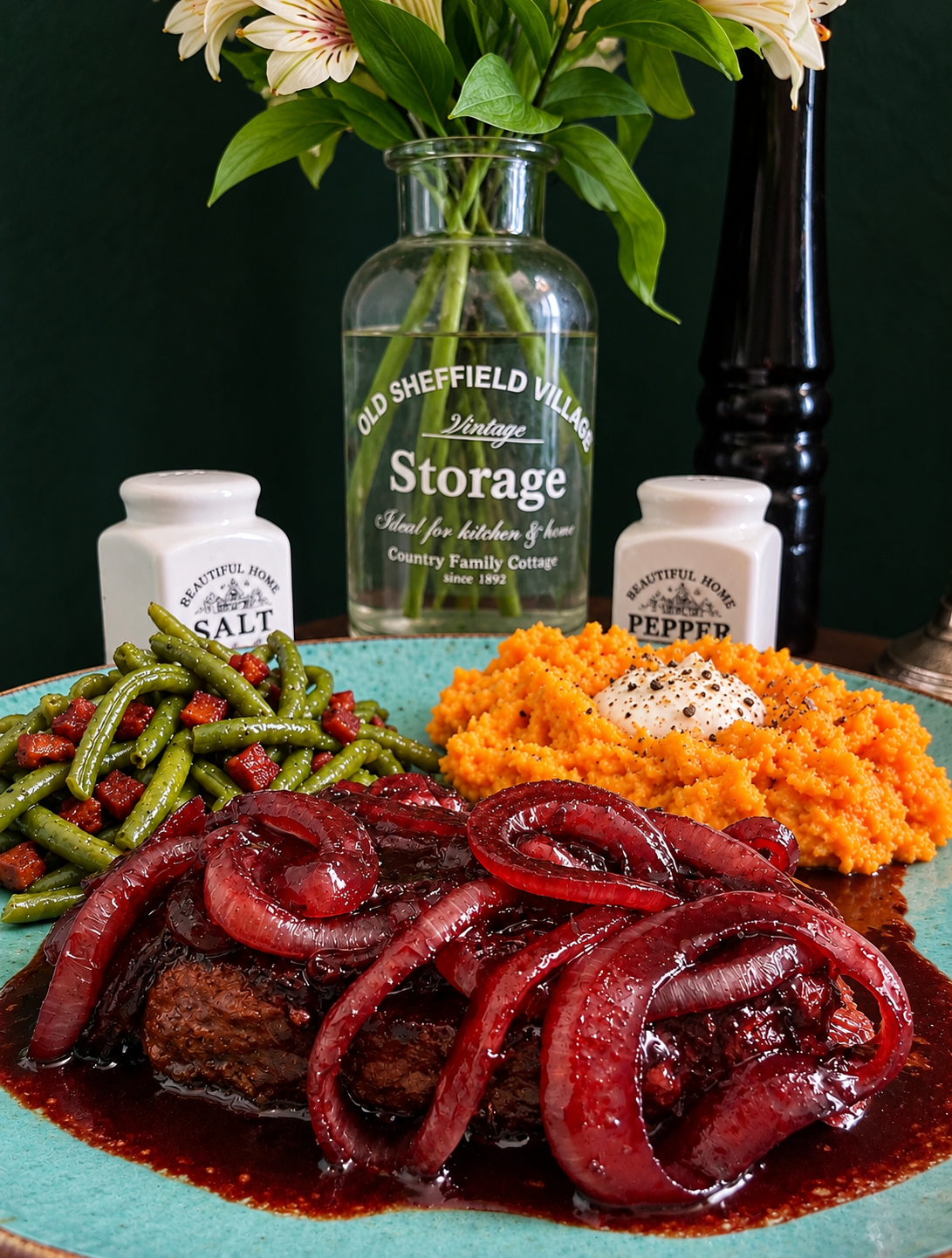
This dish is a contemporary Via Veggie Vegan creation rather than a traditional Māori recipe. Its connection to Aotearoa lies primarily in kūmara, the sweet potato that has played an important role in Māori food culture for centuries. The creamy orange mash is paired with plant-based steaks, caramelised onions in a rich beetroot jus and green beans with smoky vegan bacon. The combination creates a hearty, colorful plate that celebrates a historically significant ingredient while giving the familiar steak dinner a completely plant-based transformation.
From my kitchen to your plate.
Georgia – Where Europe and Asia MeetGeorgia lies in the Caucasus region, between the Black Sea and the mountains of the Greater Caucasus. Its cuisine is famous for generous hospitality, fresh herbs, walnuts, garlic, aromatic spices and a remarkable variety of vegetable and bean dishes. Traditional Georgian meals often feature several small plates shared around the table, creating a colorful combination of flavors and textures. Walnuts are especially important in Georgian cooking, appearing in sauces, spreads, vegetable dishes and fillings.
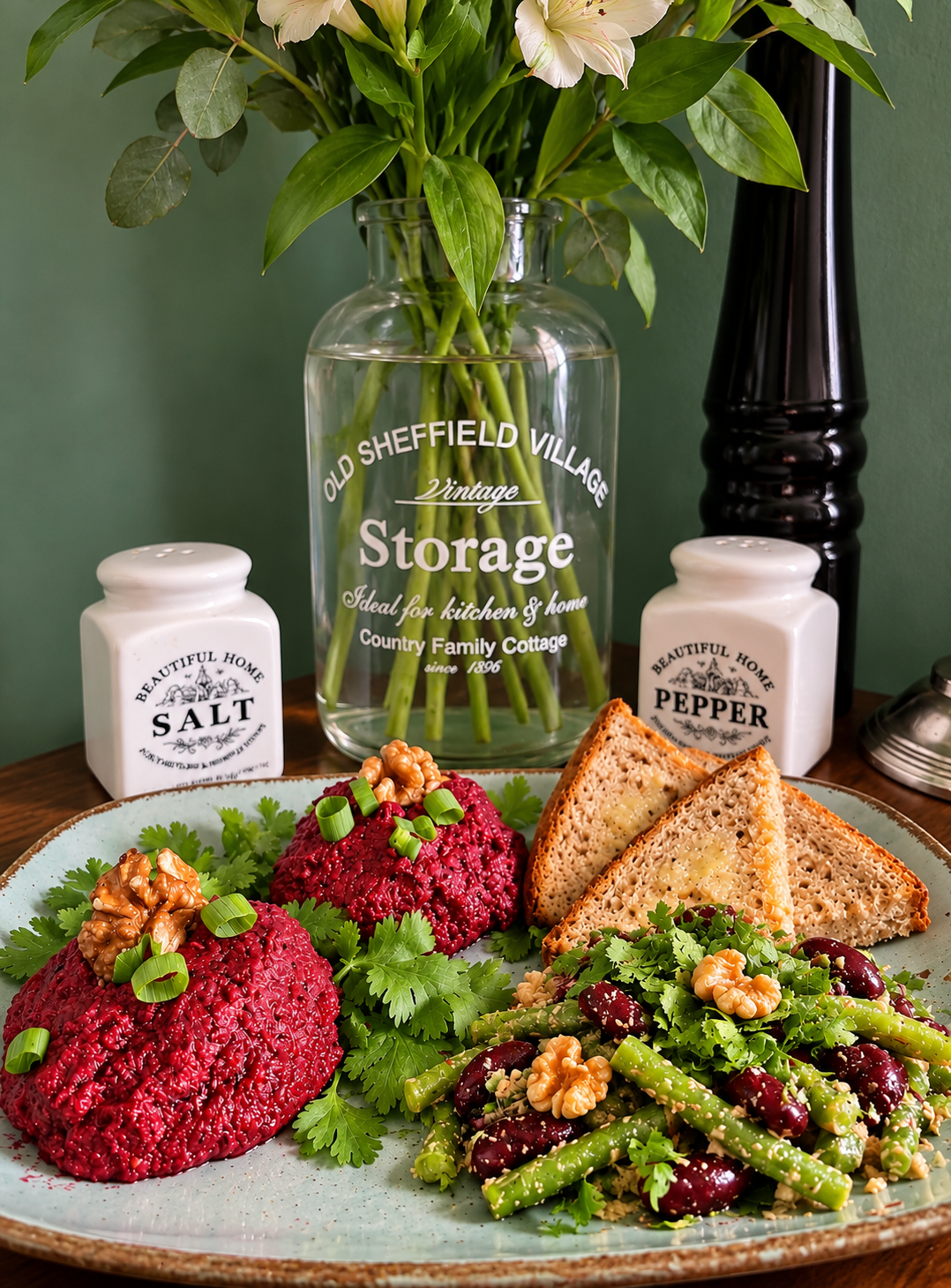
Charkhlis Pkhali & Mtsvane Lobio – Two Georgian SpecialtiesCharkhlis Pkhali (ჭარხლის ფხალი) is a beetroot variation of Pkhali, a family of Georgian vegetable dishes prepared with ground walnuts, garlic, herbs and spices. Beetroot Pkhali is commonly made with cooked beetroot, but this Via Veggie Vegan version uses fresh raw beetroot for a firmer texture and particularly earthy flavor. Mtsvane Lobio (მწვანე ლობიო) means green beans and refers to Georgian preparations centered on this vegetable. My interpretation combines green beans with red kidney beans, fresh coriander and a walnut dressing enriched with pomegranate molasses and lemon juice. Served together with toasted bread, the two dishes make a satisfying plant-based meal.

From my kitchen to your plate.
Jerusalem – A Culinary Crossroads of Cultures and TraditionsJerusalem is a city of extraordinary historical, religious and cultural significance, sacred to Judaism, Christianity and Islam. Its culinary heritage reflects the diverse communities and traditions of the region. One of its most distinctive street foods is Ka’ak Al-Quds, an elongated, sesame-coated bread especially associated with Palestinian baking traditions in Jerusalem. Often enjoyed with aromatic za’atar and olive oil, this freshly baked bread represents the simple pleasures of Levantine food culture.
What Is Jericho Rose Bagel & Za’atar Ka’ak?This Via Veggie Vegan breakfast combines traditional Jerusalem-style sesame bread, known as Ka’ak Al-Quds, with homemade za’atar, extra virgin olive oil and creamy vegan cashew cream cheese. Unlike American bagels, Jerusalem bagels are shaped into elongated ovals and baked without boiling, creating a soft interior and lightly crisp crust. Delicate beetroot and carrot roses add a creative finishing touch inspired by the Rose of Jericho, a symbol of resilience and renewal. These vegetable roses are a personal interpretation rather than a traditional Jerusalem accompaniment, bringing together culinary heritage, botanical inspiration and colorful plant-based creativity.
From my kitchen to your plate.
Latvia – Baltic Traditions and Seasonal Cuisine
Latvia is a Baltic country in northeastern Europe, known for its extensive forests, beautiful coastline and strong connection to nature. Latvian cuisine is shaped by the changing seasons, with potatoes, cabbage, rye bread, mushrooms and root vegetables playing important roles. Beetroot is especially popular and appears in both warming winter dishes and refreshing summer soups.
What Is Biešu Zupa?
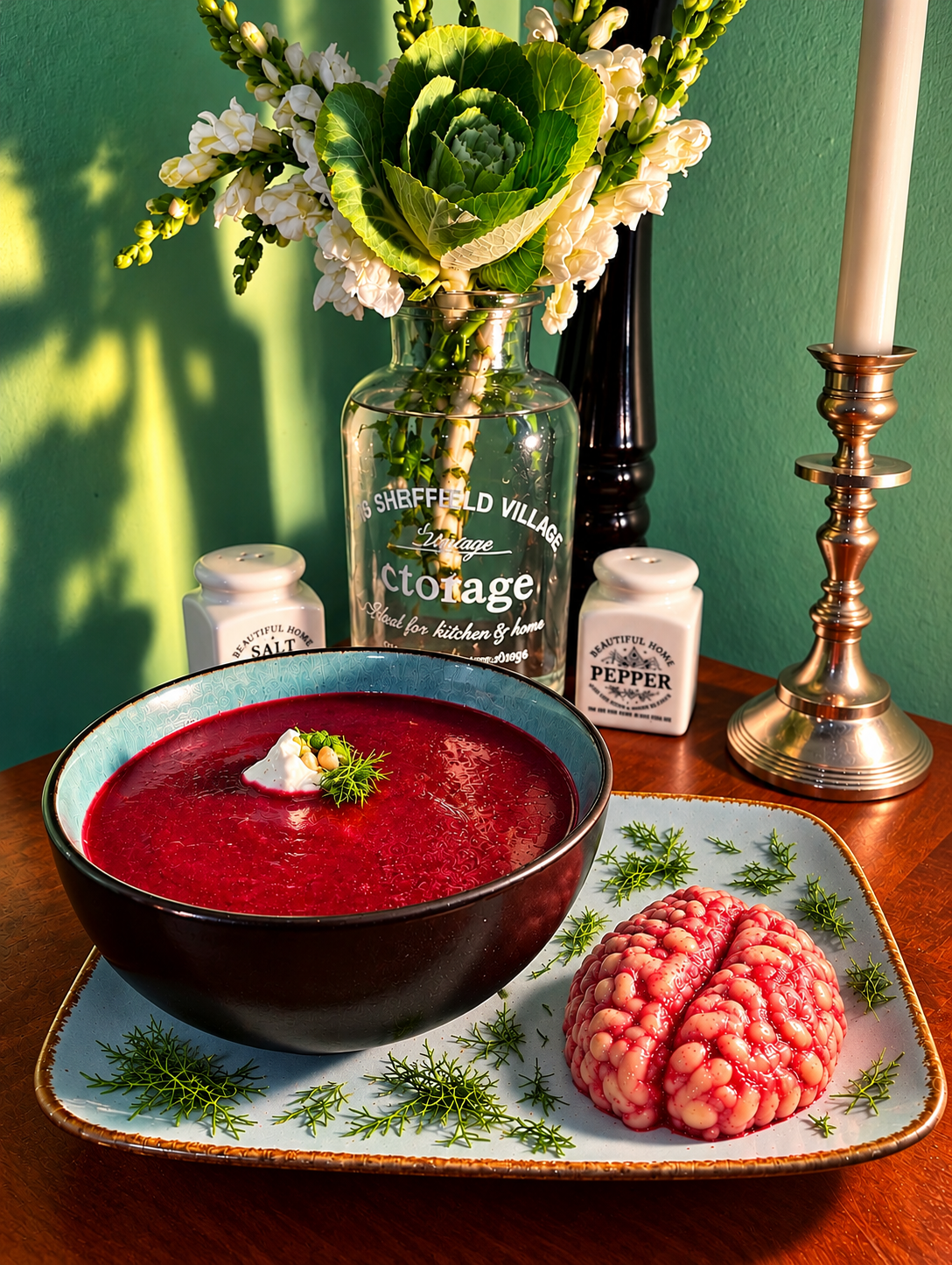
Biešu Zupa simply means beetroot soup in Latvian. This traditional-style soup combines earthy beetroot with potatoes, carrots, cabbage and aromatic spices to create a comforting, colorful meal. While Latvian beetroot soups vary from household to household, this vegan version uses vegetable broth and plant-based sour cream. For Halloween, I've added my own slightly spooky twist: homemade tofu and pine nut brains with a vivid pink beetroot glaze.
