
Armenia – A Rich Tradition of Roasted Vegetables
Armenia is located in the South Caucasus, at the crossroads of Europe and Asia. Armenian cuisine is known for its aromatic herbs, fresh vegetables, traditional flatbreads and flavorful dishes prepared over open flames or in clay ovens. Eggplants are particularly popular in Armenian cooking, where they are frequently roasted, grilled or stuffed. Their wonderfully smoky flavor is an important inspiration for this rustic vegan soup.
What Is Armenian Roasted Eggplant Soup?
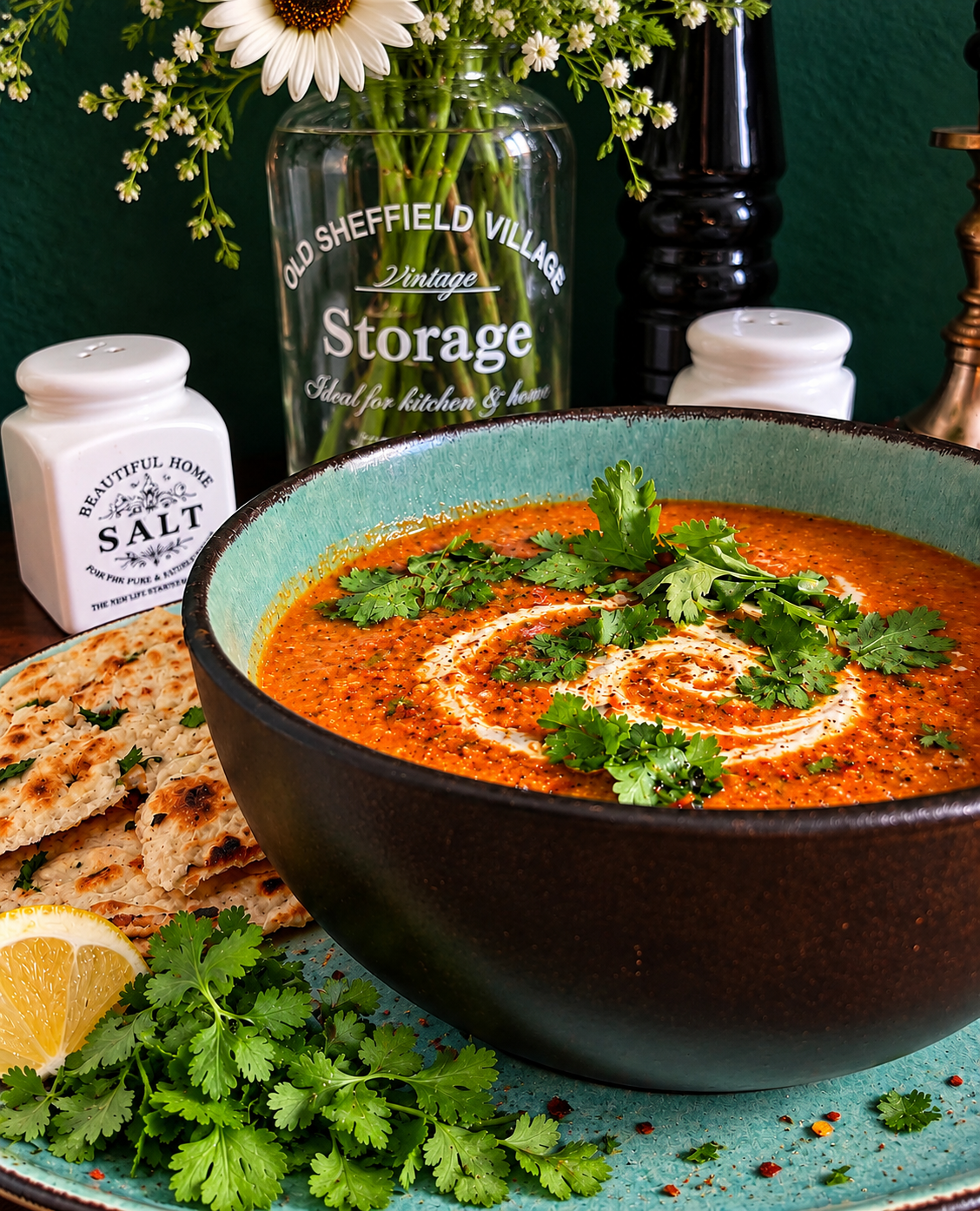
Armenian Roasted Eggplant Soup is a modern, Armenian-inspired vegan creation rather than a documented traditional national dish. Oven-roasted eggplants are combined with tomatoes, garlic, onion, cumin and smoked paprika to create a deeply aromatic, slightly chunky soup. Fresh coriander, flat-leaf parsley, lemon zest and lemon juice add brightness, while a swirl of vegan sour cream provides a creamy finishing touch. Served with warm Armenian lavash, this comforting soup celebrates the flavors of roasted vegetables and the culinary traditions of Armenia.
▣ Ingredients (2 servings)
- 2 eggplants
- 1 onion
- 2 cloves garlic
- 4 ripe tomatoes
- 1/2 tsp ground cumin
- 1/2 tsp smoked paprika
- 1/2 tsp lemon zest
- 350 ml vegetable stock
- 2 tbsp olive oil
- 2 tsp lemon juice
- 3 springs fresh coriander
- 3 springs fresh parsley
- 1 pinch salt
- 1 pinch black pepper
- 1 piece armenian lavash (optional)
- 1 tsp vegan sour creme (optional)
♨ Preparation
- Roast the Eggplants
Preheat the oven to 220°C (430°F), using conventional top and bottom heat.
Prick the eggplants several times with a fork and place them on a baking tray lined with parchment paper.
Roast for approximately 40–45 minutes, turning halfway through, until the skins are dark and wrinkled and the flesh is completely soft.
For a more intense smoky flavour, use the oven grill during the final few minutes, watching carefully to prevent burning. - Prepare the Roasted Eggplant
Transfer the hot eggplants to a bowl and cover for approximately 5 minutes to allow them to steam.
Once cool enough to handle, peel away the skins and discard them.
Roughly chop the soft roasted flesh, keeping some larger pieces for a rustic texture. - Prepare the Soup Base
While the eggplants are roasting, finely dice the onion, chop the garlic and dice the tomatoes.
Heat the olive oil in a large saucepan over medium heat.
Add the onion and sauté for approximately 5 minutes until softened and translucent.
Add the garlic, ground cumin and smoked paprika. Cook for another minute, stirring continuously until fragrant.
Add the diced tomatoes and cook for approximately 5 minutes until they begin to break down and release their juices. - Simmer the Soup
Add the roasted eggplant and vegetable stock to the saucepan.
Season with salt and freshly ground black pepper.
Bring to a gentle boil, reduce the heat and simmer uncovered for approximately 15 minutes, allowing the flavours to develop.
Stir occasionally. - Blend and Finish
Remove the saucepan from the heat.
Using an immersion blender, briefly blend the soup until slightly thickened but still rustic and chunky.
Avoid blending completely smooth. Small pieces of roasted eggplant should remain visible.
Roughly chop the fresh coriander and flat-leaf parsley.
Stir the herbs, lemon zest and lemon juice into the soup.
Taste and adjust the seasoning with additional salt, black pepper or lemon juice if necessary. - Serve
Divide the hot soup between two bowls.
Top each serving with 1 tablespoon of vegan sour cream and a few fresh coriander leaves.
Serve immediately with warm Armenian lavash, if desired.
Food Story
The Eggplant That Took a Detour Through Armenia
If there’s one thing I’ve learned on my culinary journey around the world, it’s that an eggplant can lead a surprisingly adventurous life. One day it’s stuffed with tomatoes and garlic, the next it’s transformed into a creamy dip, and now it’s taking a little trip to Armenia – straight into my soup bowl. And since I’m a self-confessed Suppenkasper, a person who absolutely loves soup, this particular destination was always going to make me happy.
Team Garlic & Team Coriander Join the Party
Armenian cuisine has a wonderful tradition of roasting and grilling vegetables, especially eggplants. That smoky flavor was exactly what I wanted to capture. So into the oven went two beautiful aubergines, while tomatoes, garlic, cumin and smoked paprika prepared to join the party. A little fresh coriander, parsley and lemon brought everything together. And because Team Garlic and Team Coriander are practically permanent residents of my kitchen, there was no chance of either being left behind.
One Empty Bowl, One Happy Suppenkasper
The result? A wonderfully rustic, smoky soup with a creamy swirl of vegan sour cream, plenty of fresh herbs and warm flatbread for dipping. Nothing fancy, nothing complicated – just honest comfort food with a little Armenian inspiration. I may have started this journey with an eggplant, but I ended it with an empty bowl and a very happy Suppenkasper. Via Veggie Vegan – A Culinary Journey Around the World.
♨ Nutrition per serving
Nutritional values are approximate and may vary depending on the ingredients and products used.
Good to Know
Eggplants in Armenian Cuisine
Eggplants have an important place in Armenian and wider Caucasian cooking, where roasting, grilling and stuffing vegetables are common preparation methods. Cooking eggplants over an open flame gives them a particularly distinctive smoky character. This soup draws inspiration from those culinary traditions, but it is a modern Armenian-inspired interpretation rather than a historically documented national dish.
Why Roasted Eggplant Becomes So Creamy
Eggplants contain a high proportion of water and dietary fiber. During roasting, their cell structure softens and the flesh develops a silky, almost buttery texture without requiring large amounts of added fat. Eggplants also contain phenolic compounds, including chlorogenic acid, which contribute to their antioxidant properties. However, the nutritional value of the finished dish depends on the preparation method and the other ingredients.
Fresh Coriander, Lemon & Nutrient Absorption
Fresh coriander and lemon provide bright aromas that balance the smoky vegetables. Lemon juice contributes a little vitamin C, although the small quantity used in this recipe is not a major source. Olive oil supplies predominantly monounsaturated fatty acids and can support the absorption of fat-soluble compounds in the meal. Adding the herbs and lemon at the end also helps preserve their fresh flavor and appearance.
The Secret Behind the Smoky Flavor
Roasting eggplants at high temperatures develops deeper flavors as the flesh softens and the skin darkens. Direct contact with a flame or grill can create an especially pronounced smoky aroma. In this recipe, smoked paprika adds another layer of smokiness without requiring an open flame. The goal is beautifully roasted eggplant flesh, not a burnt or bitter soup.
Garlic – Small Ingredient, Big Personality
Garlic contains sulfur compounds that contribute to its distinctive aroma. When garlic is chopped or crushed, the enzyme alliinase helps convert alliin into allicin. These compounds change during cooking, creating a more mellow and rounded garlic flavor. Adding garlic briefly after the onions have softened helps prevent burning and bitterness. And for Team Garlic, two cloves are always a welcome addition!
Cumin & Smoked Paprika – A Warming Combination
Ground cumin contributes an earthy, slightly nutty flavor, while smoked paprika adds gentle warmth, color and smoky depth. Together, they complement the roasted eggplant and tomato base. Smoked paprika is a personal addition to this Armenian-inspired soup rather than an ingredient that defines traditional Armenian cooking. Both spices should be heated briefly without burning to release their aromas.
Tomatoes – Flavor, Color & Lycopene
Tomatoes contribute acidity, natural sweetness and savory depth to the soup. They also contain lycopene, a carotenoid responsible for their red color. Cooking tomatoes helps release lycopene from the plant's cellular structure, while the olive oil in this recipe can support its absorption. Lycopene is studied for its potential health effects, but no single ingredient guarantees specific health benefits.
Fresh Herbs – Why Timing Matters
Fresh coriander and flat-leaf parsley contribute different aromatic qualities. Coriander has a distinctive citrusy character, while parsley tastes fresh, green and slightly peppery. Their delicate aromas can diminish during prolonged cooking. Stirring them into the soup near the end helps retain their flavor and vibrant appearance. A few additional leaves make a simple, attractive garnish.
Vegan Sour Cream – A Creamy Finishing Touch
Vegan sour cream adds a cooling, creamy contrast to the warm, smoky soup. Plant-based sour cream alternatives may contain soy, oats, cashews or other ingredients, so their nutritional values vary considerably. Choose an unsweetened product with a pleasantly tangy flavor. Add it just before serving rather than boiling it in the soup, as some plant-based alternatives may separate when heated.
Armenian Lavash & Zero-Waste Cooking
Lavash is a traditional thin flatbread closely associated with Armenian food culture. It is commonly served alongside meals and is ideal for dipping into soups and sauces. Many lavash recipes use simple plant-based ingredients, although packaged varieties should always be checked. Leftover lavash can be cut into triangles and toasted into crispy chips. Roasted eggplant leftovers can also be incorporated into dips, pasta sauces or vegetable spreads, making this recipe a delicious opportunity for zero-waste cooking.
You may also like
♡
You may also like
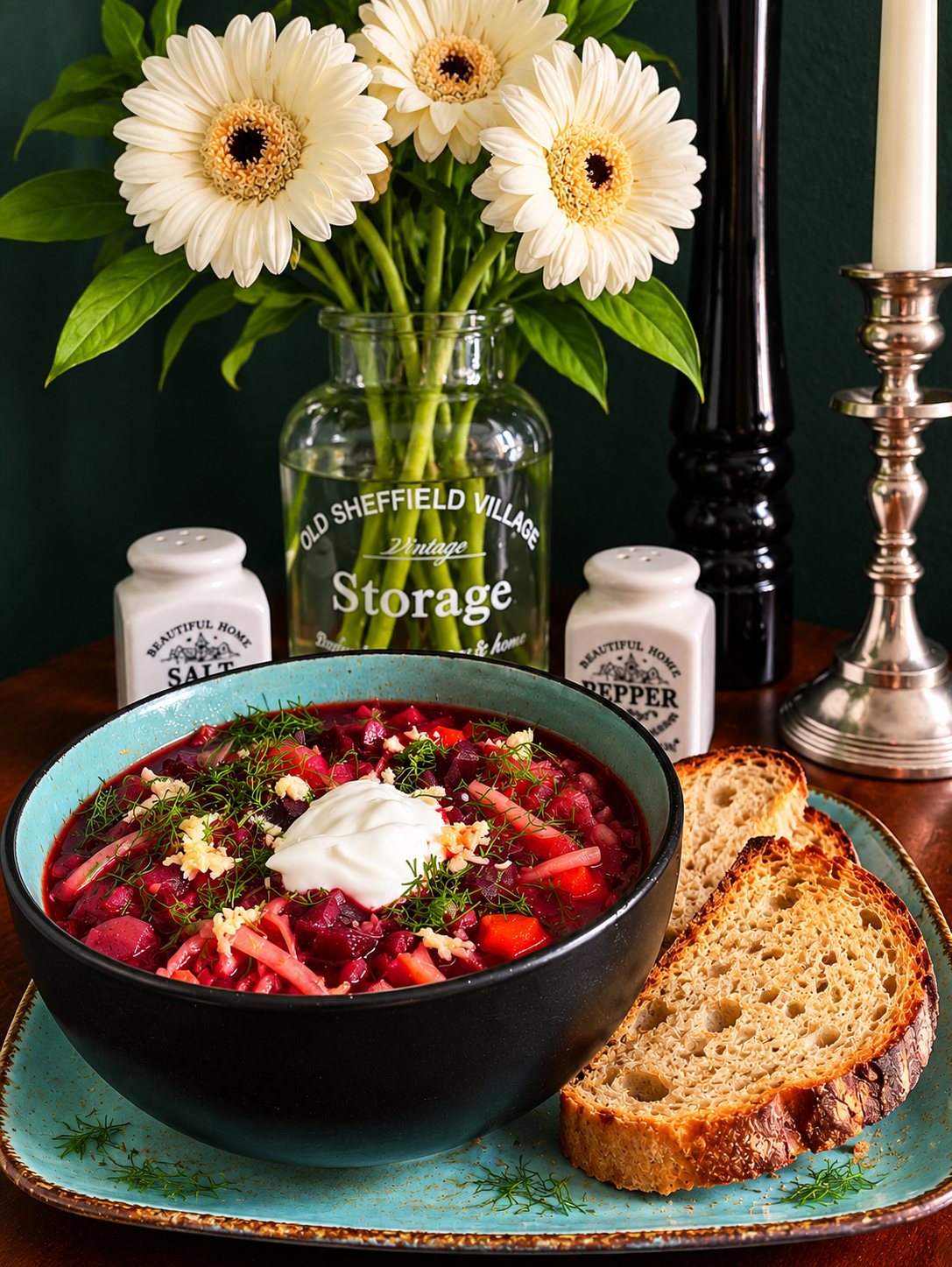
Vegan Ukrainian Borscht – Traditional Beetroot & Cabbage Soup with Dill and Sour Cream
You may also like
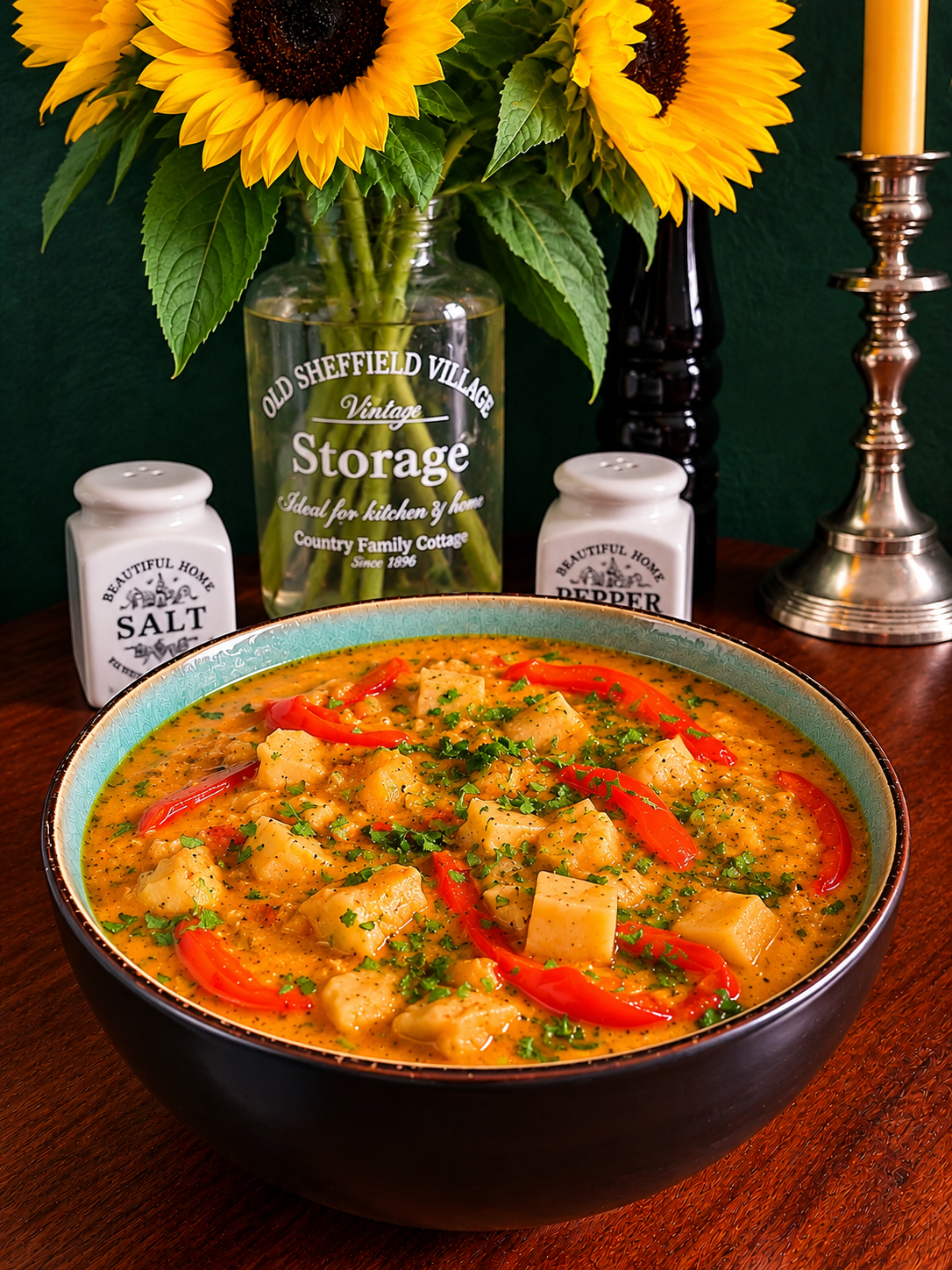
Brazilian Celeriac Moqueca – Vegan Moqueca de Salsão-Raiz
You may also like