Recipe postcard
Brazil – A Country of Culinary DiversityBrazil is the largest country in South America, renowned for its extraordinary biodiversity, tropical landscapes, vibrant cities and rich cultural heritage. Its cuisine reflects centuries of Indigenous Brazilian, African, Portuguese and other cultural influences, creating a fascinating variety of regional food traditions. From the Amazon rainforest to the Atlantic coastline, local ingredients and cooking techniques differ considerably. Coconut milk, cassava, beans, peppers, fresh herbs and tropical fruits all play important roles in Brazilian cooking. The northeastern state of Bahia is particularly famous for its aromatic, colourful dishes and strong Afro-Brazilian culinary heritage, making it a wonderful source of inspiration for my Via Veggie Vegan journey.
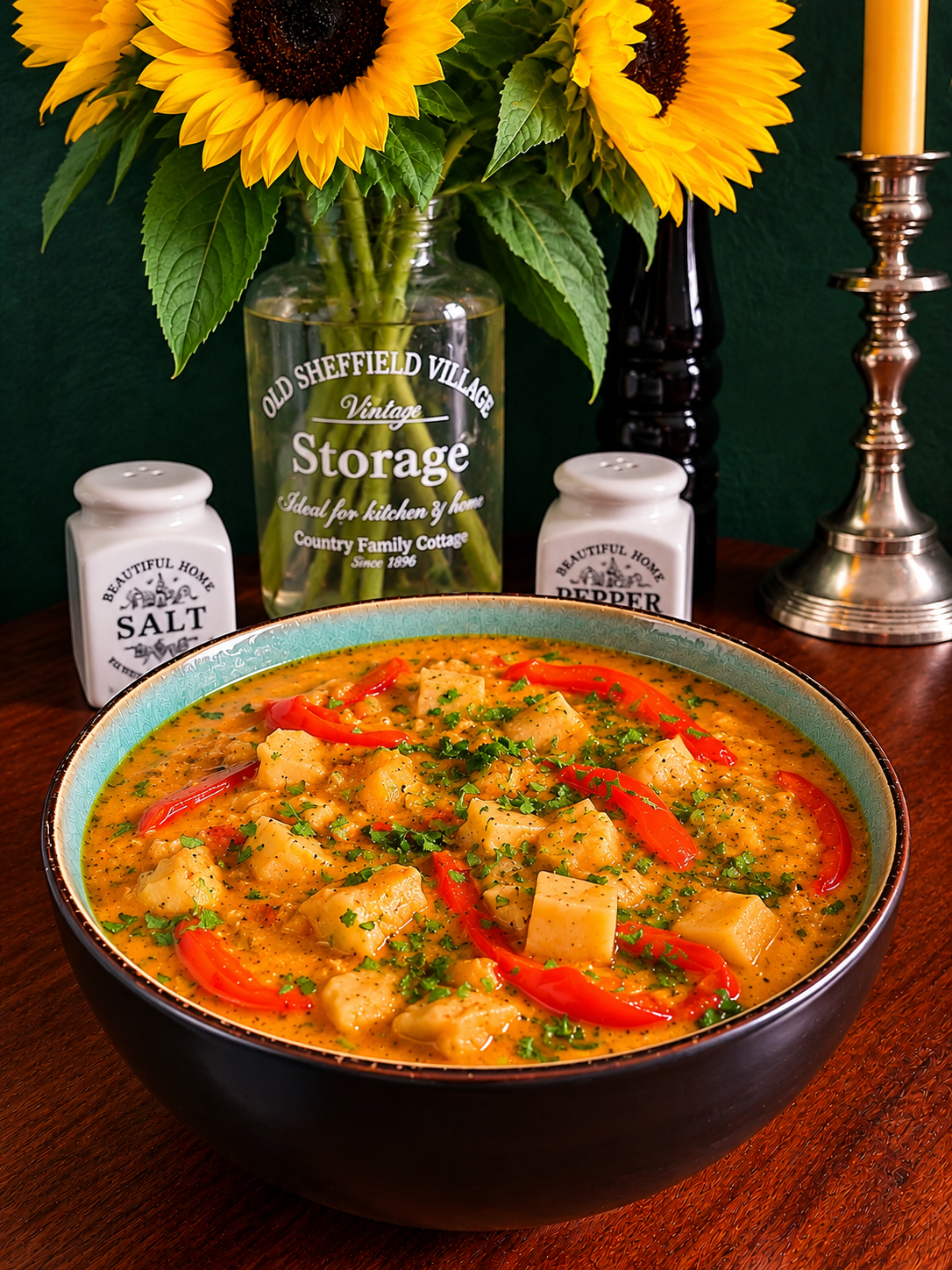
What Is Moqueca de Salsão-Raiz?Moqueca is a traditional Brazilian stew particularly associated with the coastal states of Bahia and Espírito Santo. Moqueca baiana typically combines fish or seafood with coconut milk, red palm oil, tomatoes, peppers, onions and coriander, while moqueca capixaba follows a different regional tradition without coconut milk or palm oil. My Moqueca de Salsão-Raiz is a contemporary, Brazilian-inspired vegan interpretation that gives celeriac the leading role. Tender pieces of this wonderfully earthy root vegetable are cooked with tomatoes, red bell pepper, garlic and chili in a rich coconut sauce. Fresh turmeric and a little orange zest create a beautiful golden-orange colour without using traditional red palm oil, while lime juice and plenty of fresh coriander provide a vibrant, aromatic finish. A colourful, comforting plant-based tribute to the flavours of Bahia – with a very personal Via Veggie Vegan twist!
Cook this recipe →
Recipe postcard
Uruguay – A Small Country with a Big Grilling Tradition
Uruguay lies on the Atlantic coast of southeastern South America, between Argentina and Brazil. Its food culture has been shaped by cattle ranching, European immigration and the traditions of the Río de la Plata region. Asado, the preparation of food over a grill or open fire, is deeply rooted in Uruguayan social life. Sharing grilled food with family and friends is about much more than eating: it is an important expression of hospitality and community.
What Is Churrasco con Papas Fritas y Chimichurri?
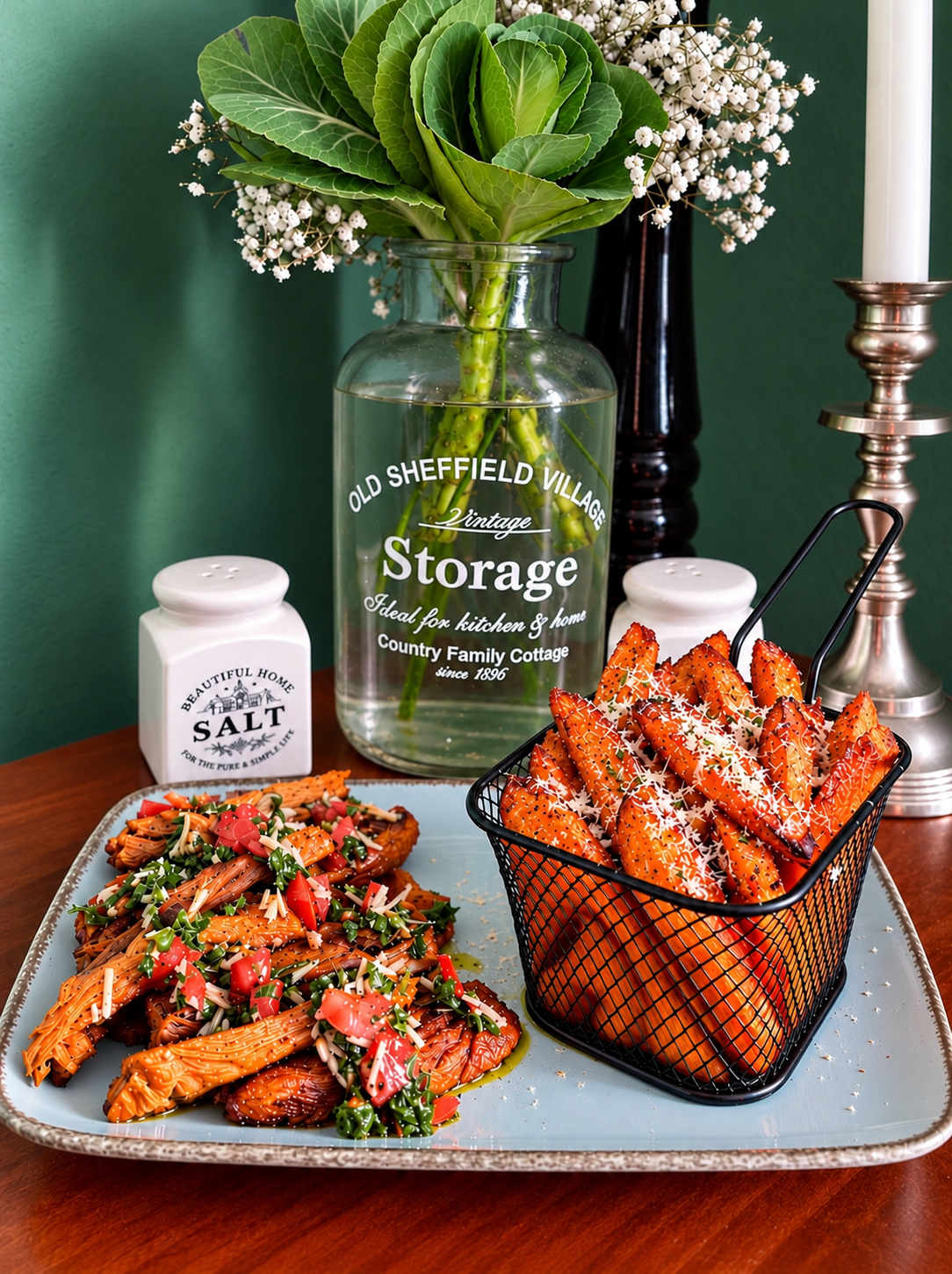
Churrasco generally refers to a steak, often grilled or pan-seared, while papas fritas are French fries. Chimichurri is a fragrant condiment associated with the Río de la Plata region, especially Uruguay and Argentina. It traditionally combines chopped parsley, garlic, oregano, vinegar and oil, sometimes with chili. This Via Veggie Vegan version replaces beef with plant-based steak, uses oven-baked sweet potato fries instead of conventional potato fries and adds fresh tomato to the chimichurri. Vegan Parmesan provides a final savory touch. It is a contemporary vegan interpretation of a familiar steak-and-fries combination rather than a traditional Uruguayan recipe.
Cook this recipe →
Recipe postcard
Mongolia – A Land of Endless Steppes and Nomadic Traditions
Mongolia is a landlocked country in East Asia, situated between Russia and China. Its vast landscapes include grasslands, mountains, deserts and freshwater lakes. Traditional Mongolian cuisine has been shaped by the country's continental climate and long history of nomadic pastoralism. Meat, dairy products and wheat-based foods have historically played important roles, while vegetables and other ingredients have become increasingly accessible through trade and changing food cultures. Hearty noodle dishes, dumplings and warming meals reflect the practical cooking traditions of a country known for its extraordinary landscapes and hospitality.
What Is Tsuivan?
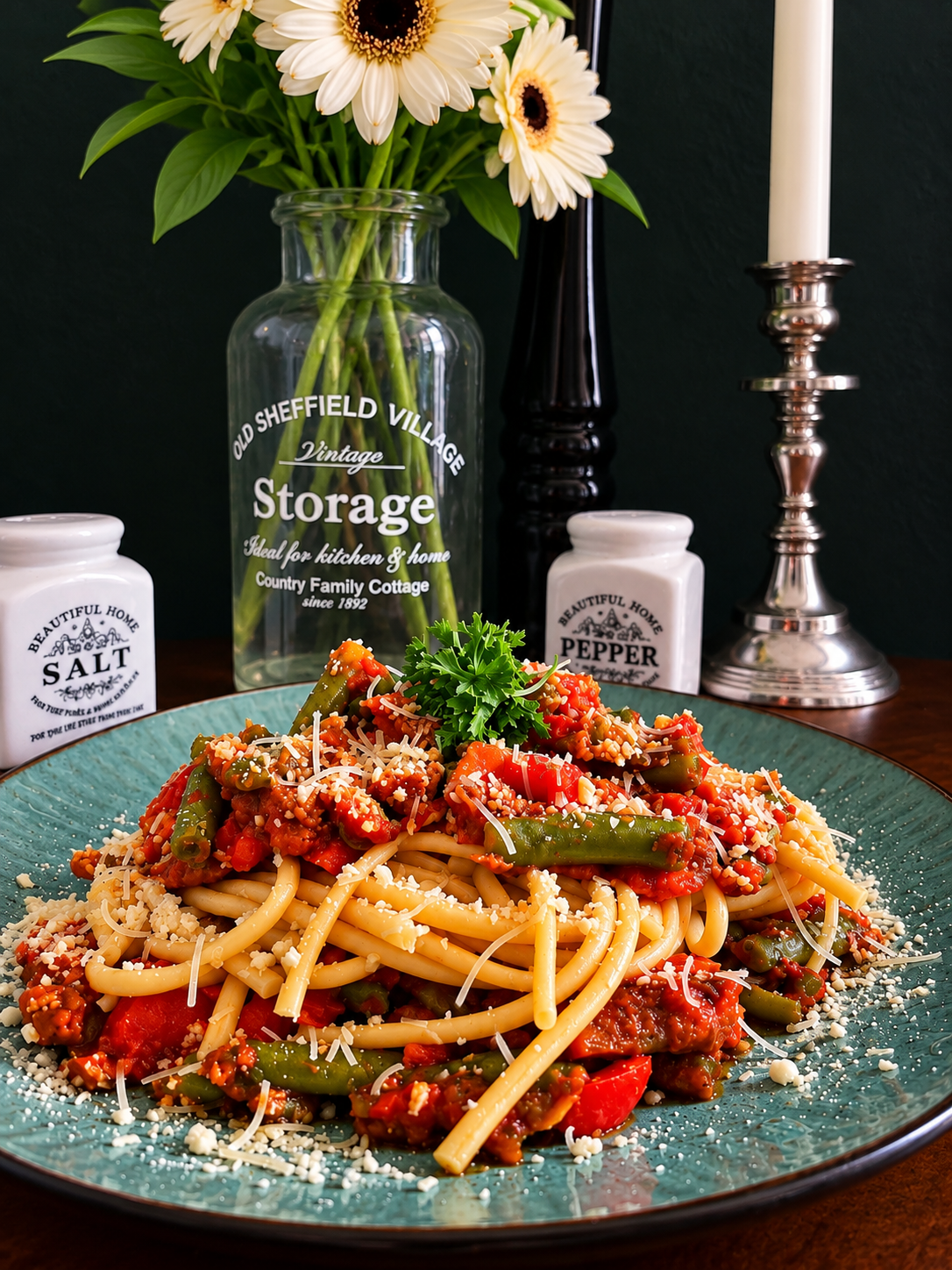
Tsuivan is a traditional Mongolian dish made with wheat noodles, meat and vegetables. One of its defining features is the cooking technique: freshly prepared noodles are placed over the meat and vegetables and steamed in the covered pan before everything is mixed together. This Via Veggie Vegan version takes a different approach, using ready-made Japanese udon noodles, plant-based beef-style strips and a tomato-based vegetable sauce. Rosemary, thyme, parsley and vegan cheese introduce additional fusion influences. It is therefore a Mongolian-inspired vegan interpretation rather than a traditional preparation of Tsuivan.
Cook this recipe →
Recipe postcard
Libya – A North African Country of Mediterranean and Desert Traditions
Libya is a North African country bordering the Mediterranean Sea, with a culinary heritage shaped by Amazigh, Arab, Mediterranean and historical Ottoman influences. Its cuisine combines grains, vegetables, legumes, meat and aromatic spices, with dishes varying across regions and households. Tomatoes, garlic, chilies, olive oil and warming spice blends feature prominently in many Libyan preparations. Pasta also holds an important place in everyday cooking, reflecting the country's long history of Mediterranean cultural exchange.
What Is Mbakbaka?
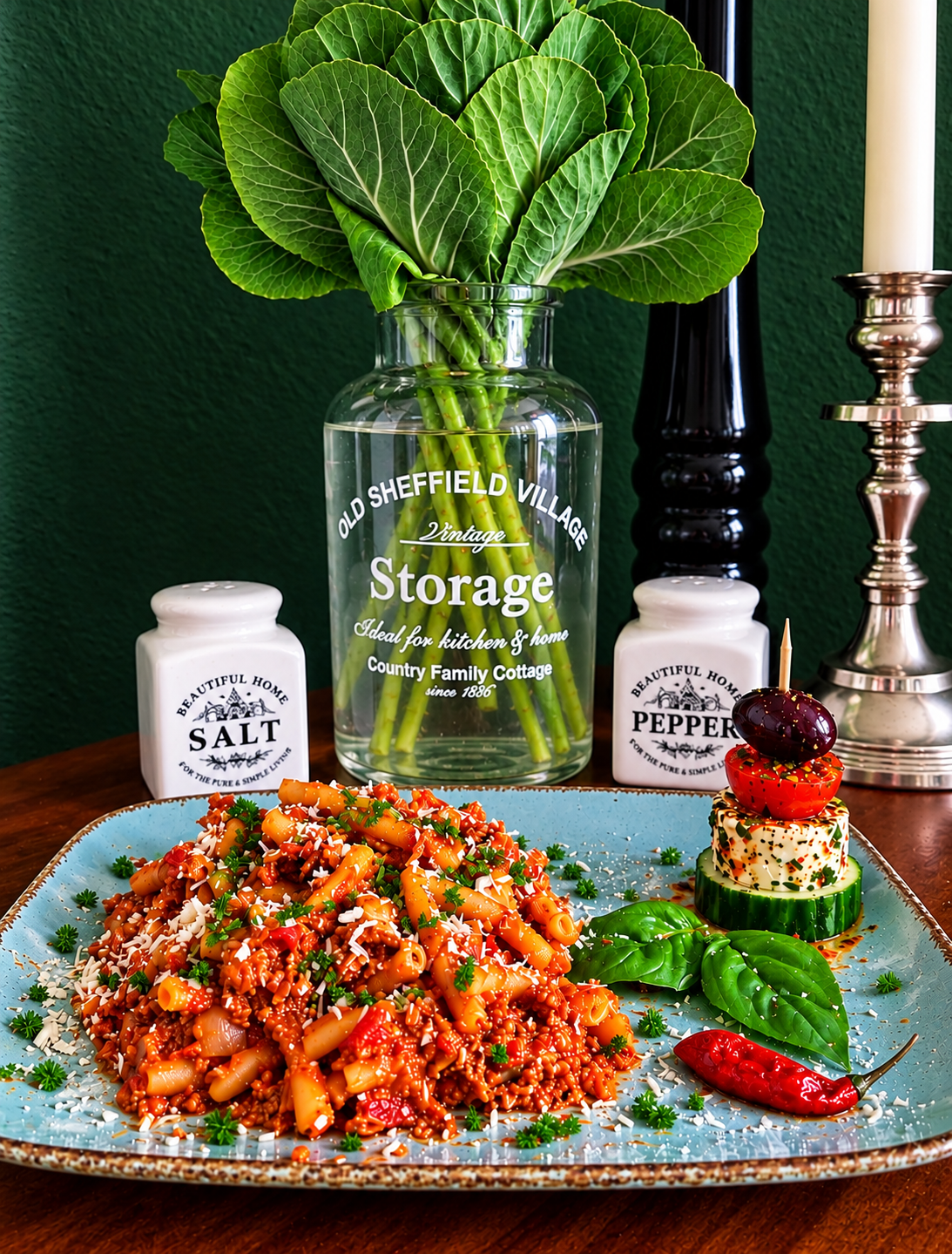
Mbakbaka, also written Imbakbaka, is a popular Libyan one-pot pasta dish traditionally prepared by simmering dry pasta directly in a seasoned tomato-based broth. Unlike conventional pasta recipes, the noodles absorb the flavors of the sauce while releasing starch, creating a rich consistency somewhere between pasta and stew. Many versions contain lamb, beef or chicken, while the spices and vegetables vary between families. This Via Veggie Vegan interpretation replaces meat with plant-based mince and uses a homemade Bzaar-inspired spice blend. Fresh parsley, lemon juice and vegan grated cheese complete this hearty, spicy dish.
Cook this recipe →
Recipe postcard
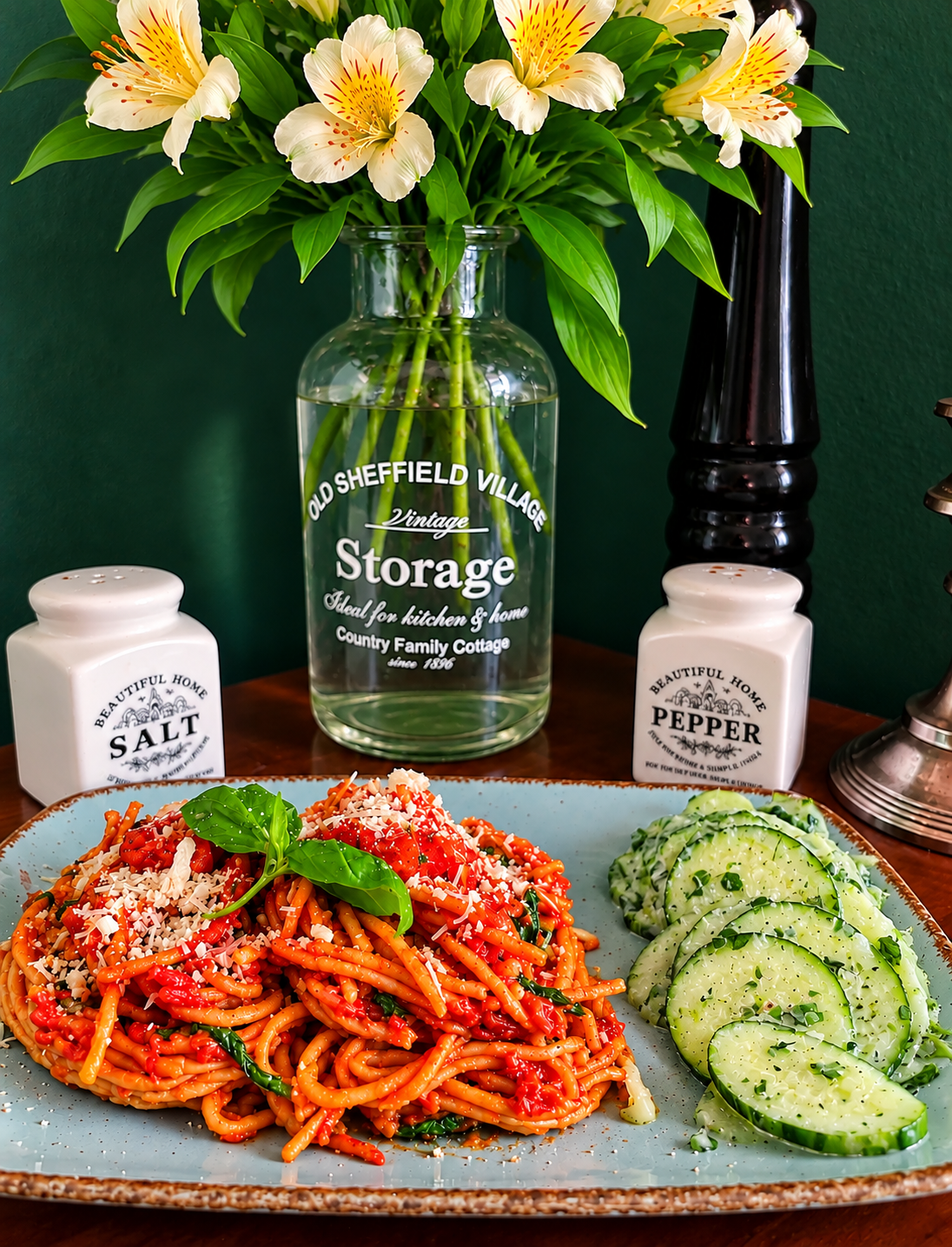
Italy – A Culinary Journey to Puglia
Italy is celebrated for its remarkable regional cuisine, where traditional recipes reflect local ingredients, history and culinary creativity. In the southern region of Puglia, olive oil, tomatoes, garlic, chili and pasta are essential ingredients. Bari, the region's lively coastal capital, is particularly famous for its distinctive pasta traditions and vibrant street-food culture.
What Are Spaghetti all’Assassina?
Spaghetti all’Assassina, meaning “Assassin’s Spaghetti,” originated in Bari and became known for a cooking technique that breaks the usual pasta rules. Instead of boiling spaghetti separately, the dry pasta is toasted directly in a hot frying pan with tomato sauce, garlic and chili. Hot tomato broth is gradually added and allowed to evaporate, creating deeply concentrated flavors and characteristic crispy, lightly charred patches. The traditional basic recipe is naturally vegan, making it a perfect addition to Via Veggie Vegan.
Cook this recipe →
Recipe postcard
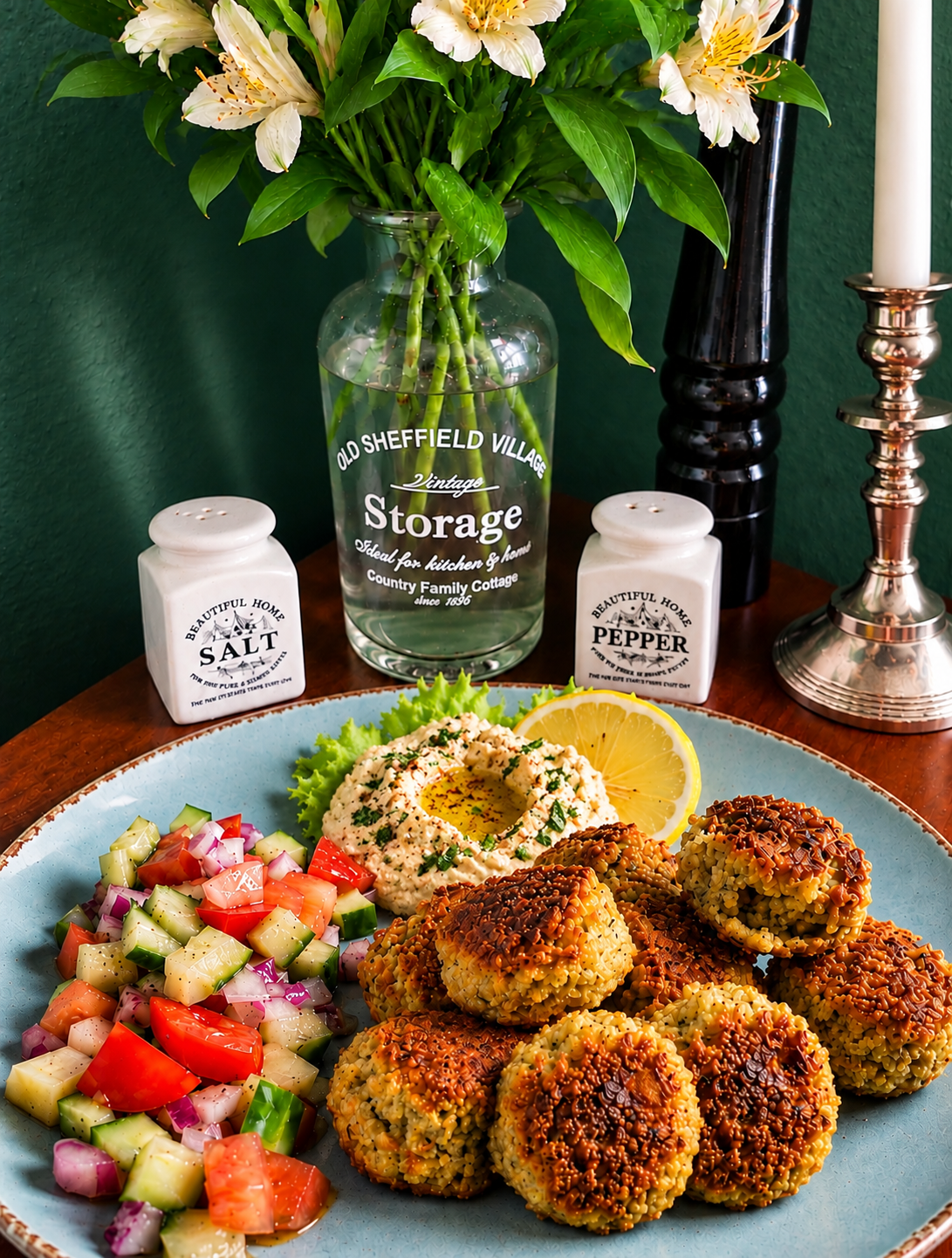
Israel – A Crossroads of Culinary Traditions
Located on the eastern Mediterranean, Israel has a diverse food culture shaped by Jewish communities from around the world and the culinary traditions of the wider Middle East. Markets, bakeries and street-food stalls offer fresh vegetable salads, aromatic flatbreads, hummus, tahini and falafel. Tel Aviv is particularly known for its lively food scene, where regional traditions and contemporary cooking meet.
What Are Falafel with Hummus and Israeli Salad?
Falafel are crispy fried balls or patties made from soaked chickpeas, fava beans or both, seasoned with herbs and spices. Their origins are often associated with Egypt, and they have become popular throughout the Middle East, including Palestinian and Israeli cuisine. Served with creamy hummus and a finely chopped tomato-cucumber salad, they create a satisfying combination of textures and flavors. This naturally vegan version celebrates a classic Middle Eastern combination with plenty of garlic, cumin and coriander.
Cook this recipe →
Recipe postcard
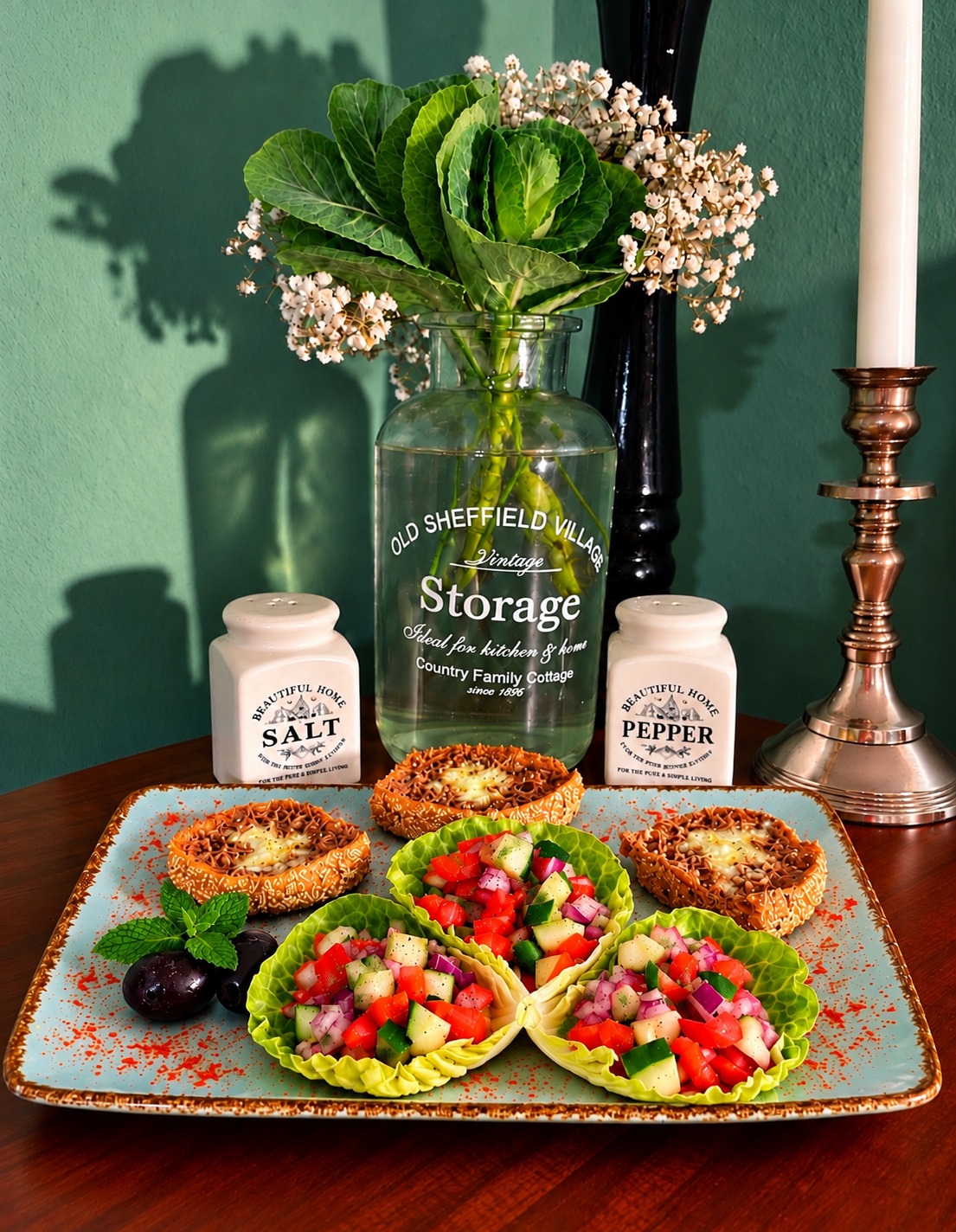
Iran – A Land of Poetry, History and Persian Flavours
Iran, historically known as Persia, has one of the world's oldest and most fascinating culinary traditions. Persian cuisine celebrates fresh herbs, fragrant spices, seasonal vegetables and a delicate balance of sweet and sour flavors. From bustling bazaars to traditional family kitchens, food is deeply connected to hospitality, culture and centuries of history.
What Is Salad-e Shirazi?
Salad-e Shirazi takes its name from Shiraz, a historic city in southern Iran famous for its poetry, gardens and cultural heritage. This refreshing Persian salad traditionally combines finely diced cucumber, tomatoes and onion with dried mint and a tangy dressing made with ab-ghooreh, the juice of unripe grapes. My version uses fresh lime juice instead, with garlic, sumac and harissa for an extra kick. Served in crisp romaine lettuce boats, it becomes a colorful little dish that's naturally vegan.
Cook this recipe →
Recipe postcard
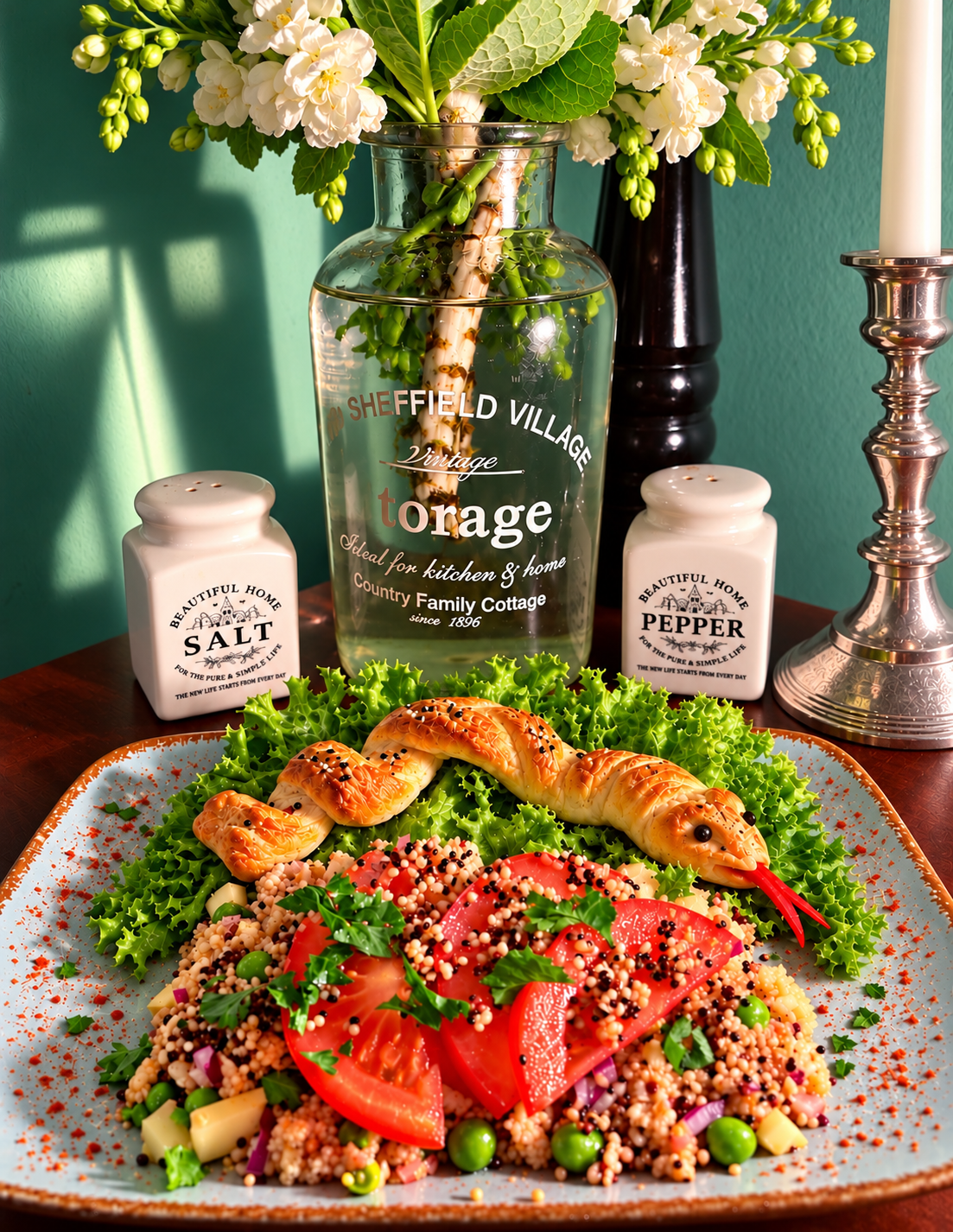
Côte d’Ivoire – A Taste of West Africa
Located along the Atlantic coast of West Africa, Côte d’Ivoire, also known as Ivory Coast, is a country of vibrant markets, tropical landscapes and wonderfully diverse culinary traditions. From the bustling streets of Abidjan to the historic coastal town of Grand-Bassam, food plays an important role in everyday life and social gatherings. Cassava, plantains, rice, fresh vegetables, fish and aromatic seasonings feature prominently in Ivorian cooking. One particularly distinctive specialty is attiéké, a fermented cassava product with a light, couscous-like texture. Often served with fresh vegetables and fish, it reflects the coastal food culture that inspired my colorful plant-based interpretation.
What Is Salade Bassamoise?
Salade Bassamoise takes its name from Grand-Bassam, a historic coastal town in southeastern Côte d’Ivoire. The dish is associated with fresh, colorful ingredients and the refreshing flavors of Ivorian coastal cuisine. My version takes inspiration from salads combining attiéké, vegetables and fish, but gives the idea a completely plant-based twist. Instead of traditional cassava-based attiéké, I use colorful wheat couscous, combined with vegan tuna, cucumber, green pointed pepper, red onion, green peas and plenty of fresh herbs. Olive oil and lime juice bring everything together in a bright, refreshing dressing. And because Halloween is just around the corner, a homemade snake made from leftover pizza dough has slithered onto the plate! It's a playful, zero-waste adaptation rather than an authentic traditional preparation.
Cook this recipe →
Recipe postcard
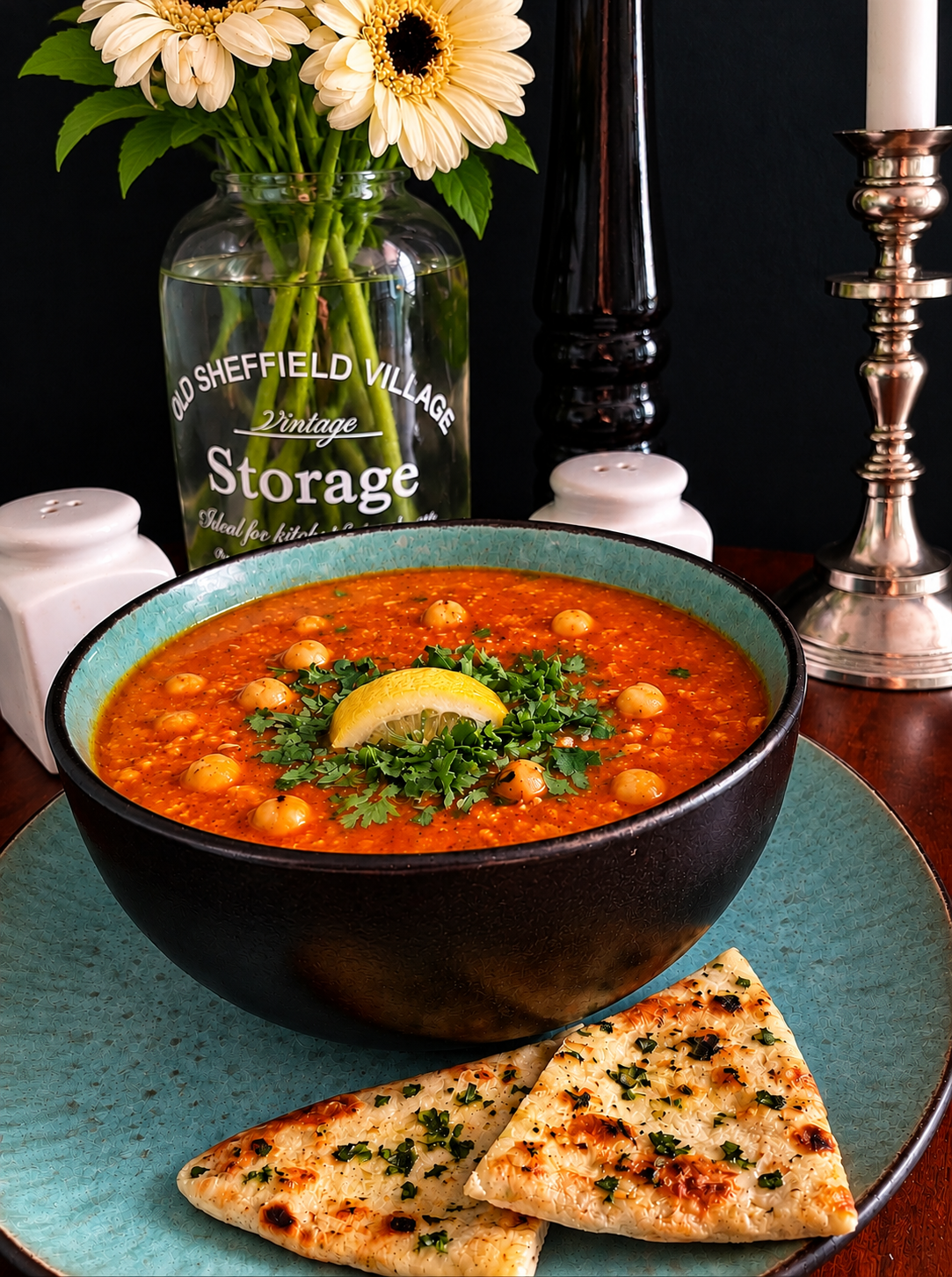
India – A Land of Spices and Culinary TraditionsIndia is a country of extraordinary culinary diversity, shaped by regional traditions, climate, agriculture, history and centuries of cultural exchange. From the aromatic dishes of North India to the coconut-rich cuisines of the south, spices play an important role in creating distinctive flavors. Cumin, coriander, turmeric, ginger, garlic and countless spice blends appear in a wide variety of regional preparations. Chickpeas are another important ingredient in Indian cooking, used in curries, snacks, salads, stews and soups. Their versatility makes them particularly suitable for satisfying plant-based dishes.
Chana Shorba – Indian Chickpea SoupChana means chickpeas, while shorba refers to soup or broth. Chana Shorba, also known as Chane Ka Shorba, is an Indian-style chickpea soup that can be prepared in several ways. Some versions are smooth and creamy, while others contain whole chickpeas in a fragrant broth. This Via Veggie Vegan interpretation combines chickpeas, tomatoes, onion, garlic, ginger, chili and aromatic spices. Blending a small portion of the soup creates natural creaminess without dairy or added cream. Fresh coriander and lemon bring brightness to the finished dish, while homemade Garlic Naan turns the soup into a delicious, satisfying meal.
Cook this recipe →
Recipe postcard
5. SHORT DESCRIPTION / ORIGIN
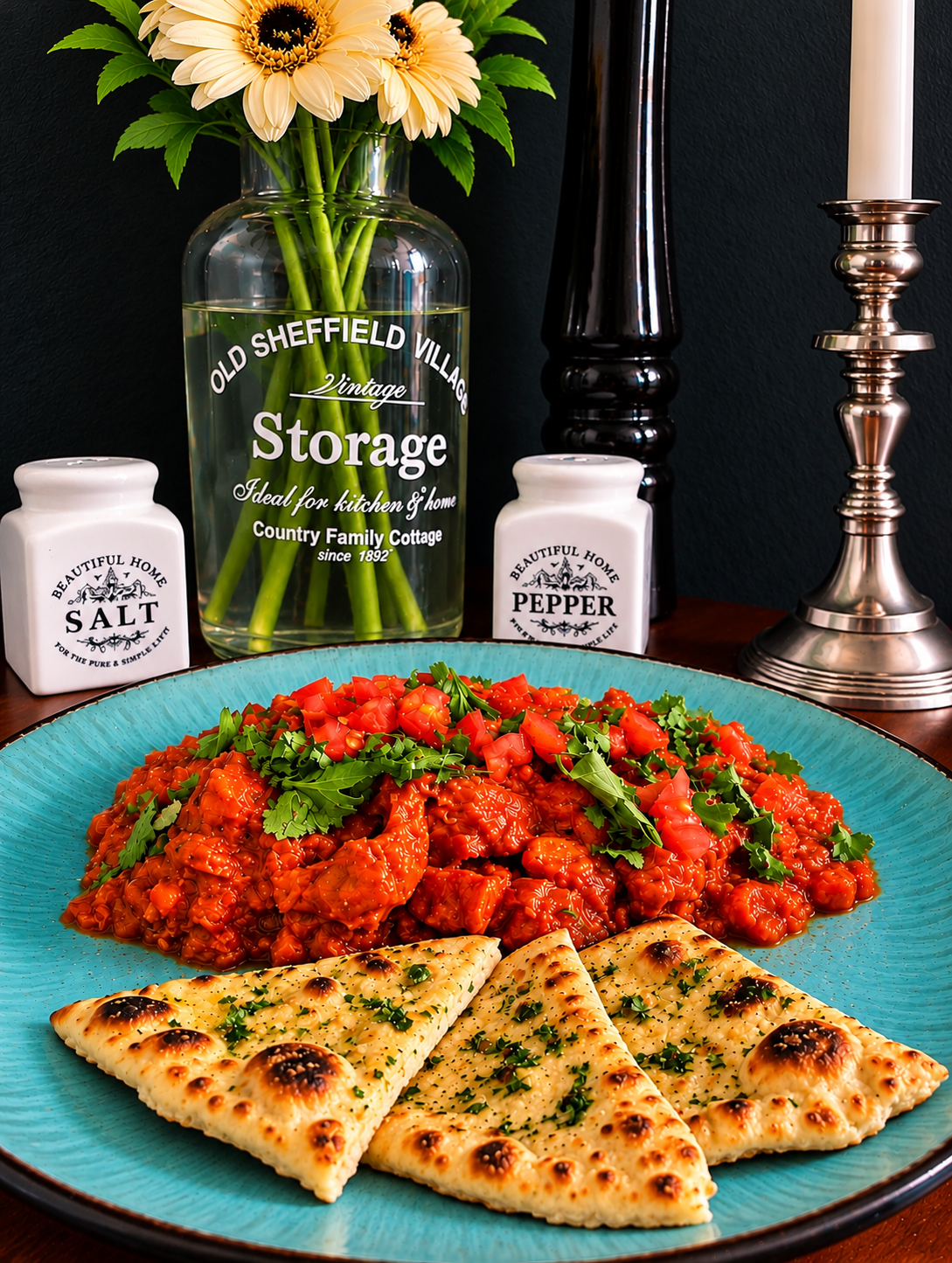
India – A Country of Many Religions and Culinary TraditionsIndia is a vast South Asian country with an extraordinarily diverse culinary heritage. Its regional cuisines reflect differences in geography, climate, history, religion and local ingredients. While cows are revered in many Hindu traditions and beef is avoided by many Hindus, dietary practices vary considerably across India. Hindu, Muslim, Christian and other communities have developed distinct food traditions over centuries. Kerala, on India's southwestern Malabar Coast, is particularly known for its coconut-based dishes, fragrant curry leaves, black pepper and aromatic spices. Its cuisine reflects the region's long history of maritime trade and its religious and cultural diversity.
Beef Ularthiyathu – Kerala's Famous Beef FryBeef Ularthiyathu, also known as Kerala Beef Fry, is a well-known preparation associated with Kerala's regional food culture. The Malayalam term ularthiyathu describes a cooking technique in which ingredients are sautéed or roasted while moisture is reduced, concentrating their flavors. Traditional versions commonly combine beef with shallots, garlic, ginger, curry leaves, black pepper and spices, often with coconut pieces. The finished dish is generally relatively dry and intensely seasoned. This Via Veggie Vegan interpretation replaces beef with LikeMeat plant-based pieces and adds fresh tomatoes, tomato paste and coconut milk for a richer, saucier result. It preserves the aromatic inspiration of Kerala cuisine while giving the dish a completely plant-based makeover.
Cook this recipe →
