Recipe postcard
Jamaica – The Caribbean Island of Bold Flavours
Jamaica is a Caribbean island renowned for its vibrant culture, reggae music and distinctive culinary traditions. Its cuisine reflects Indigenous, African, European and Asian influences, combining tropical ingredients with aromatic herbs, warming spices and fiery chilies. Allspice, known locally as pimento, and Scotch Bonnet peppers are particularly characteristic of Jamaican cooking, alongside thyme, spring onions, garlic and ginger.
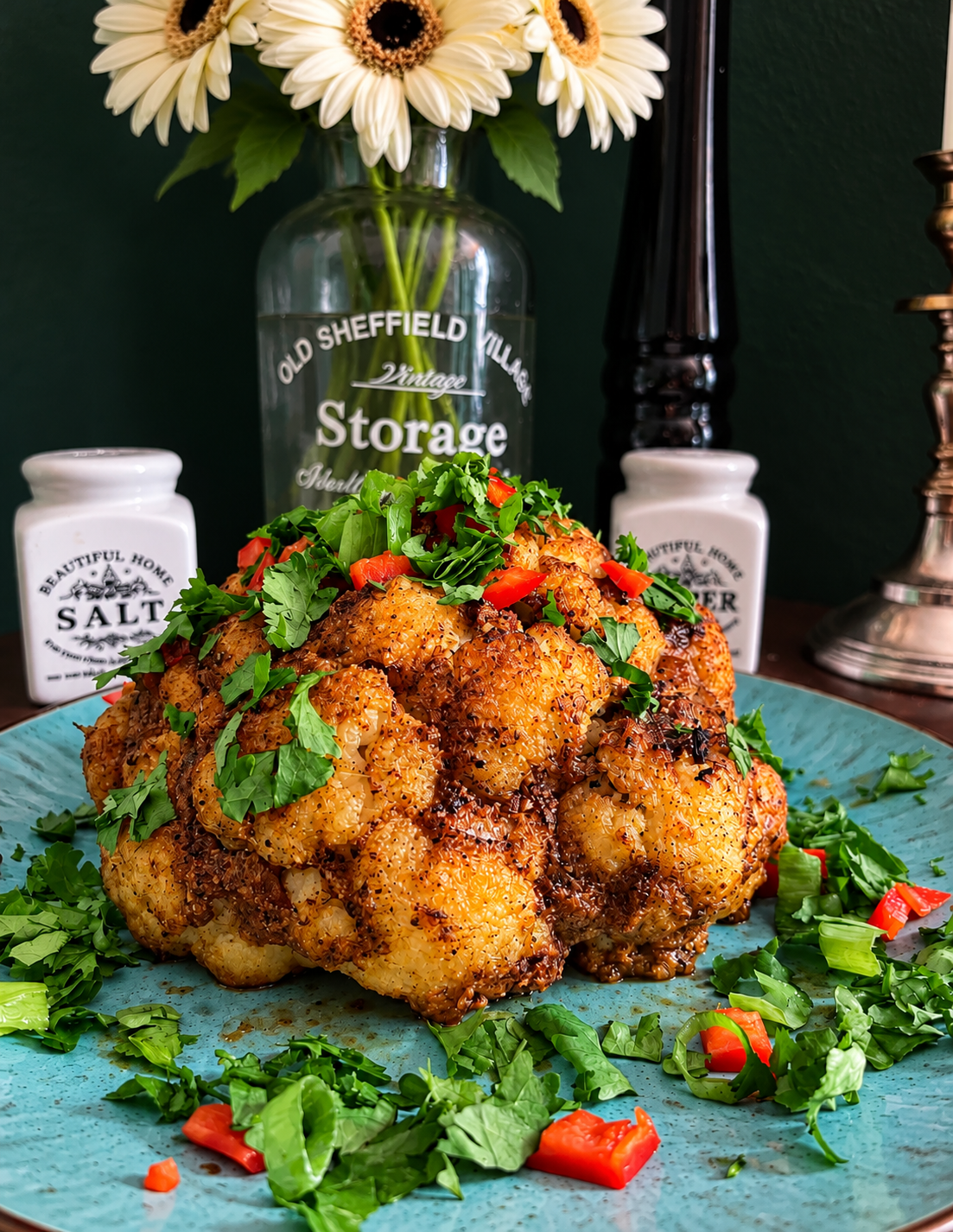
What Is Whole Roasted Jerk Cauliflower?
Jerk is one of Jamaica's most recognizable culinary traditions, traditionally associated with intensely seasoned meat cooked over fire or smoke. Whole Roasted Jerk Cauliflower is a modern plant-based interpretation inspired by those characteristic flavors. An entire cauliflower is coated in a homemade marinade of Scotch Bonnet chili, allspice, thyme, garlic, ginger, soy sauce and lime. Turmeric, fenugreek and a few drops of liquid smoke add my personal Via Veggie Vegan twist. Oven-roasted until deeply golden and tender inside, it becomes a wonderfully aromatic vegan centerpiece.
Cook this recipe →
Recipe postcard
India – A Land of Spices and Culinary TraditionsIndia is a country of extraordinary culinary diversity, shaped by regional traditions, climate, agriculture, history and centuries of cultural exchange. From the aromatic dishes of North India to the coconut-rich cuisines of the south, spices play an important role in creating distinctive flavors. Cumin, coriander, turmeric, ginger, garlic and countless spice blends appear in a wide variety of regional preparations. Chickpeas are another important ingredient in Indian cooking, used in curries, snacks, salads, stews and soups. Their versatility makes them particularly suitable for satisfying plant-based dishes.
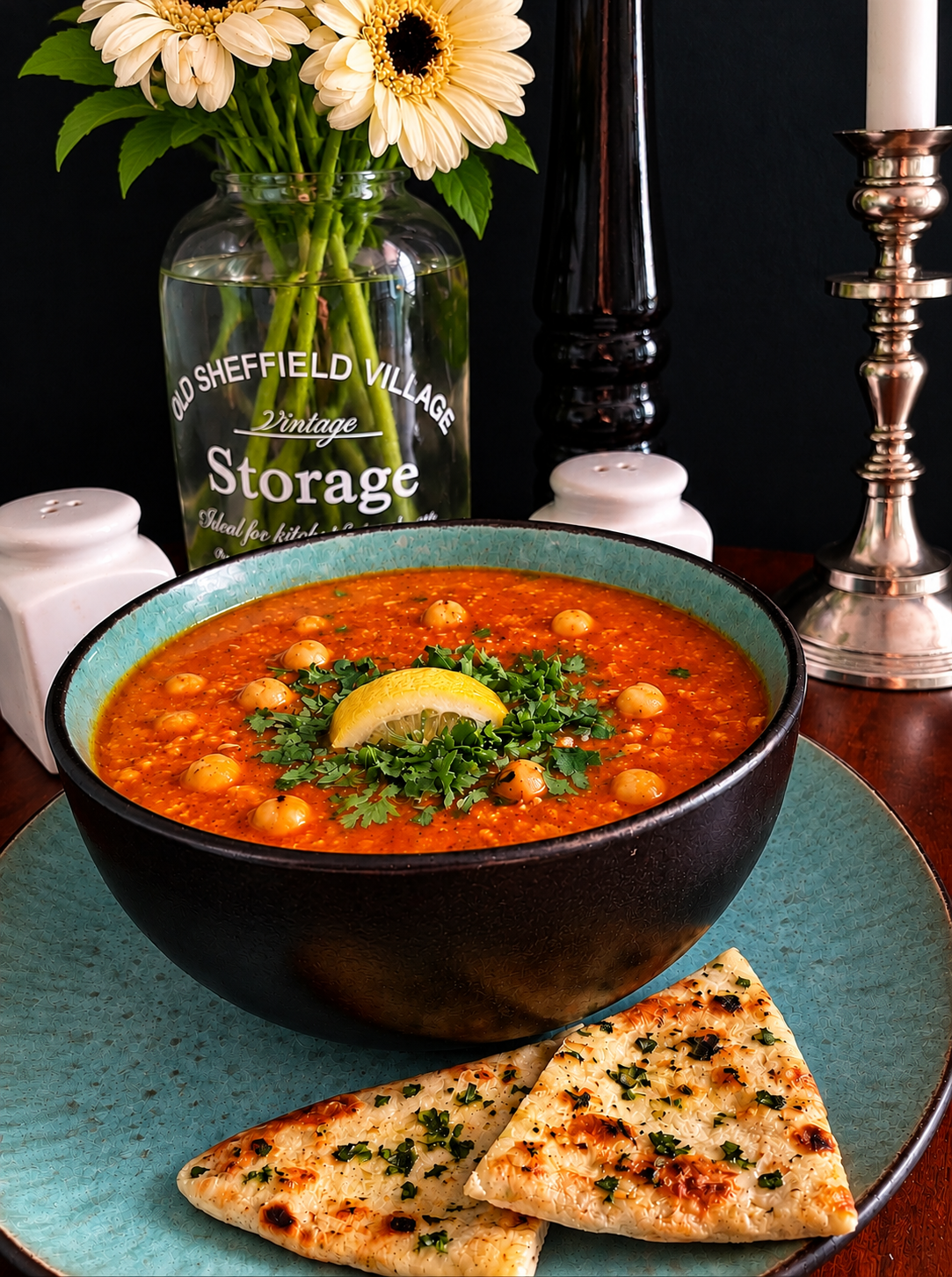
Chana Shorba – Indian Chickpea SoupChana means chickpeas, while shorba refers to soup or broth. Chana Shorba, also known as Chane Ka Shorba, is an Indian-style chickpea soup that can be prepared in several ways. Some versions are smooth and creamy, while others contain whole chickpeas in a fragrant broth. This Via Veggie Vegan interpretation combines chickpeas, tomatoes, onion, garlic, ginger, chili and aromatic spices. Blending a small portion of the soup creates natural creaminess without dairy or added cream. Fresh coriander and lemon bring brightness to the finished dish, while homemade Garlic Naan turns the soup into a delicious, satisfying meal.
Cook this recipe →
Recipe postcard
India – A Country of Extraordinary Culinary DiversityIndia is a vast South Asian country with a rich and remarkably diverse culinary heritage. Regional cooking traditions vary according to geography, climate, religion, history and local ingredients. In North India, dishes featuring spinach, lentils, aromatic spices, flatbreads and yogurt are particularly familiar. Fresh ginger, garlic, cumin, turmeric, coriander and garam masala contribute layers of flavor to countless savory preparations. Indian cuisine also makes extensive use of tadka, a technique in which spices and aromatics are briefly heated in fat to release their fragrance. From simple home-cooked meals to elaborate regional specialties, the combination of fresh ingredients and carefully balanced spices is central to many Indian food traditions.
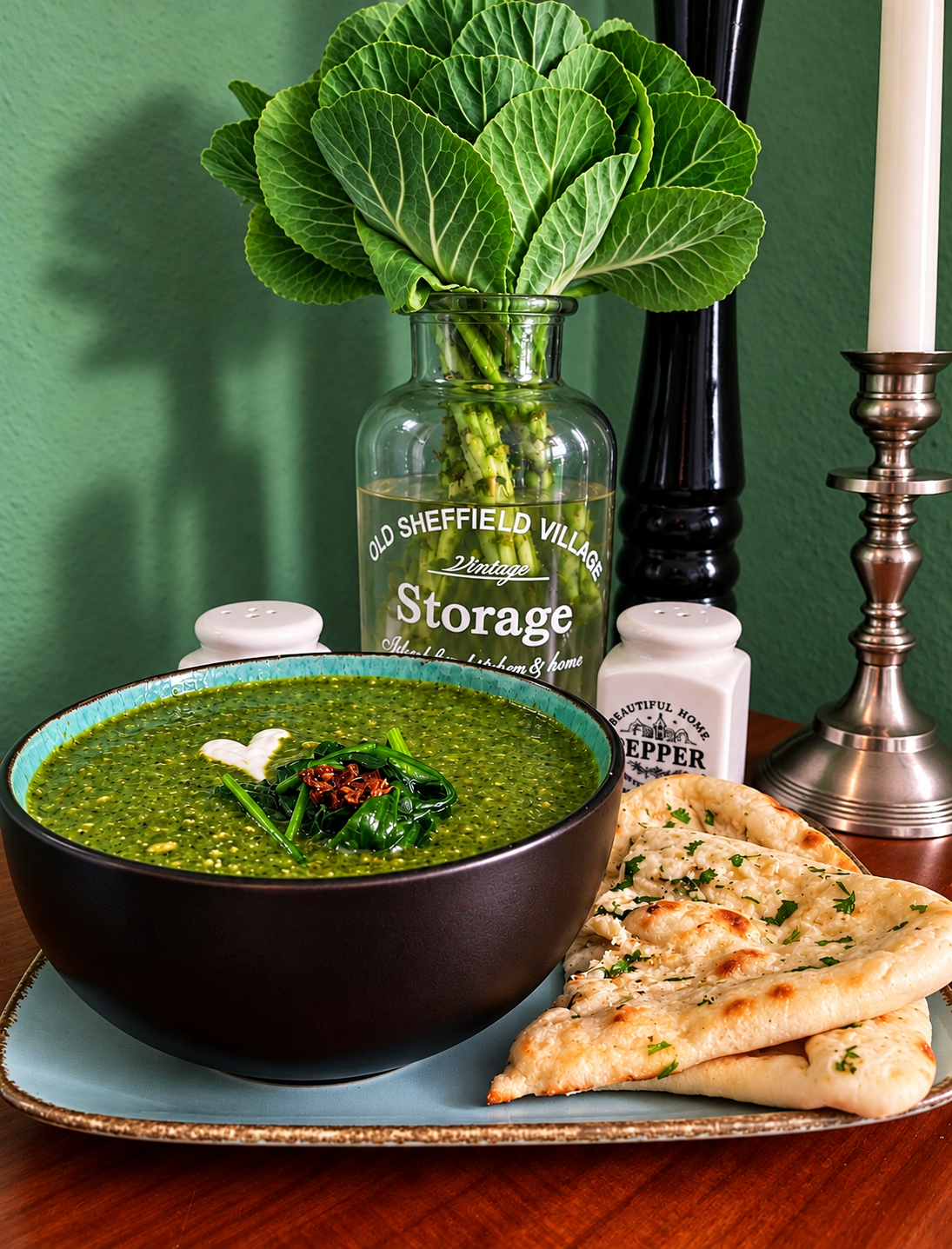
Palak Shorba – A Fragrant Indian Spinach SoupPalak means spinach in Hindi, while shorba refers to soup or broth. The term shorba has connections with Persian and Arabic culinary vocabulary and is used for various soups and broths across South Asia and neighboring regions. Palak Shorba is a spinach-based soup associated with North Indian-inspired cooking, although preparations differ between cooks and households. This Via Veggie Vegan version combines fresh spinach with red onion, tomato, ginger, garlic, green chili, turmeric, cumin and whole spices. A final cumin-garlic tadka adds toasted aromas, while vegan sour cream provides a creamy contrast. Homemade Garlic Naan completes the meal, turning a light spinach soup into a satisfying plant-based dish.
Cook this recipe →
Recipe postcard
5. SHORT DESCRIPTION / ORIGIN
India – A Country of Many Religions and Culinary TraditionsIndia is a vast South Asian country with an extraordinarily diverse culinary heritage. Its regional cuisines reflect differences in geography, climate, history, religion and local ingredients. While cows are revered in many Hindu traditions and beef is avoided by many Hindus, dietary practices vary considerably across India. Hindu, Muslim, Christian and other communities have developed distinct food traditions over centuries. Kerala, on India's southwestern Malabar Coast, is particularly known for its coconut-based dishes, fragrant curry leaves, black pepper and aromatic spices. Its cuisine reflects the region's long history of maritime trade and its religious and cultural diversity.
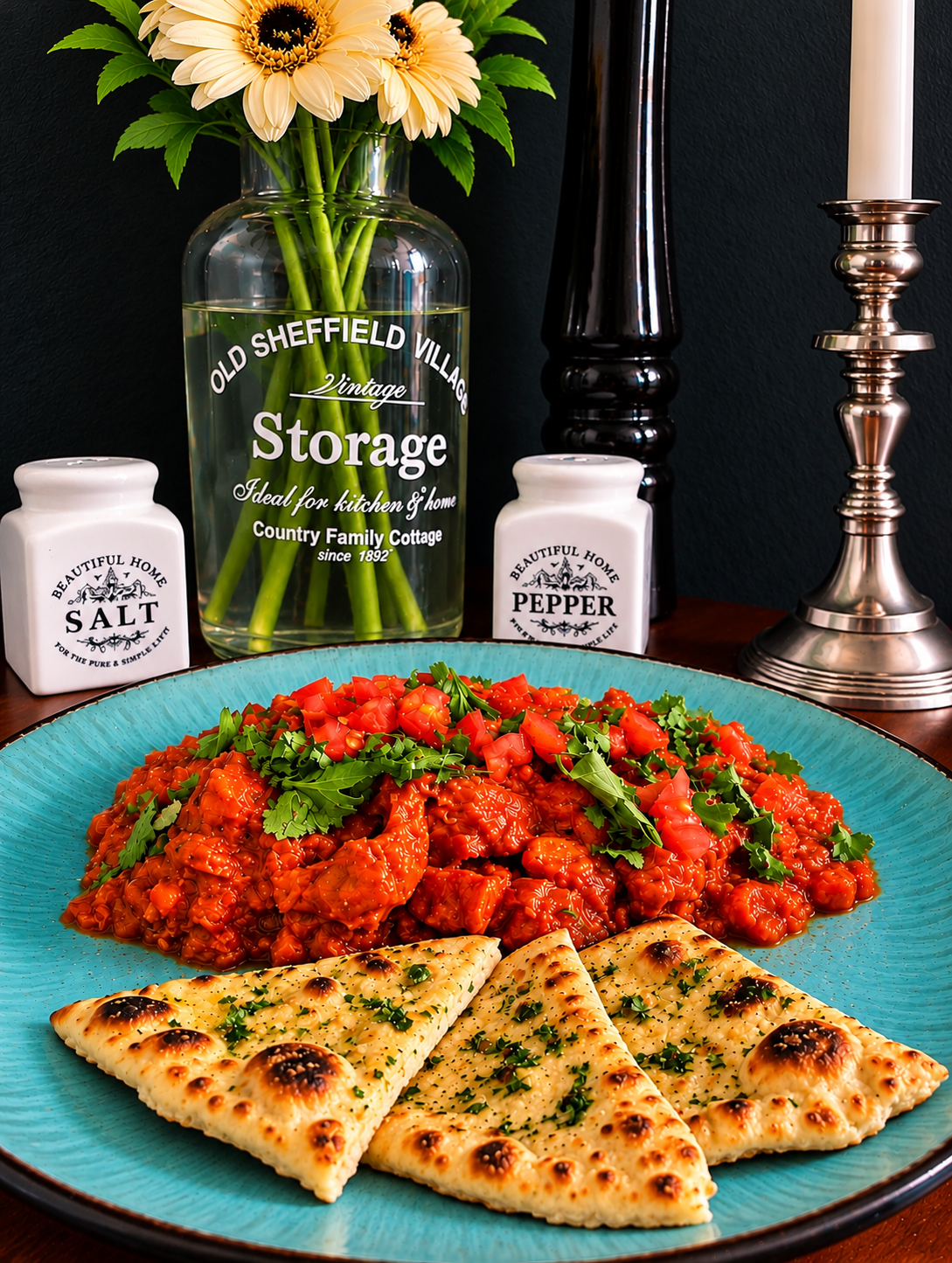
Beef Ularthiyathu – Kerala's Famous Beef FryBeef Ularthiyathu, also known as Kerala Beef Fry, is a well-known preparation associated with Kerala's regional food culture. The Malayalam term ularthiyathu describes a cooking technique in which ingredients are sautéed or roasted while moisture is reduced, concentrating their flavors. Traditional versions commonly combine beef with shallots, garlic, ginger, curry leaves, black pepper and spices, often with coconut pieces. The finished dish is generally relatively dry and intensely seasoned. This Via Veggie Vegan interpretation replaces beef with LikeMeat plant-based pieces and adds fresh tomatoes, tomato paste and coconut milk for a richer, saucier result. It preserves the aromatic inspiration of Kerala cuisine while giving the dish a completely plant-based makeover.
Cook this recipe →
Recipe postcard
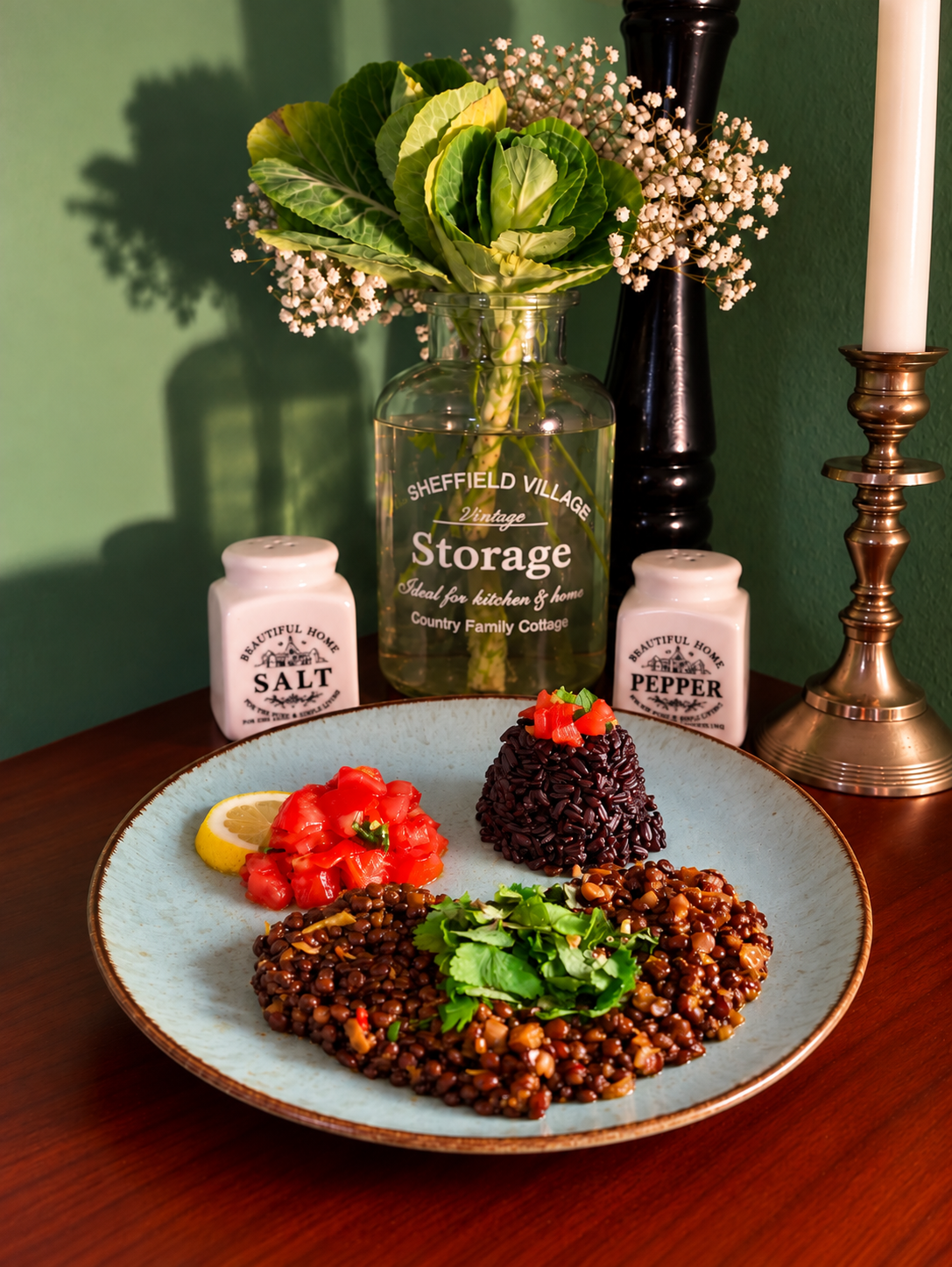
India – A Country of Extraordinary Culinary DiversityIndia is a vast South Asian country with an exceptionally diverse culinary heritage shaped by regional traditions, geography, climate, religion and history. From the fragrant rice dishes of the south to the rich lentil preparations of the north, Indian cuisine offers an extraordinary variety of ingredients, cooking techniques and flavors. Pulses, rice, vegetables, herbs and spices are central to many regional food traditions. Fresh coriander, known as hara dhaniya in Hindi, is widely used in chutneys, curries and vegetable dishes, while dried coriander seeds provide a distinctly different, warm and aromatic flavor. Indian cuisine includes countless naturally plant-based dishes, making it a wonderful source of inspiration for vegan cooking.
Hara Dhaniya Dal – A Fresh Coriander Lentil CurryIn Hindi, hara means green, dhaniya means coriander and dal refers to certain pulses or dishes prepared from them. Hara Dhaniya Dal can therefore be understood as a lentil dish featuring fresh green coriander. This Via Veggie Vegan creation is inspired by Indian ingredients and flavors rather than representing a specific traditional regional recipe. Black Beluga lentils are combined with onion, garlic, cinnamon, bay leaf, garam masala and ground coriander, then coated in a vibrant paste of fresh coriander, green chili, ginger and lemon juice. Served with black rice, the dish brings together earthy lentils, aromatic spices and bright herbal freshness in a colorful, naturally vegan interpretation of Indian-inspired comfort food.
Cook this recipe →
Recipe postcard
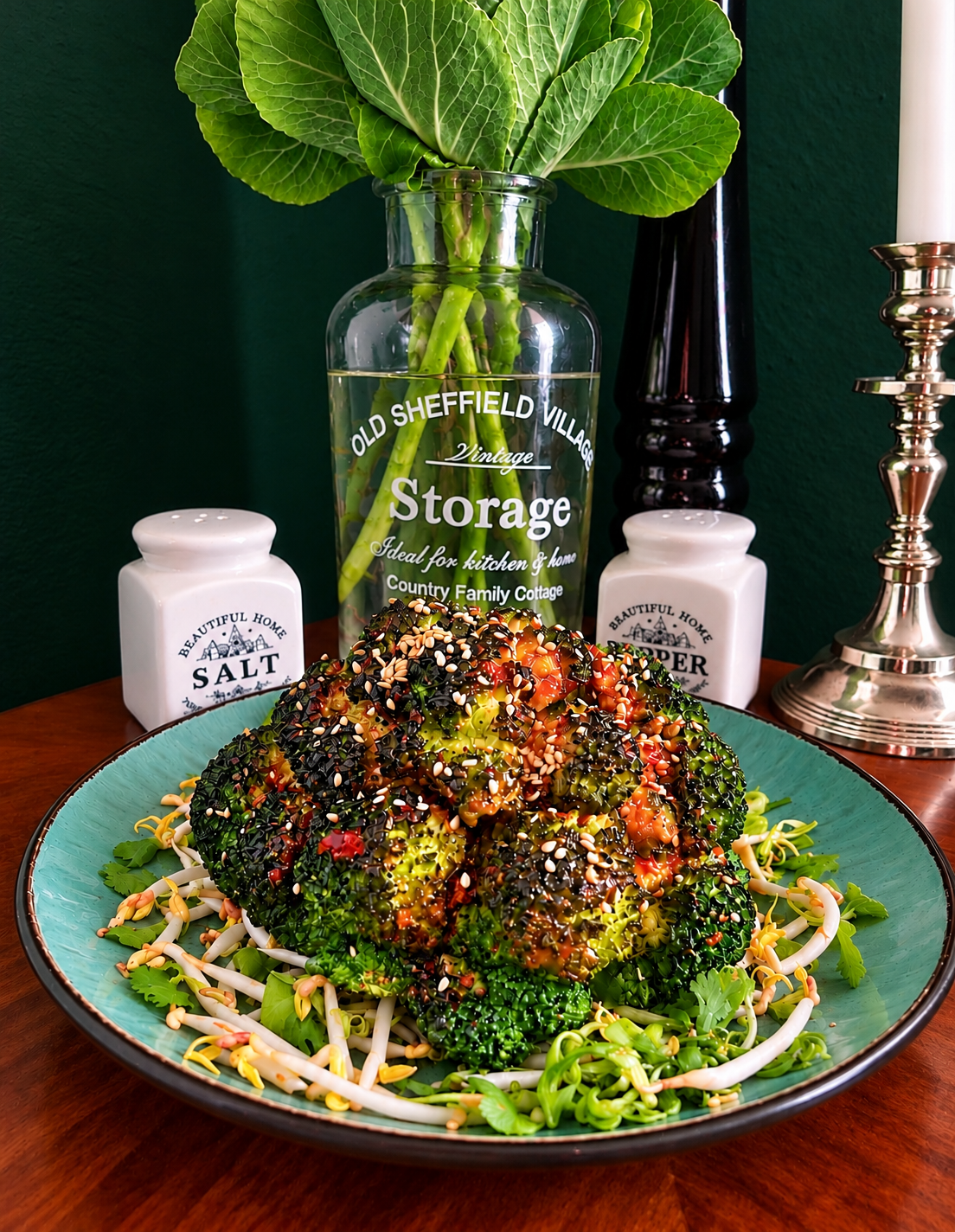
China – A Culinary World of Regional DiversityChina has one of the world's most diverse culinary traditions, shaped by centuries of regional cooking techniques, ingredients and food culture. From delicate Cantonese preparations to the bold, spicy flavors of Sichuan and Hunan, vegetables play an important role in Chinese cuisine. Garlic, ginger, soy sauce and quick stir-frying techniques are especially familiar elements of Chinese home-style cooking.
What Is Suànróng Xīlánhuā?Suànróng Xīlánhuā (蒜蓉西兰花) literally means garlic broccoli. Traditionally, broccoli florets are briefly blanched or stir-fried with generous amounts of fresh garlic, creating a simple, aromatic vegetable dish. My Via Veggie Vegan version takes a different approach: an entire broccoli head is roasted with a glossy garlic-ginger glaze and served with water spinach, mung bean sprouts, sesame and coriander. The inspiration is Chinese; the whole-roasted presentation is my personal twist.
Cook this recipe →
Recipe postcard
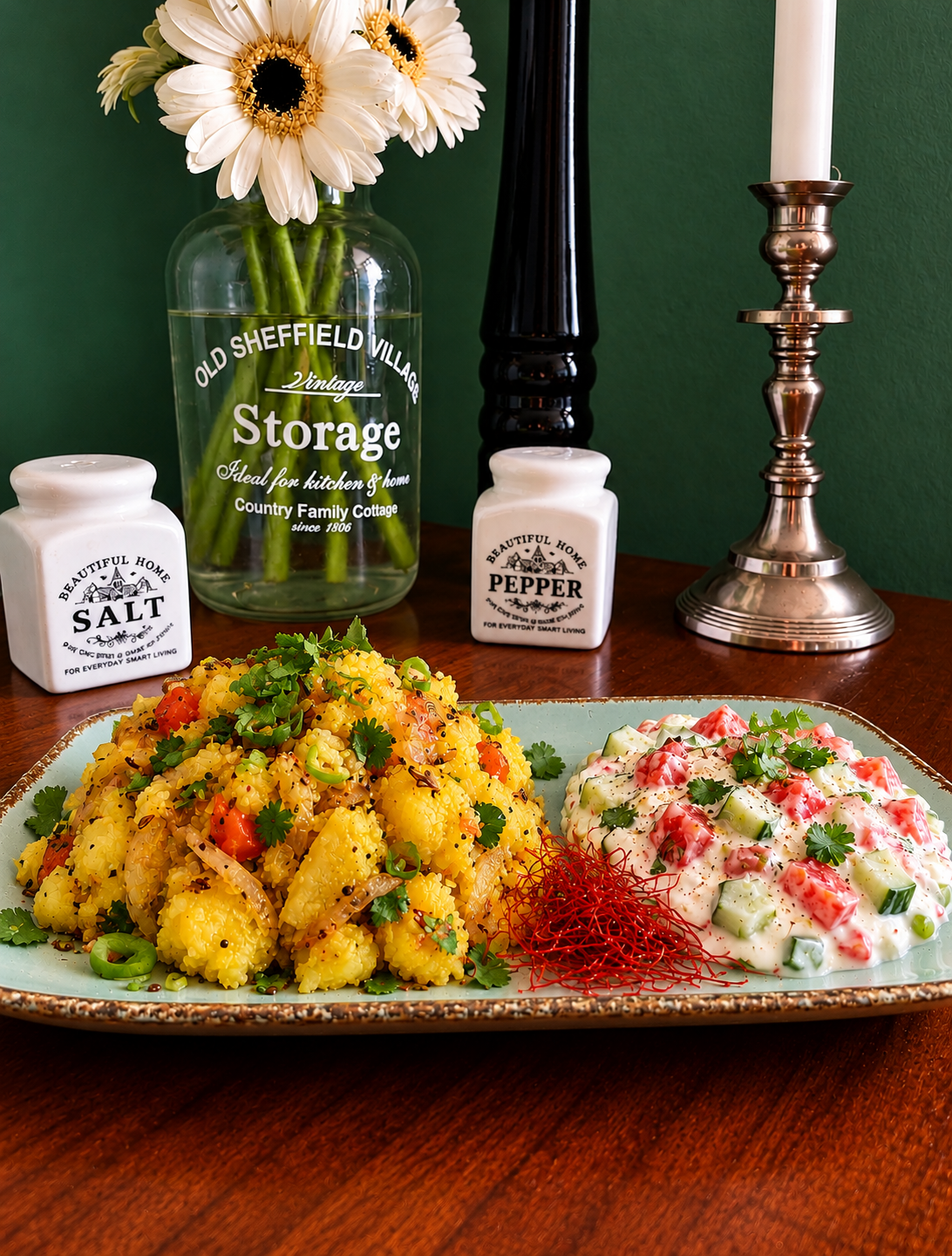
Bangladesh – A Country of Rivers and Rich Culinary TraditionsBangladesh lies in South Asia, where the mighty Ganges, Brahmaputra and Meghna river systems have shaped the landscape, agriculture and food culture for centuries. Rice, lentils, vegetables, mustard oil and aromatic spices are important ingredients in everyday Bangladeshi cooking.
What Is Aloo Bharta?Aloo Bharta, more commonly known as Alu Bhorta in Bangladesh, is a traditional mashed potato preparation. The word alu means potato, while bhorta refers to a family of mashed or crushed dishes mixed with seasonings.
Cook this recipe →
Recipe postcard
The Philippines – A Culinary Love Affair with Coconut
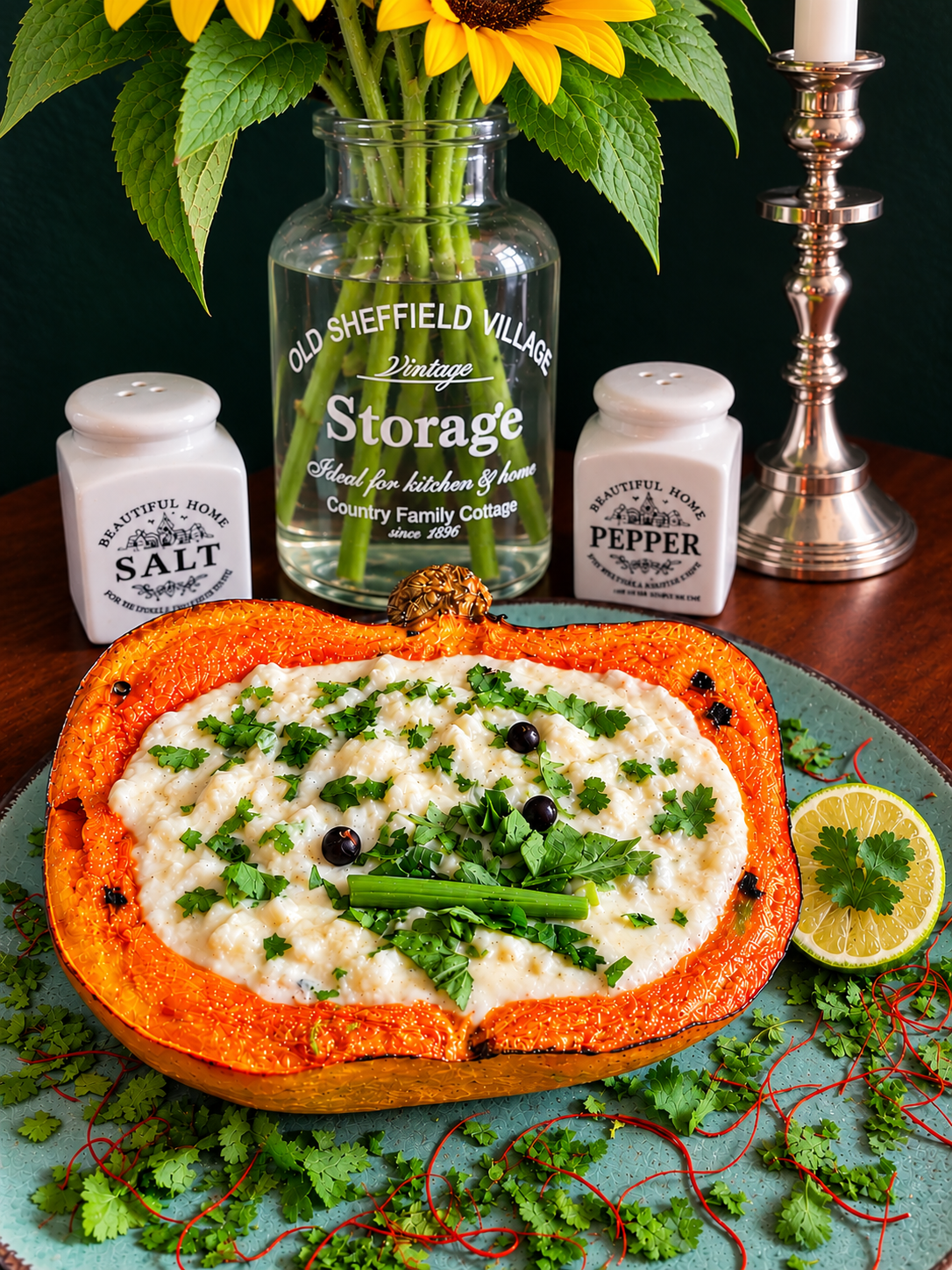
The Philippines is an archipelago of more than 7,600 islands in Southeast Asia, with a wonderfully diverse culinary heritage shaped by regional traditions, tropical ingredients and centuries of cultural exchange. Coconut is an essential ingredient in many Filipino kitchens, particularly in regions where coconut palms grow abundantly. One beloved cooking technique is known as ginataan, which involves simmering vegetables, seafood, meat or even sweet ingredients in coconut milk. Combined with aromatic garlic, ginger, onions and chili, coconut milk creates wonderfully rich and comforting dishes. Squash and yardlong beans are especially popular vegetables in Filipino home cooking, making their combination a delicious example of the country's flavorful everyday cuisine.
Ginataang Kalabasa at Sitaw – Filipino Comfort Food with a Creative Twist
Ginataang Kalabasa at Sitaw translates roughly to squash and yardlong beans cooked in coconut milk. Kalabasa refers to squash, while sitaw describes the long, slender beans commonly used in Filipino cooking. Traditional preparations often include shrimp, pork or fish sauce, although the ingredients and seasonings vary between households. My completely vegan interpretation uses plant-based fish sauce, plenty of garlic, fresh ginger, chili and creamy coconut milk. Instead of traditional kalabasa, I roast a small Hokkaido squash and transform its two halves into edible serving bowls. Fresh coriander, lime and homemade lemongrass salt add my personal Via Veggie Vegan signature. The result is Filipino comfort food at heart, with a generous helping of Team Garlic, Team Spicy and a little zero-waste kitchen magic.
Cook this recipe →
Recipe postcard
What Is Cari Giraumon?
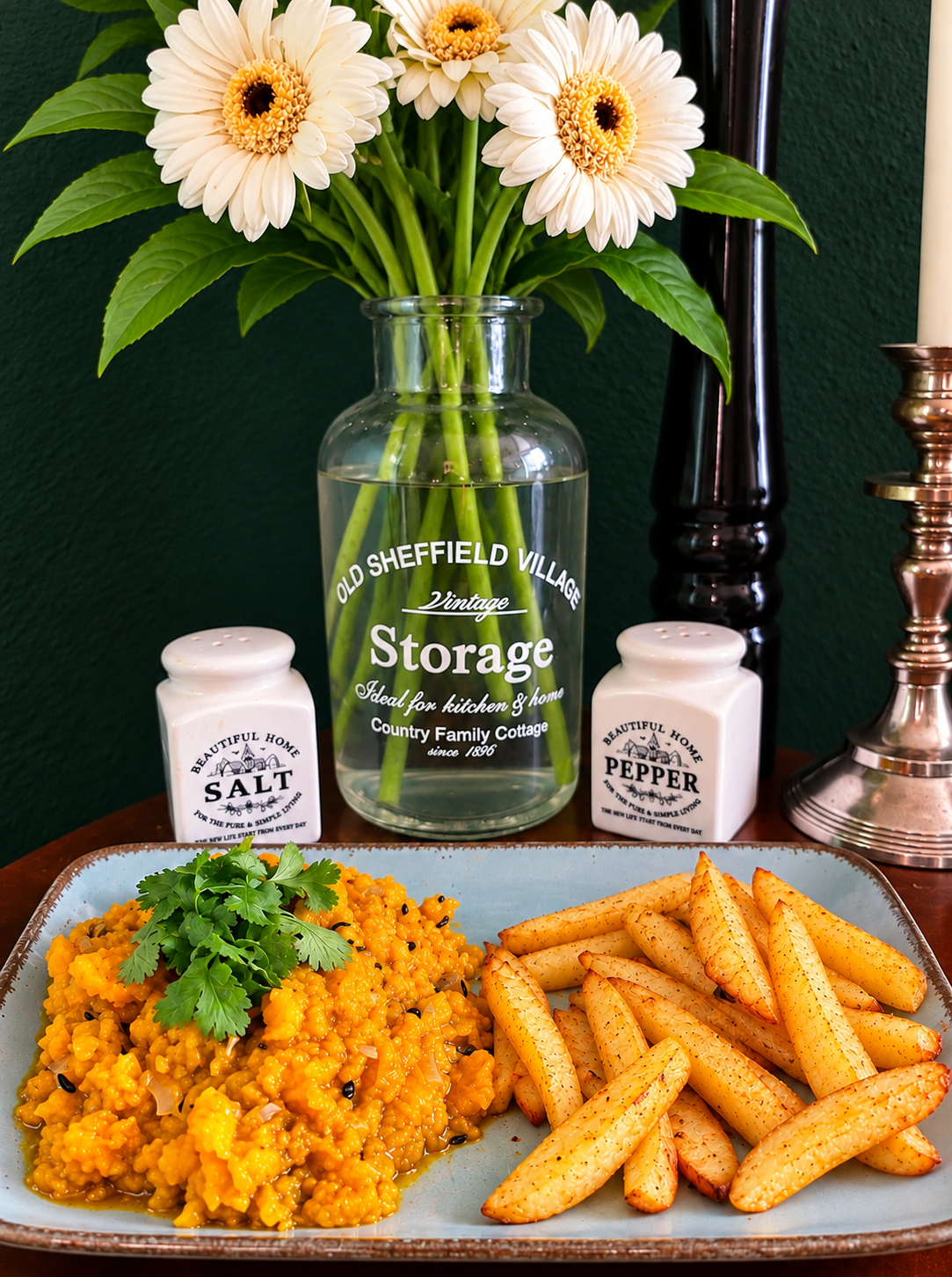
Cari Giraumon is a pumpkin curry associated with Mauritian home cooking.
The name combines cari, the Mauritian Creole word for curry, with giraumon, a term used for pumpkin or squash.
Mauritian cuisine reflects a rich mixture of culinary influences, particularly from India, Africa, Europe and China.
Curries are an important part of the island's food culture, with recipes varying between families and communities.
What Makes This Pumpkin Curry Different?
Unlike coconut-based curries, this version relies on the natural moisture and starches of the pumpkin.
As the pumpkin cooks, some pieces soften and partially break down.
This naturally thickens the cooking liquid, creating a rich sauce without cream, coconut milk or additional thickeners.
The result is a curry that tastes intensely of pumpkin, supported by garlic, ginger, chili and fragrant herbs.
What Is Giraumon?
Giraumon refers to pumpkin or squash.
Different varieties can be used depending on availability.
A firm, flavorful pumpkin with relatively dense flesh works particularly well.
Butternut squash or other suitable cooking pumpkins can also be used if Sombra pumpkin is unavailable.
Why Use Curry Leaves?
Curry leaves have a distinctive aromatic flavor with citrusy, herbal and slightly nutty notes.
They are commonly used in Indian Ocean cuisines, including Mauritian cooking.
They are not the same as curry powder.
Fresh curry leaves are particularly fragrant, although frozen leaves can also work well.
Why Add Thyme?
Thyme is used in many Mauritian savory dishes.
It adds an earthy, herbal character that complements the sweetness of pumpkin and the warmth of ginger.
Cooking the whole sprig with the curry allows its flavor to infuse the sauce.
Remove the woody stem before serving.
What Is Traditionally Served with Cari Giraumon?
Mauritian curries are often enjoyed with flatbreads such as farata or roti, or with rice.
Farata is a layered Mauritian flatbread related to Indian paratha.
For this Via Veggie Vegan presentation, crispy potato wedges replace the more traditional accompaniment.
Cook this recipe →
Recipe postcard
Cambodia – The Aromatic World of Khmer CuisineCambodia's culinary heritage is shaped by regional traditions, fresh ingredients and influences from neighbouring Southeast Asian countries. Khmer cuisine is known for its fragrant combinations of lemongrass, galangal, turmeric, garlic and fresh herbs. Cambodian curries often emphasise aromatic flavours and a balance of savoury, sweet and sour notes rather than intense chilli heat.
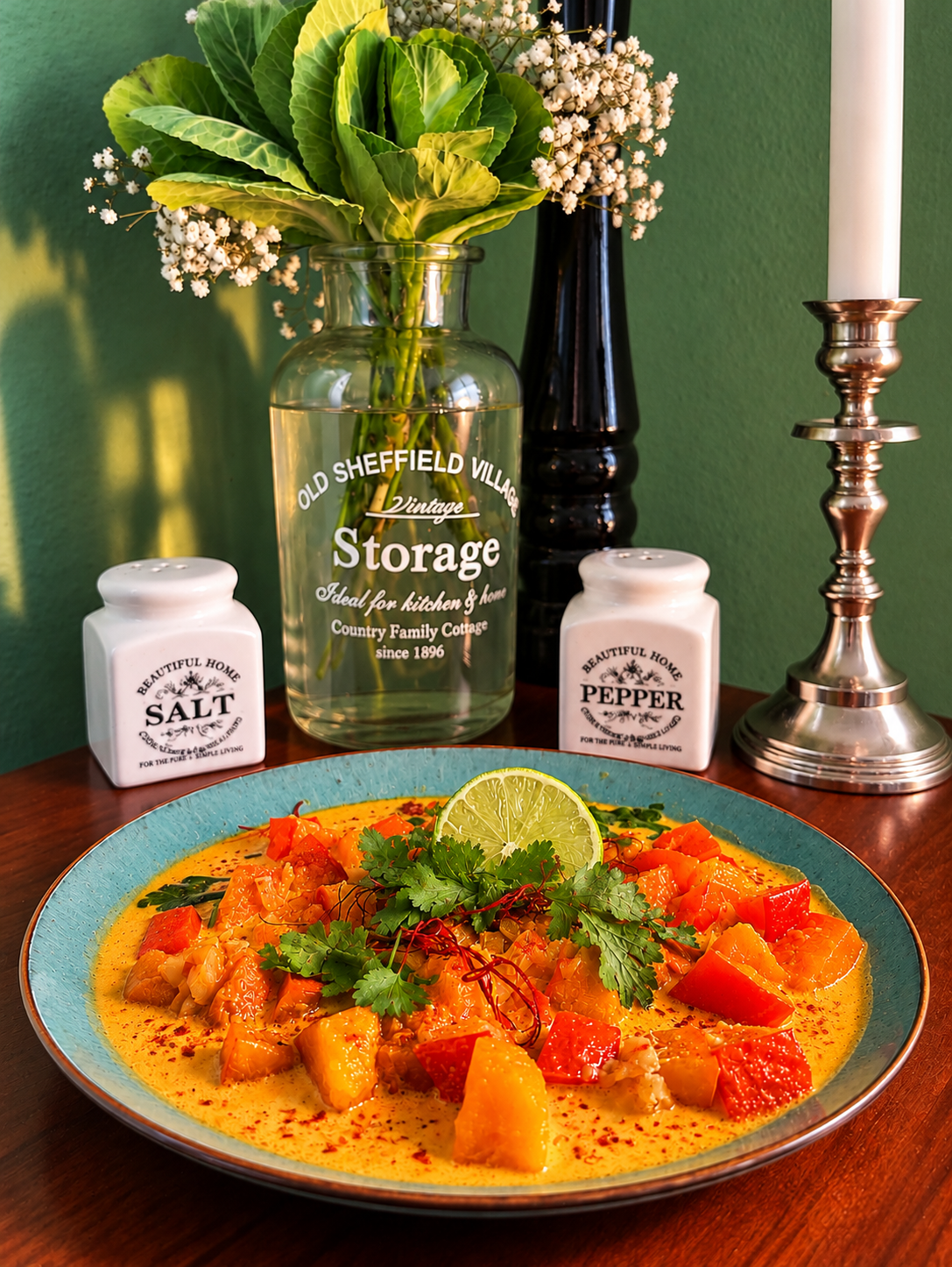
What Is Khmer Pumpkin Curry?Khmer Pumpkin Curry is a Cambodian-inspired dish combining tender pumpkin with fragrant aromatics and creamy coconut milk. My Via Veggie Vegan interpretation uses Hokkaido squash, fresh lemongrass, galangal, ginger, turmeric, garlic, vegan fish sauce and lime. The naturally sweet pumpkin complements the golden coconut sauce beautifully. This is a personal plant-based interpretation of Cambodian curry traditions rather than a reproduction of one specific traditional recipe.
Cook this recipe →
