Recipe postcard
Via Veggie Vegan Vunderland – A Culinary Destination Beyond Borders
Not every destination on my culinary journey needs a passport. Via Veggie Vegan Vunderland is my very own little wonderland, where creativity, imagination and personal memories are just as important as the ingredients on the plate. It exists alongside the 195 countries of Via Veggie Vegan as a special destination for recipes that cannot be assigned to one particular country. Here, familiar dishes become personal creations, seasonal ingredients inspire playful food art, and the stories behind a recipe are sometimes even more meaningful than the recipe itself. Because some culinary journeys take us around the world, while others lead us straight back to the people and animals we love.
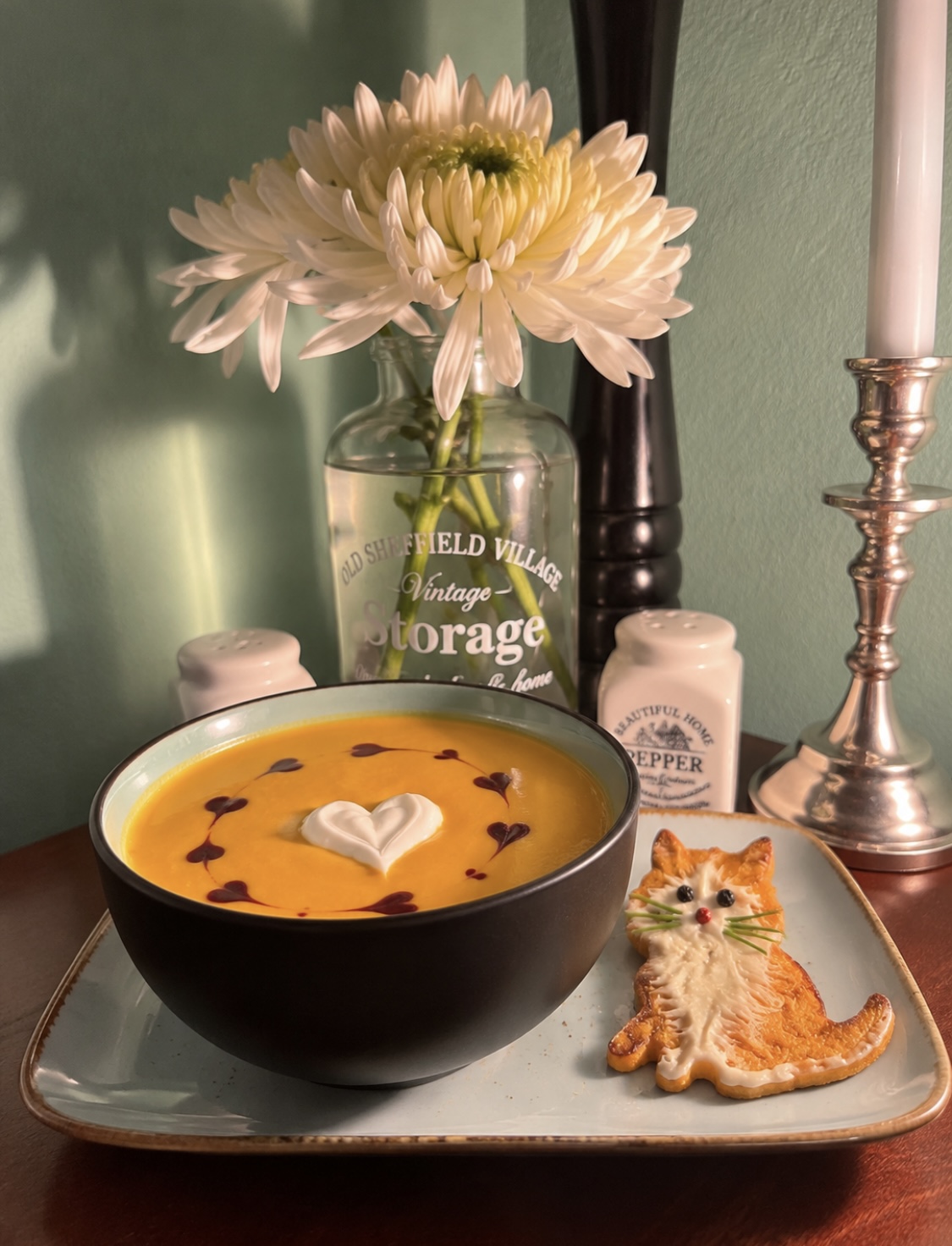
What Makes Smurfy’s Magic Pumpkin Orange Soup Special?
Smurfy’s Magic Pumpkin Orange Soup combines roasted Hokkaido pumpkin with fragrant Madras curry, fresh ginger, garlic and the bright citrus aroma of orange. A touch of oat cream gives the soup its beautifully velvety consistency, while vegan sour cream and nutty pumpkin seed oil add a delicious finishing touch. Homemade pumpkin fritters shaped into little cats transform the garnish into a loving tribute to Smurfy, my beloved feline companion who gave this recipe its name. Inspired by a memorable visit to Leipzig, years of experimenting in my kitchen and an extraordinary friendship during a difficult time, this completely plant-based soup is much more than autumn comfort food. It's a bowl full of love, gratitude and precious memories.
Cook this recipe →
Recipe postcard
Mexico – A Country of Ancient Traditions, Vibrant Markets and Extraordinary Biodiversity
Mexico stretches from the deserts of the north to the tropical forests of the south, with Pacific and Caribbean coastlines, dramatic mountains and fertile valleys. Its cuisine has deep Indigenous roots, especially in the culinary traditions of maize, beans, squash and chili, while also reflecting centuries of cultural exchange. Mexican cooking is celebrated for its remarkable regional diversity, colorful ingredients and the creative combination of simple vegetables with aromatic seasonings. From traditional markets overflowing with fresh produce to family kitchens preparing comforting soups and stews, food remains an essential expression of Mexican culture.
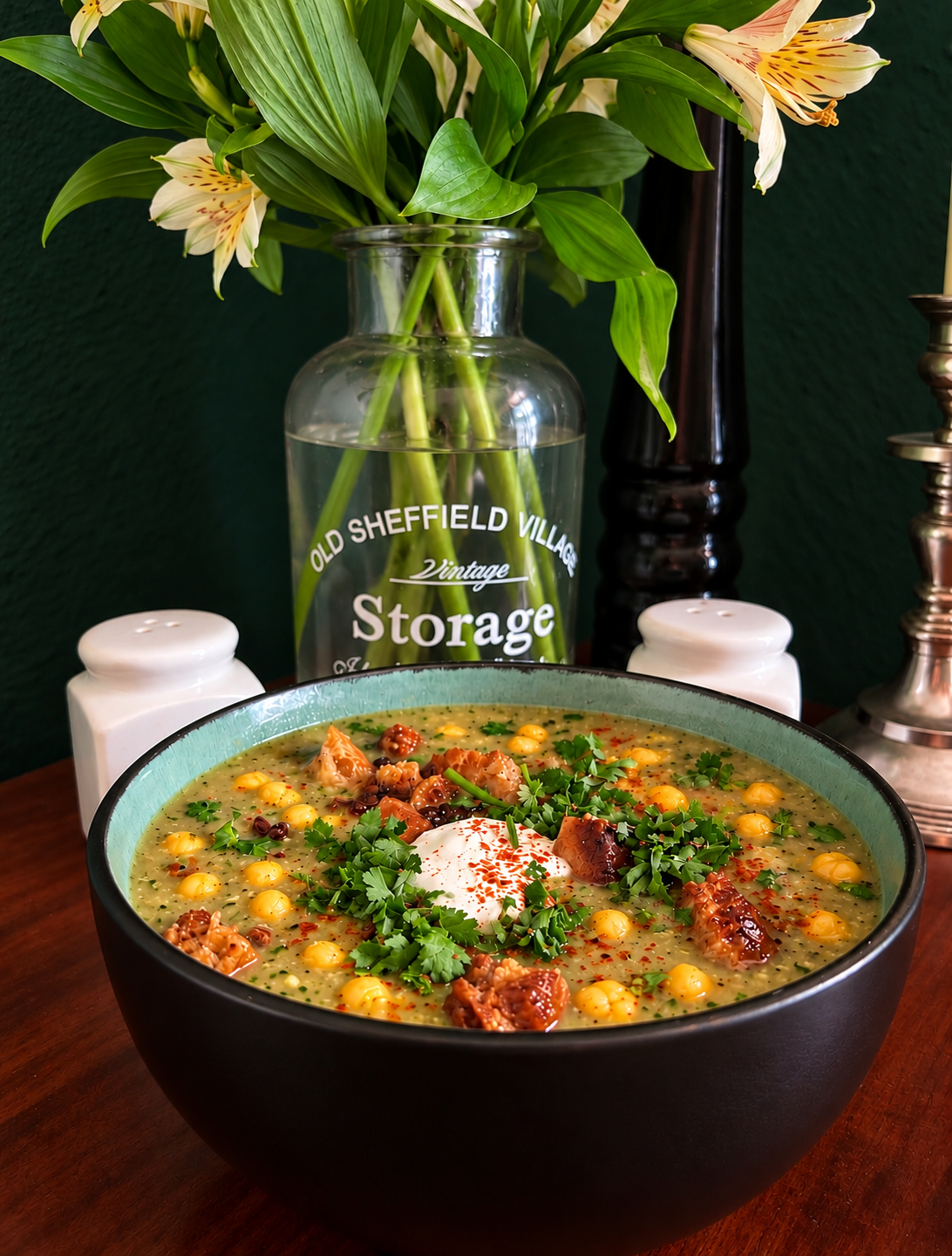
What Is Crema de Calabacitas?
Crema de Calabacitas is a Mexican-style creamy zucchini soup. The Spanish word calabacitas refers to small squash or zucchini, while crema describes the dish's smooth, creamy character. Recipes vary between households and may include onion, garlic, broth, milk, cream or cheese. This Via Veggie Vegan interpretation replaces dairy ingredients with plant-based alternatives and uses vegetable broth instead of chicken broth. Sweet corn, fresh coriander, vegan crema and crispy toppings give the delicate zucchini soup additional flavor, color and texture.
Cook this recipe →
Recipe postcard
Morocco – A Country of Mountains, Deserts and Aromatic Spices
Morocco lies in northwestern Africa, where the Atlantic Ocean, Mediterranean coastline, Atlas Mountains and Sahara create an extraordinary diversity of landscapes. Moroccan cuisine reflects Amazigh, Arab, Andalusian, Mediterranean and African influences developed through centuries of cultural exchange. Fragrant spices such as cumin, ginger, coriander, cinnamon and paprika are important elements of its culinary traditions. From bustling souks filled with aromatic spices to family kitchens preparing slow-cooked tagines, soups and vegetable dishes, Moroccan cooking celebrates the balance between warmth, freshness and deeply developed flavors.
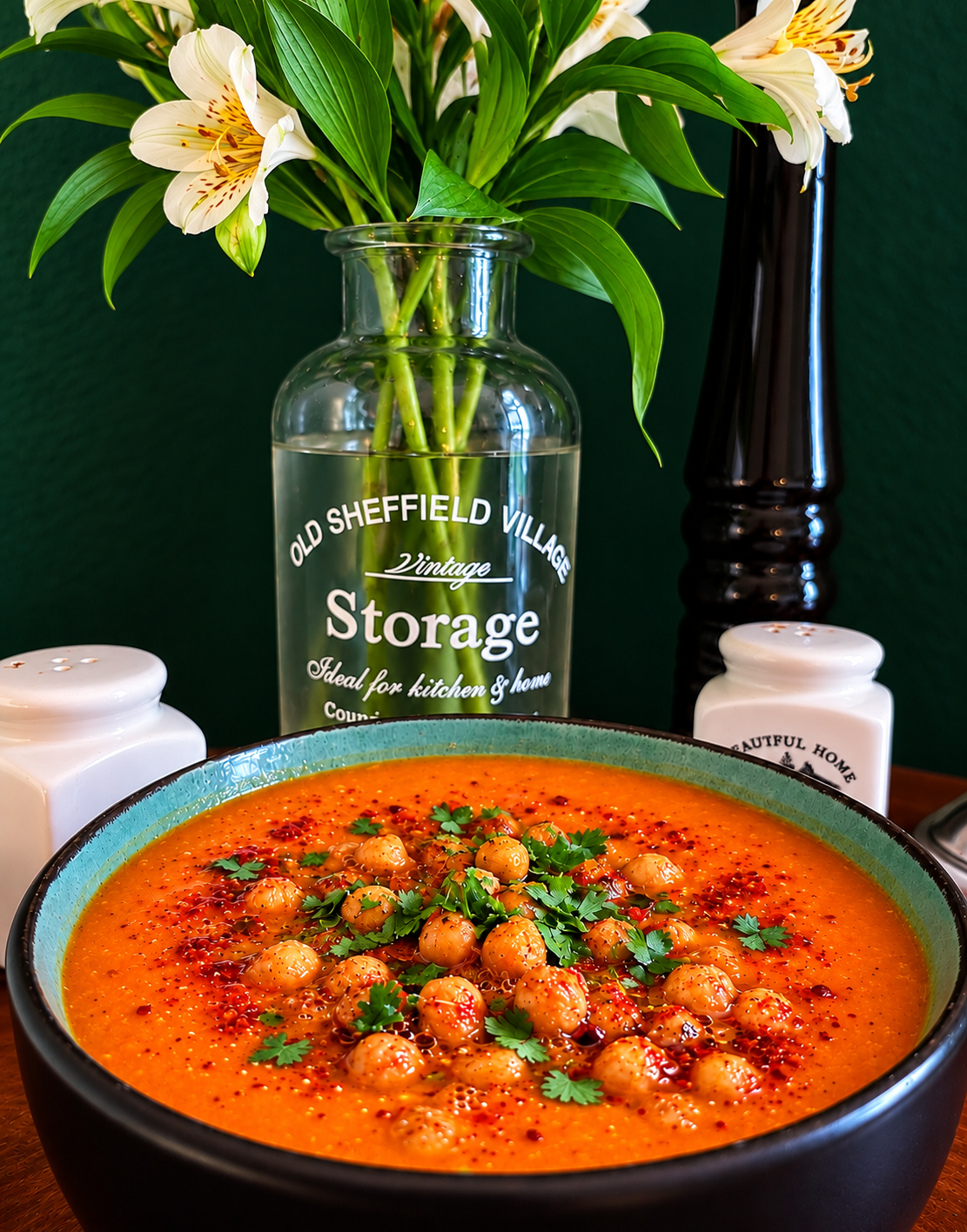
What Is Shorba al-Ghazar?
Shorba al-Ghazar (شوربة الجزر) simply means carrot soup in Arabic. Carrot soups appear in different forms throughout North Africa and the wider Arabic-speaking world, but there is no single universally established Moroccan recipe under this name. This Via Veggie Vegan interpretation draws inspiration from Moroccan spice combinations, bringing together naturally sweet carrots, cumin, coriander, ginger, cinnamon and paprika. The vegetables are blended into a smooth, dairy-free soup and finished with lightly spiced chickpeas, fresh coriander and chili flakes for extra texture, flavor and color.
Cook this recipe →
Recipe postcard
Malaysia – A Country of Tropical Rainforests, Islands and Culinary Diversity
Malaysia is a Southeast Asian country divided between Peninsular Malaysia and Malaysian Borneo. Its culinary traditions reflect centuries of cultural exchange between Malay, Chinese, Indian and Indigenous communities, alongside influences from regional trade routes. Coconut milk, lemongrass, turmeric, ginger, galangal and chili are important ingredients in many Malaysian dishes. From bustling street-food markets to traditional family kitchens, Malaysian cuisine is celebrated for its aromatic spice combinations, rich sauces and remarkable regional diversity.
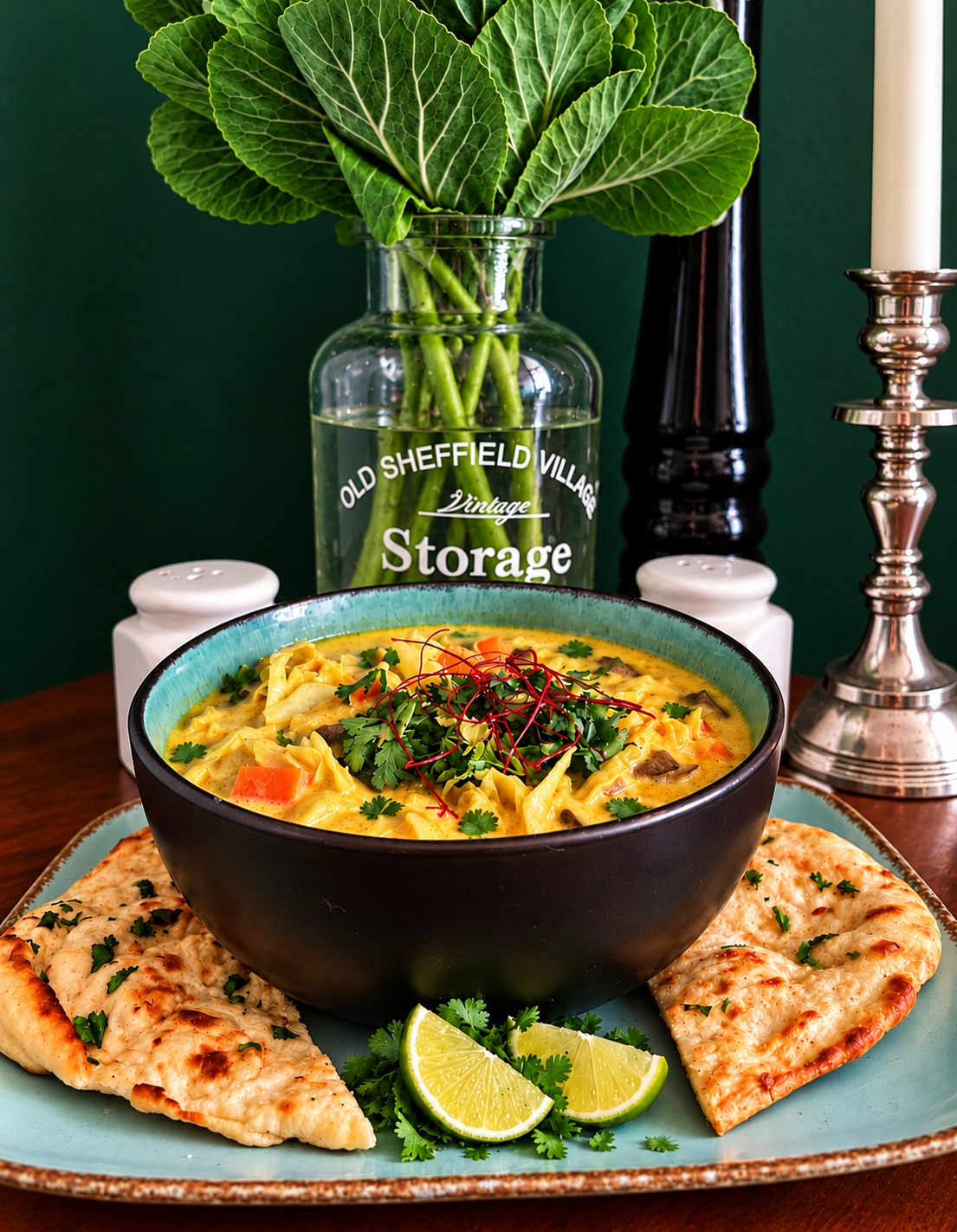
What Is Sayur Lodeh?
Sayur Lodeh is a vegetable dish cooked in a fragrant coconut milk broth, particularly associated with Indonesian and Malaysian cuisine. In Malaysia, it is also commonly known as Sayur Lemak Lodeh, referring to its rich, creamy character. Depending on the region and household, it may contain cabbage, long beans, carrots, tofu, tempeh and other vegetables. Some traditional preparations include shrimp-based seasonings for additional umami. This Via Veggie Vegan version uses white miso instead, creating a completely plant-based interpretation with a homemade rempah spice paste, golden coconut broth and a colorful mixture of vegetables.
Cook this recipe →
Recipe postcard
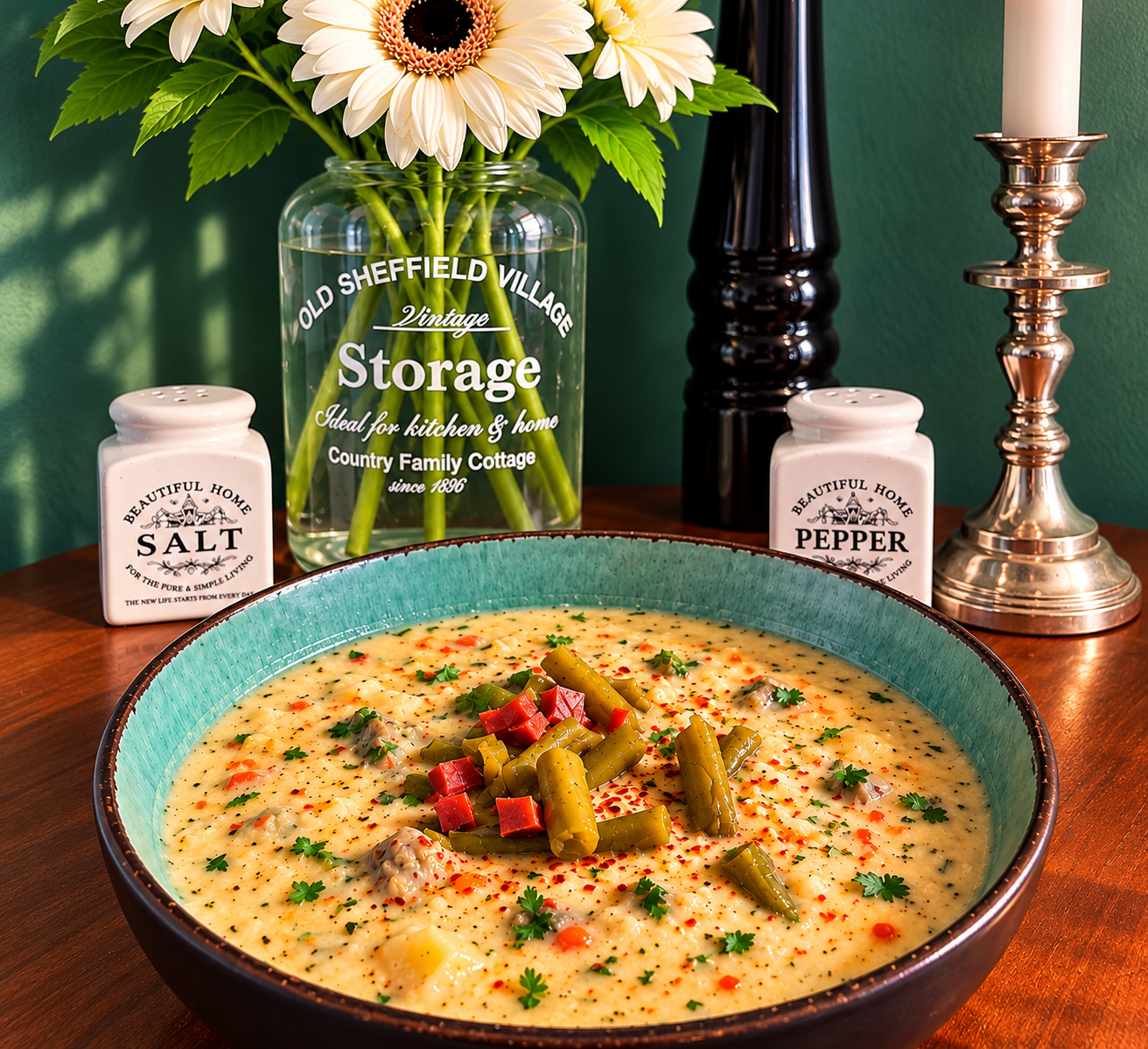
Luxembourg – A Small Country with a Rich Culinary Heritage
Luxembourg is a small landlocked country in Western Europe, bordered by Belgium, Germany and France. Its cuisine reflects influences from all three neighboring countries while maintaining its own distinctive traditions. Hearty soups, potatoes, legumes, regional vegetables and rustic meat dishes have long played important roles in Luxembourgish home cooking. The country's landscape ranges from the wooded hills of the Ardennes in the north to the fertile agricultural regions and vineyards of the Moselle Valley in the southeast.
What Is Bouneschlupp?
Bouneschlupp is one of Luxembourg's best-known traditional soups, prepared primarily with green beans and potatoes. Depending on the household and regional tradition, it may also contain onions, bacon, sausage, cream and aromatic herbs such as savory. The soup is particularly associated with simple, satisfying home cooking. This Via Veggie Vegan version keeps the green beans and potatoes at the heart of the dish while replacing traditional meat products with vegan beef-style pieces and crispy plant-based bacon. Vegan cooking cream creates a rich, comforting broth without dairy.
Cook this recipe →
Recipe postcard
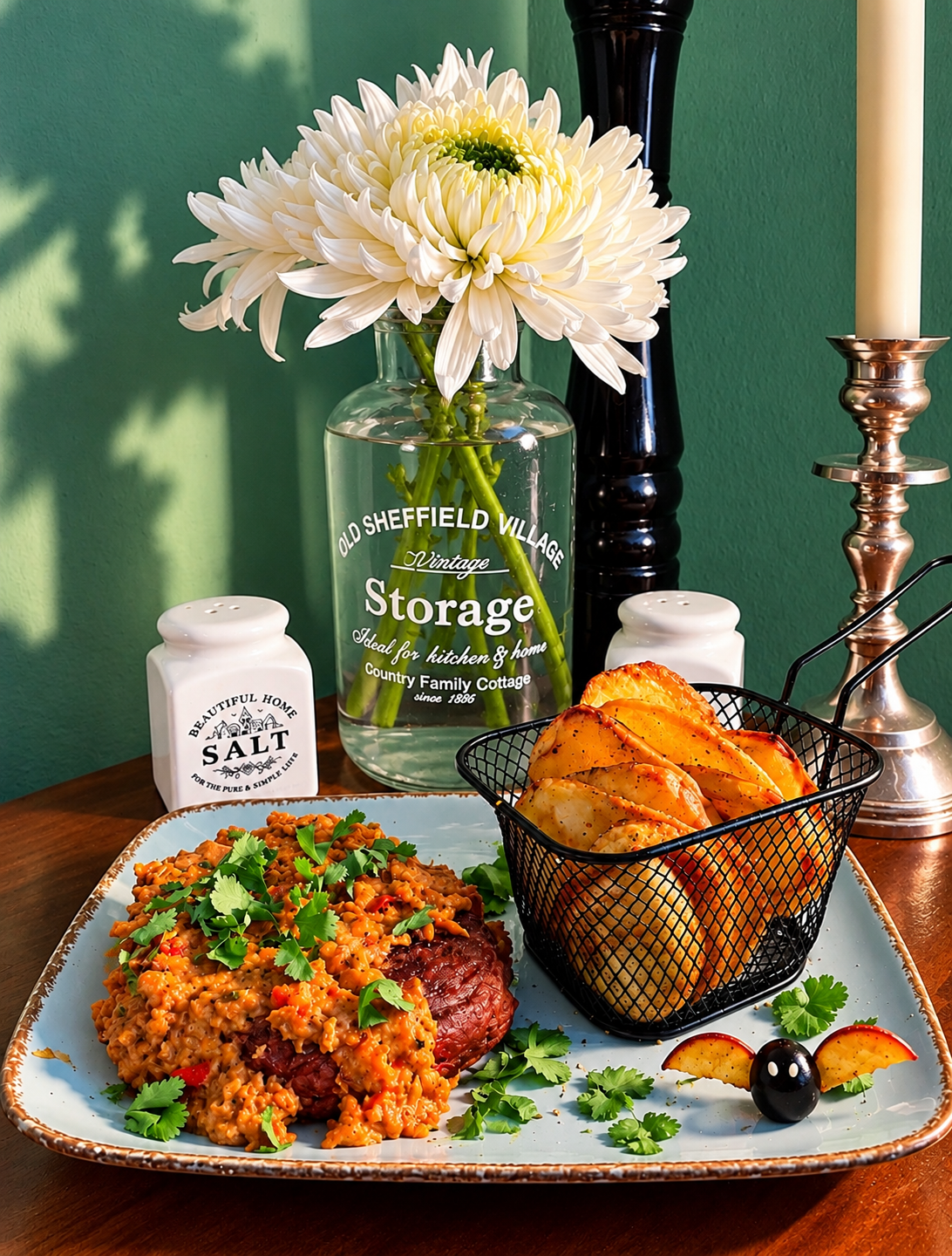
Costa Rica – A Country of Rainforests, Volcanoes and Pura VidaCosta Rica is a Central American country bordered by Nicaragua, Panama, the Pacific Ocean and the Caribbean Sea. Famous for its extraordinary biodiversity, tropical rainforests, volcanic landscapes and protected national parks, the country is also known for its philosophy of Pura Vida, an expression associated with enjoying life and appreciating everyday moments. Costa Rican cuisine reflects its agricultural traditions, with rice, beans, plantains, potatoes, vegetables and fresh tropical ingredients playing important roles in everyday cooking.
What Is Bistec Encebollado con Papas?Bistec Encebollado is a popular Latin American dish consisting of thinly sliced steak cooked with onions. In Costa Rica, versions may be seasoned with garlic, cumin, oregano and Salsa Lizano, the country's distinctive sweet and savory table sauce. Papas simply means potatoes, making Bistec Encebollado con Papas a satisfying combination of steak, onions and potatoes. This Via Veggie Vegan interpretation replaces beef with plant-based steak, serves crispy golden potato slices alongside it and uses a generous coating of homemade Salsa Lizano instead of a traditional marinade.
Cook this recipe →
Recipe postcard
Libya – A North African Country of Mediterranean and Desert Traditions
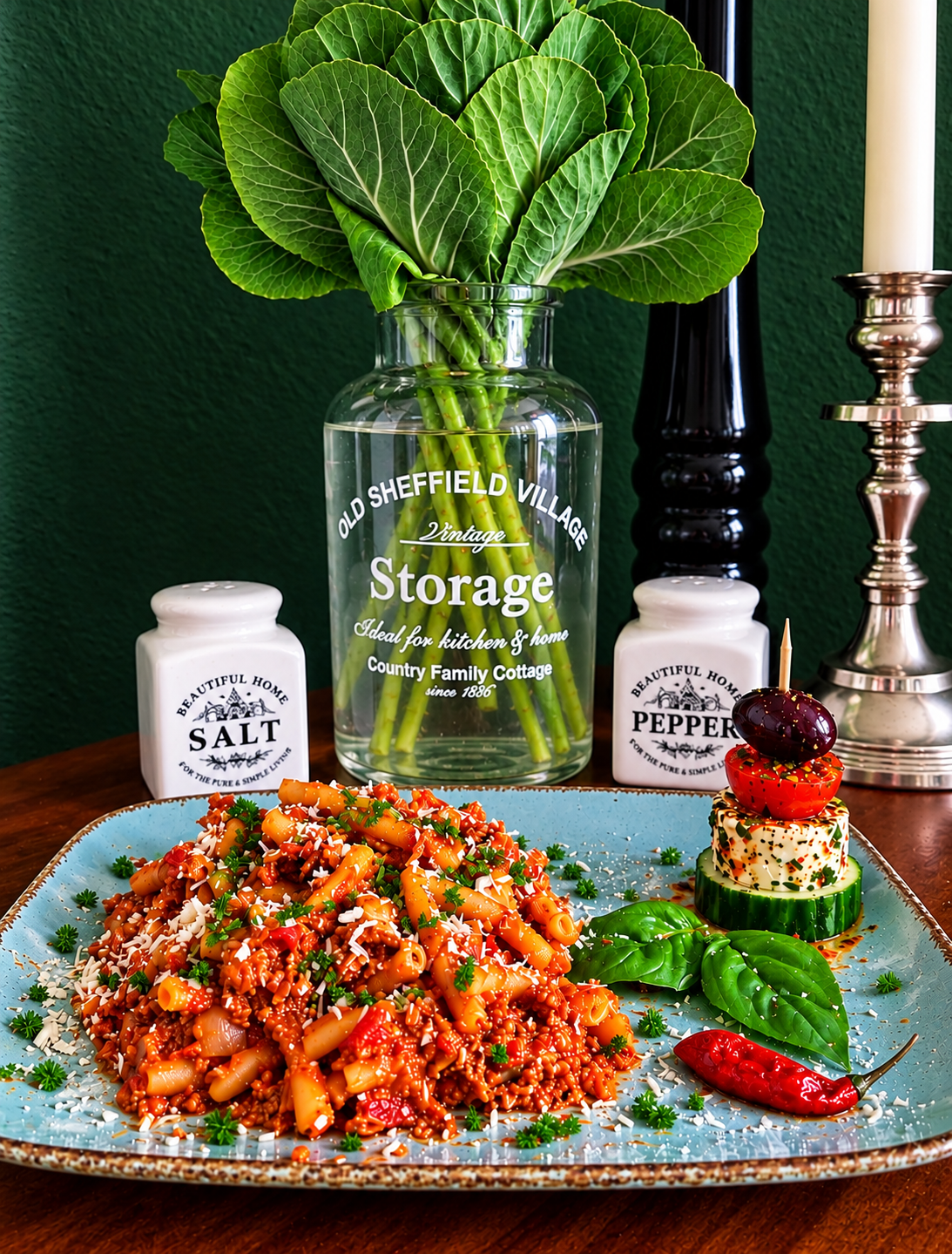
Libya is a North African country bordering the Mediterranean Sea, with a culinary heritage shaped by Amazigh, Arab, Mediterranean and historical Ottoman influences. Its cuisine combines grains, vegetables, legumes, meat and aromatic spices, with dishes varying across regions and households. Tomatoes, garlic, chilies, olive oil and warming spice blends feature prominently in many Libyan preparations. Pasta also holds an important place in everyday cooking, reflecting the country's long history of Mediterranean cultural exchange.
What Is Mbakbaka?
Mbakbaka, also written Imbakbaka, is a popular Libyan one-pot pasta dish traditionally prepared by simmering dry pasta directly in a seasoned tomato-based broth. Unlike conventional pasta recipes, the noodles absorb the flavors of the sauce while releasing starch, creating a rich consistency somewhere between pasta and stew. Many versions contain lamb, beef or chicken, while the spices and vegetables vary between families. This Via Veggie Vegan interpretation replaces meat with plant-based mince and uses a homemade Bzaar-inspired spice blend. Fresh parsley, lemon juice and vegan grated cheese complete this hearty, spicy dish.
Cook this recipe →
Recipe postcard
South Korea – A Culinary Culture of Balance and Fermentation
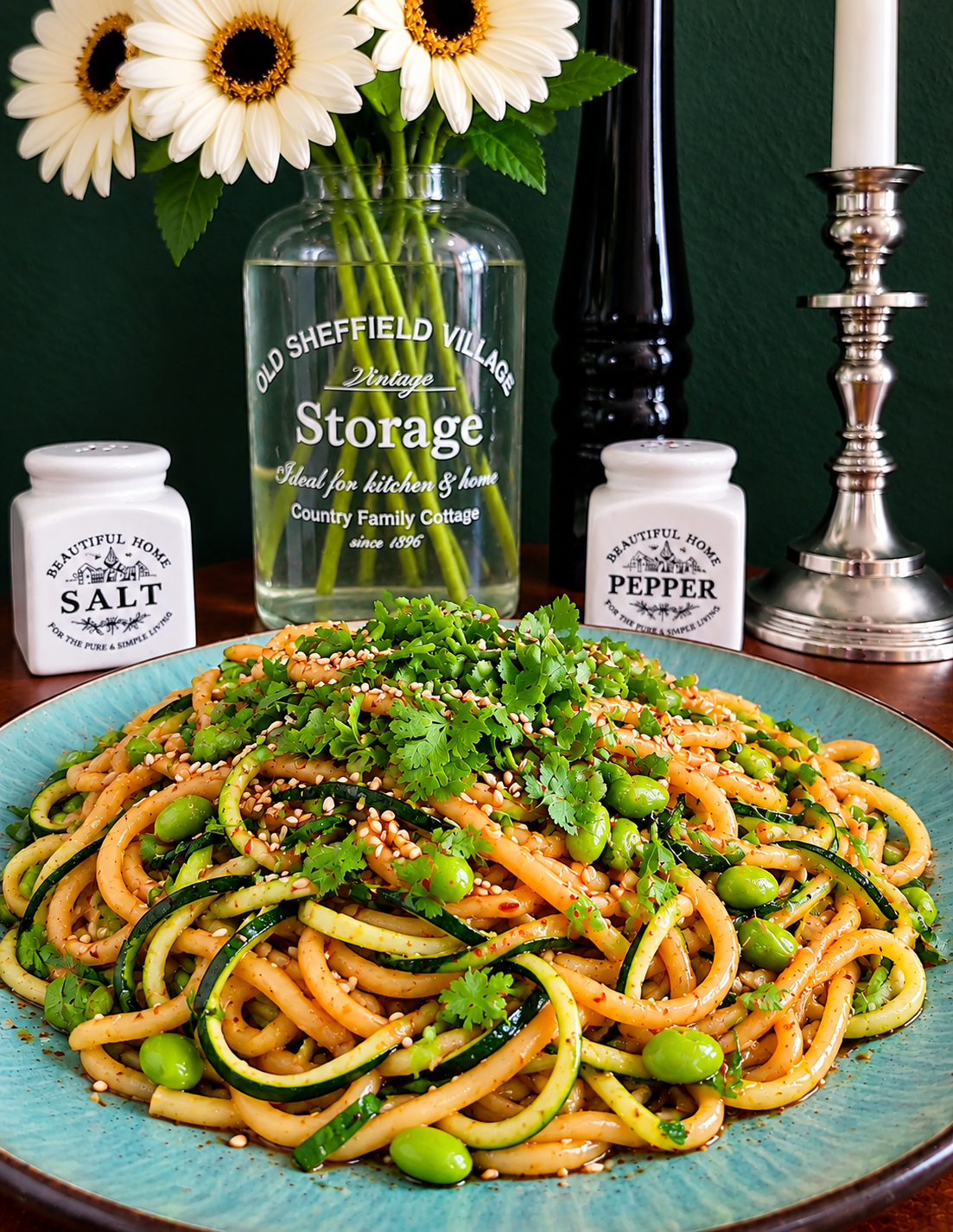
South Korea is an East Asian country renowned for its diverse culinary traditions, fermented foods and colorful vegetable dishes. Korean cuisine combines savory, spicy, sweet and aromatic flavors, with ingredients such as garlic, sesame oil, soy sauce and gochugaru playing important roles. A traditional Korean meal often includes banchan, small side dishes served alongside rice and other preparations. Vegetables, seasonal ingredients and fermentation are central elements of this rich food culture.
What Is Aehobak Bokkeum?
Aehobak Bokkeum (애호박볶음) is a traditional Korean stir-fried summer squash dish commonly served as banchan. Aehobak refers to Korean summer squash, while bokkeum means stir-fried. Traditionally, the squash is sliced and quickly cooked with ingredients such as garlic, spring onions and sesame oil. My Via Veggie Vegan interpretation replaces Korean aehobak with spiralized zucchini and transforms the vegetable side dish into a complete noodle meal with Udon, edamame and a savory miso-gochugaru sauce. Fresh coriander and sesame add the finishing touch.
Cook this recipe →
Recipe postcard
Yemen – A Land of Ancient Traditions and Aromatic Cuisine
Yemen is located at the southern end of the Arabian Peninsula and has a rich culinary heritage shaped by centuries of trade, agriculture and cultural exchange. Its cuisine is known for aromatic spices, hearty stews, traditional breads and distinctive condiments. Ingredients such as garlic, herbs, legumes and sesame appear in different regional preparations, reflecting Yemen's connections with the wider Middle East.
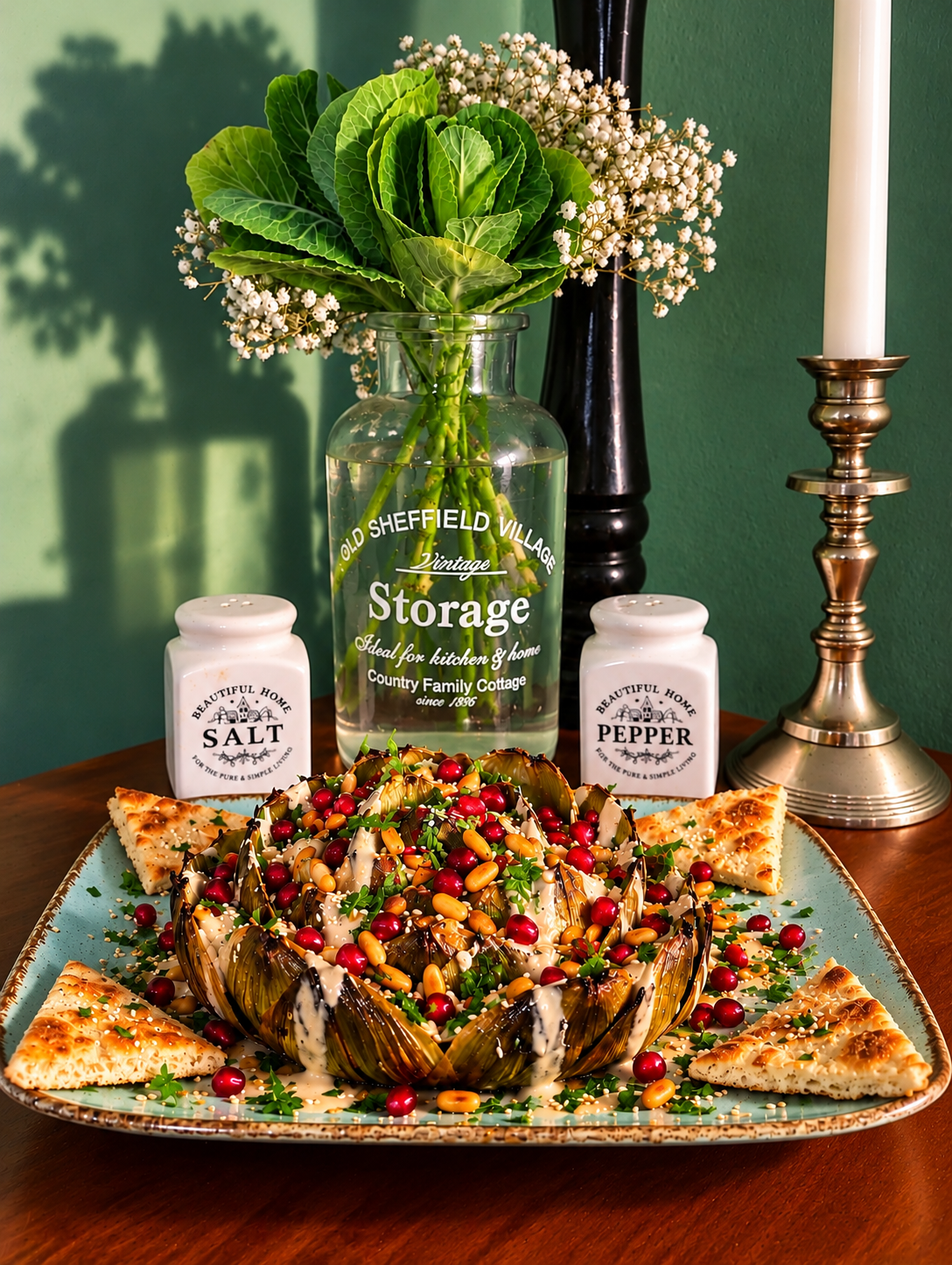
What Are Roasted Artichokes with Tahini Sauce?
These roasted artichokes are a Via Veggie Vegan creation inspired by Middle Eastern and Levantine flavors rather than a documented traditional Yemeni national dish. Whole artichokes are roasted with olive oil and lemon until tender, then generously coated with taratur, a creamy sauce made from tahini, garlic, lemon juice and water. Toasted pine nuts, pomegranate seeds, sesame and fresh parsley add contrasting textures and flavors, while warm flatbread makes the dish perfect for sharing.
Cook this recipe →
Recipe postcard
Japan – A Culinary Tradition of Precision and Umami
Japan is an East Asian island nation celebrated for its diverse regional cuisines, seasonal ingredients and careful attention to flavor and presentation. Japanese cooking frequently highlights the natural character of ingredients, with fermented foods such as miso and soy sauce playing an important role. From traditional noodle shops to modern ramen restaurants, comforting bowls of noodles are an essential part of everyday food culture.
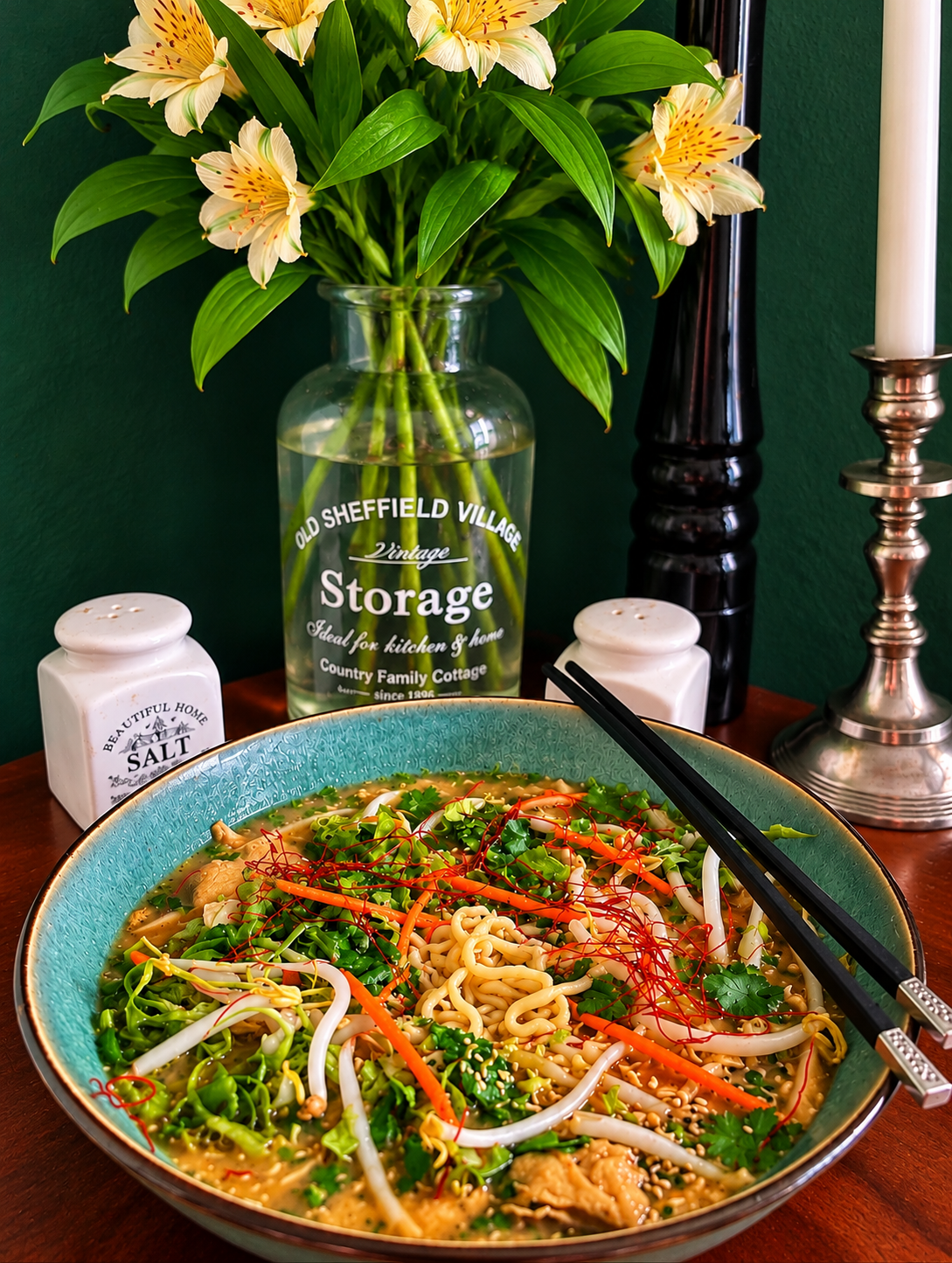
What Is Spicy Miso Ramen?
Ramen developed in Japan under the influence of Chinese wheat noodle traditions and has evolved into numerous regional styles. Miso ramen is particularly associated with Sapporo in Hokkaido, where miso-based ramen became popular during the twentieth century. This Via Veggie Vegan interpretation combines white miso, vegetable stock, soy milk, garlic, ginger and chili crisp to create a creamy, spicy broth. Ramen noodles, tofu, plant-based chicken and plenty of vegetables turn it into a generous, satisfying plant-based meal.
Cook this recipe →
