
Indonesia – A Culinary Journey to West Java
Indonesia is a vast Southeast Asian archipelago with an extraordinary diversity of regional cuisines, ingredients and culinary traditions. West Java is home to the Sundanese people, whose food culture is particularly associated with fresh vegetables, aromatic herbs, sambal and rice. Sundanese cuisine often celebrates the natural flavours and textures of vegetables, making it a wonderful source of inspiration for plant-based cooking. Fresh produce, chillies, garlic, peanuts and fragrant rhizomes such as kencur play important roles in many local preparations. Karedok is one of the region's best-known vegetable dishes and beautifully reflects this appreciation for freshness, texture and bold seasoning.
Karedok – A Traditional Sundanese Salad with a Vegan Twist
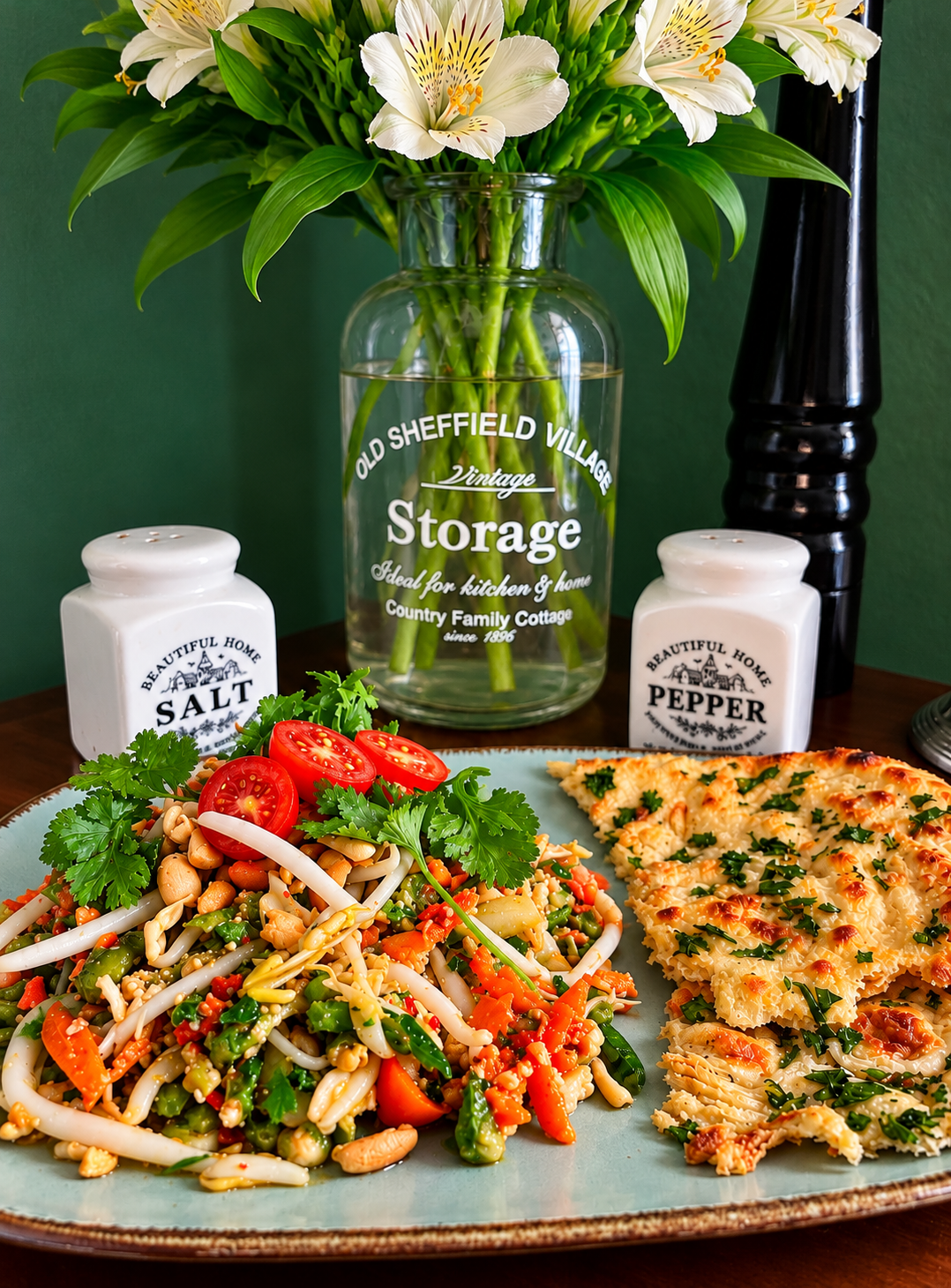
Karedok is a traditional Sundanese vegetable salad from West Java, usually prepared with raw vegetables and a thick, aromatic peanut dressing. Common ingredients include cabbage, cucumber, bean sprouts, long beans and fresh herbs, while the dressing typically combines roasted peanuts, garlic, chilli, palm sugar, tamarind and kencur. Some versions also contain terasi, a fermented shrimp paste that adds savoury depth. My Via Veggie Vegan interpretation replaces terasi with white miso, adds carrot, Thai basil and fresh coriander, and uses thoroughly cooked ordinary green beans instead of raw long beans. The result is a colourful, crunchy and completely plant-based version inspired by the flavours of traditional Karedok.
▣ Ingredients (2 servings)
- 150 g white cabbage or pointed cabbage
- 1 carrot
- 1/2 cucumber
- 100 g bean sprouts
- 100 g green sprouts
- 1 spring onion
- 1-2 red chilis
- 1-2 cloves garlic
- 1 tsp fresh kencur, or ½ tsp finely grated galangal as an alternative
- 1 handful fresh Thai basil
- to taste fresh coriander
- 80 g roasted peanuts, for the dressing
- 2 tbsp brown sugar
- 2 tbsp roasted peanuts, for garnish
- 1 tbsp kecap manis
- 1/2 tsp white miso paste
- 60-80 ml warm water
- 2 pieces garlic naan, as shown in the photograph (optional)
♨ Preparation
- Cook the Green Beans
Wash the green beans thoroughly and trim the ends. Bring a saucepan of water to a boil, add the beans and cook for approximately 8–10 minutes, or until fully cooked through but still pleasantly firm. Ordinary green beans should not be served raw. Check their tenderness before removing them from the water. - Cool the Green Beans
Drain the cooked green beans and immediately rinse them under cold running water or transfer them to a bowl of cold water to stop the cooking process. Drain thoroughly, cut into bite-sized pieces and set aside. - Prepare the Bean Sprouts
Rinse the bean sprouts and drain them. For the safer preparation, cook the sprouts thoroughly before adding them to the salad. Allow them to cool and drain well. This is particularly important because raw sprouts can carry harmful bacteria that washing alone may not remove. - Prepare the Dressing Ingredients
Peel the garlic cloves and roughly chop the red chillies. Peel and finely grate the fresh kencur. If kencur is unavailable, use finely grated galangal instead, remembering that its flavour is not identical. Measure the palm sugar, kecap manis, tamarind paste and white miso. - Grind the Peanuts
Place 80 g roasted peanuts, the chopped chilli, garlic, kencur or galangal, palm sugar and a pinch of salt into a mortar. Pound everything into a coarse, aromatic paste. The peanuts should gradually release some of their natural oils. Alternatively, use a small food processor, taking care not to blend the mixture completely smooth. - Add the Remaining Dressing Ingredients
Add the kecap manis, tamarind paste and white miso paste to the peanut mixture. Stir or pound thoroughly until the ingredients are evenly combined. The dressing should develop a rich balance of nutty, sweet, tangy, spicy and savoury flavours. - Adjust the Peanut Dressing
Gradually add 60–80 ml warm water, stirring continuously until the dressing becomes thick, creamy and pourable. Add the water a little at a time to avoid making the sauce too thin. Taste and adjust the salt, sweetness, acidity and chilli heat if necessary. - Prepare the Cabbage
Wash the cabbage and remove any damaged outer leaves. Slice approximately 150 g into very fine strips. Thinly sliced cabbage gives the salad a pleasant crunch and helps the peanut dressing coat the vegetables evenly. - Prepare the Carrot and Cucumber
Peel the carrot and cut it into fine julienne strips. Wash the cucumber and slice it thinly or cut it into small bite-sized pieces. Keep the vegetables separate until the final assembly to preserve their fresh texture. - Prepare the Spring Onion and Herbs
Wash the spring onion and slice it finely. Rinse the Thai basil and fresh coriander, then shake or pat them dry. Roughly chop the larger leaves and tender coriander stems, leaving a few smaller leaves whole for garnish. - Prepare the Peanut Garnish
Roughly chop the additional 2 tbsp roasted peanuts and set them aside. If using fresh red chilli rings for decoration, slice a small amount now. Reserve a few attractive Thai basil and coriander leaves for the finished salad. - Combine the Vegetables
Place the sliced cabbage, carrot, cucumber, cooled bean sprouts, cooked green beans and spring onion into a large mixing bowl. Add the Thai basil and fresh coriander. Toss gently until the vegetables and herbs are evenly distributed. - Add the Peanut Dressing
Pour the prepared peanut dressing over the vegetables shortly before serving. Toss carefully until the vegetables are coated with the creamy sauce. The dressing should cling to the ingredients without completely overwhelming their fresh texture. - Arrange the Karedok
Divide the dressed vegetable salad between two plates or bowls. Arrange the vegetables loosely to preserve their volume and crunchy appearance. Avoid pressing the salad down too firmly. - Add the Final Garnish
Sprinkle the chopped roasted peanuts over the salad. Add fresh coriander, Thai basil and a few red chilli rings if desired. Arrange the garnish naturally so the different colours and textures remain visible. - Serve Immediately
Serve the Vegan Karedok immediately while the vegetables are still crisp and the peanut dressing is fresh. If desired, accompany it with golden herb flatbread, as shown in the photograph. The flatbread is an optional personal serving choice rather than a traditional requirement of Karedok.
Food Story
Crunch, Chilli, Garlic & Team Coriander
Some dishes are simply made for me, and Indonesian Karedok is definitely one of them. Why? Because it has almost everything I love in one bowl: crunchy vegetables, plenty of garlic, a generous kick of chilli, roasted peanuts and, of course, fresh coriander. Lots of coriander! For today’s culinary journey through 195 countries, we’re heading to West Java, home of this wonderfully fresh Sundanese salad. And I have to admit, when I discovered a dish that combined so many of my favourite ingredients, I didn’t need much convincing. Team Coriander strikes again!
One Little Ingredient Wasn’t Invited
The beauty of Karedok is that it’s already almost entirely plant-based. No complicated substitutions, no elaborate makeover and certainly no need to reinvent the whole dish. But some traditional versions contain terasi, a fermented shrimp paste. Well, shrimp aren’t exactly invited into my kitchen. So white miso stepped in instead, bringing a little fermented umami without the seafood. Problem solved! I also added carrot for extra colour and crunch, because apparently cabbage, cucumber, bean sprouts, green beans and spring onion weren’t quite enough vegetables for one plate.
The Peanut Dressing That Stole the Show
And then there’s the dressing. Roasted peanuts, chilli, garlic, kecap manis, tamarind, a little sweetness and that wonderful savoury depth from the miso. Rich, spicy, nutty and absolutely packed with flavour! The only important change to the traditional raw vegetable concept was cooking my ordinary green beans first, because food safety matters even when I’m in full culinary adventure mode. Everything else stayed beautifully fresh and crunchy, finished with Thai basil and plenty of coriander. One colourful plate, one ridiculously delicious peanut dressing and one very happy member of Team Garlic, Team Spicy and Team Coriander!
♨ Nutrition per serving
Nutritional values are approximate and may vary depending on the ingredients and products used.
Good to Know
What Is Karedok?
Karedok is a traditional Indonesian vegetable salad from West Java, closely associated with Sundanese cuisine. It is particularly known for its combination of fresh vegetables and a thick, aromatic peanut dressing. Common ingredients include cabbage, cucumber, bean sprouts, long beans and fresh herbs. The vegetables are typically mixed with the dressing shortly before serving, creating a dish that is crunchy, fragrant, spicy and satisfying.
Sundanese Cuisine – Freshness at the Heart of the Table
Sundanese cuisine comes from West Java and is one of Indonesia's distinctive regional culinary traditions. Fresh vegetables, herbs, sambal and rice feature prominently in many meals. Lalapan, an assortment of fresh or lightly cooked vegetables served with sambal, is another well-known example of the region's appreciation for fresh produce. Karedok reflects this culinary character through its combination of crisp vegetables and intensely flavoured dressing.
Karedok vs. Gado-Gado – What's the Difference?
Karedok and Gado-Gado are both Indonesian vegetable dishes commonly served with peanut-based sauces. The main distinction is that traditional Karedok generally emphasises raw vegetables, while Gado-Gado commonly includes cooked or blanched vegetables and may also contain tofu, tempeh, potatoes or eggs. Both dishes have regional and household variations. This vegan Karedok retains the fresh character of the original but uses cooked ordinary green beans and cooked bean sprouts for food safety.
Why Are Peanuts So Important in Indonesian Cooking?
Peanuts are used in numerous Indonesian dishes, sauces and condiments. They contribute richness, flavour and texture and can be ground into thick sauces or served whole as a crunchy garnish. Peanut-based sauces appear in dishes such as Karedok, Gado-Gado and various types of satay. Their flavour can be balanced with chilli, garlic, sugar, tamarind and other seasonings.
What Is Kencur?
Kencur is an aromatic rhizome from the plant Kaempferia galanga, sometimes called aromatic ginger or sand ginger. It is used in several Southeast Asian cuisines and is particularly associated with Indonesian preparations such as Karedok. Its fragrance is distinctive, with earthy, peppery and aromatic notes. Kencur contributes significantly to the characteristic flavour of traditional Karedok.
Kencur vs. Galangal – Are They the Same?
Kencur and galangal belong to the ginger family but come from different plants and have different flavour profiles. Galangal tends to have a sharper, more citrus-like and pine-like aroma, while kencur has its own distinctive earthy and fragrant character. Galangal can provide an aromatic alternative when kencur is unavailable, but it does not reproduce the original flavour exactly.
What Is Terasi?
Terasi is an Indonesian fermented shrimp paste used in many savoury dishes and condiments. It contributes concentrated umami, saltiness and a distinctive fermented aroma. Because it contains shrimp, it is not vegan. Some traditional Karedok preparations include terasi, while others do not. This Via Veggie Vegan version uses white miso to provide a plant-based savoury element.
Why Use White Miso Instead of Shrimp Paste?
White miso is a fermented soybean-based seasoning that provides savoury umami flavour. It is generally milder and often sweeter than darker miso varieties. In this recipe, a small amount adds depth to the peanut dressing without introducing animal-derived ingredients. White miso is not an exact flavour replacement for terasi, but it offers a useful vegan adaptation. Check the product ingredients if avoiding additional allergens or gluten.
What Is Kecap Manis?
Kecap manis is a sweet Indonesian soy sauce with a thick consistency and a characteristic sweet-savoury flavour. It is commonly made using soy sauce and sugar, sometimes with additional aromatic ingredients. In this dressing, kecap manis adds sweetness, depth and a subtle caramel-like note. Since sweetness varies between brands, adjust the palm sugar accordingly.
What Is Tamarind?
Tamarind is the fruit of a tropical tree. Its pulp has a distinctive sweet-and-sour taste and is used in many Asian, African and Latin American cuisines. In Karedok, tamarind helps balance the richness of the peanuts and the sweetness of the kecap manis and palm sugar. Even a small quantity can make the dressing taste brighter and more balanced.
Why Is the Peanut Dressing Traditionally Ground in a Mortar?
Grinding peanuts and aromatics in a mortar breaks down the ingredients while preserving some texture. It also helps combine the peanuts' natural oils with the chilli, garlic, sugar and other seasonings. The result is a thick, slightly coarse sauce rather than a completely smooth dressing. A food processor is convenient, but using short pulses helps retain a similar texture.
Peanuts – Protein, Fibre and Healthy Fats
Peanuts are legumes rather than true botanical nuts, although they are commonly treated as nuts in cooking. They provide plant-based protein, dietary fibre, vitamin E and minerals such as magnesium. Their fat content consists mainly of unsaturated fatty acids, along with smaller amounts of saturated fat. Peanuts are energy-dense, so portion size matters, but they can be part of a balanced plant-based diet.
Why Does Peanut Sauce Make the Salad Satisfying?
Fresh vegetables contain plenty of water and fibre but are generally relatively low in energy. The peanut dressing adds fats, protein and additional calories, turning a light vegetable salad into a more substantial meal. The combination of crunchy vegetables and rich sauce also creates contrasting textures that make Karedok especially enjoyable.
Plant-Based Fats and Cholesterol
Peanuts naturally contain no dietary cholesterol. Their fats are predominantly unsaturated, including monounsaturated and polyunsaturated fatty acids. Replacing some saturated fats with unsaturated fats can help lower LDL cholesterol, an important cardiovascular risk factor. LDL particles carry cholesterol through the bloodstream, while HDL particles participate in cholesterol transport towards the liver. Cardiovascular health depends on the overall dietary pattern rather than any single ingredient.
Why Is Fibre Important?
Dietary fibre supports normal bowel function and contributes to digestive health. Different types of fibre can also help support beneficial gut bacteria, improve satiety and influence blood glucose and cholesterol responses. Cabbage, carrots, green beans, sprouts and peanuts all contribute fibre to this recipe. The estimated fibre content is approximately 13 g per serving, depending on the exact ingredients.
Why Should Ordinary Green Beans Be Cooked?
Raw green beans contain naturally occurring lectins, which can cause digestive discomfort when consumed in sufficient amounts. Cooking reduces lectin activity. Ordinary green beans should therefore be cooked thoroughly before eating. In this recipe, they are boiled for approximately 8–10 minutes, or until fully cooked through, then cooled before being added to the salad. Cooking time may vary according to their thickness.
Are Raw Bean Sprouts Safe?
Bean sprouts are grown under warm, moist conditions that can also support the growth of harmful bacteria such as Salmonella and pathogenic E. coli. Washing alone does not reliably eliminate these risks. Cooking sprouts thoroughly is the safer approach, especially for pregnant people, older adults, young children and people with weakened immune systems. This recipe recommends cooking the sprouts and cooling them before adding them to the salad.
Why Are Cruciferous Vegetables Nutritious?
Cabbage belongs to the cruciferous vegetable family, which also includes broccoli, cauliflower and Brussels sprouts. These vegetables provide fibre, vitamins and various naturally occurring plant compounds, including glucosinolates. The nutritional composition depends on the variety and preparation method. Thinly sliced raw cabbage contributes freshness and crunch to Karedok.
Carrots and Beta-Carotene
Carrots are particularly known for their beta-carotene content. Beta-carotene is a carotenoid pigment that gives many carrots their orange colour and can be converted by the body into vitamin A as needed. Vitamin A contributes to normal vision and immune function. The peanut dressing contains fat, which may help the body absorb fat-soluble carotenoids from the vegetables.
Cucumber – Freshness and Hydration
Cucumber contains a high proportion of water and has a mild, refreshing flavour. Its crisp texture provides contrast to the thick peanut dressing. Keeping the cucumber cool and slicing it shortly before serving helps preserve its freshness. The peel can be left on when the cucumber has been washed thoroughly and the skin is tender.
Thai Basil – A Fragrant Addition
Thai basil has a distinctive aromatic flavour, often described as slightly anise-like or liquorice-like. It differs from common sweet basil in both aroma and appearance. In this recipe, Thai basil contributes a fragrant herbal note that complements the chilli, garlic and peanut dressing. Add it shortly before serving to preserve its fresh aroma.
Fresh Coriander – Leaves and Stems
Fresh coriander contributes bright, citrus-like and herbal notes. Both the leaves and tender stems are edible and aromatic. Finely chopping the stems reduces food waste and adds flavour to the dressing or salad. Some people perceive coriander leaves as soapy because of differences in aroma perception, but for Team Coriander, there can never be too much!
Chilli and Capsaicin
The heat of most chillies comes primarily from capsaicinoids, including capsaicin. These compounds activate heat-sensitive receptors and create the familiar burning sensation. The intensity depends on the chilli variety, its maturity and the amount used. Start with one chilli and increase the quantity if a hotter dressing is desired.
Garlic – Small Ingredient, Big Flavour
Garlic contains sulphur-containing compounds responsible for its distinctive aroma and pungency. Crushing or chopping garlic allows enzymes to interact with naturally occurring compounds and contributes to the formation of allicin. In Karedok, fresh garlic provides a sharp savoury note that balances the richness of the peanuts.
Vitamin C and Plant-Based Iron
Vegetables such as cabbage can contribute vitamin C, while peanuts and other plant foods provide non-haem iron. Vitamin C can enhance the absorption of non-haem iron when consumed in the same meal. Combining a variety of vegetables, legumes, nuts and seeds is a useful approach to balanced plant-based nutrition.
Is Karedok Naturally Vegan?
Many of the main ingredients in traditional Karedok are plant-based, including vegetables, peanuts, chilli, garlic and herbs. However, some recipes include terasi, a fermented shrimp paste. This particular Via Veggie Vegan version deliberately replaces terasi with white miso and is therefore classified as Veganized. Traditional versions prepared without shrimp paste may already be naturally vegan.
Peanut and Soy Allergens
This recipe contains peanuts and soy-based ingredients, including white miso and kecap manis. Peanuts and soy are major food allergens. Some miso and soy sauce products may also contain wheat or barley, so anyone avoiding gluten should check the labels carefully. Peanut allergies can be severe, and the dressing is not suitable for anyone with a peanut allergy.
Can Karedok Be Prepared Ahead?
The vegetables can be washed, sliced and refrigerated in advance, while the peanut dressing can be prepared separately. Store everything in clean, covered containers. Add the dressing shortly before serving to preserve the vegetables' texture. Fresh herbs are best added at the last moment for maximum aroma.
How Should Leftovers Be Stored?
Refrigerate leftovers promptly. Undressed vegetables and peanut dressing generally retain their quality better when stored separately. The peanut dressing can thicken during refrigeration, so stir in a little water if necessary before serving. Use prepared leftovers promptly and discard food that has been left unrefrigerated for an extended period.
Zero Waste – Save Your Vegetable Trimmings
Suitable clean cabbage pieces, carrot trimmings and spring onion greens can be saved for homemade vegetable stock or stir-fries. Tender coriander stems can be chopped and used in the salad or dressing. Extra roasted peanuts can be added to noodle dishes, curries or grain bowls. Small habits like these help reduce kitchen waste without sacrificing flavour.
What Can You Serve with Karedok?
Karedok can be served as a fresh main dish or as part of a larger Indonesian-inspired meal. Rice, tofu or tempeh can make the meal more substantial. My version was photographed with golden herb flatbread, which is a personal accompaniment rather than a traditional requirement. The salad itself already offers a satisfying combination of vegetables, peanuts, herbs and spicy dressing.
Why Karedok Is Perfect for Via Veggie Vegan
Karedok combines fresh vegetables, aromatic herbs, garlic, chilli and a rich peanut dressing in one colourful dish. It also shows how a small, thoughtful ingredient substitution can make a regional recipe suitable for a vegan kitchen while acknowledging its culinary origins. For someone who loves Team Garlic, Team Spicy and Team Coriander, this Sundanese-inspired salad is an especially delicious stop on a culinary journey around the world.
You may also like
♡
You may also like
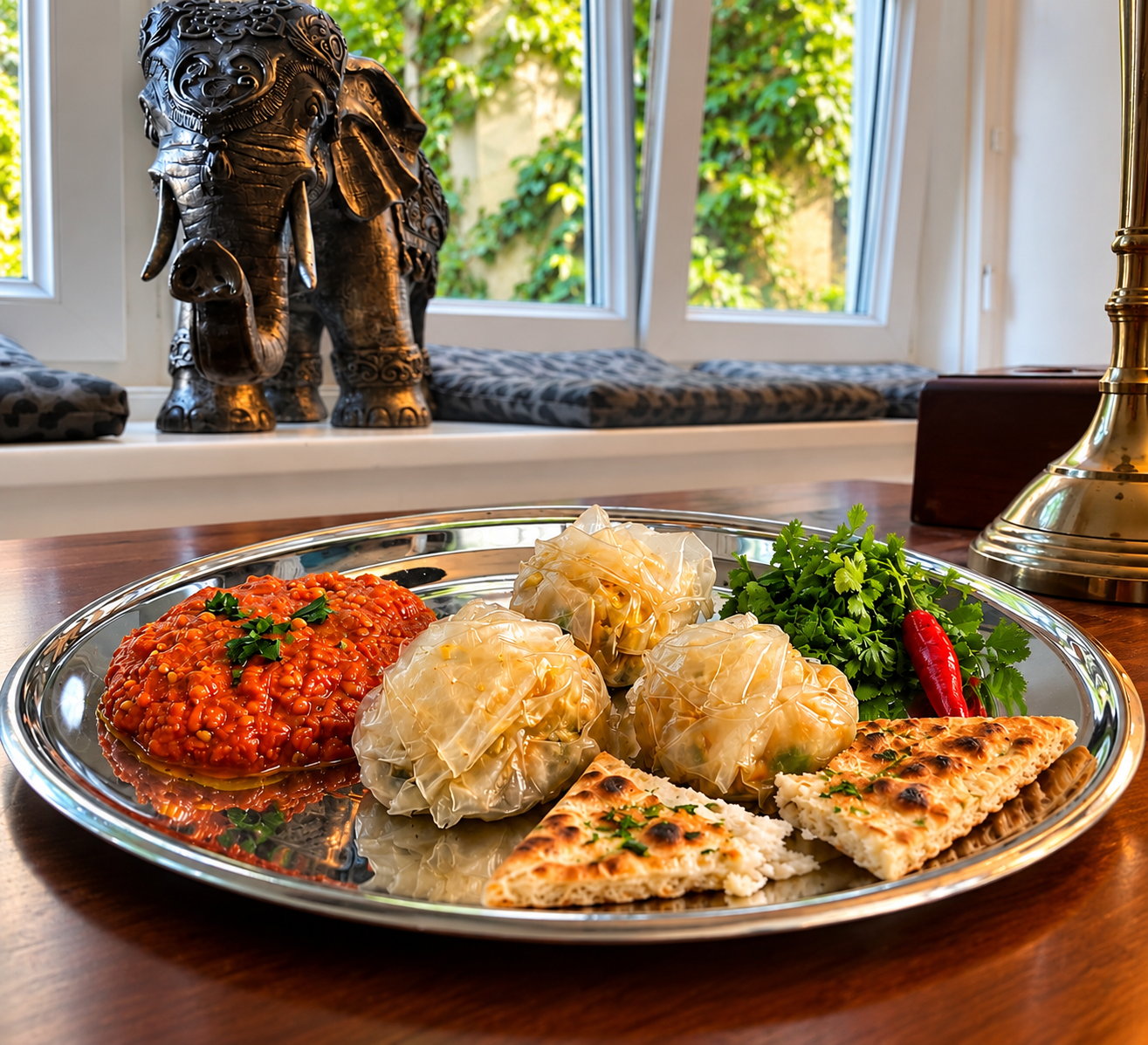
Nepalese Vegan Momos – Handmade Vegetable Dumplings with Spicy Tomato Sesame Achar
You may also like
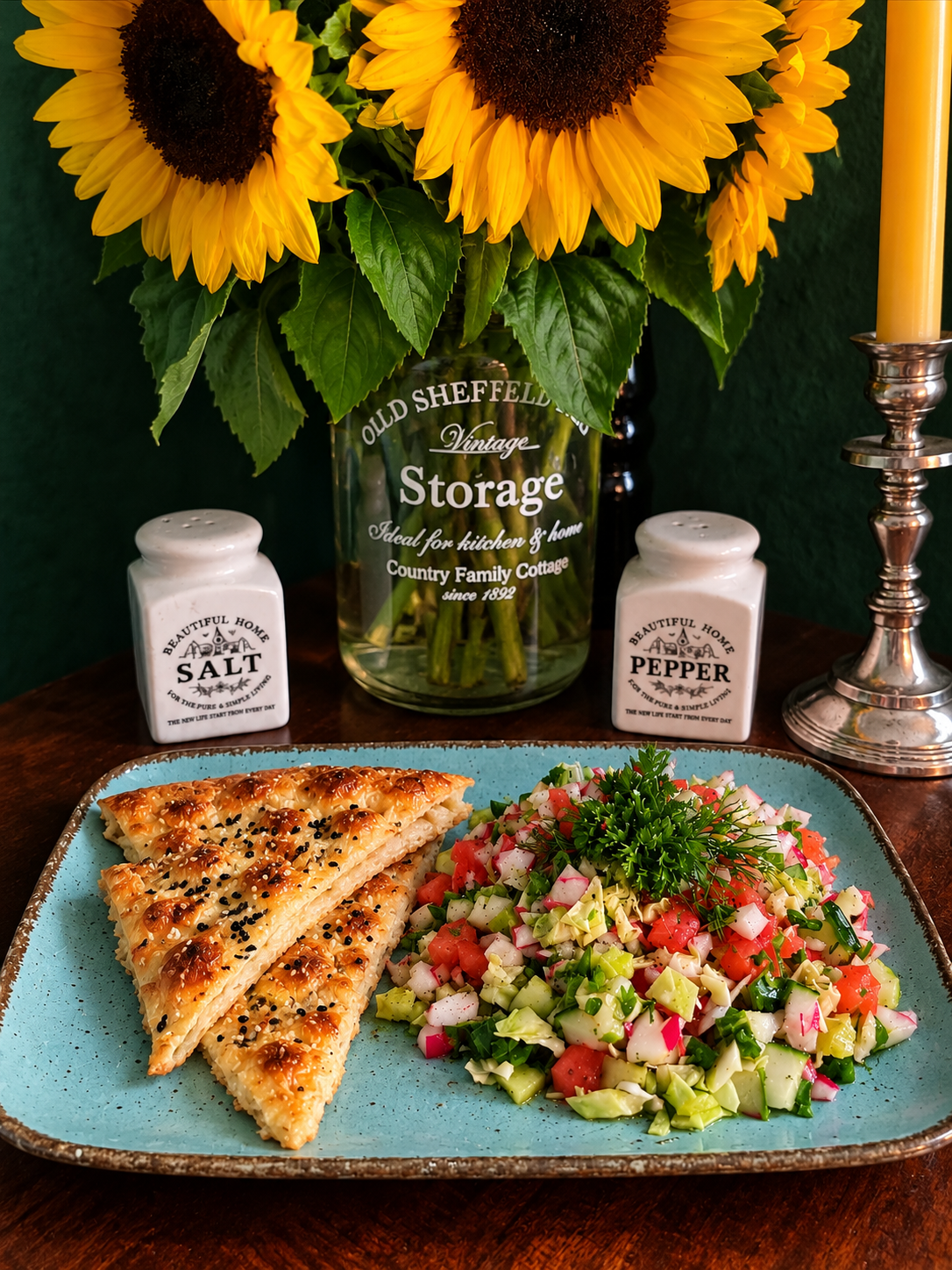
Turkmen Chopped Summer Salad – Fresh Vegetable Salad with Dill & Lemon Dressing
You may also like