Recipe postcard
Laos – A Cuisine Built Around Fresh Herbs and Bold FlavorsLaos is a landlocked Southeast Asian country with a rich culinary heritage shaped by fresh herbs, fragrant aromatics and the balance of spicy, salty, sour and subtly sweet flavors. Lemongrass, galangal, chilies, makrut lime leaves and coriander play important roles in many dishes. One of the country's most important staples is sticky rice, known as khao niao, traditionally eaten with a wide variety of vegetables, dips, salads and savory dishes.
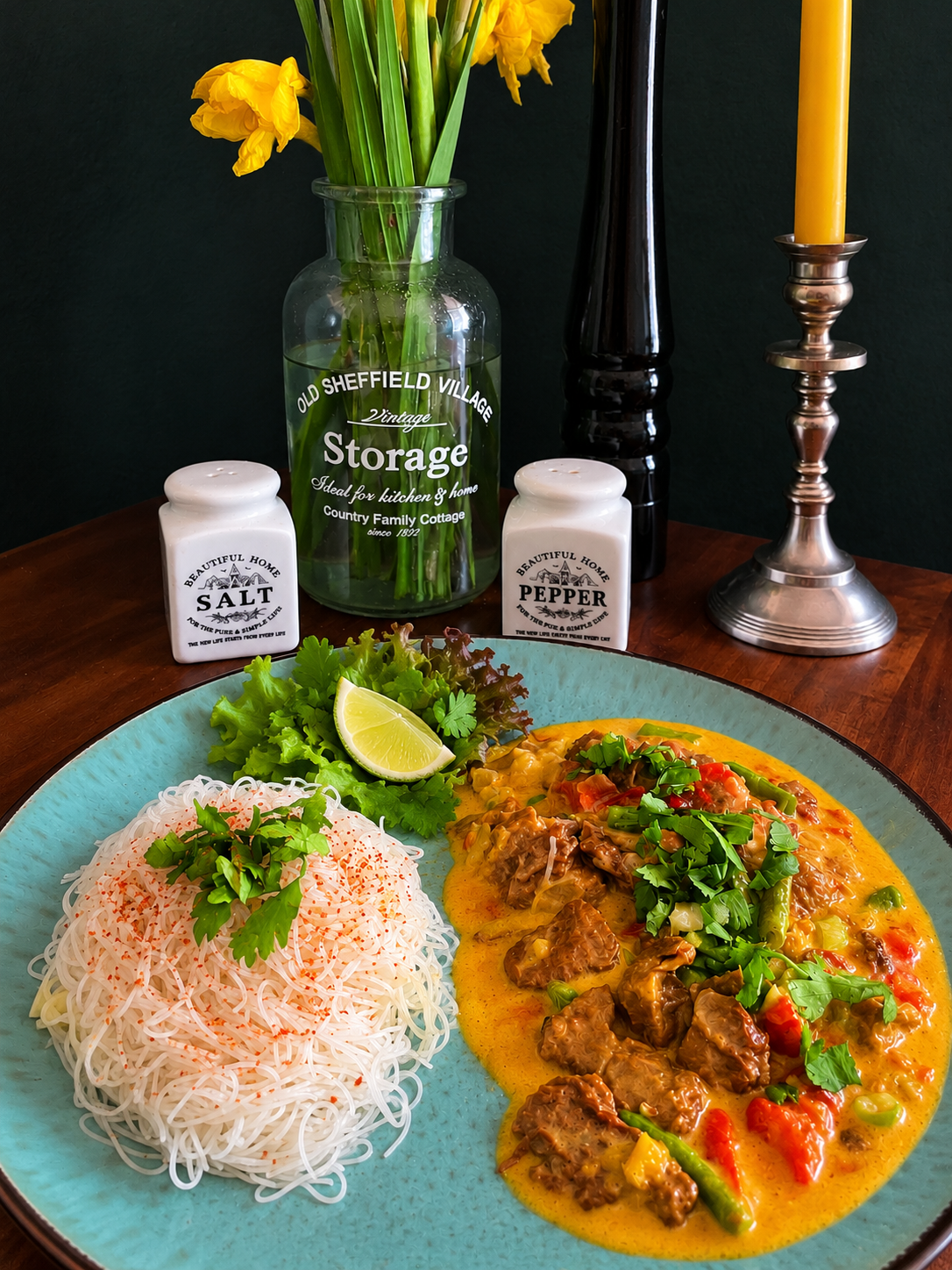
Lemongrass & Coconut Curry – A Lao-Inspired Vegan InterpretationThis Lemongrass & Coconut Curry is my own plant-based interpretation of characteristic Lao flavors rather than a recreation of one particular traditional dish. A homemade curry paste combines lemongrass, galangal, garlic, shallots and dried chilies, while coconut milk creates a silky, aromatic sauce. Mock Duck adds a satisfying, meaty texture, and fresh vegetables bring color and freshness. Instead of the more traditional sticky rice, I serve my curry with delicate rice noodles – a delicious little twist inspired by the contents of my kitchen.
Cook this recipe →
Recipe postcard
Indonesia – A Culinary Journey to West JavaIndonesia is a vast Southeast Asian archipelago with an extraordinary diversity of regional cuisines, ingredients and culinary traditions. West Java is home to the Sundanese people, whose food culture is particularly associated with fresh vegetables, aromatic herbs, sambal and rice. Sundanese cuisine often celebrates the natural flavours and textures of vegetables, making it a wonderful source of inspiration for plant-based cooking. Fresh produce, chillies, garlic, peanuts and fragrant rhizomes such as kencur play important roles in many local preparations. Karedok is one of the region's best-known vegetable dishes and beautifully reflects this appreciation for freshness, texture and bold seasoning.
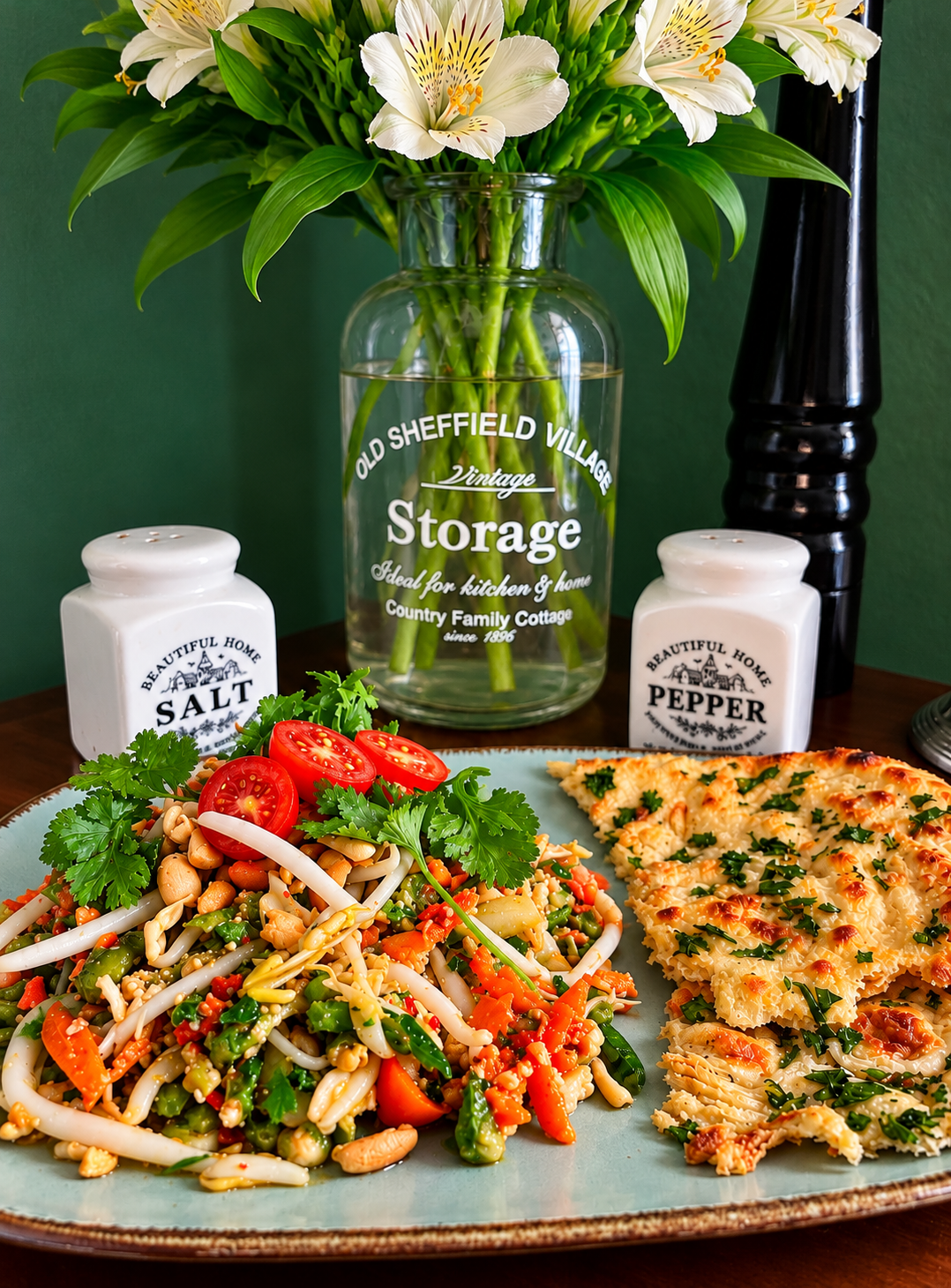
Karedok – A Traditional Sundanese Salad with a Vegan TwistKaredok is a traditional Sundanese vegetable salad from West Java, usually prepared with raw vegetables and a thick, aromatic peanut dressing. Common ingredients include cabbage, cucumber, bean sprouts, long beans and fresh herbs, while the dressing typically combines roasted peanuts, garlic, chilli, palm sugar, tamarind and kencur. Some versions also contain terasi, a fermented shrimp paste that adds savoury depth. My Via Veggie Vegan interpretation replaces terasi with white miso, adds carrot, Thai basil and fresh coriander, and uses thoroughly cooked ordinary green beans instead of raw long beans. The result is a colourful, crunchy and completely plant-based version inspired by the flavours of traditional Karedok.
Cook this recipe →
Recipe postcard
Madagascar – The Island of Extraordinary FlavoursMadagascar, the world's fourth-largest island, lies in the Indian Ocean off the southeastern coast of Africa. Its remarkable culinary heritage reflects African, Asian and European influences, shaped by centuries of migration, trade and local traditions. Rice is central to everyday Malagasy food culture and is commonly served with vegetables, legumes, sauces or meat. Fresh ingredients, ginger, garlic, chilli and aromatic herbs contribute to the distinctive flavours of the island's cuisine.
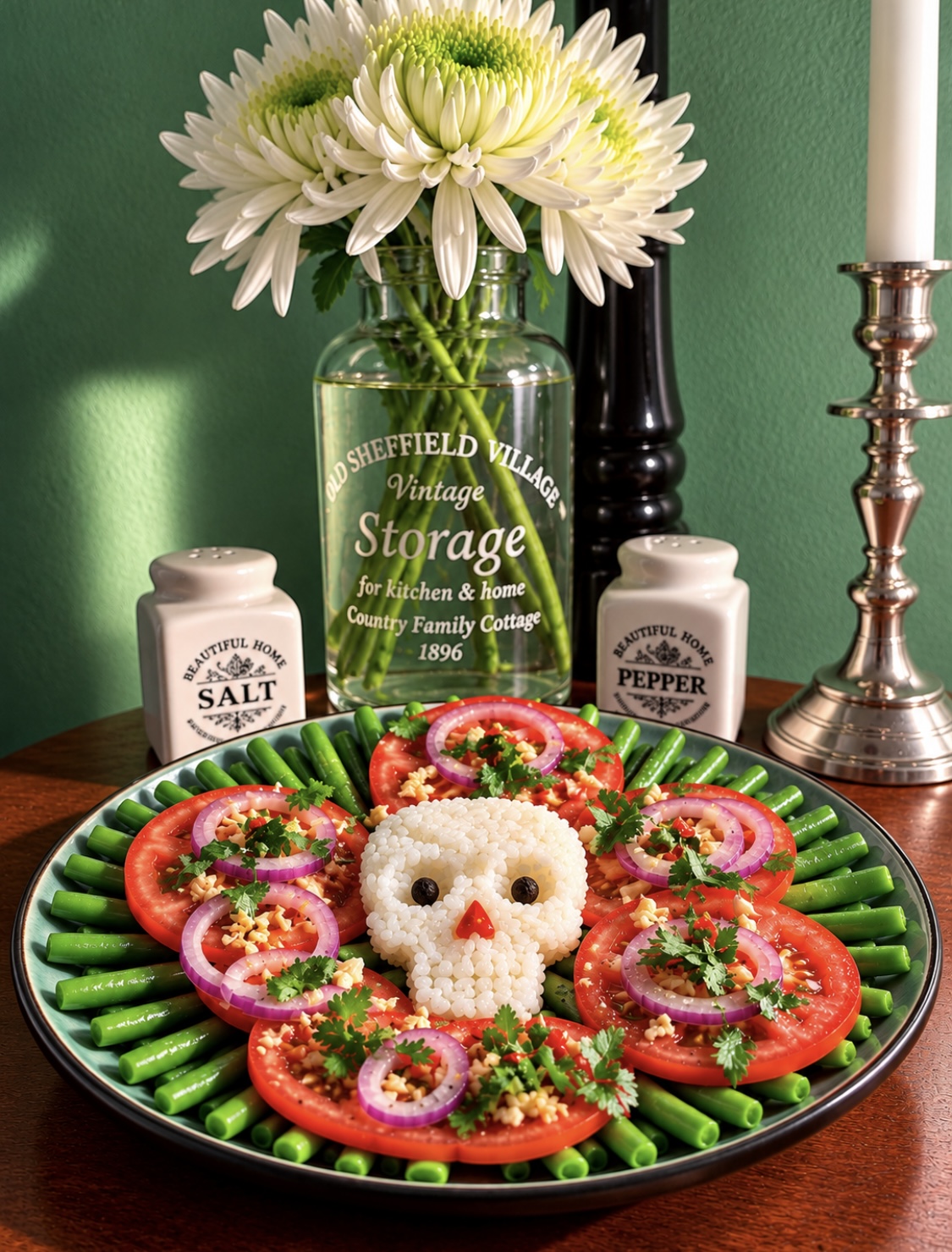
Lasary Voatabia – Madagascar's Refreshing Tomato SaladLasary Voatabia is a traditional Malagasy tomato salad, typically prepared with fresh tomatoes, onions and a tangy dressing. Depending on the household and region, ginger, lime juice, vinegar, chilli and herbs may be added. The salad is commonly served as a refreshing accompaniment to rice and other savoury dishes. My Via Veggie Vegan interpretation combines the traditional tomato salad with tender French green beans and fresh coriander. A handmade Halloween skull shaped from sticky white rice adds a playful seasonal twist while celebrating rice's important place in Malagasy food culture.
Cook this recipe →
Recipe postcard
Aotearoa New Zealand – A Land of Remarkable Landscapes and Rich Food Traditions
Aotearoa New Zealand is an island nation in the southwestern Pacific Ocean, renowned for its dramatic mountains, volcanic landscapes, ancient forests, rugged coastlines and extraordinary biodiversity. Its food culture reflects Māori traditions, European influences and the contributions of many other communities. Māori food knowledge includes the cultivation of kūmara, the gathering of seasonal ingredients and cooking practices closely connected to the land and natural environment. Contemporary New Zealand cuisine embraces both traditional ingredients and international influences, creating opportunities for innovative plant-based interpretations.
What Makes This New Zealand-Inspired Vegan Steak Special?
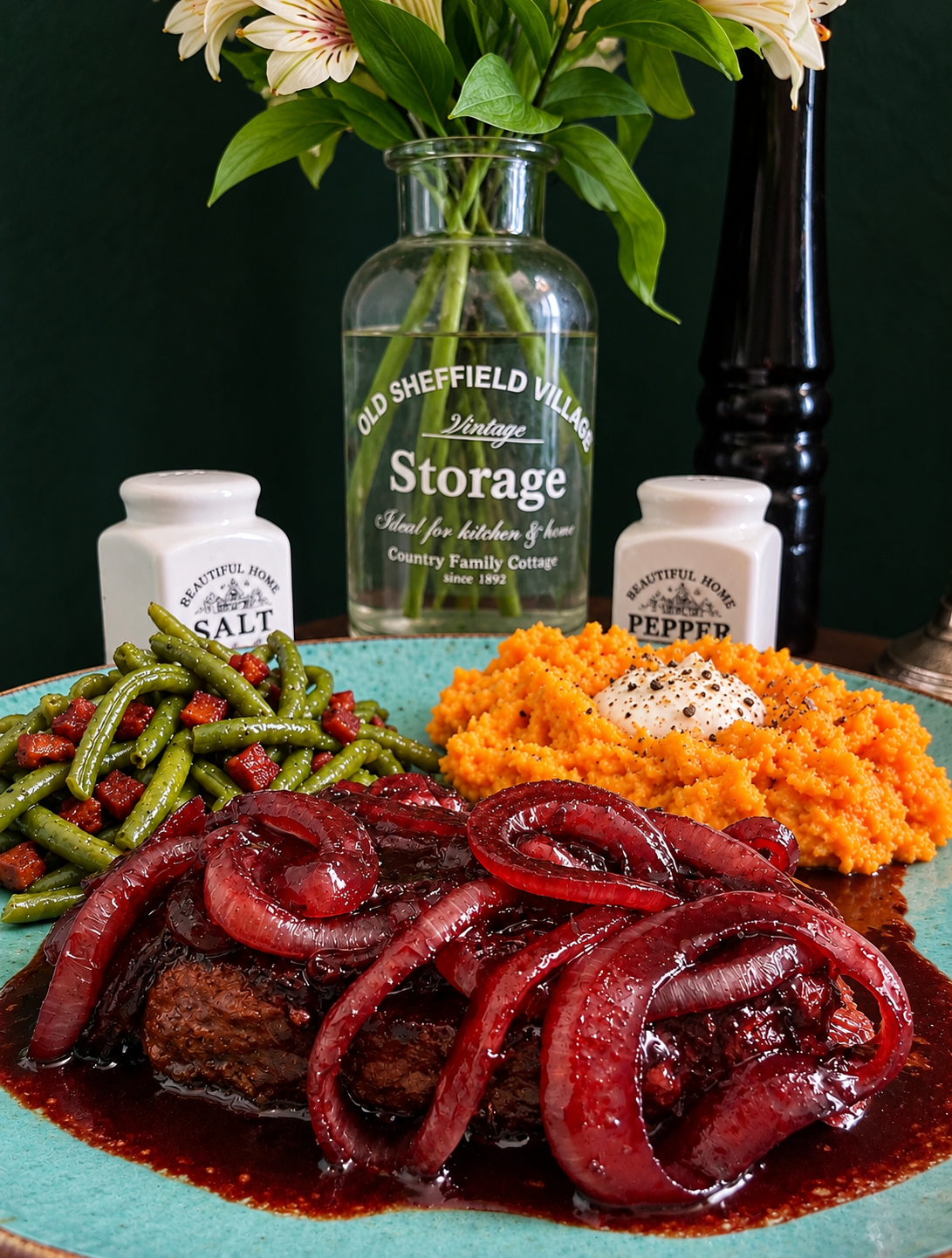
This dish is a contemporary Via Veggie Vegan creation rather than a traditional Māori recipe. Its connection to Aotearoa lies primarily in kūmara, the sweet potato that has played an important role in Māori food culture for centuries. The creamy orange mash is paired with plant-based steaks, caramelised onions in a rich beetroot jus and green beans with smoky vegan bacon. The combination creates a hearty, colorful plate that celebrates a historically significant ingredient while giving the familiar steak dinner a completely plant-based transformation.
Cook this recipe →
Recipe postcard
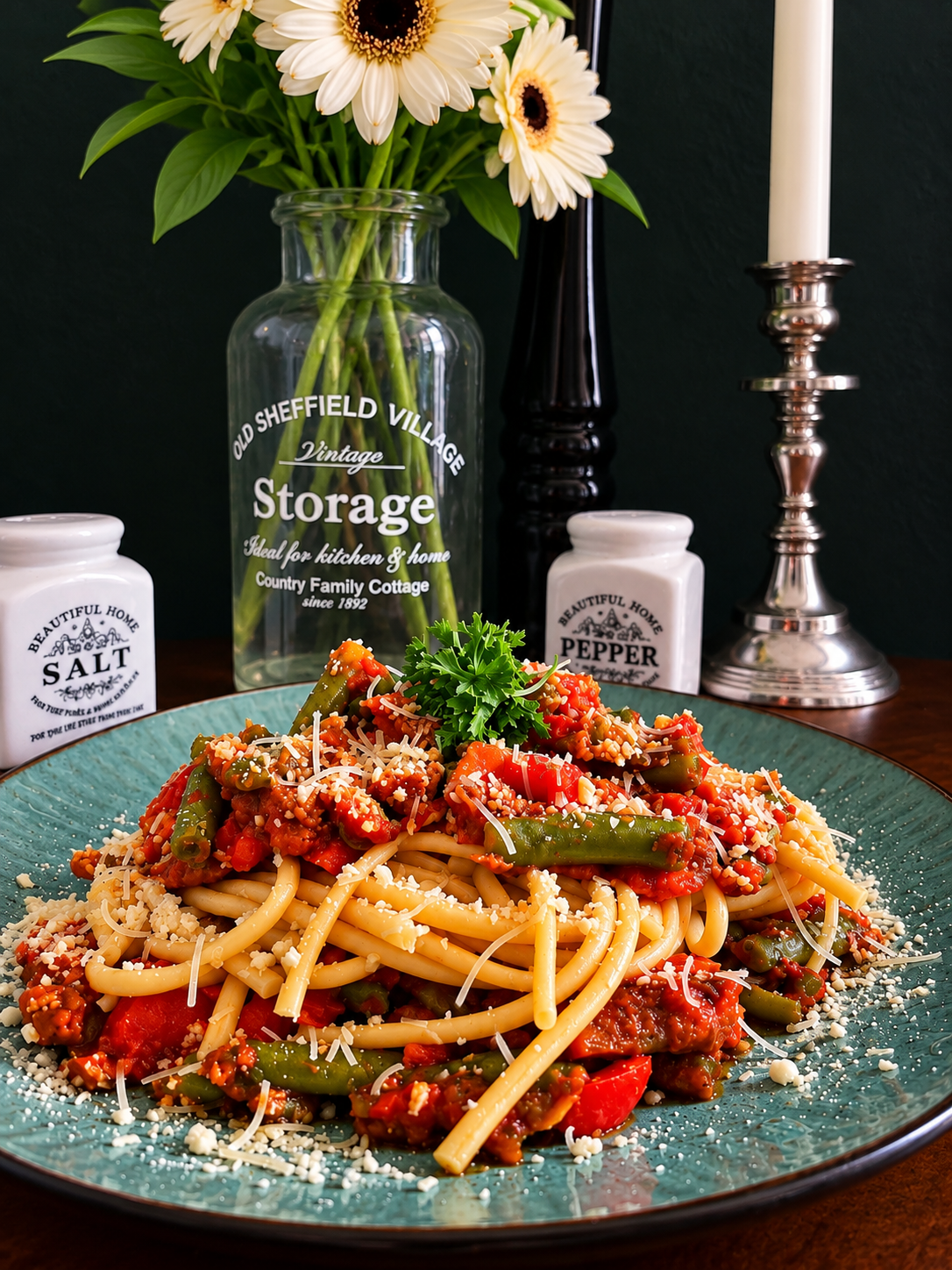
Mongolia – A Land of Endless Steppes and Nomadic Traditions
Mongolia is a landlocked country in East Asia, situated between Russia and China. Its vast landscapes include grasslands, mountains, deserts and freshwater lakes. Traditional Mongolian cuisine has been shaped by the country's continental climate and long history of nomadic pastoralism. Meat, dairy products and wheat-based foods have historically played important roles, while vegetables and other ingredients have become increasingly accessible through trade and changing food cultures. Hearty noodle dishes, dumplings and warming meals reflect the practical cooking traditions of a country known for its extraordinary landscapes and hospitality.
What Is Tsuivan?
Tsuivan is a traditional Mongolian dish made with wheat noodles, meat and vegetables. One of its defining features is the cooking technique: freshly prepared noodles are placed over the meat and vegetables and steamed in the covered pan before everything is mixed together. This Via Veggie Vegan version takes a different approach, using ready-made Japanese udon noodles, plant-based beef-style strips and a tomato-based vegetable sauce. Rosemary, thyme, parsley and vegan cheese introduce additional fusion influences. It is therefore a Mongolian-inspired vegan interpretation rather than a traditional preparation of Tsuivan.
Cook this recipe →
Recipe postcard
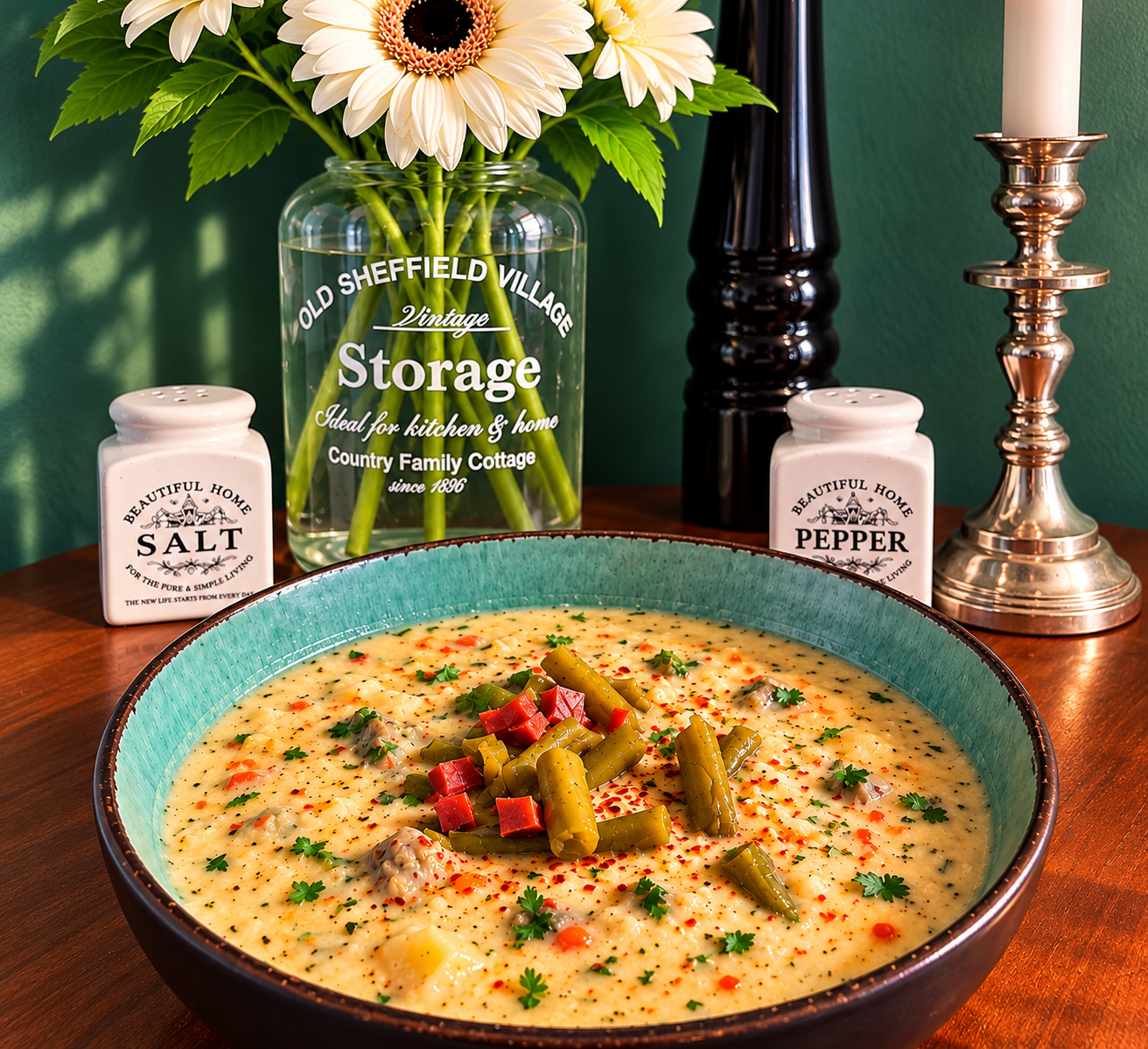
Luxembourg – A Small Country with a Rich Culinary Heritage
Luxembourg is a small landlocked country in Western Europe, bordered by Belgium, Germany and France. Its cuisine reflects influences from all three neighboring countries while maintaining its own distinctive traditions. Hearty soups, potatoes, legumes, regional vegetables and rustic meat dishes have long played important roles in Luxembourgish home cooking. The country's landscape ranges from the wooded hills of the Ardennes in the north to the fertile agricultural regions and vineyards of the Moselle Valley in the southeast.
What Is Bouneschlupp?
Bouneschlupp is one of Luxembourg's best-known traditional soups, prepared primarily with green beans and potatoes. Depending on the household and regional tradition, it may also contain onions, bacon, sausage, cream and aromatic herbs such as savory. The soup is particularly associated with simple, satisfying home cooking. This Via Veggie Vegan version keeps the green beans and potatoes at the heart of the dish while replacing traditional meat products with vegan beef-style pieces and crispy plant-based bacon. Vegan cooking cream creates a rich, comforting broth without dairy.
Cook this recipe →
Recipe postcard
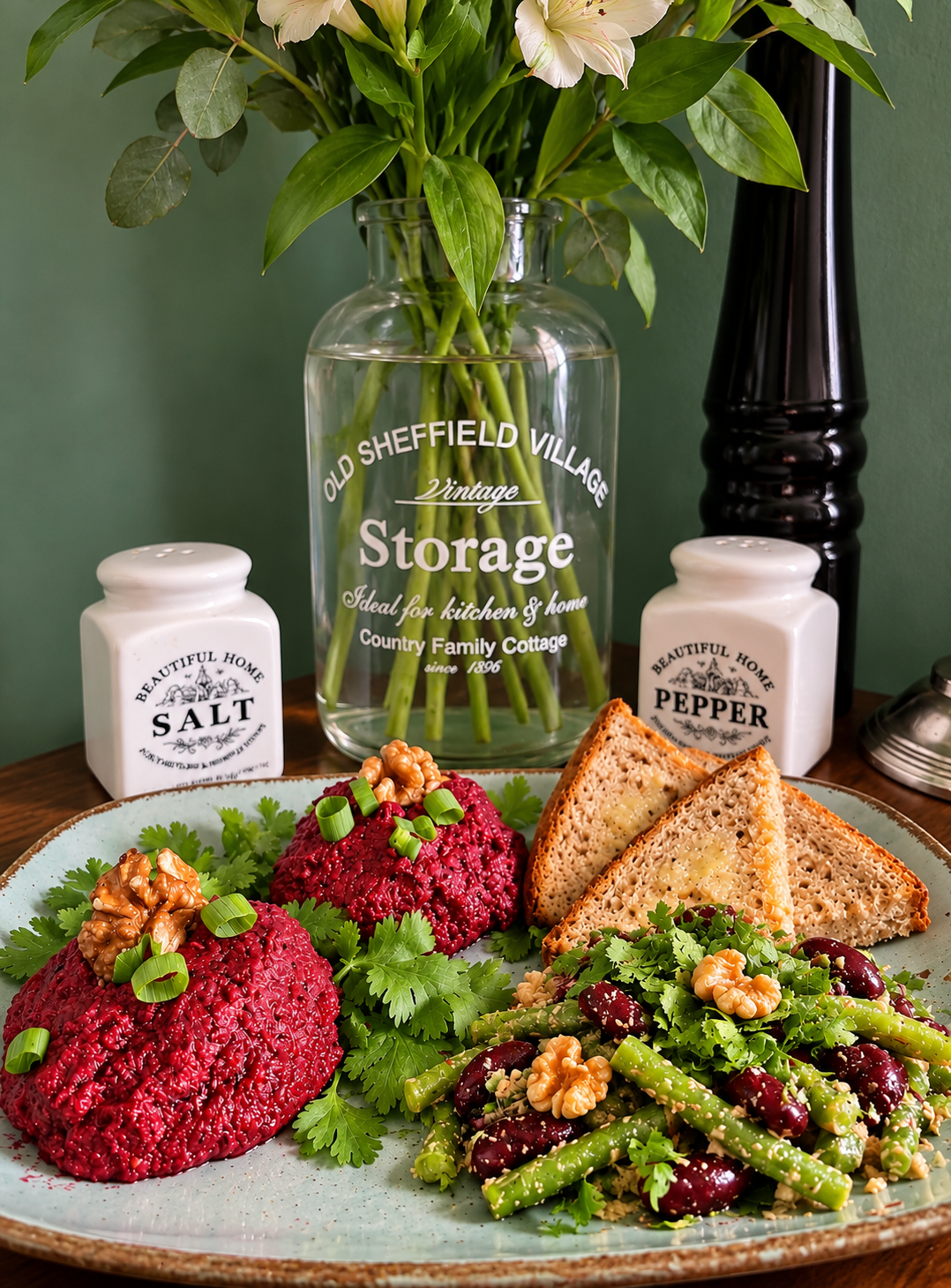
Georgia – Where Europe and Asia MeetGeorgia lies in the Caucasus region, between the Black Sea and the mountains of the Greater Caucasus. Its cuisine is famous for generous hospitality, fresh herbs, walnuts, garlic, aromatic spices and a remarkable variety of vegetable and bean dishes. Traditional Georgian meals often feature several small plates shared around the table, creating a colorful combination of flavors and textures. Walnuts are especially important in Georgian cooking, appearing in sauces, spreads, vegetable dishes and fillings.
Charkhlis Pkhali & Mtsvane Lobio – Two Georgian SpecialtiesCharkhlis Pkhali (ჭარხლის ფხალი) is a beetroot variation of Pkhali, a family of Georgian vegetable dishes prepared with ground walnuts, garlic, herbs and spices. Beetroot Pkhali is commonly made with cooked beetroot, but this Via Veggie Vegan version uses fresh raw beetroot for a firmer texture and particularly earthy flavor. Mtsvane Lobio (მწვანე ლობიო) means green beans and refers to Georgian preparations centered on this vegetable. My interpretation combines green beans with red kidney beans, fresh coriander and a walnut dressing enriched with pomegranate molasses and lemon juice. Served together with toasted bread, the two dishes make a satisfying plant-based meal.
Cook this recipe →
