From my kitchen to your plate.
Cyprus – A Mediterranean Island with a Rich Culinary Heritage
Cyprus is an island in the eastern Mediterranean, famous for its beautiful coastline, mountainous landscapes and a cuisine shaped by centuries of Greek, Turkish and wider Mediterranean influences. Olive oil, potatoes, pulses, fresh herbs, citrus fruits and sesame-based sauces play important roles in Cypriot cooking. Sharing several small dishes, known as meze, is an especially cherished part of the island's food culture.
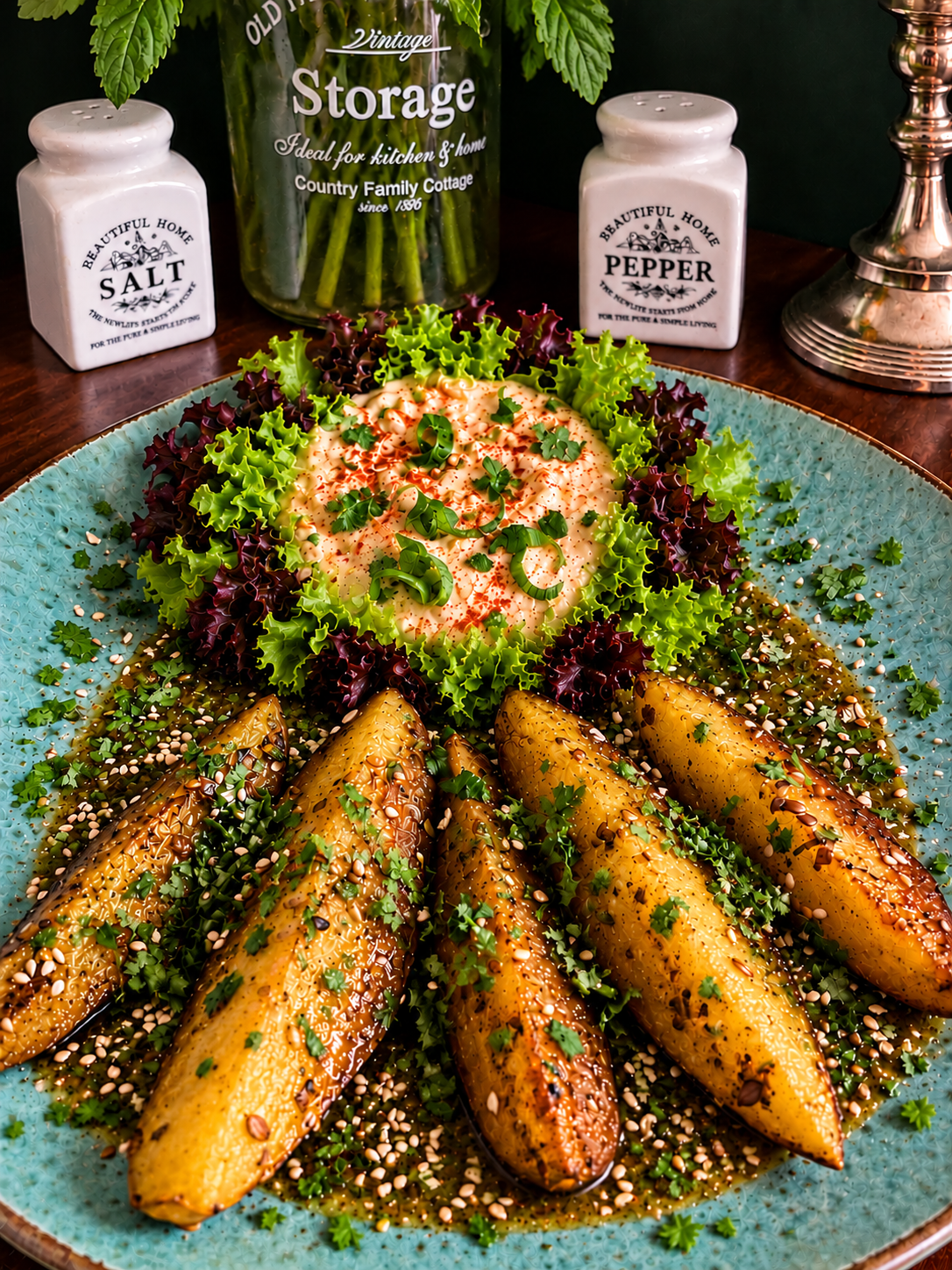
Patátes Antinahtés – Cyprus's Famous Shaken Potatoes
Patátes Antinahtés are a traditional Cypriot potato speciality, typically prepared with crushed coriander seeds and dry red wine. The name refers to the shaking or tossing technique used to coat the potatoes in their aromatic cooking juices. My Via Veggie Vegan interpretation replaces the wine with pomegranate juice and balsamic vinegar, roasts the potatoes in the oven and pairs them with a creamy soy yoghurt and tahini dip. The result is a colourful, completely plant-based variation inspired by this beloved Cypriot classic.
From my kitchen to your plate.
Austria – A Country of Culinary TraditionsAustria is a Central European country known for its Alpine landscapes, historic cities and rich culinary heritage. Influenced by neighbouring regions and the former Habsburg monarchy, Austrian cuisine features hearty soups, dumplings, pastries and comforting traditional dishes. Clear broths with various garnishes remain an important part of Austrian food culture.
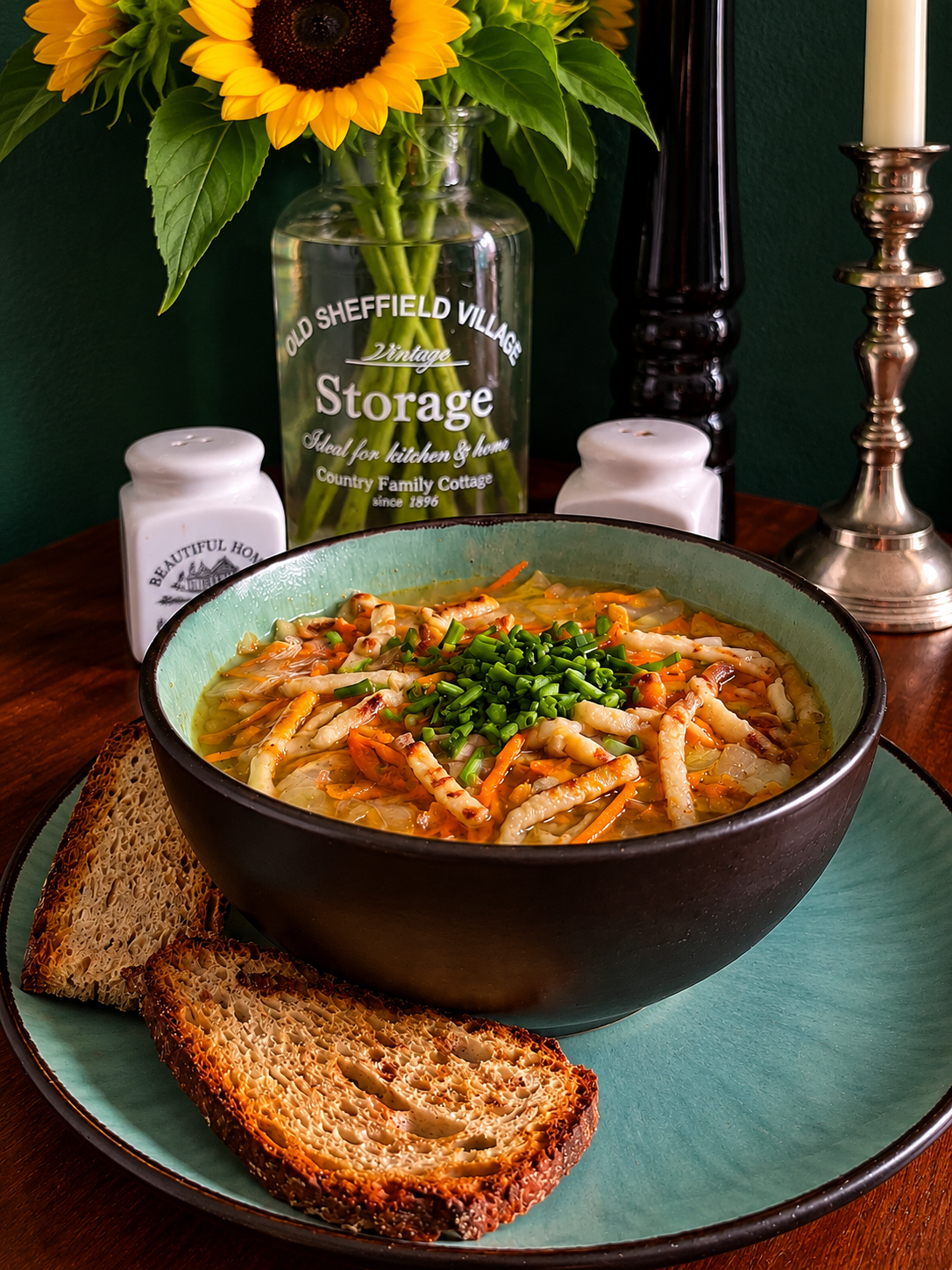
What Is Frittatensuppe?Frittatensuppe is a traditional Austrian soup made with thin pancakes rolled up, sliced into delicate strips and served in hot, flavourful broth. These pancake strips are called Frittaten, while the closely related southern German speciality is known as Flädlesuppe. Traditionally prepared with eggs, milk and often beef broth, my Via Veggie Vegan version uses chickpea flour pancakes, homemade vegetable broth, colourful vegetables and aromatic lovage, also known as Maggi herb, for a completely plant-based interpretation.
From my kitchen to your plate.
Lithuania – A Baltic Country of Forests, Lakes and Culinary Traditions
Lithuania is one of the three Baltic states, situated along the southeastern coast of the Baltic Sea. Its landscapes are characterized by forests, lakes, rivers, wetlands and gently rolling countryside. Agriculture and seasonal ingredients have shaped Lithuanian food culture for centuries. Potatoes, rye, cabbage, beets, mushrooms and root vegetables are important elements of traditional cooking, particularly in hearty dishes designed to provide warmth and nourishment during the colder seasons.
What Is Ropių Sriuba?
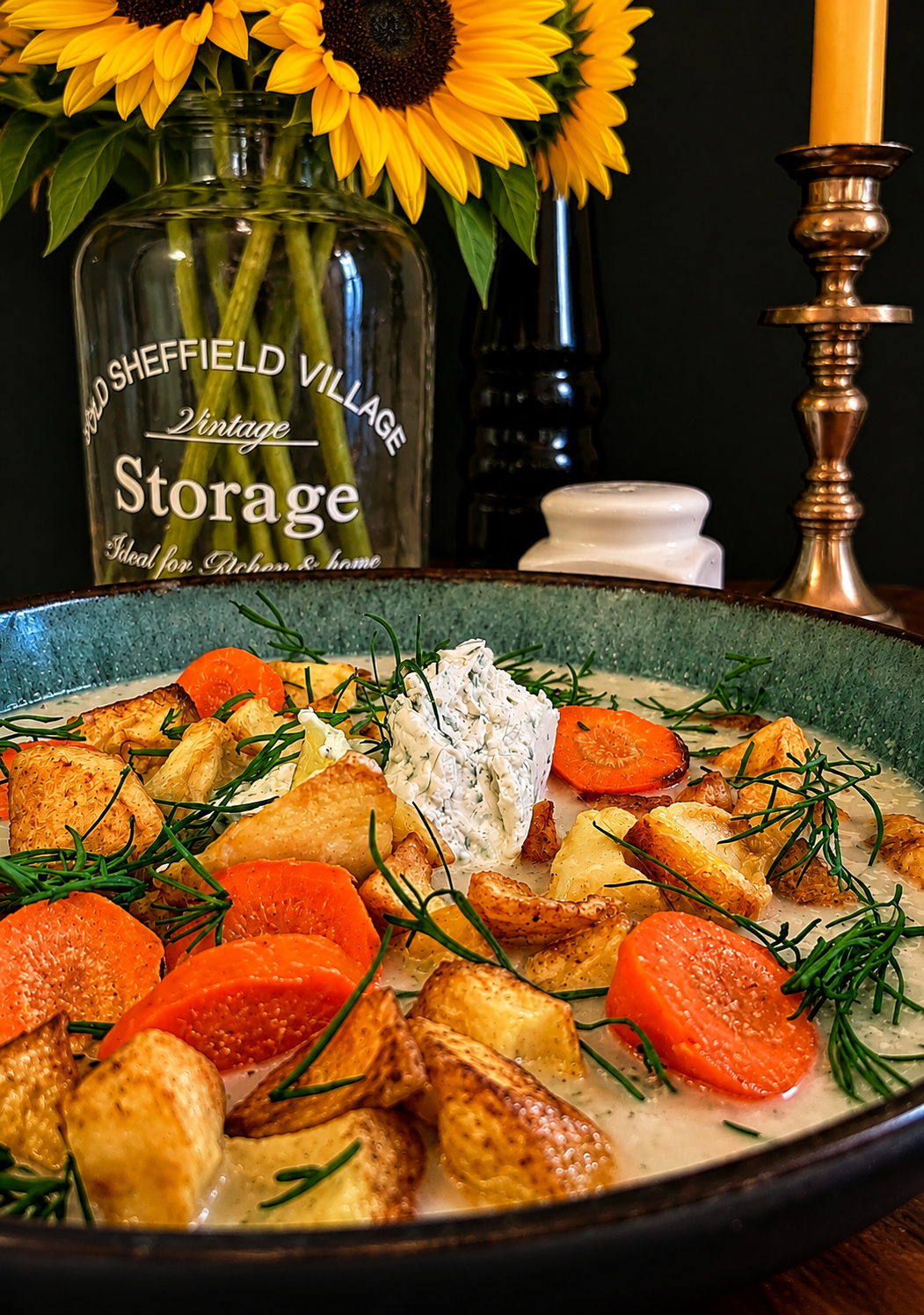
Ropių Sriuba literally means turnip soup in Lithuanian. Rather than referring to one strictly standardized national recipe, the name describes a traditional style of vegetable soup built around turnips and other seasonal ingredients. Turnips were cultivated in the Baltic region long before potatoes became a dominant staple. Combined with potatoes, carrots, leek and aromatic herbs, they create a satisfying rustic soup. This Via Veggie Vegan interpretation uses vegetable broth and vegan sour cream for a completely plant-based version of this comforting dish.
From my kitchen to your plate.
Yemen – A Land of Ancient Traditions and Aromatic Cuisine
Yemen is located at the southern end of the Arabian Peninsula and has a rich culinary heritage shaped by centuries of trade, agriculture and cultural exchange. Its cuisine is known for aromatic spices, hearty stews, traditional breads and distinctive condiments. Ingredients such as garlic, herbs, legumes and sesame appear in different regional preparations, reflecting Yemen's connections with the wider Middle East.
What Are Roasted Artichokes with Tahini Sauce?
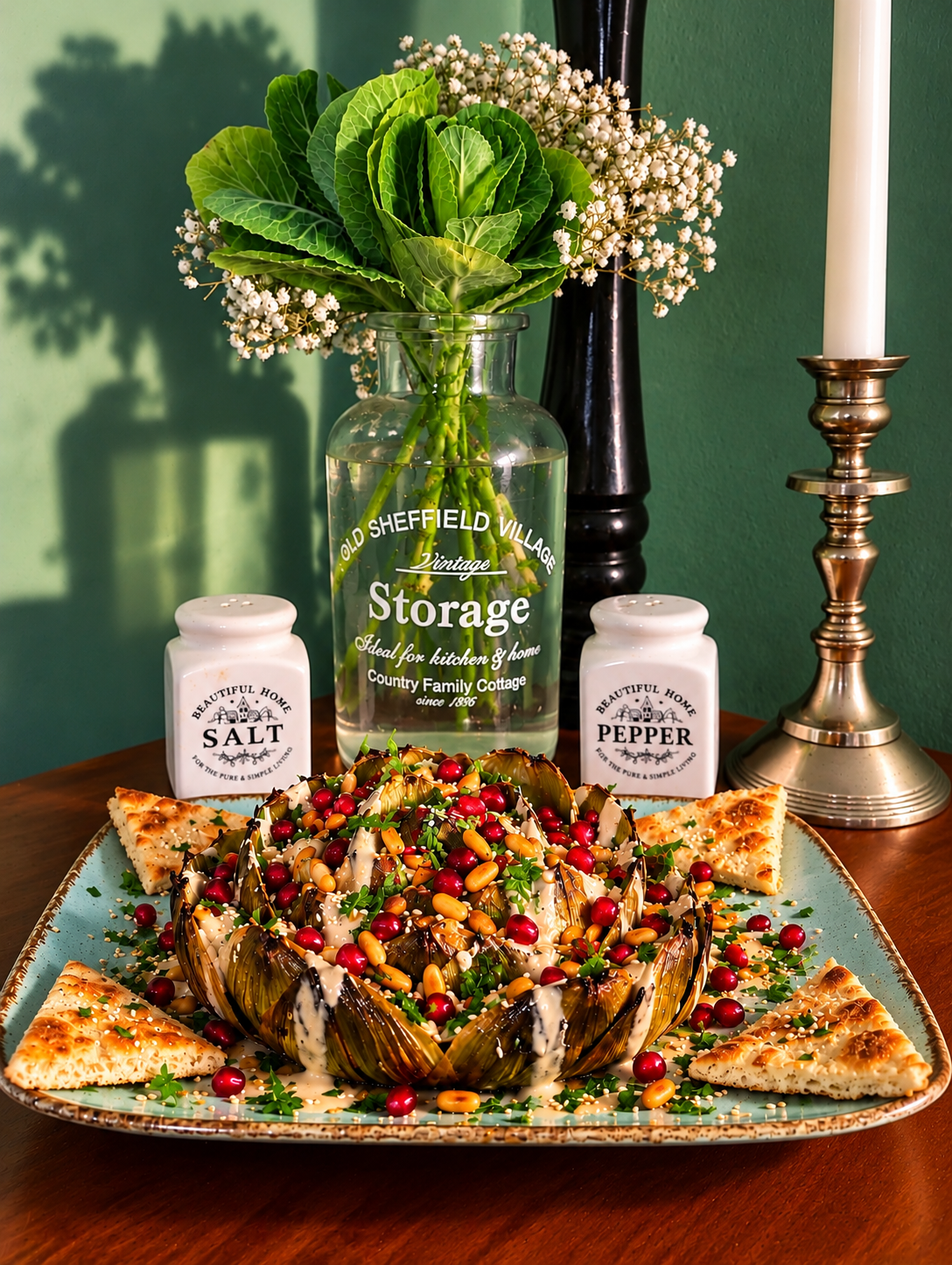
These roasted artichokes are a Via Veggie Vegan creation inspired by Middle Eastern and Levantine flavors rather than a documented traditional Yemeni national dish. Whole artichokes are roasted with olive oil and lemon until tender, then generously coated with taratur, a creamy sauce made from tahini, garlic, lemon juice and water. Toasted pine nuts, pomegranate seeds, sesame and fresh parsley add contrasting textures and flavors, while warm flatbread makes the dish perfect for sharing.
From my kitchen to your plate.
Israel – A Crossroads of Culinary Traditions
Located on the eastern Mediterranean, Israel has a diverse food culture shaped by Jewish communities from around the world and the culinary traditions of the wider Middle East. Markets, bakeries and street-food stalls offer fresh vegetable salads, aromatic flatbreads, hummus, tahini and falafel. Tel Aviv is particularly known for its lively food scene, where regional traditions and contemporary cooking meet.
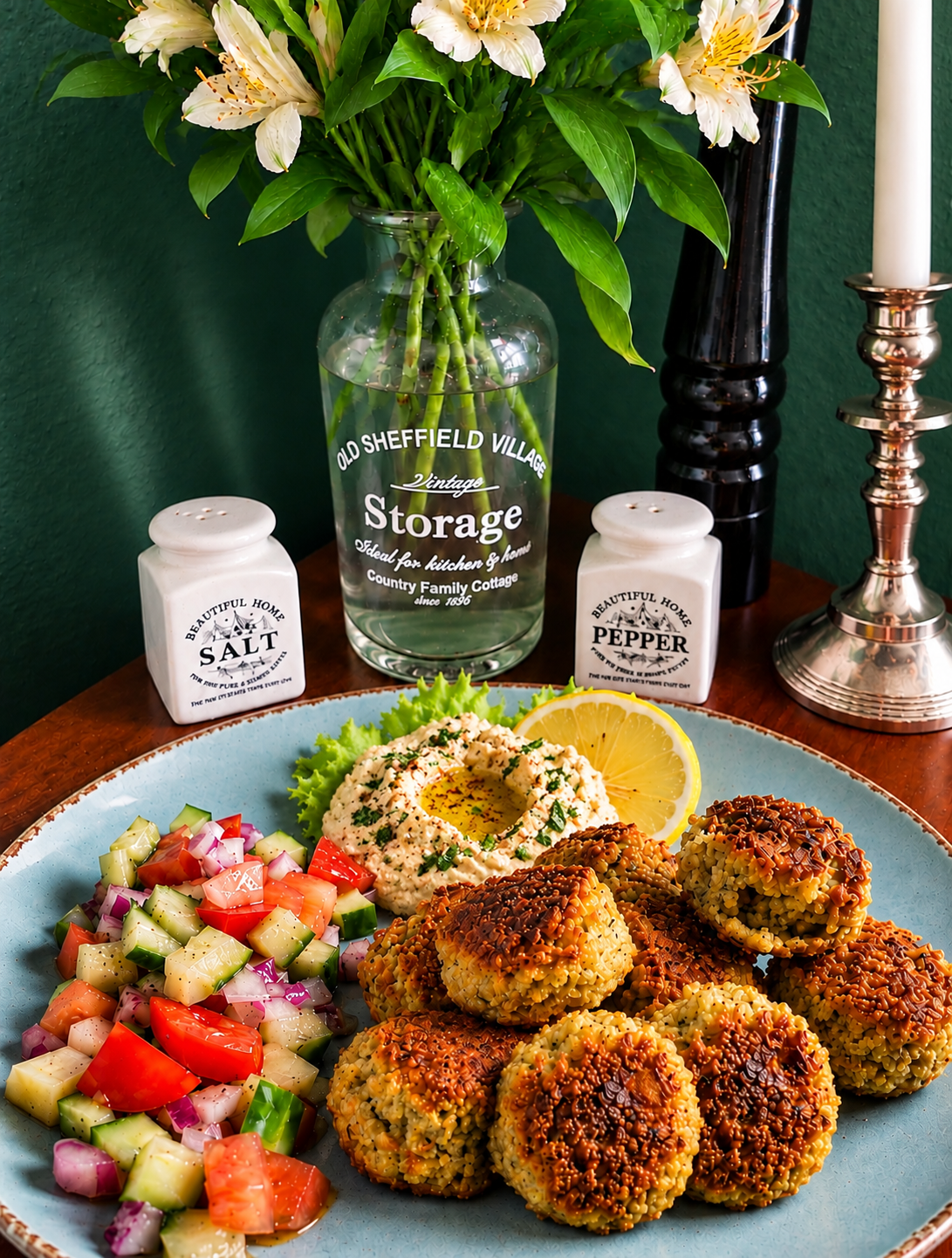
What Are Falafel with Hummus and Israeli Salad?
Falafel are crispy fried balls or patties made from soaked chickpeas, fava beans or both, seasoned with herbs and spices. Their origins are often associated with Egypt, and they have become popular throughout the Middle East, including Palestinian and Israeli cuisine. Served with creamy hummus and a finely chopped tomato-cucumber salad, they create a satisfying combination of textures and flavors. This naturally vegan version celebrates a classic Middle Eastern combination with plenty of garlic, cumin and coriander.
From my kitchen to your plate.
France – A Country of Culinary TraditionsFrance is renowned for its diverse regional cuisine, centuries-old culinary traditions and appreciation of carefully prepared food. From rustic countryside dishes to refined restaurant cooking, French cuisine places great importance on developing flavor through ingredients and technique. Onions, butter, fresh herbs, cheese and rich stocks are familiar elements in many traditional preparations. One of the country's best-known comfort foods is Soupe à l'oignon, the classic French onion soup, especially associated with Parisian bistro cooking.
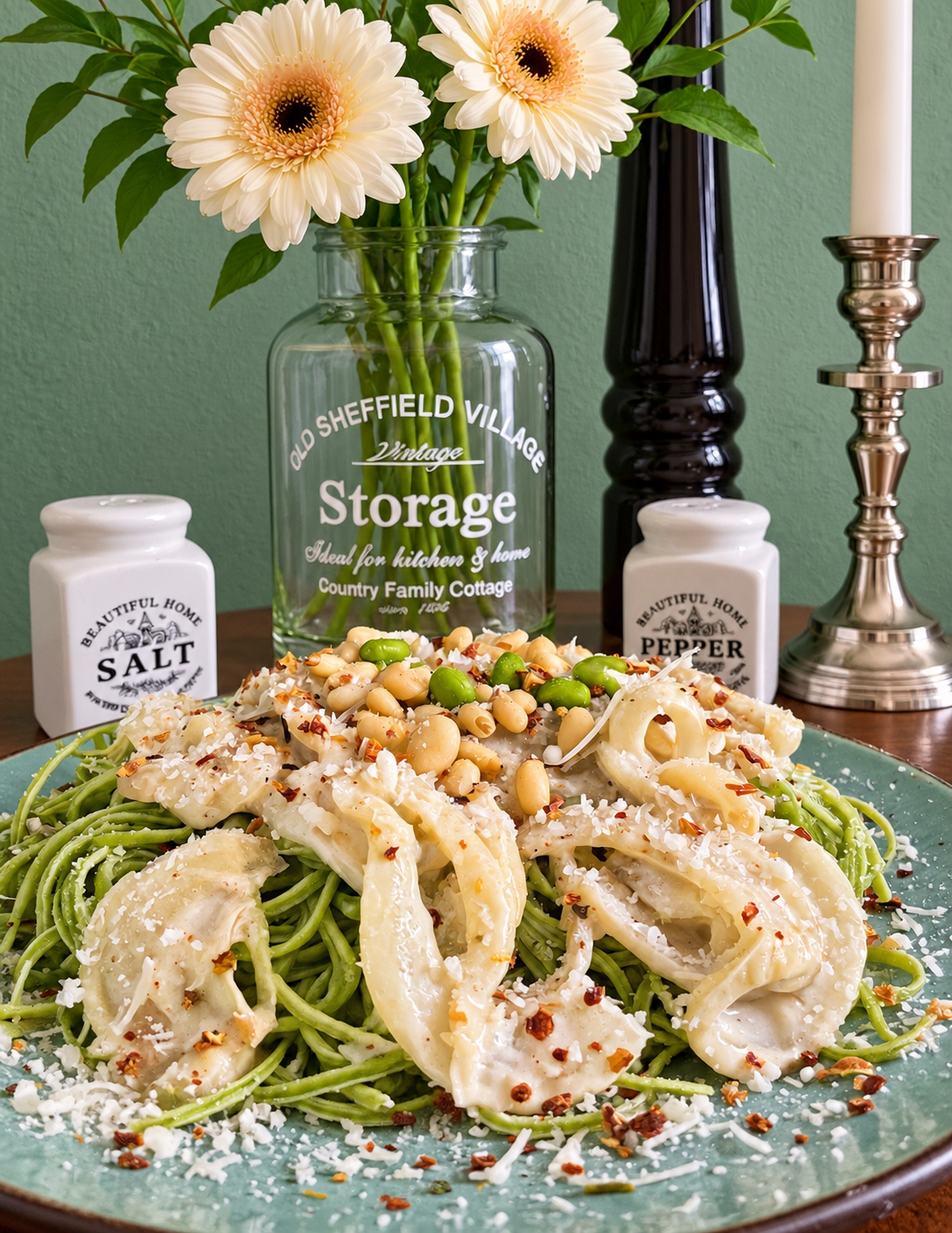
What Is French Onion Pasta?French Onion Pasta is not a traditional French dish. It is a modern pasta creation inspired by the flavors of French onion soup, particularly its slowly caramelized onions, thyme, savory broth and melted cheese. Viral versions reinterpret these familiar ingredients as a creamy pasta sauce. My vegan variation uses Edamame Spaghetti, homemade vegetable stock, vegan cheddar-style cheese, nutritional yeast and plant-based cream. Apple cider vinegar replaces the acidity sometimes provided by wine, while lemon zest, nutmeg, toasted pine nuts and pistachios add my own personal touch.
From my kitchen to your plate.
Germany – Where the Broiler Became an East German IconGermany's regional food culture reflects a fascinating mix of traditions and historical influences. During the years of the German Democratic Republic (DDR), the word Broiler became an everyday term for roast chicken. Borrowed from English, where broiling refers to cooking with intense direct heat and broiler also describes a chicken raised for meat, the term became firmly established in East German food culture. Goldbroiler restaurants and takeaway counters helped turn the dish into a familiar DDR favorite.
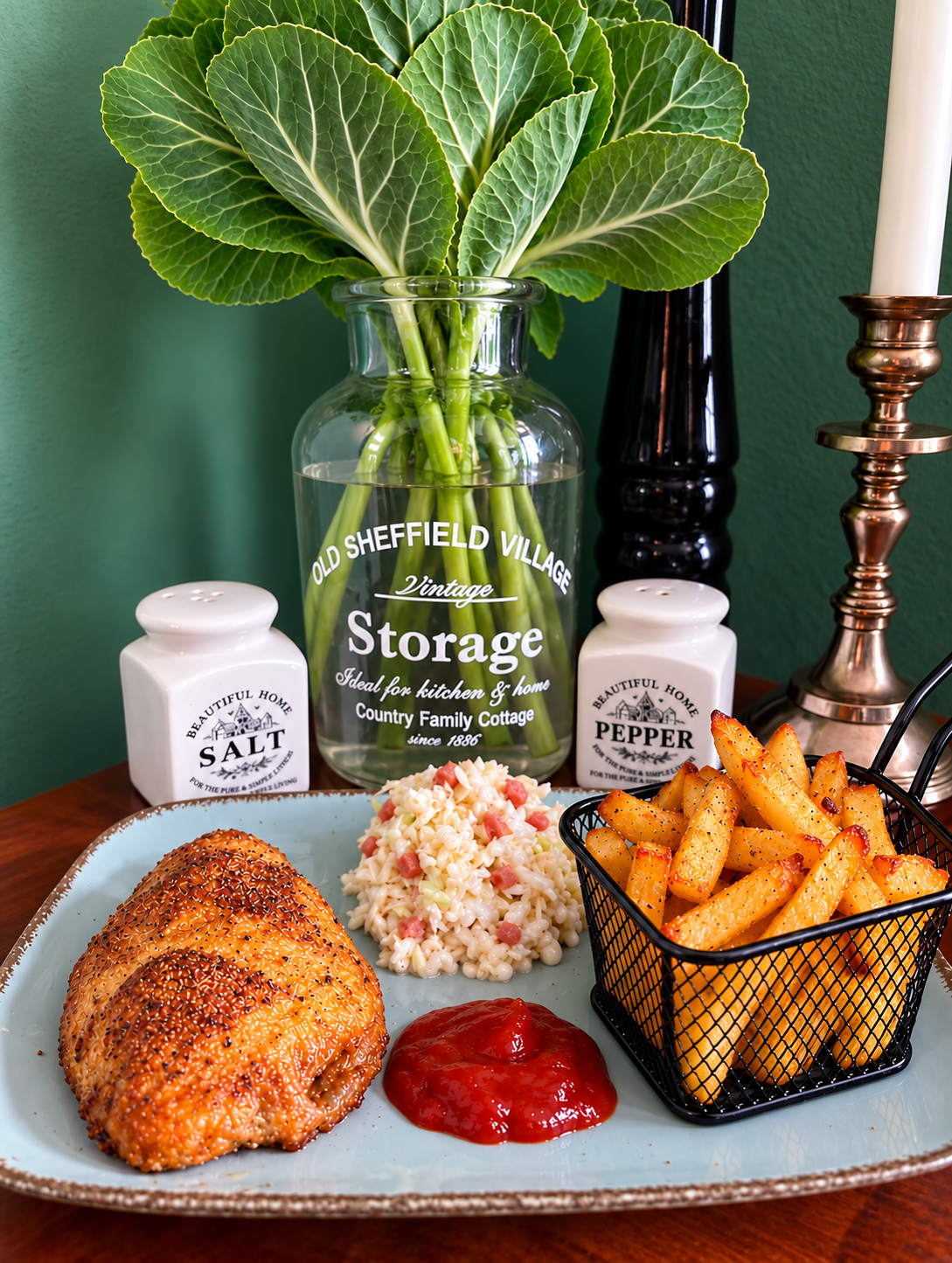
What Is a Goldbroiler?A Goldbroiler is a seasoned roast chicken with a characteristic golden-brown skin. Its popularity grew in the DDR during the 1960s, when poultry production and dedicated chicken restaurants expanded. My vegan version replaces the chicken with a plant-based alternative and recreates the crispy skin using seasoned rice paper. Homemade fries, white cabbage coleslaw and espresso ketchup complete this nostalgic East German-inspired meal.
From my kitchen to your plate.
Belgium – A Country of Culinary Comfort Belgium may be famous for its waffles, chocolate and fries, but its culinary traditions also include hearty vegetable dishes, warming soups and comforting home cooking. Brussels sprouts have a particularly close historical connection with the region around Brussels, where they have been cultivated for centuries. These little green cabbages eventually became known internationally by the name of the Belgian capital.
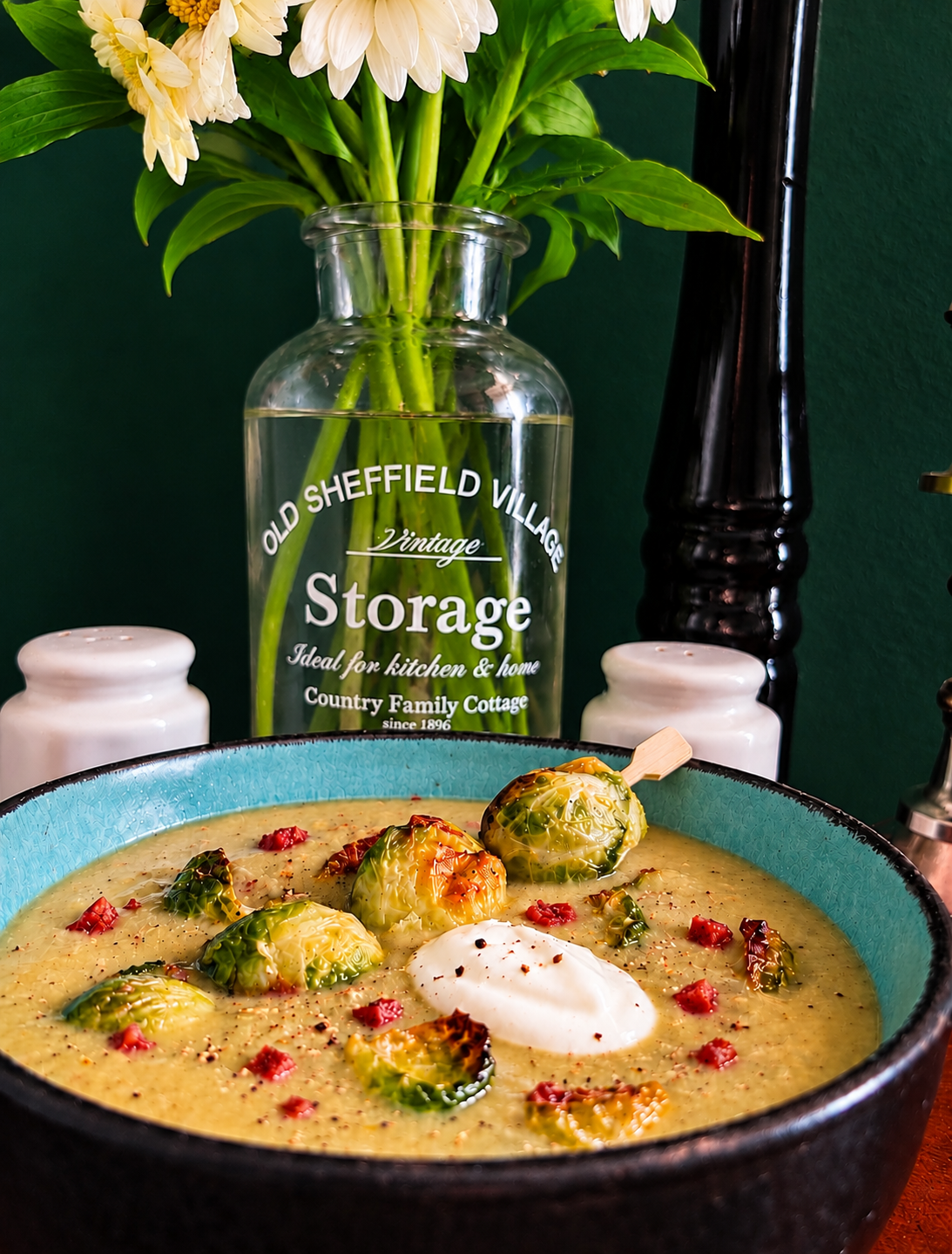
What Is Spruitjessoep? Spruitjessoep simply means Brussels sprout soup in Dutch, one of Belgium's official languages. There is no single definitive recipe: variations may include potatoes, onions, stock and cream. My Belgian-inspired version combines a silky Brussels sprout and potato soup with oat cream, nutritional yeast, crispy vegan ham and roasted sprouts. Maple-glazed Brussels sprout skewers add a slightly sweet, caramelized finishing touch.

From my kitchen to your plate.
Potatoes, My One True LoveSome people fall in love with chocolate. Others can't live without pasta. Me? Potatoes! Absolutely, completely, unapologetically potatoes. Boiled, fried, roasted, baked, mashed or Hasselback-style – I love them all. Give me a potato and I'll find a way to turn it into something delicious. So when my culinary journey brought me to Belarus and its famous Draniki, I knew this was going to be a match made in potato heaven. After all, if there's one vegetable that deserves a little extra love, it's definitely the humble potato!
Love Is in the Shape of a PotatoTraditional Belarusian Draniki are usually round, but why settle for ordinary potato pancakes when you can turn them into little hearts? Exactly! I finely grated the potatoes and onion, added plenty of garlic, nutritional yeast and a pinch of nutmeg, then shaped the mixture into adorable potato hearts. A quick trip to the frying pan, a little finishing time in the oven, and there they were: golden, crispy on the outside and beautifully tender inside. Naturally, a generous spoonful of vegan sour cream and a shower of fresh chives had to join the party. Because even true love deserves a little seasoning. Team Garlic certainly approves!
There Is One Exception, Though...Now, I've said that I love potatoes in practically every possible form. Well, almost every form. Because there's one potato product I can happily live without: vodka! Since I don't drink alcohol, I'll gladly leave the potato spirits to somebody else. I'd much rather enjoy my potatoes golden, crispy and shaped like little hearts. No complicated ingredients, no fancy techniques – just potatoes, a little patience and a whole lot of love. Belarus, you've certainly found the way to my heart. Through my stomach, obviously! Via Veggie Vegan – A Culinary Journey Around the World.
From my kitchen to your plate.
Ethiopia – A Rich Culinary HeritageEthiopia, located in the Horn of Africa, has a distinctive culinary tradition shaped by regional ingredients, agricultural practices and centuries of cultural history. Legumes, vegetables, aromatic spices and fermented flatbreads play important roles in many Ethiopian meals. Plant-based dishes are especially significant during religious fasting periods.
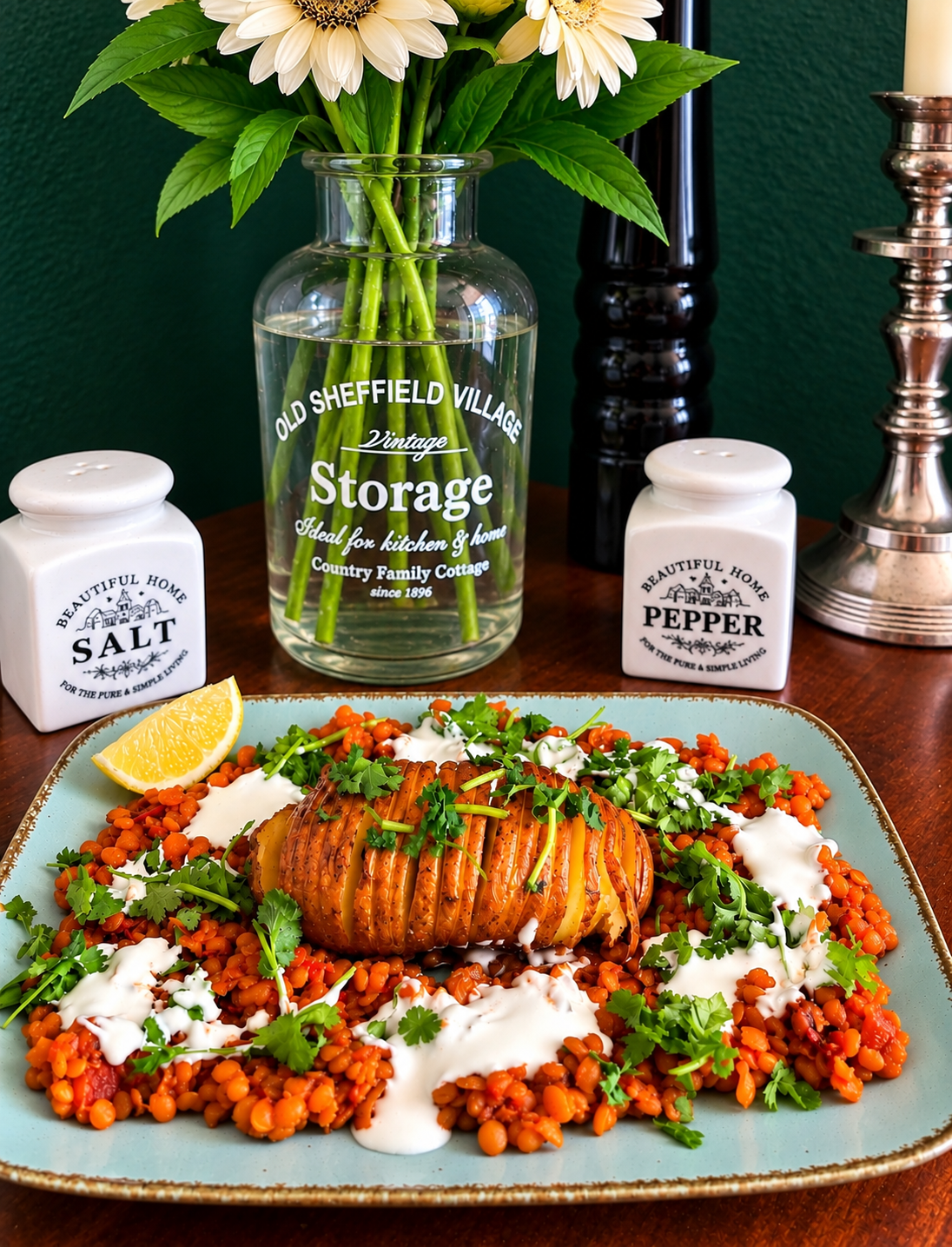
What Is Misir Wot?Misir Wot is a traditional Ethiopian red lentil stew, typically prepared with slowly cooked onions and berbere, a fragrant spice blend containing chilli and warming spices. Wot, also written wat, refers to a variety of Ethiopian stews made with vegetables, legumes or animal-based ingredients. My Via Veggie Vegan interpretation combines creamy, berbere-style red lentils with a golden Hasselback sweet potato, fresh coriander, vegan sour cream and lime. The Hasselback technique originates from Swedish cooking, making this colourful presentation a creative fusion rather than a traditional Ethiopian serving style.
From my kitchen to your plate.
Argentina – The Land of AsadoArgentina is famous for its asado, a traditional grilling culture that brings family and friends together. Grilled dishes are often accompanied by fresh, aromatic condiments such as Salsa Criolla, reflecting the country's passion for bold flavours and shared meals.
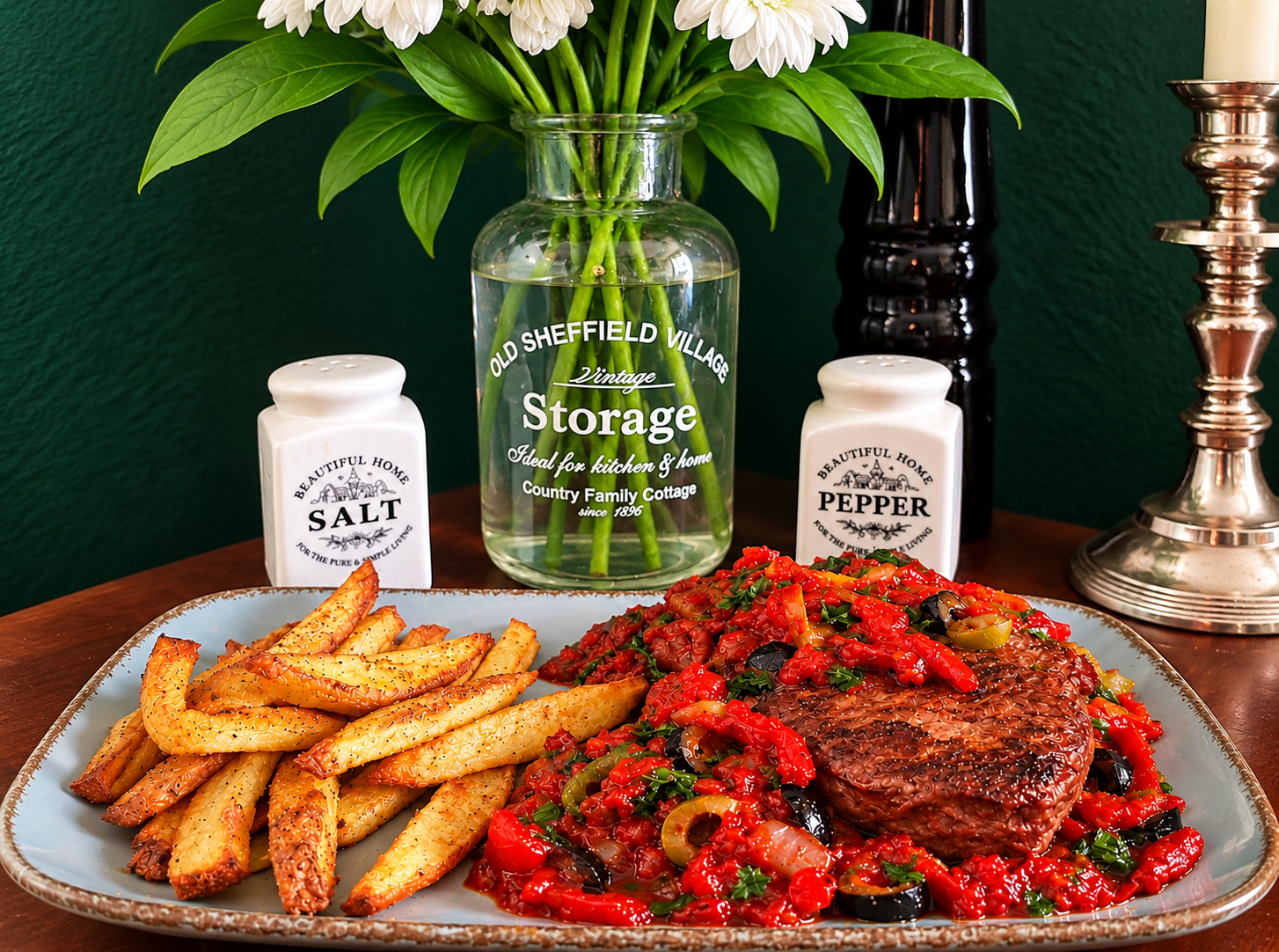
What Is Salsa Criolla?Salsa Criolla is a traditional Argentinian condiment made with finely chopped tomatoes, onions, bell peppers, oil, vinegar and seasonings. Unlike herb-based chimichurri, it is fresh, chunky and colourful. My Via Veggie Vegan interpretation combines a juicy Planted Steak with homemade Salsa Criolla, green and black olives, spicy peppers and beetroot juice instead of vinegar. A plant-based twist on an Argentinian classic!
From my kitchen to your plate.
Bolivia – Andean Traditions and the Love of PumpkinBolivia is a landlocked country in South America, known for its spectacular Andean landscapes, rich Indigenous heritage and diverse regional food traditions. Potatoes, corn, legumes and squash have played an important role in local cooking for generations. In southern Bolivia, particularly around Tarija, hearty vegetable preparations reflect the region's culinary traditions. Pumpkin, known as zapallo in Spanish, is a popular ingredient in comforting dishes that combine seasonal vegetables, aromatic spices and locally available produce.
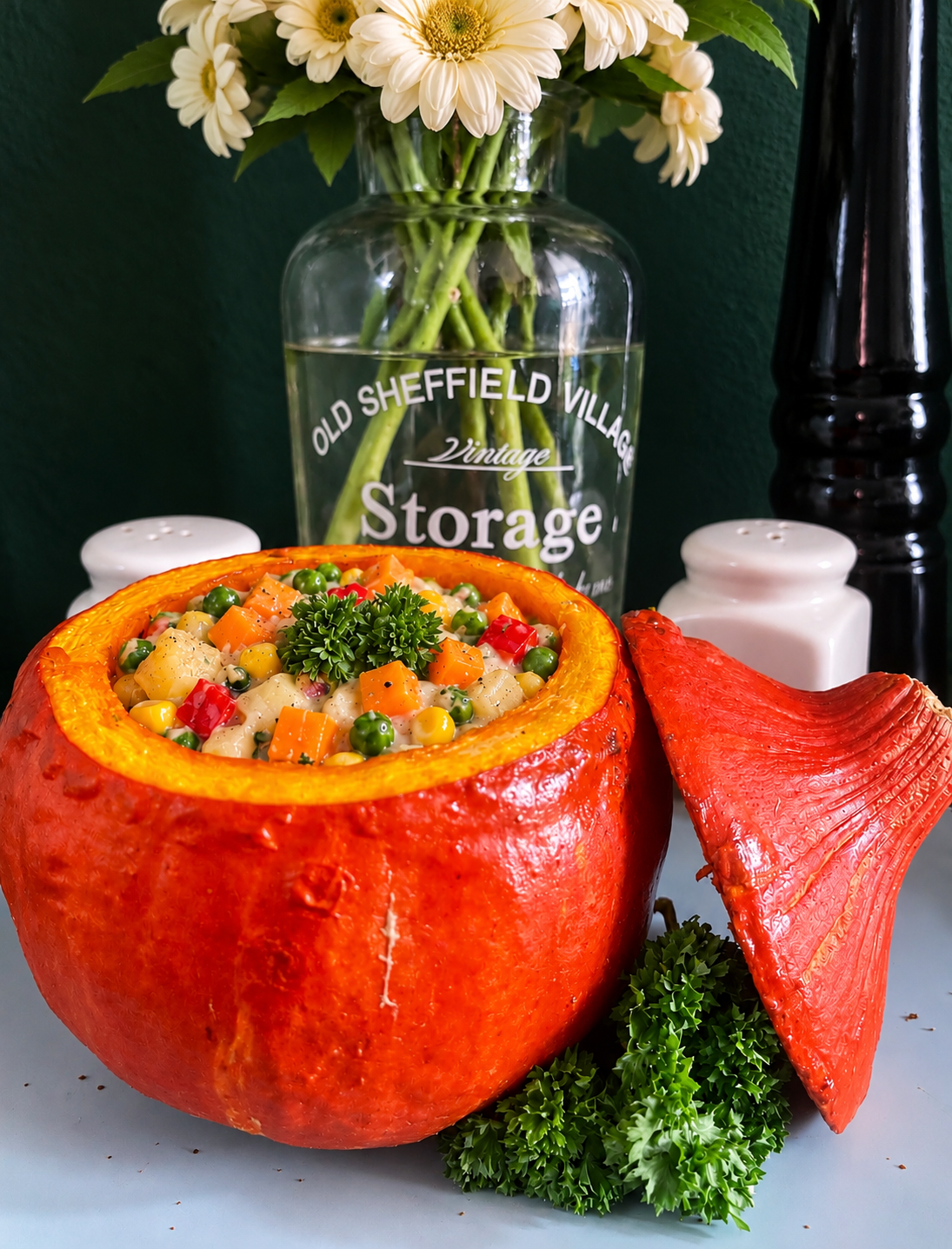
What Is Carbonada de Zapallo?Carbonada de Zapallo is a pumpkin-based stew associated with Bolivian and broader South American culinary traditions. Related dishes, including Locro de Zapallo, combine pumpkin with ingredients such as potatoes, corn, peas and other vegetables, although recipes vary considerably between regions and households. My Via Veggie Vegan interpretation transforms this hearty vegetable stew into a colourful plant-based main course served inside two roasted Hokkaido pumpkins. Brushed with chili oil and filled with potatoes, corn, peas, aromatic vegetables, cumin, oregano and melted vegan cheese, the pumpkins become edible serving bowls. Their naturally sweet flesh and tender skin complement the savoury, spicy filling, creating a delicious zero-waste dish inspired by Bolivia.
From my kitchen to your plate.
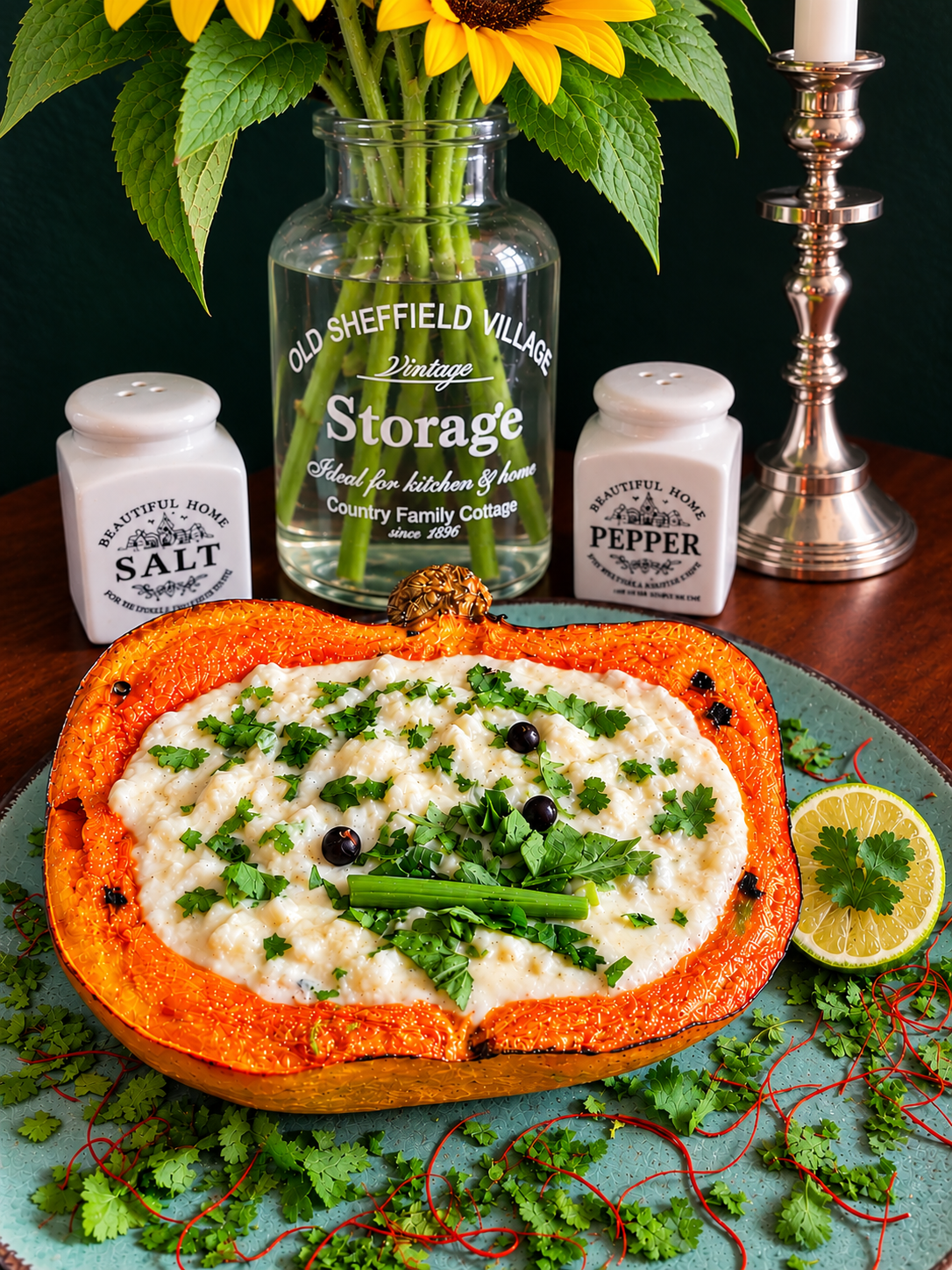
Palava Sauce is a well-known dish in Ghanaian cuisine and part of the wider culinary traditions of West Africa. At its heart are leafy greens cooked in a rich, savory sauce with tomatoes, onions and aromatic seasonings.
In Ghana, Palava Sauce is commonly prepared with kontomire, the leaves of cocoyam. These leafy greens are widely used in Ghanaian cooking and contribute a distinctive flavor and texture to traditional vegetable dishes.
Recipes vary between regions and households. Depending on the preparation, Palava Sauce may contain additional ingredients such as ground seeds, fish or other sources of protein. It is commonly served with a starchy accompaniment that balances the rich vegetable sauce.
This plant-based version replaces traditional kontomire with fresh spinach, which is more readily available outside West Africa. Tomatoes, onions, garlic, ginger and chili create an aromatic base, while peanut butter adds creaminess and a nutty flavor.
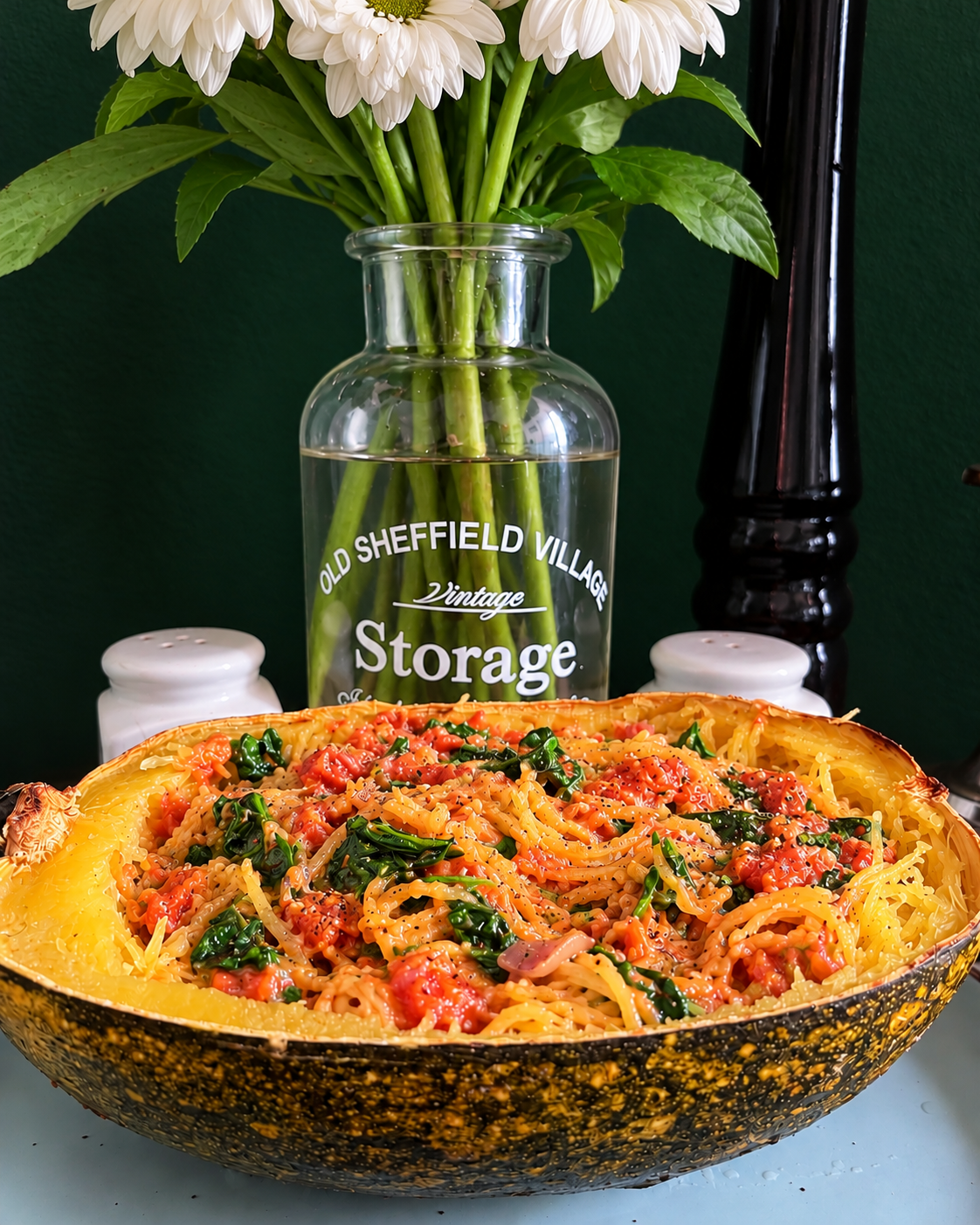
Instead of serving the sauce with a traditional Ghanaian accompaniment, this version pairs it with roasted spaghetti squash. The squash develops tender, golden strands that resemble spaghetti when loosened with a fork.
Served directly inside the roasted squash halves, the dish combines a Ghanaian-inspired spinach sauce with a creative vegetable-based presentation. The mild sweetness of the squash complements the savory, slightly spicy Palava Sauce.
From my kitchen to your plate.
The Philippines – A Culinary Love Affair with Coconut
The Philippines is an archipelago of more than 7,600 islands in Southeast Asia, with a wonderfully diverse culinary heritage shaped by regional traditions, tropical ingredients and centuries of cultural exchange. Coconut is an essential ingredient in many Filipino kitchens, particularly in regions where coconut palms grow abundantly. One beloved cooking technique is known as ginataan, which involves simmering vegetables, seafood, meat or even sweet ingredients in coconut milk. Combined with aromatic garlic, ginger, onions and chili, coconut milk creates wonderfully rich and comforting dishes. Squash and yardlong beans are especially popular vegetables in Filipino home cooking, making their combination a delicious example of the country's flavorful everyday cuisine.
Ginataang Kalabasa at Sitaw – Filipino Comfort Food with a Creative Twist
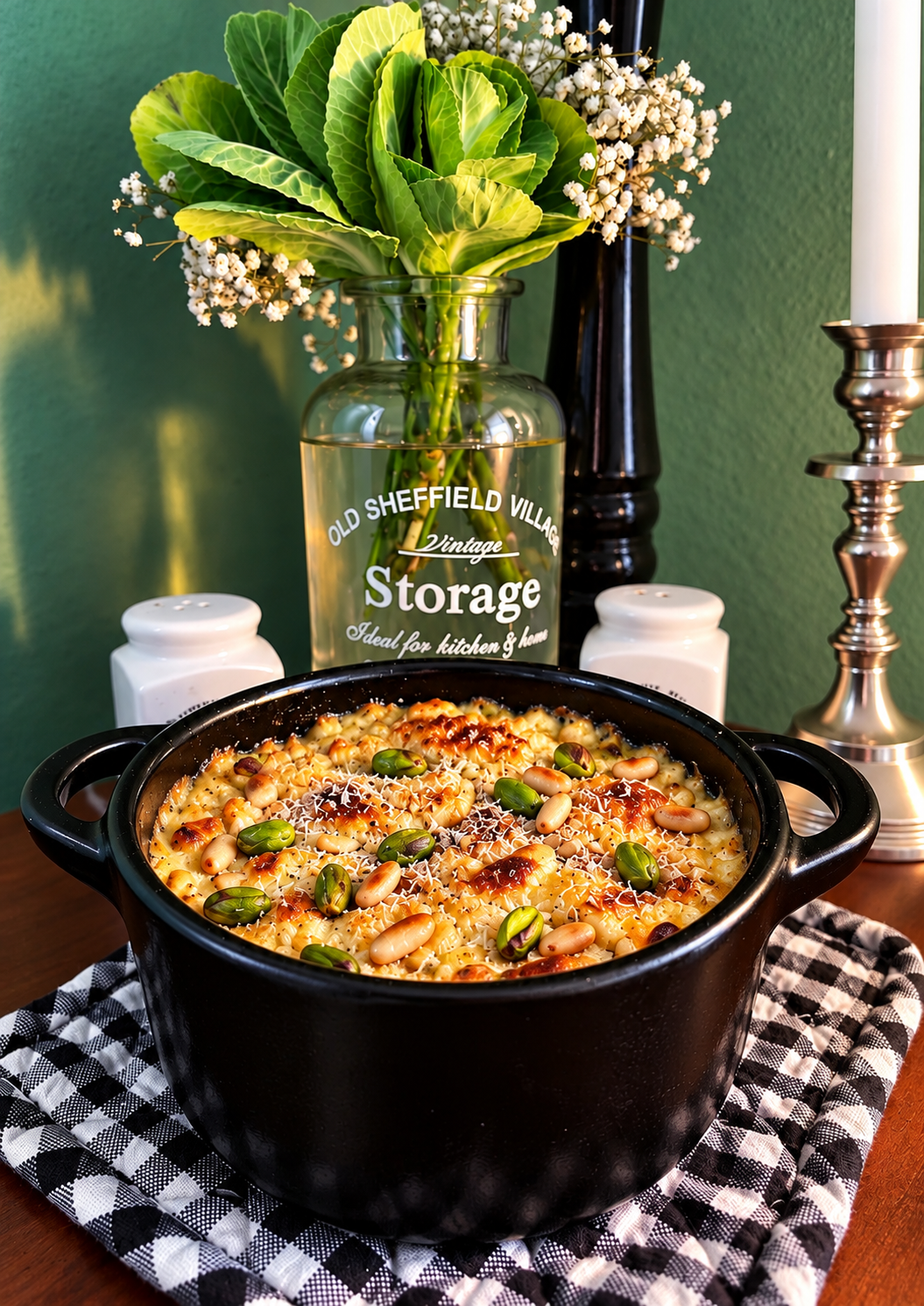
Ginataang Kalabasa at Sitaw translates roughly to squash and yardlong beans cooked in coconut milk. Kalabasa refers to squash, while sitaw describes the long, slender beans commonly used in Filipino cooking. Traditional preparations often include shrimp, pork or fish sauce, although the ingredients and seasonings vary between households. My completely vegan interpretation uses plant-based fish sauce, plenty of garlic, fresh ginger, chili and creamy coconut milk. Instead of traditional kalabasa, I roast a small Hokkaido squash and transform its two halves into edible serving bowls. Fresh coriander, lime and homemade lemongrass salt add my personal Via Veggie Vegan signature. The result is Filipino comfort food at heart, with a generous helping of Team Garlic, Team Spicy and a little zero-waste kitchen magic.
From my kitchen to your plate.
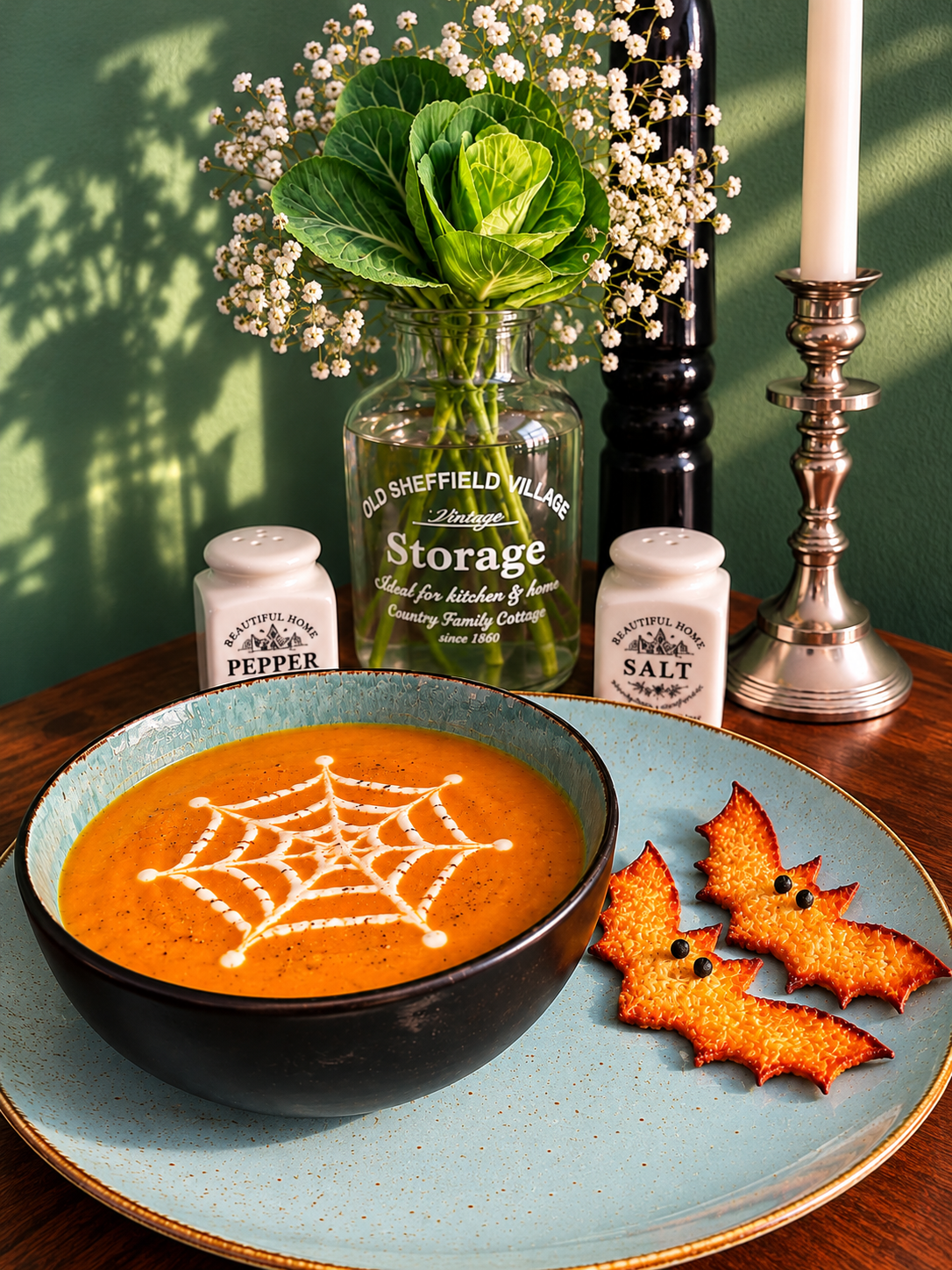
Chile – A Tradition of Comforting Savory CasserolesChile stretches along the western coast of South America and has a diverse culinary heritage shaped by Indigenous traditions, Spanish influences and regional ingredients. Savory baked dishes, known as budines, are a familiar part of Chilean home cooking. Budín de Alcachofas is a comforting artichoke casserole traditionally prepared with ingredients such as eggs, milk, cream, cheese and bread soaked in milk. Its soft, creamy texture and delicate artichoke flavor make it a wonderful example of Chilean comfort food.
What Is Vegan Budín de Alcachofas?Vegan Budín de Alcachofas is a plant-based interpretation of the traditional Chilean artichoke casserole. Tender artichokes are combined with sautéed onion, garlic, softened white bread, unsweetened oat drink, plant-based cooking cream and vegan cheddar alternative. Nutritional yeast adds savory depth, while a golden topping of vegan Parmesan-style cheese alternative, toasted pine nuts and pistachios provides a delicious contrast to the creamy filling. Baked until beautifully golden, this comforting dish can be served as a satisfying main course or in smaller portions as a side dish.
From my kitchen to your plate.
Zimbabwe – A Land of Natural Beauty and Culinary Traditions
Zimbabwe is a landlocked country in Southern Africa, known for its spectacular landscapes, including Victoria Falls, vast savannas and beautiful national parks. Its cuisine is closely connected to local agriculture and seasonal ingredients. Staple foods include maize, leafy greens, pumpkins, beans and groundnuts, which are used in a variety of traditional dishes. Groundnuts are especially valued for their rich, nutty flavor and their ability to add creaminess to sauces and stews.
What Is Zimbabwe-Inspired Butternut Peanut Soup?
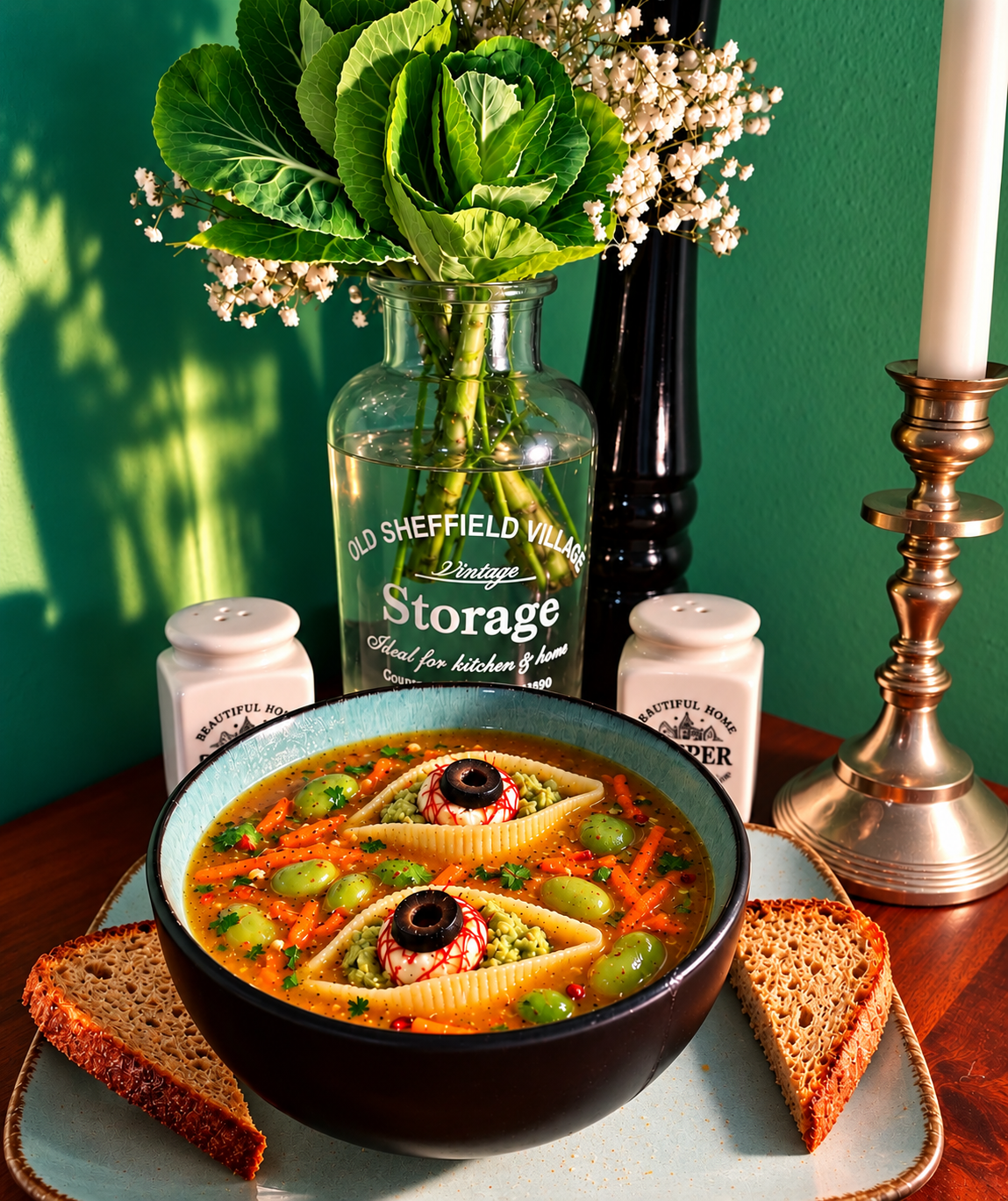
This creamy soup is a plant-based creation inspired by ingredients commonly used in Zimbabwean cooking rather than a specific traditional national dish. Sweet butternut squash meets juicy tomatoes, garlic, ginger, cumin, coriander and rich peanut butter for a wonderfully comforting combination. For my Via Veggie Vegan Halloween version, I've added a delicate oat cream spiderweb and two golden pumpkin bats made from reserved cooked squash and rolled oats. A little spooky creativity, plenty of flavor and absolutely no food waste!
From my kitchen to your plate.
Malta – Mediterranean Islands with a Rich Culinary Heritage
Malta is a small island nation in the Mediterranean Sea, south of Sicily, known for its historic cities, beautiful coastlines and distinctive culinary traditions. Maltese cuisine reflects centuries of Mediterranean influences, particularly from Sicily, Italy and North Africa. Seasonal vegetables, legumes, tomatoes, olive oil and fresh herbs are central to many traditional dishes. Broad beans are especially popular in spring and feature in several beloved Maltese specialties.
What Is Kusksu bil-Ful?
Kusksu bil-Ful is a traditional Maltese springtime soup made with broad beans, vegetables and tiny pasta pearls called kusksu. Depending on the family recipe, it may also include poached eggs and fresh Maltese cheeselets known as ġbejniet. For my Via Veggie Vegan Halloween interpretation, I replaced the traditional pasta pearls with giant conchiglioni shells and transformed vegan mozzarella, black olives and delicate chili threads into spooky edible eyeballs. The thick tomato and vegetable broth, flavored with rosemary and nutritional yeast, makes this comforting Maltese classic a deliciously playful Halloween creation.
From my kitchen to your plate.
Italy – Tuscany and the Art of Cucina Povera
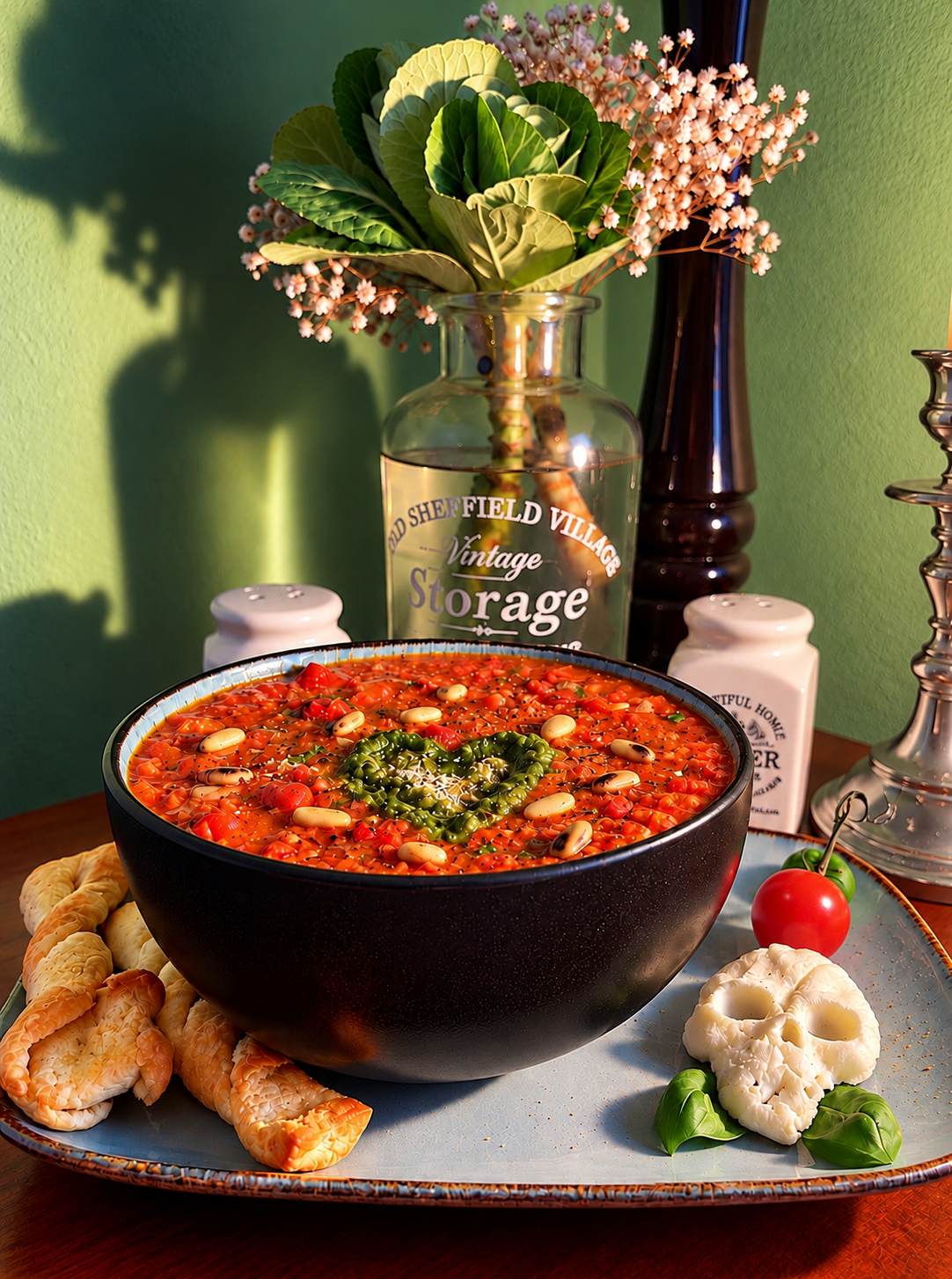
Italy is celebrated for its rich culinary heritage, where regional traditions and simple, seasonal ingredients play an essential role. Tuscany, in central Italy, is particularly famous for its rustic cuisine, featuring tomatoes, garlic, olive oil, fresh herbs and bread. The Tuscan philosophy of cucina povera transforms humble ingredients into delicious, satisfying dishes while making the most of every ingredient and minimizing food waste.
What Is Pappa al Pomodoro?
Pappa al Pomodoro is a traditional Tuscan tomato and bread soup made with ripe tomatoes, stale bread, garlic, extra virgin olive oil and fresh basil. The bread absorbs the tomato liquid and creates a wonderfully thick, rustic texture without cream or blending. This Italian classic is naturally vegan. For my Via Veggie Vegan Halloween interpretation, I've added a homemade basil pesto heart, crunchy pine nuts, a little skull made from vegan mozzarella alternative and crispy braided pastry twists prepared from leftover dough. A delicious combination of Italian comfort food, zero-waste creativity and a little spooky romance!
From my kitchen to your plate.
France – Alsace and Its Unique Culinary Heritage
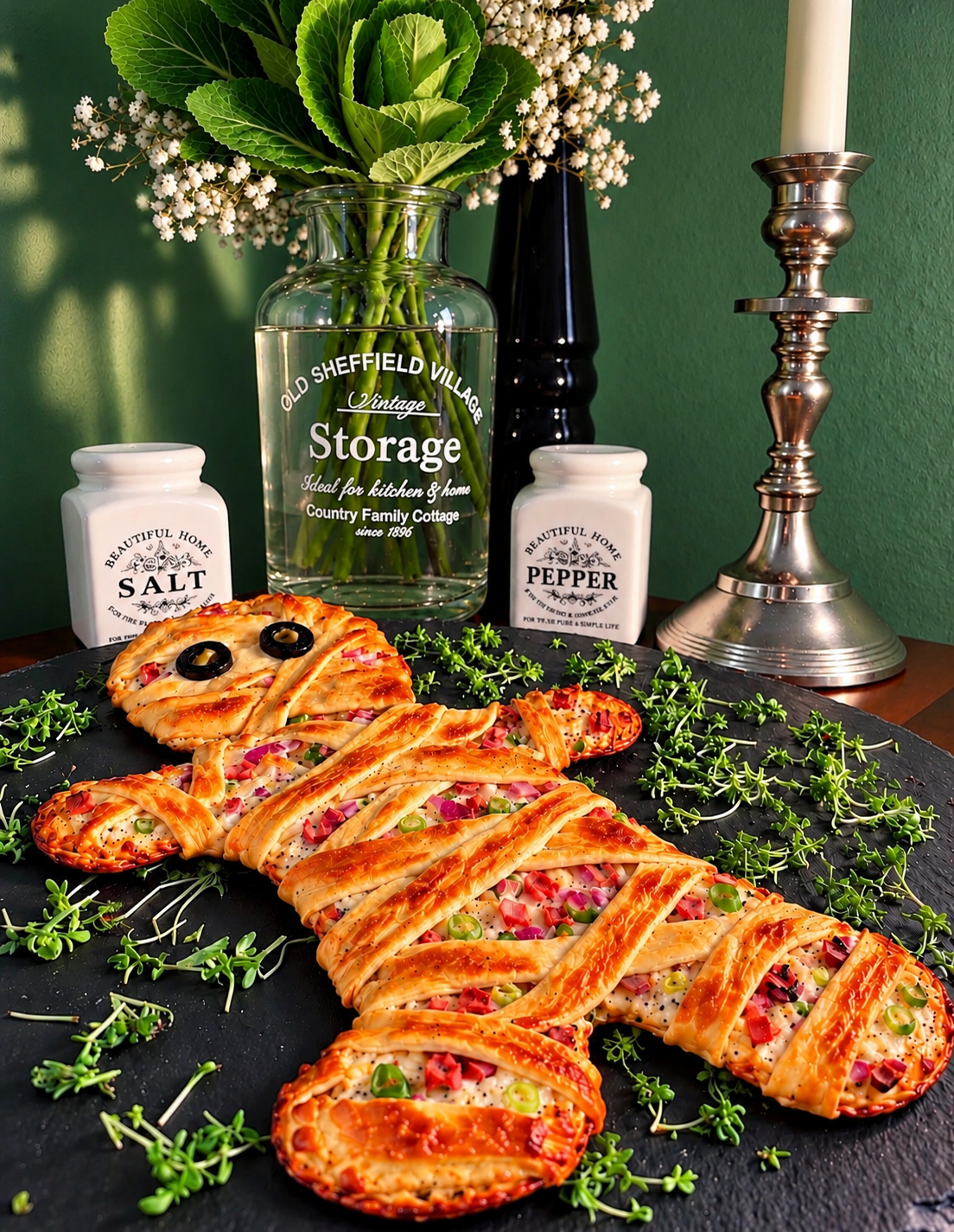
Alsace is a beautiful region in northeastern France, bordering Germany and Switzerland. Its cuisine reflects centuries of French and German cultural influences, combining rustic traditions with hearty, comforting flavours. One of the region's most famous specialities is Flammkuchen, known in French as tarte flambée. Traditionally baked in intensely heated wood-fired ovens, this thin, crispy flatbread is a beloved part of Alsatian food culture. Its classic combination of crème fraîche, onions and bacon demonstrates how just a few simple ingredients can create something wonderfully satisfying.
What Is Vegan Halloween Flammkuchen?
Vegan Halloween Flammkuchen is my playful, plant-based interpretation of the traditional Alsatian tarte flambée. Instead of dairy crème fraîche and bacon, I use a creamy vegan alternative and savoury plant-based bacon cubes, combined with red onions, spring onions, nutritional yeast and freshly grated nutmeg. The homemade yeast-free dough is rolled out thinly and shaped into two adorable Halloween mummies, complete with crispy pastry bandages and spooky olive eyes. This creative Via Veggie Vegan version brings together authentic Alsatian inspiration, delicious vegan ingredients and a generous helping of Halloween imagination – proving that even a French culinary classic can enjoy a wonderfully spooky makeover!
