Recipe postcard
Nepal – Culinary Traditions from the Himalayas
Nepal is a landlocked country in South Asia, home to the Himalayan mountains, including Mount Everest, and a remarkably diverse culinary heritage. Influenced by its geography, ethnic communities and neighbouring Tibetan and Indian food traditions, Nepalese cuisine features aromatic spices, rice, lentils, vegetables, pickles and freshly prepared breads. Food is an important part of family life, celebrations and hospitality.
Momos – Nepal's Beloved Steamed Dumplings
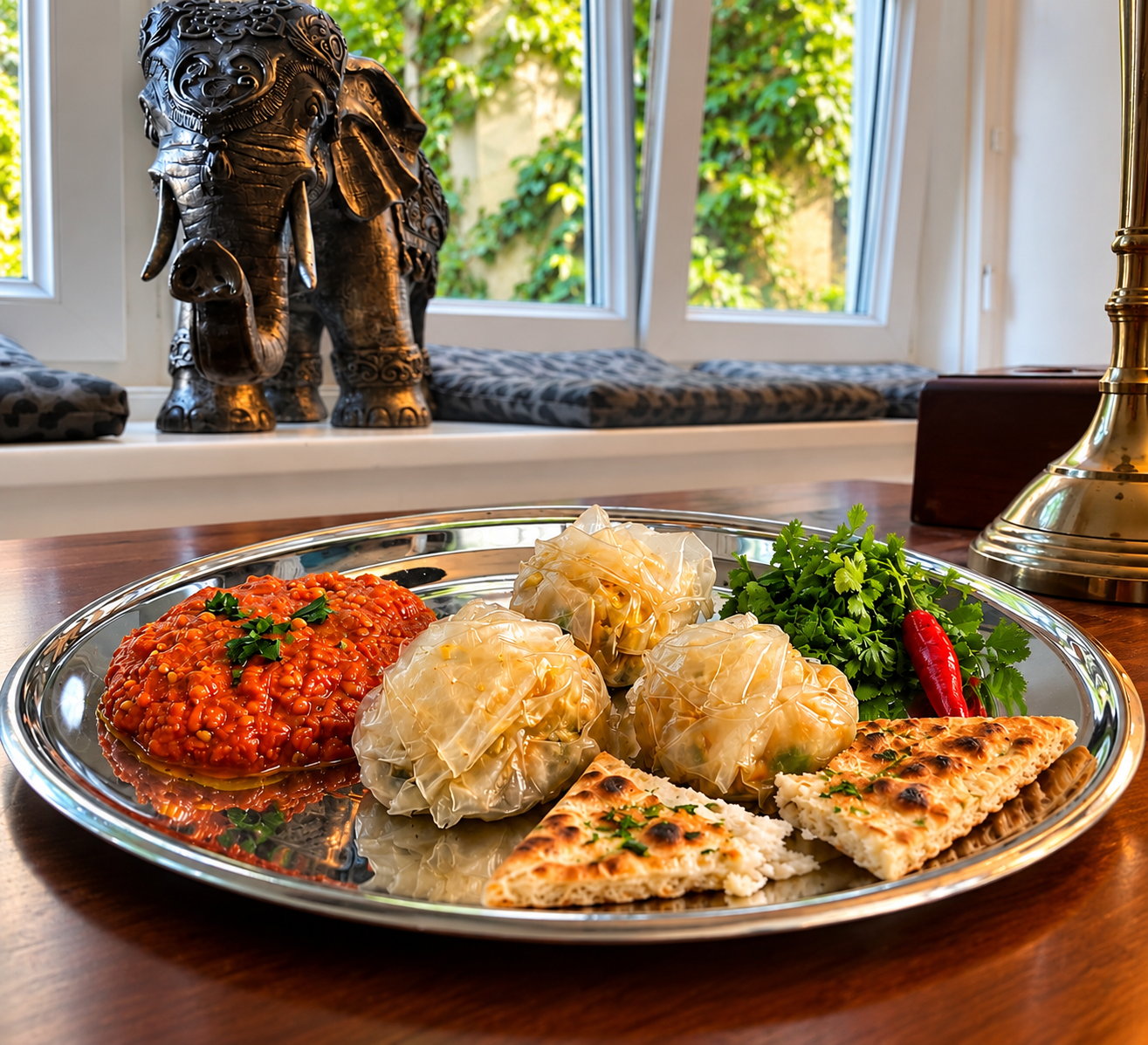
Momos are among Nepal's most popular dishes, with culinary roots closely connected to Tibetan dumpling traditions. These delicate parcels are typically filled with seasoned vegetables or meat, carefully folded by hand and steamed until tender. They are commonly served with a spicy dipping sauce known as achar, often prepared with tomatoes, sesame seeds and chillies. My Via Veggie Vegan version features a homemade vegetable filling, freshly ground Momo Masala and a fiery tomato sesame achar.
Cook this recipe →
Recipe postcard
Cyprus – An Island of Mediterranean Flavours
Located in the eastern Mediterranean, Cyprus has a rich culinary heritage shaped by its geography, agricultural traditions and centuries of cultural exchange. Fresh vegetables, olive oil, herbs, citrus fruits and legumes are essential ingredients in everyday cooking. Family meals often celebrate seasonal produce and dishes designed to be shared around the table.
Patates tou Fournou – Traditional Cypriot Oven Potatoes
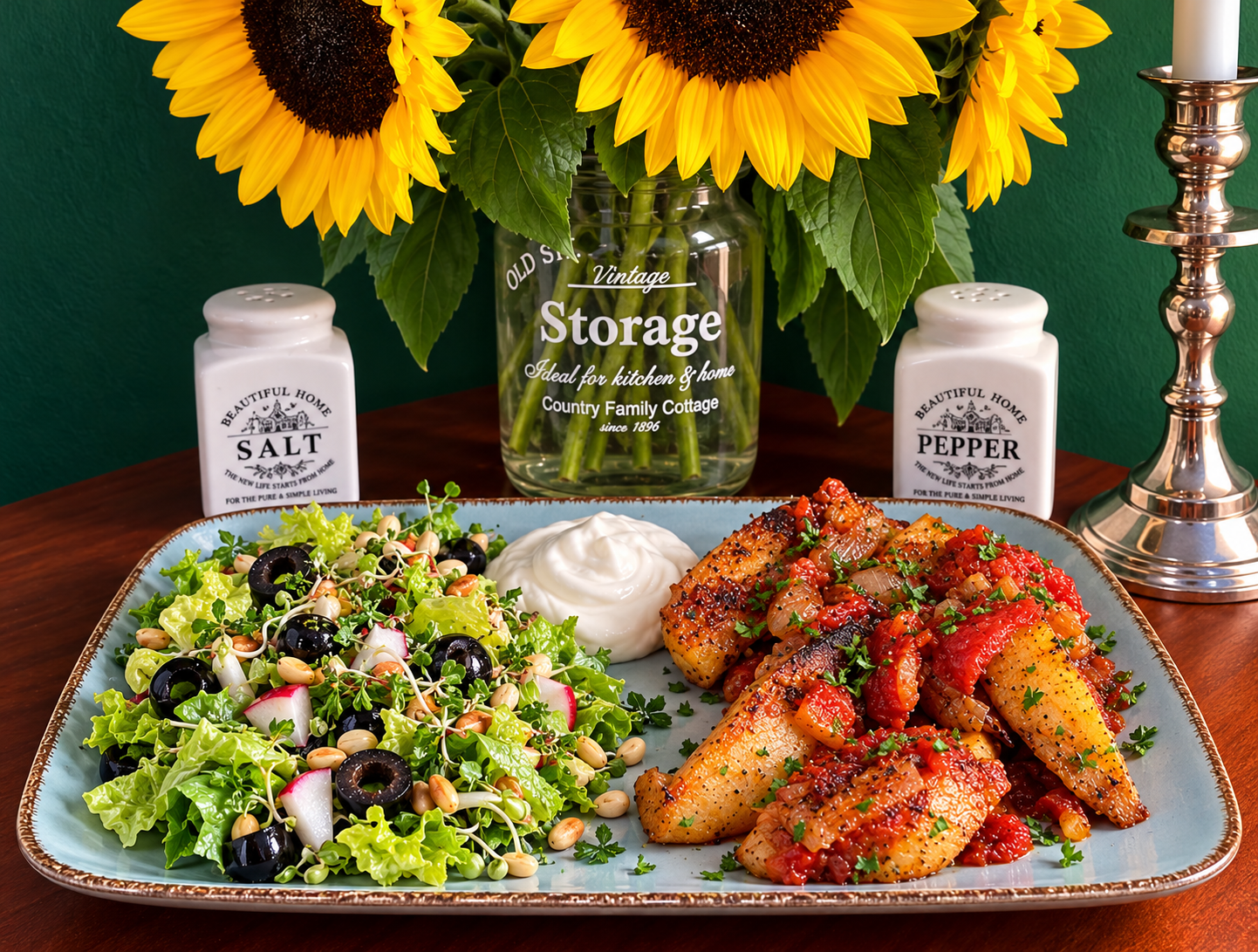
Patates tou Fournou (Πατάτες του Φούρνου) literally means oven potatoes. Unlike ordinary roasted potatoes, this traditional Cypriot speciality is slowly cooked with olive oil, aromatic oregano, tomatoes, onions and a little liquid. The potatoes first become tender through gentle steaming and braising before developing beautifully golden edges during the final uncovered roasting stage. A wonderfully rustic Mediterranean dish that is naturally vegan when prepared with vegetable stock.
Cook this recipe →

Recipe postcard
Scotland – Hearty Comfort Food from the Scottish Borders
Scotland is famous for its rugged landscapes, rich traditions and hearty cuisine. Root vegetables, potatoes and cabbage have long played an important role in Scottish home cooking, particularly in the Scottish Borders, where simple, warming dishes are a treasured part of culinary heritage.
What Is Rumbledethumps?
Rumbledethumps is a traditional Scottish dish made from mashed potatoes, cabbage and onions, usually finished with a generous layer of cheese. Often compared to Irish Colcannon or English Bubble and Squeak, it can be served as a vegetarian main course or as a side dish alongside hearty meat dishes and sausages. This Halloween-inspired vegan version adds Brussels sprouts, layers of savoy cabbage and a playful spiderweb topping.
Cook this recipe →
Recipe postcard
Brazil – A Country of Culinary DiversityBrazil is the largest country in South America, renowned for its extraordinary biodiversity, tropical landscapes, vibrant cities and rich cultural heritage. Its cuisine reflects centuries of Indigenous Brazilian, African, Portuguese and other cultural influences, creating a fascinating variety of regional food traditions. From the Amazon rainforest to the Atlantic coastline, local ingredients and cooking techniques differ considerably. Coconut milk, cassava, beans, peppers, fresh herbs and tropical fruits all play important roles in Brazilian cooking. The northeastern state of Bahia is particularly famous for its aromatic, colourful dishes and strong Afro-Brazilian culinary heritage, making it a wonderful source of inspiration for my Via Veggie Vegan journey.
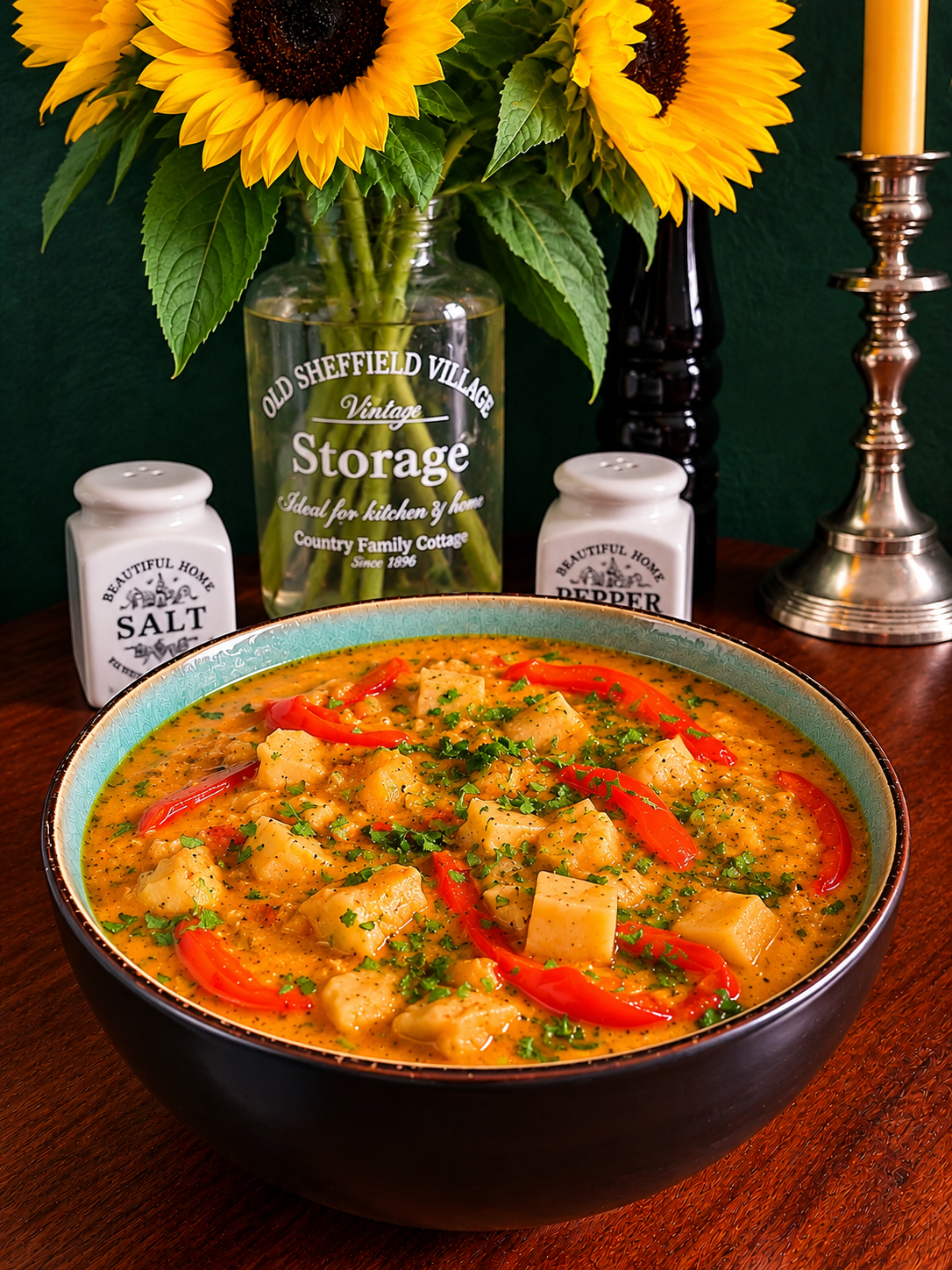
What Is Moqueca de Salsão-Raiz?Moqueca is a traditional Brazilian stew particularly associated with the coastal states of Bahia and Espírito Santo. Moqueca baiana typically combines fish or seafood with coconut milk, red palm oil, tomatoes, peppers, onions and coriander, while moqueca capixaba follows a different regional tradition without coconut milk or palm oil. My Moqueca de Salsão-Raiz is a contemporary, Brazilian-inspired vegan interpretation that gives celeriac the leading role. Tender pieces of this wonderfully earthy root vegetable are cooked with tomatoes, red bell pepper, garlic and chili in a rich coconut sauce. Fresh turmeric and a little orange zest create a beautiful golden-orange colour without using traditional red palm oil, while lime juice and plenty of fresh coriander provide a vibrant, aromatic finish. A colourful, comforting plant-based tribute to the flavours of Bahia – with a very personal Via Veggie Vegan twist!
Cook this recipe →
Recipe postcard
Austria – Alpine Landscapes and a Rich Culinary HeritageAustria is a landlocked country in Central Europe, famous for its spectacular Alpine landscapes, historic cities and diverse regional food traditions. Its cuisine reflects centuries of cultural exchange within the former Habsburg monarchy and neighbouring countries. Hearty dumplings, potato dishes, seasonal vegetables and traditional pastries play an important role in Austrian cooking. From Tyrolean mountain specialities to Viennese classics and the rustic cuisine of Upper Austria, the country's culinary heritage is wonderfully varied.
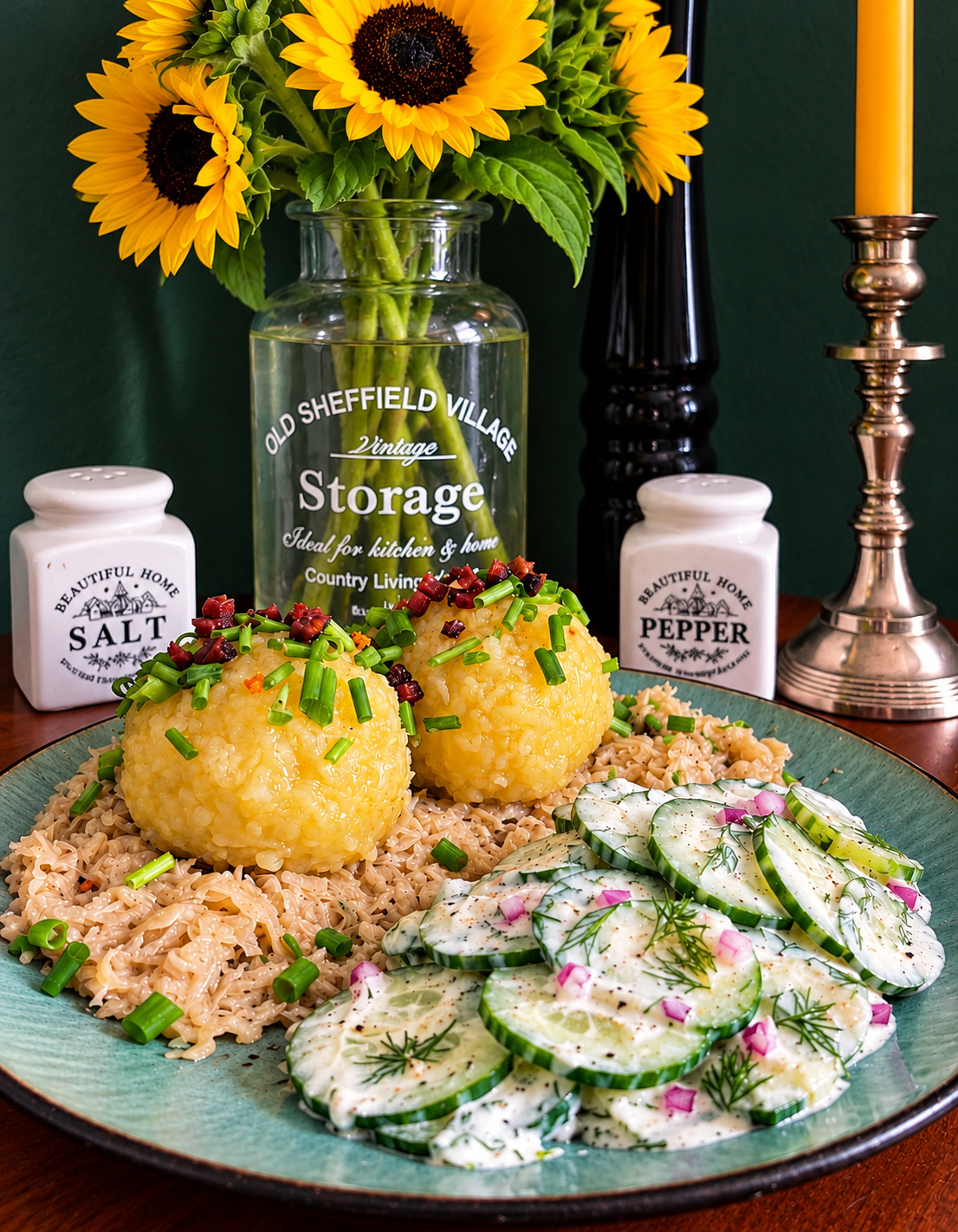
What Are Grammelknödel?Grammelknödel are traditional Austrian dumplings particularly associated with Upper Austria. The name combines Grammeln, meaning crispy pork cracklings, with Knödel, the German word for dumplings. Traditionally, a soft potato dough is filled with seasoned cracklings, onions and marjoram, then gently cooked and commonly served with sauerkraut. My Via Veggie Vegan interpretation replaces the traditional pork filling with savoury plant-based ham cubes and uses a completely vegan potato dough. Served with creamy sauerkraut and a refreshing cucumber-dill salad, this hearty Austrian classic becomes a delicious plant-based comfort meal.
Cook this recipe →
Recipe postcard
Aotearoa New Zealand – A Land of Remarkable Landscapes and Rich Food Traditions
Aotearoa New Zealand is an island nation in the southwestern Pacific Ocean, renowned for its dramatic mountains, volcanic landscapes, ancient forests, rugged coastlines and extraordinary biodiversity. Its food culture reflects Māori traditions, European influences and the contributions of many other communities. Māori food knowledge includes the cultivation of kūmara, the gathering of seasonal ingredients and cooking practices closely connected to the land and natural environment. Contemporary New Zealand cuisine embraces both traditional ingredients and international influences, creating opportunities for innovative plant-based interpretations.
What Makes This New Zealand-Inspired Vegan Steak Special?
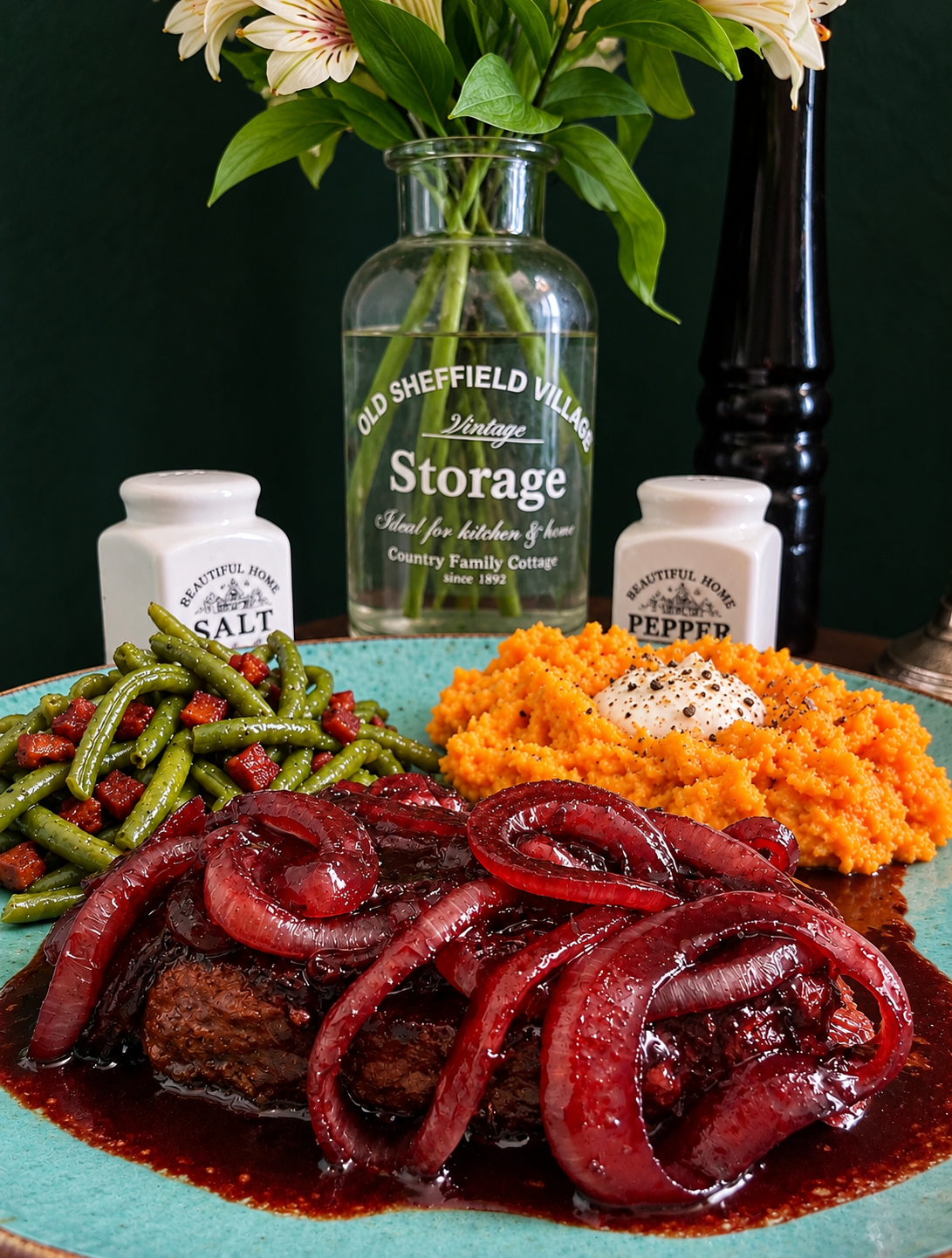
This dish is a contemporary Via Veggie Vegan creation rather than a traditional Māori recipe. Its connection to Aotearoa lies primarily in kūmara, the sweet potato that has played an important role in Māori food culture for centuries. The creamy orange mash is paired with plant-based steaks, caramelised onions in a rich beetroot jus and green beans with smoky vegan bacon. The combination creates a hearty, colorful plate that celebrates a historically significant ingredient while giving the familiar steak dinner a completely plant-based transformation.
Cook this recipe →
Recipe postcard
Mongolia – A Land of Endless Steppes and Nomadic Traditions
Mongolia is a landlocked country in East Asia, situated between Russia and China. Its vast landscapes include grasslands, mountains, deserts and freshwater lakes. Traditional Mongolian cuisine has been shaped by the country's continental climate and long history of nomadic pastoralism. Meat, dairy products and wheat-based foods have historically played important roles, while vegetables and other ingredients have become increasingly accessible through trade and changing food cultures. Hearty noodle dishes, dumplings and warming meals reflect the practical cooking traditions of a country known for its extraordinary landscapes and hospitality.
What Is Tsuivan?
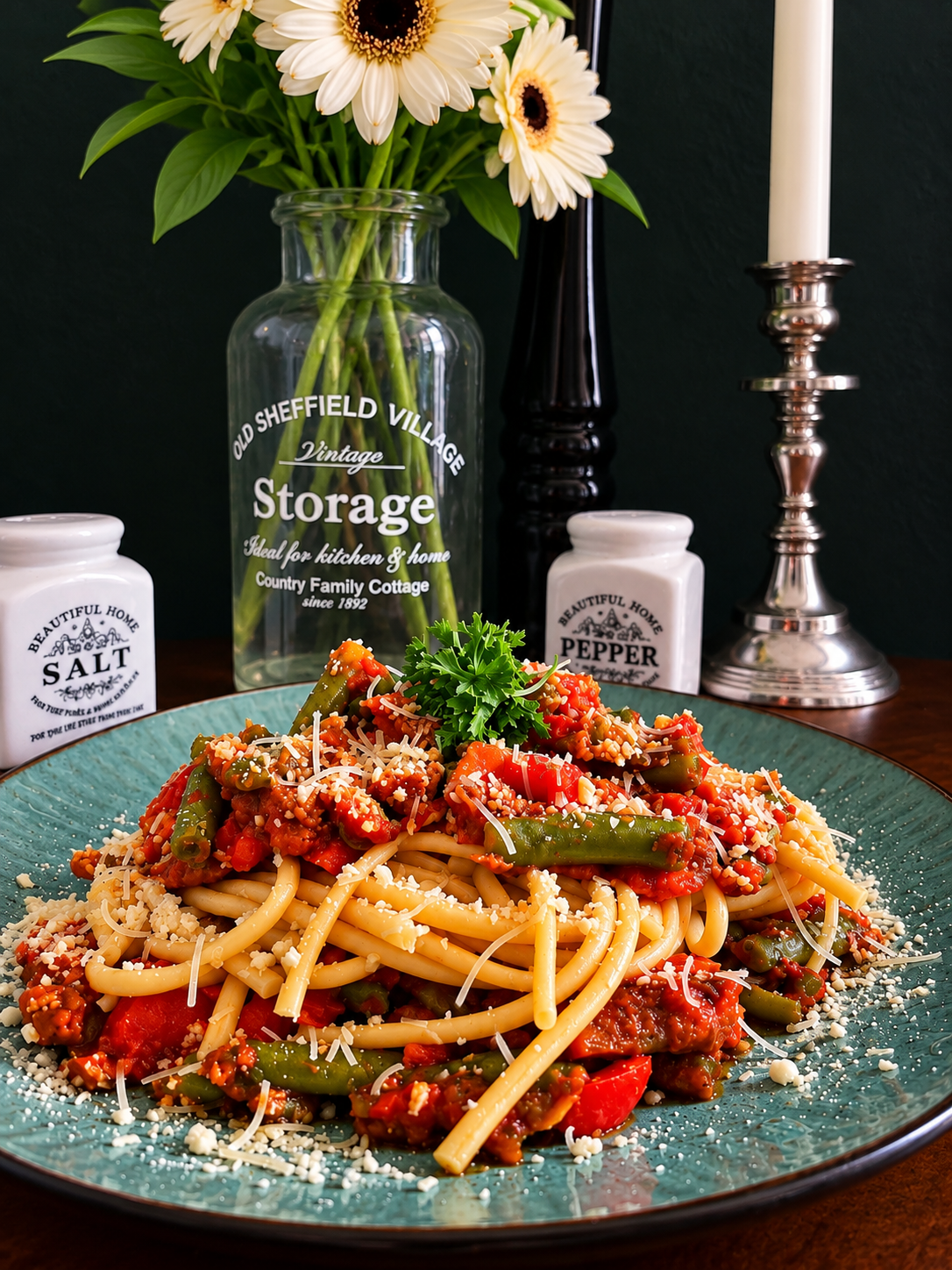
Tsuivan is a traditional Mongolian dish made with wheat noodles, meat and vegetables. One of its defining features is the cooking technique: freshly prepared noodles are placed over the meat and vegetables and steamed in the covered pan before everything is mixed together. This Via Veggie Vegan version takes a different approach, using ready-made Japanese udon noodles, plant-based beef-style strips and a tomato-based vegetable sauce. Rosemary, thyme, parsley and vegan cheese introduce additional fusion influences. It is therefore a Mongolian-inspired vegan interpretation rather than a traditional preparation of Tsuivan.
Cook this recipe →
Recipe postcard
Via Veggie Vegan Vunderland – A Culinary Destination Beyond Borders
Not every destination on my culinary journey needs a passport. Via Veggie Vegan Vunderland is my very own little wonderland, where creativity, imagination and personal memories are just as important as the ingredients on the plate. It exists alongside the 195 countries of Via Veggie Vegan as a special destination for recipes that cannot be assigned to one particular country. Here, familiar dishes become personal creations, seasonal ingredients inspire playful food art, and the stories behind a recipe are sometimes even more meaningful than the recipe itself. Because some culinary journeys take us around the world, while others lead us straight back to the people and animals we love.
What Makes Smurfy’s Magic Pumpkin Orange Soup Special?
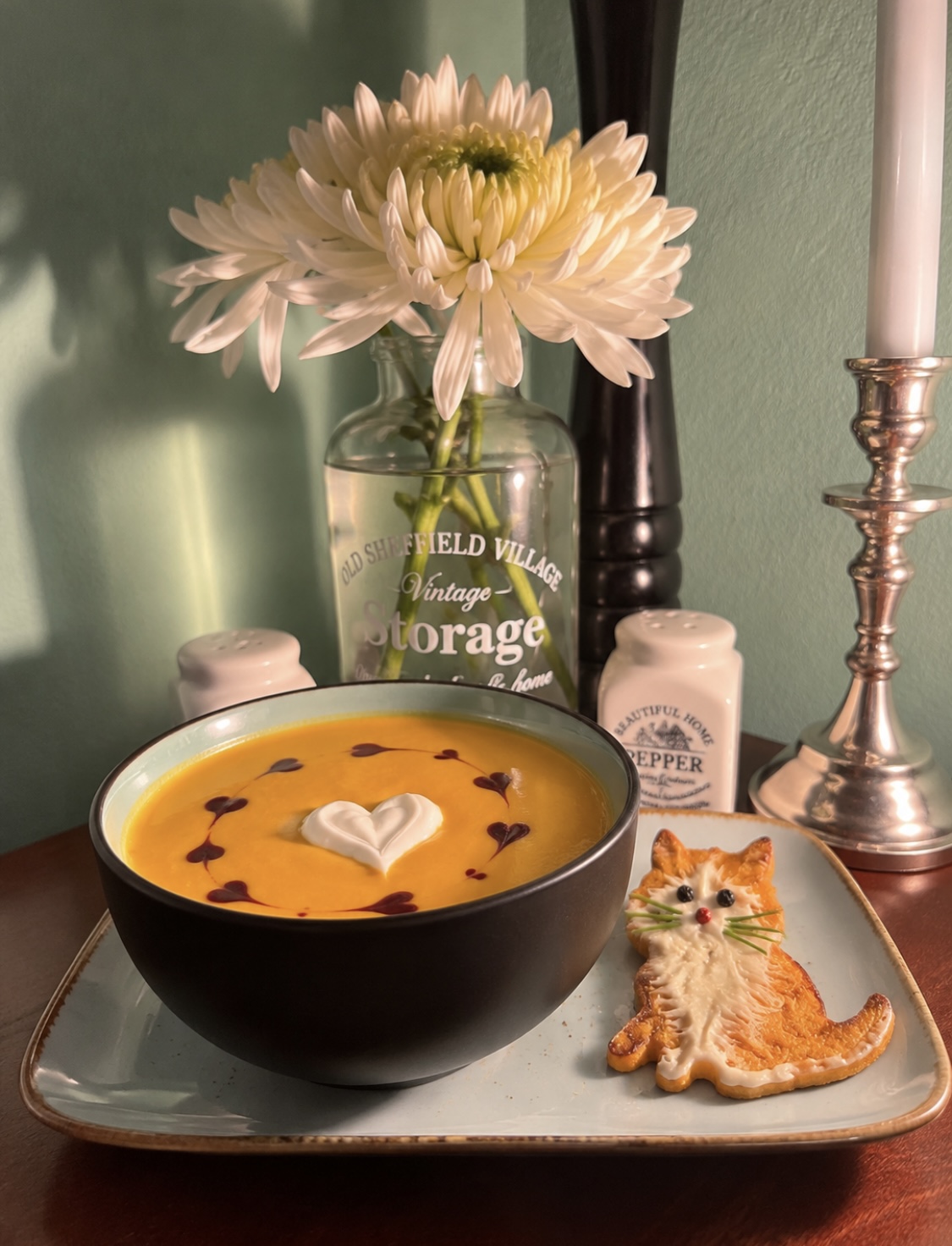
Smurfy’s Magic Pumpkin Orange Soup combines roasted Hokkaido pumpkin with fragrant Madras curry, fresh ginger, garlic and the bright citrus aroma of orange. A touch of oat cream gives the soup its beautifully velvety consistency, while vegan sour cream and nutty pumpkin seed oil add a delicious finishing touch. Homemade pumpkin fritters shaped into little cats transform the garnish into a loving tribute to Smurfy, my beloved feline companion who gave this recipe its name. Inspired by a memorable visit to Leipzig, years of experimenting in my kitchen and an extraordinary friendship during a difficult time, this completely plant-based soup is much more than autumn comfort food. It's a bowl full of love, gratitude and precious memories.
Cook this recipe →
Recipe postcard
Mexico – A Country of Ancient Traditions, Vibrant Markets and Extraordinary Biodiversity
Mexico stretches from the deserts of the north to the tropical forests of the south, with Pacific and Caribbean coastlines, dramatic mountains and fertile valleys. Its cuisine has deep Indigenous roots, especially in the culinary traditions of maize, beans, squash and chili, while also reflecting centuries of cultural exchange. Mexican cooking is celebrated for its remarkable regional diversity, colorful ingredients and the creative combination of simple vegetables with aromatic seasonings. From traditional markets overflowing with fresh produce to family kitchens preparing comforting soups and stews, food remains an essential expression of Mexican culture.
What Is Crema de Calabacitas?
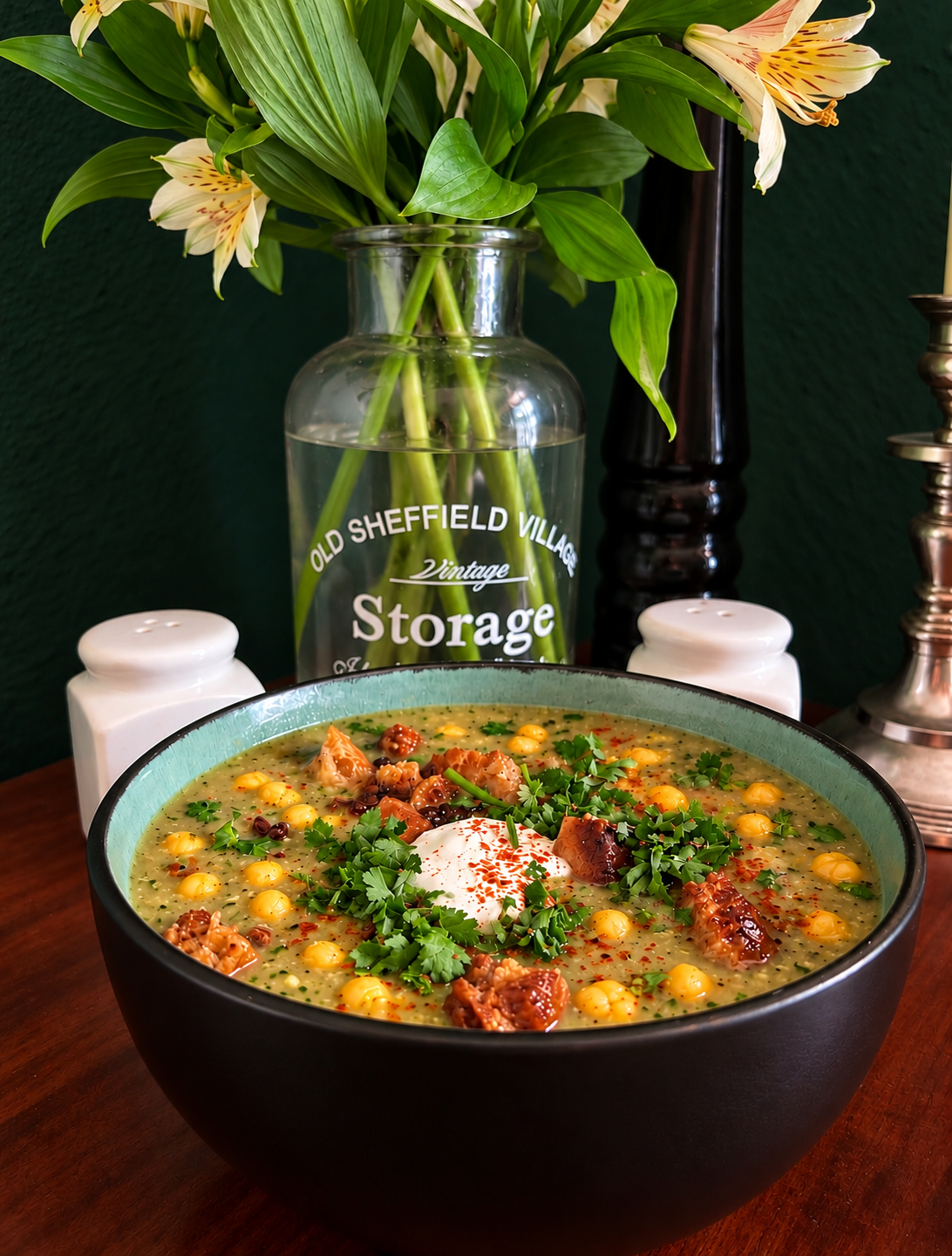
Crema de Calabacitas is a Mexican-style creamy zucchini soup. The Spanish word calabacitas refers to small squash or zucchini, while crema describes the dish's smooth, creamy character. Recipes vary between households and may include onion, garlic, broth, milk, cream or cheese. This Via Veggie Vegan interpretation replaces dairy ingredients with plant-based alternatives and uses vegetable broth instead of chicken broth. Sweet corn, fresh coriander, vegan crema and crispy toppings give the delicate zucchini soup additional flavor, color and texture.
Cook this recipe →
Recipe postcard
Morocco – A Country of Mountains, Deserts and Aromatic Spices
Morocco lies in northwestern Africa, where the Atlantic Ocean, Mediterranean coastline, Atlas Mountains and Sahara create an extraordinary diversity of landscapes. Moroccan cuisine reflects Amazigh, Arab, Andalusian, Mediterranean and African influences developed through centuries of cultural exchange. Fragrant spices such as cumin, ginger, coriander, cinnamon and paprika are important elements of its culinary traditions. From bustling souks filled with aromatic spices to family kitchens preparing slow-cooked tagines, soups and vegetable dishes, Moroccan cooking celebrates the balance between warmth, freshness and deeply developed flavors.
What Is Shorba al-Ghazar?
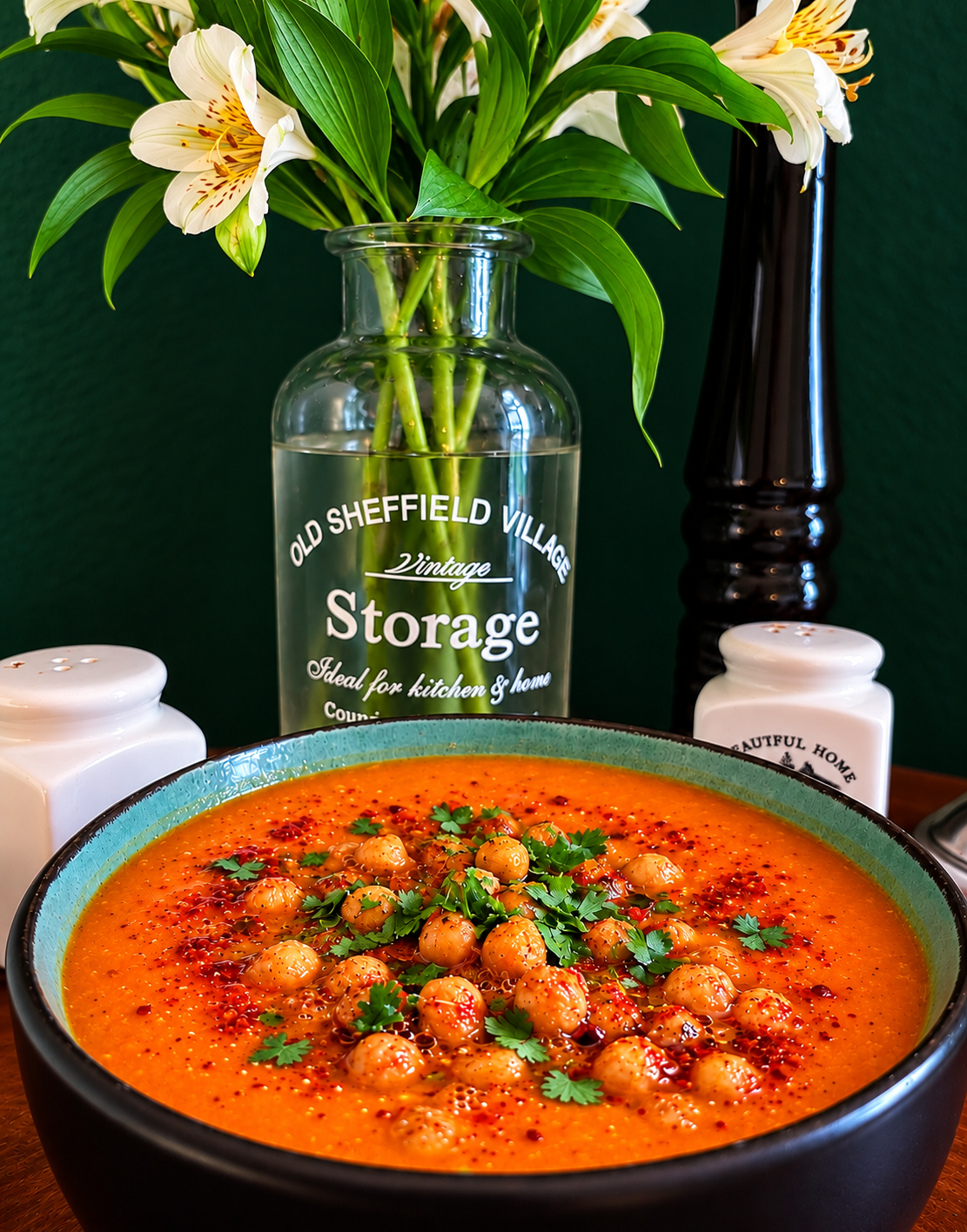
Shorba al-Ghazar (شوربة الجزر) simply means carrot soup in Arabic. Carrot soups appear in different forms throughout North Africa and the wider Arabic-speaking world, but there is no single universally established Moroccan recipe under this name. This Via Veggie Vegan interpretation draws inspiration from Moroccan spice combinations, bringing together naturally sweet carrots, cumin, coriander, ginger, cinnamon and paprika. The vegetables are blended into a smooth, dairy-free soup and finished with lightly spiced chickpeas, fresh coriander and chili flakes for extra texture, flavor and color.
Cook this recipe →
