Recipe postcard
South Korea – A Culinary Culture of Balance and Fermentation
South Korea is an East Asian country renowned for its diverse culinary traditions, fermented foods and colorful vegetable dishes. Korean cuisine combines savory, spicy, sweet and aromatic flavors, with ingredients such as garlic, sesame oil, soy sauce and gochugaru playing important roles. A traditional Korean meal often includes banchan, small side dishes served alongside rice and other preparations. Vegetables, seasonal ingredients and fermentation are central elements of this rich food culture.
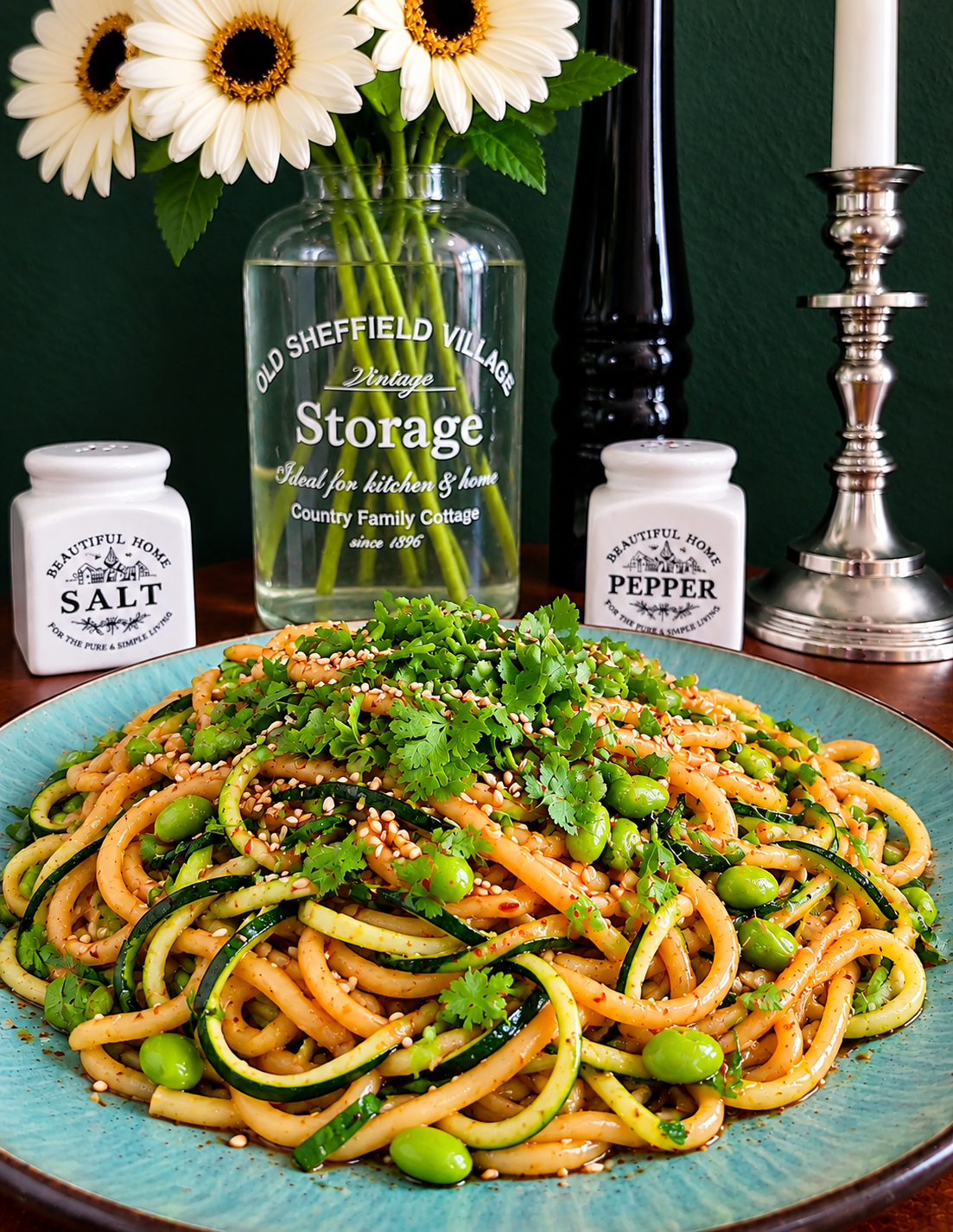
What Is Aehobak Bokkeum?
Aehobak Bokkeum (애호박볶음) is a traditional Korean stir-fried summer squash dish commonly served as banchan. Aehobak refers to Korean summer squash, while bokkeum means stir-fried. Traditionally, the squash is sliced and quickly cooked with ingredients such as garlic, spring onions and sesame oil. My Via Veggie Vegan interpretation replaces Korean aehobak with spiralized zucchini and transforms the vegetable side dish into a complete noodle meal with Udon, edamame and a savory miso-gochugaru sauce. Fresh coriander and sesame add the finishing touch.
Cook this recipe →
Recipe postcard
Yemen – A Land of Ancient Traditions and Aromatic Cuisine
Yemen is located at the southern end of the Arabian Peninsula and has a rich culinary heritage shaped by centuries of trade, agriculture and cultural exchange. Its cuisine is known for aromatic spices, hearty stews, traditional breads and distinctive condiments. Ingredients such as garlic, herbs, legumes and sesame appear in different regional preparations, reflecting Yemen's connections with the wider Middle East.
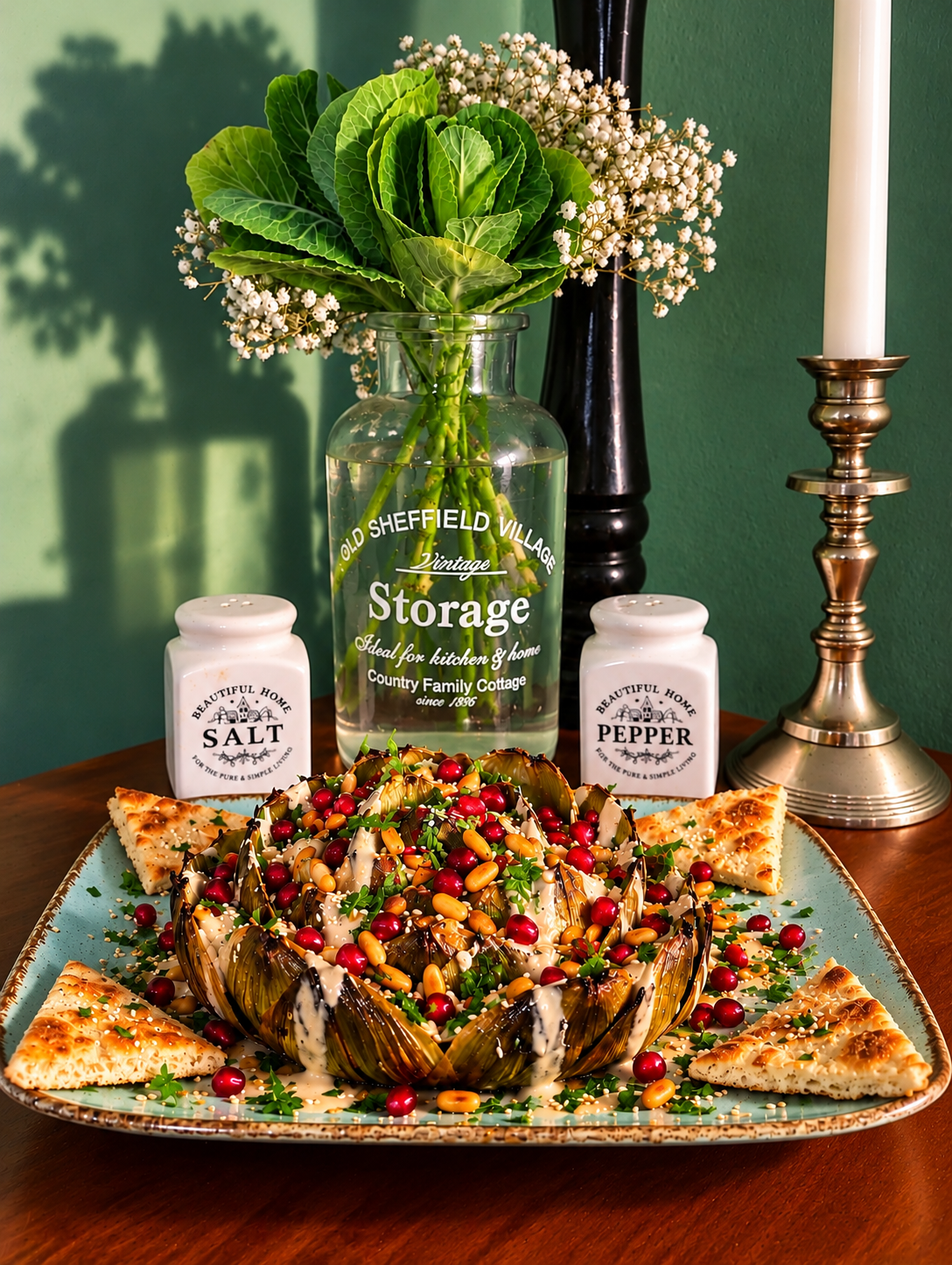
What Are Roasted Artichokes with Tahini Sauce?
These roasted artichokes are a Via Veggie Vegan creation inspired by Middle Eastern and Levantine flavors rather than a documented traditional Yemeni national dish. Whole artichokes are roasted with olive oil and lemon until tender, then generously coated with taratur, a creamy sauce made from tahini, garlic, lemon juice and water. Toasted pine nuts, pomegranate seeds, sesame and fresh parsley add contrasting textures and flavors, while warm flatbread makes the dish perfect for sharing.
Cook this recipe →
Recipe postcard
Japan – A Culinary Tradition of Precision and Umami
Japan is an East Asian island nation celebrated for its diverse regional cuisines, seasonal ingredients and careful attention to flavor and presentation. Japanese cooking frequently highlights the natural character of ingredients, with fermented foods such as miso and soy sauce playing an important role. From traditional noodle shops to modern ramen restaurants, comforting bowls of noodles are an essential part of everyday food culture.
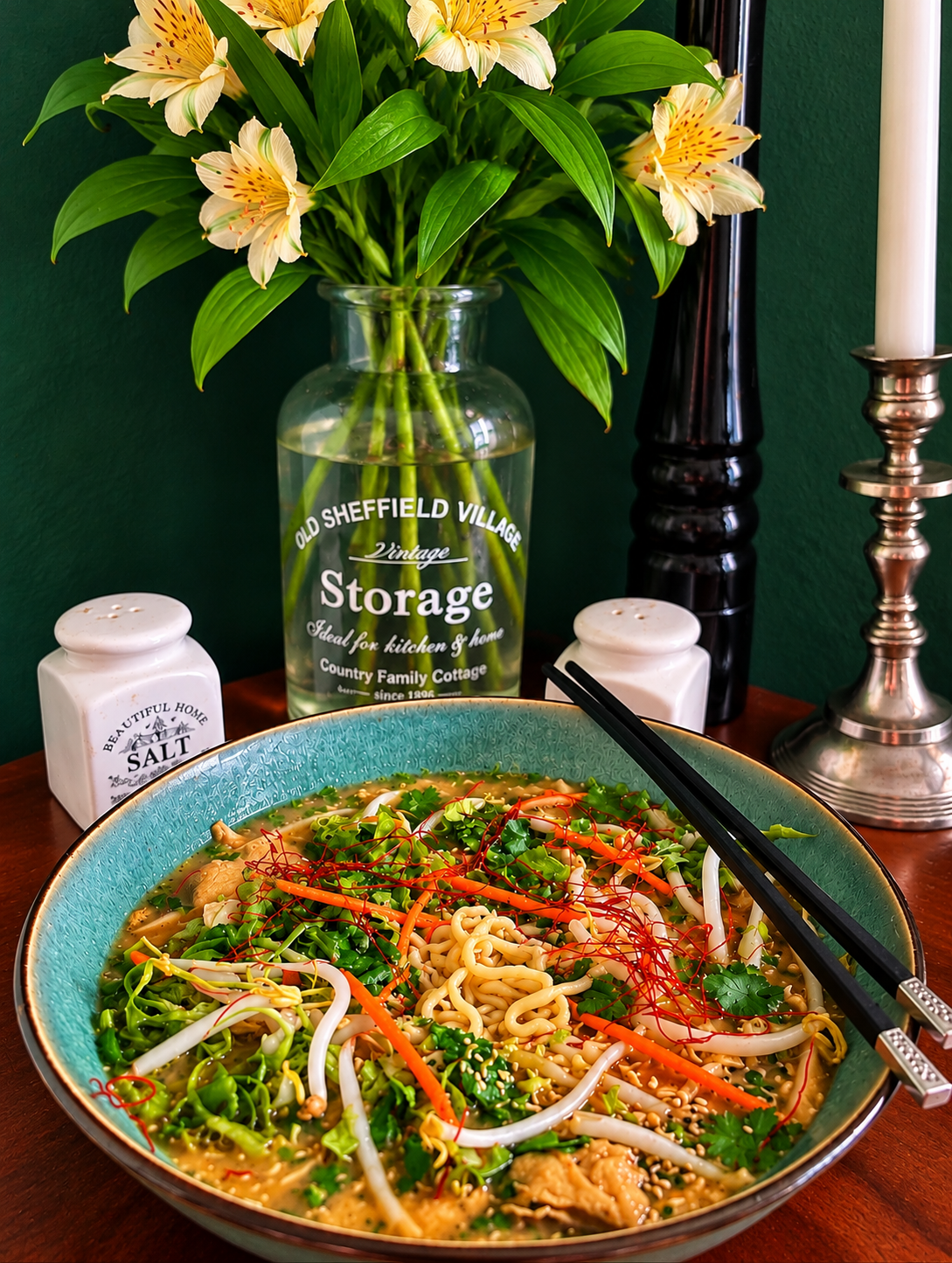
What Is Spicy Miso Ramen?
Ramen developed in Japan under the influence of Chinese wheat noodle traditions and has evolved into numerous regional styles. Miso ramen is particularly associated with Sapporo in Hokkaido, where miso-based ramen became popular during the twentieth century. This Via Veggie Vegan interpretation combines white miso, vegetable stock, soy milk, garlic, ginger and chili crisp to create a creamy, spicy broth. Ramen noodles, tofu, plant-based chicken and plenty of vegetables turn it into a generous, satisfying plant-based meal.
Cook this recipe →
Recipe postcard
Jamaica – The Caribbean Island of Bold Flavours
Jamaica is a Caribbean island renowned for its vibrant culture, reggae music and distinctive culinary traditions. Its cuisine reflects Indigenous, African, European and Asian influences, combining tropical ingredients with aromatic herbs, warming spices and fiery chilies. Allspice, known locally as pimento, and Scotch Bonnet peppers are particularly characteristic of Jamaican cooking, alongside thyme, spring onions, garlic and ginger.
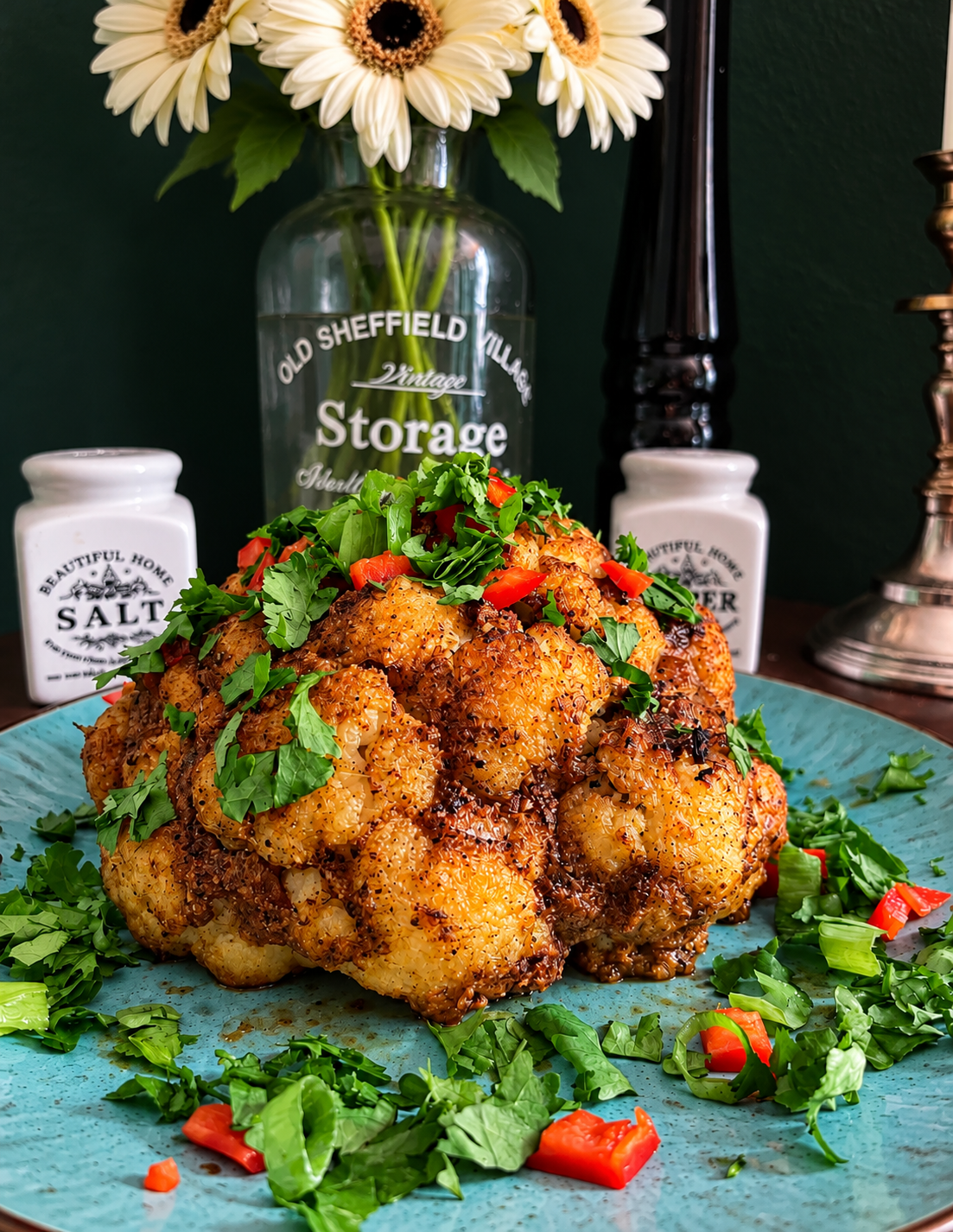
What Is Whole Roasted Jerk Cauliflower?
Jerk is one of Jamaica's most recognizable culinary traditions, traditionally associated with intensely seasoned meat cooked over fire or smoke. Whole Roasted Jerk Cauliflower is a modern plant-based interpretation inspired by those characteristic flavors. An entire cauliflower is coated in a homemade marinade of Scotch Bonnet chili, allspice, thyme, garlic, ginger, soy sauce and lime. Turmeric, fenugreek and a few drops of liquid smoke add my personal Via Veggie Vegan twist. Oven-roasted until deeply golden and tender inside, it becomes a wonderfully aromatic vegan centerpiece.
Cook this recipe →
Recipe postcard
Jamaica – The Island of Bold Flavours
Jamaica is a Caribbean island famous for its vibrant culture, reggae music and distinctive culinary traditions. Jamaican cuisine combines Indigenous, African, European and Asian influences, creating dishes rich in herbs, chilies and aromatic spices. Allspice, locally known as pimento, is particularly important, alongside Scotch Bonnet peppers, thyme, garlic and ginger. From traditional jerk preparations to comforting sweet potato pudding, Jamaican cooking celebrates bold flavors and local ingredients.
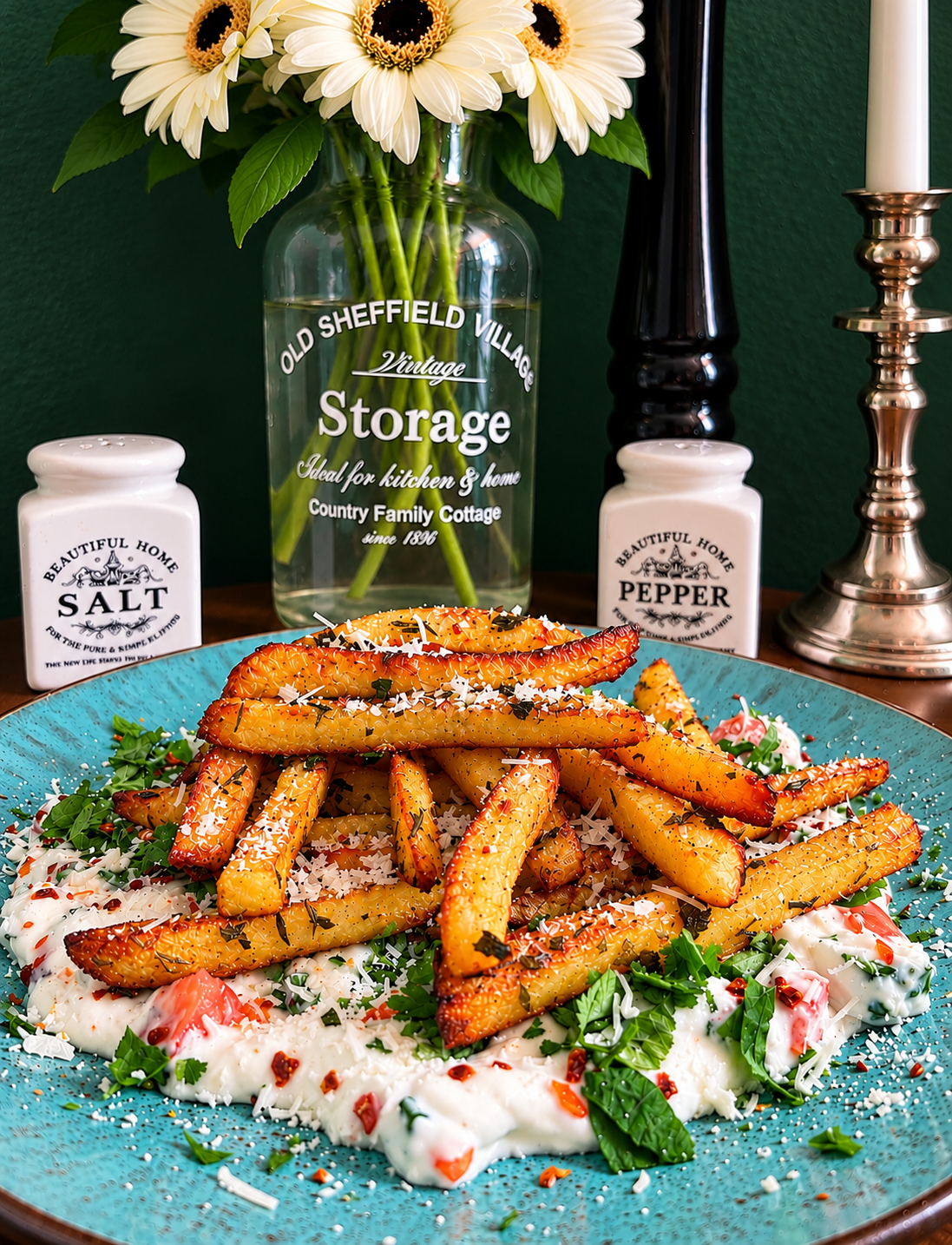
What Are Jamaican Spiced Sweet Potatoes?
These Jamaican-inspired sweet potatoes are a creative Via Veggie Vegan interpretation rather than a specific traditional Jamaican dish. Thick sweet potato rounds are coated in olive oil, brown sugar, allspice, cinnamon, nutmeg and jerk seasoning before being roasted until tender and beautifully caramelized. A cool vegan yogurt dip with fresh lime, garlic, coriander and cumin balances their sweetness and spicy warmth. The result is a delicious combination of sweet, spicy, creamy and citrusy flavors.
Cook this recipe →
Recipe postcard
Italy – A Culinary Journey to Puglia
Italy is celebrated for its remarkable regional cuisine, where traditional recipes reflect local ingredients, history and culinary creativity. In the southern region of Puglia, olive oil, tomatoes, garlic, chili and pasta are essential ingredients. Bari, the region's lively coastal capital, is particularly famous for its distinctive pasta traditions and vibrant street-food culture.
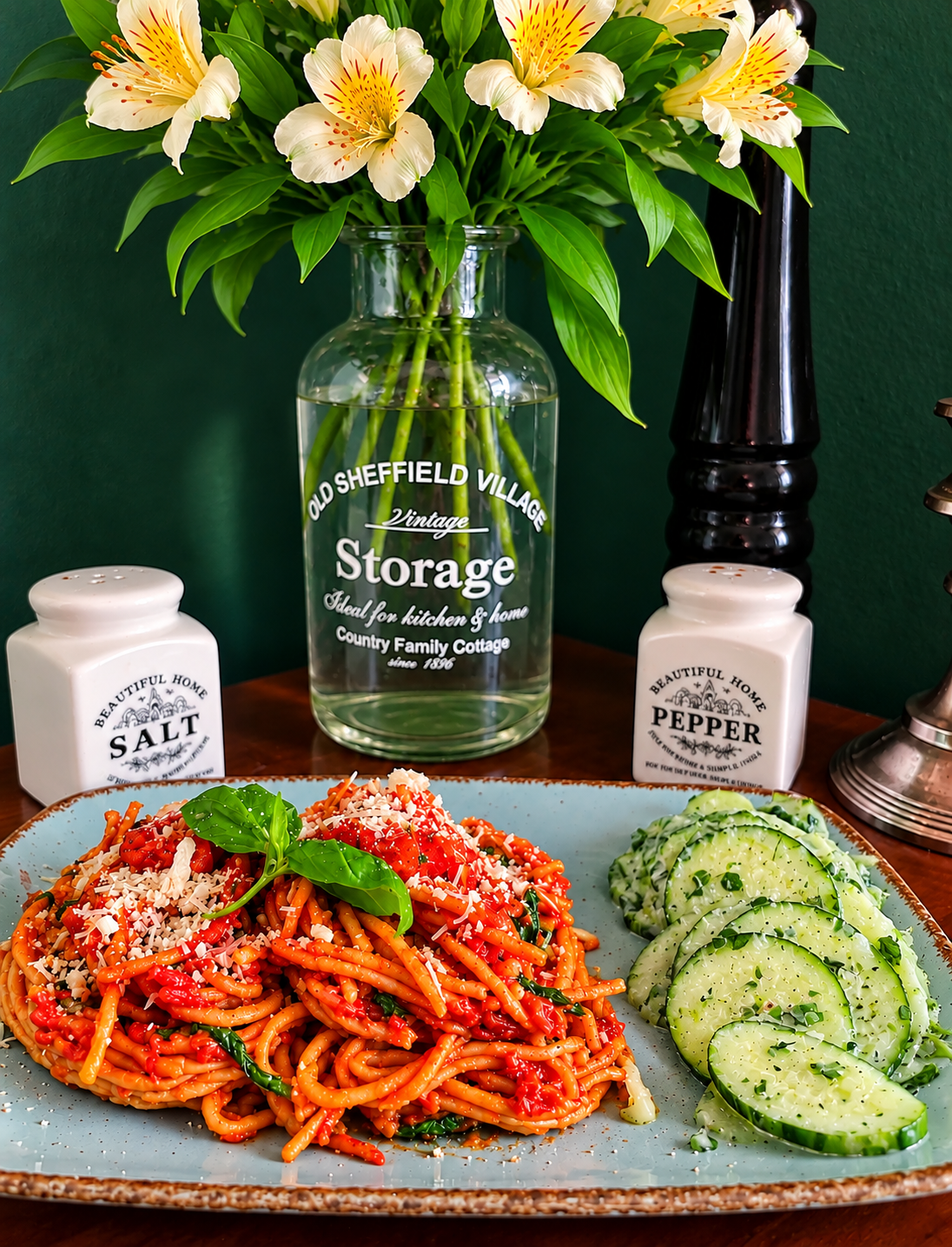
What Are Spaghetti all’Assassina?
Spaghetti all’Assassina, meaning “Assassin’s Spaghetti,” originated in Bari and became known for a cooking technique that breaks the usual pasta rules. Instead of boiling spaghetti separately, the dry pasta is toasted directly in a hot frying pan with tomato sauce, garlic and chili. Hot tomato broth is gradually added and allowed to evaporate, creating deeply concentrated flavors and characteristic crispy, lightly charred patches. The traditional basic recipe is naturally vegan, making it a perfect addition to Via Veggie Vegan.
Cook this recipe →
Recipe postcard
Israel – A Crossroads of Culinary Traditions
Located on the eastern Mediterranean, Israel has a diverse food culture shaped by Jewish communities from around the world and the culinary traditions of the wider Middle East. Markets, bakeries and street-food stalls offer fresh vegetable salads, aromatic flatbreads, hummus, tahini and falafel. Tel Aviv is particularly known for its lively food scene, where regional traditions and contemporary cooking meet.
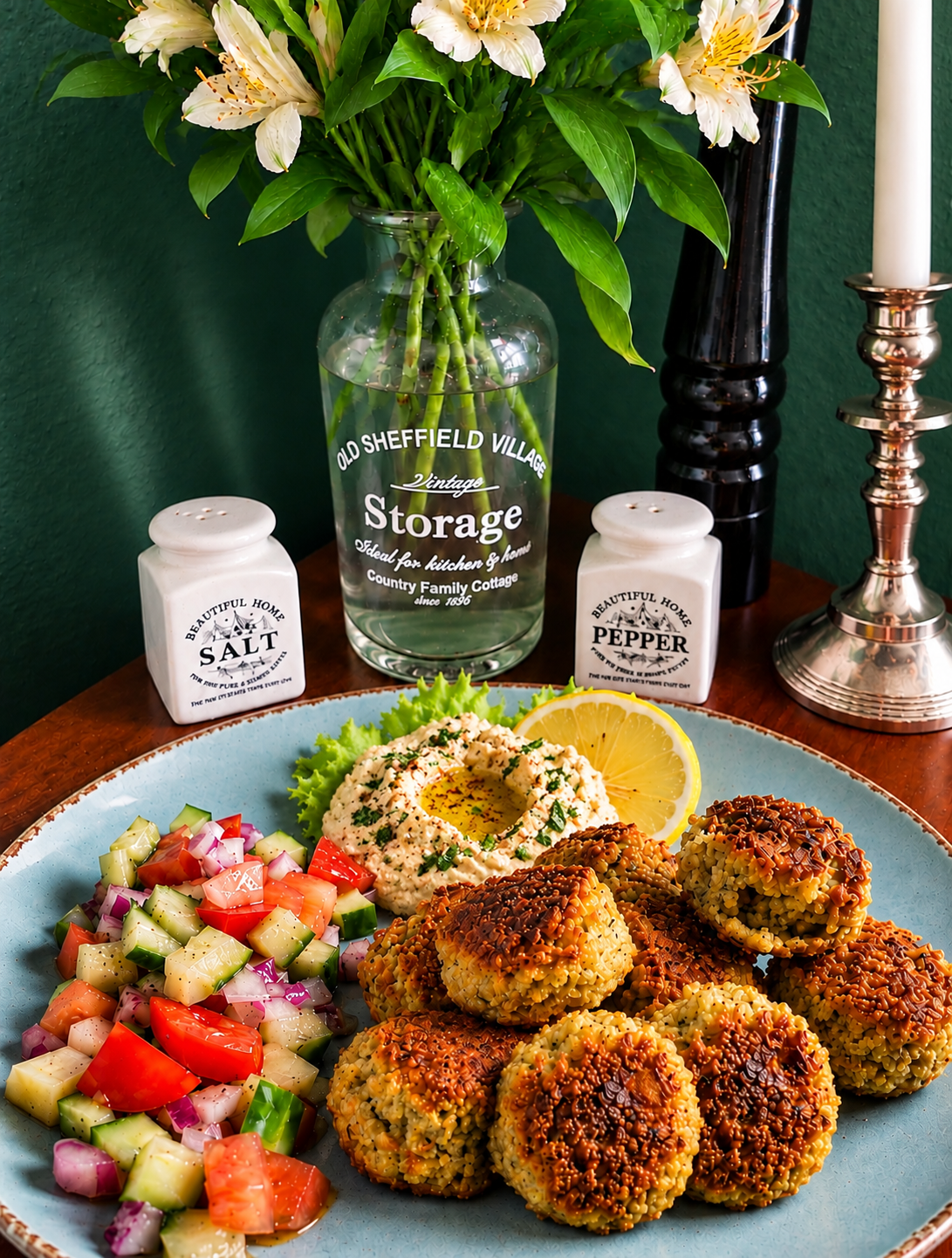
What Are Falafel with Hummus and Israeli Salad?
Falafel are crispy fried balls or patties made from soaked chickpeas, fava beans or both, seasoned with herbs and spices. Their origins are often associated with Egypt, and they have become popular throughout the Middle East, including Palestinian and Israeli cuisine. Served with creamy hummus and a finely chopped tomato-cucumber salad, they create a satisfying combination of textures and flavors. This naturally vegan version celebrates a classic Middle Eastern combination with plenty of garlic, cumin and coriander.
Cook this recipe →
Recipe postcard
Iran – A Land of Poetry, History and Persian Flavours
Iran, historically known as Persia, has one of the world's oldest and most fascinating culinary traditions. Persian cuisine celebrates fresh herbs, fragrant spices, seasonal vegetables and a delicate balance of sweet and sour flavors. From bustling bazaars to traditional family kitchens, food is deeply connected to hospitality, culture and centuries of history.
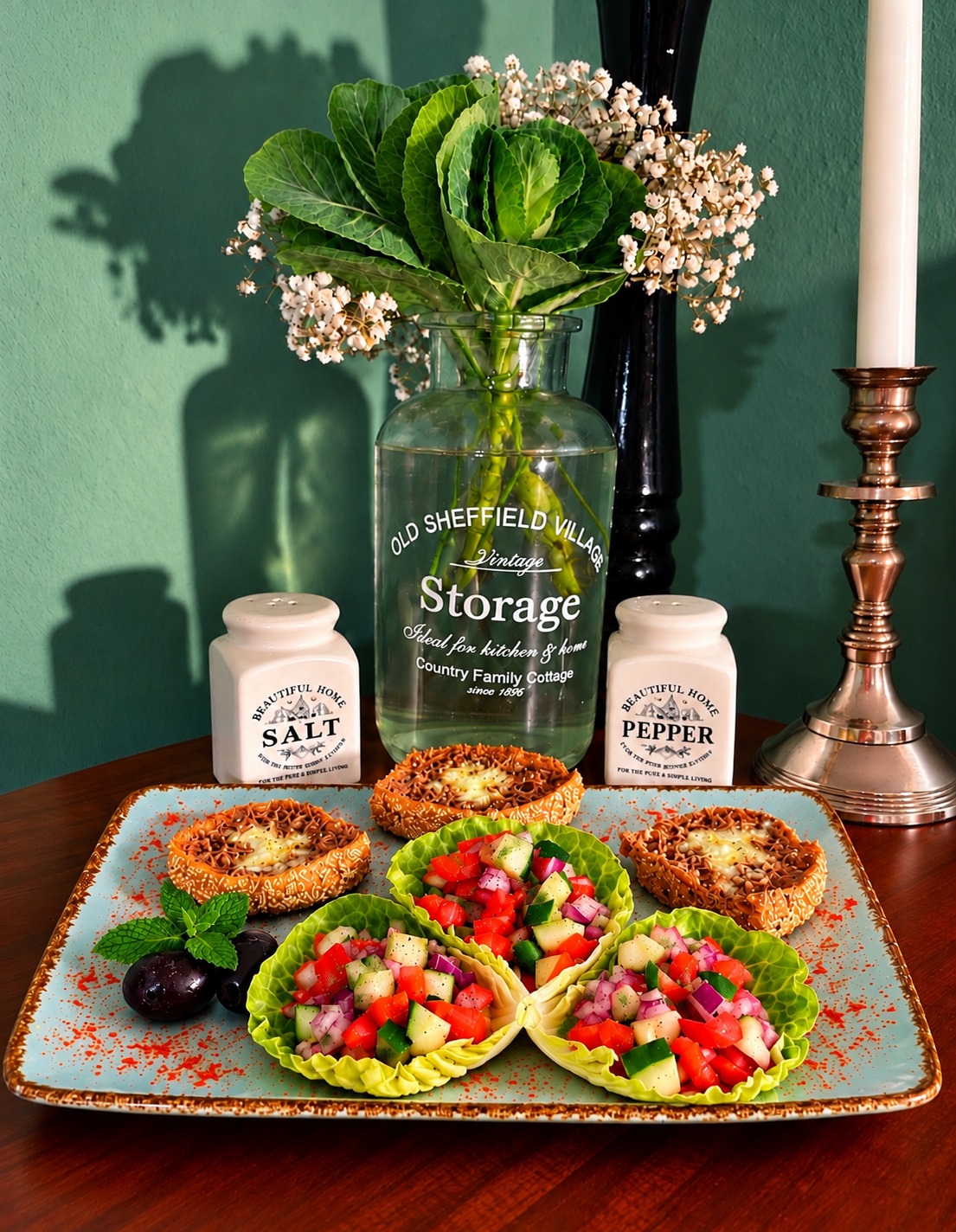
What Is Salad-e Shirazi?
Salad-e Shirazi takes its name from Shiraz, a historic city in southern Iran famous for its poetry, gardens and cultural heritage. This refreshing Persian salad traditionally combines finely diced cucumber, tomatoes and onion with dried mint and a tangy dressing made with ab-ghooreh, the juice of unripe grapes. My version uses fresh lime juice instead, with garlic, sumac and harissa for an extra kick. Served in crisp romaine lettuce boats, it becomes a colorful little dish that's naturally vegan.
Cook this recipe →
Recipe postcard
Côte d’Ivoire – A Taste of West Africa
Located along the Atlantic coast of West Africa, Côte d’Ivoire, also known as Ivory Coast, is a country of vibrant markets, tropical landscapes and wonderfully diverse culinary traditions. From the bustling streets of Abidjan to the historic coastal town of Grand-Bassam, food plays an important role in everyday life and social gatherings. Cassava, plantains, rice, fresh vegetables, fish and aromatic seasonings feature prominently in Ivorian cooking. One particularly distinctive specialty is attiéké, a fermented cassava product with a light, couscous-like texture. Often served with fresh vegetables and fish, it reflects the coastal food culture that inspired my colorful plant-based interpretation.
What Is Salade Bassamoise?
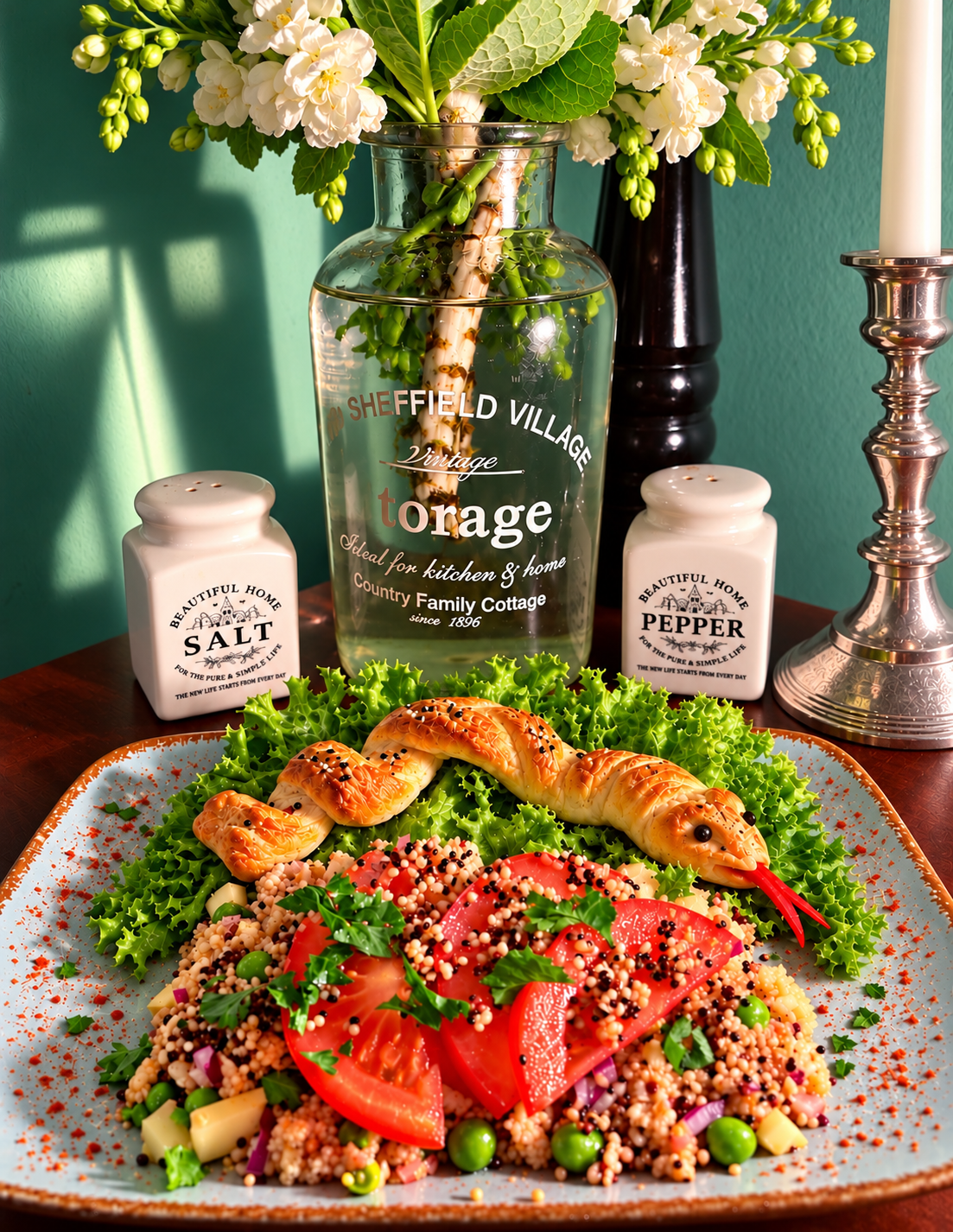
Salade Bassamoise takes its name from Grand-Bassam, a historic coastal town in southeastern Côte d’Ivoire. The dish is associated with fresh, colorful ingredients and the refreshing flavors of Ivorian coastal cuisine. My version takes inspiration from salads combining attiéké, vegetables and fish, but gives the idea a completely plant-based twist. Instead of traditional cassava-based attiéké, I use colorful wheat couscous, combined with vegan tuna, cucumber, green pointed pepper, red onion, green peas and plenty of fresh herbs. Olive oil and lime juice bring everything together in a bright, refreshing dressing. And because Halloween is just around the corner, a homemade snake made from leftover pizza dough has slithered onto the plate! It's a playful, zero-waste adaptation rather than an authentic traditional preparation.
Cook this recipe →
Recipe postcard
USA – A Country of Comfort Food Classics
The United States is famous for its wonderfully diverse comfort food traditions, from creamy soups and hearty casseroles to macaroni and cheese, baked potatoes and countless regional specialties. American comfort food often brings together familiar ingredients, generous flavors and satisfying textures, creating dishes that feel like a warm hug on a chilly day. Broccoli Cheddar Soup is a particularly popular example of this culinary tradition. Combining tender broccoli, carrots, a rich creamy base and the distinctive flavor of cheddar cheese, it has become a favorite in American cafés, casual restaurants and home kitchens. Especially during autumn, a steaming bowl of this comforting classic is hard to resist.
What Is Broccoli Cheddar Soup?
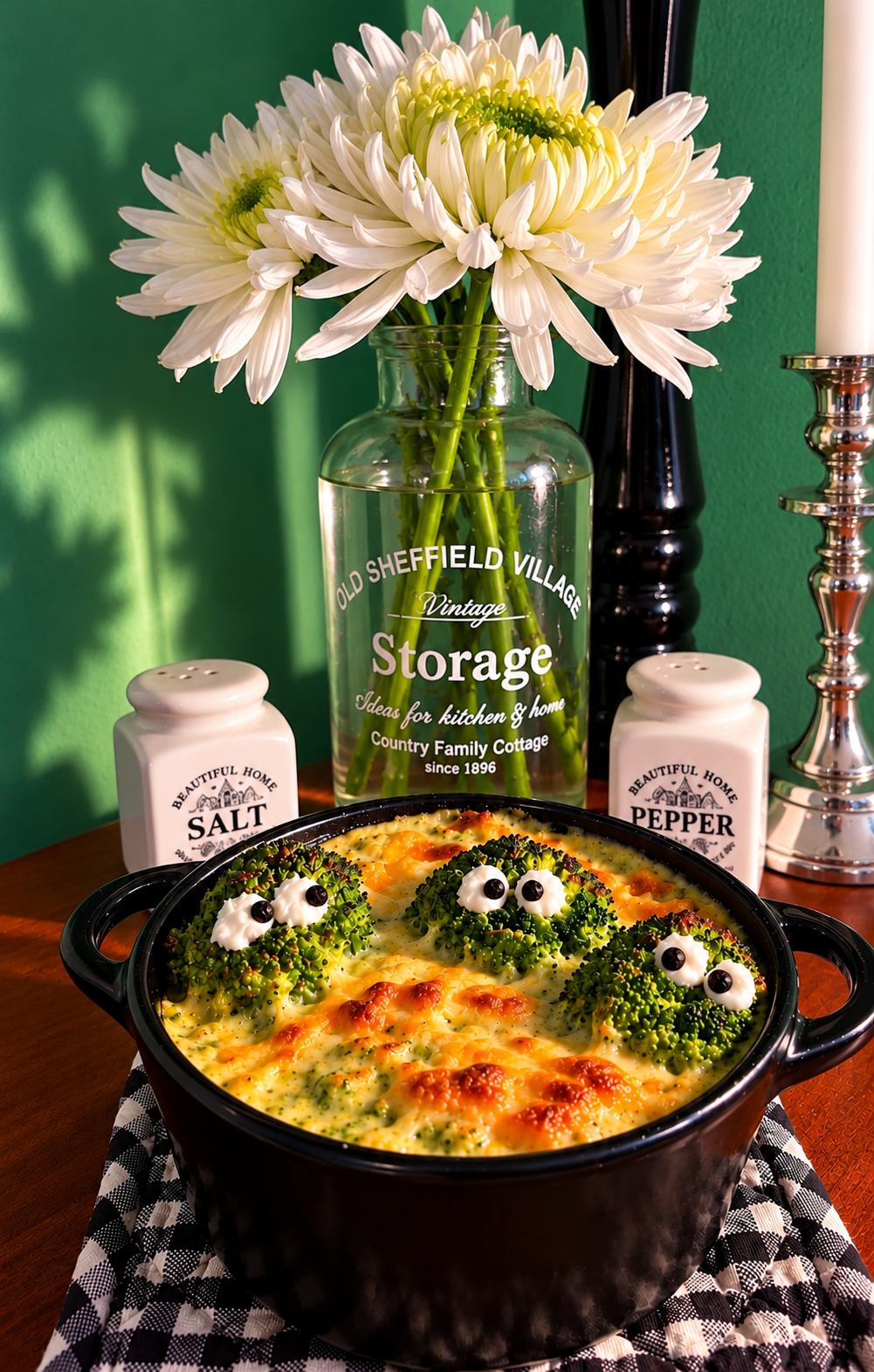
Broccoli Cheddar Soup is a creamy American soup traditionally prepared with broccoli, carrots, onions, cream and sharp cheddar cheese. Particularly well known through American restaurant chains such as Panera Bread, it is loved for its thick, velvety consistency and rich, savory flavor. My completely plant-based version replaces dairy ingredients with vegan cheddar, plant-based cooking cream and a vegan butter alternative, while keeping all the comforting character of the original. For Halloween, the soup gets an extra-special transformation: three little broccoli monsters, affectionately named Broccolins, rise from each bowl of melted vegan cheese. With tiny eyes made from vegan sour cream and black peppercorns, these mischievous green creatures turn an American comfort food classic into a deliciously spooky Halloween adventure.
Cook this recipe →
