
The Philippines – A Culinary Love Affair with Coconut
The Philippines is an archipelago of more than 7,600 islands in Southeast Asia, with a wonderfully diverse culinary heritage shaped by regional traditions, tropical ingredients and centuries of cultural exchange. Coconut is an essential ingredient in many Filipino kitchens, particularly in regions where coconut palms grow abundantly. One beloved cooking technique is known as ginataan, which involves simmering vegetables, seafood, meat or even sweet ingredients in coconut milk. Combined with aromatic garlic, ginger, onions and chili, coconut milk creates wonderfully rich and comforting dishes. Squash and yardlong beans are especially popular vegetables in Filipino home cooking, making their combination a delicious example of the country's flavorful everyday cuisine.
Ginataang Kalabasa at Sitaw – Filipino Comfort Food with a Creative Twist
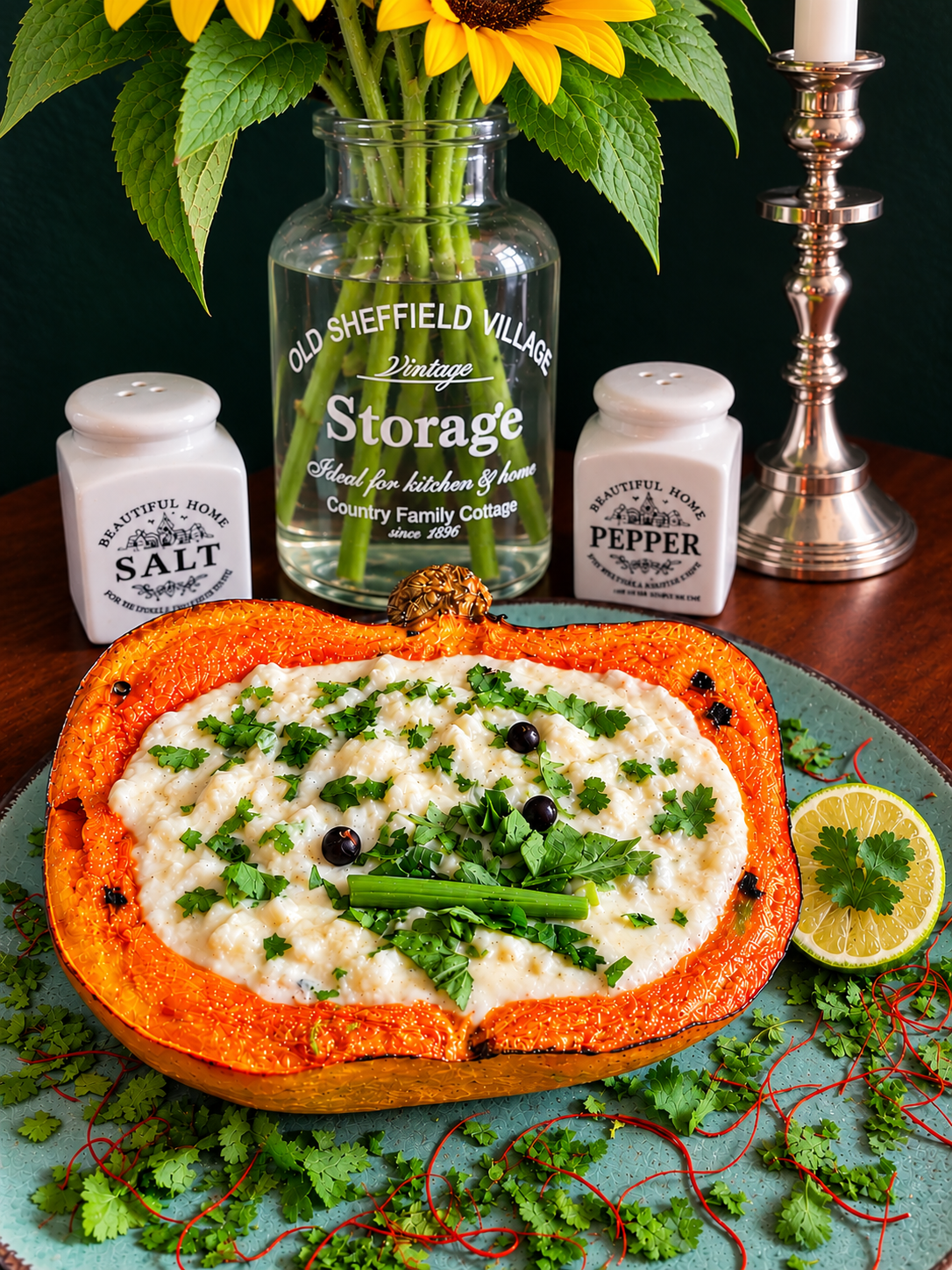
Ginataang Kalabasa at Sitaw translates roughly to squash and yardlong beans cooked in coconut milk. Kalabasa refers to squash, while sitaw describes the long, slender beans commonly used in Filipino cooking. Traditional preparations often include shrimp, pork or fish sauce, although the ingredients and seasonings vary between households. My completely vegan interpretation uses plant-based fish sauce, plenty of garlic, fresh ginger, chili and creamy coconut milk. Instead of traditional kalabasa, I roast a small Hokkaido squash and transform its two halves into edible serving bowls. Fresh coriander, lime and homemade lemongrass salt add my personal Via Veggie Vegan signature. The result is Filipino comfort food at heart, with a generous helping of Team Garlic, Team Spicy and a little zero-waste kitchen magic.
▣ Ingredients (2 servings)
- 1 small hokkaido squash
- 4 yardlong beans (sitaw),
- 1 onion
- 4 cloves garlic
- 1 thumb-sized fresh ginger
- 400 ml coconut milk
- 1 tbsp vegan fish sauce
- 1 red chili
- 4 tbsp chili oil, divided between roasting and cooking
- 1 tsp neutral vegetable oil
- 1 bunch fresh coriander
- 1 lime
- 1 spring onion
- to taste omemade lemongrass salt (optional)
- to taste salt & freshly ground black pepper
♨ Preparation
- Prepare the Squash
Preheat the oven to 180°C / 350°F fan. Halve the Hokkaido squash lengthwise and remove the seeds and stringy centre. Wash the halves and pat them dry. Lightly brush the exposed flesh with some of the chili oil. - Roast the Pumpkin Bowls
Place the squash halves cut-side up on a baking tray or in an ovenproof dish. Roast for approximately 30 minutes, checking occasionally with a wooden skewer. The flesh should become tender while the halves remain firm enough to hold their shape. - Caramelise the Surface
During the final 5 minutes, increase the oven temperature to 200°C / 390°F and switch to the grill setting. Allow the exposed edges to caramelise lightly without burning. - Prepare the Aromatics
Meanwhile, finely chop the onion, garlic, ginger and red chili. Heat a little of the remaining chili oil in a frying pan over medium heat. Add the aromatics and sauté gently until the onion becomes translucent and fragrant. - Add the Vegan Fish Sauce
Pour in the vegan fish sauce and stir briefly, allowing the aromatics to absorb its savoury flavour. - Simmer the Coconut Sauce
Add the coconut milk and chopped yardlong beans. Reduce the heat and simmer gently for approximately 10 minutes, or until the beans are tender but retain a little bite. Stir occasionally and avoid boiling vigorously. - Season and Finish
Season with homemade lemongrass salt, freshly ground black pepper and a splash of freshly squeezed lime juice. Taste and adjust the seasoning if necessary. - Fill the Pumpkin Bowls
Remove the roasted squash halves from the oven and carefully transfer each half to a serving plate. Divide the creamy coconut sauce and yardlong beans between the two hollowed-out halves. The roasted pumpkin flesh can be scooped into the sauce while eating. - Garnish and Serve
Finish with freshly chopped coriander and sliced spring onion greens. Serve immediately while the pumpkin and coconut filling are warm.
Food Story
Team Garlic Is Back in Business!
After my brief garlic-free adventure in Slovenia, Team Garlic clearly had some catching up to do. And what better way to celebrate its glorious comeback than with four generous cloves of garlic in a creamy Filipino coconut dish? I took the traditional combination of kalabasa, sitaw and coconut milk and gave it my personal Via Veggie Vegan twist. Out went the traditional squash, and in came a beautiful little Hokkaido pumpkin. Add homemade chili oil because I’m firmly Team Spicy, plenty of fresh coriander because Team Coriander deserves some love too, and a splash of lime with my homemade lemongrass salt for that wonderfully fresh finish. Suddenly, my kitchen smelled like a tropical holiday with a serious garlic obsession. Exactly how I like it!
A Pumpkin with a Purpose
Of course, I could have simply chopped the Hokkaido and cooked it in the coconut sauce. But where’s the fun in that? Instead, I roasted the pumpkin halves until their flesh was wonderfully tender, gave the edges a little caramelized color and turned them into two completely edible serving bowls. Because why wash another bowl when nature has already provided one? The sweet, slightly nutty pumpkin works beautifully with the creamy coconut milk, aromatic ginger, chili and crunchy yardlong beans. And the best part? You can scoop the roasted pumpkin flesh straight into the coconut sauce while eating. No complicated decorations, no unnecessary dishes, just a little creativity and a whole lot of flavor. That’s my kind of kitchen magic!
Filipino at Heart, Definitely VVV on the Plate
What I love most about my culinary journey around the world is discovering traditional dishes and then finding little ways to make them my own without losing sight of their origins. Ginataang Kalabasa at Sitaw is a wonderful example. The heart of the dish remains Filipino: tender vegetables, rich coconut milk and beautifully balanced savory flavors. My personal detours involve roasted Hokkaido, generous amounts of garlic, homemade chili oil, fresh coriander and that little citrusy kick from lime and lemongrass salt. The result is creamy, spicy, comforting and completely plant-based. And when the last spoonful is gone, even the pumpkin bowl can disappear into your stomach. Zero waste, full flavor and absolutely no regrets. Authentic Filipino inspiration, a few culinary detours along the way – still Filipino at heart, definitely Via Veggie Vegan on the plate!
♨ Nutrition per serving
Nutritional values are approximate and may vary depending on the ingredients and products used.
Good to Know
What Does Ginataan Mean?
Ginataan is a Filipino cooking technique in which ingredients are simmered in coconut milk. The term comes from gata, the Filipino word for coconut milk. Ginataan is used for a remarkable variety of dishes, from savory vegetable preparations and seafood to sweet desserts. Coconut milk gives these dishes their characteristic creamy texture and rich flavor. Ginataang Kalabasa at Sitaw is a wonderful example of how simple vegetables can become a deeply comforting meal.
What Are Kalabasa and Sitaw?
Kalabasa is a type of squash commonly used in Filipino cooking, while sitaw refers to yardlong beans. Kalabasa provides natural sweetness and a soft texture when cooked, whereas sitaw contributes a pleasant bite and fresh vegetable flavor. Together, they create a balanced combination of textures that works particularly well with creamy coconut milk.
Is Ginataang Kalabasa at Sitaw Traditionally Vegan?
The basic combination of squash, yardlong beans and coconut milk is plant-based. However, many traditional Filipino versions contain shrimp, pork, dried seafood or fish sauce. This recipe uses vegan fish sauce and omits animal-derived ingredients while preserving the familiar combination of coconut milk, vegetables and aromatic seasonings.
Hokkaido Squash vs. Filipino Kalabasa
Traditional Filipino kalabasa is often compared to calabaza squash. Hokkaido squash offers a practical alternative because its flesh becomes tender and pleasantly sweet when roasted. Its thin skin is also edible once properly cooked. Unlike many larger squash varieties, Hokkaido can be served with its skin intact, making it particularly suitable for edible pumpkin bowls.
Why Roast the Hokkaido Instead of Simmering It?
In many versions of Ginataang Kalabasa at Sitaw, the squash cooks directly in the coconut sauce. Roasting it separately changes the texture and presentation. The exposed flesh develops a slightly concentrated sweetness and roasted flavor, while the skin helps the pumpkin halves retain their shape. This allows the squash to function as both an ingredient and an edible serving bowl.
Can You Really Eat the Pumpkin Skin?
Yes. Hokkaido squash has a relatively thin skin that softens during cooking and can be eaten along with the flesh. Wash the squash thoroughly before roasting and remove any damaged areas. The skin should become tender enough to eat comfortably, while the pumpkin halves remain sufficiently firm to hold the coconut filling.
Why Is Coconut Milk So Important in Filipino Cuisine?
Coconut palms grow in many parts of the Philippines, making coconut an important ingredient in regional cooking. Coconut milk adds richness and a characteristic flavor to savory dishes, while coconut cream is also used in numerous traditional desserts. Its versatility makes it particularly valuable in recipes that combine vegetables, aromatic spices and chili.
Coconut Milk and Saturated Fat
Coconut milk creates the rich, creamy texture that makes this dish so comforting. However, full-fat coconut milk contains substantial amounts of saturated fatty acids. Although it is entirely plant-based and contains no dietary cholesterol, its saturated fat content can still influence blood cholesterol levels. Replacing some saturated fats in the overall diet with unsaturated fats is generally beneficial for cardiovascular health.
HDL and LDL Cholesterol – Understanding the Difference
Cholesterol is needed for cell membranes and the production of certain hormones. LDL particles transport cholesterol through the bloodstream, but elevated LDL cholesterol contributes to plaque formation in arteries and increases cardiovascular risk. HDL particles participate in transporting cholesterol toward the liver. However, a high HDL level alone does not guarantee cardiovascular protection. Reducing elevated LDL cholesterol remains an important goal for heart health.
Saturated vs. Unsaturated Fatty Acids
Saturated and unsaturated fatty acids differ in their chemical structure and their effects on blood cholesterol. Replacing saturated fats with unsaturated fats can help lower LDL cholesterol. Foods such as nuts, seeds, olive oil and rapeseed oil provide unsaturated fatty acids. Coconut milk and coconut oil, although plant-based, are relatively rich in saturated fat. The overall balance of fats in the diet matters more than whether an individual ingredient is vegan.
How Can You Make the Coconut Sauce Lighter?
For a lighter version, replace part of the full-fat coconut milk with reduced-fat coconut milk or an unsweetened soy drink. The sauce will be less rich, but garlic, ginger, chili, lime and vegan fish sauce can still provide plenty of flavor. Reducing the amount of chili oil is another way to lower the overall fat content without removing the dish's aromatic character.
What Makes Yardlong Beans Special?
Yardlong beans, also known as asparagus beans or Chinese long beans, are widely used in Southeast Asian cuisines. Despite their name, they do not always reach a full yard in length. They belong to the cowpea family and have a slightly different texture from common green beans. Their long, slender pods are usually cut into shorter pieces before cooking.
What Nutrients Do Yardlong Beans Provide?
Yardlong beans contribute dietary fiber and several micronutrients, including folate and vitamin C. Their nutritional composition varies with maturity and cooking method. In this recipe, they add freshness and texture to the rich coconut sauce, helping balance the softness of the roasted squash.
Why Should Yardlong Beans Retain a Little Bite?
Cooking yardlong beans until just tender helps preserve their pleasant texture. Overcooking can make them excessively soft and reduce the contrast between the beans and creamy coconut sauce. Simmer them gently and check their tenderness before serving. They should be fully cooked but not falling apart.
Why Use Vegan Fish Sauce?
Traditional Filipino fish sauce, known as patis, provides a concentrated salty and savory flavor. Vegan fish sauces recreate some of this umami character using plant-based ingredients such as seaweed, mushrooms or fermented soy, depending on the product. They add depth to coconut dishes without requiring animal-derived ingredients. Because their saltiness varies, taste the sauce before adding extra salt.
Why Are Garlic and Ginger Such a Good Combination?
Garlic provides savory depth, while ginger adds warmth, freshness and gentle pungency. Both develop their aroma when gently heated in oil. Together with onion and chili, they create a flavorful foundation for the coconut sauce. Avoid excessively high heat, as finely chopped garlic can burn quickly and develop a bitter taste.
What Happens When Garlic Is Chopped?
Chopping or crushing garlic allows naturally occurring compounds to react and form allicin, which contributes to garlic's characteristic aroma. Heat subsequently changes these compounds and creates additional flavors. Gently sautéing garlic brings out its savory character without making it harsh or bitter.
What Gives Ginger Its Distinctive Flavor?
Fresh ginger contains aromatic compounds, including gingerols, that contribute to its characteristic pungency. Heating changes some of these compounds and influences the flavor. Ginger has also been studied for several potential health effects, but ordinary culinary quantities should not be regarded as medical treatment.
What Makes Chili Oil Spicy?
Chili peppers contain capsaicinoids, including capsaicin, which produce the familiar sensation of heat. These compounds dissolve readily in fat, allowing chili oil to distribute spiciness throughout a dish. The actual heat level depends on the chili variety and the concentration of the oil. Start with less if you prefer a milder coconut sauce.
Why Does Lime Work So Well with Coconut Milk?
Lime juice adds acidity that balances the richness of coconut milk. Its fresh citrus flavor also complements ginger, chili and coriander. Add the juice toward the end of cooking so its brightness remains noticeable. Start with a small amount and adjust gradually to avoid overpowering the natural sweetness of the squash.
What Is Lemongrass Salt?
Lemongrass salt is a flavored seasoning made by combining salt with lemongrass. It contributes a fresh, citrusy aroma that pairs beautifully with coconut milk, ginger and chili. Homemade versions can vary in intensity depending on the amount of lemongrass and how thoroughly it has been dried. If unavailable, regular salt and a little finely grated lime zest provide a simple alternative.
Why Add Fresh Coriander at the End?
Fresh coriander leaves have a delicate aroma that can become less noticeable during prolonged heating. Adding them immediately before serving preserves their freshness and creates a contrast with the rich coconut sauce. Their bright green color also makes the finished pumpkin bowls particularly appealing.
Why Use Only the Green Part of the Spring Onion?
Spring onion greens provide a mild onion flavor and a fresh, crisp garnish. They are particularly useful when a dish already contains cooked onion because they add a different texture and a brighter taste. The white part can be saved for another recipe or used when preparing the aromatic base.
Can Spring Onions Really Regrow in Water?
Spring onions can produce new green shoots when their rooted white bases are placed in a small amount of clean water. Keep the roots submerged, change the water regularly and position the container somewhere bright. The shoots can be harvested again, although regrowth in water is limited because the plant eventually needs nutrients. Transferring the rooted bases to soil is better for longer-term growth.
Why Caramelise the Pumpkin Edges?
Brief exposure to higher heat encourages browning and develops roasted flavors on the exposed pumpkin surface. The exact browning reactions depend on temperature, moisture and the composition of the squash. A short finishing period under the grill can create an appealing contrast between the lightly browned edges and tender interior. Watch carefully because the edges can burn quickly.
How Do You Keep the Pumpkin Bowls from Collapsing?
Choose a small, firm Hokkaido squash and roast the halves until the flesh is tender but the skin still holds its structure. Avoid removing too much flesh before filling. If the halves are unstable, place them in shallow ovenproof dishes during roasting and use plates with a slight rim when serving. Transfer the pumpkin bowls carefully because they will be hot and relatively soft.
Is Pumpkin a Good Source of Beta-Carotene?
Orange-fleshed squash contains carotenoids, including beta-carotene, which the body can convert into vitamin A. Vitamin A supports normal vision, immune function and the maintenance of skin and mucous membranes. The amount varies between squash varieties. Because carotenoids are fat-soluble, the coconut milk and oil in this recipe can help their absorption.
Why Is This Dish Naturally Dairy-Free?
Ginataan dishes use coconut milk rather than dairy cream as their traditional creamy base. This makes the cooking technique especially suitable for dairy-free meals. However, a traditional ginataan dish is not automatically vegan because it may contain seafood, meat or fish sauce. This version uses entirely plant-based ingredients.
Zero Waste – The Pumpkin Is the Bowl
Using roasted Hokkaido halves as serving bowls means the presentation becomes part of the meal. The tender flesh can be scooped directly into the coconut sauce, and the cooked skin is edible too. This creative approach makes use of the squash without requiring a separate decorative pumpkin that might otherwise go to waste.
Don't Throw Away the Pumpkin Seeds!
Pumpkin seeds can be cleaned, dried and roasted for a crunchy snack or topping, provided they are sound and suitable for eating. Remove the stringy pulp, rinse thoroughly and dry before roasting. Season with salt, chili or other spices. Discard seeds that are moldy, spoiled or unusually bitter.
Can You Prepare Ginataang Kalabasa at Sitaw in Advance?
The coconut sauce can be prepared ahead and stored in a covered container in the refrigerator. For the best presentation, roast the Hokkaido halves shortly before serving so they retain their shape and roasted texture. Reheat the coconut sauce gently, then fill the warm pumpkin bowls and finish with fresh coriander, spring onion and lime.
How Should Leftovers Be Stored?
Cool leftovers promptly and refrigerate them in clean, covered containers. Use within approximately 2–3 days. Reheat thoroughly before eating. If the coconut sauce separates slightly during storage, stir gently while reheating. Avoid repeatedly reheating the same portion.
Can You Freeze the Coconut Sauce?
Yes. The coconut sauce can be frozen, although its texture may change slightly after thawing. Yardlong beans may also become softer. Freeze the sauce separately from the roasted pumpkin bowls for easier storage and reheating. Thaw safely in the refrigerator and heat thoroughly before serving.
Team Garlic, Team Spicy and Team Coriander
Four cloves of garlic, homemade chili oil and a generous handful of fresh coriander give this Filipino-inspired dish its unmistakable Via Veggie Vegan personality. The coconut milk softens the intensity of the aromatics, while lime and lemongrass salt add freshness. The result is a delicious balance of creamy, savory, spicy and citrusy flavors.
Filipino at Heart, Via Veggie Vegan on the Plate
Ginataang Kalabasa at Sitaw celebrates a familiar Filipino combination of squash, yardlong beans and coconut milk. Roasting Hokkaido squash and serving the filling inside its edible halves is a personal culinary interpretation rather than a traditional presentation. It brings together Filipino inspiration, creative plant-based cooking and a practical zero-waste idea.
One Pumpkin, Two Bowls and Plenty of Flavor
The beauty of this recipe lies in its simplicity: the squash provides sweetness, texture and its own serving vessel, while the coconut sauce brings everything together. Fresh herbs, citrus and chili create contrast, and the edible pumpkin bowls turn an everyday meal into something special. A little imagination, plenty of garlic and absolutely no extra serving bowls required!
You may also like
♡
You may also like
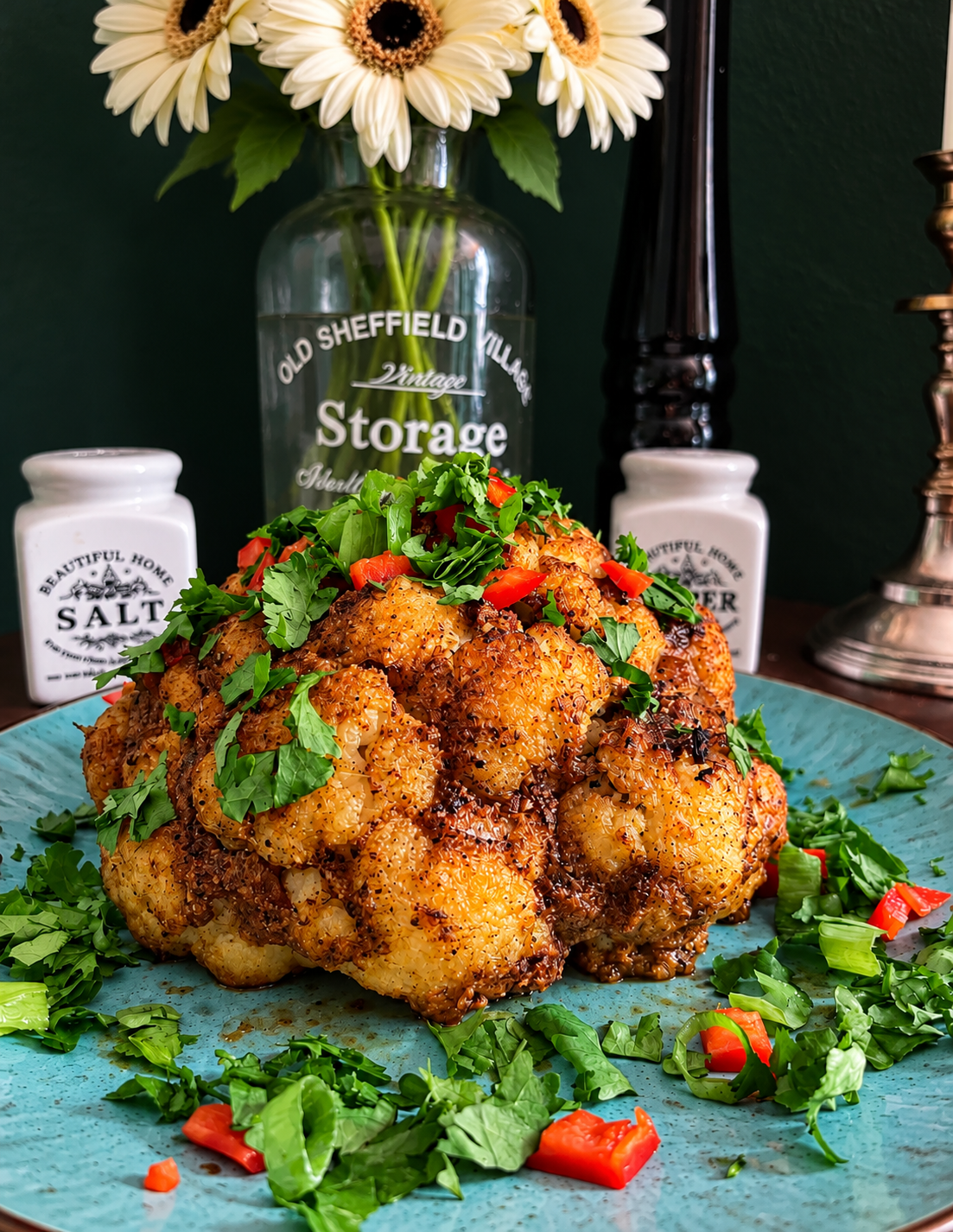
Jamaica – Whole Roasted Jerk Cauliflower
You may also like
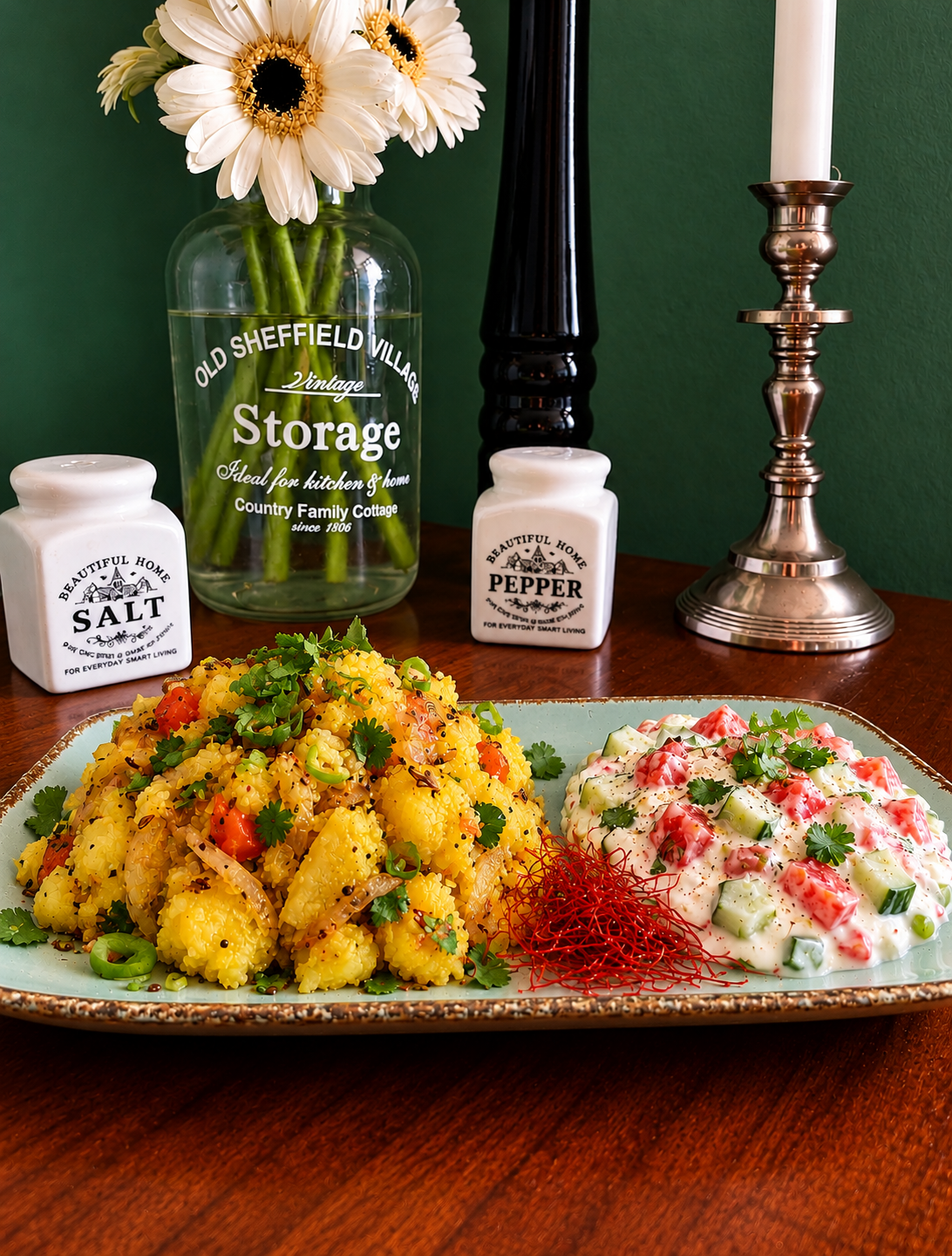
Aloo Bharta – Bangladeshi Spiced Mashed Potatoes with Mustard Oil
You may also like