
Recipe ♡
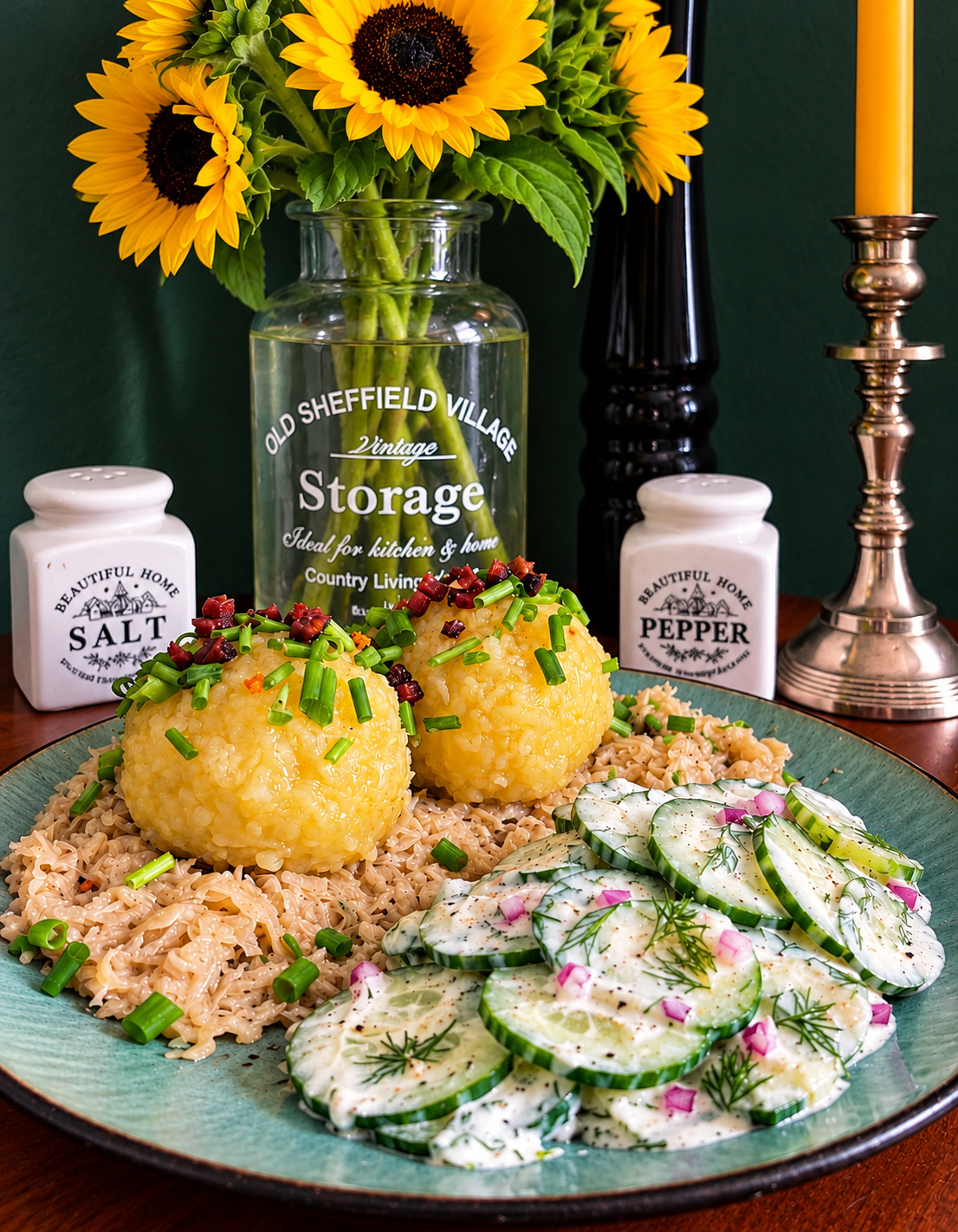
Austrian Vegan Grammelknödel – Potato Dumplings with Creamy Sauerkraut & Cucumber Dill Salad
Austria – Alpine Landscapes and a Rich Culinary Heritage
Austria is a landlocked country in Central Europe, famous for its spectacular Alpine landscapes, historic cities and diverse regional food traditions. Its cuisine reflects centuries of cultural exchange within the former Habsburg monarchy and neighbouring countries. Hearty dumplings, potato dishes, seasonal vegetables and traditional pastries play an important role in Austrian cooking. From Tyrolean mountain specialities to Viennese classics and the rustic cuisine of Upper Austria, the country's culinary heritage is wonderfully varied.
What Are Grammelknödel?
Grammelknödel are traditional Austrian dumplings particularly associated with Upper Austria. The name combines Grammeln, meaning crispy pork cracklings, with Knödel, the German word for dumplings. Traditionally, a soft potato dough is filled with seasoned cracklings, onions and marjoram, then gently cooked and commonly served with sauerkraut. My Via Veggie Vegan interpretation replaces the traditional pork filling with savoury plant-based ham cubes and uses a completely vegan potato dough. Served with creamy sauerkraut and a refreshing cucumber-dill salad, this hearty Austrian classic becomes a delicious plant-based comfort meal.
▣ Ingredients (2 servings)
- 400 g floury potatoes
- 100 g g plain wheat flour (Austrian Type W700 or a suitable equivalent)
- 20 g semolina
- 150 g vegan ham cubes
- 1/2 onion
- 1 cucumber
- 1 red onion
- 300 g sauerkraut (provisional quantity)
- 1 tbsp nutritional yeast
- 1/2 tsp dried majoran
- 1 pinch ground tumeric
- 1 pinch freshly grated nutmeg
- 4 stalks chives
- 1/4 bunch fresh dill
- 20 g vegan butter alternative, melted
- 50 ml plain unsweetened vegan yoghurt
- 1 tsp vegan butter alternative, for sautéing
- to taste salt & freshly ground black pepper
♨ Preparation
- 8. Prepare the Savory Filling
Heat 1 teaspoon of vegan butter alternative in a frying pan over medium heat.
Add the finely diced yellow onion and sauté until lightly golden.
Add the vegan ham cubes and dried marjoram. Fry briefly until the ham cubes are lightly crispy and fragrant.
Season with salt and freshly ground black pepper.
Remove the pan from the heat and allow the mixture to cool completely.
Divide the cooled filling into four equal portions and press each portion into a compact ball. Refrigerate briefly to make the dumplings easier to assemble. - 2. Prepare the Potato Dough
Peel the cooked, still-warm potatoes and press them through a potato ricer.
Spread the potatoes briefly over a clean work surface to allow excess steam to escape.
Add the wheat flour, semolina, nutritional yeast, ground turmeric, melted vegan butter alternative, salt and freshly grated nutmeg.
Quickly knead everything together into a smooth, pliable dough.
Avoid kneading for too long, as overworked potato dough can become sticky and difficult to handle. - 3. Shape the Grammelknödel
Divide the potato dough into four equal pieces.
Flatten each piece into a small disc.
Place one portion of the cooled vegan ham filling in the center.
Carefully fold the dough over the filling, sealing the edges completely.
Roll each dumpling gently between your palms until smooth and round.
Make sure there are no cracks or trapped air pockets, as these can cause the dumplings to break apart during cooking. - 4. Cook the Dumplings
Bring a large saucepan of generously salted water to a boil.
Carefully lower the dumplings into the water.
Immediately reduce the heat so the water remains just below a rolling boil.
Allow the dumplings to simmer gently for approximately 15–20 minutes.
They are ready when they float to the surface and rotate gently in the water.
Carefully remove them with a slotted spoon and allow excess water to drain. - 5. Prepare the Creamy Sauerkraut
Place the sauerkraut in a saucepan and warm it gently over medium-low heat.
Add the vegan cooking cream and stir until evenly combined.
Season with freshly ground black pepper and, if necessary, a little salt.
Allow the sauerkraut to simmer gently until heated through and creamy. - 6. Prepare the Cucumber Dill Salad
Wash the cucumber and slice it thinly.
Finely dice the red onion.
Place the cucumber slices and red onion in a mixing bowl.
Add the vegan yoghurt and freshly chopped dill.
Season with salt and freshly ground black pepper.
Mix gently until the cucumber slices are evenly coated.
Refrigerate until ready to serve. - 7. Garnish and Serve
Divide the creamy sauerkraut between two serving plates.
Place two cooked Grammelknödel on each portion.
Sprinkle the dumplings with freshly chopped chives.
Arrange the cucumber dill salad alongside.
Serve immediately while the dumplings and sauerkraut are hot and the cucumber salad remains cool and refreshing.
Food Story
Wiener Schnitzel, Childhood Memories and a Little Extra Wurst
When I think about Austrian food, my memories go all the way back to childhood. Whenever my family went out for dinner and Wiener Schnitzel was on the menu, my decision was usually made before anyone else had even opened their menu. But even back then, I had my own special requests. French fries? No, thank you! I wanted potato salad. And cranberry sauce with schnitzel? Absolutely not! A generous squeeze of fresh lemon was all I needed. Apparently, I was already quite particular about my food. As we say in German, I always needed an Extrawurst – a little special treatment. Not bad for a future vegan, is it?
Austria – Practically Around the Corner
Living in Munich means Austria is practically around the corner, and I’ve visited our southern neighbours quite a few times. Over the years, I’ve discovered that Austrian cuisine has so much more to offer than Wiener Schnitzel. From hearty potato dishes and traditional dumplings to seasonal vegetables and wonderful pastries, there’s plenty to explore. I particularly love how simple ingredients such as potatoes, cabbage, onions and herbs can become something truly delicious. And that’s exactly what makes traditional recipes so much fun to reinterpret in my plant-based kitchen. This time, Grammelknödel were calling my name!
Depeche Mode in Vienna – Music First, Dinner Later
My last visit to Austria was a few years ago, when I travelled to Vienna for a Depeche Mode concert. And if you know me, you know that Depeche Mode is always an excellent reason to travel! Unfortunately, concert days aren’t exactly ideal for leisurely culinary adventures. Between queuing, waiting for admission and securing the perfect spot, my meals mostly consisted of vegan fast food. So today, I’m making up for it in my own kitchen with soft potato dumplings filled with savoury vegan ham, creamy sauerkraut and a refreshing cucumber-dill salad. A little Austrian comfort food, a little childhood nostalgia and perhaps some Depeche Mode playing in the background. Via Veggie Vegan – A Culinary Journey Around the World.
♨ Nutrition per serving
Nutritional values are approximate and may vary depending on the ingredients and products used.
Good to Know
Grammelknödel – A Traditional Austrian Speciality
Grammelknödel are traditional Austrian dumplings particularly associated with Upper Austria, a region famous for its hearty dumpling dishes. The name combines Grammeln, meaning crispy pork cracklings, with Knödel, the German word for dumplings. Traditionally filled with seasoned pork cracklings, onions and marjoram, they are commonly served with sauerkraut. My Via Veggie Vegan version replaces the pork filling with savoury plant-based ham cubes while preserving the comforting character of this regional classic.
Why Floury Potatoes Are Essential for Perfect Dumplings
Floury potatoes contain relatively high amounts of starch and develop a soft, fluffy texture when cooked. This makes them particularly suitable for potato dumpling dough. Allowing the potatoes to steam dry before pressing them through a potato ricer helps remove excess moisture. Wheat flour and semolina provide additional structure, but the dough should be kneaded only briefly to prevent it from becoming sticky or heavy.
Marjoram – The Classic Austrian Dumpling Herb
Marjoram is widely used in Austrian and Central European cooking, particularly in savoury fillings, potato dishes and traditional meat preparations. Its warm, slightly sweet and aromatic flavour pairs beautifully with onions and smoky ingredients. Just half a teaspoon of dried marjoram gives the vegan ham filling a distinctive traditional character without overpowering the other ingredients.
Vegan Ham – A Plant-Based Alternative to Pork Cracklings
Traditional Grammeln are crispy pieces produced when pork fat is rendered. Vegan ham cubes offer a savoury alternative and may be made from soy, wheat protein, pea protein or other plant ingredients. Their protein, sodium and saturated-fat contents vary between products. Frying the cubes with onion and marjoram creates a flavourful filling that complements the soft potato dough.
Sauerkraut – Fermentation and Austrian Food Culture
Sauerkraut is made by fermenting finely shredded cabbage with salt. During fermentation, lactic acid bacteria convert sugars into organic acids, creating its characteristic tangy flavour. Sauerkraut is a popular accompaniment to hearty Austrian dishes because its acidity balances rich, savoury flavours. My version adds vegan cooking cream for a milder, creamier texture. Heating sauerkraut generally reduces or eliminates any live microorganisms present.
Cucumber and Dill – A Refreshing Contrast
Cucumber salad adds freshness and crunch to the warm dumplings and creamy sauerkraut. Cucumbers contain a high proportion of water, while fresh dill provides a distinctive herbal aroma. Red onion contributes colour and a slightly pungent flavour, and unsweetened vegan yoghurt creates a creamy dressing. Prepare the salad shortly before serving, as salted cucumber slices gradually release moisture and can make the dressing watery.
Plant-Based Protein, Fibre and Nutritional Balance
Potatoes, flour and semolina provide most of the carbohydrates in this dish, while the vegan ham contributes additional protein. Sauerkraut, cucumber and onions supply dietary fibre and other nutrients. The nutritional profile depends on the specific plant-based products used, particularly their protein, salt and saturated-fat content. Together, the dumplings and vegetable accompaniments create a satisfying main course with contrasting textures and flavours.
LDL, HDL and Healthy Dietary Fats
Plant-based ingredients naturally contain no dietary cholesterol, but vegan butter alternatives, cooking creams and meat substitutes may still contain saturated fats. Elevated LDL cholesterol contributes to atherosclerosis and cardiovascular risk. HDL participates in transporting cholesterol towards the liver, although high HDL levels alone do not guarantee protection. Replacing some saturated fats with unsaturated fats can help reduce LDL cholesterol, making ingredient selection important even in a fully vegan recipe.
Why Potato Dumplings Must Simmer Gently
Potato dumplings should cook in gently simmering salted water rather than a vigorous rolling boil. Strong bubbling can damage the delicate dough and cause the filling to escape. Cooling the filling completely, sealing the dumplings carefully and maintaining a gentle simmer help them retain their shape. Floating to the surface is a useful indication of cooking progress, but it does not always guarantee that the centre is fully cooked.
Zero Waste – Making the Most of Austrian Comfort Food
Leftover cooked potatoes can become crispy potato cakes, while extra sauerkraut works beautifully in soups, sandwiches or vegetable dishes. Clean onion trimmings can be saved for homemade vegetable stock. Refrigerate leftover dumplings and side dishes promptly in separate airtight containers and consume them within approximately two to three days when stored safely. Keeping the cucumber salad separate helps preserve its freshness and texture.
You may also like
♡
You may also like
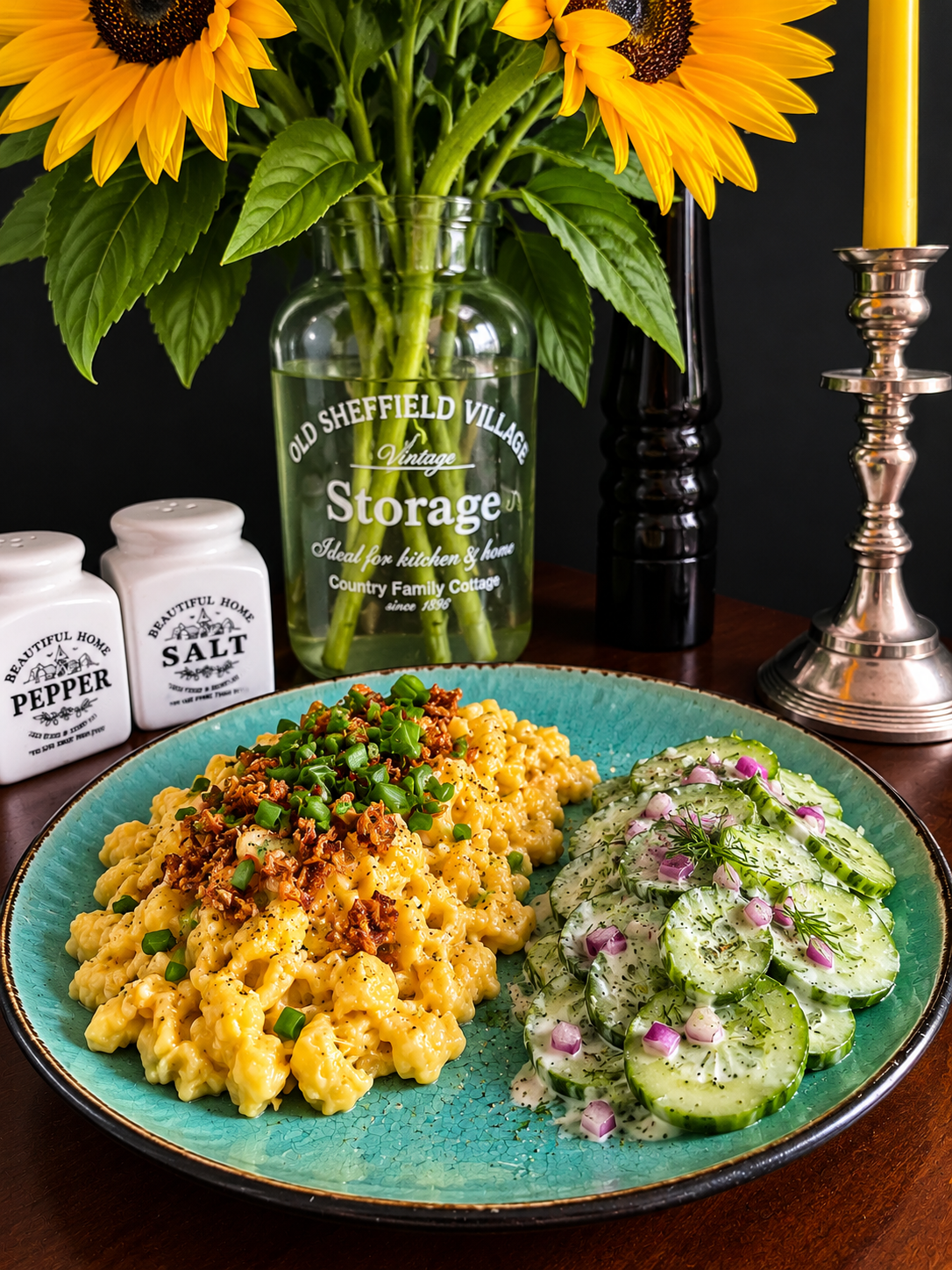
Vegan Swiss Chäschnöpfli – Homemade Cheese Spätzle with Cucumber Dill Salad
You may also like
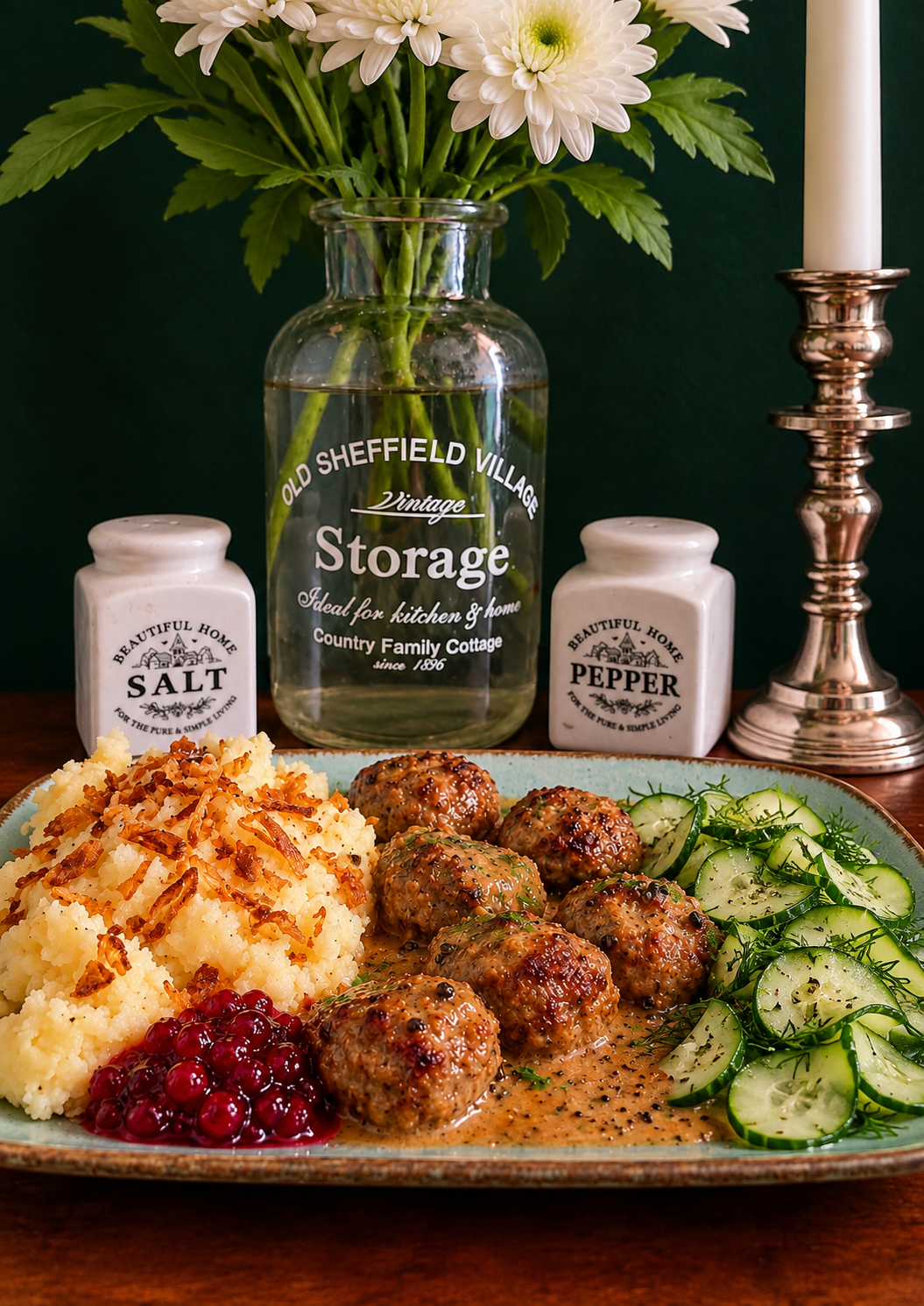
Swedish Vegan Köttbullar – Homemade Meatballs with Creamy Gravy, Mashed Potatoes & Lingonberries
You may also like